All Astronauts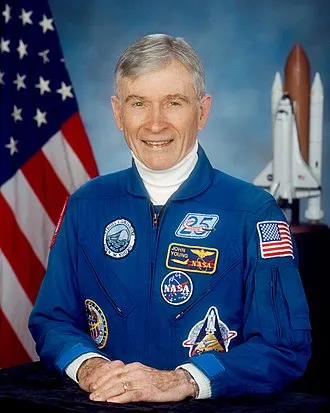 VETERANIn MemoriamNASA
VETERANIn MemoriamNASANASA·🇺🇸 United States·Born 1930
John Young
Flew six missions across three programs over two decades — the only person to command Gemini, Apollo, and Space Shuttle flights.
35d
Days in Space
6
Missions
3
EVAs
20h
EVA Time
Biography
Flew six missions across three programs over two decades — the only person to command Gemini, Apollo, and Space Shuttle flights. Ninth person to walk on the Moon. He died in 2018.
Before NASAU.S. Navy aviator and test pilot who earned a Bachelor of Science in Aeronautical Engineering from Georgia Tech, set multiple world time-to-climb records in the F-4 Phantom II, and served 24 years in the Navy before NASA selected him in 1962.
Life & career
John Watts Young was born on September 24, 1930, in San Francisco and became the most experienced astronaut of his generation. He earned a Bachelor of Science in aeronautical engineering from the Georgia Institute of Technology, then joined the U.S. Navy, serving at sea during the Korean War before becoming a naval aviator and graduating from the U.S. Naval Test Pilot School. As a test pilot he set world time-to-climb records in the F-4 Phantom II. NASA selected him in 1962 with its second astronaut class, beginning a career at the agency that would stretch across 42 years and three human spaceflight programs—an unmatched span.
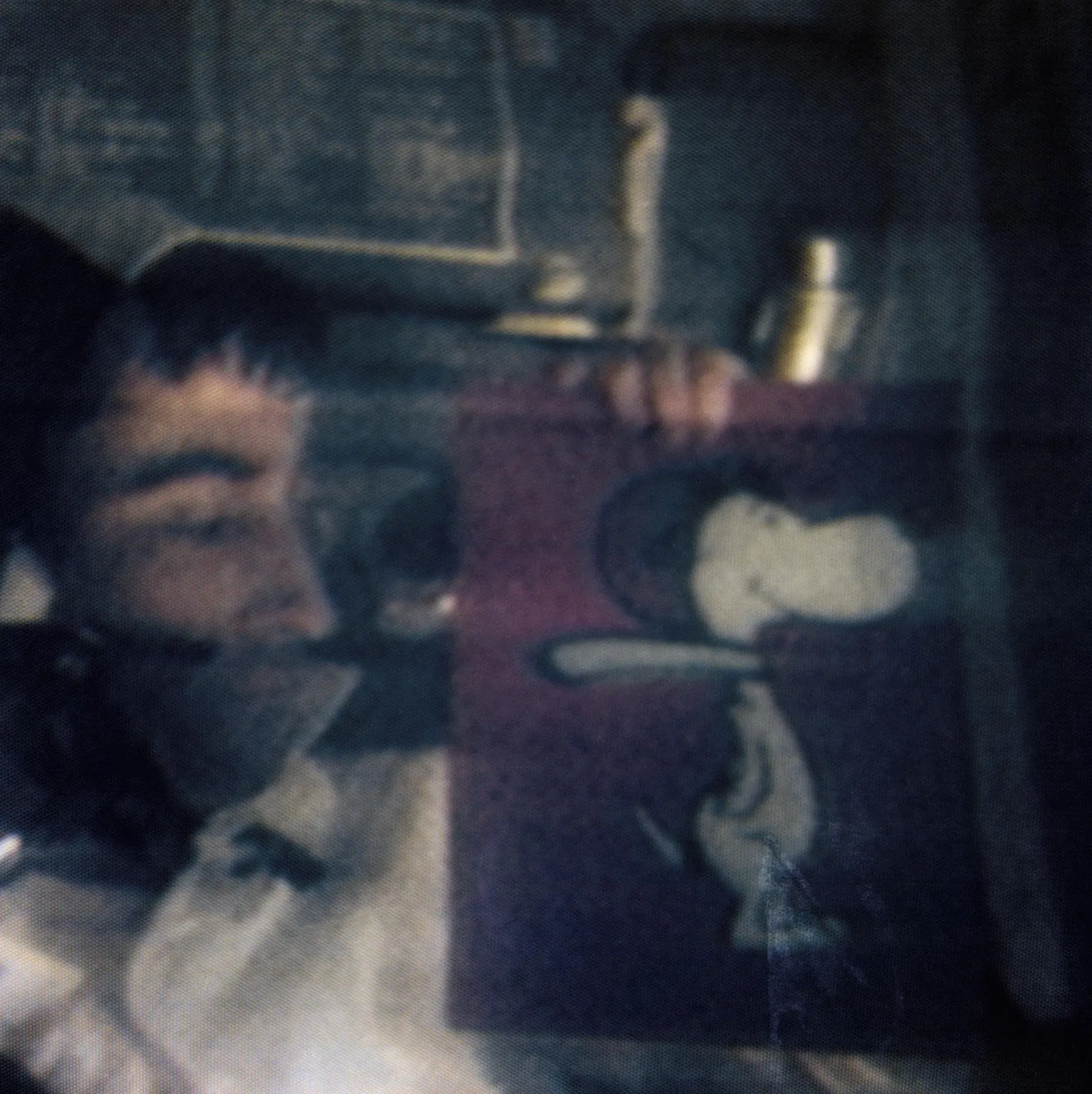
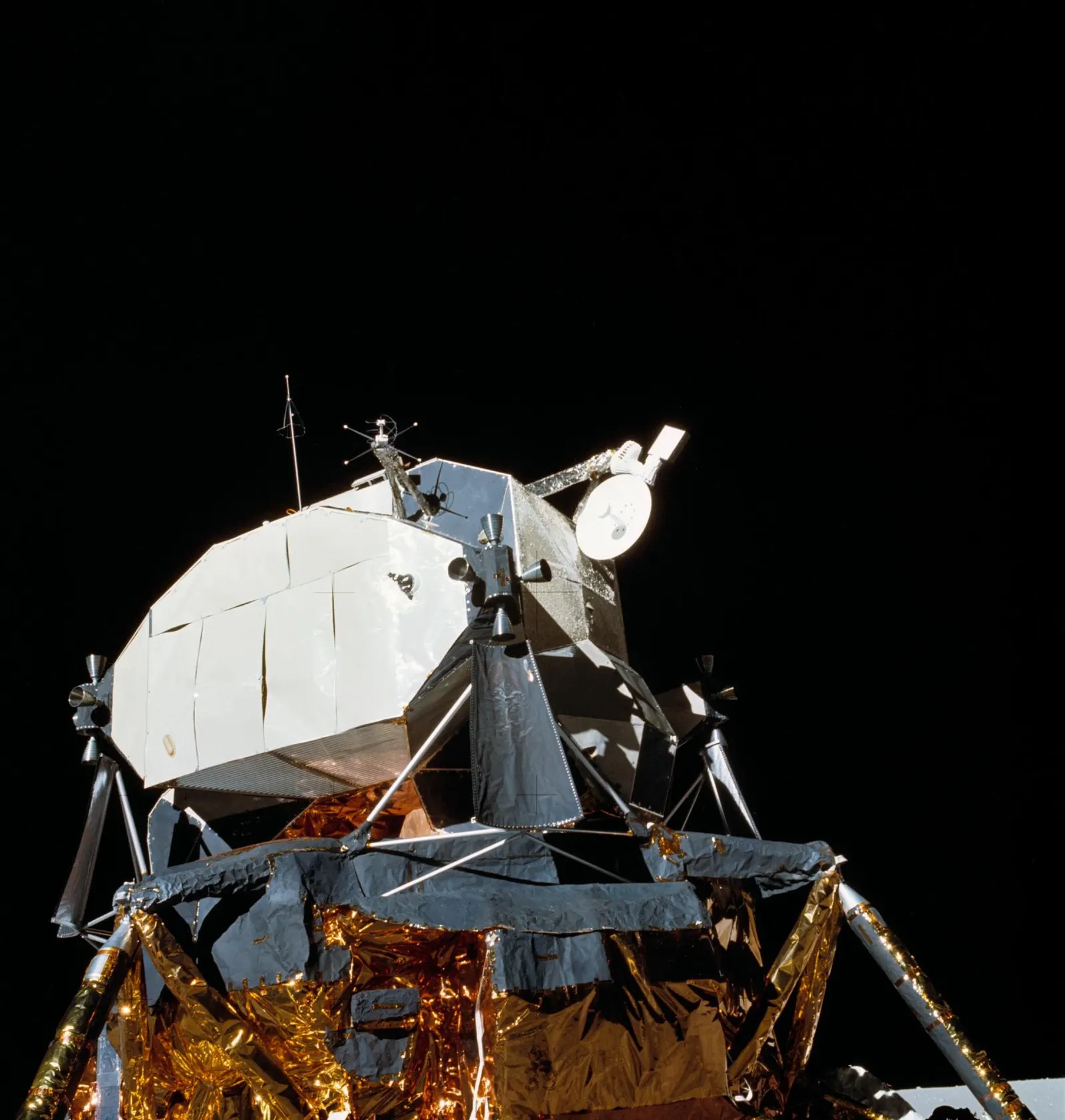
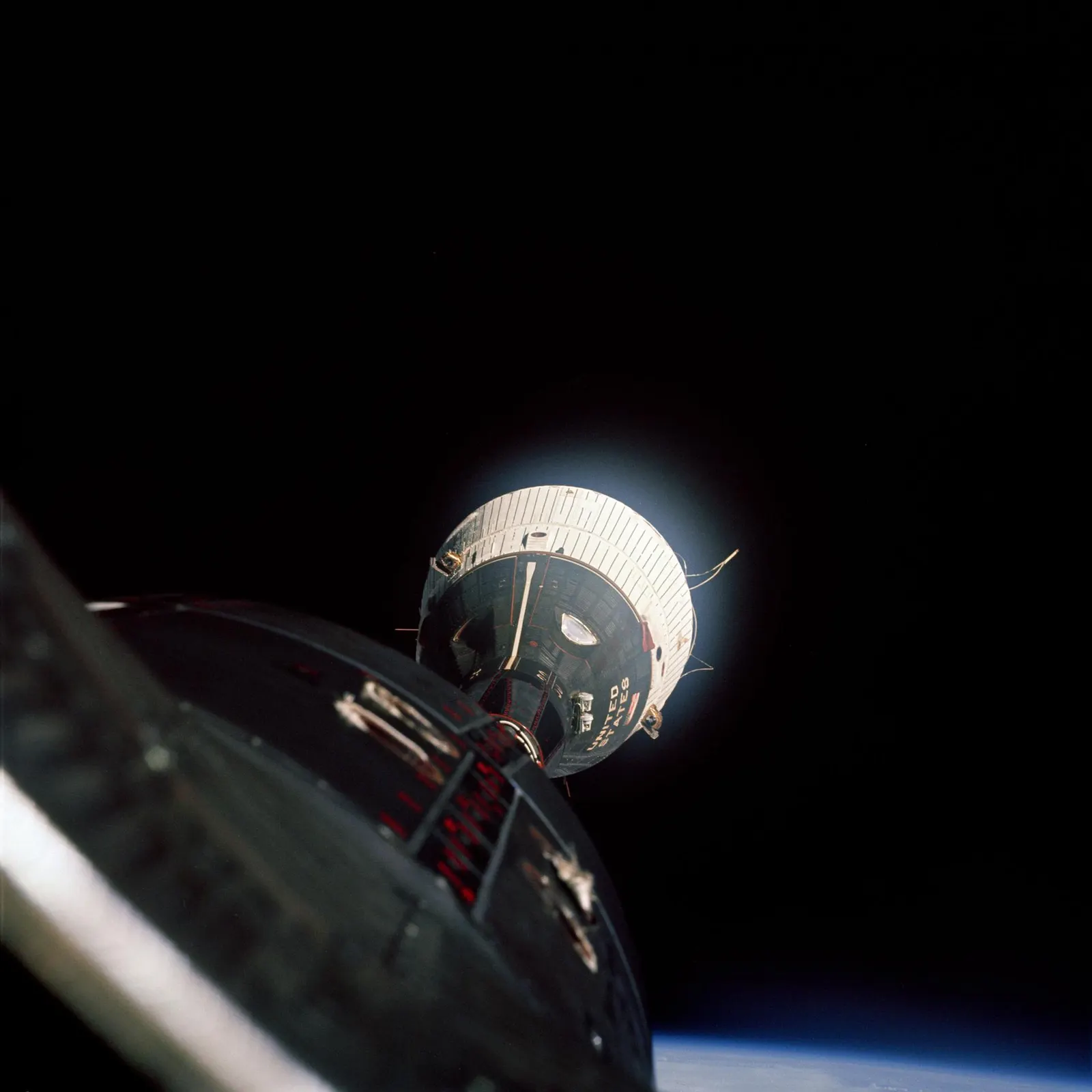
Young flew six missions, an extraordinary total. His first, Gemini 3 in March 1965, was the program's first crewed flight; Young flew as pilot to Gus Grissom and became briefly notorious for smuggling a corned-beef sandwich aboard, prompting a minor congressional flap. He commanded Gemini 10 in July 1966, executing a complex dual rendezvous that used a docked Agena stage's engine to boost the spacecraft to a record altitude. On Apollo 10 in May 1969 he served as command module pilot, orbiting the Moon alone in 'Charlie Brown' while Stafford and Cernan descended in the lander—making Young the first person to fly solo around the Moon. In April 1972 he commanded Apollo 16, landing in the Descartes Highlands and becoming the ninth person to walk on the Moon, where he and Charlie Duke spent three days exploring and driving the lunar rover. Then, in a feat no one else has matched, Young returned to spaceflight in the shuttle era: he commanded STS-1 in April 1981, the maiden orbital flight of Space Shuttle Columbia, and STS-9 in 1983, which carried the first Spacelab. Those flights made him the only person to command Gemini, Apollo, and Space Shuttle missions—and the only astronaut to fly four different classes of spacecraft.
Young accumulated 835 hours in space and, on Apollo 16, three moonwalks totaling about 20 hours. He served as Chief of the Astronaut Office from 1974 to 1987, a period during which he was a famously blunt internal advocate for crew safety, and he remained on NASA's staff until his retirement in 2004 after 42 years of service. Few figures better embodied the continuity of American human spaceflight from its first tentative orbits to the reusable shuttle. He died of complications from pneumonia at his home in Houston on January 5, 2018, at the age of 87, remembered as one of NASA's longest-serving astronauts and one of the most versatile pilots the program ever produced.
Mission Timeline
- Pilot
Gemini spacecraft Molly Brown
Gemini 3
Launch: Mar 23, 1965Landing: Mar 23, 1965Duration: 1 day- First crewed Gemini flight — and smuggled a corned beef sandwich aboard
- Commander
Gemini spacecraft
Gemini 10
Launch: Jul 18, 1966Landing: Jul 21, 1966Duration: 3 days- Dual rendezvous using the Agena's engine to raise orbit
- Command Module Pilot
Apollo CSM Charlie Brown
Apollo 10
Launch: May 18, 1969Landing: May 26, 1969Duration: 8 days- Orbited the Moon solo during the landing dress rehearsal
- Commander
Apollo CSM Casper / LM Orion
Apollo 16
Launch: Apr 16, 1972Landing: Apr 27, 1972Duration: 11 days- Walked on the Moon in the Descartes Highlands
- Commander
Space Shuttle Columbia
STS-1
Launch: Apr 12, 1981Landing: Apr 14, 1981Duration: 2 days- Commanded the first Space Shuttle flight
- Commander
Space Shuttle Columbia
STS-9
Launch: Nov 28, 1983Landing: Dec 8, 1983Duration: 10 days- First Spacelab mission
Beyond the Mission
Hobbies & Interests
readingphysical fitness
Languages
English
Fun fact
Young is the only person in history to fly four different classes of spacecraft — Gemini, the Apollo Command Module, the Lunar Module, and the Space Shuttle — and he once smuggled a corned beef sandwich onto Gemini 3, triggering a congressional hearing about contraband food in space.
More Astronauts
Other space travelers from NASA