All Astronauts VETERANIn MemoriamNASA
VETERANIn MemoriamNASANASA·🇺🇸 United States·Born 1936
Ken Mattingly
Pulled from Apollo 13 days before launch over a measles scare, he helped rescue the crew from Mission Control, then flew to the Moon on Apollo 16 and commanded two Shuttle missions.
504h
Hours in Space
3
Missions
1
EVAs
1h
EVA Time
Biography
Pulled from Apollo 13 days before launch over a measles scare, he helped rescue the crew from Mission Control, then flew to the Moon on Apollo 16 and commanded two Shuttle missions. He died in 2023.
Before NASAU.S. Navy carrier aviator who flew A-1H Skyraiders and A-3B Skywarriors before attending the USAF Aerospace Research Pilot School at Edwards AFB and accumulating over 7,200 flight hours prior to NASA selection in 1966.
Life & career
Thomas Kenneth Mattingly II was born on March 17, 1936, in Chicago, Illinois, and built his path to space through naval aviation. He flew as a carrier pilot, logging hours in the A-1H Skyraider and the A-3B Skywarrior, before attending the U.S. Air Force Aerospace Research Pilot School at Edwards Air Force Base. By the time NASA selected him in 1966, he was an experienced naval aviator who would go on to accumulate thousands of flight hours over his career. Meticulous and engineering-minded, Mattingly quickly became one of the astronaut corps' most trusted technical specialists, serving as the astronaut representative in the development and testing of the Apollo spacesuit and its life-support backpack, and supporting the Apollo 8 and Apollo 11 crews, before receiving a flight assignment of his own.
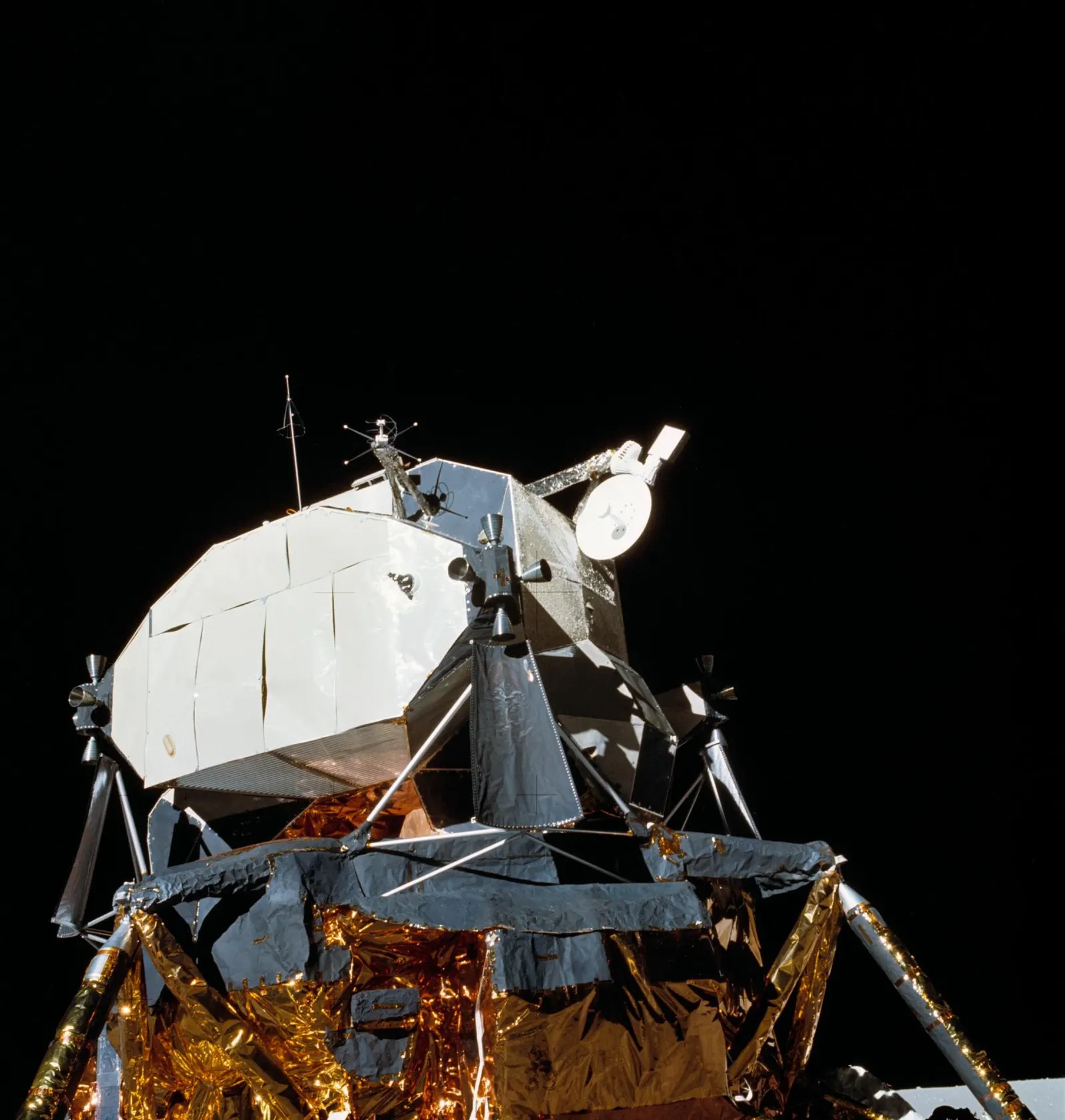
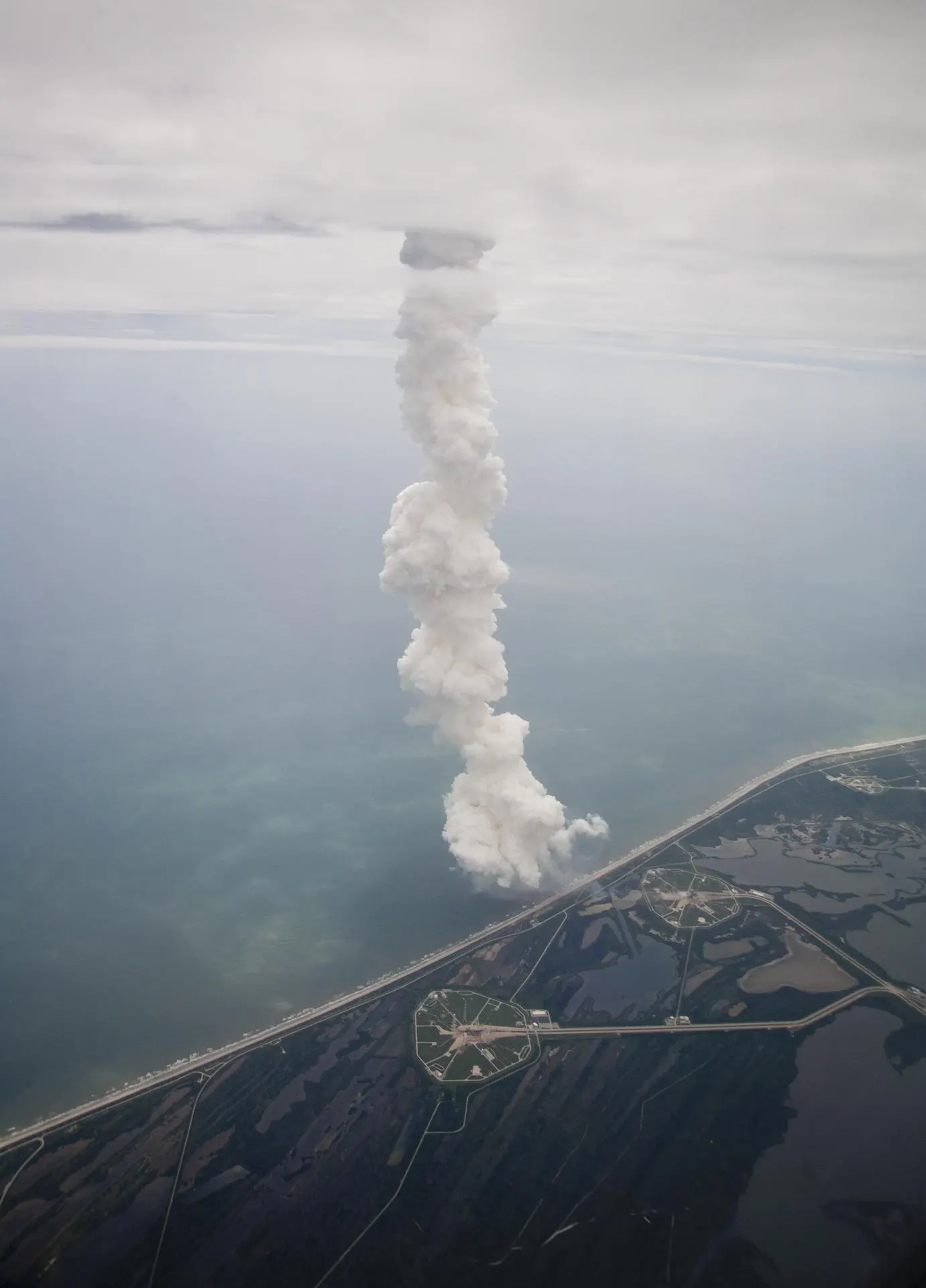
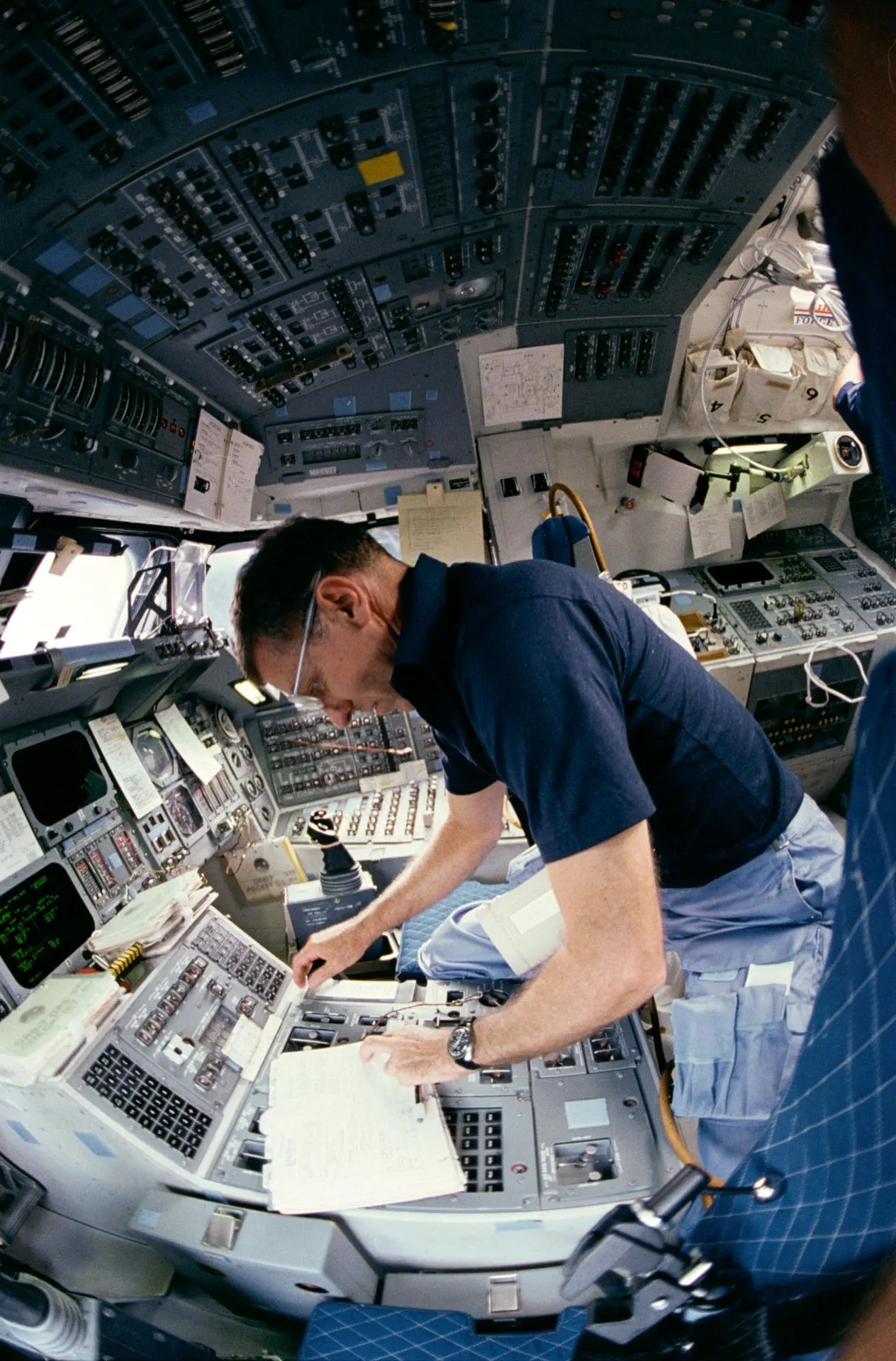
Mattingly's career is inseparable from Apollo 13. Named command module pilot for that mission, he was removed from flight status just days before launch after being exposed to German measles through backup crewman Charlie Duke; Mattingly never developed the illness, but the decision stood and Jack Swigert took his seat. When an oxygen tank ruptured en route to the Moon, he joined the ground effort in Houston, working long hours in the simulator to help devise the delicate power-up sequence that safely returned the crippled spacecraft and its crew to Earth. Two years later he flew his own lunar voyage as command module pilot of Apollo 16, launched on April 16, 1972. Orbiting the Moon aboard the command module Casper while Young and Duke worked the surface, Mattingly operated a suite of scientific instruments, then performed a deep-space extravehicular activity on the return to retrieve film cassettes from the service module's instrument bay. He later commanded two Space Shuttle flights: STS-4 aboard Columbia in June 1982, the fourth and final orbital test flight of the Shuttle, and STS-51-C aboard Discovery in January 1985, the first mission dedicated entirely to the Department of Defense. Across three missions he logged roughly 504 hours in space.
Mattingly retired from NASA in 1985 and from the U.S. Navy, where he had reached the rank of rear admiral, the following year, afterward working in the aerospace industry. He is remembered as much for the mission he did not fly as for the two he commanded: the man grounded by a measles scare who then helped save the lives of the Apollo 13 crew from a console in Mission Control. Portrayed prominently by Gary Sinise in the 1995 film Apollo 13, he became one of the more widely recognized figures of the Apollo era. Ken Mattingly died on October 31, 2023, at the age of eighty-seven, remembered as a rigorous engineer and aviator whose calm competence shaped some of the defining moments of American spaceflight.
Mission Timeline
- Command Module Pilot
Apollo CSM Casper
Apollo 16
Launch: Apr 16, 1972Landing: Apr 27, 1972Duration: 11 days- Deep-space EVA on the return from the Moon
- Commander
Space Shuttle Columbia
STS-4
Launch: Jun 27, 1982Landing: Jul 4, 1982Duration: 7 days- Final orbital test flight of the Space Shuttle
- Commander
Space Shuttle Discovery
STS-51-C
Launch: Jan 24, 1985Landing: Jan 27, 1985Duration: 3 days- First dedicated Department of Defense Shuttle mission
Beyond the Mission
Hobbies & Interests
aviation
Languages
English
Fun fact
Mattingly was pulled from the Apollo 13 crew three days before launch after exposure to German measles — he never actually got sick — and then famously worked around the clock in the simulator helping devise the power-up procedures that brought the stricken Apollo 13 crew home safely.
More Astronauts
Other space travelers from NASA