All Astronauts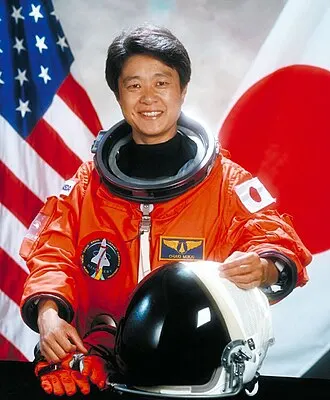 VETERANRetiredJAXA
VETERANRetiredJAXAJAXA·🇯🇵 Japan·Born 1952
Chiaki Mukai
First Japanese woman in space and first Japanese citizen with two spaceflights.
566h
Hours in Space
2
Missions
0
EVAs
—
EVA Time
What they aspire to
She aspired to advance life-science research in space and to encourage women to pursue science.
Biography
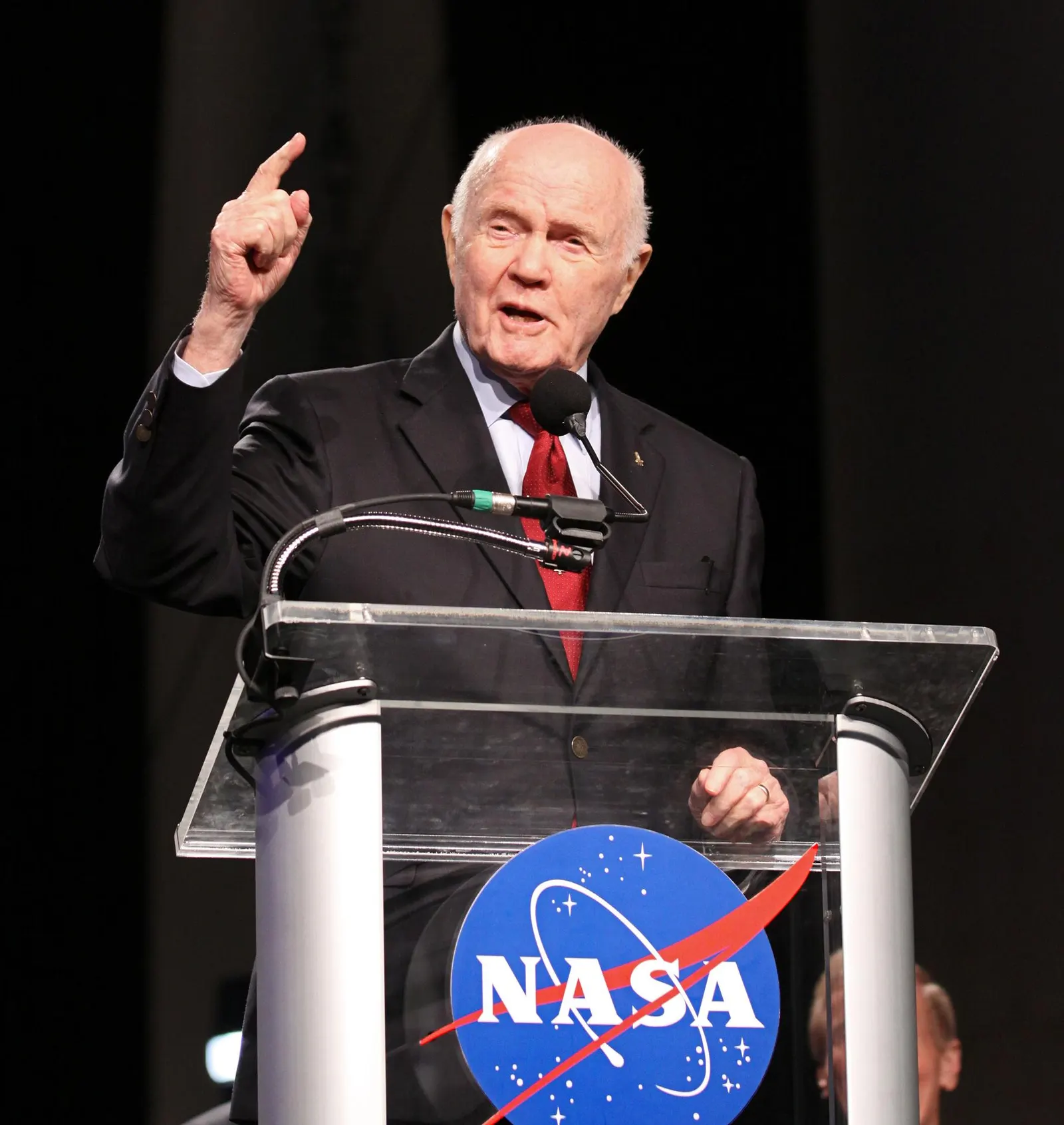
First Japanese woman in space and first Japanese citizen with two spaceflights. Cardiovascular surgeon who flew alongside John Glenn on STS-95.
Before NASACardiovascular surgeon at Keio University Hospital before being selected by NASDA in 1985 as a payload specialist.
Life & career
Chiaki Mukai was born on 6 May 1952 in Tatebayashi, Gunma Prefecture, and came to spaceflight not from a cockpit but from an operating theatre. She earned her medical doctorate from Keio University School of Medicine in 1977 and a doctorate in physiology from the same institution in 1988, and by 1989 the Japan Surgical Society had board-certified her as a cardiovascular surgeon. Working as a heart surgeon and assistant professor in Keio's Department of Cardiovascular Surgery, she was chosen in 1985 by the National Space Development Agency of Japan (NASDA) as one of three payload-specialist candidates for the Spacelab-J mission. She trained as a backup for that flight before drawing a seat of her own, becoming the physician-scientist Japan sent to run experiments in orbit rather than to fly the vehicle.
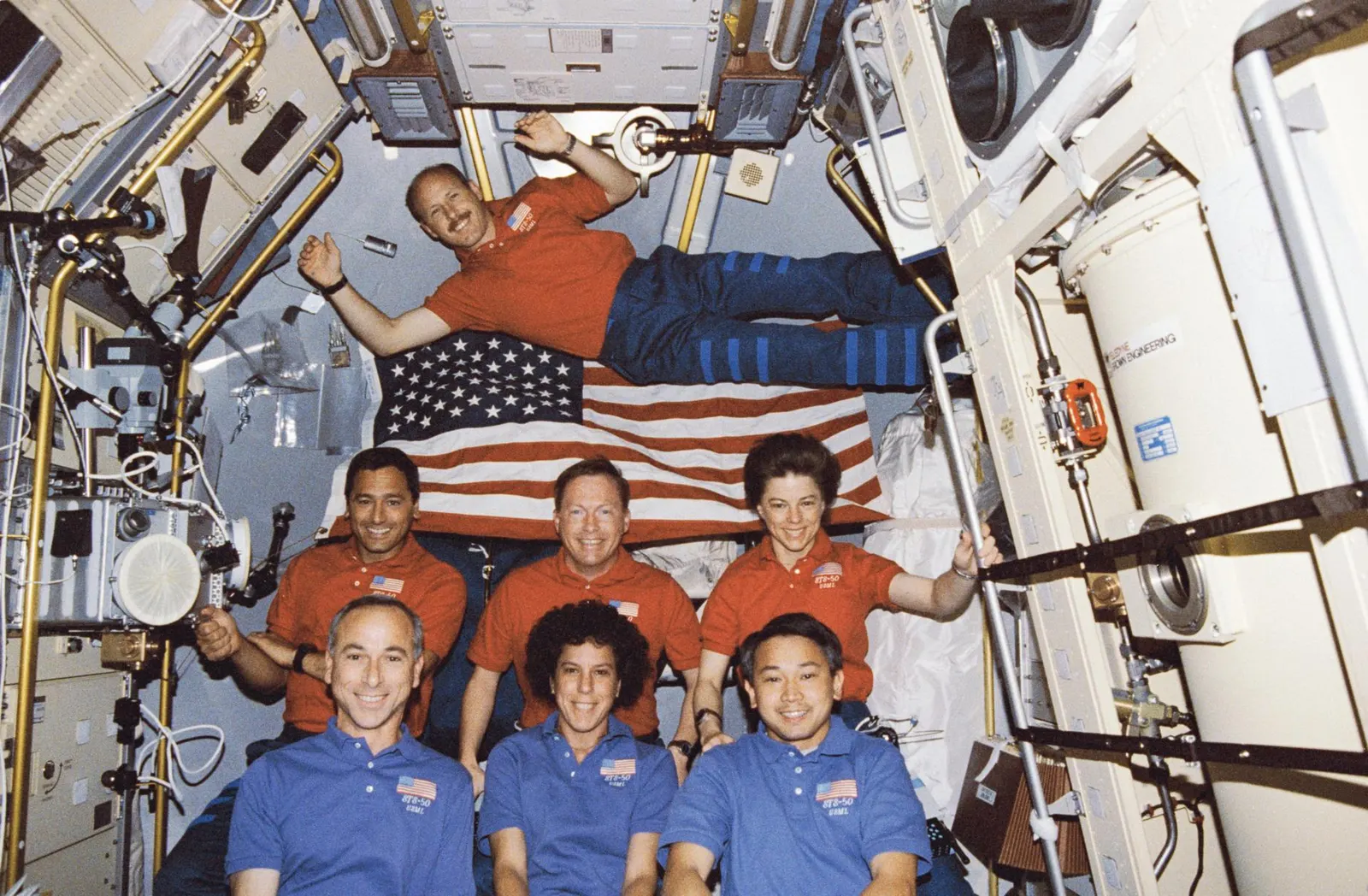
Mukai flew twice, and each flight was a research campaign rather than a joyride. Her first mission, STS-65 aboard Columbia (8-23 July 1994), was the second International Microgravity Laboratory flight, a two-week Spacelab mission packed with 82 investigations across space life sciences and materials science; with it she became the first Japanese woman to fly in space. Four years later she returned on STS-95 aboard Discovery (29 October - 7 November 1998), the nine-day mission best remembered for carrying 77-year-old John Glenn back to orbit. Mukai served alongside Glenn as a payload specialist on a crew that ran more than 80 experiments, many probing the parallels between weightlessness and human aging, and deployed the Spartan solar-observation spacecraft. Flying STS-95 made her the first Japanese citizen to journey into space twice. Across her two missions she logged roughly 566 hours, some 23 days and 15 hours off the planet, without performing any spacewalks, her contribution being scientific rather than extravehicular.
Mukai's legacy rests on a pair of firsts that opened Japan's human-spaceflight program to women and to repeat fliers, and on a career that kept bridging medicine and space long after her flights ended. She held a visiting professorship at the International Space University and returned to JAXA leadership, directing its Space Biomedical Research Office from 2007 and later its Center for Applied Space Medicine and Human Research, then serving as a JAXA technical counselor. In 2015 she became a vice president of the Tokyo University of Science, channeling her orbital research into education and space-medicine advocacy. Now retired from active flight status, she remains one of Japan's most recognizable scientific figures, a cardiovascular surgeon who used two Spacelab-era shuttle flights to study how the human body copes with an environment it never evolved for.
Notable Missions
STS-65 (Spacelab IML-2)STS-95
Beyond the Mission
Hobbies & Interests
alpine skiingtennisscuba divingtanka poetry
Causes They Champion
Women in scienceSpace life-sciences research
Languages
JapaneseEnglish
Awards & Honors
- Princess of Asturias Award for International Cooperation
- Knight of the Légion d'honneur
- Medal with Purple Ribbon (Japan)
Fun fact
On STS-95 in 1998 she launched alongside John Glenn and became the first Japanese citizen to fly in space twice.
More Astronauts
Other space travelers from JAXA