
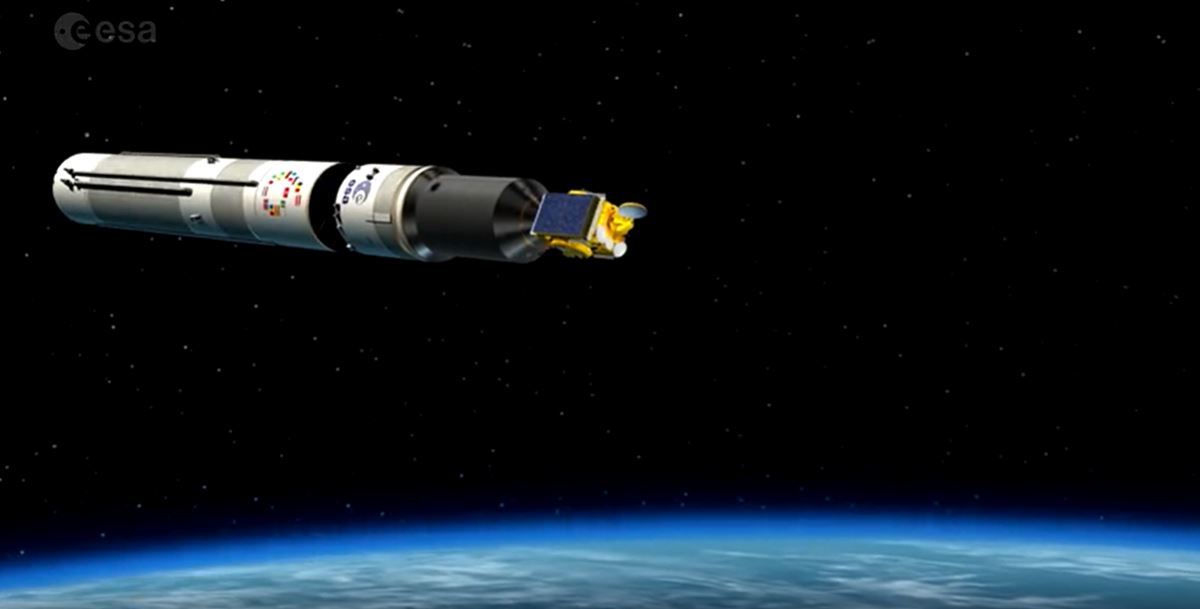
The European Space Agency (ESA) stands as a beacon of scientific excellence and international collaboration in the realm of space exploration. With a rich history spanning decades, ESA has made profound contributions to our understanding of the universe and has played a pivotal role in driving technological advancements. In this blog post, we will explore ESA’s remarkable contributions to space exploration and how the agency is propelling humanity forward on an extraordinary journey to the cosmos.
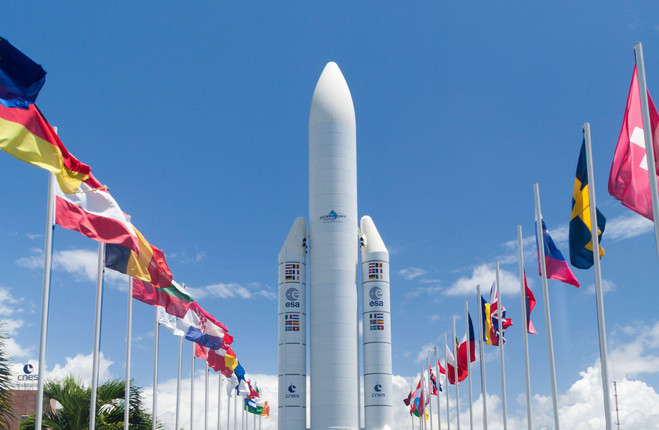
Advancing Scientific Knowledge: Unveiling the Mysteries of the Universe
ESA has been at the forefront of groundbreaking space missions, enabling remarkable discoveries and expanding our knowledge of the cosmos. Through missions like the Hubble Space Telescope, Gaia, and Planck, ESA has revolutionized our understanding of celestial objects, the nature of space, and the origins of the universe. These missions have provided breathtaking images, detailed astronomical data, and crucial insights into the fundamental workings of our cosmos.
Collaborative International Partnerships: Uniting the Global Scientific Community
ESA’s commitment to collaboration is a cornerstone of its success. Through partnerships with space agencies around the world, including NASA, JAXA, and Roscosmos, ESA has facilitated joint missions and shared resources, amplifying the impact of scientific research and technological innovation. By fostering international cooperation, ESA has established a framework for addressing global challenges, such as climate change, disaster management, and space exploration.
Satellite Systems: Enhancing Life on Earth
ESA’s satellite systems have revolutionized our ability to monitor and understand our planet, enhancing various aspects of life on Earth. The Copernicus program, led by ESA in partnership with the European Union, provides vital Earth observation data for climate research, environmental monitoring, and disaster management. Other satellite missions, such as Envisat and Sentinel, have enabled precise mapping, weather forecasting, and resource management, contributing to a sustainable future for our planet.
Human Spaceflight: Expanding Human Horizons
ESA’s involvement in human spaceflight has played a crucial role in expanding our understanding of space and the human experience beyond Earth. Through missions like the International Space Station (ISS), ESA astronauts have conducted groundbreaking research in microgravity environments, furthering our understanding of human biology, physics, and technology. ESA’s contributions to the ISS have strengthened international cooperation and fostered a vision of space exploration as a shared endeavor.
Future Space Missions: Paving the Way for New Frontiers
ESA continues to push the boundaries of space exploration with ambitious future missions. The upcoming ExoMars program aims to search for signs of past or present life on Mars, while the JUICE mission will explore Jupiter’s icy moons. ESA is also actively developing technologies for deep space exploration, including propulsion systems, robotics, and the potential for crewed missions beyond Earth’s orbit. These missions hold the promise of unlocking new scientific insights and expanding humanity’s presence in the cosmos.
ESA’s contributions to space exploration have transformed our understanding of the universe and ignited our collective curiosity about the cosmos. Through scientific discoveries, collaborative partnerships, satellite systems, and human spaceflight endeavors, ESA has propelled humanity forward on an awe-inspiring journey. As the agency continues to forge new paths and embrace the challenges of the future, we can eagerly anticipate the remarkable advancements and discoveries that lie ahead. ESA’s commitment to pushing boundaries and elevating humanity’s journey to the stars inspires us all to dream of a future where we explore and understand the universe in all its wonder.
 Space Odyssey