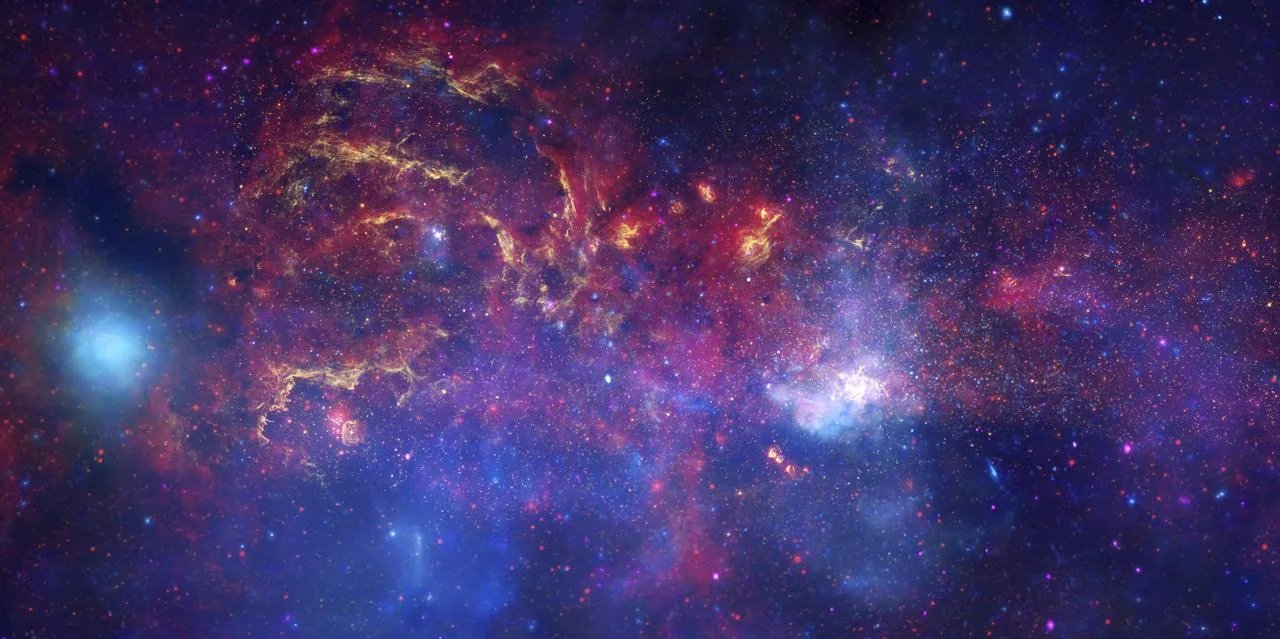
Live — right now in space
Tonight, 13 people are orbiting above you.
Five spacecraft are leaving the Solar System forever.
The next rocket lifts off soon.
Next launch· Go for Launch
Falcon 9 Block 5 | Starlink Group 17-52
SpaceX · Falcon 9 Block 5 · Space Launch Complex 4E
Choose your path
Live Right Now
Today in Space
Live, right now
Your live command center — what's above you and off Earth, right now.
Experiences
Don't read about space. Travel through it.
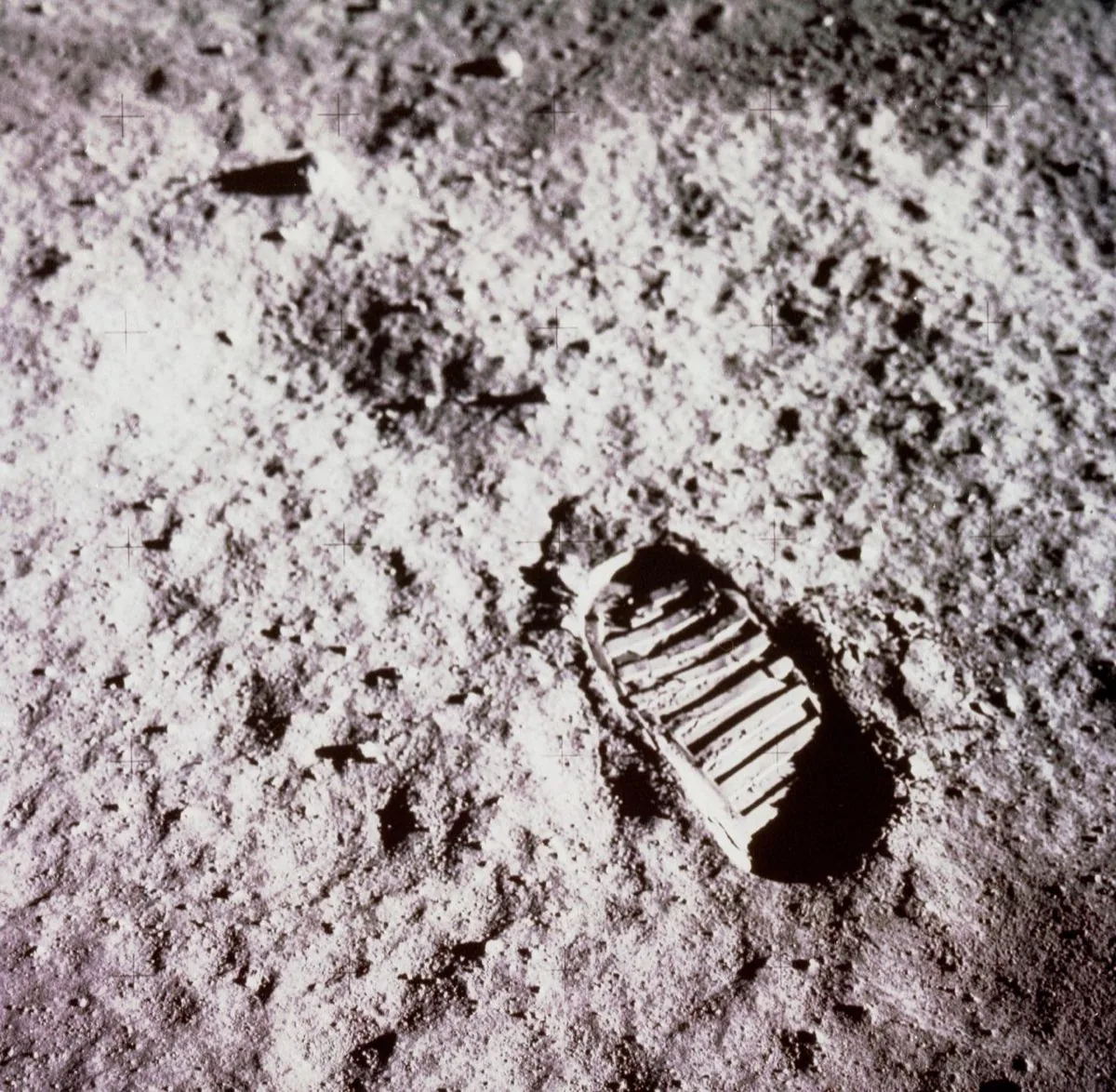
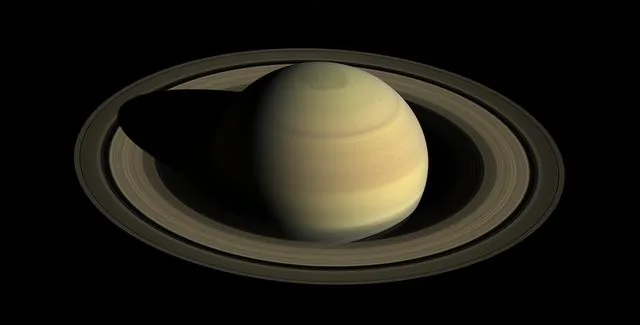
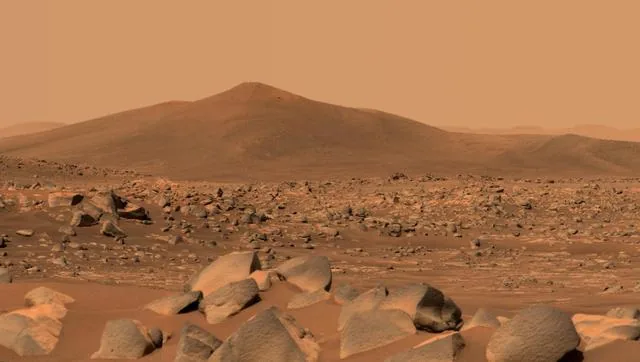

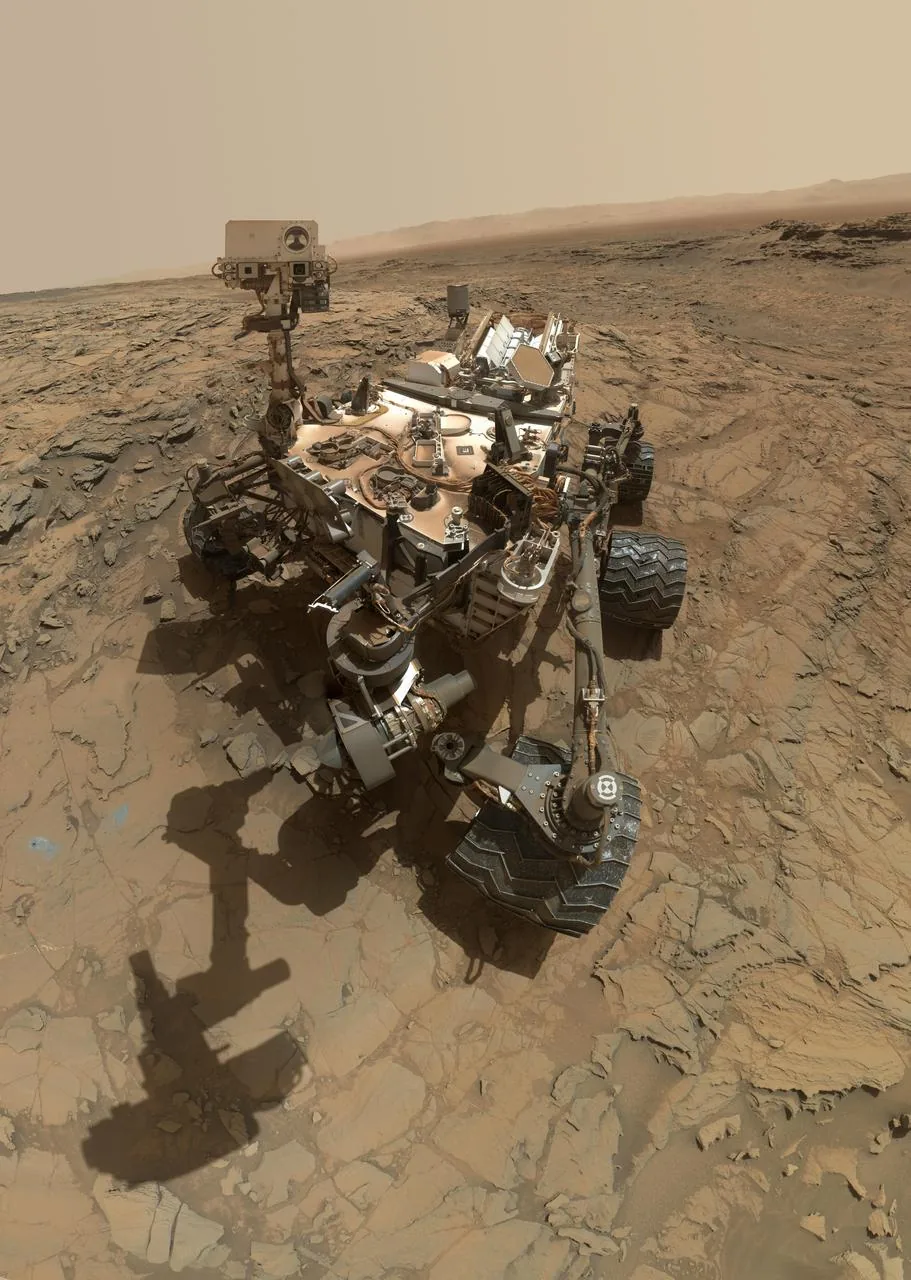
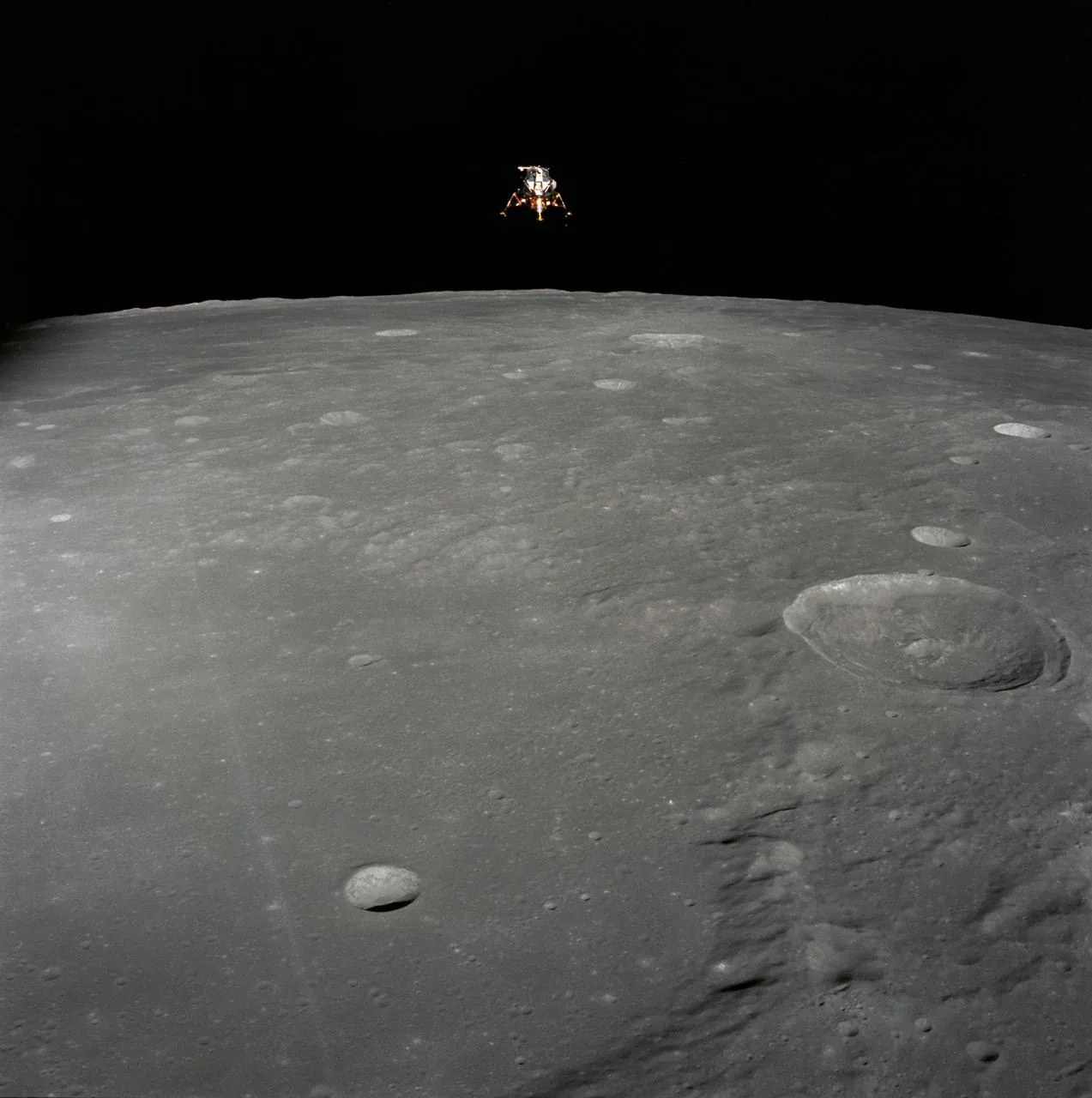
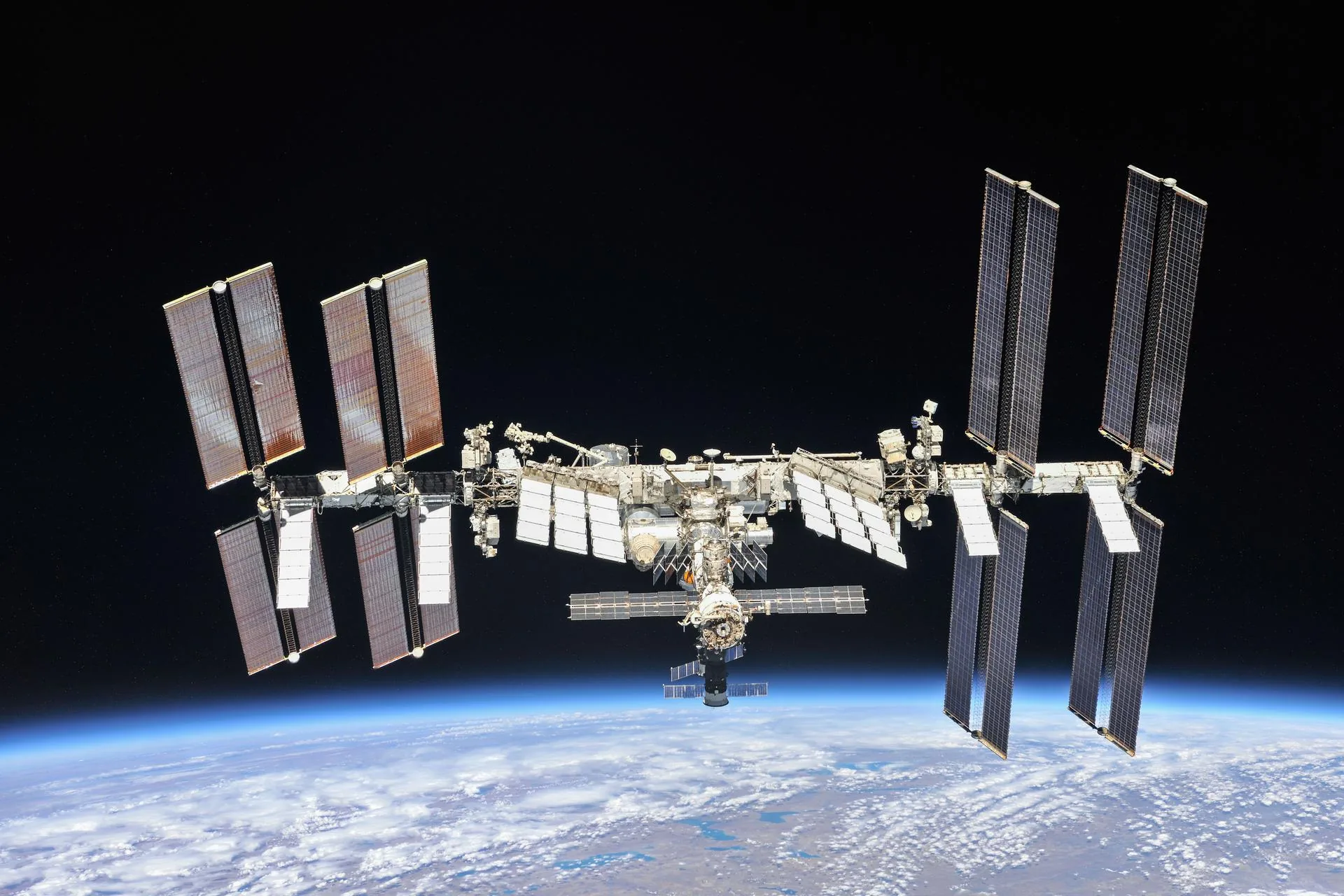
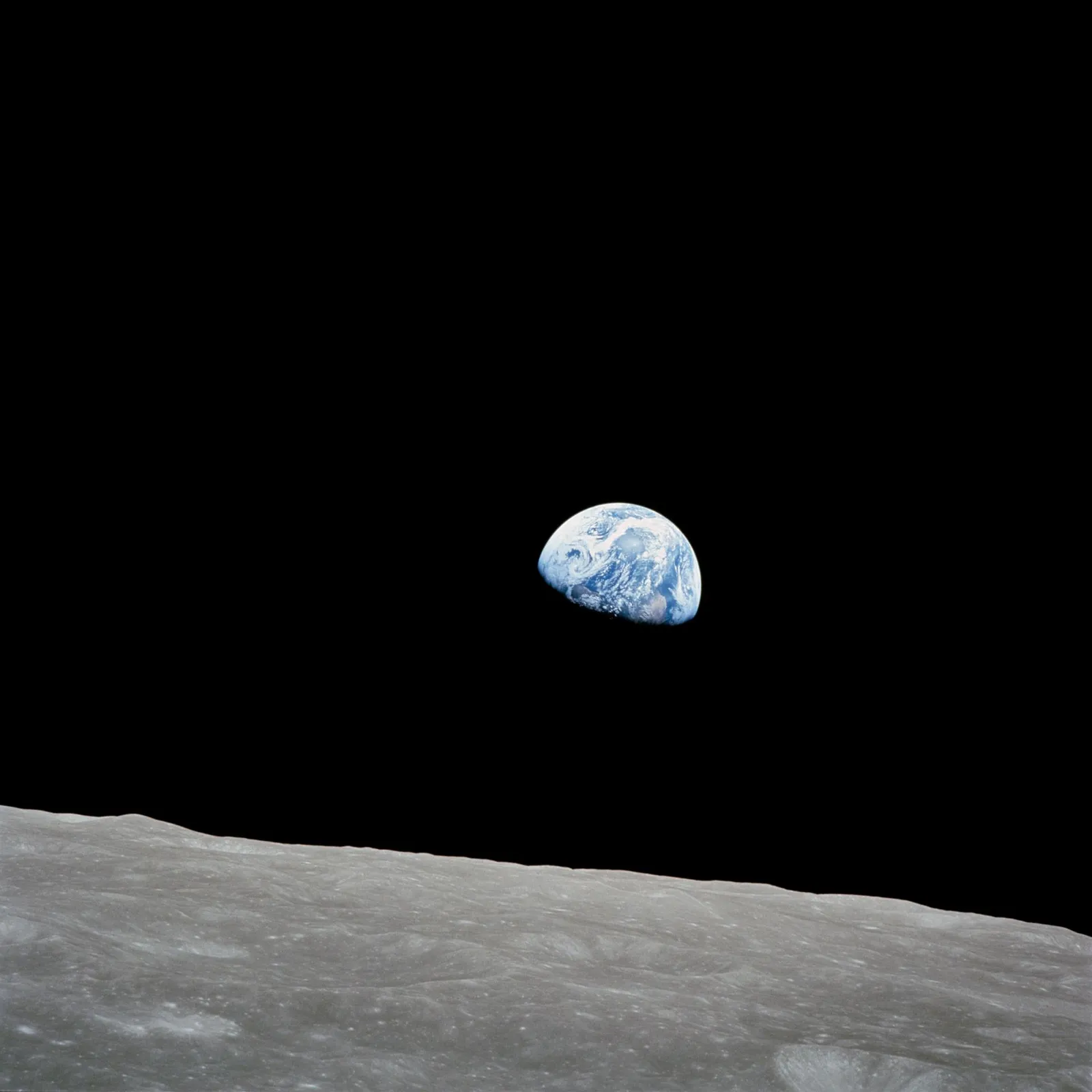
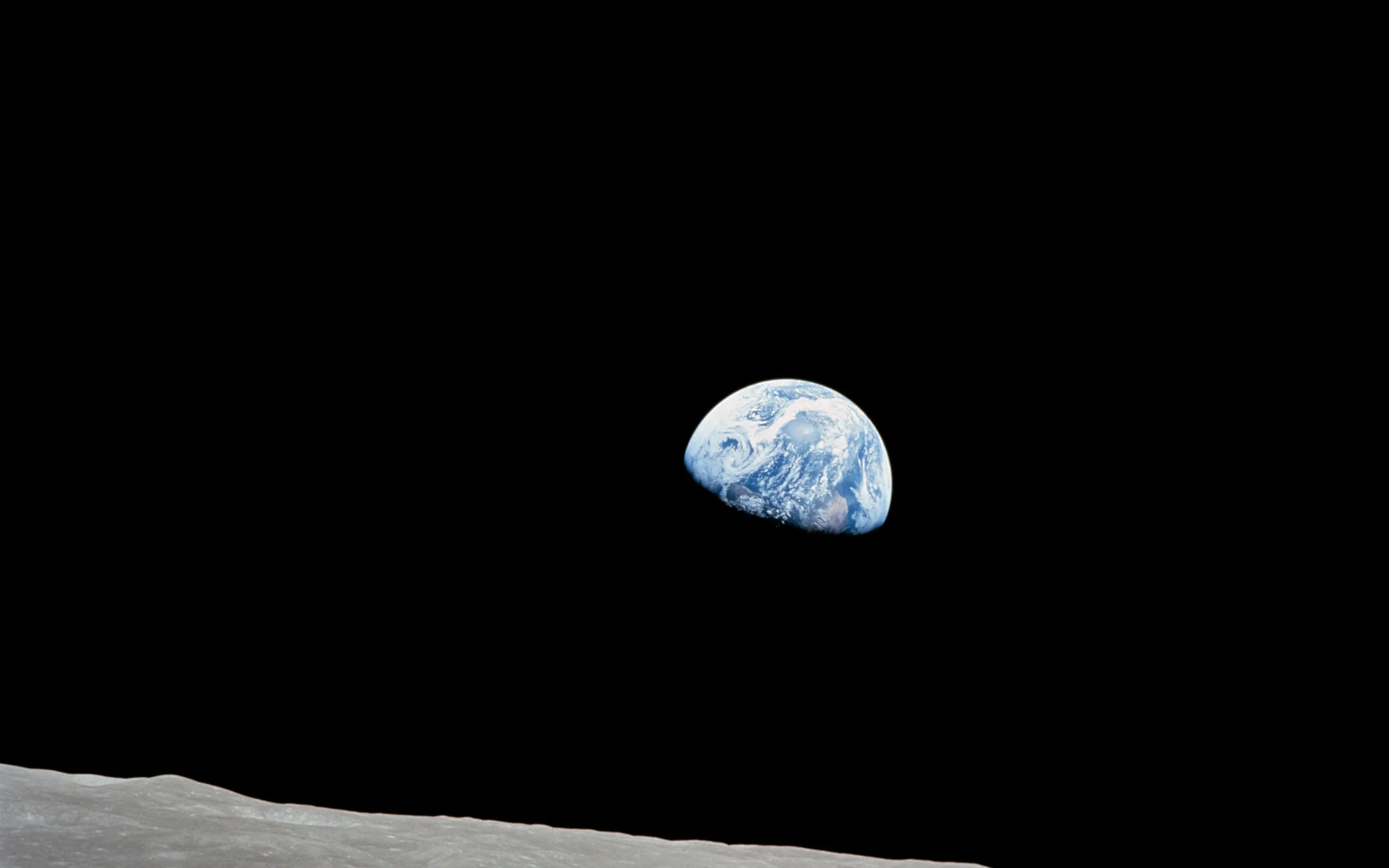
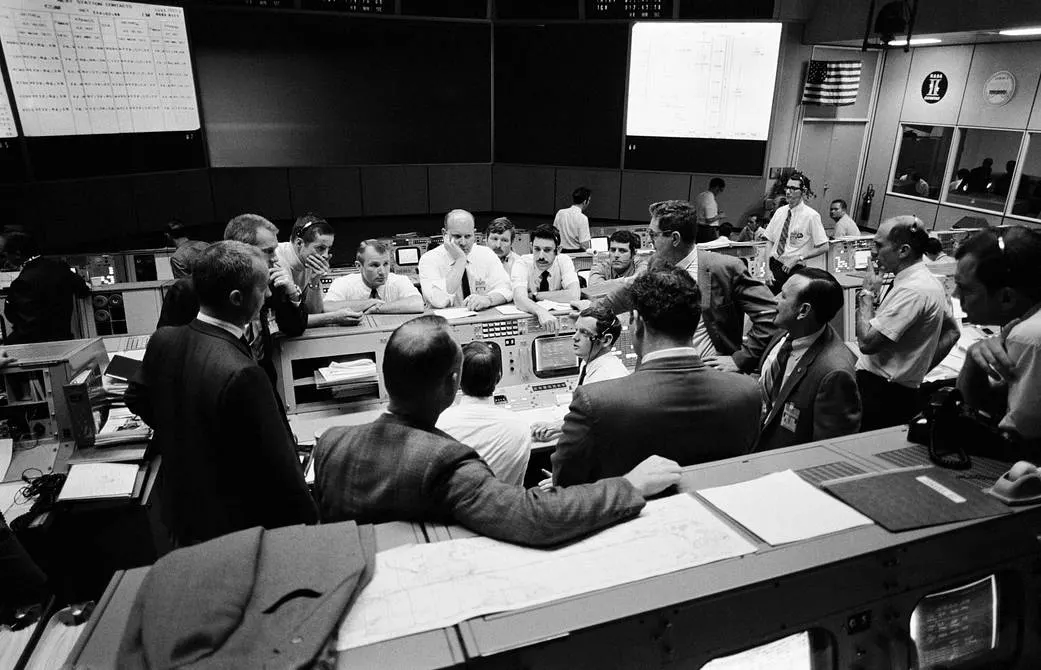
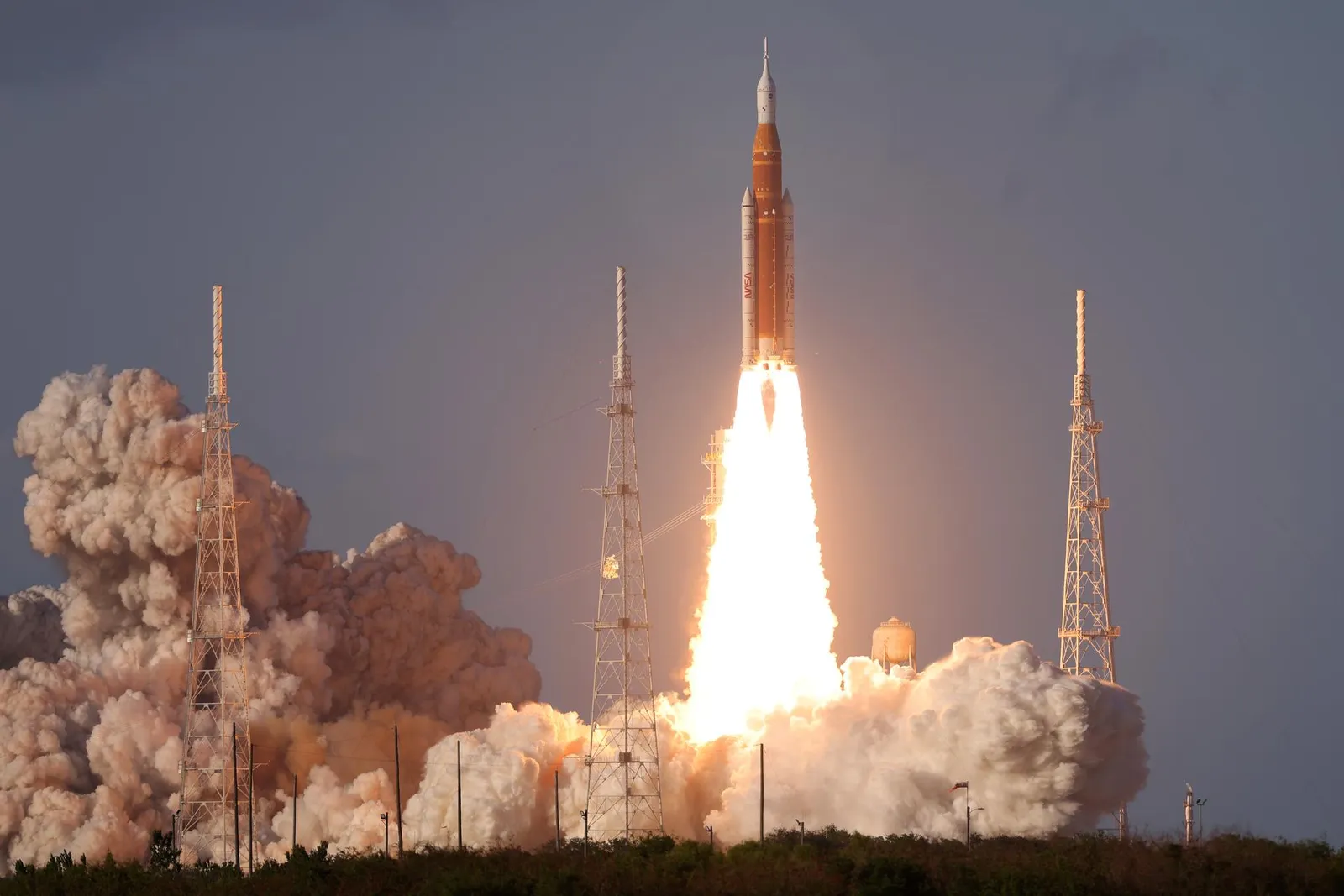
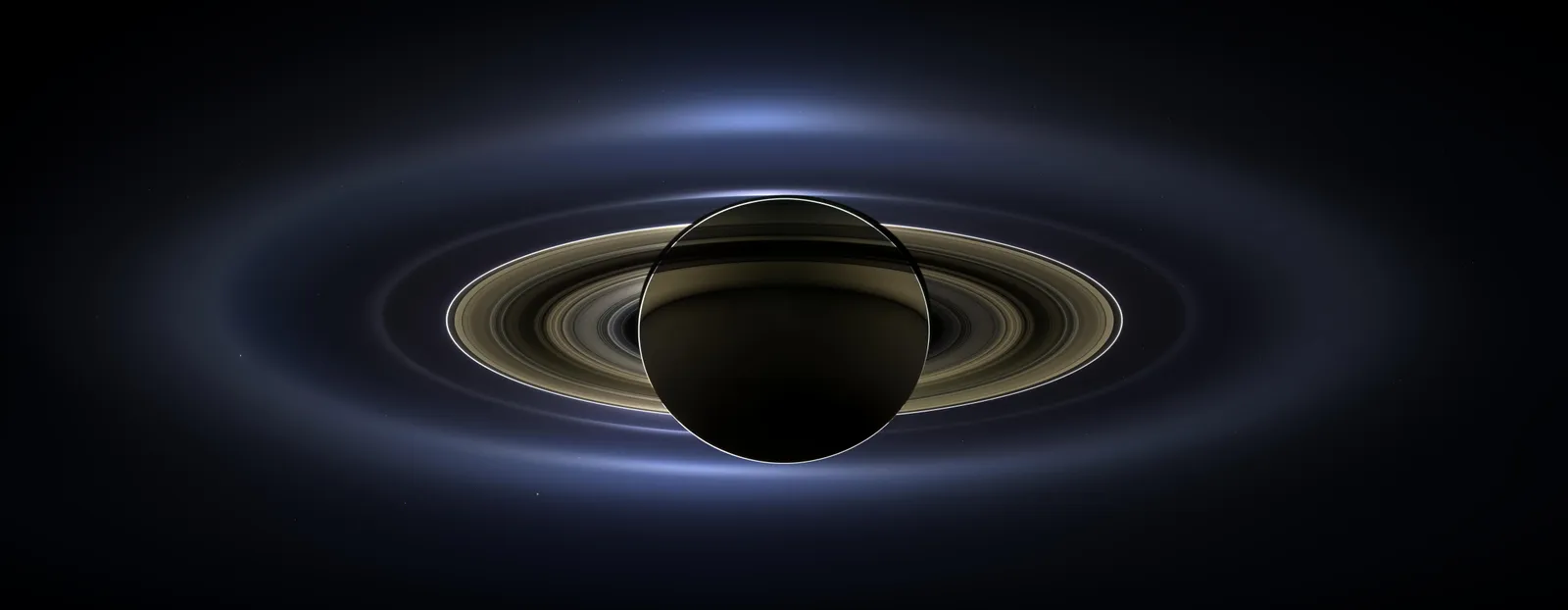
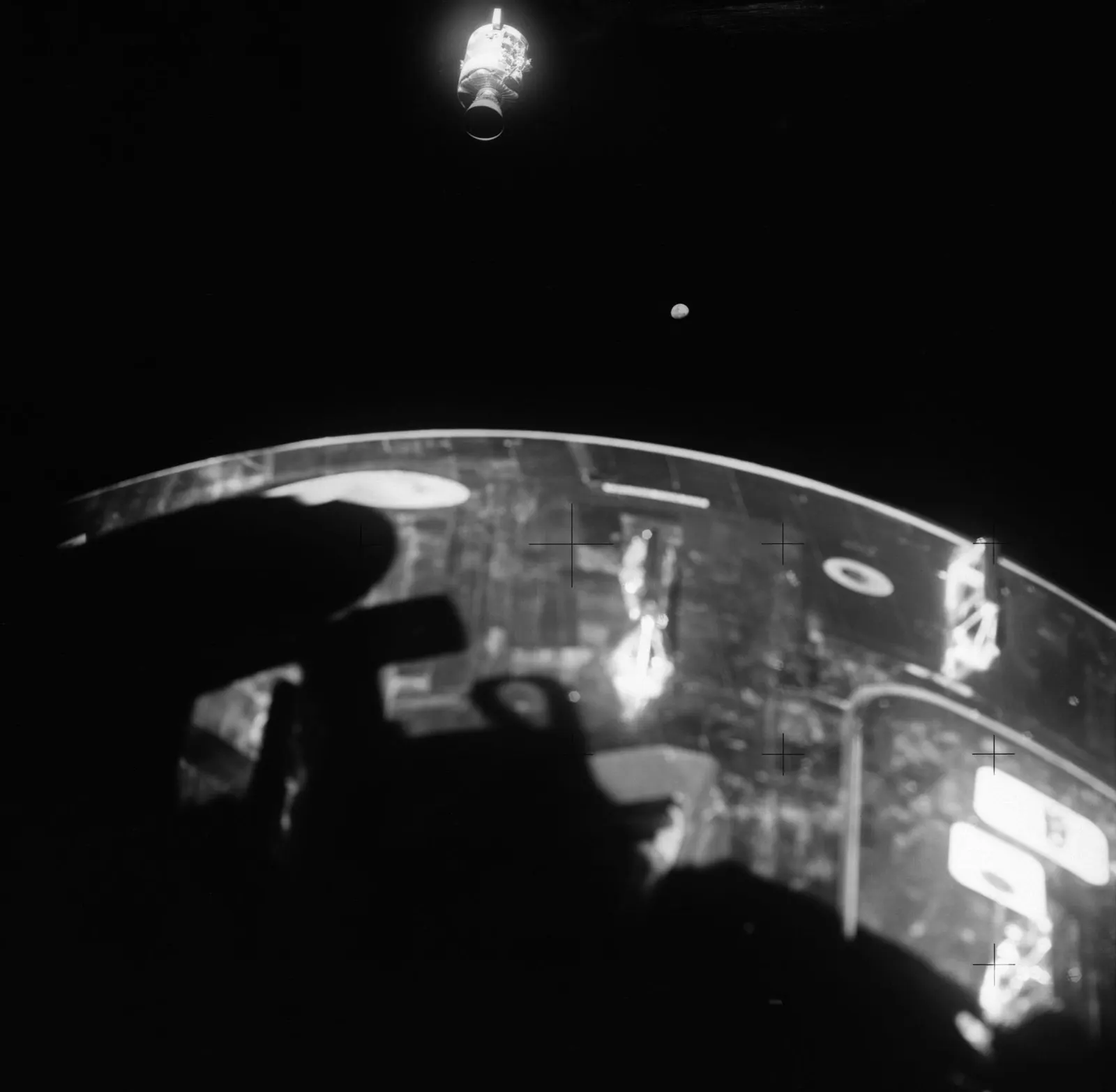
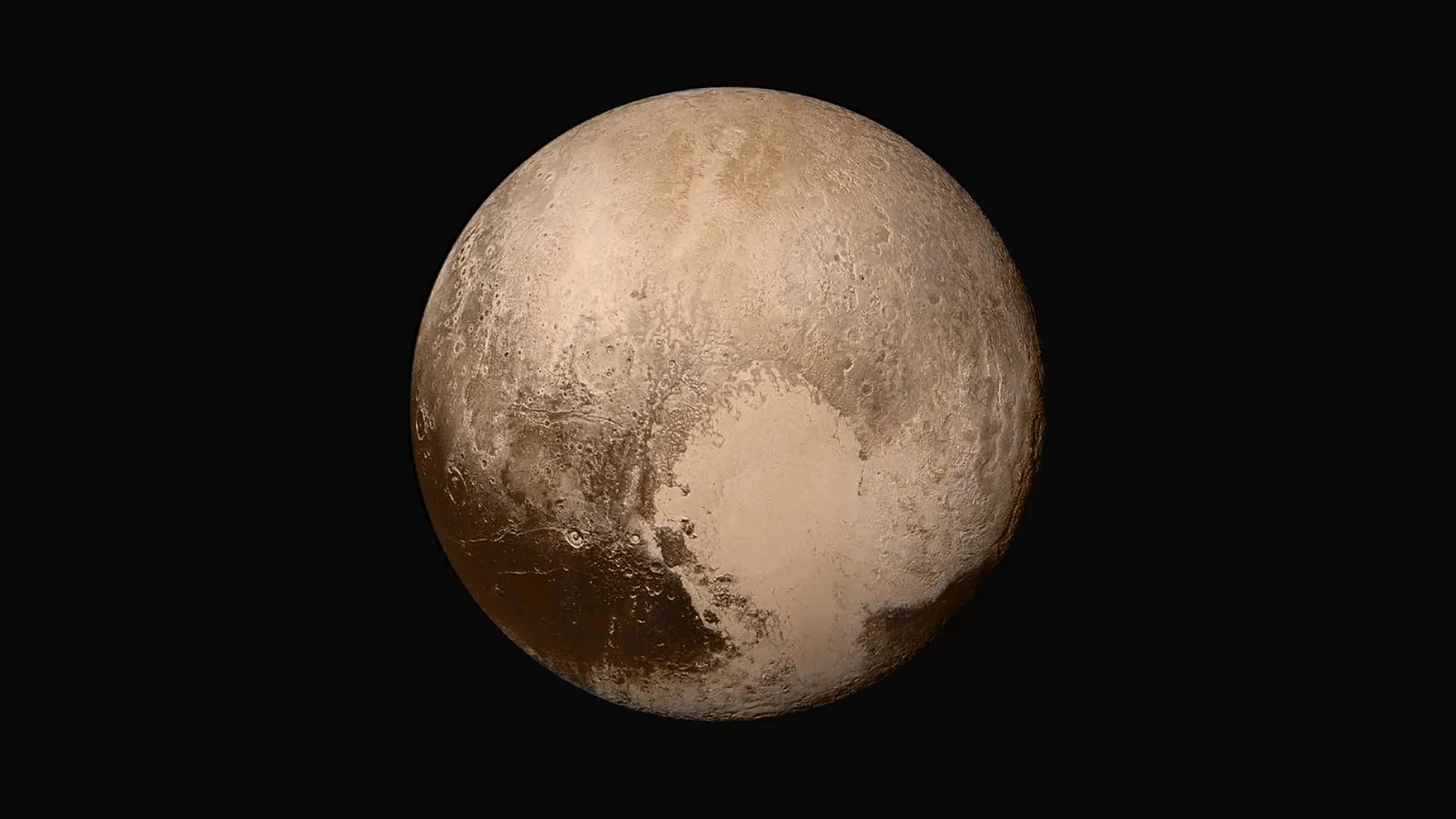
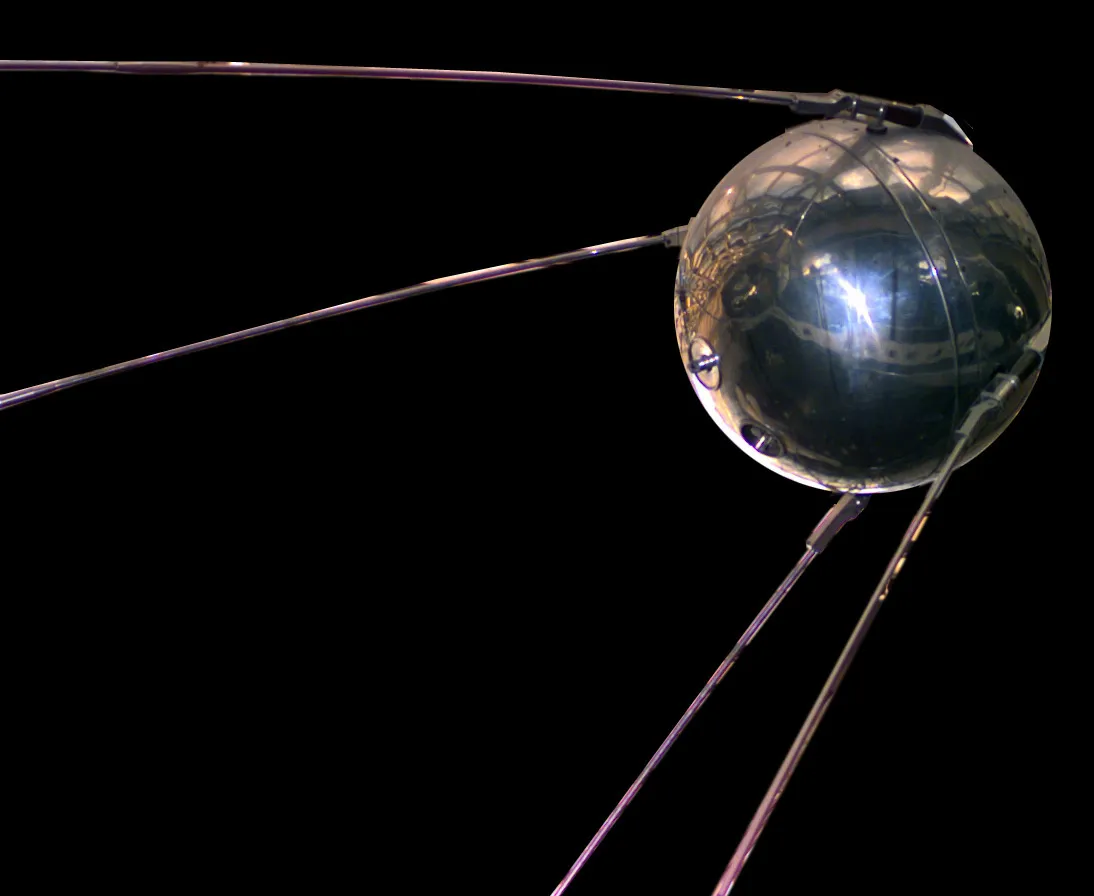
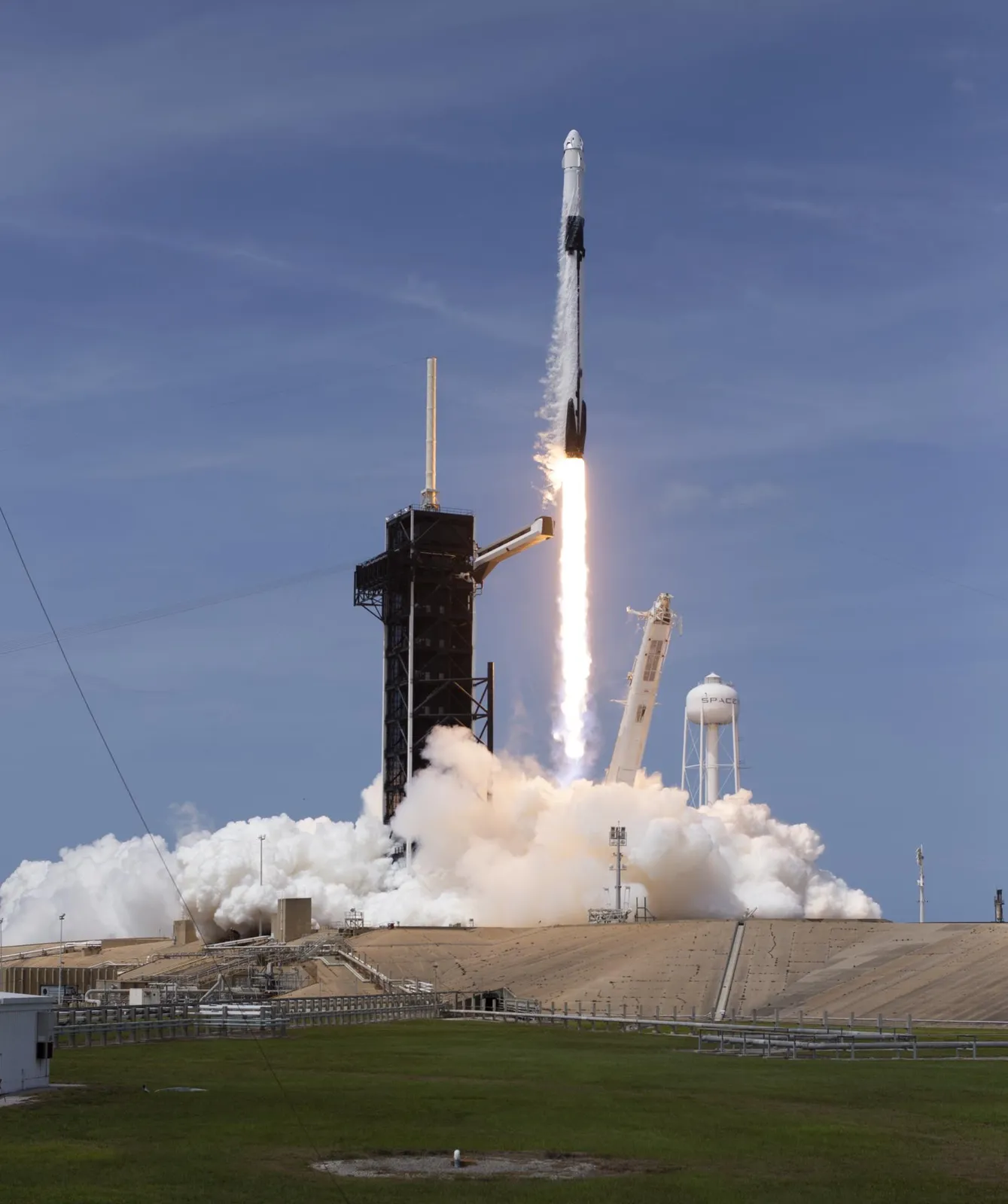
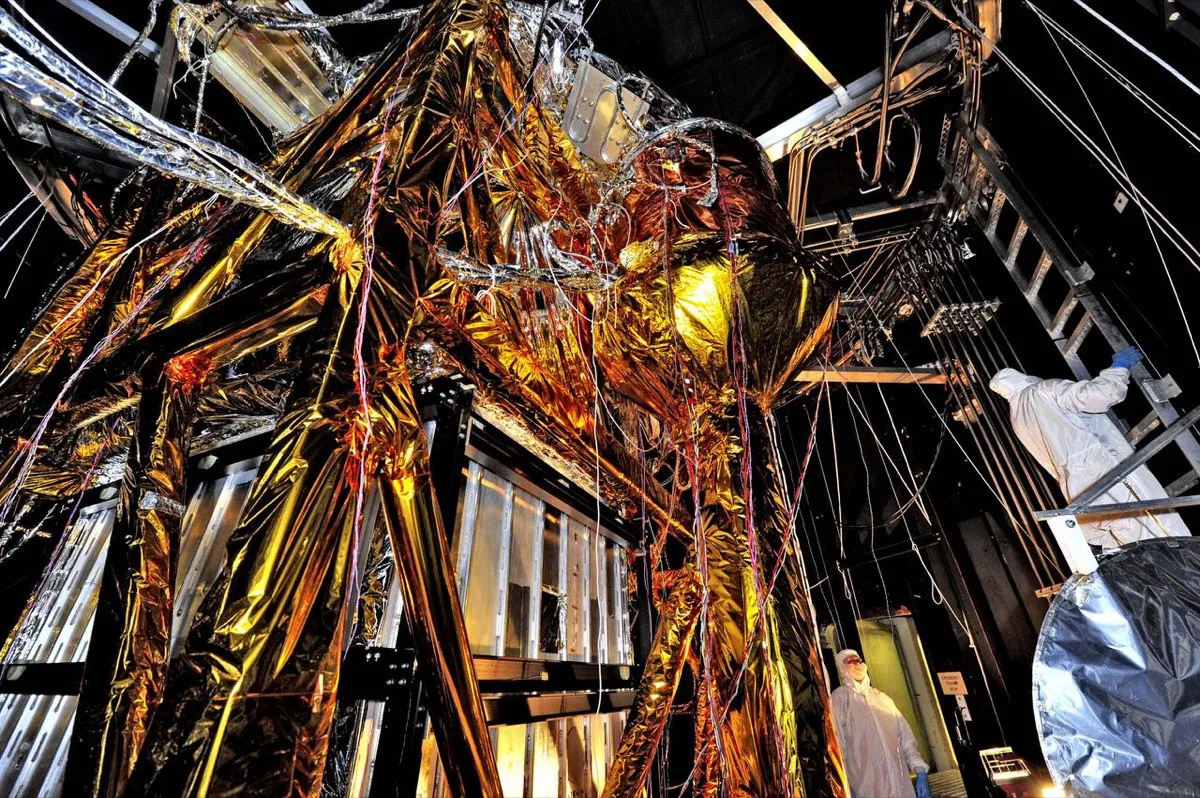
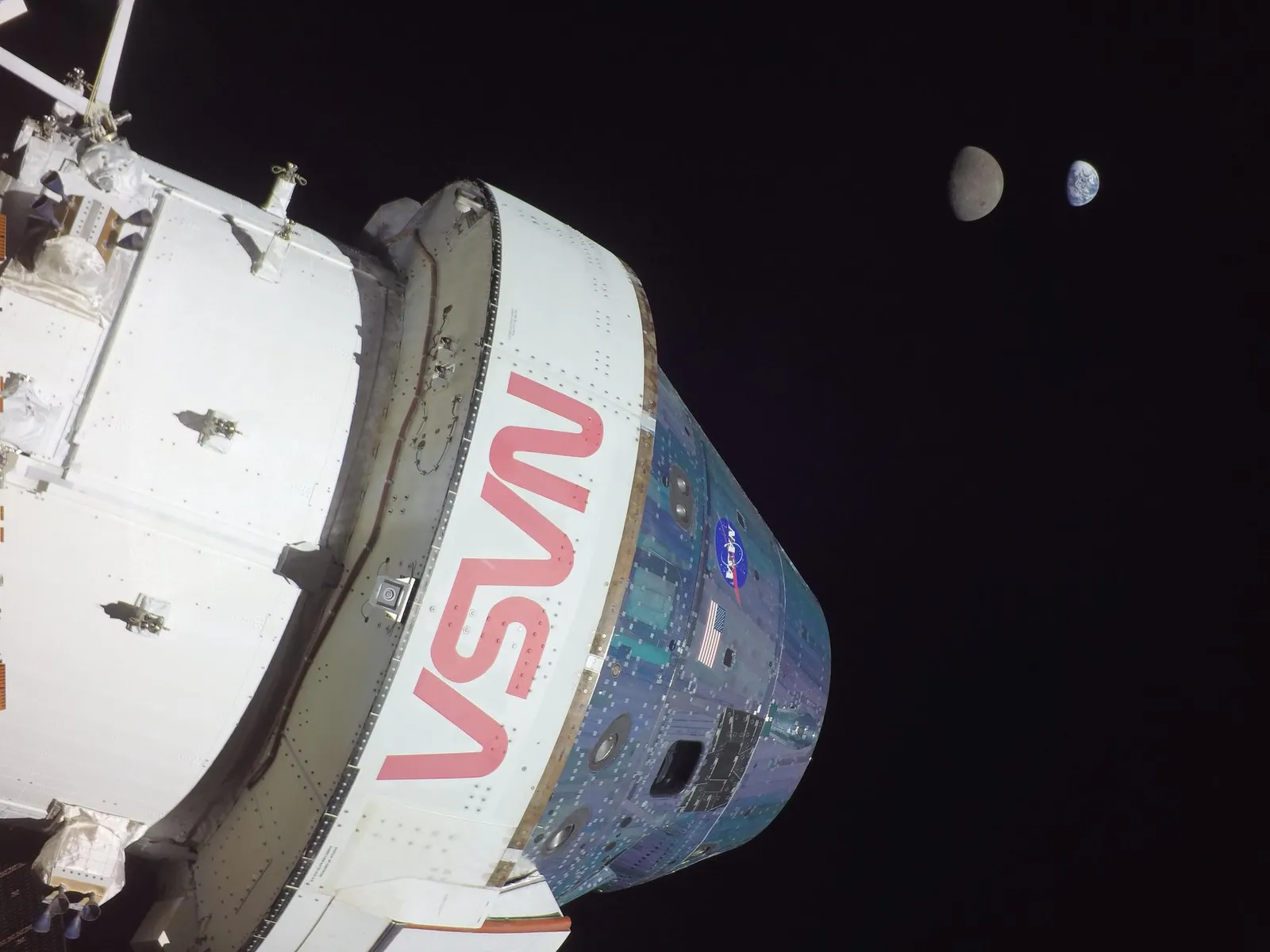
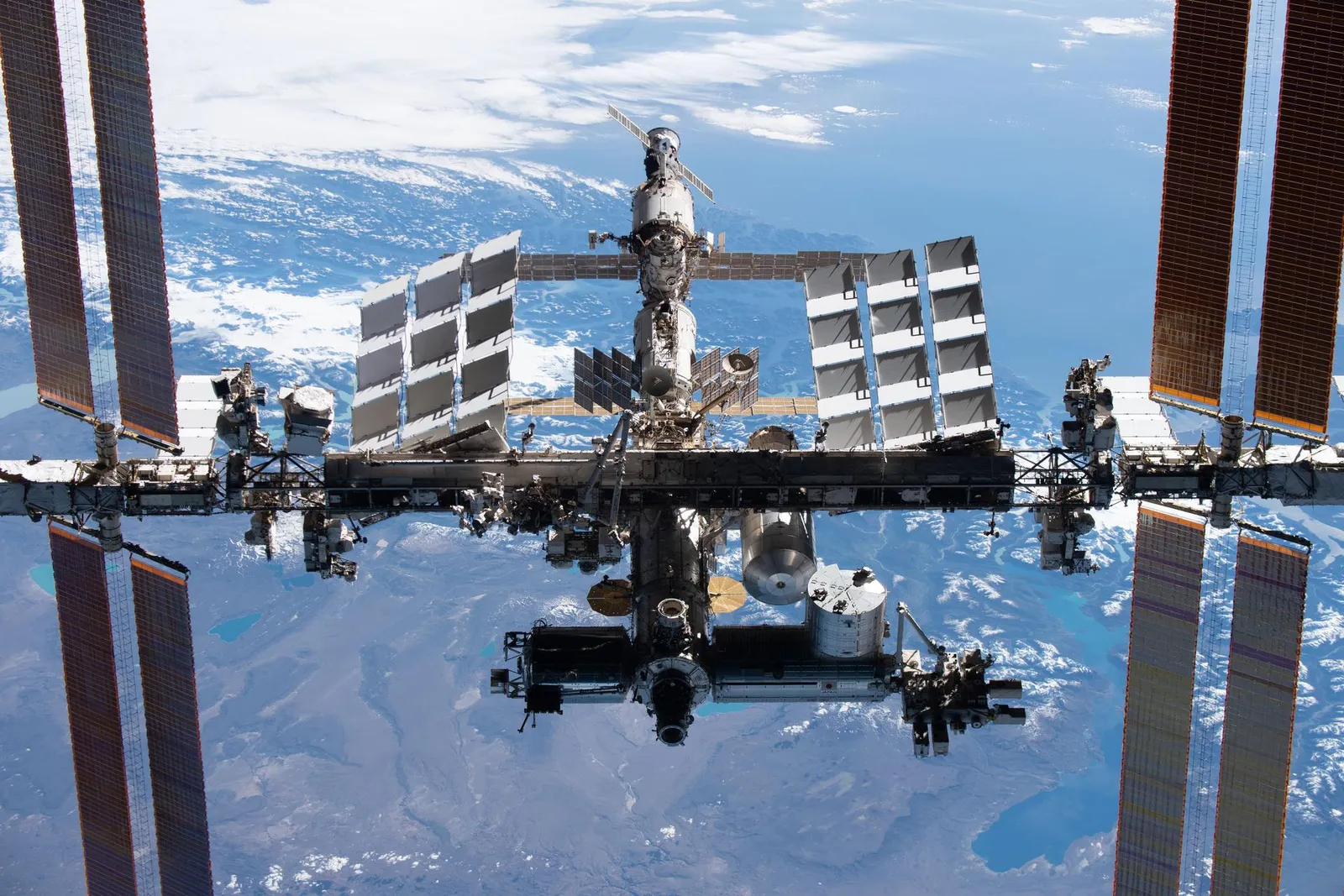
THE ENGINEERING CAMPUS
Nine facilities. Every machine assembled by hand — yours.
Snap a Falcon 9 together and fly it to orbit. Dock the ISS module by module in the real 1998–2011 order. Unfold Webb’s mirror at L2. Then break what you built, because every part answers one question: why does it exist, and what dies without it?
108 flight components324 engineering lessons89 failure scenarios101 primary sources
Explore the hub
What's on SpaceOdysseyHub
Ten ways to explore the cosmos — real-time 3D, live trackers, and daily windows on the universe.
3D
Interactive Solar System
Real-time 3D view of every planet, moon, ISS & spacecraft. Click anything.
OpenNEW
Exoplanet Gallery
Fly through 30 famous exoplanetary systems — TRAPPIST-1, Proxima b, Kepler-186 — in interactive 3D.
OpenGUIDED
Journey Mode
Narrated, interactive voyages that stitch the whole cosmos into one story you can lose yourself in.
Open3D
The Stars
Meet the brightest and nearest stars — then fly to any of them through 119,000 real suns in 3D.
OpenDATA
Stats Dashboard
Launches, budgets, contracts, constellations, and frontiers like orbital data centers — 9 investor-grade tabs.
OpenLIVE
Tonight's Sky
See ISS passes, satellites & visible planets from your exact location.
OpenISS Live Tracker
Track the space station in real time on a 3D globe. Next pass in your city.
OpenLIVE
Satellite Tracker
Follow Starlink and the major constellations in orbit, plus reentry and debris watch.
OpenDaily
NASA Photo of the Day
A new stunning NASA astronomy image every day, with expert explanation.
Open125 events
Space Race Timeline
Every milestone from Sputnik 1957 to today — click any event for a full deep dive.
OpenExplore everything
The whole universe, one hub
Destinations, deep dives, launches, programs, companies and markets — browse the full library at your own pace.
Destination Hubs
Moon Economy
The New Lunar Industry
21landers, 13 surface contracts, 8 comms systems — the $26B+ pipeline behind humanity's return to the Moon.
Explore Moon Hub →Mars Exploration
Every Mars Mission, Tracked
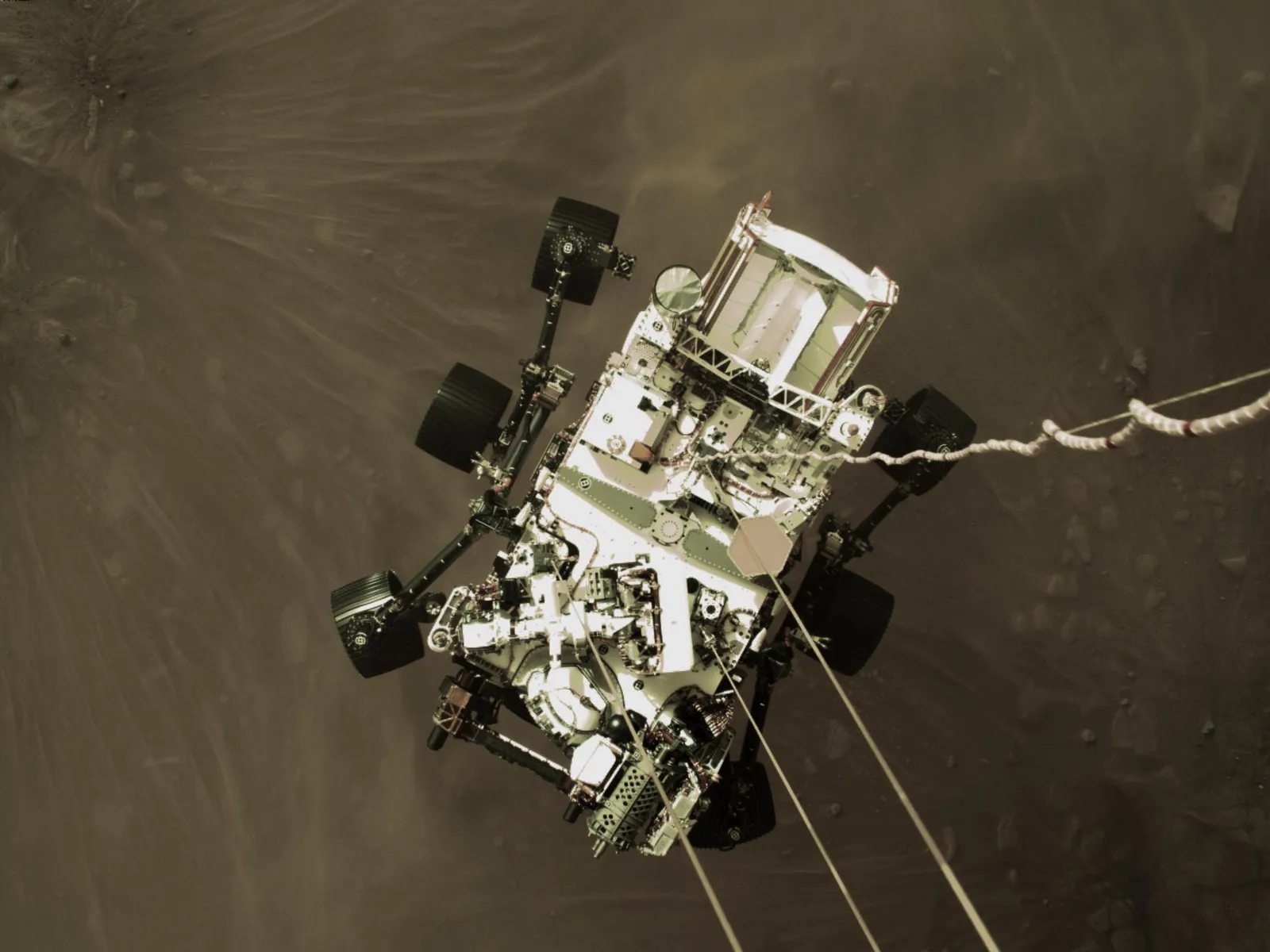
7 rovers, 14 orbiters, 10 landers — from Mariner 4's first flyby in 1965 to Perseverance's sample cache today.
Explore Mars Hub →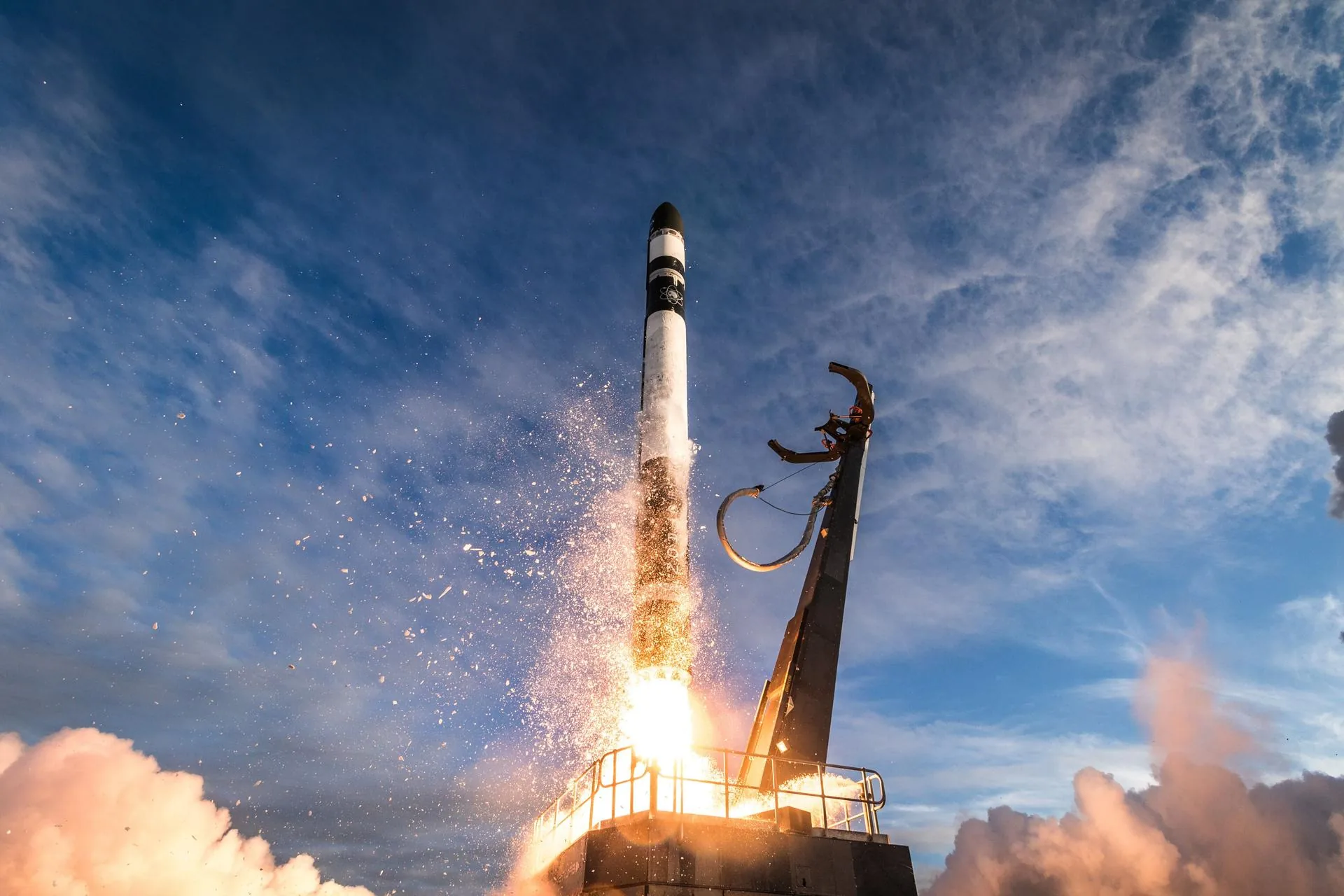
Interactive History
The Space Race Timeline
125 milestones across 13 nations — from Sputnik to Starship. Filter by country, decade, or category. Click any event to read the full story.
Explore the Timeline125Milestones1957 → Today
Deep Dives
All Articles
Upcoming Launches
All launchesFalcon 9 Block 5 | Starlink Group 17-52
SpaceX
Falcon 9 Block 5|Vandenberg SFB, CA, USA
Long March 7A | Unknown Payload
China Aerospace Science and Technology Corporation
Long March 7A|Wenchang Space Launch Site, People's Republic of China
Long March 6A | Unknown Payload
China Aerospace Science and Technology Corporation
Long March 6A|Taiyuan Satellite Launch Center, People's Republic of China
Falcon 9 Block 5 | NROL-95
SpaceX
Falcon 9 Block 5|Cape Canaveral SFS, FL, USA
Mir | Demo Flight
Agency for Defense Development
Mir|Sea Launch
Latest Space News
View all →SpaceNews
NASA and ESA facilities avoid major damage from wildfires in Spain
July 26, 2026
Read on SpaceOdysseyHub Ars TechnicaSpaceX eyes tower catch for next Starship after auspicious end to 13th flight
July 25, 2026
Read on SpaceOdysseyHubView all space news
Headlines from NASA, SpaceX, ESA and more — updated hourly.
Browse newsTry it now
How much would you weigh on another world?
Drag the slider. We'll show you the same body across the solar system — gravity changes everything.
30 kg150 kg
Moon
6× lighter
12kg
Mars
Half gravity
27kg
Earth
You are here
70kg
Jupiter
2.5× heavier
177kg
One of 32 interactive tools — calculators, quizzes, simulators, mission designers.
Explore all toolsSpace Programs
View all →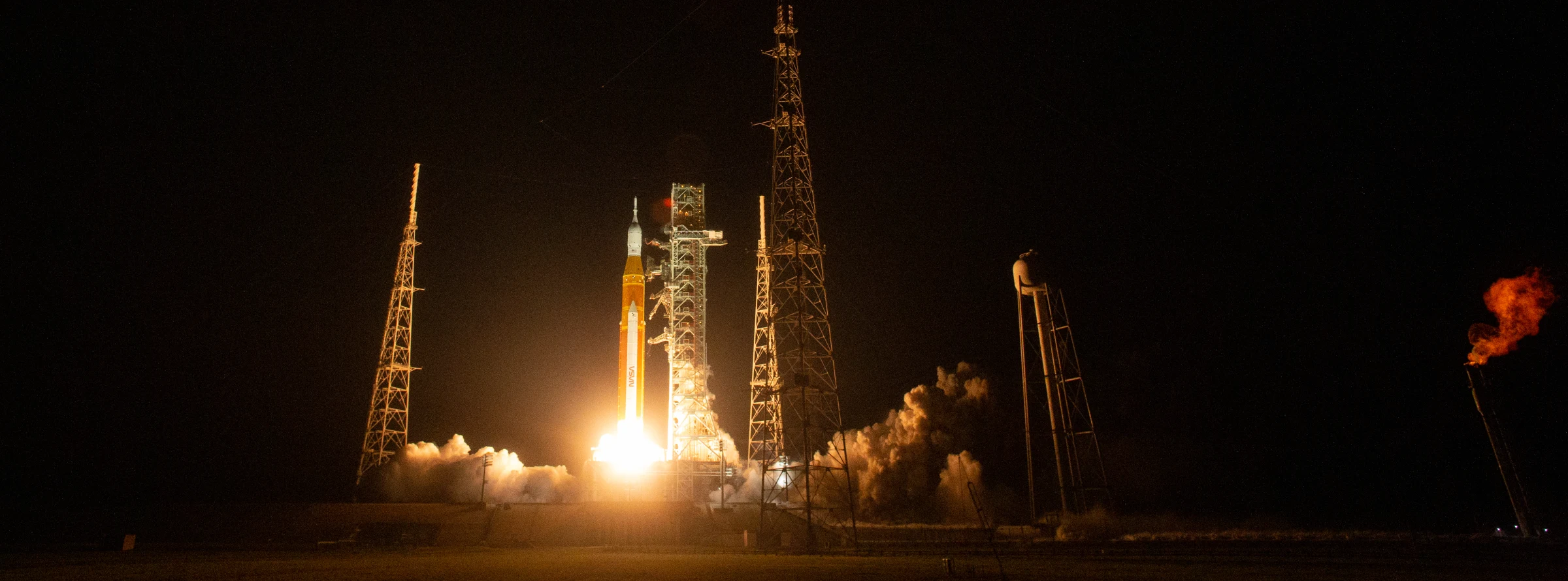 NASA
NASAArtemis Program
NASA
Artemis is NASA's flagship human lunar exploration programme, targeting a sustained cadence of Moon landings through the end of the decade and into the 2030s, underpinned by the Space Launch System (SLS), the Orion crew vehicle, commercial Human Landing Systems (HLS), and the Gateway lunar outpost [1]. Artemis II — launched 1 April 2026 with Wiseman, Glover, Koch and Hansen aboard — was the first crewed Orion flight, taking four astronauts on a free-return lunar flyby for the first time in over 50 years; Orion 'Integrity' splashed down in the Pacific on 11 April 2026 after setting a farthest-from-Earth record for a crewed spacecraft of 406,740 km [2][13]. Artemis III, targeted for 2027 with its crew (Bresnik, Parmitano, Rubio, Douglas) named on 9 June 2026, will serve as a Low Earth Orbit rendezvous-and-docking demonstration using one or both commercial landers before the first crewed lunar surface landing [1][14]. Artemis IV — currently targeted for early 2028 — will be the first crewed landing near the lunar South Pole, with two of four astronauts descending to the surface via SpaceX's Starship HLS [3]. NASA's OIG (IG-26-004, March 2026) found that lander development challenges will delay planned Artemis launch dates, flagging lack of crew rescue capability as an open risk [6]. As of 28 June 2026, 68 nations have signed the Artemis Accords — Botswana became the 68th signatory (and sixth African nation) on 25 June 2026 — underscoring broad international support for NASA's rules-based lunar framework [5].
 ISRO (GODL-India)
Gaganyaan Programme
ISRO
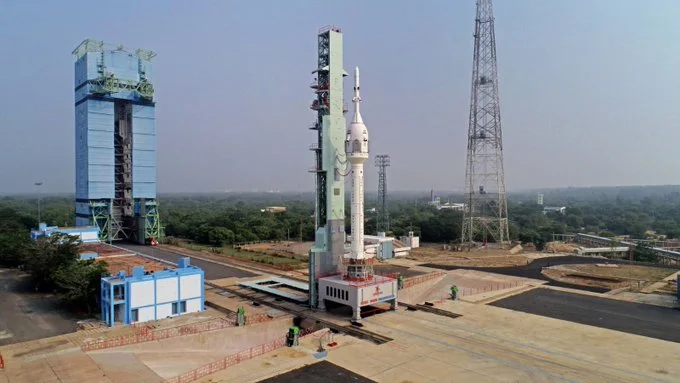
Gaganyaan is the Government of India's flagship human spaceflight programme, executed by the Indian Space Research Organisation (ISRO) with regulatory oversight from the Indian National Space Promotion and Authorisation Centre (IN-SPACe) [1][7]. The architecture combines a 5.3-tonne orbital module (a crew module mated to a service module) launched by a human-rated variant of the LVM3 vehicle — formerly the GSLV Mk III — using the indigenous S200 solid boosters, the L110 liquid core stage burning UDMH/N2O4 via twin Vikas engines, and the cryogenic C25 stage powered by the CE-20 engine [2]. The crew escape system was first demonstrated on the TV-D1 in-flight abort test from Sriharikota on October 21, 2023, with the TV-D2 follow-on test expected to qualify a higher-altitude abort regime before the first uncrewed orbital flight (G1) [5][8]. In February 2024 Prime Minister Narendra Modi publicly named the four IAF test-pilot astronaut-designates — Group Captain Prashanth Balakrishnan Nair, Group Captain Angad Pratap, Group Captain Ajit Krishnan and Wing Commander Shubhanshu Shukla — completing a Russian-led basic training rotation at the Yuri Gagarin Cosmonaut Training Centre before continuing systems-specific training in Bengaluru [6]. The Axiom-4 commercial mission to the International Space Station, on which Group Captain Shukla flew as a designated pilot in mid-2025, provided ISRO's first operational human-spaceflight experience and de-risked life-support, EVA-suit donning and on-orbit health protocols ahead of the crewed Gaganyaan flight [9]. Beyond the initial three-day mission, the Union Cabinet in September 2024 approved the Bharatiya Antariksha Station (BAS) — a five-module Indian space station with the first module targeted by 2028 and full configuration by approximately 2035 — alongside an expanded Gaganyaan envelope to support eight follow-on crewed missions through 2035 [4][7].
 ISRO (GODL-India)
Chandrayaan Programme
ISRO
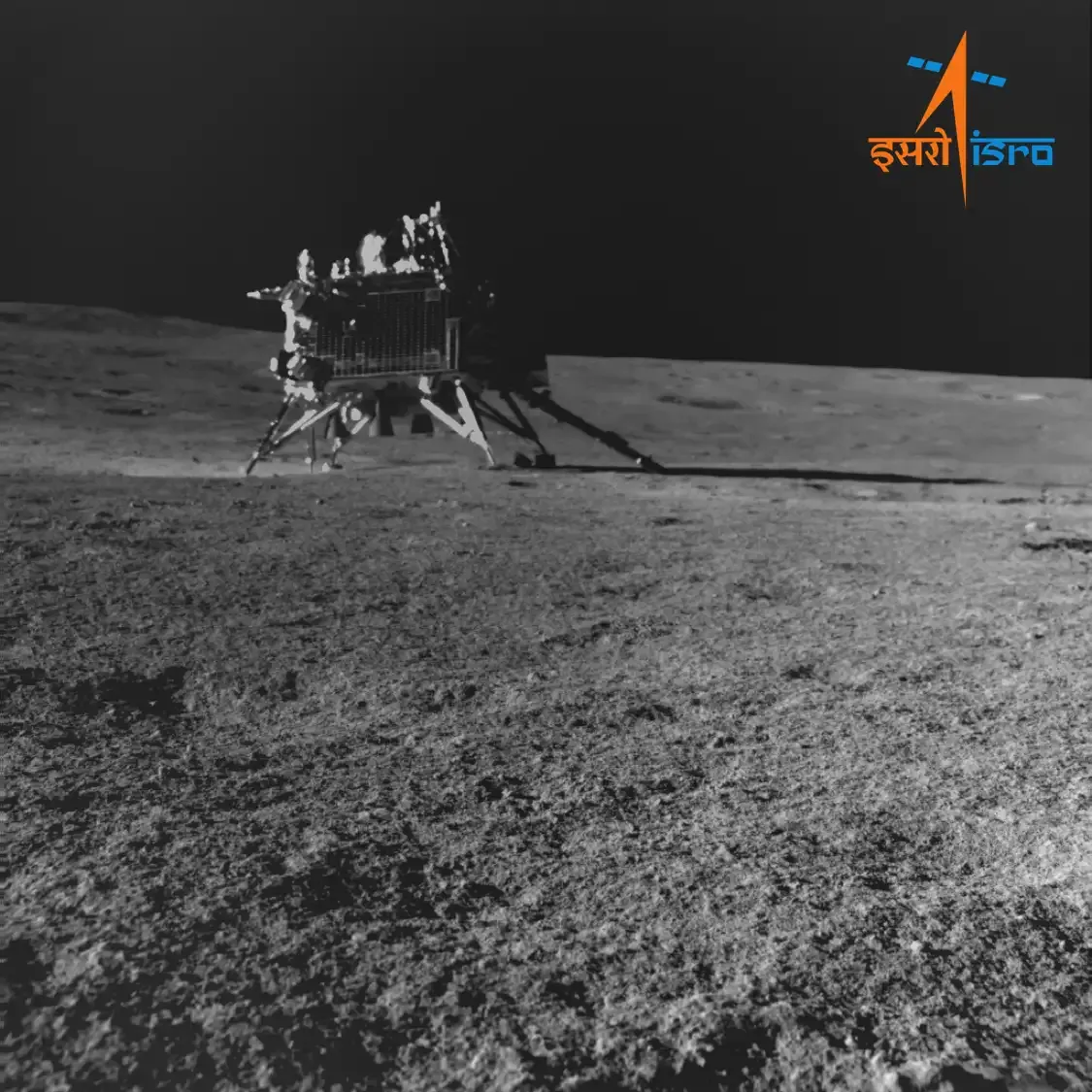
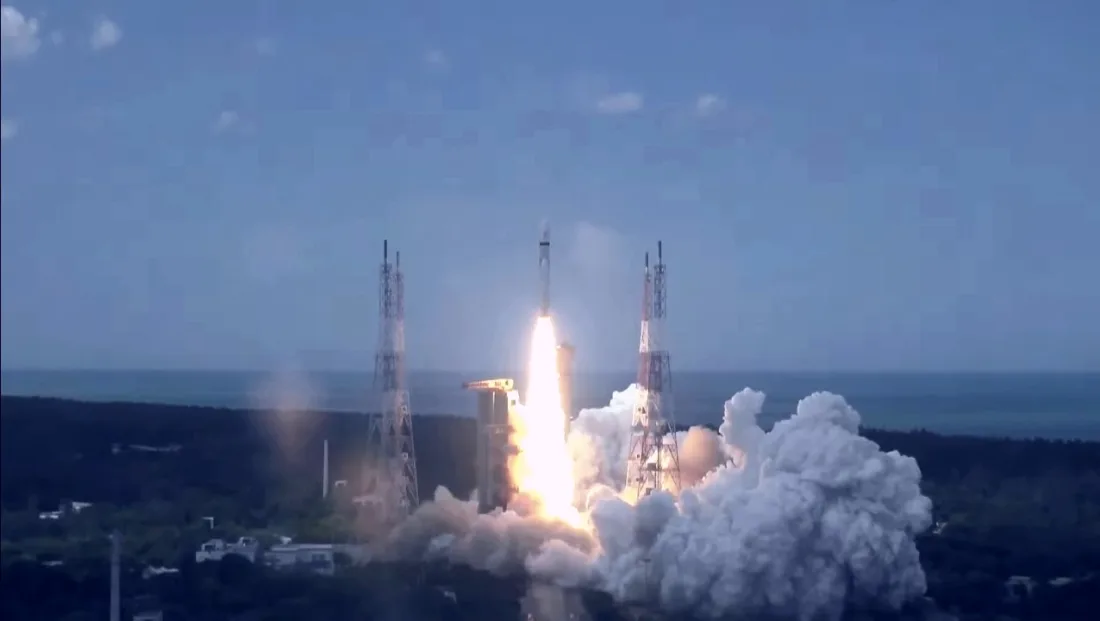
The Chandrayaan programme is the Indian Space Research Organisation's flagship lunar exploration series, executed under the Department of Space and increasingly opened to private contractors under the IN-SPACe regulatory framework [1][8]. Chandrayaan-1, launched on PSLV-C11 on October 22, 2008, was India's first deep-space mission; it carried 11 instruments (including NASA's Moon Mineralogy Mapper, M3, and ISRO's Moon Impact Probe) and returned spectral data that — when published in Science in September 2009 — provided the first widely accepted evidence for hydroxyl and water molecules on the sunlit lunar surface [2][3]. Chandrayaan-2, launched on GSLV Mk III in July 2019, deployed an orbiter (still operational and returning high-resolution imagery and CLASS X-ray spectrometer data as of 2026) plus the Vikram lander and Pragyan rover; Vikram lost attitude control during the final descent and crash-landed on September 7, 2019, approximately 2.1 km from the targeted Manzinus crater area [4][9]. Chandrayaan-3, launched on LVM3-M4 from Sriharikota on July 14, 2023 and soft-landed on August 23, 2023 at 6:04 PM IST, made India the fourth nation to achieve a controlled lunar soft landing and the first to land near the lunar south pole — the landing site was officially named Shiv Shakti Point by the Government of India [5]. The mission's total approved cost of Rs 615 crore (~$75M) made it one of the cheapest soft-lunar landers ever flown; the Pragyan rover operated for one lunar day (~14 Earth days) and the LIBS / APXS payloads confirmed in-situ detection of sulphur near the south pole [5][6]. Chandrayaan-4, approved by the Union Cabinet on September 18, 2024 at an outlay of Rs 2,104.06 crore, is a two-launch sample-return mission targeting the south-polar region with a target return-to-Earth in 2027-2028 [7]. The Lunar Polar Exploration mission (LUPEX) — jointly executed with the Japan Aerospace Exploration Agency (JAXA), with JAXA providing the H3 launcher and rover and ISRO providing the lander — targets in-situ characterisation of polar water ice and is currently scheduled for the late-2020s window [10].
 NASA/Joel Kowsky
Commercial Crew Program
NASA
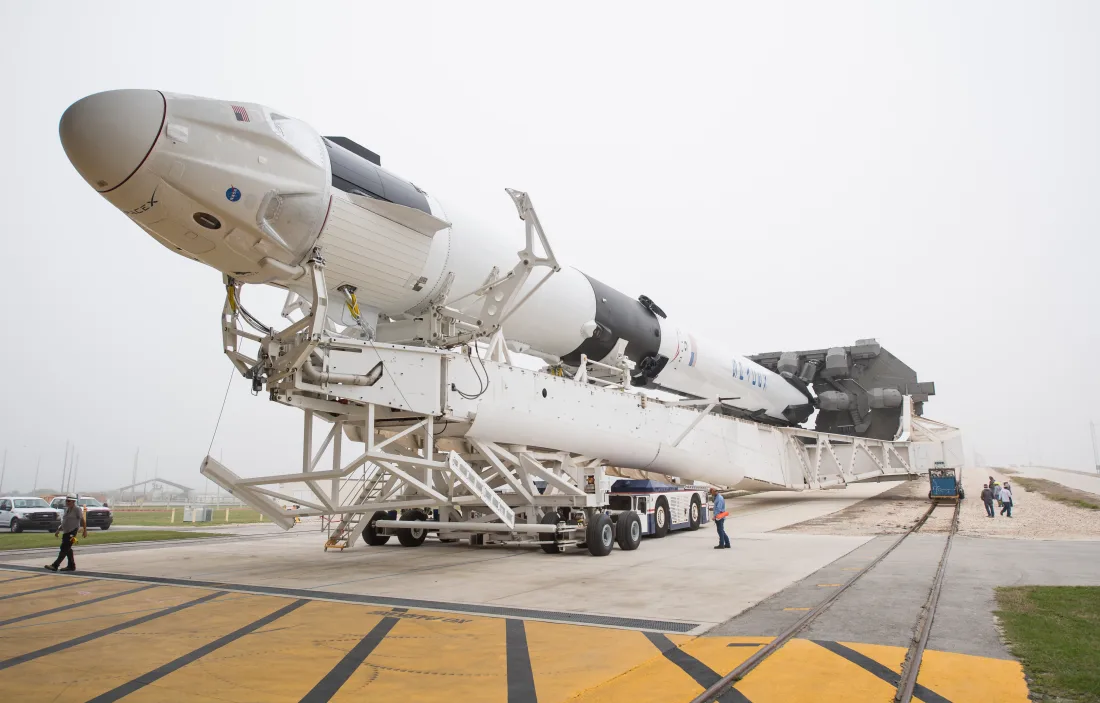
The Commercial Crew Program (CCP) was established by NASA to develop and certify privately built crew transportation systems for International Space Station rotation flights after Space Shuttle retirement in 2011 [1]. Through a series of competitive Space Act Agreements (CCDev, CCDev-2, CCiCap) and ultimately fixed-price Commercial Crew Transportation Capability (CCtCap) contracts, NASA selected SpaceX (Crew Dragon) and Boeing (CST-100 Starliner) in September 2014 [3]. SpaceX's Demo-2 in May 2020 returned US human-launch capability for the first time since STS-135 in 2011, and Crew Dragon has since flown twelve operational long-duration rotation missions — Crew-1 through Crew-12, including Crew-10 (March 14, 2025, which enabled the return of the Starliner CFT astronauts), Crew-11 (August 1, 2025) and Crew-12 (February 13, 2026 with Meir, Hathaway, Adenot and Fedyaev) — plus Demo and private flights [2][17][18][19]. Boeing's Starliner Crew Flight Test (CFT) launched June 5, 2024 carrying astronauts Butch Wilmore and Suni Williams to the ISS, but thruster anomalies and helium leaks caused NASA to return the astronauts on Crew Dragon in March 2025; on November 24, 2025 NASA and Boeing modified the contract to convert Starliner-1 into an uncrewed cargo flight (NET April 2026, window since moved to summer 2026), deferring crewed Starliner rotations pending recertification [5][16]. The model — NASA buys transportation services rather than owning hardware — is widely cited as having saved billions versus a traditional cost-plus development and is the template for HLS, Gateway logistics, and Commercial LEO Destinations [6].
Space Companies
View all →
SpaceX
Vertically integrated launch + satellite internet provider. Falcon 9 dominates global commercial launch (~85% US market share in 2025, 165 orbital launches). Starlink is the primary revenue engine (~$7.7B in 2024; 9M+ subscribers by early 2026). Starship under development for Artemis HLS, deep-space missions, and mass Starlink V3 deployment.

Rocket Lab
Rocket Lab is a vertically integrated, end-to-end space company. It generates revenue from two segments: Launch Services (Electron small launch, up to 300 kg to LEO; HASTE hypersonic testbed) and Space Systems (spacecraft buses, subsystems, components — solar panels, reaction wheels, separation systems). Government and defense contracts dominate the backlog; Neutron (medium-heavy lift, ~13,000 kg to LEO) is in development for potential first flight Q4 2026.

Intuitive Machines
Intuitive Machines operates in two primary segments: Lunar Access Services (Nova-C and Nova-D lunar landers under NASA CLPS task orders; rideshare payloads) and Space Products & Services (Near Space Network communications relay infrastructure, data services, orbital platforms). The $4.82B NSN IDIQ contract is the company's long-term anchor — lunar relay satellites will provide comms and navigation to NASA Artemis, CLPS, LTV, and future cislunar missions.

AST SpaceMobile
AST SpaceMobile operates a LEO satellite constellation that provides direct-to-device broadband connectivity to standard unmodified smartphones — no specialized hardware required on the consumer device. Revenue comes from wholesale service agreements with mobile network operators (MNOs) who pay per subscriber per month; Q4 2025 saw $54.3M in revenue from gateway deliveries across 5 continents and U.S. government service contracts. Block 1 (5 BlueBird satellites) demonstrated commercial capability; Block 2 (~60 satellites) targets continuous global coverage.
Track Your Space Stocks
Pin specific space companies and track their prices — click on any ticker to add it here