

Hello, aspiring astronauts and stargazers! Today, we’re going to set our sights on our nearest celestial neighbor, the Moon, and delve into an exciting venture that’s on every space enthusiast’s radar: NASA’s Artemis Program. If you’re wondering what all this “Moon talk” is about, we’ve got you covered!
Blast Off to the Basics: The Moon
Let’s start with the basics: the Moon. You’ve seen it countless times in the night sky, but did you know that it’s the Earth’s only natural satellite? It’s about a quarter the size of Earth, which makes it the largest moon in our solar system relative to the planet it orbits.
And while it may seem like the Moon’s just hanging around, it actually plays a crucial role. It stabilizes Earth’s wobble, helping to maintain a relatively stable climate, and its gravitational pull creates tides on Earth. Now, why does NASA want to revisit this familiar face?
Why Return to the Moon?
Well, besides the sheer wonder and excitement of space exploration, the Moon offers a lot of practical advantages. It’s relatively close to Earth, so it’s an excellent place to test new technologies and procedures before we send humans farther into space, like to Mars.
Furthermore, the Moon has resources we can potentially use. One of these is water ice, which not only could provide drinking water for astronauts but also could be converted into oxygen for breathing and hydrogen for fuel.
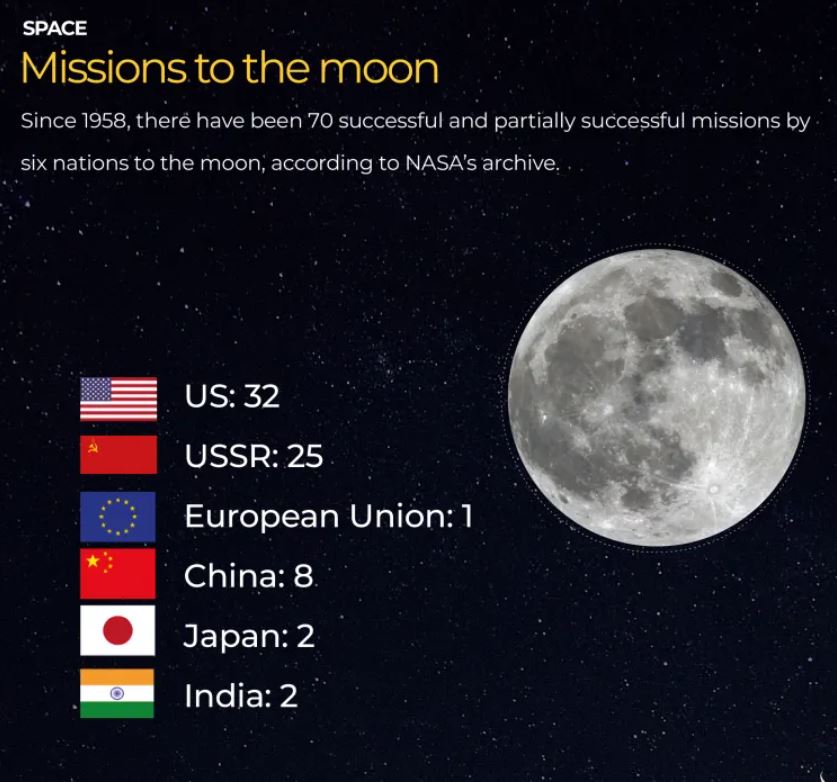
Introducing: The Artemis Program
This brings us to the Artemis Program. You’ve probably heard of the Apollo missions, which sent the first humans to the Moon in the late 1960s and early ’70s. Artemis, in Greek mythology, is Apollo’s twin sister, and now NASA is using that name for the program aiming to send “the first woman and the next man” to the Moon by 2024.
Artemis isn’t a one-and-done deal. This program aims to establish a sustainable, long-term presence on the Moon by 2028. And the best part? NASA intends to share its discoveries and advancements with the world!
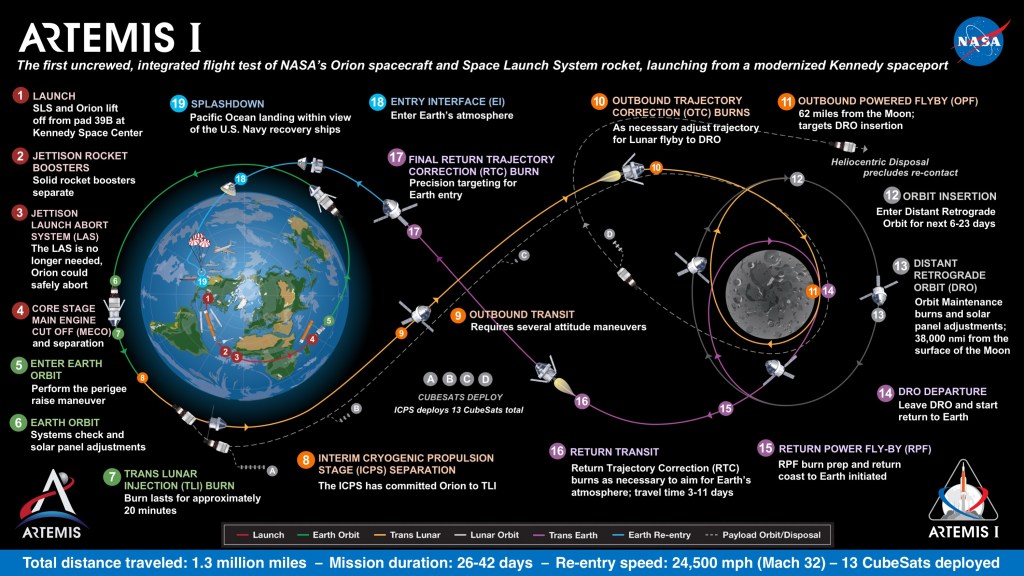
The Missions: Artemis I, II, and III
- Artemis I will be an uncrewed flight to test the new Space Launch System (SLS) and the Orion spacecraft. This mission will travel farther into space than any human-rated spacecraft has ever been!
- Artemis II will be a crewed mission, but it won’t land on the Moon. Instead, astronauts will orbit around the Moon and then return to Earth. This will be the first mission to send humans beyond low Earth orbit since 1972!
- Artemis III is the big one! This mission will land astronauts on the lunar South Pole, which has never been explored by humans. This is where the first woman and the next man will set foot on the Moon!
The Gateway and the Lunar Landers
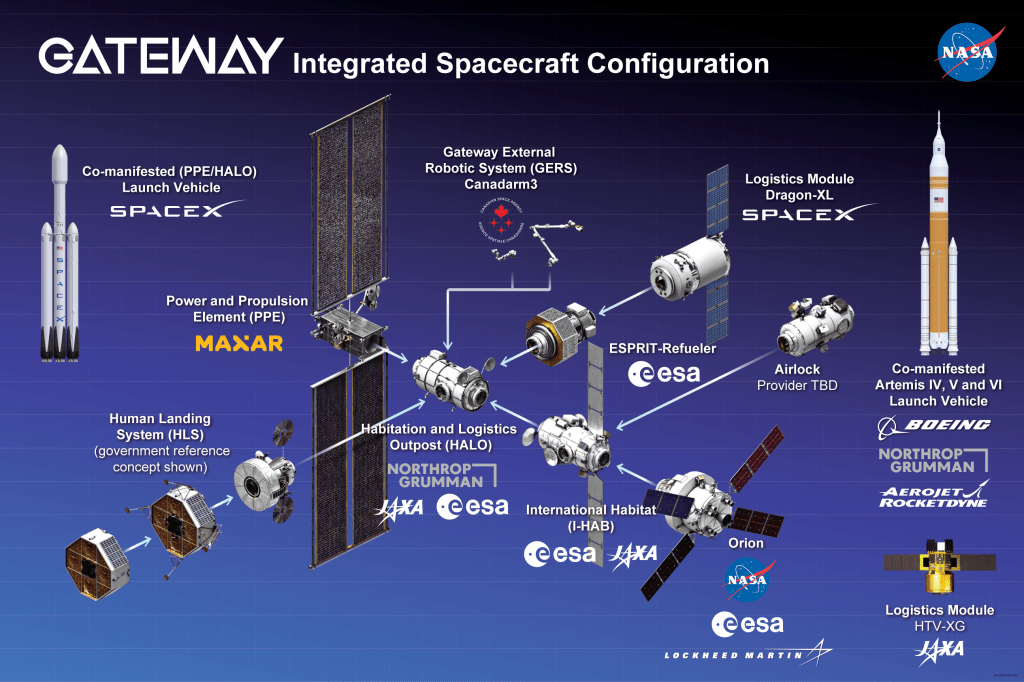
To make all this possible, NASA is developing some new hardware. One is the Lunar Gateway, a small spaceship that will orbit the Moon and serve as a living quarters for astronauts, a lab for science and research, and a stopover point for lunar landers.
The lunar landers are the vehicles that will transport astronauts from the Gateway down to the Moon’s surface. They’re designed to handle the harsh conditions of space and the Moon’s environment.
Artemis: A Stepping Stone to Mars and Beyond
While getting humans back to the Moon is an exciting goal in itself, Artemis is really about something even bigger. It’s a stepping-stone towards achieving the ultimate goal of sending humans to Mars. The Moon is the perfect proving ground to test the technology and operations that will be required for a mission to the Red Planet.
So, that’s a brief overview of NASA’s Artemis Program. This exciting venture represents the next big leap in human space exploration, and who knows? Maybe one day, some of you reading this will be walking on the Moon or even Mars!
Remember, folks: in the pursuit of knowledge, “the sky’s the limit” is just a saying. In reality, the cosmos is limitless, and it’s ours to explore! Onwards and upwards!
 Space Odyssey