
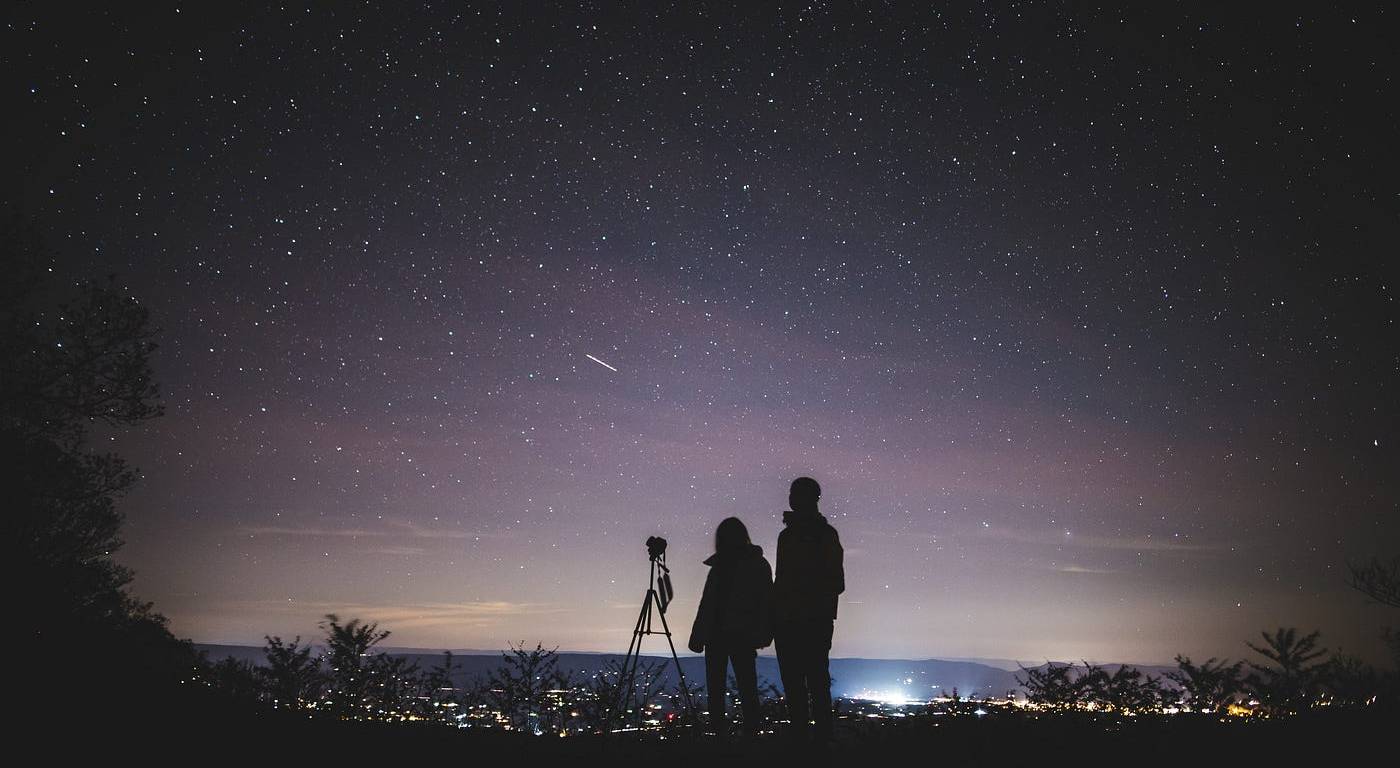
The night sky has been a source of wonder and inspiration for humans throughout history. From ancient civilizations to modern astronomers, gazing at the stars has ignited curiosity about the cosmos. In this educational article, we will embark on a journey through Astronomy 101 to explore the basics of astronomy, the enchanting world of constellations, and how to stargaze effectively.

Astronomy Basics
Astronomy is the scientific study of celestial objects, such as stars, planets, galaxies, and other phenomena in the universe. It seeks to understand the nature, origin, and evolution of these celestial entities through observation, measurement, and theoretical models.
Some key concepts to grasp in astronomy include:
Celestial Objects: These are objects that exist in space, including stars, planets, moons, asteroids, comets, and galaxies.
Light Years: The vast distances in space are measured in light-years, which represent the distance light travels in one year (about 9.46 trillion kilometers or 5.88 trillion miles).
Telescopes: These powerful instruments allow astronomers to observe distant objects in space and gather valuable data.
Unveiling Constellations
One of the most captivating aspects of stargazing is identifying constellations. Constellations are patterns of stars that appear to form shapes or figures in the night sky, as seen from Earth. They have played a significant role in cultural history, guiding navigation and storytelling. Some well-known constellations include Orion, Ursa Major (the Big Dipper), and Cassiopeia.
Understanding constellations involves learning to connect the dots between stars and identifying their unique shapes. Additionally, learning about the mythology and stories behind these constellations adds a layer of depth to the stargazing experience.

Effective Stargazing Tips
To make the most of your stargazing adventures, consider the following tips:
Light Pollution: Choose a stargazing location away from bright city lights to reduce light pollution and improve visibility of celestial objects.
Stargazing Apps: Use stargazing apps on your smartphone or tablet to help you identify constellations, planets, and other objects in the night sky.
Lunar Calendar: Be mindful of the moon’s phase; a bright moon can interfere with viewing fainter celestial objects.
Telescope and Binoculars: Invest in a good-quality telescope or binoculars to observe planets, moons, and other objects in more detail.
Patience and Adaptability: Stargazing requires patience and flexibility, as celestial events may take time or depend on specific weather conditions.
Astronomy opens up a gateway to the wonders of the universe, enriching our understanding of the cosmos and our place within it. Learning the basics of astronomy, identifying constellations, and embracing effective stargazing techniques can be a fulfilling and awe-inspiring experience. As you venture into the night sky, let your curiosity guide you, and remember that the beauty of the universe awaits, inviting you to explore its boundless mysteries.
Happy stargazing!
 Space Odyssey