
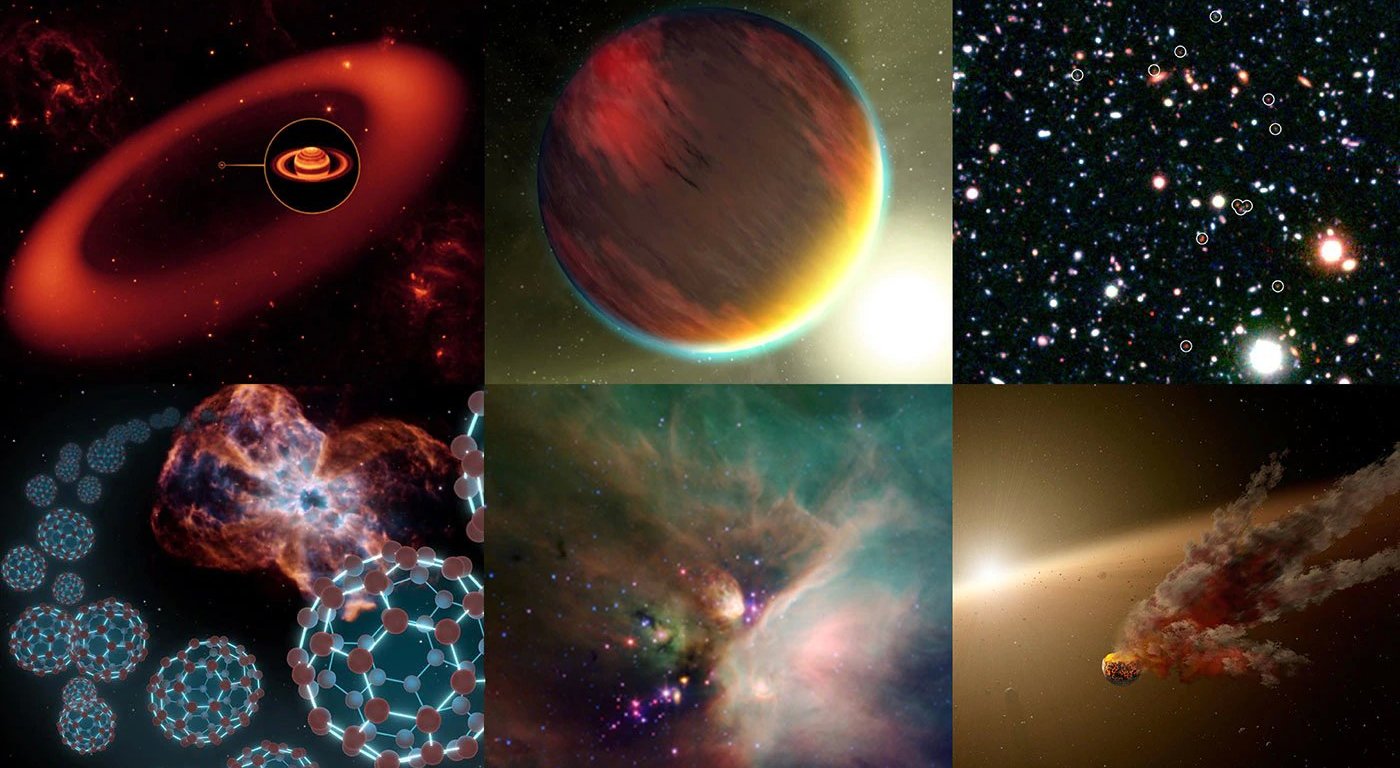
The past century has been a remarkable journey of human exploration into the vastness of space. From the early days of space exploration to the cutting-edge discoveries of recent years, our understanding of the universe has expanded beyond imagination. In this Article, we embark on a cosmic voyage to explore some of the most significant space discoveries and achievements of the last century, showcasing the awe-inspiring milestones in space exploration.
The First Steps – The Space Age Begins
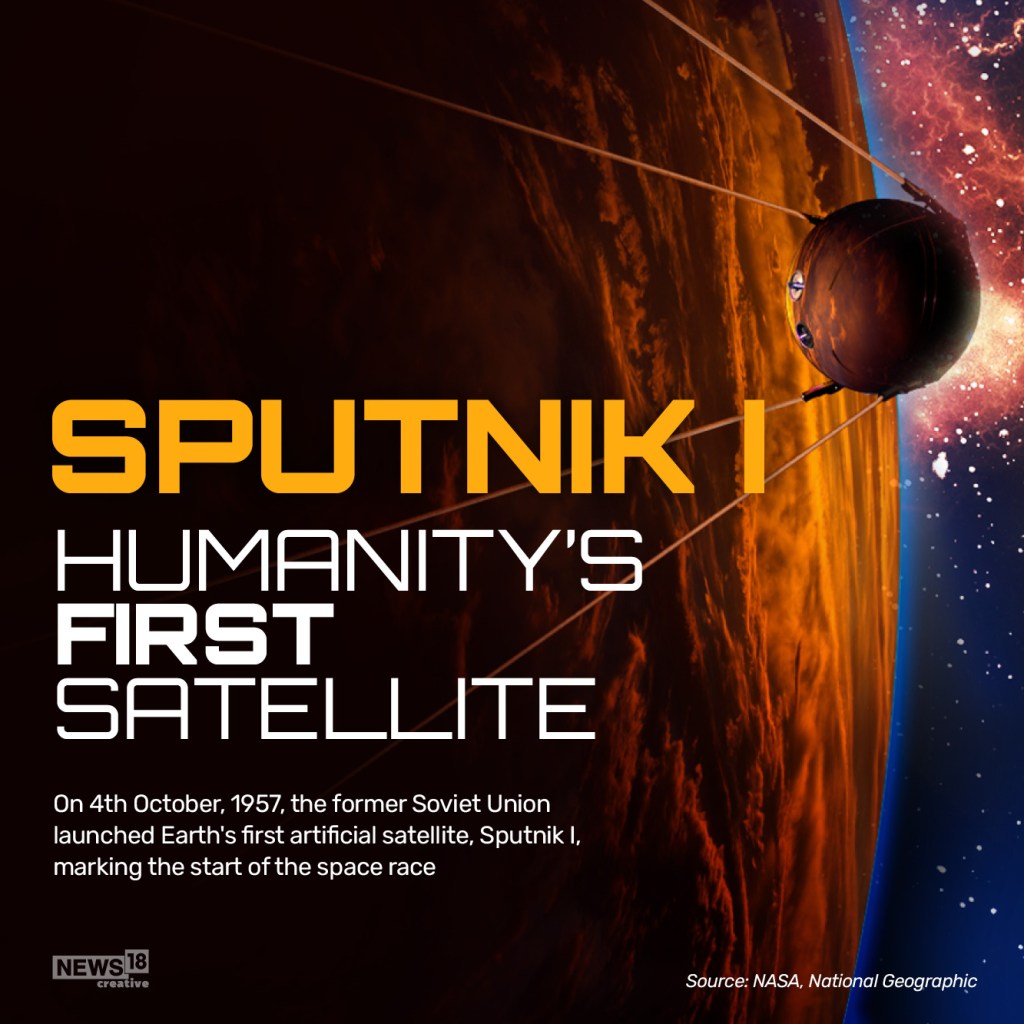
The journey into space began with the launch of the first artificial satellite, Sputnik 1, by the Soviet Union in 1957. This groundbreaking event marked the birth of the Space Age and opened the door to countless space missions that followed. Sputnik 1’s success paved the way for future endeavors in space exploration and sparked a global race to reach the stars.
Yuri Gagarin’s Historic Flight
On April 12, 1961, Yuri Gagarin, a Soviet cosmonaut, became the first human to journey into outer space. His single orbit around Earth aboard the Vostok 1 spacecraft captured the world’s attention and marked a momentous achievement in the history of space exploration.

The Apollo Moon Landings
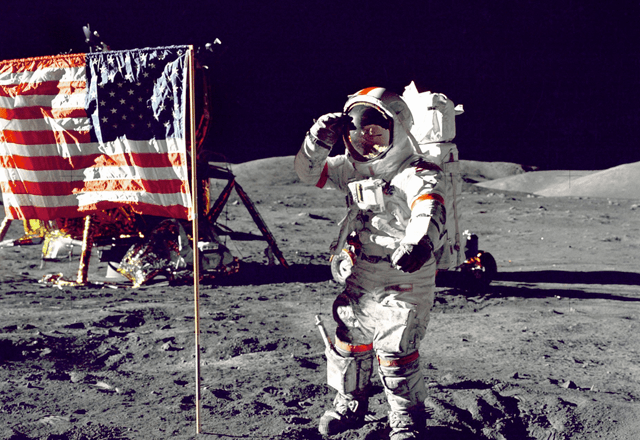
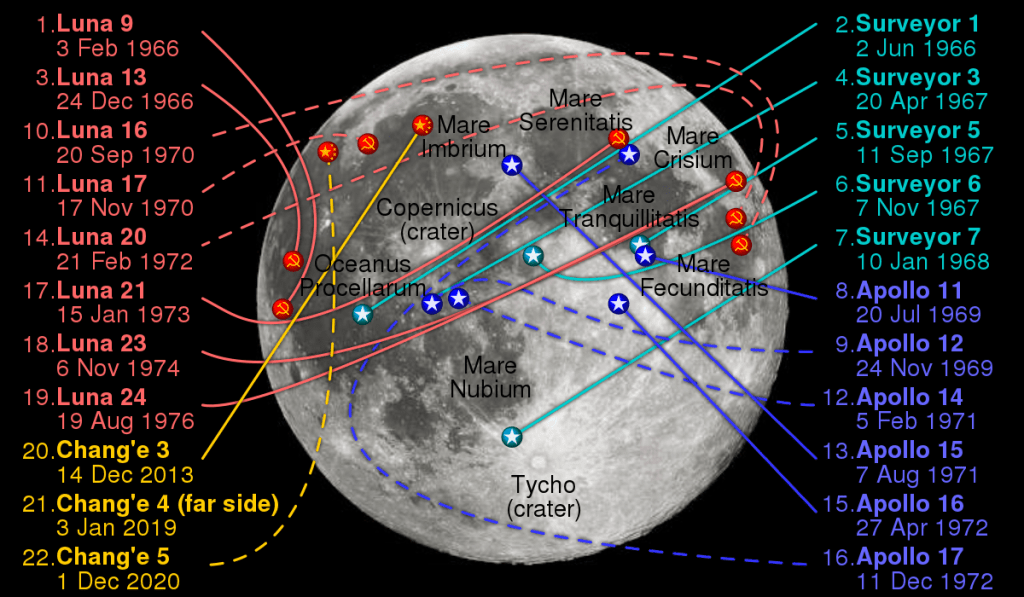
One of the most iconic accomplishments of the last century was the Apollo Moon landings by NASA. Between 1969 and 1972, six successful manned missions touched down on the lunar surface. Neil Armstrong’s legendary words, “That’s one small step for a man, one giant leap for mankind,” resonated throughout history, signifying a giant leap in human achievement.
Voyager Spacecraft: Exploring the Outer Solar System
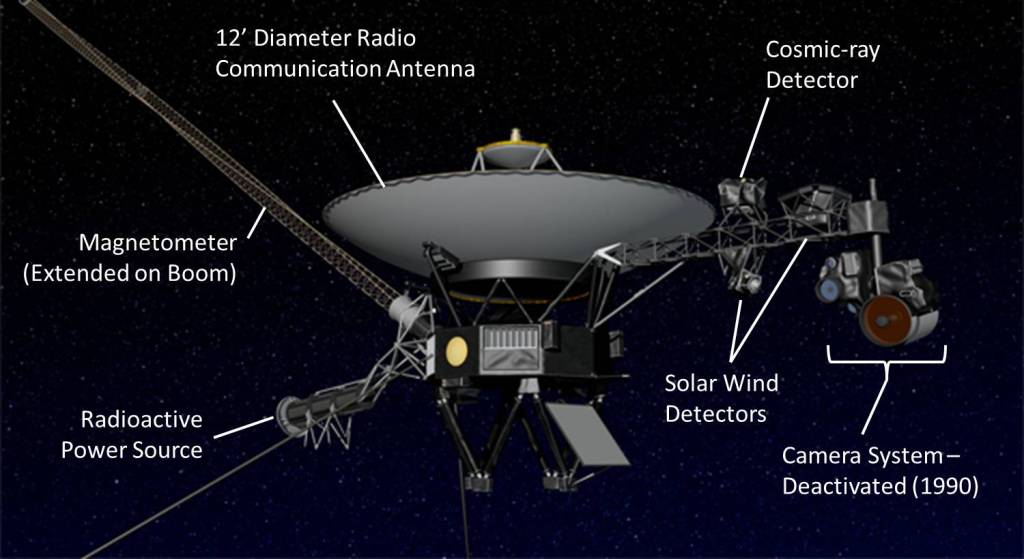
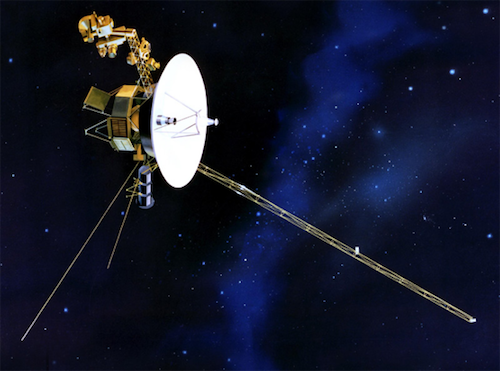
Launched in 1977, the twin Voyager spacecraft, Voyager 1 and Voyager 2, embarked on an ambitious mission to explore the outer planets of our solar system. These probes provided invaluable data and stunning images of Jupiter, Saturn, Uranus, and Neptune, revolutionizing our understanding of these distant worlds.
Hubble Space Telescope: Unveiling the Cosmos
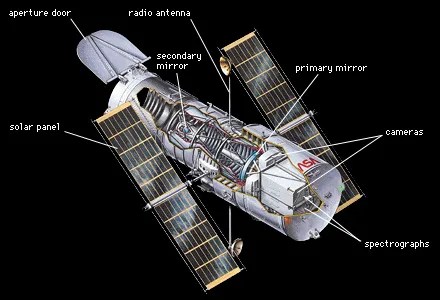
Deployed into space in 1990, the Hubble Space Telescope has been a transformative tool in astronomy. Its clear and detailed images of distant galaxies, nebulae, and other cosmic phenomena have deepened our knowledge of the universe, allowing us to peer billions of years into the past.
Mars Rovers: Seeking Signs of Life
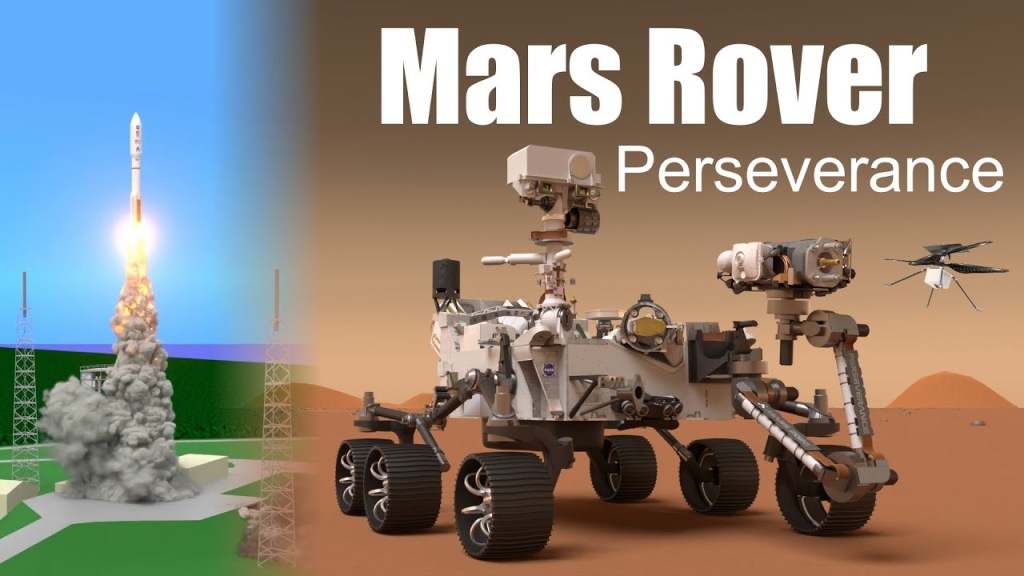
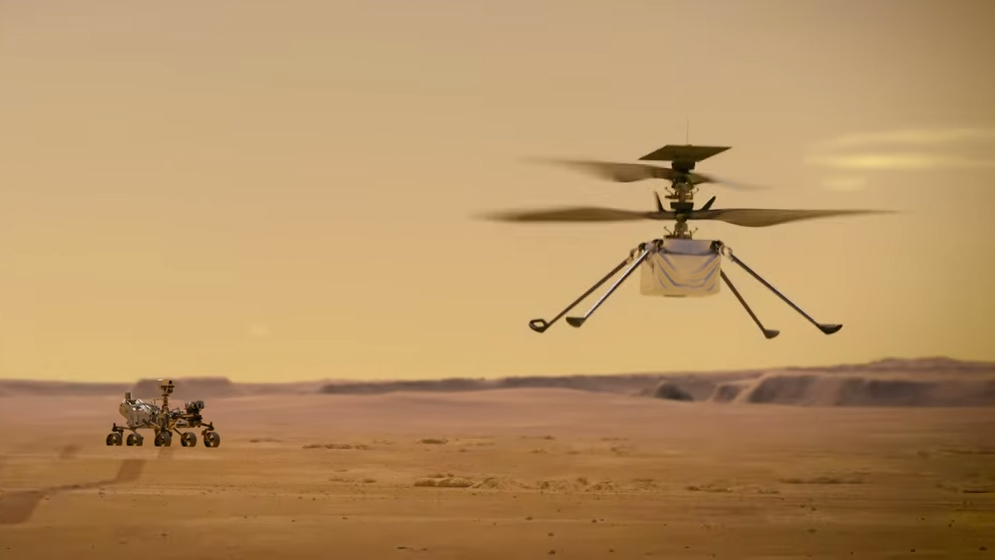
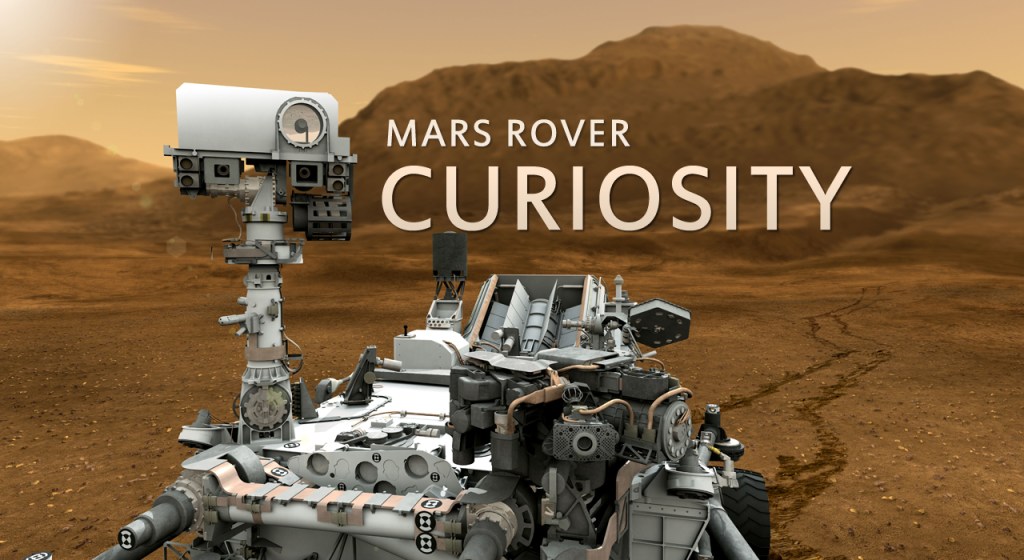
NASA’s Mars rovers, including Sojourner, Spirit, Opportunity, and Curiosity, have been vital in our exploration of the Red Planet. These robotic pioneers have revealed the Martian landscape, studied its geology, and searched for signs of past or present life, propelling our quest to understand Mars better.
Kepler Space Telescope: Discovering Exoplanets

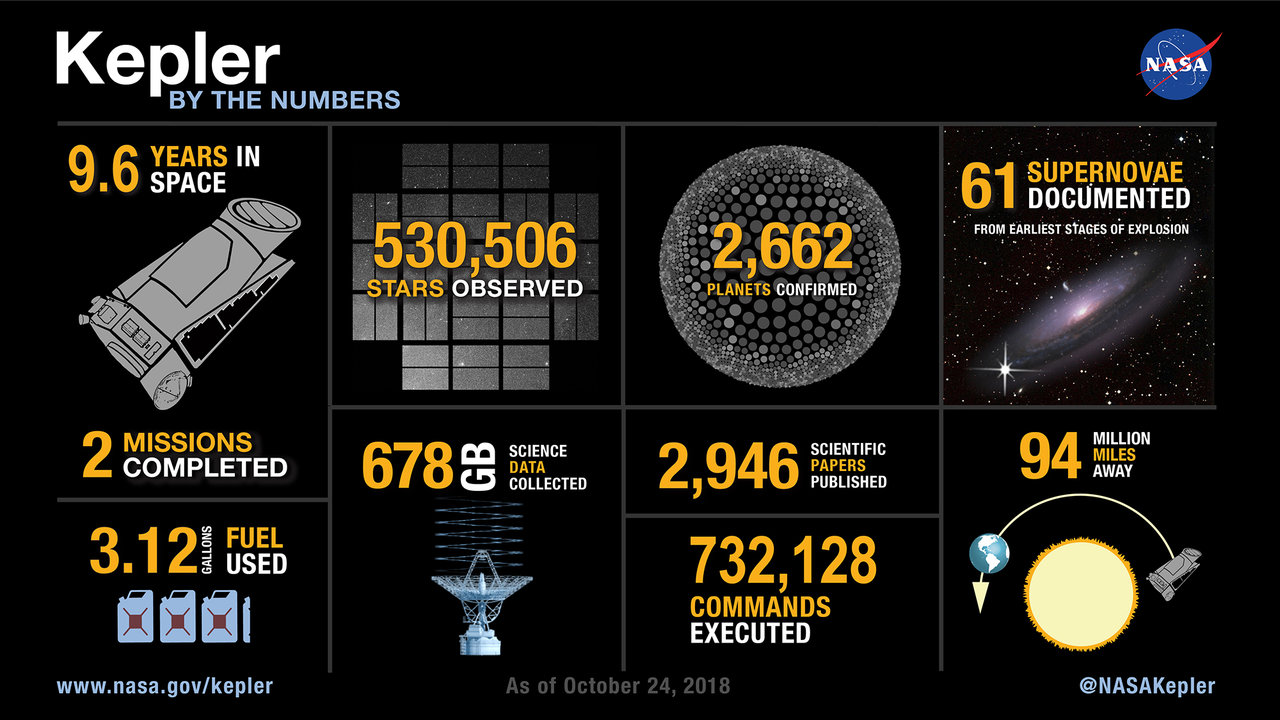
Launched in 2009, the Kepler Space Telescope made a groundbreaking discovery – thousands of exoplanets orbiting distant stars. This incredible find expanded our understanding of planetary systems and raised exciting possibilities for the existence of habitable worlds beyond our solar system.
New Horizons: A Historic Encounter with Pluto
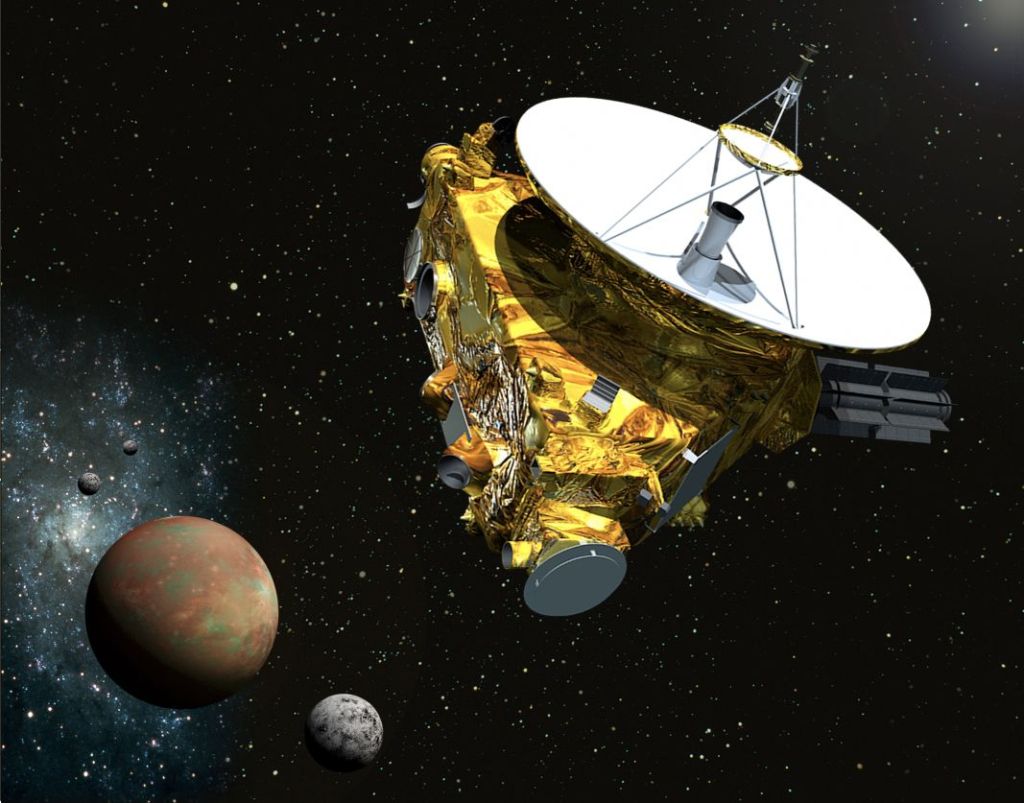
In 2015, the New Horizons spacecraft conducted a historic flyby of Pluto, revealing the distant dwarf planet in unprecedented detail. This mission provided valuable insights into the Pluto-Charon system and its unique characteristics.
James Webb Space Telescope: A New Frontier of Observations
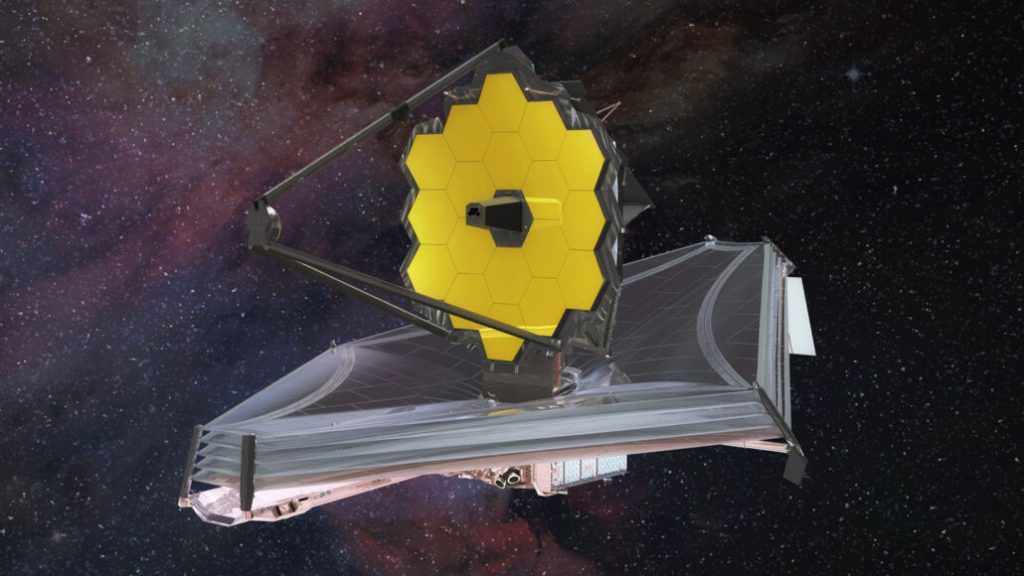
The James Webb Space Telescope is a space telescope specifically designed to conduct infrared astronomy. Its high-resolution and high-sensitivity instruments allow it to view objects too old, distant, or faint for the Hubble Space Telescope.
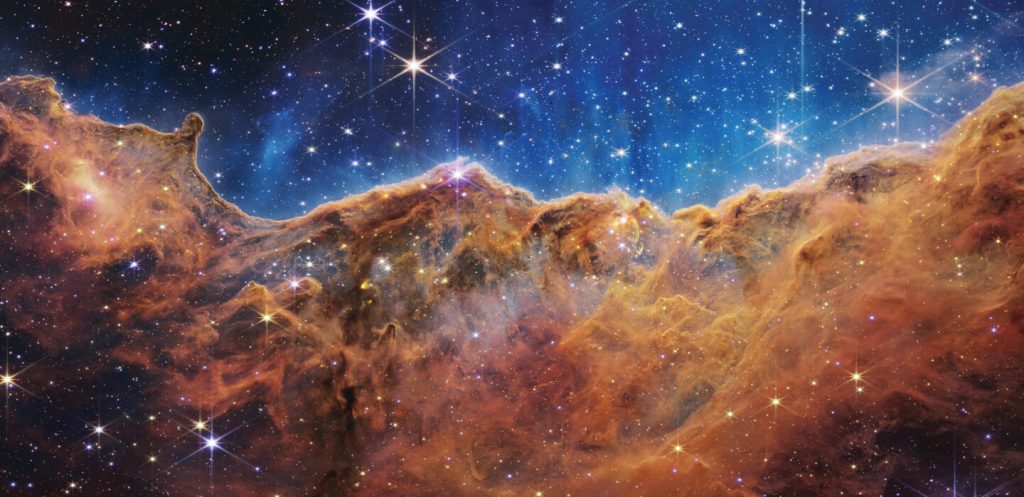
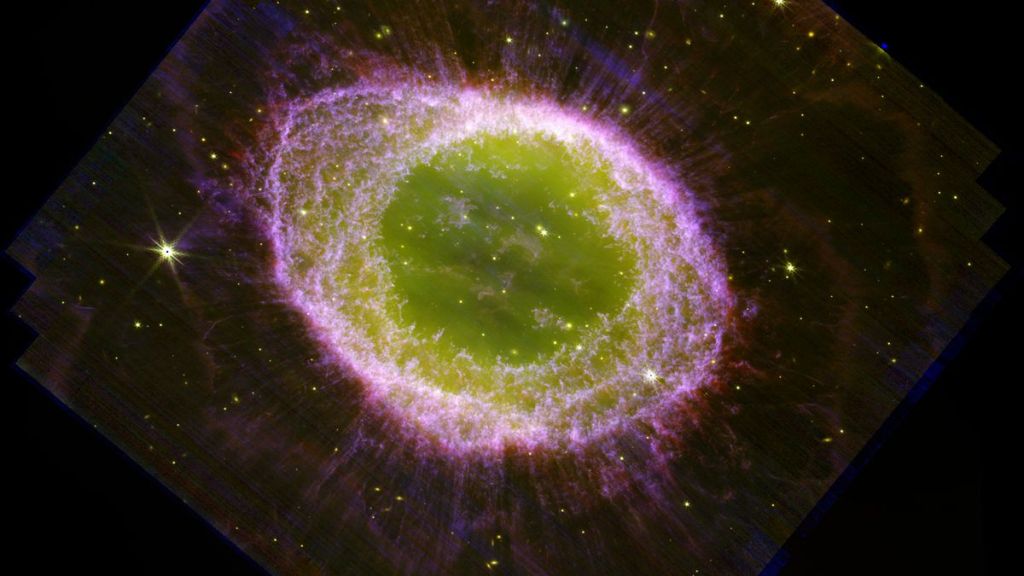
This revolutionary telescope is the successor to Hubble and carry out groundbreaking observations in infrared light. JWST’s capabilities are expected to reveal the early universe’s secrets, study exoplanets in unprecedented detail, and provide new insights into star formation and galaxy evolution.
The past century has been a story of exploration, discovery, and remarkable achievements in space. From the first tentative steps into orbit to the probing of distant planets and galaxies, our understanding of the cosmos has expanded exponentially. The great space discoveries of the last century have not only advanced our scientific knowledge but also fueled our curiosity to continue reaching for the stars. As we look to the future, we eagerly anticipate the next chapter in humanity’s cosmic journey, where new discoveries and accomplishments await us in the unexplored realms of space.
 Space Odyssey
One thought on “The Great Space Discoveries of the Past Century: Unveiling the Cosmic Milestones”