
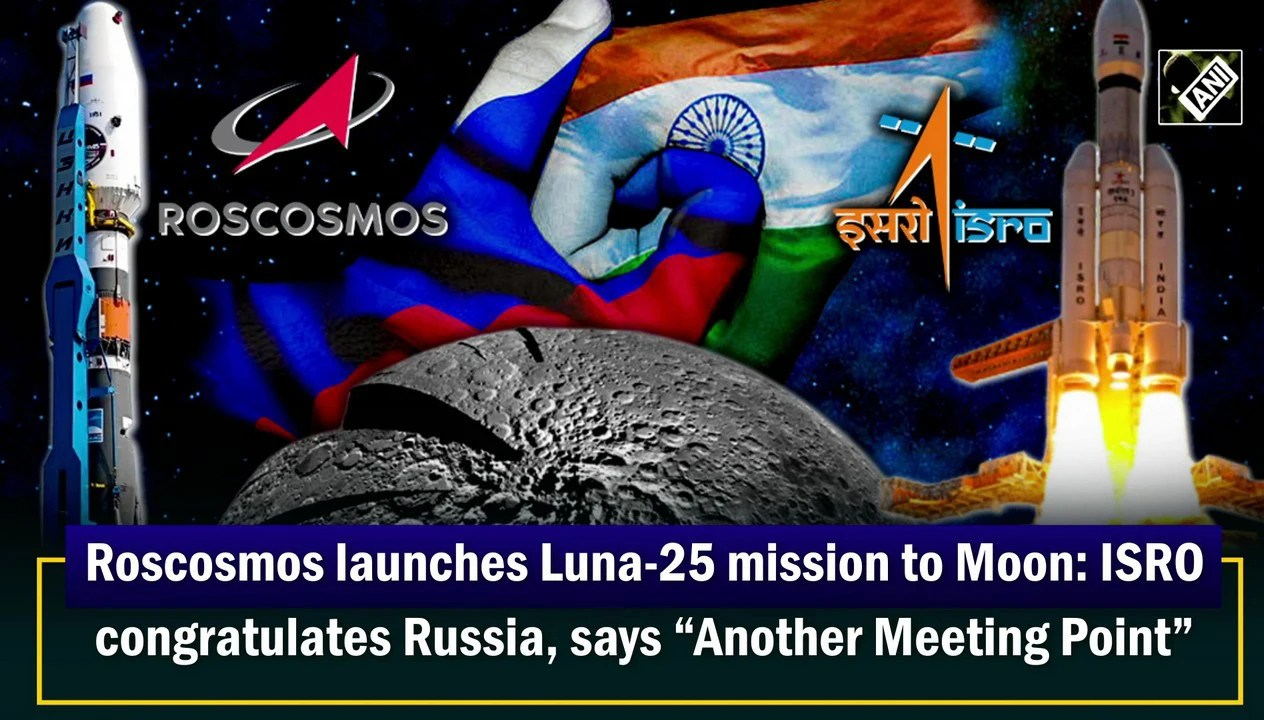
Russia has embarked on a significant lunar mission by successfully launching a rocket carrying a lunar landing craft, marking its first moon expedition since 1976. The launch took place from the Vostochny spaceport in Russia’s Far East, aiming to reach the moon ahead of India’s lunar spacecraft.
The mission, named Luna-25, represents Russia’s resurgence in lunar exploration, a feat not achieved since the days of the Soviet Union. The spacecraft is set to reach the moon’s vicinity on August 23, coinciding with India’s spacecraft that was launched on July 14.
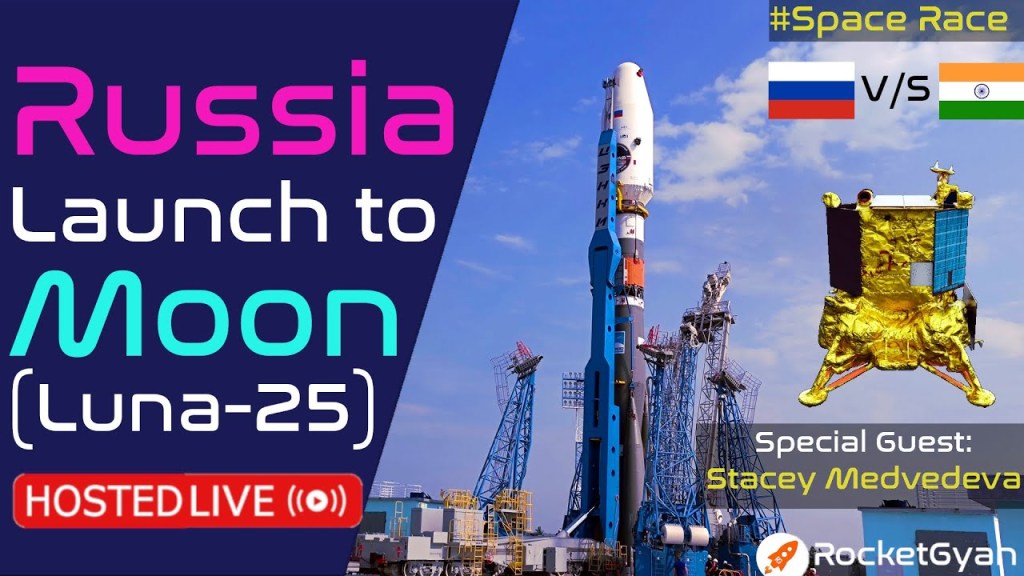
The Luna-25 spacecraft is scheduled to spend approximately 5.5 days in transit to the moon before entering its orbit around 100 kilometers (62 miles) above the lunar surface. After this, it will spend three to seven days in orbit before commencing its descent to the moon’s south pole.
Currently, successful moon landings have been achieved by only three countries: the Soviet Union, the United States, and China. Both India and Russia are vying to join this elite group by successfully landing at the moon’s south pole.
The Russian space agency, Roscosmos, views this mission as an opportunity to showcase Russia’s capability in delivering payloads to the moon. The agency aims to ensure Russia’s consistent access to the moon’s surface, despite geopolitical challenges and sanctions.
Vitaly Egorov, a prominent Russian space analyst, highlighted the underlying political competition between global superpowers as a driving force behind lunar exploration efforts. He stated, “Study of the moon is not the goal. The goal is political competition between two superpowers — China and the USA — and a number of other countries which also want to claim the title of space superpower.”
Russia’s space program has faced setbacks due to sanctions imposed after its involvement in the Ukraine conflict. These sanctions have limited Russia’s access to Western technology, impacting its space endeavors. To enhance reliability, the original plan to include a small moon rover aboard Luna-25 was abandoned, thereby reducing the craft’s weight.
As the global space race continues to evolve, Russia’s launch of Luna-25 signals its determination to regain prominence in space exploration and secure its position as a significant player in the quest for lunar exploration and discovery.
 Space Odyssey