
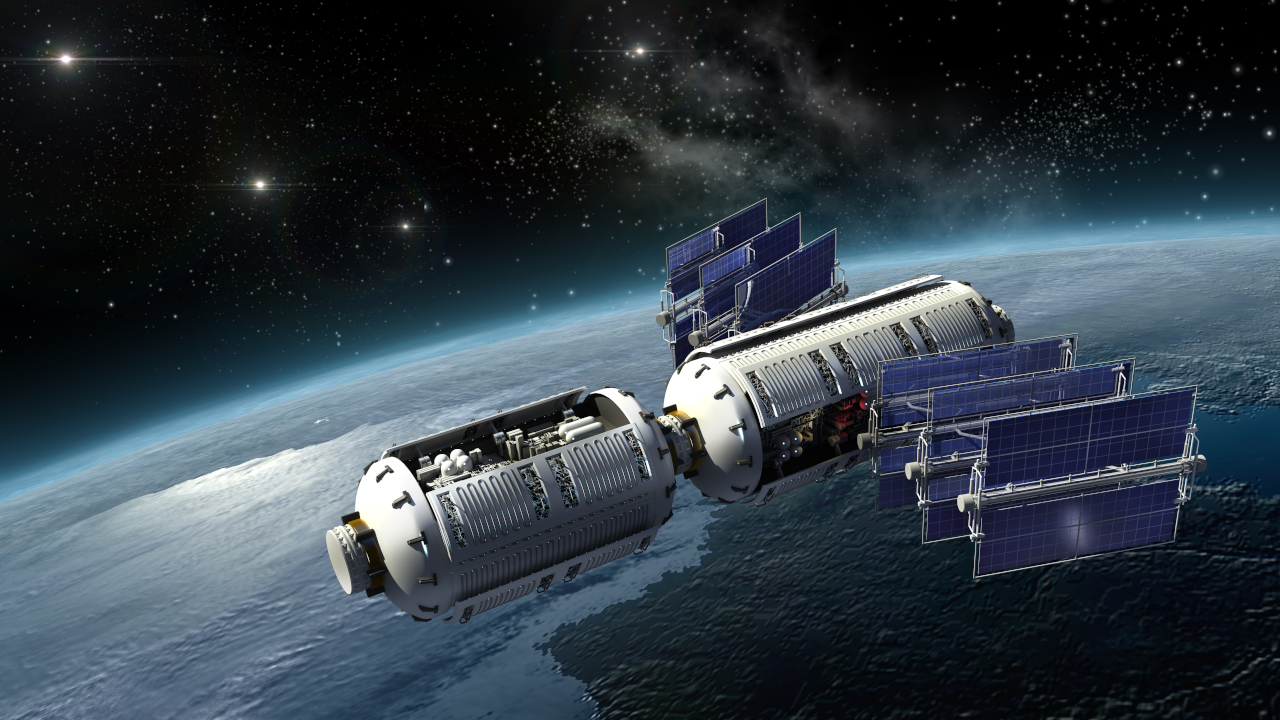
Space, the final frontier, has captivated humanity’s imagination for centuries. The exploration and utilization of space have given rise to a fascinating array of technologies, vehicles, and infrastructure collectively known as space systems. From launching satellites that enable global communication to exploring distant planets and galaxies, space systems have revolutionized our understanding of the universe and opened up new possibilities for our future. In this blog, we will explore into the intricacies of space systems, their historical significance, and the latest developments that continue to shape our journey beyond Earth.
A Journey Through History: Pioneering the Space Age
The origins of modern space systems can be traced back to the mid-20th century, marked by the fierce competition between the United States and the Soviet Union during the Space Race. The launch of the first artificial satellite, Sputnik 1, by the Soviet Union in 1957 ignited a new era of space exploration.
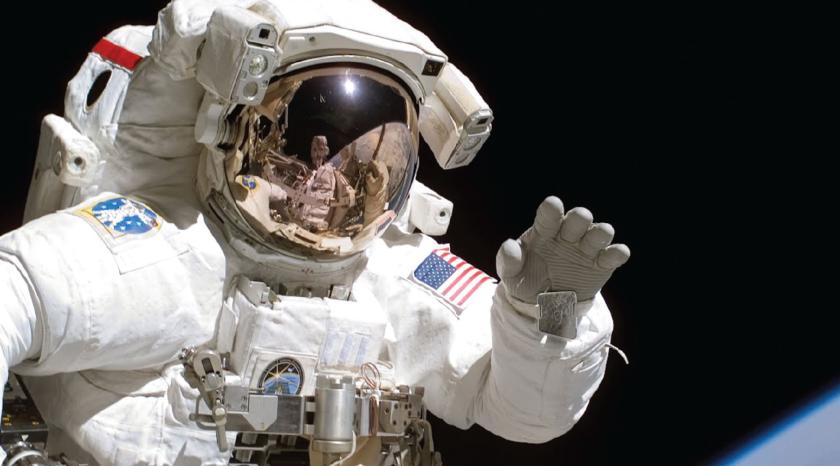
This monumental event was followed by a series of groundbreaking achievements:
- Human Spaceflight: In 1961, Yuri Gagarin became the first human to orbit the Earth aboard Vostok 1. His historic journey paved the way for manned space missions, leading to the Apollo program’s moon landing in 1969.
- Space Stations: The 1970s witnessed the launch of the first space station, Salyut 1, by the Soviet Union. This laid the foundation for the International Space Station (ISS), a multinational collaborative effort that continues to serve as a laboratory for scientific research and international cooperation.
- Space Shuttles: The launch of NASA’s Space Shuttle program in 1981 introduced the concept of reusable spacecraft, enabling missions that ranged from satellite deployment to repairing and servicing orbiting infrastructure.
Space Systems Today: Enablers of Exploration and Innovation
Fast forward to the present day, and space systems have evolved into a complex web of technologies that serve diverse purposes:
- Satellite Communication: Satellite systems have revolutionized global communication, broadcasting, navigation, and weather forecasting. From GPS navigation to streaming high-definition television, satellites orbiting Earth have become integral to our daily lives.
- Scientific Exploration: Robotic spacecraft equipped with advanced instruments allow us to explore distant celestial bodies. The Mars rovers, for example, have provided us with unprecedented insights into the Red Planet’s geology, climate, and potential habitability.
- Earth Observation: Satellites equipped with remote sensing instruments monitor our planet’s climate, natural resources, and changes in its environment. These systems contribute vital data for disaster management, agriculture, and urban planning.
- Astronomical Research: Space telescopes like the Hubble Space Telescope have unveiled breathtaking images of galaxies, stars, and nebulae. They’ve provided insights into the universe’s origin, expansion, and the existence of exoplanets.
- Space Tourism: Recent years have witnessed the emergence of commercial spaceflight ventures, offering civilians the chance to experience weightlessness and witness Earth’s curvature from suborbital heights.
- Exploration Beyond Earth: Ambitious missions aim to explore and colonize other celestial bodies, such as the Moon and Mars. These missions rely on advanced space systems to ensure the safety and success of human exploration.
The Latest Frontiers: Innovations Shaping Our Cosmic Future
As technology continues to advance, so do the capabilities of space systems.
Here are some recent developments that are shaping the future of space exploration:
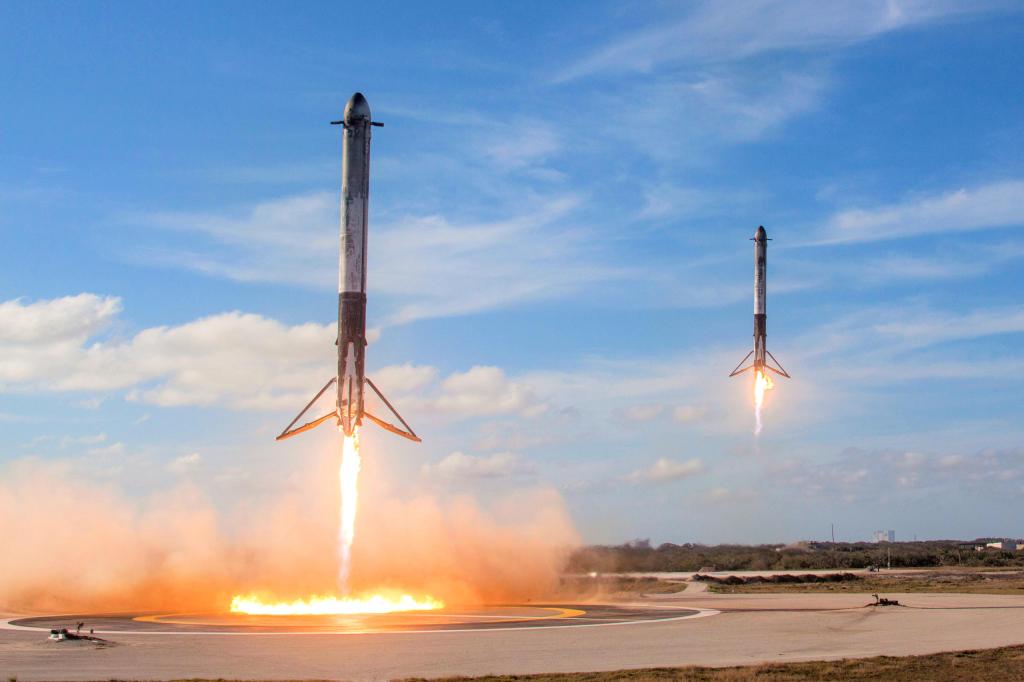
- Reusable Rockets: SpaceX’s Falcon 9 and Falcon Heavy rockets have demonstrated the viability of reusable rocket technology, significantly reducing launch costs and making space more accessible.
- Artemis Program: NASA’s Artemis program aims to return humans to the Moon, setting the stage for future lunar exploration and eventual missions to Mars.
- Private Spaceflight: Companies like SpaceX, Blue Origin, and Virgin Galactic are pioneering commercial spaceflight, offering opportunities for civilians to experience the wonders of space.
- Small Satellite Revolution: Miniaturization has led to the development of CubeSats and small satellites, enabling cost-effective space missions for research, communication, and scientific exploration.
- Space Debris Management: With the increase in orbital debris, efforts are being made to develop technologies to track, remove, and prevent space junk collisions.
- Interstellar Exploration: The concept of interstellar travel and exploration using advanced propulsion systems and spacecraft is no longer confined to science fiction, with scientists and engineers seriously considering the possibilities.
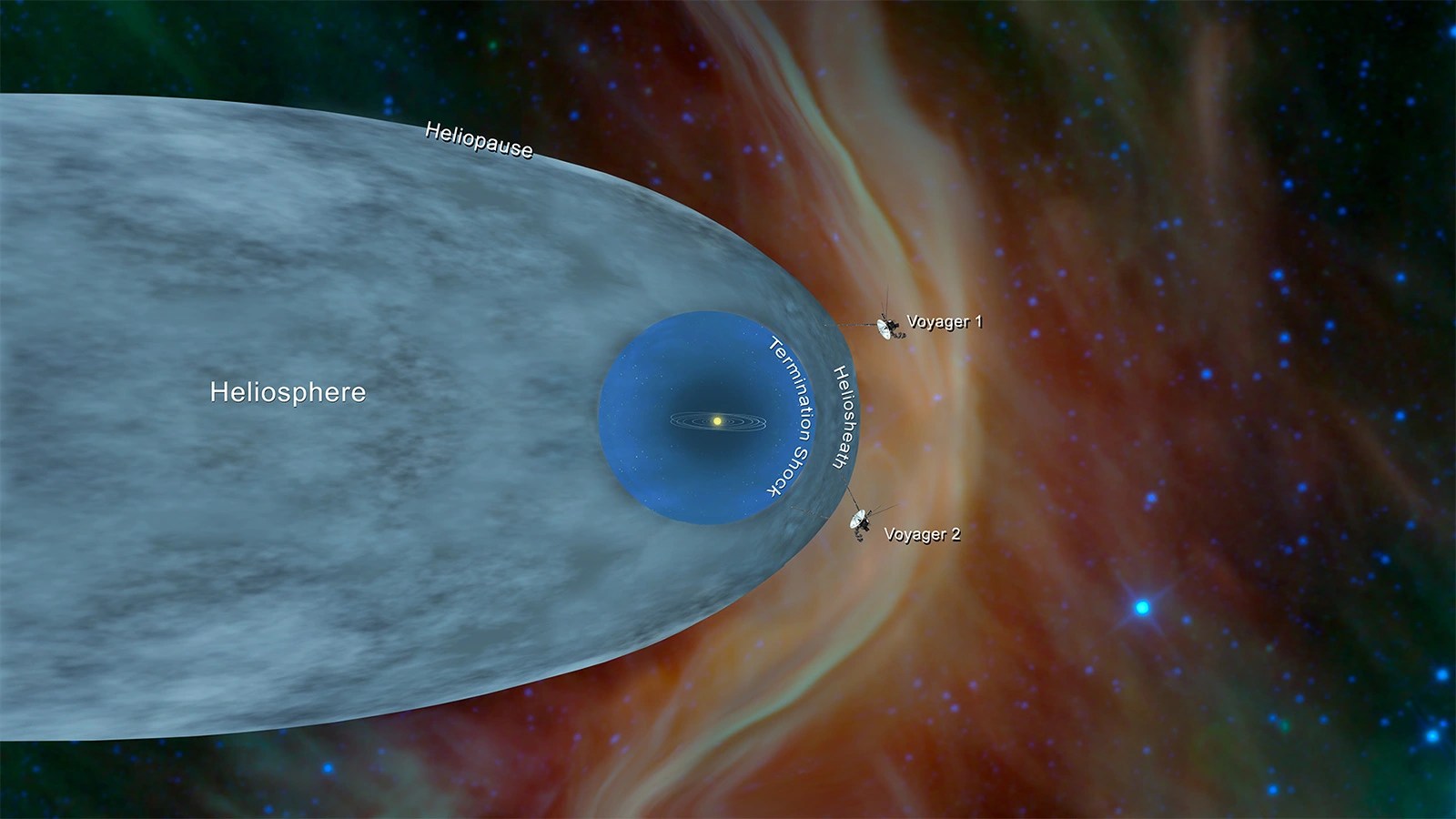
Space systems have propelled us into a new era of exploration, understanding, and innovation. From the early days of the Space Race to the cutting-edge technologies of today, these systems have expanded our horizons, transformed our lives, and sparked our imagination. As we continue to unlock the mysteries of the cosmos and venture farther into space, the evolution of space systems will play a pivotal role in shaping the destiny of humanity beyond the confines of our home planet.
 Space Odyssey