
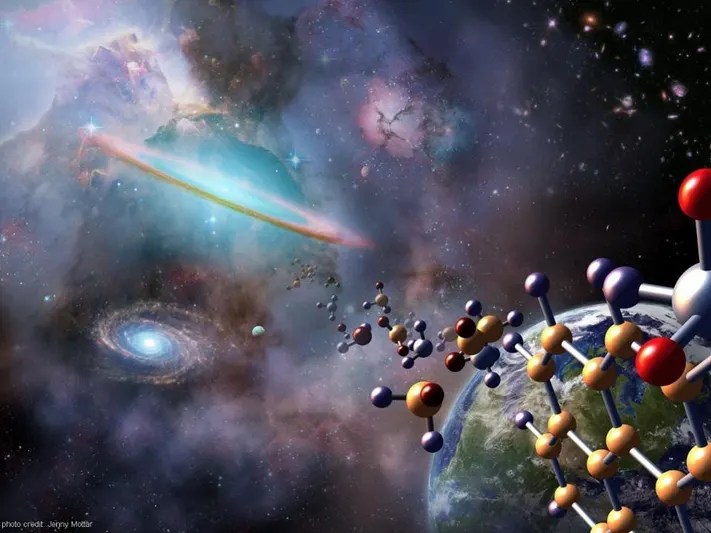
Exploring the Science of Astrobiology
The question of whether life exists beyond our planet has fascinated humanity for centuries. The field of astrobiology seeks to answer this profound question by investigating the possibility of life existing elsewhere in the universe. Astrobiology combines knowledge from various scientific disciplines, including astronomy, biology, chemistry, and geology, to understand the conditions necessary for life and to search for potential extraterrestrial habitats.
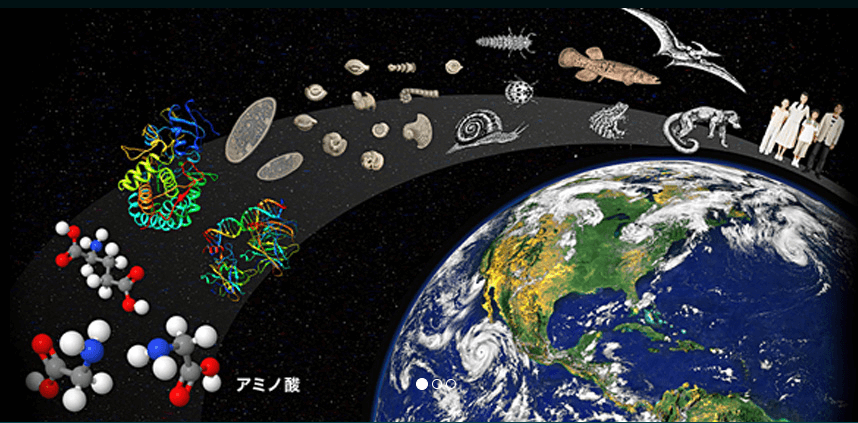
At the heart of astrobiology is the concept that life as we know it requires certain fundamental conditions. These conditions include a stable environment, liquid water, organic molecules, and an energy source. While Earth serves as the prime example of a life-supporting planet, astrobiologists acknowledge that life might thrive in environments vastly different from our own.
Conditions for Life Beyond Earth
One of the fundamental requirements for life, as we understand it, is the presence of liquid water. Water is an excellent solvent and plays a crucial role in biochemical reactions. This has led scientists to focus their search for extraterrestrial life on planets, moons, and other celestial bodies within the “habitable zone” of their parent star. The habitable zone, often referred to as the “Goldilocks zone,” is the region around a star where conditions are just right – not too hot and not too cold – for liquid water to exist on a planet’s surface.
However, the definition of habitability has expanded over the years. Astrobiologists now consider a range of environments where life could potentially thrive. These include subsurface oceans on moons like Europa (a moon of Jupiter) and Enceladus (a moon of Saturn), where tidal heating from gravitational interactions with their parent planets could maintain liquid water beneath icy surfaces.
Moreover, extremophiles on Earth have shown that life can survive in incredibly harsh conditions, such as acidic hot springs, deep-sea hydrothermal vents, and even within solid rock. These discoveries broaden the scope of where life might exist beyond Earth and encourage scientists to explore a wide range of environments in the search for extraterrestrial life.
Ongoing Efforts to Find Evidence
The quest for evidence of extraterrestrial life takes various forms, from telescopic observations of distant planets to missions that explore our own solar system. One of the most significant developments in recent years is the discovery of thousands of exoplanets (planets outside our solar system) using techniques like the transit method and radial velocity measurements. These discoveries have led scientists to identify potentially habitable exoplanets, igniting excitement about the possibility of finding signs of life.
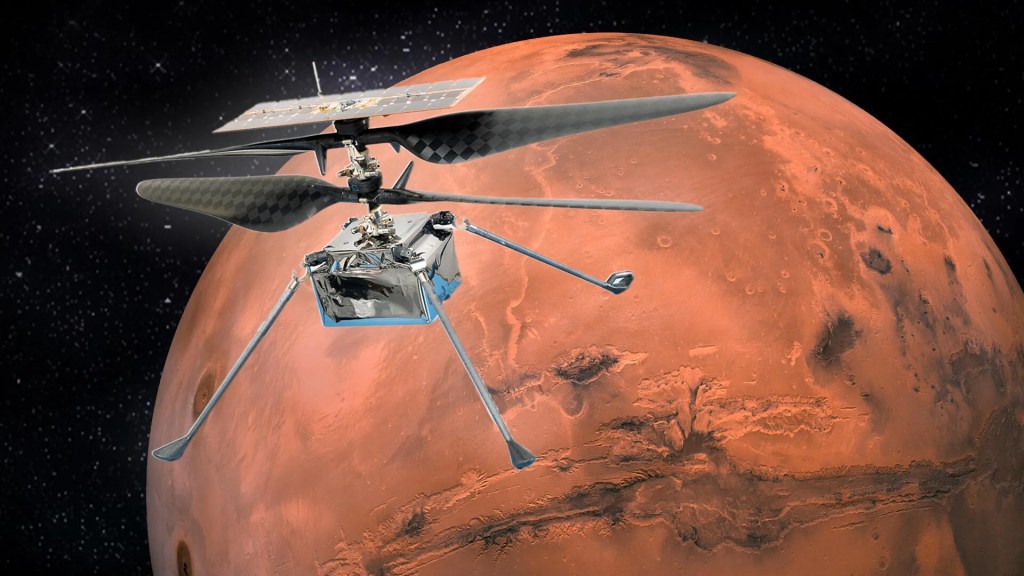
Mars, our neighboring planet, has been a primary target for astrobiological exploration. Numerous missions have been sent to Mars to study its surface, geology, and atmosphere. While definitive evidence of past or present life on Mars remains elusive, intriguing findings, such as the presence of liquid water beneath the surface and the detection of methane in the atmosphere, suggest the need for further investigation.
The icy moons of Jupiter and Saturn have also captured scientists’ attention. The Europa Clipper and the upcoming Dragonfly mission to Titan are designed to explore these moons’ potential habitability and search for signs of life. Enceladus, with its geysers of water vapor erupting from beneath its icy crust, provides a tantalizing opportunity to sample material from its subsurface ocean without landing on the moon itself.
In addition to robotic missions, the search for extraterrestrial intelligence (SETI) is another avenue in the quest for life beyond Earth. SETI involves scanning the cosmos for signals that could indicate the presence of intelligent civilizations. While no definitive signals have been detected to date, the search continues, with increasingly advanced technologies and collaborations.
The Significance of Finding Extraterrestrial Life
The discovery of extraterrestrial life, even in its simplest forms, would be a monumental scientific achievement with profound implications. It would revolutionize our understanding of life’s origins and evolution, potentially revealing that life is not unique to Earth. Such a discovery could also shed light on the potential for life to exist in extreme environments, expanding our perspectives on habitability.
Beyond scientific implications, the discovery of extraterrestrial life could have philosophical, societal, and even theological repercussions. Questions about our place in the universe, our uniqueness, and our relationship with other potential life forms would undoubtedly arise. The search for extraterrestrial life also serves as a unifying endeavor, uniting people across cultures and disciplines in the pursuit of a common goal.
Future Directions and Challenges
As technology advances, our ability to explore the cosmos and search for extraterrestrial life grows exponentially. The development of more powerful telescopes, advanced spacecraft, and innovative detection techniques continues to enhance our capabilities. Missions to distant worlds, like the James Webb Space Telescope and the upcoming James Webb Space Telescope and the European Space Agency’s ARIEL mission, are poised to provide unprecedented insights into exoplanet atmospheres and potential signs of habitability.
However, challenges persist. The vast distances between stars and the limitations of our current technology make direct observations and interstellar travel challenging. Interpreting potential biosignatures, signs that could indicate the presence of life, requires a deep understanding of both the target environment and the complex processes that could produce such signs.
Astrobiology is a captivating field that bridges multiple scientific disciplines to address one of humanity’s most profound questions: Are we alone in the universe? By exploring the conditions for life beyond Earth and employing various strategies to search for evidence of extraterrestrial life, scientists are making remarkable strides toward answering this question. Whether we discover microbial life on a distant moon or detect signals from an advanced civilization, the implications of such discoveries are bound to shape our understanding of life, the universe, and our place within it. The journey of astrobiology is a testament to human curiosity, innovation, and the relentless pursuit of knowledge.
 Space Odyssey