

The dawn of 2024 marks a new chapter in space exploration, with ambitious missions planned by leading space agencies and private companies worldwide. As humanity pushes the boundaries of what’s possible, these missions aim to explore the Moon, Mars, distant asteroids, and beyond. This blog post outlines the most exciting upcoming missions from NASA, SpaceX, Rocket Lab, ESA, ISRO, and CNSA, detailing their objectives, budgets, and expected launch dates.
NASA: Expanding Humanity’s Reach
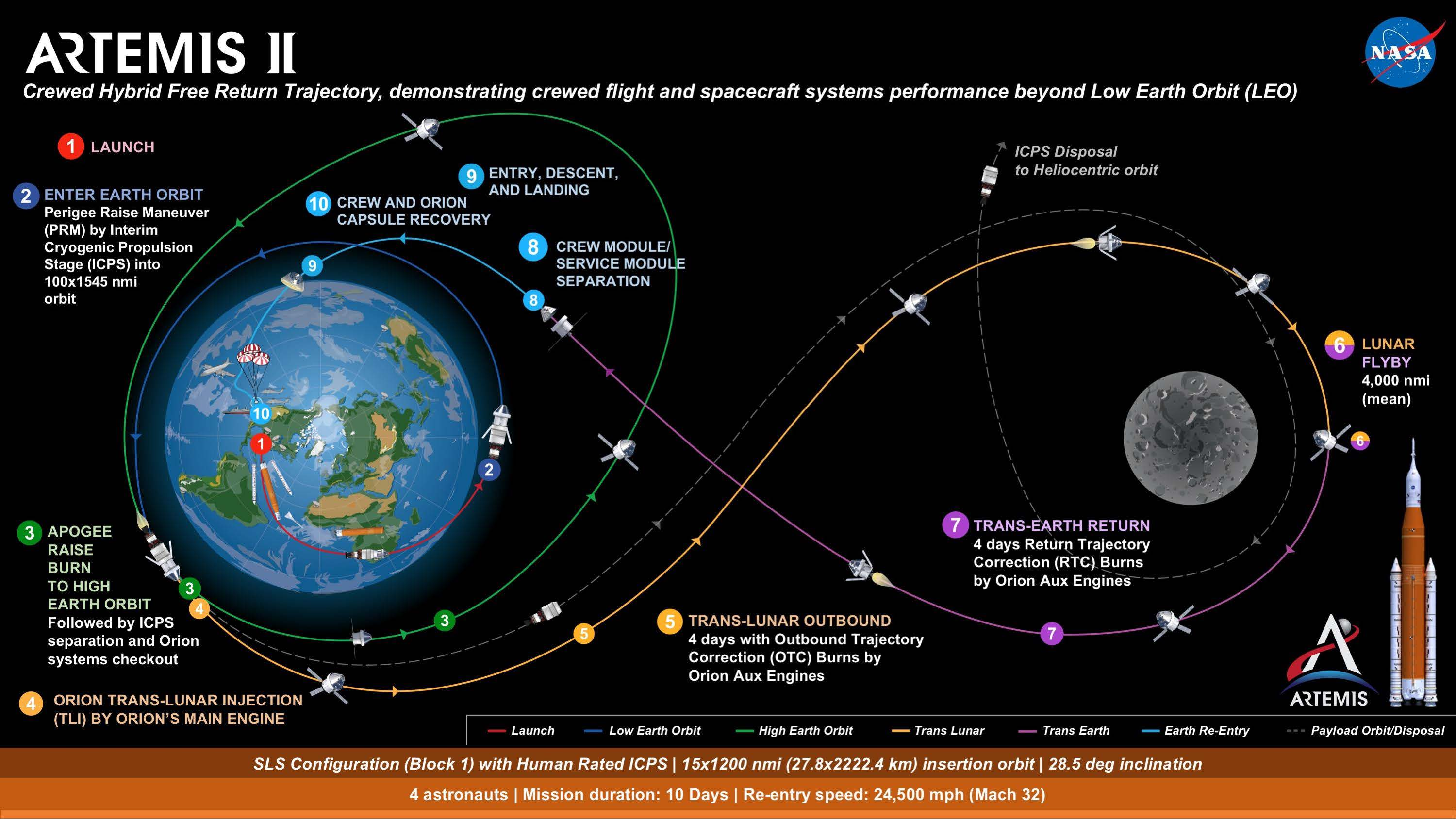
Artemis II
- Objective: Artemis II is poised to be NASA’s first crewed mission to orbit the Moon since the Apollo era. This mission is part of the Artemis program, which aims to return humans to the Moon and establish a sustainable presence.
- Planned Launch Date: September 2025
- Budget: The Artemis program, including Artemis II, is projected to cost over $93 billion by 2025, with Artemis II itself accounting for approximately $4.1 billion.
- Launch Location: Kennedy Space Center, Florida, USA
- Mission Overview: Artemis II will take four astronauts on a journey around the Moon and back to Earth. This mission will validate the spacecraft’s life support systems and crew capabilities, setting the stage for the first lunar landing with Artemis III.
Europa Clipper
- Objective: The Europa Clipper mission will explore Jupiter’s moon Europa, specifically investigating its icy shell and subsurface ocean to determine its habitability.
- Planned Launch Date: October 2024
- Budget: The mission is estimated to cost around $4.25 billion.
- Launch Location: Kennedy Space Center, Florida, USA
- Mission Overview: Europa Clipper will conduct nearly 50 flybys of Europa, gathering data on the moon’s surface and subsurface ocean. This mission is crucial for understanding whether Europa’s environment could support life.

VIPER
- Objective: The Volatiles Investigating Polar Exploration Rover (VIPER) will search for water ice on the Moon’s South Pole, a key resource for future lunar habitats.
- Planned Launch Date: November 2024
- Budget: Approximately $433.5 million
- Launch Location: Cape Canaveral Space Force Station, Florida, USA
- Mission Overview: VIPER will explore permanently shadowed regions of the Moon, where water ice may be preserved. This mission is critical for NASA’s Artemis program, providing essential data for sustaining future human missions on the Moon.

Mars Sample Return
- Objective: The Mars Sample Return (MSR) mission is a joint effort between NASA and ESA to bring back samples from the Martian surface.
- Planned Launch Date: 2026 (sample retrieval phase)
- Budget: The entire campaign is expected to cost around $7 billion.
- Launch Location: Launch sites will vary, with key launches from Kennedy Space Center.
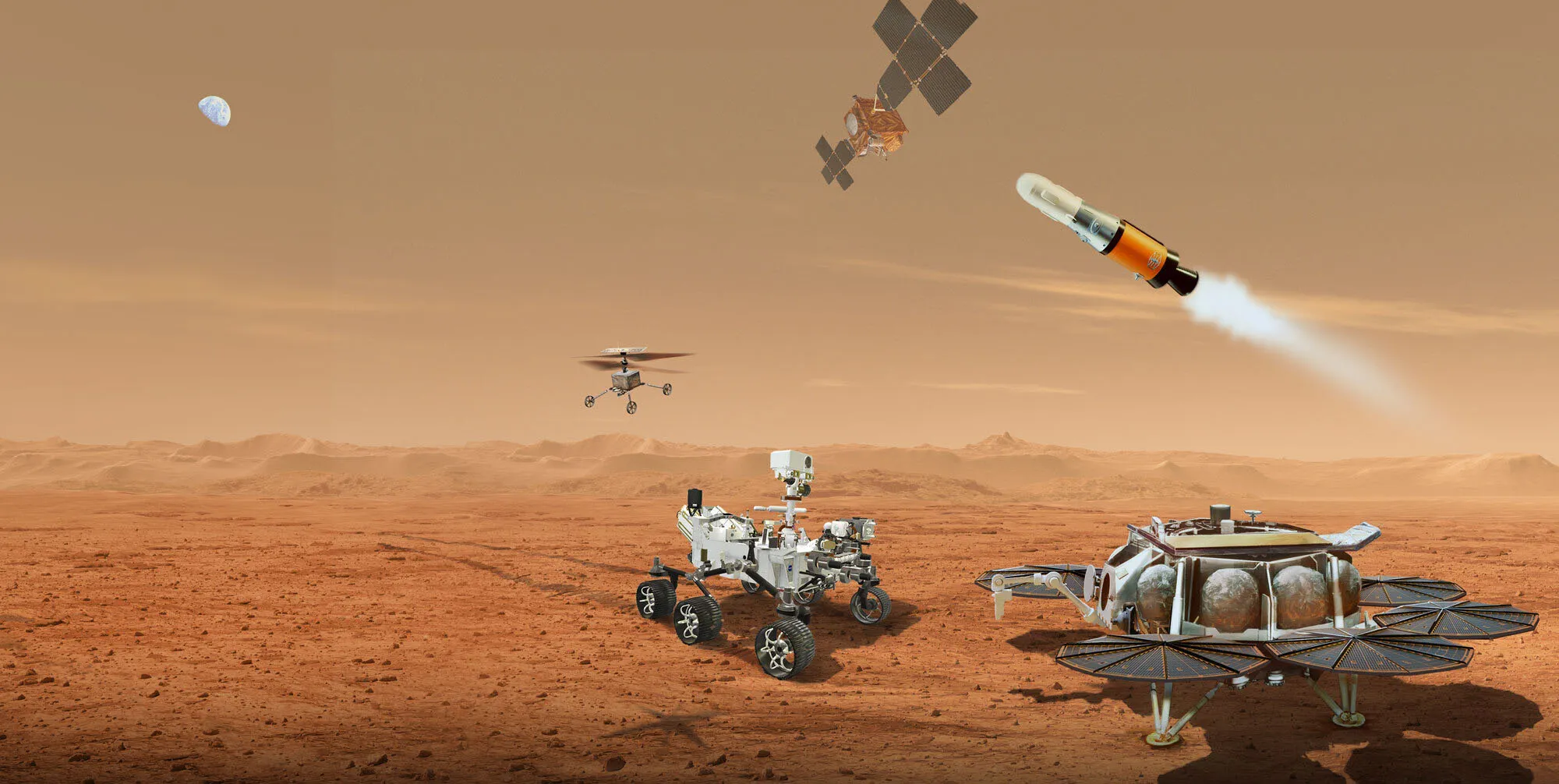
- Mission Overview: The MSR mission will involve multiple steps, including collecting samples with the Perseverance rover, launching them into Mars orbit, and retrieving them for return to Earth. This will be the first time materials from Mars are brought back to Earth, potentially revolutionizing our understanding of the planet’s history and habitability.
Artemis III
- Objective
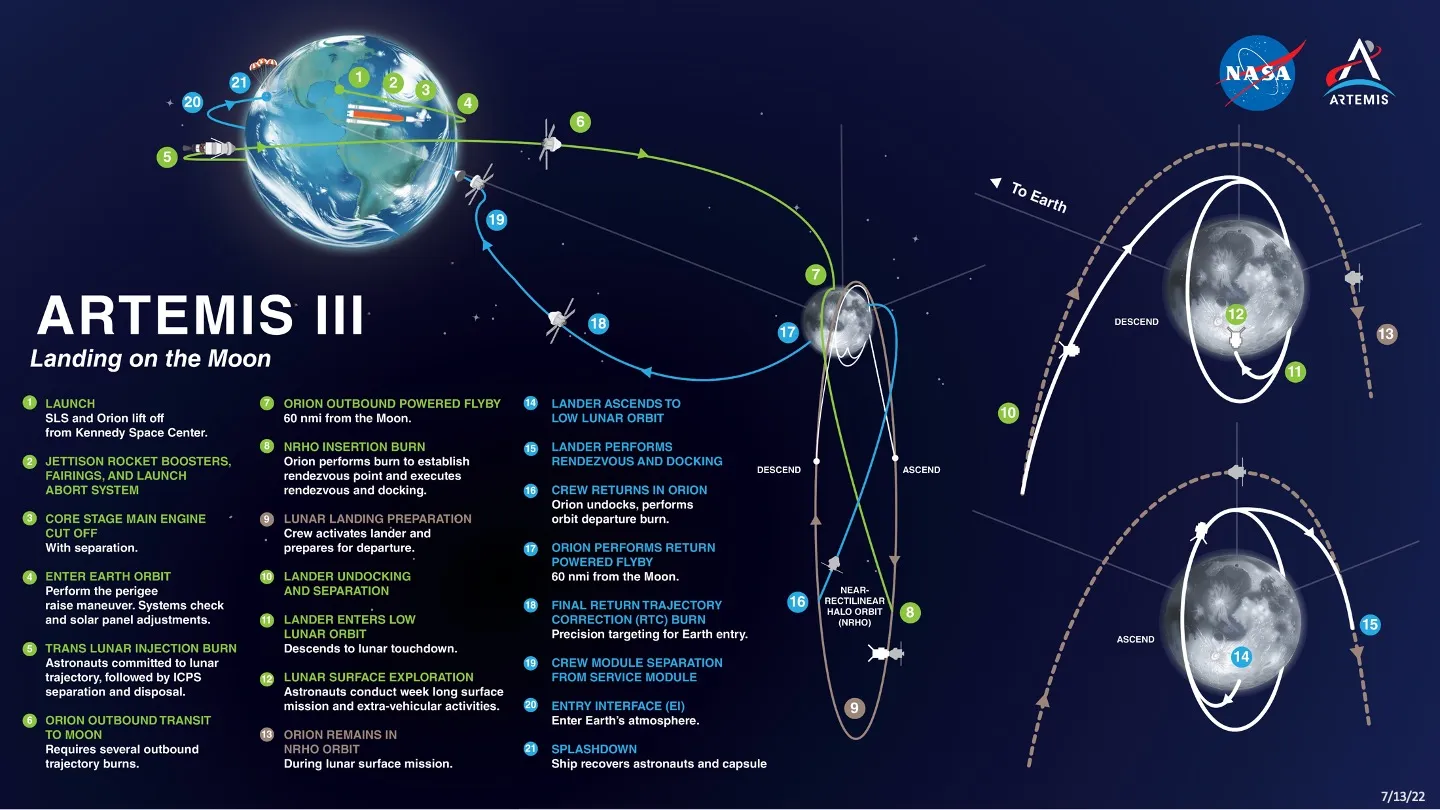
- To land the first woman and the next man on the lunar South Pole, conducting scientific research and exploring potential resources like water ice.
- Planned Launch Date: 2025
- Budget: Part of the Artemis program, which has a projected budget exceeding $93 billion by 2025.
- Launch Location: Kennedy Space Center, Florida, USA
- Mission Overview: Artemis III aims to establish a sustainable human presence on the Moon, paving the way for future exploration of Mars. This mission will involve crewed lunar surface operations, including up to a week-long stay on the Moon, where astronauts will explore and conduct scientific experiments in the South Pole region.
SpaceX: Pioneering Commercial Spaceflight
Starship IFT-3
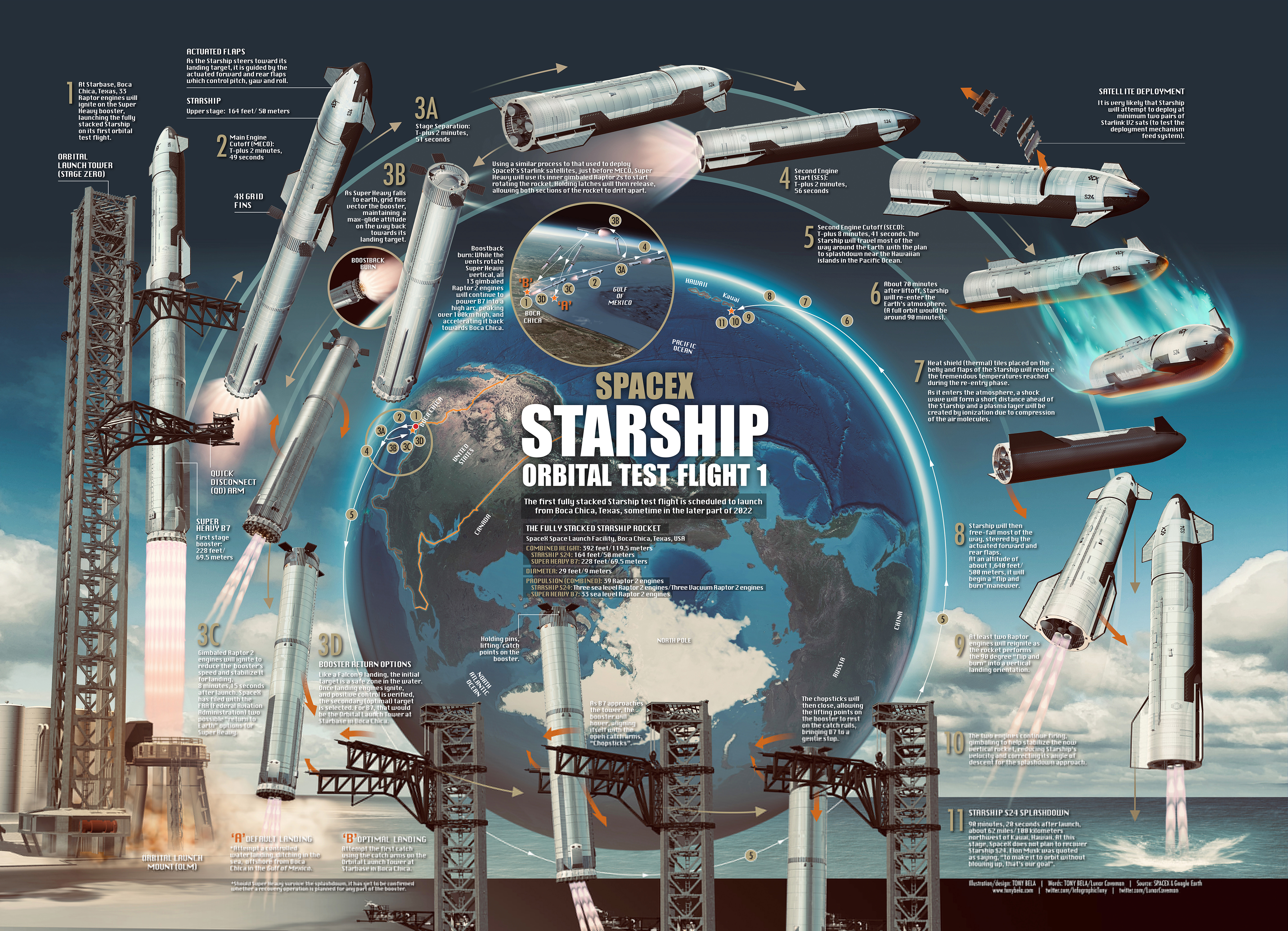
- Objective: SpaceX’s Starship Integrated Flight Test 3 (IFT-3) aims to validate critical technologies for future deep-space missions, including lunar and Mars landings.
- Planned Launch Date: Early 2024
- Budget: The mission is funded through SpaceX’s private investments, with no specific budget disclosed.
- Launch Location: Boca Chica, Texas, USA
- Mission Overview: Starship IFT-3 will be a major milestone in SpaceX’s development of a fully reusable spacecraft designed for long-duration human spaceflight. This test will focus on validating systems necessary for upcoming lunar missions under NASA’s Artemis program and SpaceX’s own ambitions to reach Mars.
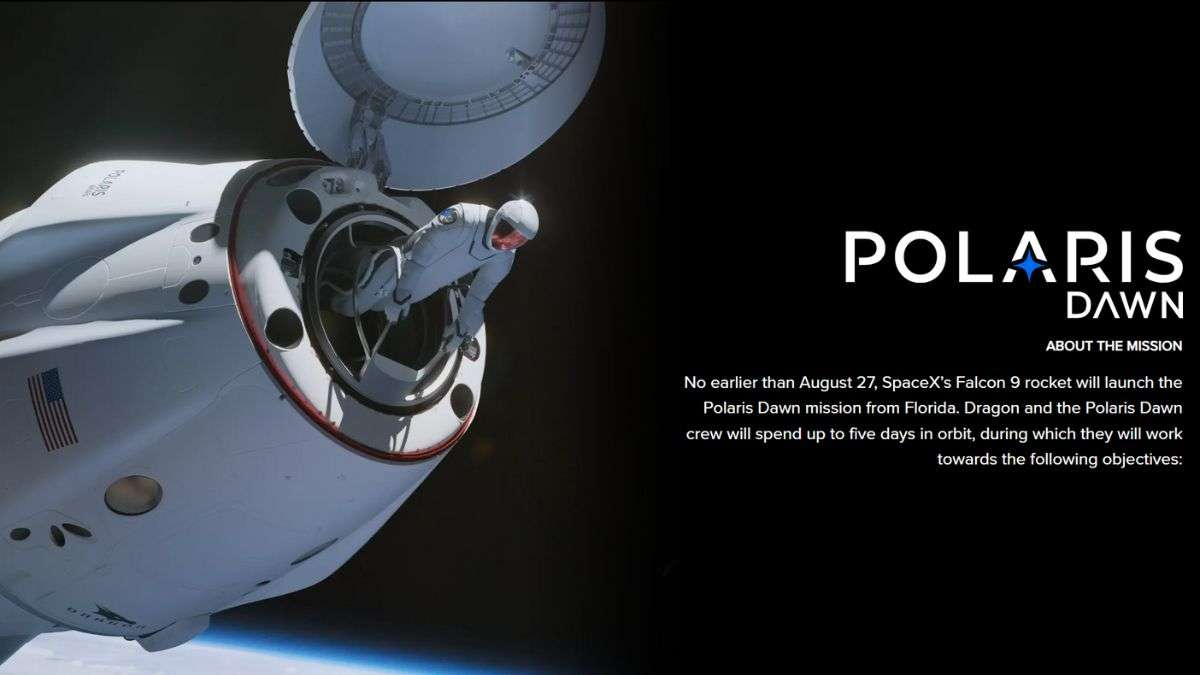
Polaris Dawn
- Objective: Polaris Dawn is a private mission that aims to achieve the highest Earth orbit ever flown by civilians, conduct spacewalks, and test advanced spacesuit technologies.
- Planned Launch Date: March 2024
- Budget: Privately funded by billionaire Jared Isaacman, the specific budget has not been disclosed.
- Launch Location: Kennedy Space Center, Florida, USA
- Mission Overview: As part of the Polaris Program, Polaris Dawn will push the boundaries of commercial space exploration. The mission will also support scientific research, including experiments related to space medicine, radiation exposure, and communications in deep space.
Dear Moon
- Objective: The Dear Moon mission is a privately funded venture that will take a group of artists on a journey around the Moon aboard SpaceX’s Starship.
- Planned Launch Date: 2025
- Budget: Funded by Japanese entrepreneur Yusaku Maezawa, with the budget not publicly disclosed.
- Launch Location: Boca Chica, Texas, USA
- Mission Overview: Dear Moon aims to inspire creativity by offering artists a unique perspective of space. The mission will mark one of the first commercial human spaceflights beyond low Earth orbit, highlighting the expanding role of private industry in space exploration.

Rocket Lab: Expanding Horizons Beyond Earth
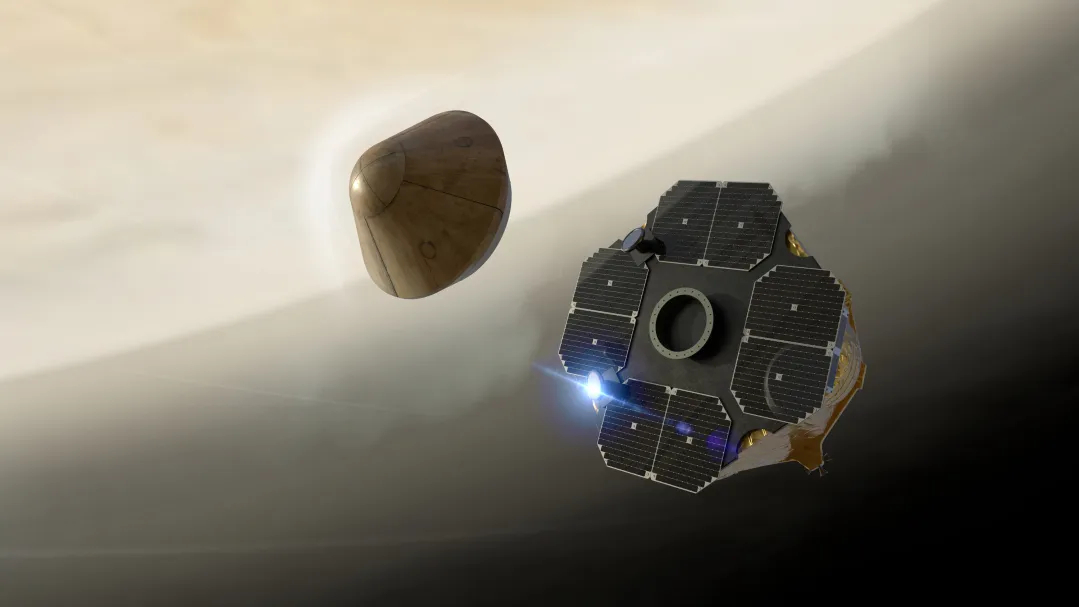
Venus Life Finder
- Objective: Rocket Lab’s Venus Life Finder mission will search for signs of life in Venus’ atmosphere, focusing on the detection of phosphine, a potential biosignature.
- Planned Launch Date: May 2024
- Budget: Funded through private and academic partnerships; specific budget not disclosed.
- Launch Location: Launch Complex 1, Mahia Peninsula, New Zealand
- Mission Overview: This mission represents Rocket Lab’s bold step into interplanetary exploration. By investigating Venus’ thick atmosphere, the mission could provide clues about the planet’s potential to harbor life, challenging our understanding of where life might exist in the universe.
Capstone
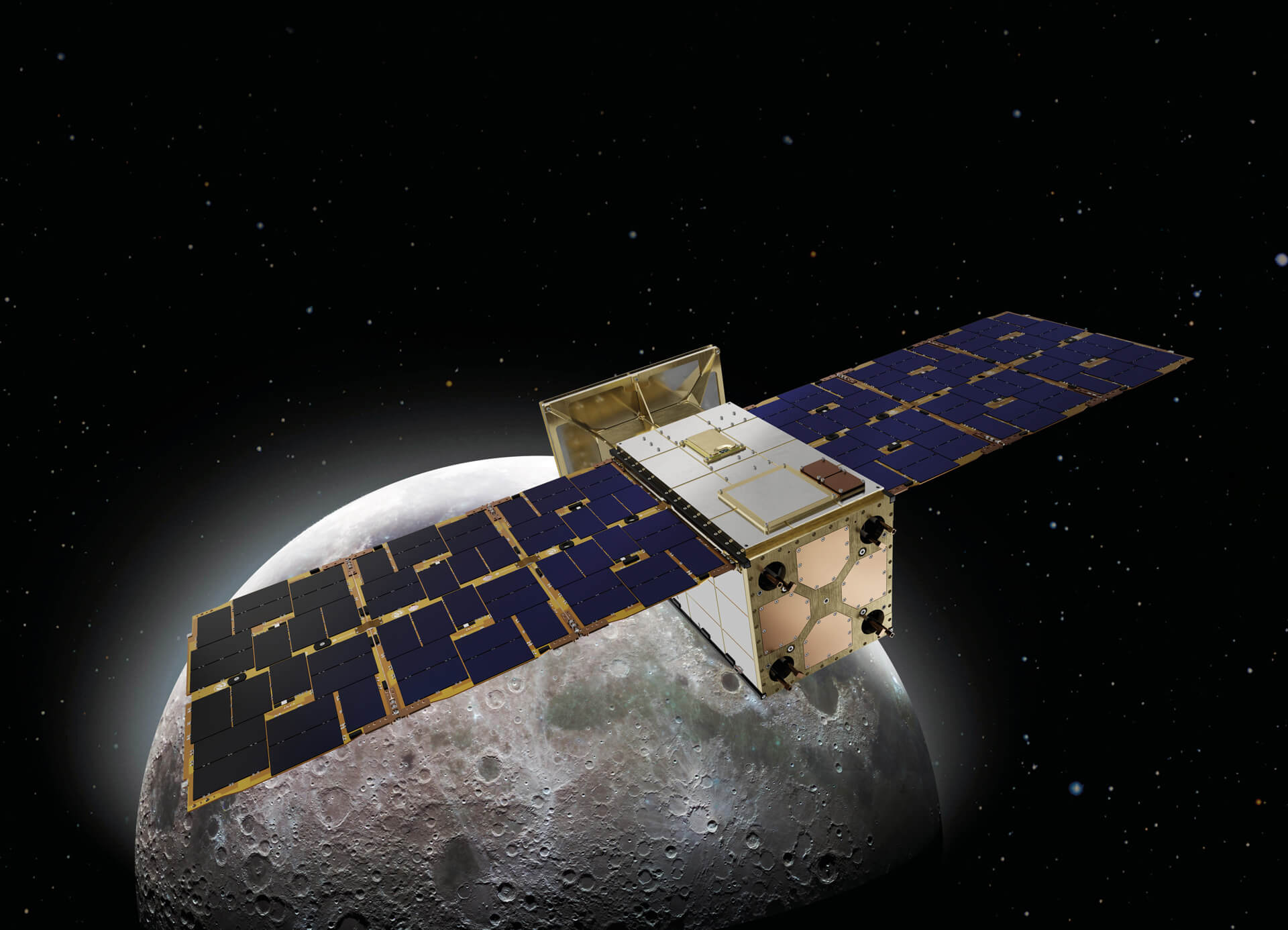
- Objective: CAPSTONE (Cislunar Autonomous Positioning System Technology Operations and Navigation Experiment) will validate the Near Rectilinear Halo Orbit (NRHO) intended for NASA’s Lunar Gateway.
- Planned Launch Date: 2025
- Budget: Approximately $10 million
- Launch Location: Launch Complex 1, Mahia Peninsula, New Zealand
- Mission Overview: Capstone is a key mission for NASA’s Artemis program, testing the stability of an orbit that will be used by the Lunar Gateway, a future space station that will orbit the Moon and serve as a staging point for lunar missions.
ESA: Europe’s Vision for Space Exploration
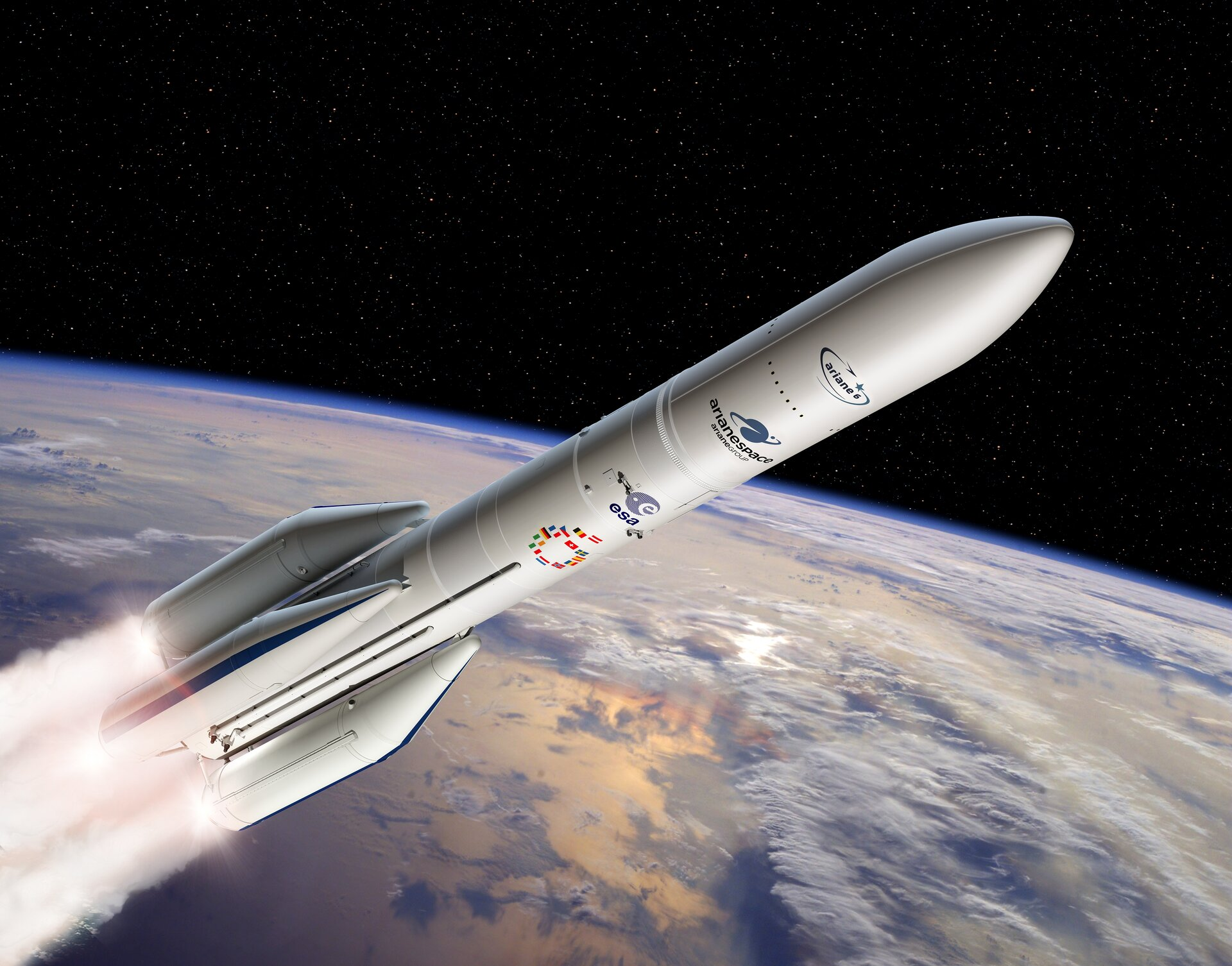
Ariane 6 Inaugural Flight
- Objective: The debut of the Ariane 6 rocket, designed to replace the Ariane 5 and provide versatile launch capabilities for Europe’s space missions.
- Planned Launch Date: Mid-2024
- Budget: Development cost is approximately €4 billion.
- Launch Location: Guiana Space Centre, Kourou, French Guiana
- Mission Overview: Ariane 6 is ESA’s next-generation heavy-lift rocket, capable of launching a variety of payloads, from satellites to interplanetary missions. The inaugural flight will mark a new era in European space capabilities, enhancing Europe’s ability to compete in the global launch market.
Hera
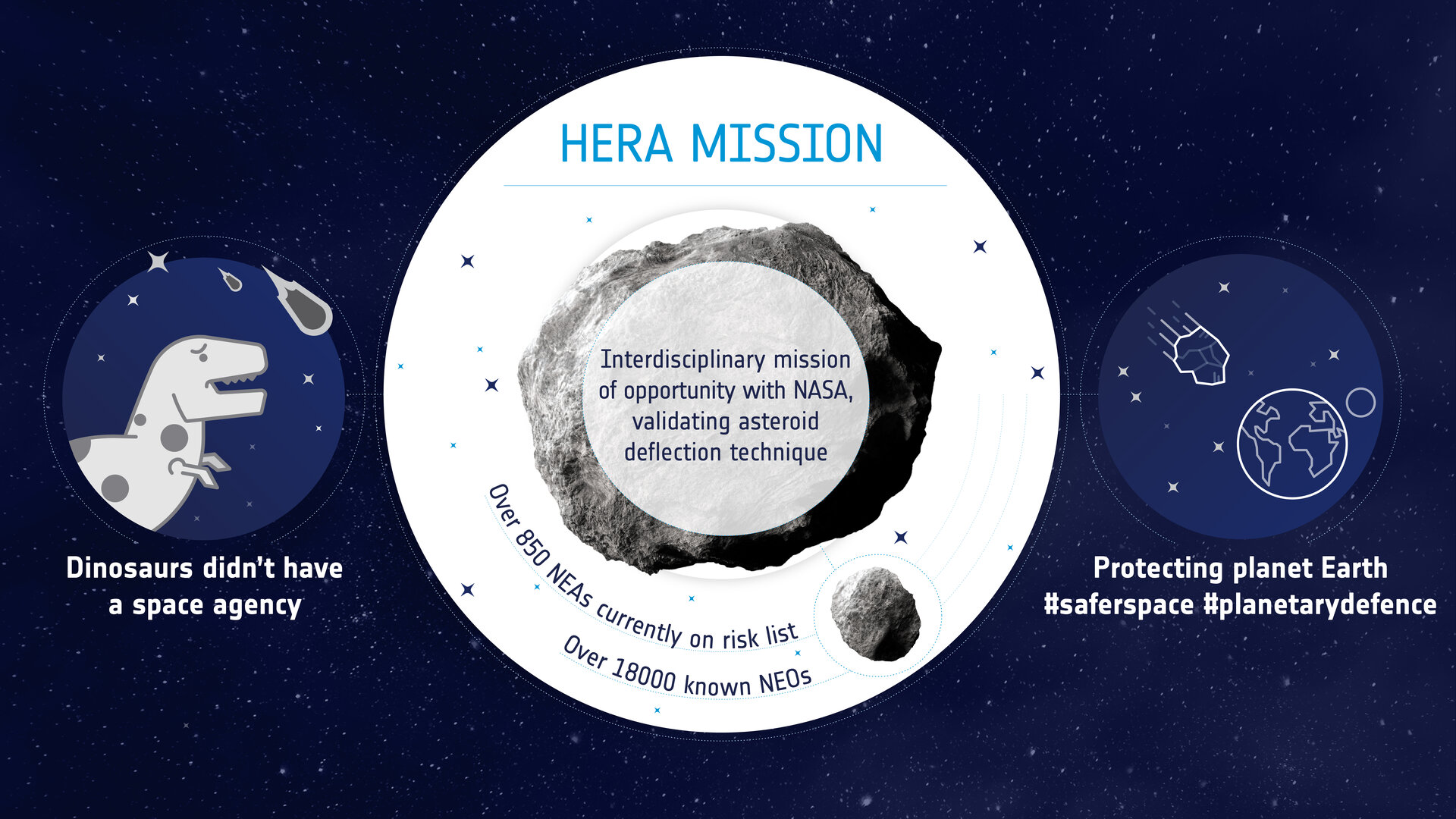
- Objective: Following NASA’s DART mission, Hera will study the Didymos asteroid system, providing critical data on planetary defense.
- Planned Launch Date: October 2024
- Budget: Approximately €290 million
- Launch Location: Guiana Space Centre, Kourou, French Guiana
- Mission Overview: Hera will closely examine the impact crater created by DART and study the binary asteroid system in detail. This mission is crucial for developing strategies to protect Earth from potentially hazardous asteroids.
Athena
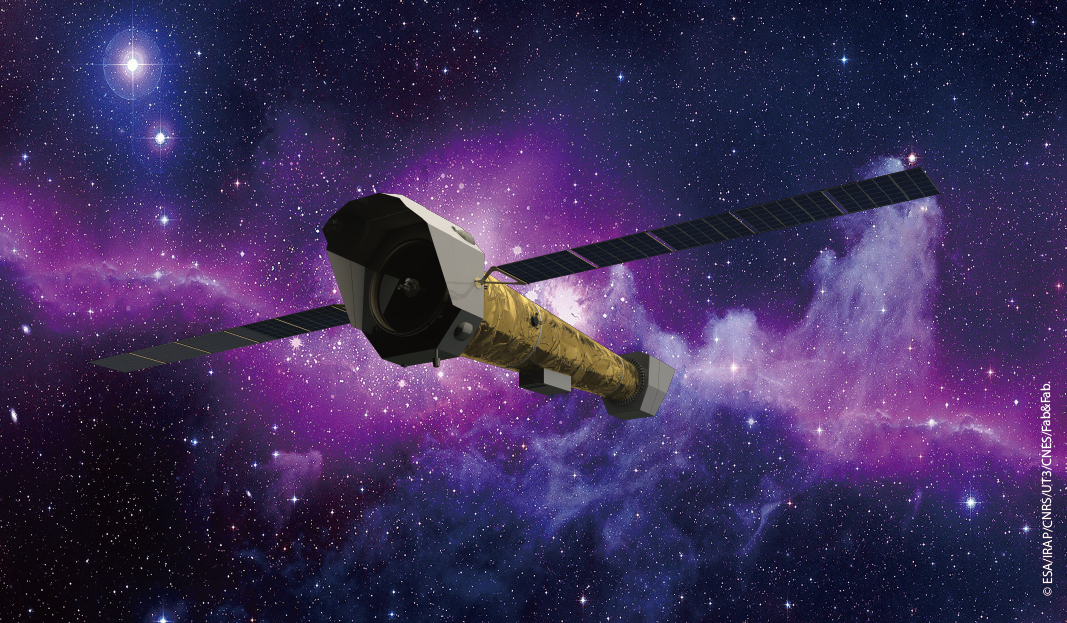
- Objective: Athena (Advanced Telescope for High-ENergy Astrophysics) will study high-energy phenomena in the universe, such as black holes and galaxy clusters.
- Planned Launch Date: 2025
- Budget: Approximately €1 billion
- Launch Location: Guiana Space Centre, Kourou, French Guiana
- Mission Overview: Athena will be one of the most powerful X-ray observatories ever built, allowing scientists to observe the universe’s most energetic events with unprecedented detail. This mission will deepen our understanding of the extreme conditions around black holes and other high-energy sources.
ISRO: India’s Ambitious Space Goals
Chandrayaan-3
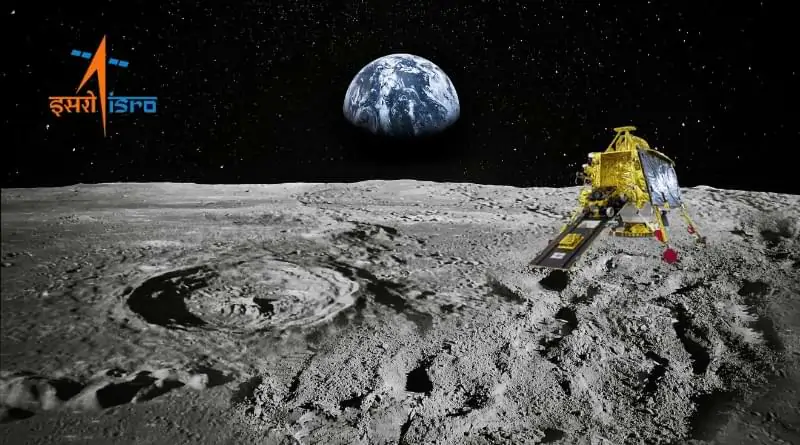
- Objective: Chandrayaan-3 will focus on demonstrating landing and roving capabilities on the Moon’s surface, furthering India’s lunar exploration capabilities.
- Planned Launch Date: June 2024
- Budget: Approx. ₹615 crore (around $75 million)
- Launch Location: Satish Dhawan Space Centre, Sriharikota, India
- Mission Overview: Building on the partial success of Chandrayaan-2, this mission will attempt a soft landing on the Moon. It is a critical step for ISRO as the mission will pave the way for more complex lunar exploration projects and technology demonstrations for future interplanetary missions.
Aditya-L1
- Objective: This will be India’s first solar mission, with the primary goal of studying the solar corona, solar winds, and their impact on the Earth’s climate.
- Planned Launch Date: February 2024
- Budget: Approx. ₹378 crore (around $45 million)
- Launch Location: Satish Dhawan Space Centre, Sriharikota, India
- Mission Overview: Aditya-L1 will orbit the Sun at the first Lagrange point (L1), approximately 1.5 million kilometers from Earth. The data gathered will help scientists understand how solar radiation and other phenomena affect space weather and satellite communications, as well as contribute to our broader knowledge of solar physics.

Gaganyaan
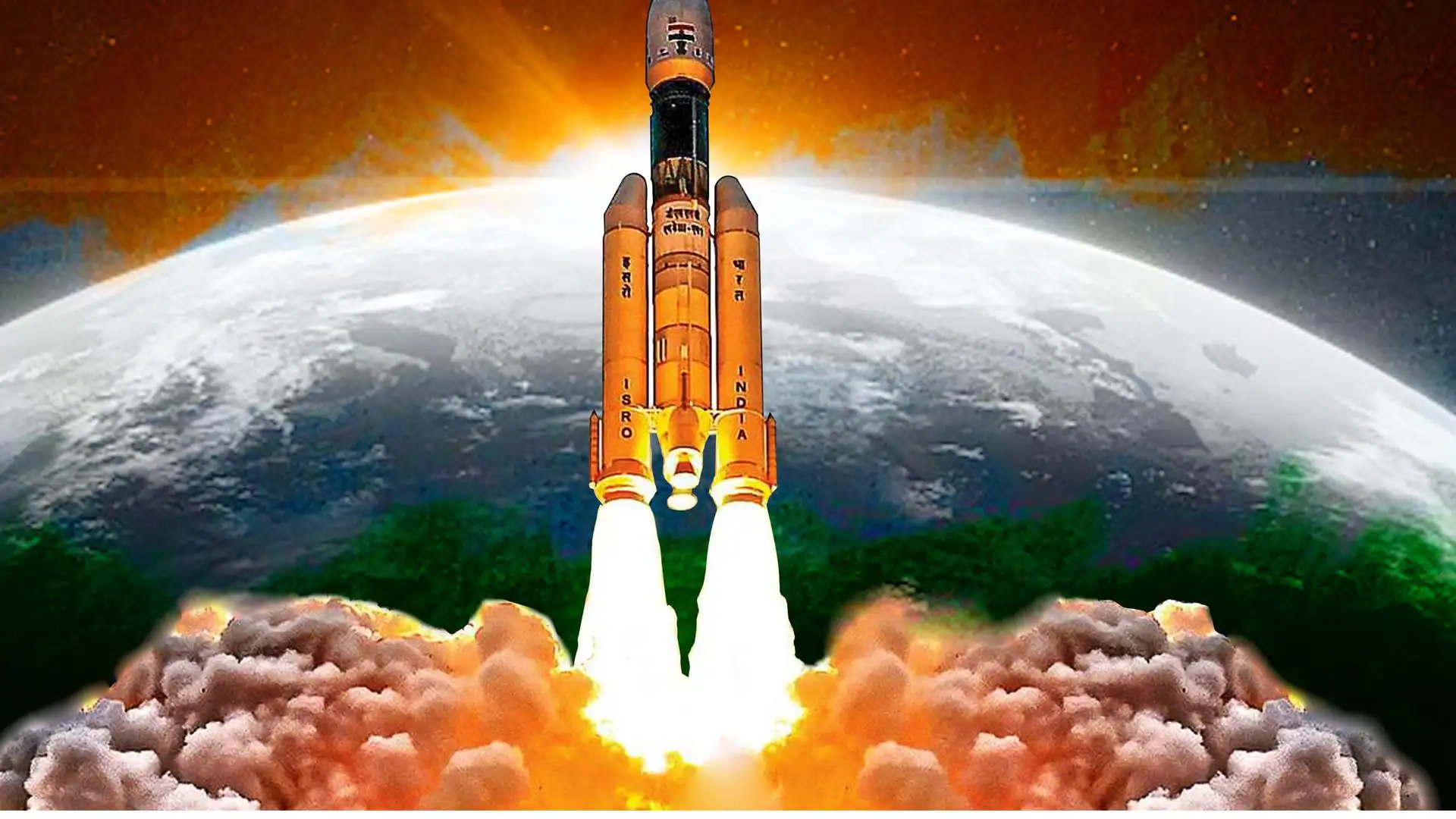
- Objective: Gaganyaan is India’s first human spaceflight mission, aiming to send astronauts into low Earth orbit and safely return them to Earth.
- Planned Launch Date: 2025
- Budget: Approx. ₹10,000 crore (around $1.4 billion)
- Launch Location: Satish Dhawan Space Centre, Sriharikota, India
- Mission Overview: Gaganyaan represents ISRO’s first foray into human spaceflight. The mission will carry Indian astronauts to space, demonstrating ISRO’s capability to develop crewed spacecraft and support extended space missions. It marks a major milestone in India’s space exploration journey and lays the foundation for future crewed missions, both to the Moon and beyond.
CNSA: China’s Expanding Space Ambitions
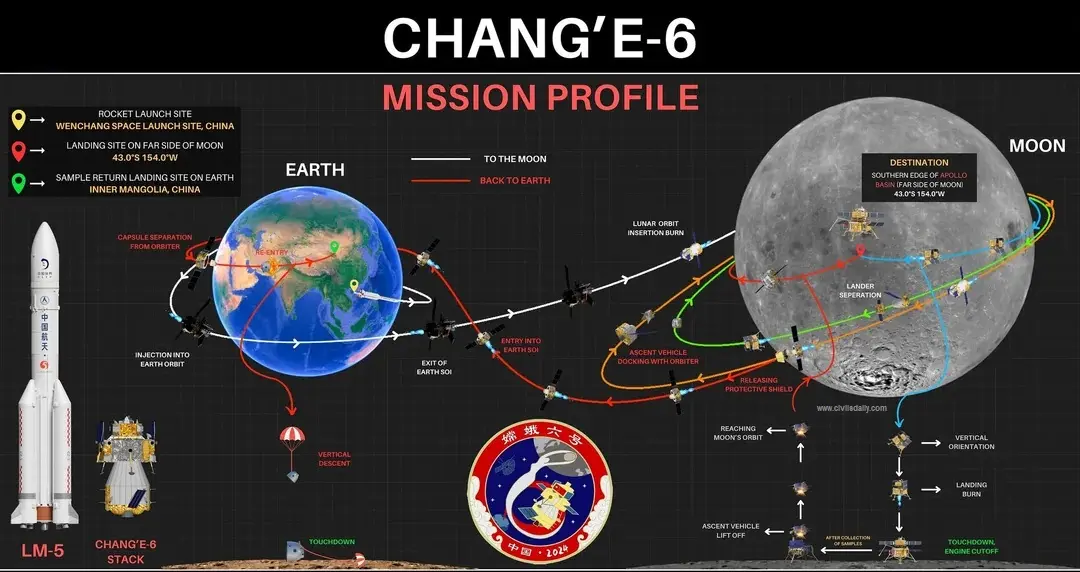
Chang’e 6
- Objective: Chang’e 6 will land on the Moon’s far side to collect samples and return them to Earth, building on the success of the Chang’e 5 mission.
- Planned Launch Date: May 2024
- Budget: Part of the Chang’e lunar program, with no specific budget disclosed.
- Launch Location: Wenchang Spacecraft Launch Site, Hainan, China
- Mission Overview: Chang’e 6 will be the first mission to bring back samples from the far side of the Moon, a region of great scientific interest. This mission will provide valuable data about the Moon’s composition, further advancing China’s lunar exploration program. It is part of China’s broader goal to establish a research station on the Moon by 2030.
Tianzhou-6
- Objective: Tianzhou-6 is a resupply mission to the Tiangong space station, delivering essential supplies for the station’s crew and experiments.
- Planned Launch Date: May 2024
- Budget: Specific budget not disclosed, part of China’s ongoing space station operations.
- Launch Location: Wenchang Spacecraft Launch Site, Hainan, China
- Mission Overview: Tianzhou-6 will carry cargo, including food, water, and scientific equipment, to Tiangong, ensuring its continued operation. This mission is vital for maintaining China’s crewed presence in low Earth orbit and supporting long-duration space missions as China expands its space station capabilities.
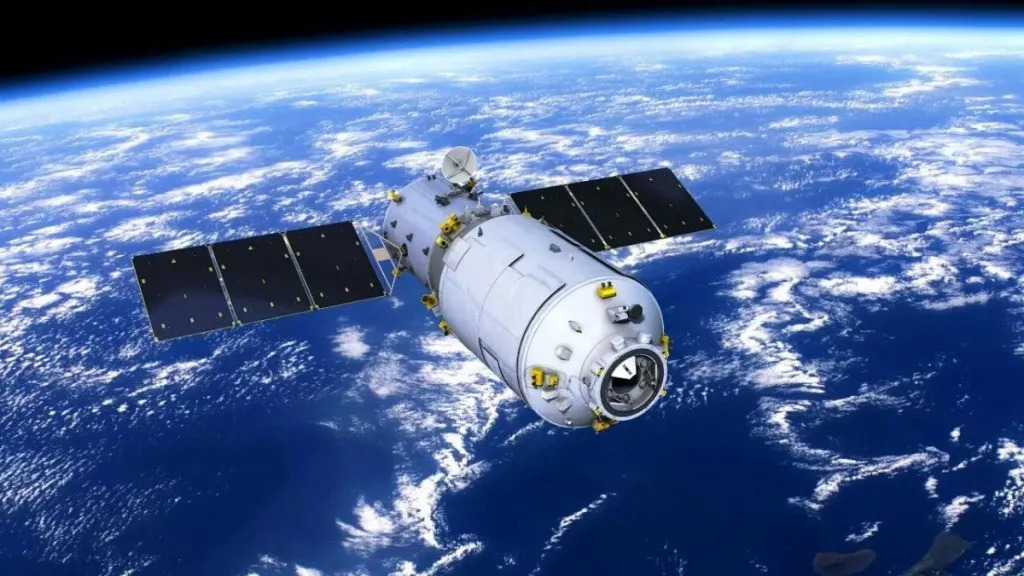
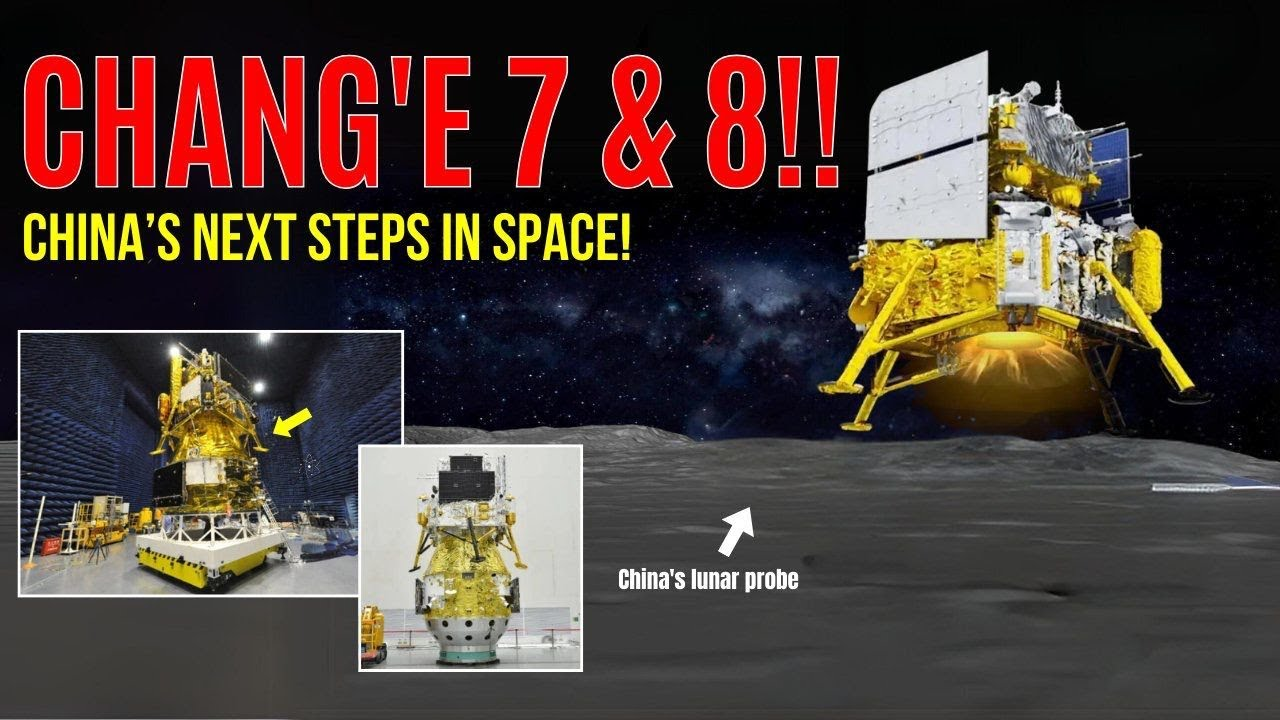
Chang’e 7
- Objective: Chang’e 7 will explore the lunar south pole, focusing on detecting water ice and other resources.
- Planned Launch Date: 2025
- Budget: Part of China’s ongoing lunar exploration efforts, specific budget not disclosed.
- Launch Location: Wenchang Spacecraft Launch Site, Hainan, China
- Mission Overview: Chang’e 7 will send a lander, rover, and orbiter to the Moon’s south pole, a region of high interest due to the potential presence of water ice. The data collected by this mission will be crucial for future lunar exploration, including the possibility of establishing a permanent lunar base.
Roscosmos: Russia’s Return to Lunar Exploration
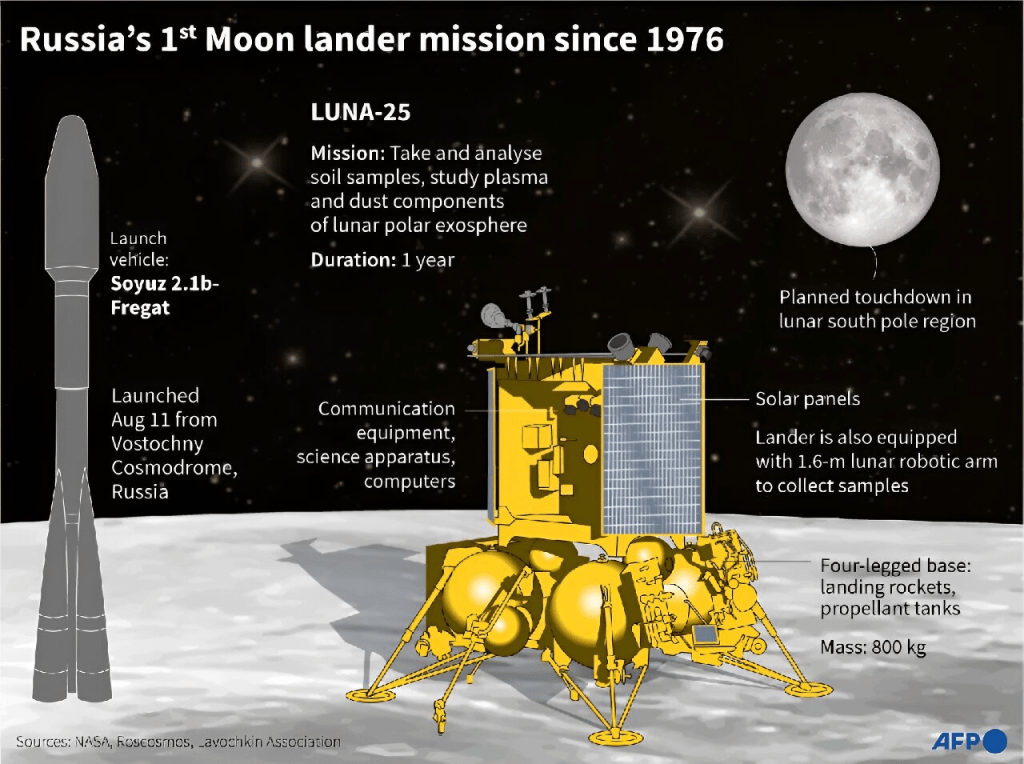
Luna-25
- Objective: Luna-25 will land near the Moon’s south pole, analyzing the lunar surface and environment for future missions.
- Planned Launch Date: Mid-2024
- Budget: Specific budget not disclosed, part of Russia’s renewed lunar exploration program.
- Launch Location: Vostochny Cosmodrome, Russia
- Mission Overview: Luna-25 will be Russia’s first lunar lander mission since the Soviet era. It will study the lunar regolith and plasma environment at the Moon’s south pole, laying the groundwork for future Russian missions, including Luna-26 and Luna-27. This mission marks a significant step in Roscosmos’s plans to re-establish itself as a leader in lunar exploration.
Soyuz MS-25
- Objective: Crewed mission to the International Space Station (ISS).
- Planned Launch Date: March 2024
- Budget: Part of the ongoing ISS program, specific budget not disclosed.
- Launch Location: Baikonur Cosmodrome, Kazakhstan
- Mission Overview: Soyuz MS-25 will transport Russian cosmonauts and international astronauts to the ISS, continuing Roscosmos’s crucial role in maintaining human presence in space. This mission is part of the long-standing collaboration between international space agencies on the ISS and ensures the continuous operation of the orbiting laboratory.

Luna-26
- Objective: Orbit the Moon and map its surface, studying the lunar environment in preparation for future missions.
- Planned Launch Date: 2025
- Budget: Specific budget not disclosed, part of the Luna program.
- Launch Location: Vostochny Cosmodrome, Russia
- Mission Overview: Luna-26 will be an orbiter mission, tasked with providing high-resolution maps of the Moon’s surface. It will study the lunar exosphere and electromagnetic environment, supporting future landing missions. This mission is part of Russia’s strategy to explore and exploit lunar resources.
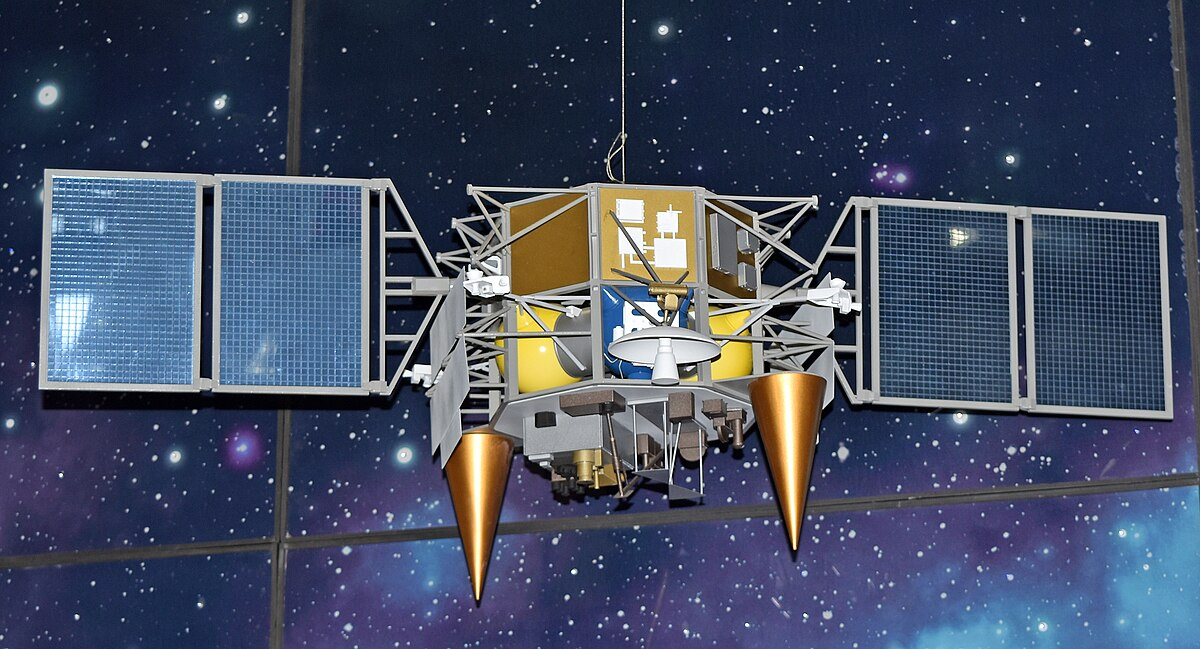
The upcoming space missions of 2024 and 2025 represent a new era in space exploration, with both public space agencies and private companies pushing the boundaries of what is possible. From NASA’s Artemis program aiming to return humans to the Moon, to SpaceX’s visionary Starship tests, to China’s and Russia’s renewed focus on lunar exploration, the world is entering a golden age of space discovery. These missions will not only expand our scientific knowledge but also pave the way for the future of human space exploration, including establishing permanent bases on the Moon and sending humans to Mars.
As we look ahead, it’s clear that space exploration will continue to captivate and inspire us, driving technological innovation and fostering international collaboration. With these missions, humanity takes its next bold steps toward becoming a multi-planetary species.
 Space Odyssey