 SpaceIL
SpaceIL
Overview
SpaceIL is an Israeli nonprofit founded in 2011 by Yariv Bash, Kfir Damari, and Yonatan Winetraub to compete for the Google Lunar XPRIZE and inspire Israeli STEM education. The organization built and launched Beresheet, the first privately funded Moon landing attempt, which reached lunar orbit in April 2019 before crashing during the final descent — making Israel the seventh country to reach lunar orbit. SpaceIL operates as a public benefit company funded entirely by philanthropic donations rather than commercial contracts; its mission is dual: build lunar spacecraft and run a national STEM education program reaching hundreds of thousands of Israeli students. Beresheet 2 was the planned follow-up, designed as a two-spacecraft mission with Israel Aerospace Industries (IAI) as engineering partner, but as of March 2025 the engineering development has been suspended after the donor group withdrew in mid-2023 and replacement funding could not be secured. SpaceIL's STEM education program continues.
Moat: SpaceIL's defining asset is the institutional knowledge of having actually built and flown a lunar lander to lunar orbit on a private budget — a feat shared by only a handful of organizations globally (ispace, Intuitive Machines, Firefly Aerospace). The nonprofit model and Israeli national pride attached to the program create a unique fundraising base that no commercial competitor has. The IAI engineering partnership brings sovereign-grade spacecraft heritage. However, the moat is currently dormant — without restored funding, SpaceIL cannot capitalize on Beresheet's hard-won engineering lessons, and ispace and Intuitive Machines are widening the lead in commercial lunar landing capability.
Business
Primary customers
- Government: Israeli students and educators (STEM program)
- Government: Israel Space Agency (mission cooperation)
- Government: Italian Space Agency (ASI, January 2025 letter of intent)
Sectors
Lunar Exploration · STEM Education · Nonprofit Space
Gallery
Key Products
- Beresheet 1retired
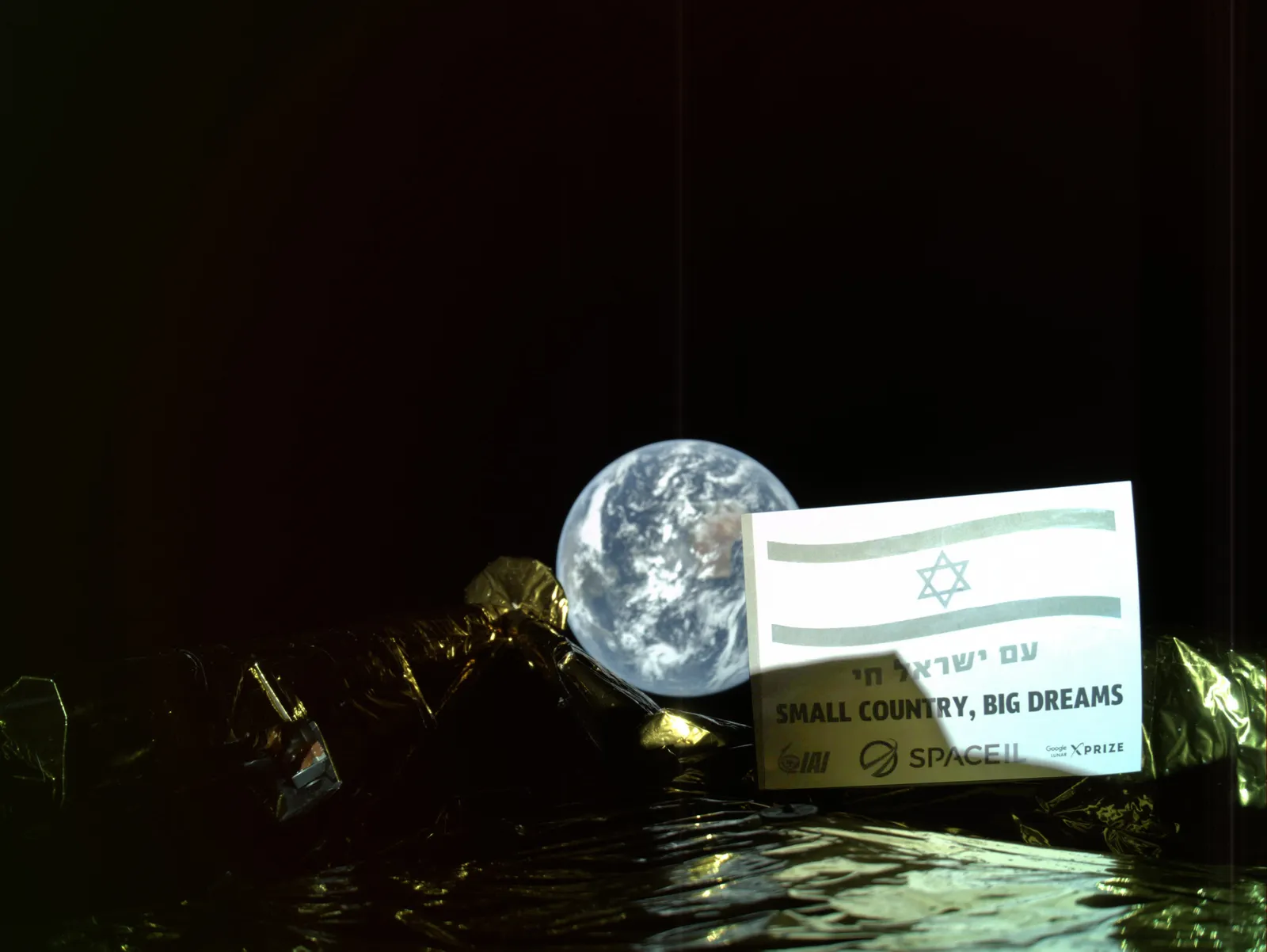
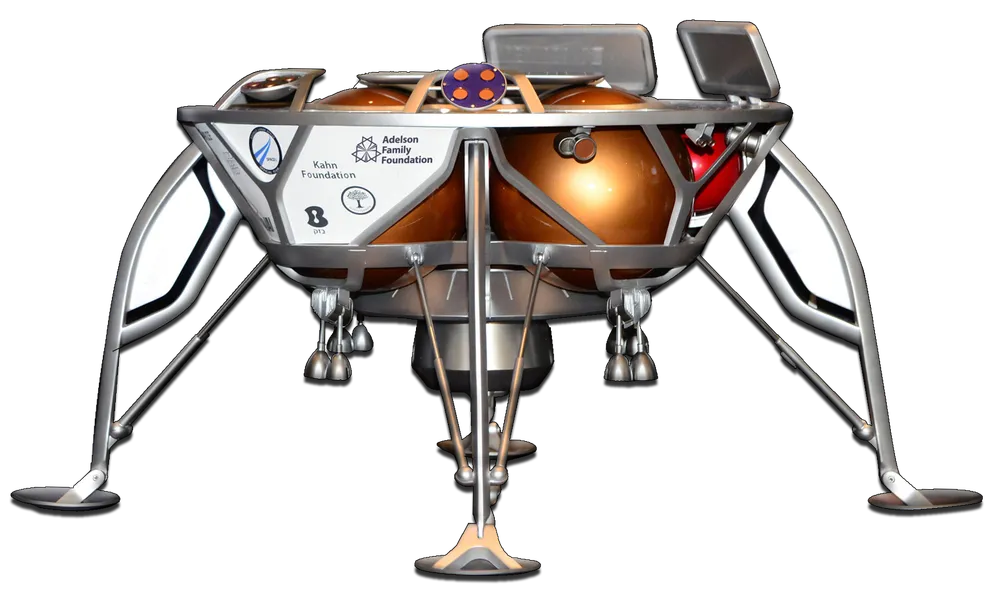
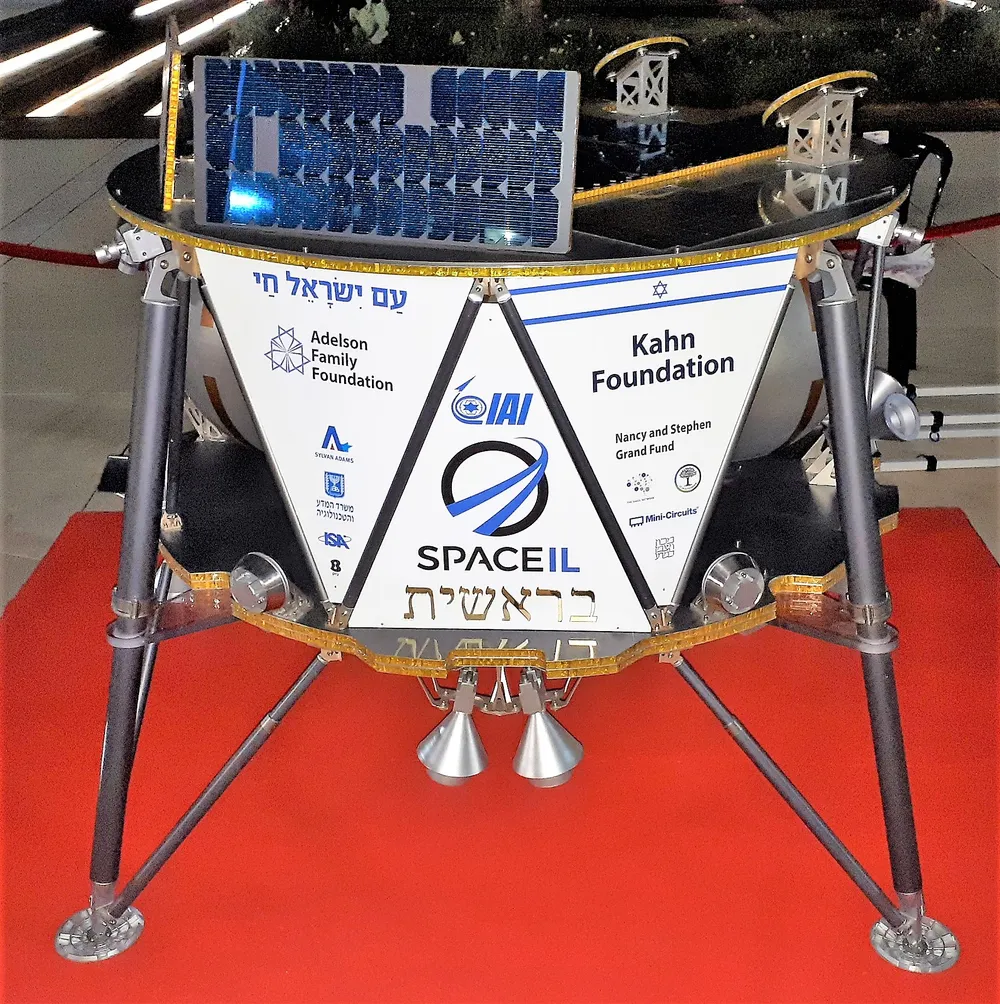
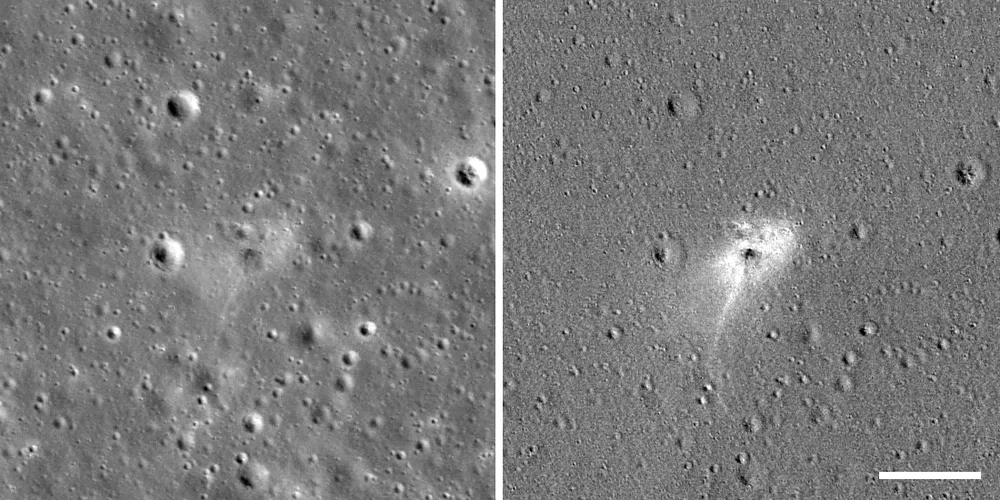
First privately funded lunar lander; launched February 22, 2019 on SpaceX Falcon 9 as a rideshare; entered lunar orbit on April 4, 2019, then crashed during landing on April 11, 2019 due to an inertial measurement unit failure that propagated through the descent control loop. Made Israel the seventh country to reach lunar orbit.
First flight: 2019-02-22
- Beresheet 2 (suspended)development
Redesigned two-spacecraft lunar mission — originally intended to deploy two small landers from a shared orbital module to maximize science return and reduce single-point failure risk. Engineering development was suspended in March 2025 after donor funding could not be secured following the mid-2023 withdrawal of the original donor group. ~25 employees and consultants laid off; supplier contracts frozen. Italian Space Agency signed a January 2025 letter of intent for potential collaboration but no binding agreement followed.
- SpaceIL STEM Education Programoperational
National Israeli STEM education program centered on the Beresheet missions — reaches hundreds of thousands of students annually with curriculum, teacher training, and lectures by SpaceIL engineers. The education program continues in 2025-2026 even with Beresheet 2 engineering suspended.
Investor Resources
Primary-source documents — straight from SpaceIL's investor relations and SEC filings.
Near-term Catalysts
- 2026-2027 (uncertain)
Restoration of Beresheet 2 funding from new donor group or government
The Beresheet 2 program cannot resume without committed multi-hundred-million-dollar funding. A new lead donor, expanded Israeli government support (the Israel Space Agency has a NIS 600M civilian space budget commitment), or a multilateral partnership (e.g., Italian Space Agency formalizing the January 2025 LoI) would restart engineering. Without this, the program effectively ends and SpaceIL becomes a STEM education organization only.
- 2026 (uncertain)
Italian Space Agency (ASI) binding partnership
ISA Director-General Uri Oron and ASI President Teodoro Velente signed a memorandum of understanding in January 2025 with discussion of replacing one of Beresheet 2's planned landers with Italian small scientific satellites. Joint budget was 'estimated over €10M' — far below the program's actual needs. Conversion of this MOU into a binding multi-hundred-million-euro program would be the most credible path to resumption.
- 2025-2027
Continued STEM program operations and brand maintenance
Even with Beresheet 2 suspended, SpaceIL maintains its public profile and donor relationships through the education program. This keeps the option open for future restart, but every additional year of program suspension makes engineering team reconstitution harder and ispace / Intuitive Machines / Firefly less catchable.
Top Risks
- Funding extinction risk: Beresheet 2 engineering is suspended and the original donor group permanently withdrew in mid-2023; with no replacement committed funding identified by the March 2025 final deadline, the program may simply end rather than resume.
- Israel-Hamas war fundraising headwinds: the October 7, 2023 war shifted Israeli philanthropic capital toward humanitarian and defense priorities, depressing the addressable donor pool for non-essential nonprofit space programs.
- Engineering team dispersion: the March 2025 layoff of ~25 project employees and consultants and frozen supplier contracts dispersed institutional knowledge. Even if funding returns, reconstituting the team and qualifying suppliers will take 12-24 months and increase program cost.
- Competitive overtake: ispace (i-Space Inc.) and Intuitive Machines are flying multiple commercial lunar lander missions on NASA CLPS contracts; Firefly Aerospace successfully landed Blue Ghost 1 in March 2025. By the time Beresheet 2 could fly, the commercial lunar lander market will have matured significantly, reducing the strategic uniqueness of SpaceIL's flight.
- Mission failure repeat risk: Beresheet 1 failed in the final minutes of descent due to an IMU-driven control failure. Even with redesign, lunar soft landing remains extremely difficult — Beresheet 2 would face significant probability of mission failure even if it flies.
Recent Milestones
- 2025-03-31
Beresheet 2 engineering development suspended after donor funding deadline missed; ~25 employees and consultants laid off; supplier contracts frozen. STEM education program continues.
- 2025-01-01
Israel Space Agency and Italian Space Agency signed letter of intent for potential Beresheet 2 collaboration; budget estimated over €10M but no binding agreement reached
- 2023-10-07
Outbreak of Israel-Hamas war substantially worsens fundraising environment for nonprofit space programs
- 2023-06-01
Original Beresheet 2 donor group announces withdrawal of support; SpaceIL launches urgent search for replacement funding
- 2019-04-11
Beresheet 1 attempts lunar landing — crashes during final descent due to inertial measurement unit failure; reached lunar orbit but failed to soft-land
- 2019-02-22
Beresheet 1 launched on SpaceX Falcon 9 from Cape Canaveral as rideshare — first privately funded mission to attempt Moon landing
Recent News
- 2025-04-01
- 2025-04-01
- 2025-01-15
- 2025-01-15
From Management
Recent interviews and talks from SpaceIL's leadership — hear the strategy in their own words.
What investors should know
Q1What is SpaceIL and what is its mission?⌄
Q2What happened with Beresheet 1?⌄
Q3What is the Beresheet 2 mission and what is its architecture?⌄
Q4Who funds SpaceIL and how does it operate as a nonprofit?⌄
Q5What is the status of the Beresheet 2 program as of 2026?⌄
Q6What near-term milestones could establish SpaceIL's legacy?⌄
Q7How does SpaceIL compare to other lunar missions like ispace or Intuitive Machines?⌄
Peers
Compare side-by-side →Sources & References
Investor Relations
Trade Press
- Ynetnews — SpaceIL halts Beresheet 2 lunar mission · 2025-04-01(archived)
- SpaceNews — Second Israeli lunar lander faces funding uncertainty · 2025-04-01(archived)
- Davidson Institute (Weizmann) — SpaceIL Suspends Beresheet 2 · 2025-04-01(archived)
- Jerusalem Post — SpaceIL, Italian Space Agency MOU · 2025-01-15(archived)
- Globes — Italy / Beresheet 2 collaboration · 2025-01-15(archived)