
Disclaimer: This article is for informational and educational purposes only. Nothing in this article constitutes financial advice, investment advice, or a recommendation to buy, sell, or hold any security or financial instrument. Always conduct your own research and consult a qualified financial advisor before making investment decisions.
The factory floor of the 2030s economy is 400 kilometers above your head. Right now, as you read this, a pharmaceutical company is manufacturing drug crystals in the vacuum of low Earth orbit. A British startup is designing satellites that will produce semiconductors in microgravity and parachute them back to customers. A fiber optic company is preparing to pull the first commercially viable ZBLAN glass in space — a material with transmission properties that silica glass cannot match regardless of how precise your earthbound furnace is. And a dozen more ventures, from Redwire to Axiom Space, are lining up to lease time in what may become the most unusual industrial zone in history.
The in-space manufacturing economy is not a distant science fiction scenario. It is a sector with funded companies, completed missions, paying customers, and a growing body of evidence that certain products — products worth paying for — can only be made where gravity is absent. Morgan Stanley projects this market will exceed $10 billion annually by 2040. The question for investors is no longer whether in-space manufacturing is real. It is who captures the value.

Why Microgravity Changes Manufacturing Physics

To understand why any of this makes economic sense, you need to understand what gravity actually does to materials science — and why removing it changes what you can build.
On Earth, gravity is an invisible thumb on the scale of every manufacturing process. When you melt a mixture of materials, denser components sink and lighter ones float, producing concentration gradients that compromise purity and uniformity. When you grow a crystal from a solution, convection currents — fluid motion driven by temperature differences amplified by gravity — disrupt the lattice as it forms, limiting crystal size and introducing defects. When you cool a molten alloy, different solidification rates across the liquid produce microstructural inconsistencies that engineers work around rather than eliminate.
In microgravity, none of these mechanisms operate. Sedimentation stops. Convection currents flatten to near zero. Crystals grow from solution in near-perfect quiet, producing larger, more ordered lattice structures than anything achievable in a terrestrial laboratory. Alloys that would normally phase-separate on Earth — metals with incompatible densities — can be blended uniformly because there is no gravitational force driving them apart. The result is a suite of materials with properties that earthbound manufacturing simply cannot replicate.
This is not theoretical. NASA has been running microgravity experiments since Skylab in the 1970s, and the International Space Station has hosted thousands of materials science investigations. The evidence base is deep. The gap between "this works in an experiment" and "this is commercially viable" has historically been enormous — but that gap is now closing.
Pharmaceuticals: The First Commercial Killer App
If you ask investors which sector has the most credible near-term in-space manufacturing story, the answer is almost universally pharmaceuticals. Specifically: protein crystallization for drug discovery.
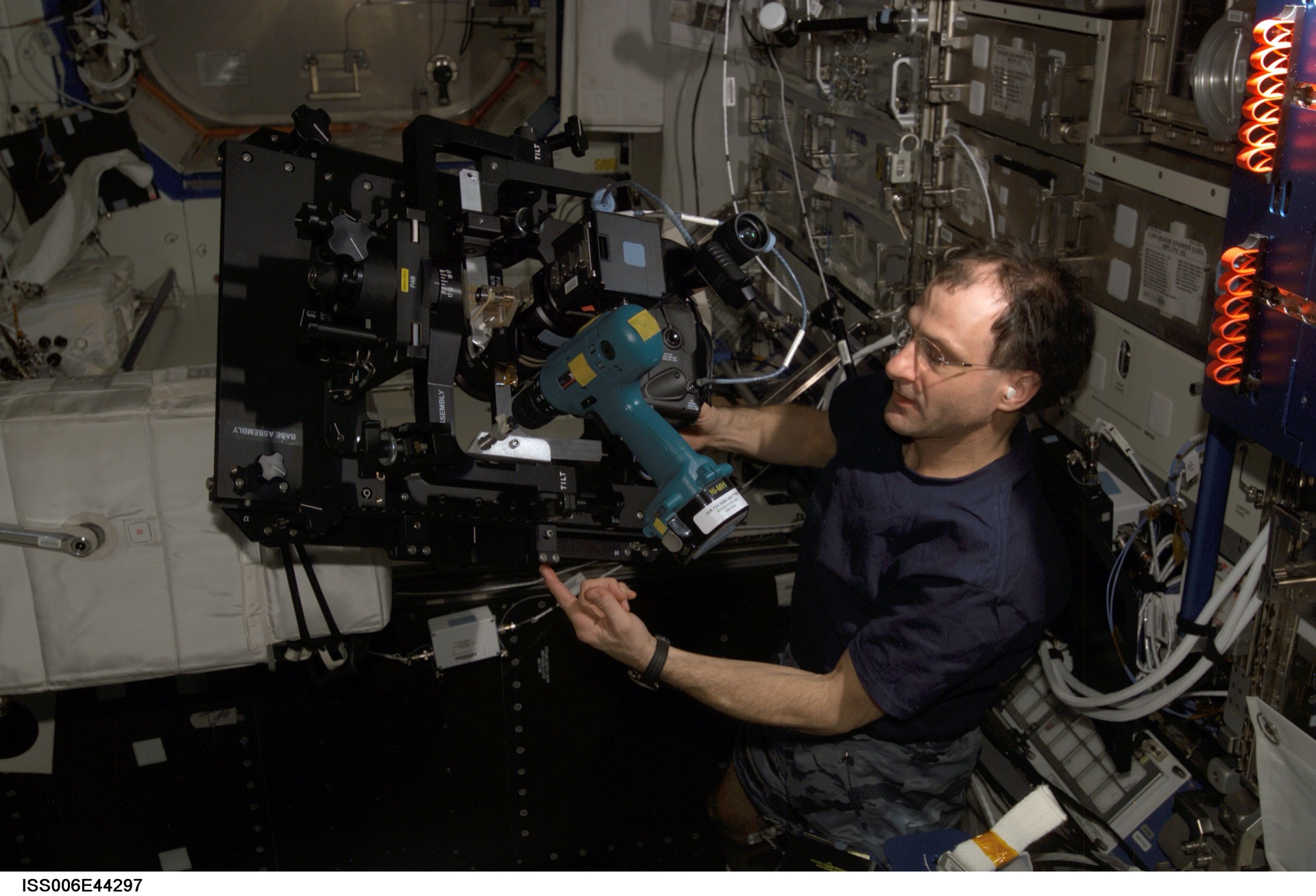
Proteins are the molecular machinery of biology, and understanding their three-dimensional structure is the key to designing drugs that interact with them precisely. X-ray crystallography remains the gold standard for determining protein structure, but it requires growing large, well-ordered protein crystals — which is extraordinarily difficult on Earth. Gravity-driven convection disrupts crystal nucleation and growth, leaving researchers with small, disordered crystals that produce low-resolution structural data.
In microgravity, protein crystals grow dramatically larger and with far fewer defects. NASA research on board the ISS has produced protein crystal structures that were impossible to resolve with earthbound samples. Several of these structures have directly informed drug design. A key protein involved in Duchenne muscular dystrophy, Merck's cancer drug MK-0633, and multiple other pharmaceutical leads trace their origins to space-grown crystal data.
The first company to make this commercially systematic rather than experimentally opportunistic is Varda Space Industries, a Los Angeles-based startup founded in 2020. Varda's thesis is straightforward: use SpaceX's Rideshare program to get a small spacecraft into orbit for relatively low cost, manufacture pharmaceutical crystals during a weeks-long free-flying mission, then re-enter and recover the capsule via a conventional parachute landing.
Varda's W-1 mission launched in June 2023 carrying ritonavir, an HIV antiretroviral drug. The mission completed its manufacturing phase successfully, but re-entry was delayed for months by regulatory complications with the US Air Force over landing rights in Utah. The capsule ultimately recovered in February 2024 — and the ritonavir crystals inside were described by the company as high-quality. Varda has raised over $90 million from investors including Khosla Ventures, General Catalyst, and Founders Fund, and its W-series missions are designed to iterate rapidly toward a commercial production cadence.
The broader pharmaceutical market opportunity is substantial. Ritonavir is a relatively simple initial target. The real prize is proteins that have never yielded to earthbound crystallography — structural targets for cancer, Alzheimer's disease, and autoimmune conditions where drug discovery has been bottlenecked not by chemistry but by the inability to see the target clearly. Space-grown crystals could unlock those structures.
ZBLAN Fiber and Advanced Materials
Pharmaceuticals get the headlines, but materials scientists who study in-space manufacturing tend to point to ZBLAN fiber optics as the product with the clearest path to transforming a terrestrial industry.
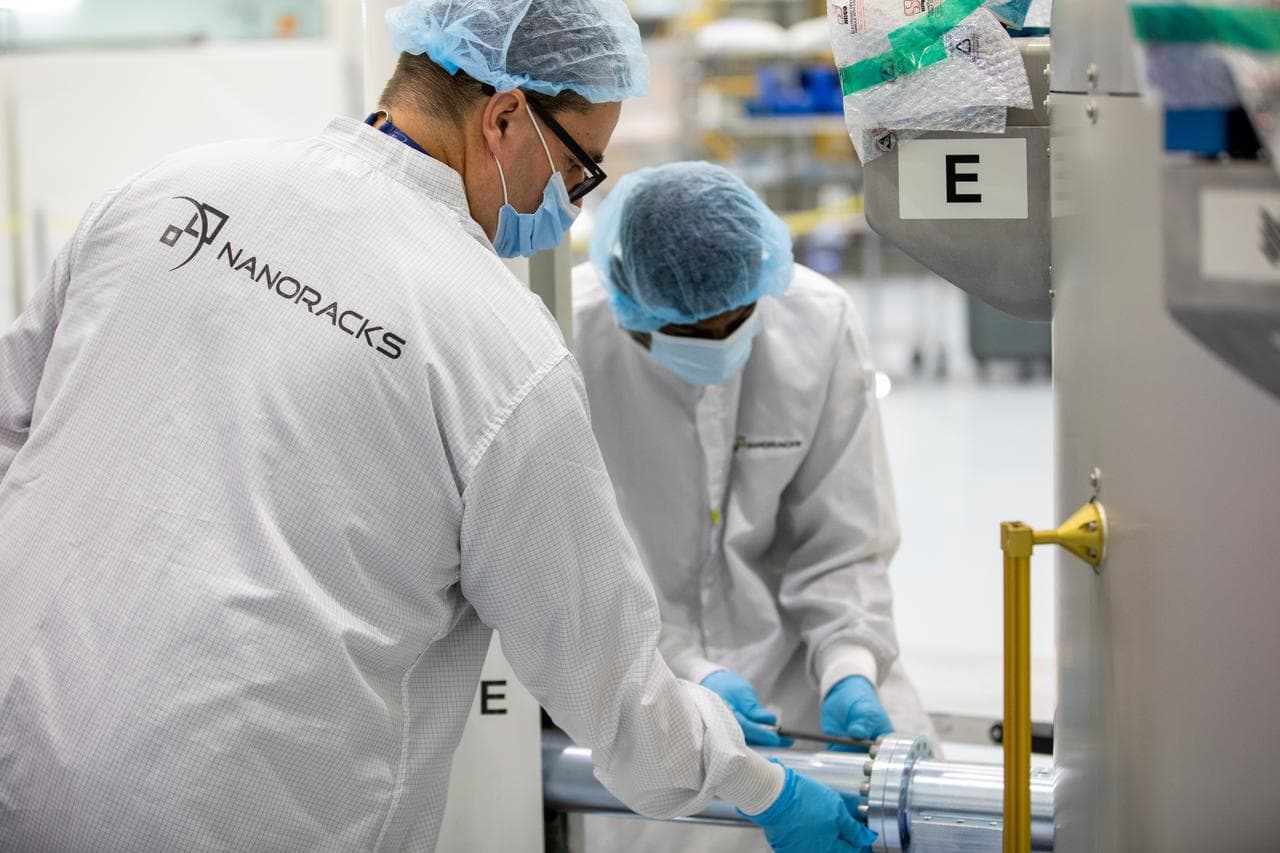
ZBLAN is a fluoride glass composed of zirconium, barium, lanthanum, aluminum, and sodium. Compared to conventional silica fiber optic cable, ZBLAN transmits infrared light with dramatically lower signal loss — roughly 100 times lower at certain wavelengths. This makes ZBLAN fiber theoretically capable of transmitting data over much longer distances without amplification, and of operating in mid-infrared wavelengths that silica cannot reach. The applications range from medical imaging and surgical lasers to deep-space optical communication and high-speed terrestrial networks.
The reason ZBLAN is not already manufactured at scale on Earth comes down to crystallization. Pulling ZBLAN glass into fiber requires cooling a molten mixture in a precise, controlled way. On Earth, gravity causes crystalline inclusions to form during the cooling process, creating defects that scatter light and degrade transmission quality. In microgravity, this mechanism is suppressed, allowing the glass to cool into a far more homogeneous amorphous structure.
Multiple organizations have demonstrated proof-of-concept ZBLAN fiber production on the ISS. Made In Space (now part of Redwire) pulled ZBLAN fiber on the station in 2019, producing samples with noticeably lower crystalline inclusion density than Earth-produced equivalents. Researchers at the University of Adelaide and commercial partners have published results confirming the microgravity advantage.
Beyond ZBLAN, advanced alloys represent a significant opportunity. Aerospace and power generation applications increasingly demand alloys with both high strength and high corrosion resistance — combinations that require mixing metals with incompatible densities. Gravity-driven phase separation on Earth forces engineers to use rapid cooling techniques that compromise microstructural uniformity. Microgravity processing could produce uniform alloy microstructures that enable higher operating temperatures in jet turbines, more durable coatings for power plant components, and lighter structural materials for aircraft.
Semiconductor manufacturing in microgravity is more speculative but potentially transformative. Crystal growth processes for certain compound semiconductors — gallium arsenide, indium phosphide — are sensitive to the same convection currents that afflict protein crystallization. UK startup Space Forge has secured ESA funding and launched ForgeStar-1 in June 2025, a returnable manufacturing satellite that activated its furnace at 1,000°C in orbit — a key step toward producing high-performance semiconductors in microgravity and returning them to Earth via re-entry capsule.
The Companies Racing to Own This Market
The in-space manufacturing landscape in 2026 is a mix of focused startups, established aerospace primes, and platform builders offering infrastructure everyone else can use.
Varda Space Industries is the most advanced commercial in-space manufacturer. With W-1 through W-5 completed and W-6 launched in March 2026, Varda has demonstrated a sustained mission cadence — roughly one reentry per quarter — and is building toward commercial pharmaceutical production at scale. The company's model — cheap, frequent, fully automated missions on SpaceX Rideshare — is elegant in its simplicity. They are not trying to build a space station. They are trying to build a factory that goes up, makes product, and comes back.
Redwire Corporation (NYSE: RDW) is the most accessible public market entry point in in-space manufacturing. Redwire operates the BioFabrication Facility on the ISS, which prints biological tissue constructs in microgravity, and has production hardware for fiber optics, electronics, and structural components aboard the station. Redwire also manufactures the Roll-Out Solar Arrays (iROSA) that augment the ISS's power supply — useful context for anyone tracking the company's manufacturing credentials. The stock trades at a small market cap relative to its technology portfolio, with the attendant volatility of a pre-profitability space company.
Space Forge (UK) is the most interesting non-US player. Founded in Cardiff in 2018, Space Forge successfully launched ForgeStar-1 in June 2025 — a 100-kilogram class returnable manufacturing satellite — and demonstrated orbital furnace operation at 1,000°C, producing plasma in a step toward semiconductor manufacturing in microgravity. The company has secured ESA backing, UK Space Agency funding, and a $30 million Series A led by the NATO Innovation Fund in May 2025, and is now developing ForgeStar-2. Space Forge's pitch to investors is that semiconductors made in microgravity could have performance characteristics that justify their higher production cost for high-value applications in defense, telecommunications, and medical devices.
Axiom Space and Blue Origin's Orbital Reef represent the next tier — commercial station platforms that will offer in-space manufacturing as a service to companies that do not want to build their own spacecraft. Axiom's modules, attaching to the ISS starting in the mid-2020s before spinning off as a standalone station, will include commercial research volume available to lease. Orbital Reef, Blue Origin's joint venture with Sierra Space, is targeting first operations in the early 2030s with explicit in-space manufacturing market positioning.
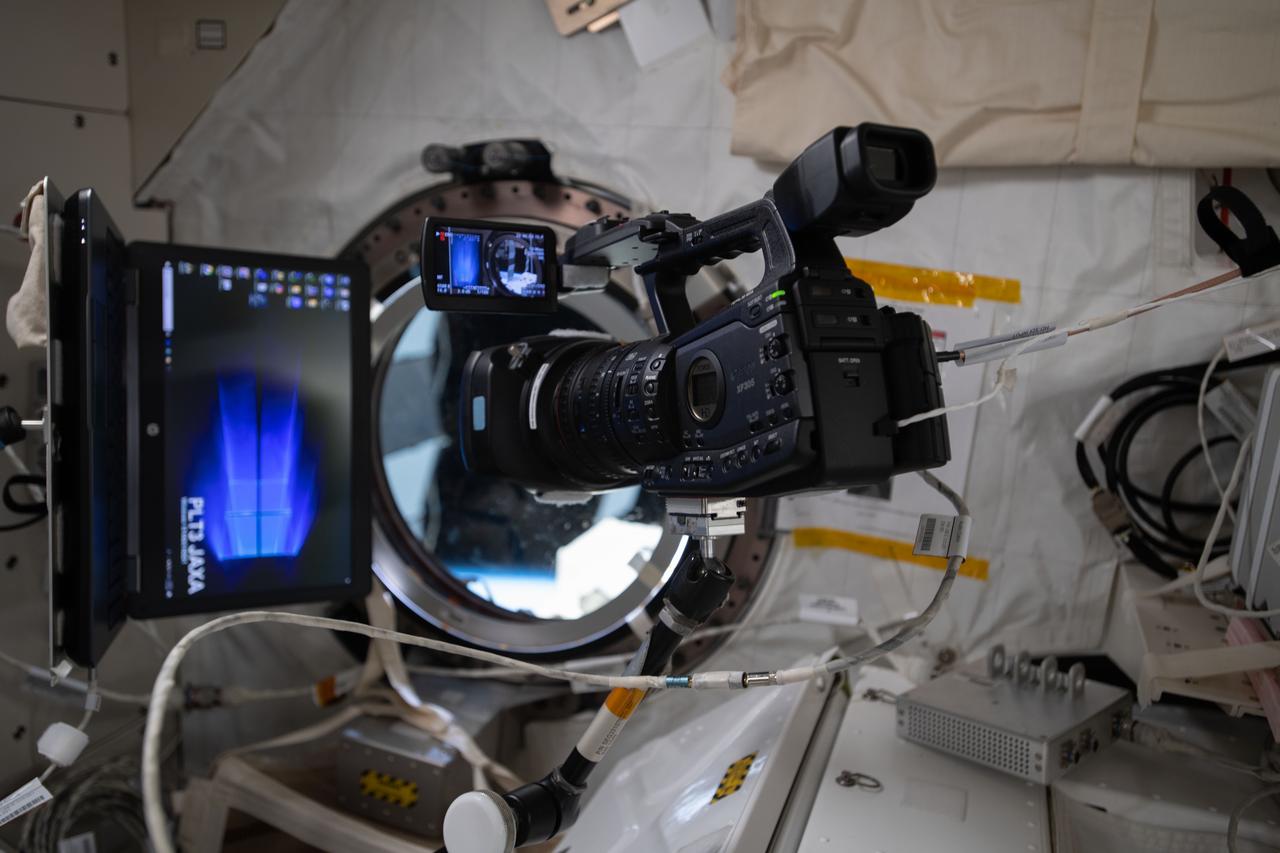
Starlab (a joint venture between Nanoracks, Voyager Space, and Airbus) is a competing commercial station concept targeting early 2030s operations, with a design that specifically incorporates a dedicated research and manufacturing volume roughly equivalent to the entire US segment of the ISS.
Space-Based Solar Power: The Long Game
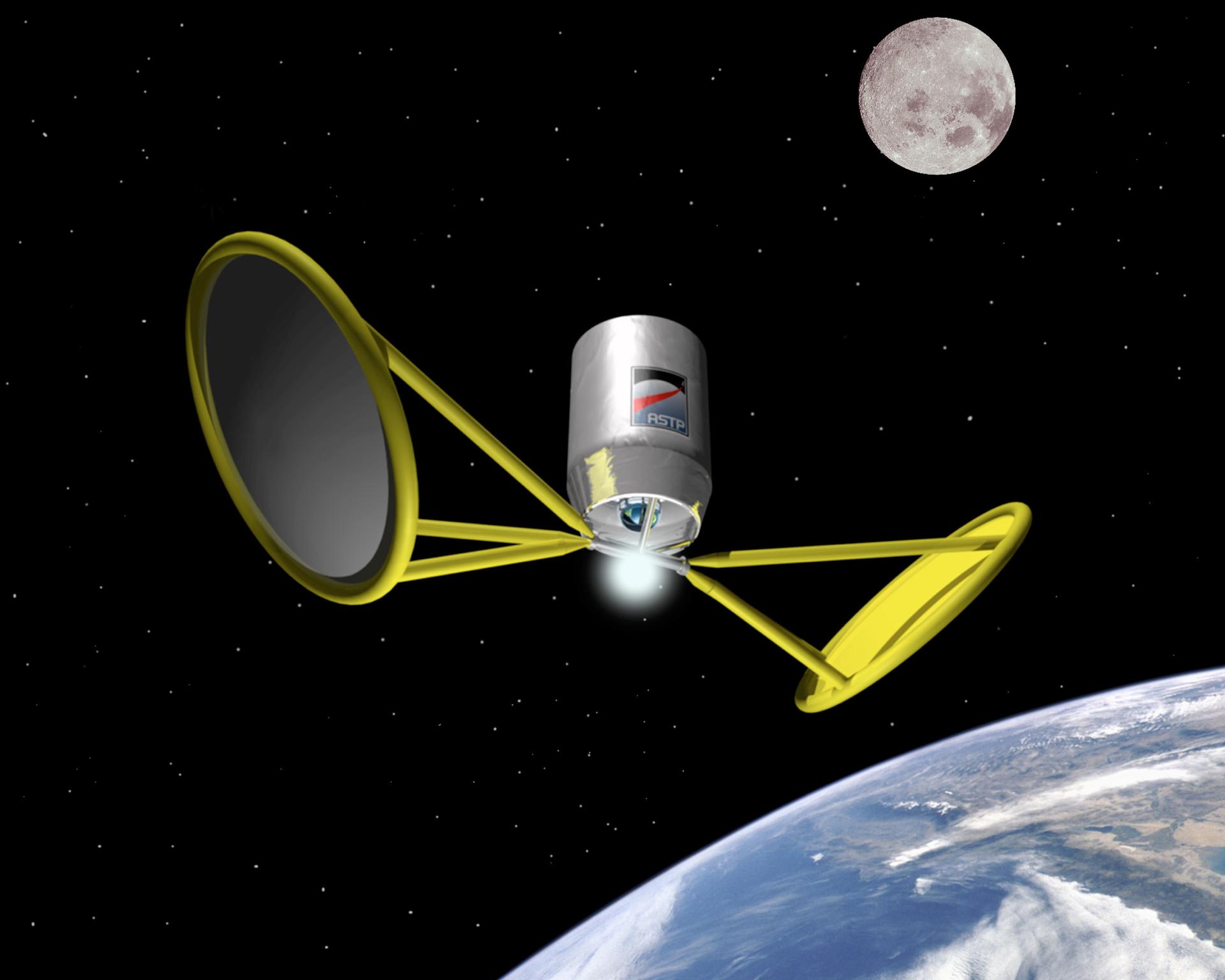
No discussion of the in-space economy is complete without addressing space-based solar power (SBSP) — the concept of harvesting solar energy in orbit, where the Sun shines 24 hours a day with no atmospheric attenuation, converting it to microwave or laser energy, and beaming it to receiver arrays on Earth.
The physics are well established. A square meter of solar panel in geostationary orbit receives roughly eight times more energy than the same panel on Earth's surface, averaged over a full day. The challenge has always been the economics: getting the enormous collecting structures into orbit using conventional launch vehicles cost far more than the electricity they would generate.
That calculus is beginning to shift, driven by falling launch costs and improving solar cell efficiency. Three major programs are advancing the technology.
JAXA's SBSP roadmap calls for a demonstration system in the 2030s and a commercial-scale system by the 2040s. The agency has been working on SBSP technology since the late 1980s, with particular focus on microwave power transmission and lightweight deployable structures. Japan's motivation is partly strategic — the country is heavily dependent on imported fossil fuels and has committed to aggressive decarbonization targets.
ESA's SOLARIS initiative is the most developed European program. Launched in 2022, SOLARIS is conducting preparatory studies for an in-orbit demonstration mission in the early 2030s. ESA has published economic analyses suggesting that with launch costs in the range made possible by Starship-class vehicles, SBSP could achieve grid parity with conventional power sources by the late 2030s. The European Commission has funded preliminary work under its Horizon Europe program.
US Department of Energy interest in SBSP has grown significantly since 2023, when the DoE and the Air Force Research Laboratory (AFRL) published assessments identifying SBSP as a credible long-term energy technology. The AFRL's SSPIDR (Space Solar Power Incremental Demonstrations and Research) project demonstrated wireless power transmission from a satellite in orbit in 2023, a key technical milestone.
The timeline for commercial SBSP is realistically the late 2030s to 2040s, contingent on Starship-class launch costs being sustained at scale. It is a long game — but one with a potential market measured in trillions of dollars if it succeeds.
The Economics Today and in 2030
The honest conversation about in-space manufacturing requires acknowledging the fundamental economic constraint: return cargo costs.
Getting mass back from orbit to Earth is expensive. SpaceX's Rideshare program has reduced launch costs dramatically — to roughly $6,000 per kilogram to low Earth orbit. But that is launch cost, not round-trip cost. The return leg, involving re-entry capsule design, heat shielding, parachute systems, and recovery operations, adds substantial cost. Current estimates for commercially recovered payload from orbit range from $5,000 to $50,000 per kilogram depending on the mission architecture.
This means that in-space manufacturing is economically viable today only for products where the value per kilogram is extremely high. The filter is straightforward: if a kilogram of your in-space product is worth $100,000 or more on Earth, the economics likely work. If it is worth $1,000 per kilogram, they emphatically do not.
That filter, applied honestly, leaves a relatively short list of viable products in 2026:
- Pharmaceutical crystal data (the crystals themselves are grams of material; the value is the structural data they enable, which is worth potentially billions in drug development)
- ZBLAN fiber optics (high-performance fiber for specialized applications can command significant premiums over standard silica)
- Certain semiconductor materials for defense and aerospace applications where performance specifications override cost
- Biological constructs for regenerative medicine research (tissue-engineered products with regulatory approval pathways)
The picture in 2030 looks substantially better. Starship's promised cost structure — if realized — could reduce mass-to-orbit costs to $100 per kilogram or below, with a re-entry capability baked into the vehicle architecture. At those economics, a much wider range of materials science products becomes viable. The economics cascade: cheaper launch makes the business case for commercial stations easier; commercial stations provide cheaper on-orbit manufacturing time; cheaper manufacturing time lowers the value threshold required for viability.
The structural shift that matters most for investors is the platform transition. Right now, companies like Varda are vertically integrated by necessity — they build their own capsule, handle their own re-entry, run their own recovery. As commercial stations reach operational status in the early 2030s and dedicated return capsule services mature (Varda, SpaceX Dragon, potentially Sierra Space Dream Chaser), in-space manufacturing will shift from a vertically integrated boutique operation to an ecosystem where companies focus on their manufacturing process and buy logistics as a service.
How to Invest in the In-Space Economy Now
For investors seeking exposure to in-space manufacturing in 2026, the landscape offers a spectrum of risk-return profiles.
Direct public market exposure is limited but growing. Redwire (RDW) is the clearest pure-play in-space manufacturing public company, with operational hardware on the ISS and a portfolio covering bioprinting, electronics manufacturing, and solar array production. The company has been working toward profitability and its small market capitalization means it moves with space sector sentiment. Rocket Lab (RKLB) is not primarily a manufacturing company, but its Photon satellite bus and space systems division provide enabling infrastructure; and its planned Neutron rocket increases return-mass capabilities. Boeing and Northrop Grumman have minor in-space manufacturing exposure through their station and logistics contract portfolios.
Private investment in this sector is concentrated in Varda Space (which has raised over $90 million and would likely pursue a public listing as its commercial cadence scales), Space Forge (UK, pre-revenue but well-funded), and a cluster of companies in the commercial station space (Axiom, Vast, Starlab). Access to these rounds requires venture capital relationships or emerging SPV structures.
Enabling infrastructure plays may offer better risk-adjusted returns than direct manufacturing bets. The thesis here is "picks and shovels": regardless of which specific in-space manufacturing company wins, someone has to provide launch, re-entry capability, on-orbit power, and thermal management. SpaceX (private) dominates launch but is not directly investable. Rocket Lab provides the most accessible publicly traded launch and space systems exposure.
Space ETFs including ARKX, UFO, and ROKT provide diversified space sector exposure with varying weightings. None are specifically structured around in-space manufacturing, but all carry meaningful exposure to enabling companies.
The investment horizon matters enormously. In-space manufacturing in 2026 is a 5-to-10-year thesis. The pharmaceutical crystallography market can generate early revenue, and ZBLAN fiber could reach commercial scale within that window. But the broader vision — orbital alloy foundries, commercial semiconductor fabs, space-based solar power arrays — is a 2030s and 2040s story. Investors buying today are pricing in a long development arc, high technical and regulatory risk, and the possibility of game-changing launch cost reduction that may or may not materialize on schedule.
The Next Industrial Revolution, Conducted in Silence
There is something quietly extraordinary about what is happening 400 kilometers above Earth right now. While the broader conversation about space has focused on crewed exploration — Moon bases, Mars ambitions, the drama of Artemis — a less visible but arguably more commercially immediate transformation is underway in the cargo holds of orbital platforms and the re-entry capsules of autonomous manufacturing spacecraft.
The in-space economy will not announce itself with a dramatic crewed landing or a rover selfie. It will arrive in the form of a pharmaceutical filing that references crystal structure data obtained in orbit, or a fiber optic network upgrade enabled by ZBLAN cables whose transmission properties silica glass cannot match, or a defense satellite component manufactured to tolerances impossible under Earth's gravitational field.
The economic logic is compelling: some things can only be made in space, and some of those things are worth making. The infrastructure to make them — cheaper launch, return capsules, commercial stations — is arriving on a schedule measured in years, not decades. Companies like Varda have already demonstrated the end-to-end mission architecture works. The question is no longer whether in-space manufacturing is physically possible. It is how fast the economics improve, and which companies execute well enough to capture the value when they do.
For investors paying attention, the factory of the future is already operating. It just happens to be in orbit.
Sources: Varda Space Industries company filings and press releases; ESA SOLARIS initiative documentation; JAXA space-based solar power program; Redwire Corporation SEC filings; NASA ISS National Laboratory research publications; Morgan Stanley Space Economy report; Space Foundation Annual Report 2025; AFRL SSPIDR program; Space Forge company announcements.