Light Delay Simulator
Send a message to Mars. Wait for the reply.
Calculate the communication delay between Earth and any point in the solar system due to the finite speed of light. When NASA sends commands to Mars rovers, engineers must wait up to 24 minutes for a response. Select a destination or enter a custom distance in AU (astronomical units), and see the one-way and round-trip light travel time — critical for understanding deep-space mission control challenges.
💡 At its farthest point, Mars is 20 light-minutes from Earth. A simple 'Hello' and reply takes over 40 minutes — making real-time remote control impossible.
Frequently asked questions
How long does light take to travel from Earth to Mars?
Depending on orbital alignment, light takes between 3 and 22 minutes one way (roughly 4 light-minutes at closest opposition and 22 light-minutes at solar conjunction). The average is around 12.5 light-minutes, which is why a round-trip command-and-acknowledgement to a Mars rover can take up to 44 minutes.
How far is Proxima Centauri in light-years?
Proxima Centauri, the closest star to the Sun, sits 4.246 light-years from Earth. A radio signal sent today would arrive in 2030, and any reply would not get back until 2034 — making real-time conversation with a hypothetical interstellar probe impossible.
Why is light delay important for space missions?
Light delay forces deep-space spacecraft to operate semi-autonomously. Mars rovers cannot be joysticked in real time because each command takes 3–22 minutes to arrive and 3–22 minutes to acknowledge. Missions therefore upload daily command sequences and rely on on-board fault protection to handle anything urgent.
How fast does light travel?
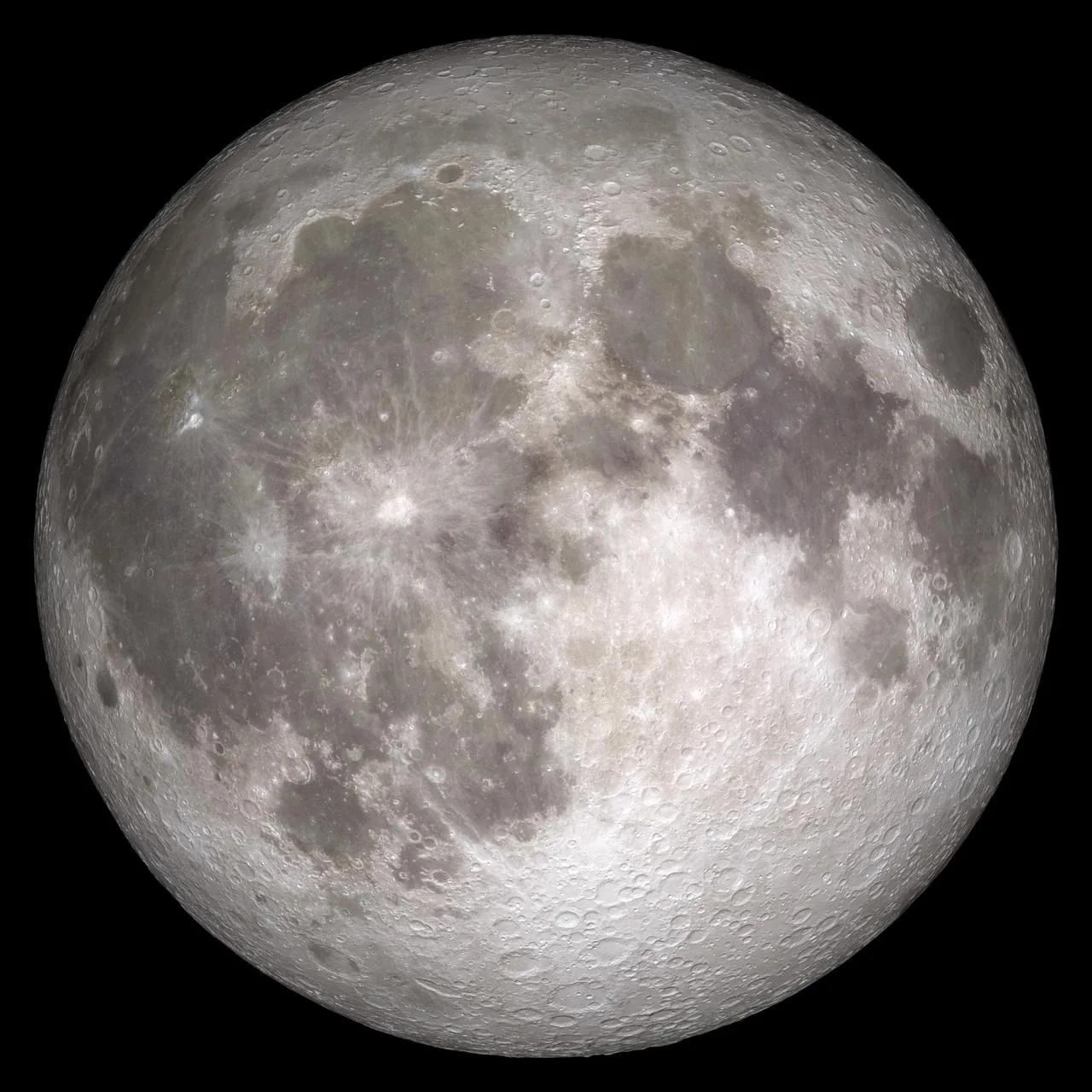
Light moves at 299,792 km/s in a vacuum, or about 1.08 billion km/h. At that speed, light circles Earth 7.5 times per second, reaches the Moon in 1.3 seconds, and the Sun in 8 minutes 20 seconds. Nothing carrying information can move faster — this is the universe's hard speed limit.
Continue your mission
More tools to explore next