 Galactic Energy / Global Times
Galactic Energy
Overview
Galactic Energy operates the most-flown Chinese private launch family — the solid-fuel Ceres-1 small-lift rocket — and is scaling into medium-lift with the kerolox, partially reusable Pallas-1. Ceres-1 has accumulated 17 successful flights through 2025 (with one mid-flight failure in 2023) at ~93% reliability, including China's first private sea-launch in 2024. The Pallas-1 maiden flight on 17 January 2026 was unsuccessful, requiring redesign before a second attempt. Long-term roadmap centers on a Pallas-2 super-heavy variant (20-58 t to LEO depending on configuration) and full first-stage recovery and reuse to compete with LandSpace Zhuque-3 and Falcon-9-class vehicles inside China.
Moat: Ceres-1 is the most-flown Chinese private orbital rocket — 17 successful flights and over 70 satellites delivered by 2025 — giving Galactic Energy a flight-heritage and reliability moat that no other Chinese private operator can match. Proprietary solid-motor and kerolox engine production at the Chizhou propulsion campus, plus a dedicated sea-launch capability from Haiyang demonstrated in May 2024, broadens the operational envelope and reduces dependence on Jiuquan/Wenchang slot allocations. The CNY 2.4B Series D in September 2025 is one of the largest disclosed Chinese commercial-launch rounds and funds parallel Pallas-1, Pallas-2, and Ceres-2 development.
Business
Primary customers
- Commercial: Chinese commercial smallsat operators (Geespace, Spacety, ADASpace)
- Government: Government-backed Earth observation programs
- Commercial: International rideshare smallsats (Oman, Pakistan)
Sectors
Small-Lift Launch · Reusable Launch · Solid Propulsion · Sea Launch
Gallery
Last Funding Round
Key Products
- Ceres-1operational
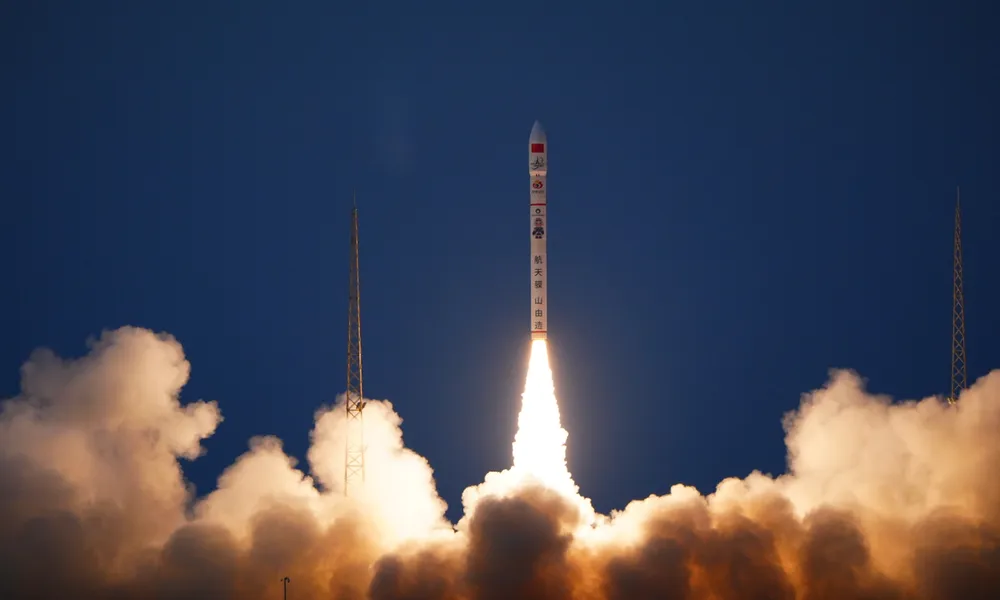
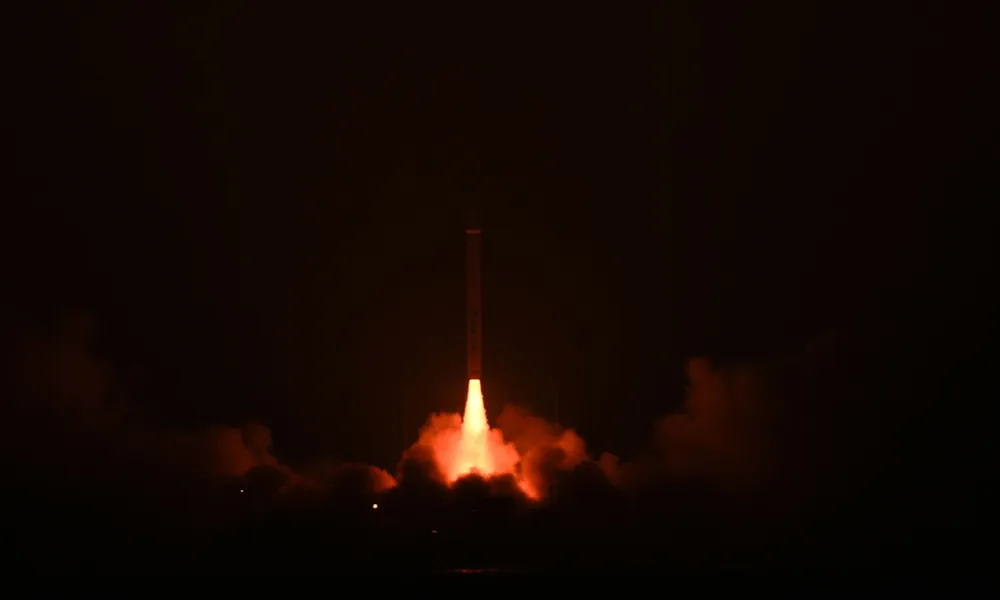
Four-stage solid-fueled small-lift rocket; 400 kg to 200-km LEO / 300 kg to 500-km SSO; land and sea-launch versions; 17 flights with 16 successes through 2025.
First flight: 2020-11-07
- Ceres-2development
Upgraded solid small-lift rocket; 1,600 kg to 500-km LEO / 1,300 kg to 500-km SSO; in final assembly and testing for debut.
- Pallas-1development
Two-stage kerolox medium-lift rocket with reusable first stage; 7,000 kg to 200-km LEO; powered by seven first-stage engines; maiden flight 17 Jan 2026 was unsuccessful.
First flight: 2026-01-17
- Pallas-2development
Heavy-lift kerolox vehicle; 20-58 t to LEO depending on single-stick or tri-core configuration; debut targeted 2026-2027.
Investor Resources
Primary-source documents — straight from Galactic Energy's investor relations and SEC filings.
Near-term Catalysts
- 2026-H2
Pallas-1 second orbital attempt + first-stage recovery test
After the failed 17 January 2026 maiden flight, a successful return-to-flight is critical to validate the kerolox medium-lift platform and unseat LandSpace Zhuque-3 as the only flying Chinese reusable-class rocket.
- 2026
Ceres-2 debut flight
Quadruples Ceres family payload capacity to 1.6 t LEO and extends Galactic Energy's small-lift dominance into the smallsat-constellation segment.
- 2027
Pallas-2 maiden flight
Heavy-lift entry up to 58 t LEO would put Galactic Energy in the same class as Falcon Heavy and SpaceX Starship-class missions for Chinese state and commercial customers.
- 2026
Sustained Ceres-1 sea + land cadence
Targeting 8-10 Ceres-1 flights in 2026 to maintain China's most-flown commercial rocket title and lock in smallsat constellation contracts.
Top Risks
- Pallas-1 program execution — the 17 January 2026 maiden flight failure forces a multi-quarter redesign and re-test cycle, potentially ceding the medium-lift reusable lead to LandSpace Zhuque-3 and CAS Space Kinetica-2.
- US export controls (ITAR, EAR, OFAC) bar Western satellites and US-tech-bearing payloads, capping Galactic Energy's addressable market to Chinese and select non-aligned international customers.
- Chinese commercial-launch capacity is becoming oversupplied — ten+ private companies and several state-backed CASC/CASIC entities chase the same Guowang/Qianfan constellation manifests, which compresses pricing.
- Dependence on solid-motor supply chain: Ceres-1 reliability gains rely on motor casings and propellant supplied from a small set of state-aligned vendors, creating concentration risk.
- Pre-IPO regulatory risk — Chinese commercial-space STAR Market listings are subject to CSRC sign-off and political timing, and Galactic Energy still needs to demonstrate Pallas-1 success before a credible IPO window opens.
Recent Milestones
- 2020-11-07
Ceres-1 maiden flight successful — first private four-stage solid orbital rocket in China.
- 2024-05-29
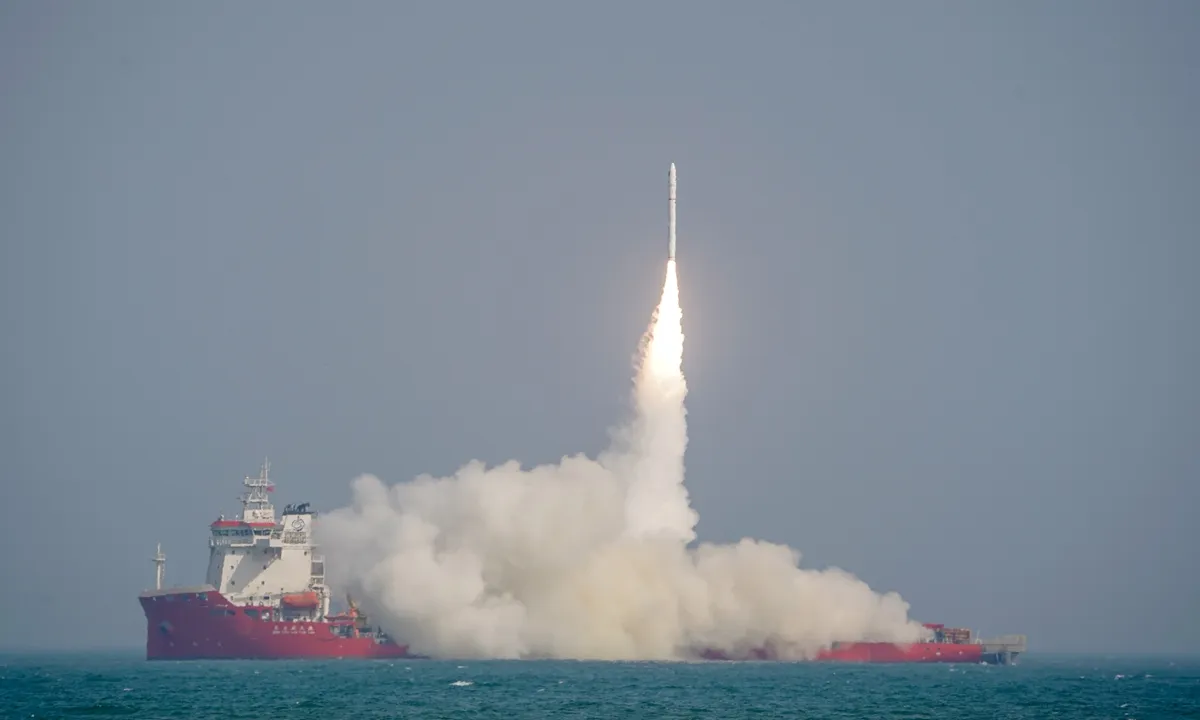
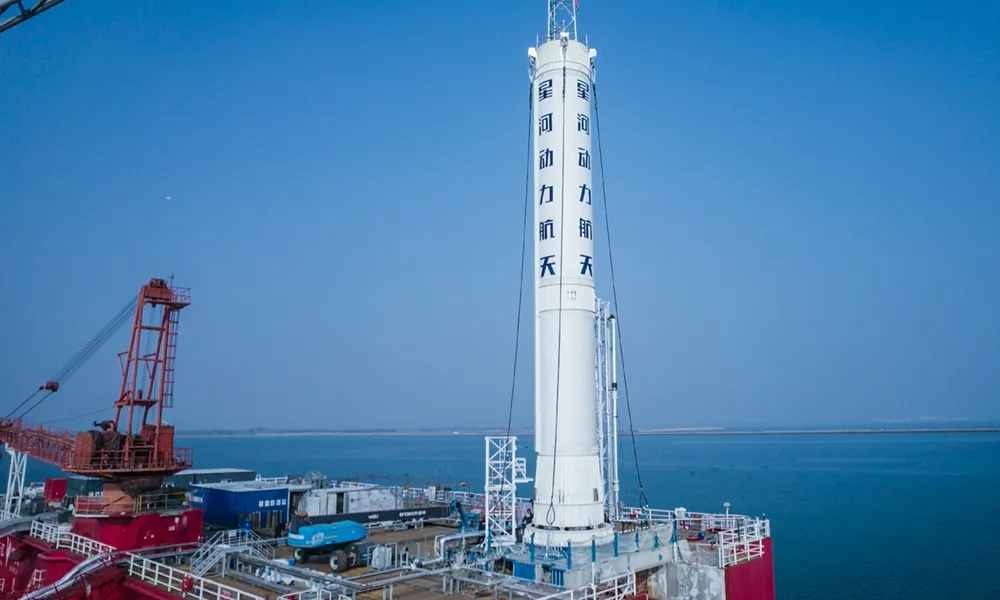
First successful sea launch of Ceres-1 from a converted barge off Haiyang, placing four satellites into orbit.
- 2024
Five successful Ceres-1 land + sea launches in calendar 2024, the highest annual cadence among Chinese private launch firms.
- 2025-03-17
Ceres-1 Y10 launched eight satellites into 535-km SSO from Jiuquan.
- 2025-09
Closed Series D worth CNY 2.4B (~$336M) — among the largest disclosed Chinese commercial-launch rounds.
- 2025-11
Pallas-1 first-stage seven-engine static fire completed at Haiyang, clearing major ground-test gate ahead of maiden flight.
- 2025
Ceres-1 cumulative flight tally reached 17 launches and 71 satellites delivered, the most among Chinese private rockets.
- 2026-01-17
Pallas-1 maiden flight unsuccessful — did not achieve orbit on first attempt; cause investigation underway.
From Management
Recent interviews and talks from Galactic Energy's leadership — hear the strategy in their own words.
What investors should know
Q1What does Galactic Energy do?⌄
Q2What is the signature achievement and operational status?⌄
Q3How much funding has Galactic Energy raised, and who are the investors?⌄
Q4What is the commercial path and revenue model?⌄
Q5What are the biggest risks?⌄
Q6What are the near-term catalysts?⌄
Q7How does Galactic Energy compare to its Chinese NewSpace peers?⌄
Peers
Sources & References
Trade Press
- SpaceNews — $336M Series D · 2025-09-30(archived)
- Space.com — Ceres-1 sea launch · 2024-05-30(archived)
- CGTN — Ceres-1 Y10 launch · 2025-03-17(archived)
- China in Space — static-fire round-up · 2025-11-05(archived)
- Global Times — Pallas-1 reusable test · 2025-11-04(archived)
- China Daily — first Chinese private launch of 2026 · 2026-01-17(archived)