Commercial Crew Program
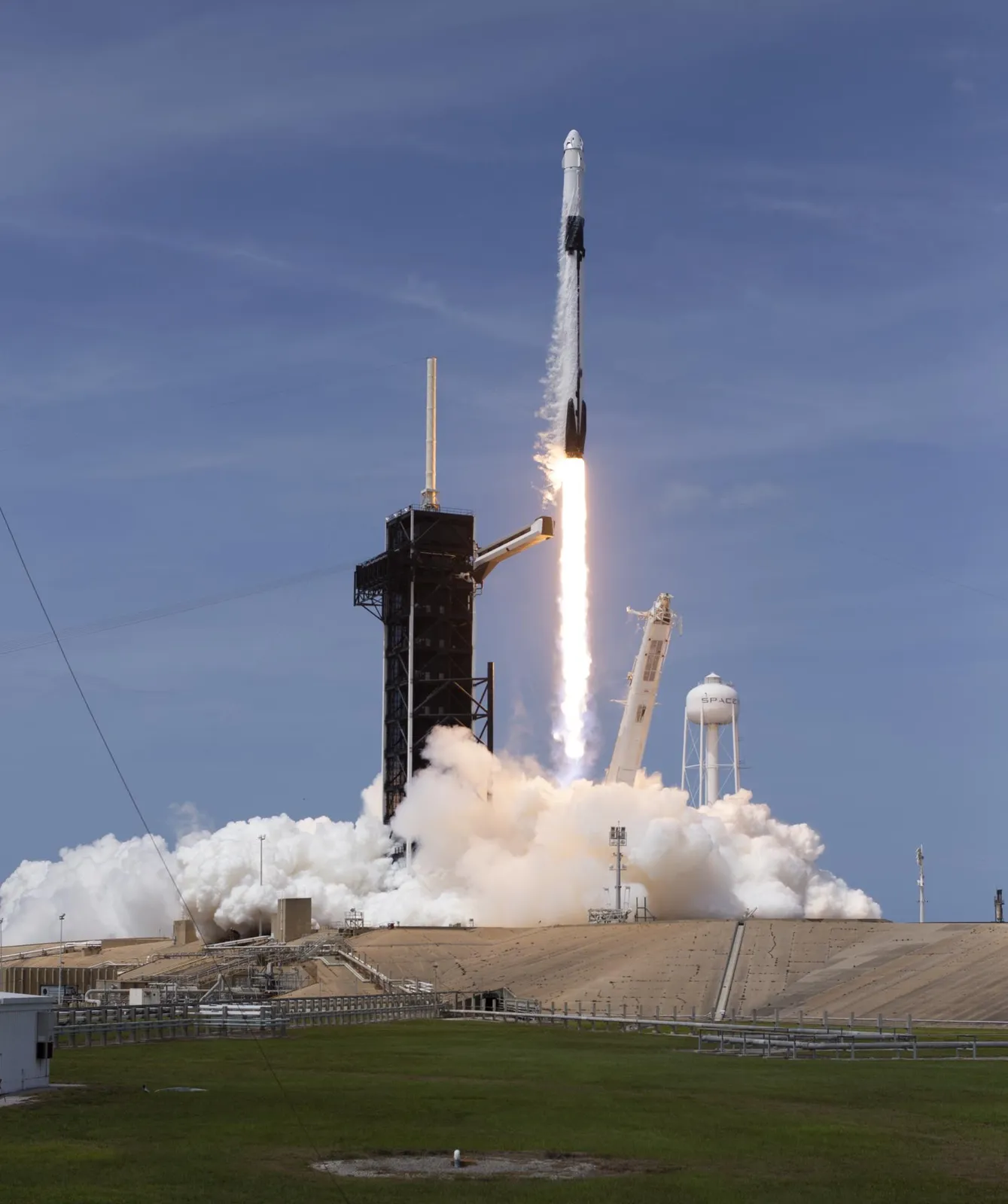
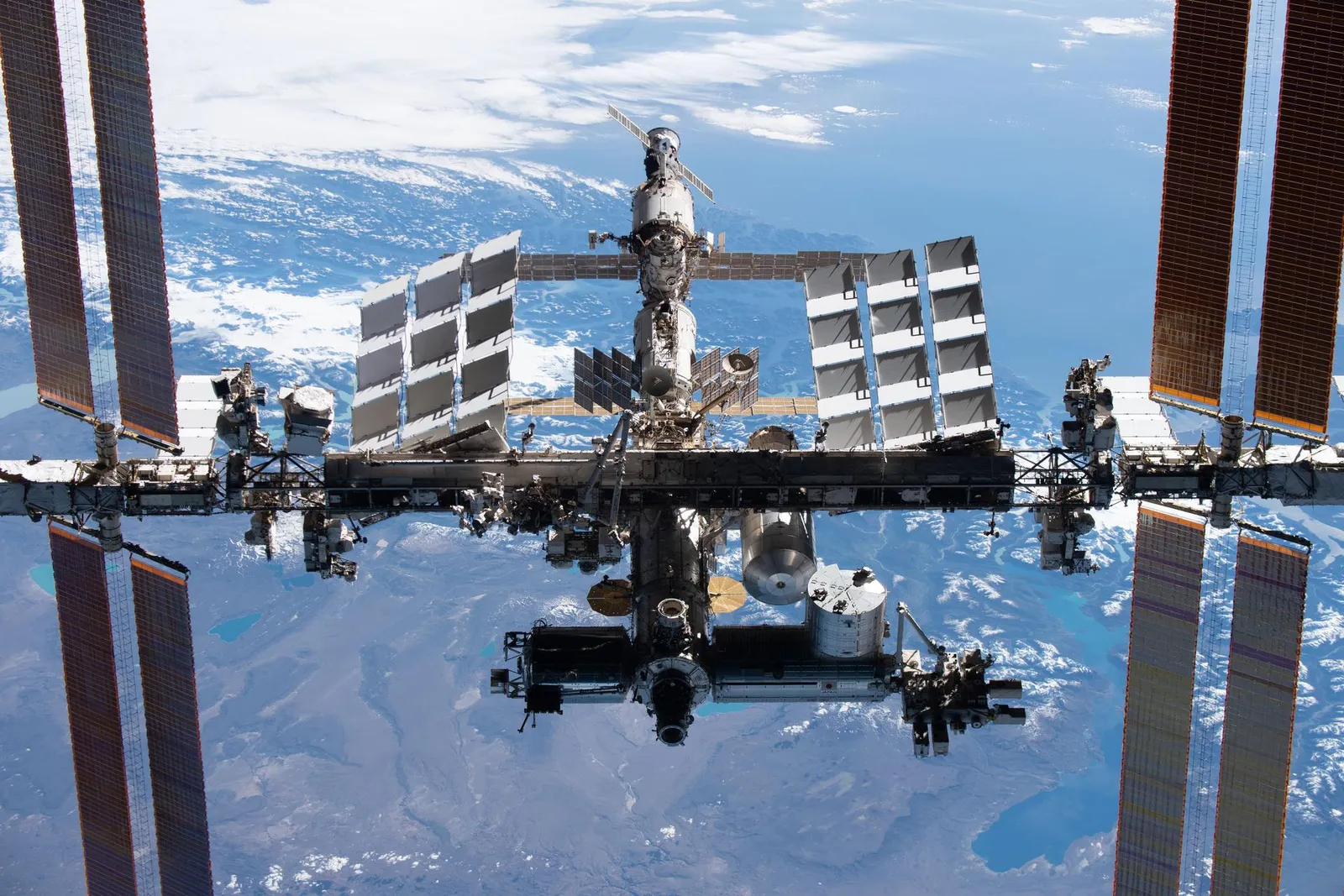
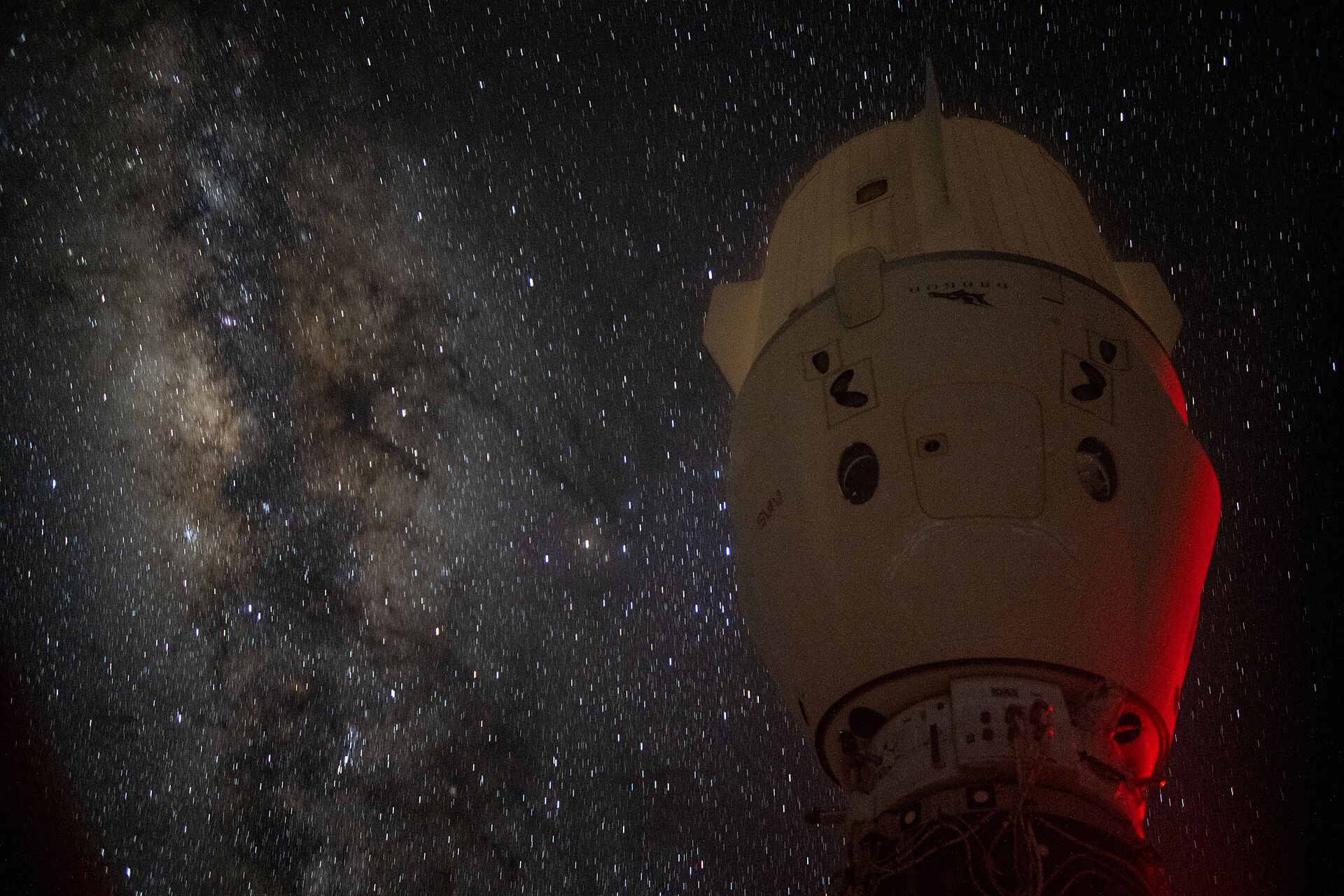
NASA's flagship public-private partnership for crewed access to low Earth orbit, the Commercial Crew Program restored US human-launch capability in 2020 and has flown twelve operational rotation missions on SpaceX's Crew Dragon (through Crew-12, February 2026) while Boeing's Starliner remains in post-Crew-Flight-Test recovery [1][2][19]. Combined fixed-price awards exceed $8B (SpaceX $3.1B+, Boeing $4.2B+) — the template for every subsequent NASA commercial-services procurement, including HLS and CLD [3][4].
Funding & Contract Structure
Total committed: Combined CCtCap base awards: SpaceX $2.6B (Sep 2014) plus task-order extensions to ~$3.49B (14 missions); Boeing $4.2B base (Sep 2014) for six rotation missions [3][4]
Annual run-rate: CCP appropriated line is folded into NASA Space Operations Mission Directorate; ISS+CCP combined run-rate ~$3B/yr (FY2025 enacted) [7]
Per launch: Per-seat costs: SpaceX ~$55M, Boeing ~$90M based on initial CCtCap awards and crew count (NASA OIG IG-20-005) [8]
Procurement vehicle: FIXED-PRICE — Contractor commits to a set price — bears overrun risk; aligns incentives on cost discipline.
Congressional status: Bipartisan support sustained since 2010; FY2025 appropriations preserved CCP funding through ISS retirement (2030) [7]
GAO / CRS findings
| Date | Finding |
|---|---|
| NASA OIG (IG-20-005) found per-seat costs of $55M (SpaceX) and $90M (Boeing), saving an estimated $20-30B versus a hypothetical cost-plus government-owned alternative[8] | |
| GAO-24-106256 — Commercial Crew faces continued schedule and certification risk on Boeing Starliner; recommends NASA strengthen contingency planning for single-provider scenario[9] | |
| NASA decision to return Starliner uncrewed and bring Wilmore/Williams back on Crew Dragon (Crew-9) reflects unresolved thruster and helium-leak risk; OIG follow-up review in progress[5] |
Beneficiary Breakdown
| Contractor | Role | Share | Ticker |
|---|---|---|---|
| SpaceX | prime | Crew Dragon CCtCap prime — nine operational rotation missions flown; carrying the program's entire operational cadence since Boeing CFT 2024[2] | private |
| Boeing | prime | CST-100 Starliner CCtCap prime; $4.2B base + post-CFT supplemental funding; Starliner-1 NET 2026 contingent on certification[4] | BA |
| ULA | sub | Atlas V launch provider for Starliner missions (CFT and contracted operational flights); Vulcan transition planned[5] | private |
| Aerojet Rocketdyne (L3Harris) | supplier | Starliner propulsion (OMAC thrusters subject to 2024 anomaly review); now under L3Harris (LHX) post-2023 acquisition[5] | LHX |
| Northrop Grumman | supplier | Starliner service module structural and propulsion subsystem support; CST-100 launch abort engine integration[4] | NOC |
| Axiom Space | supplier | Operates private Crew Dragon missions (Ax-1 through Ax-4) using CCP-certified hardware under separate commercial contracts[10] | private |
Key Milestones
CCDev Round 1 — NASA awards $50M across five companies under American Recovery and Reinvestment Act to begin commercial crew development
NASA selects SpaceX ($2.6B) and Boeing ($4.2B) under CCtCap to develop, certify, and fly crewed missions to the ISS
SpaceX Demo-1 — uncrewed Crew Dragon test flight to ISS validates rendezvous, docking, and return systems
Boeing OFT — uncrewed Starliner test flight encounters mission elapsed time anomaly and software issues; ISS docking not achieved
SpaceX Demo-2 — first crewed Commercial Crew flight (Behnken/Hurley); first US human launch since STS-135 in 2011
Crew-1 — first operational rotation; Crew Dragon ISS handover begins regular six-month cadence
Boeing OFT-2 — Starliner reaches ISS uncrewed; thruster issues observed but mission objectives met, paving way for CFT
Boeing CFT — Starliner crewed flight test launches with Wilmore/Williams; helium leaks and thruster anomalies prompt extended docked stay
NASA returns Starliner uncrewed; Wilmore and Williams reassigned to Crew-9 return aboard Crew Dragon in March 2025
Crew-10 (Mar 14) and Crew-11 (Aug 1) rotations fly; Nov 24 contract modification converts Starliner-1 to uncrewed cargo
Crew-12 launched February 13 — twelfth operational Crew Dragon rotation (Meir, Hathaway, Adenot, Fedyaev)
Boeing Starliner-1 — uncrewed cargo flight, summer 2026 window (converted from crewed rotation by the Nov 2025 contract modification)
Planned ISS retirement; CCP transitions toward Commercial LEO Destinations crew services
Catalysts
| Date | Event | Sentiment |
|---|---|---|
| Crew-10 launched — rotation that enabled the long-delayed return of Starliner CFT astronauts Wilmore and Williams aboard Crew-9[17] | bullish | |
| Crew-11 launched — continued single-provider rotation cadence on Crew Dragon while Starliner remains grounded[18] | neutral | |
| NASA-Boeing contract modification converts Starliner-1 to an uncrewed cargo flight (NET April 2026); crewed Starliner rotations deferred and flight count trimmed[16] | bearish | |
| Crew-12 launched to the ISS — Meir, Hathaway, Adenot and Fedyaev begin the twelfth operational Crew Dragon rotation[19] | bullish | |
| Boeing Starliner-1 — uncrewed cargo flight in a summer 2026 window; key gate for any future crewed Starliner rotation and two-provider redundancy[16] | neutral | |
| NASA decision on post-ISS commercial crew services architecture; bridges to Commercial LEO Destinations (CLD) crew transport[6] | neutral | |
| Planned ISS retirement and controlled deorbit; CCP transitions to commercial-station crew rotation under separate services contracts[11] | bearish |
Risk Register
Competitive Landscape
Investability Map
| Ticker | Exposure | Note |
|---|---|---|
| BA | high | Boeing carries the largest CCP exposure via Starliner; downside risk from continued program charges balanced against fixed-price contract value through ~6 rotation flights. |
| LHX | low | L3Harris (post Aerojet Rocketdyne acquisition) supplies Starliner thrusters; small revenue line but visibility into propulsion certification remediation. |
| NOC | low | Northrop Grumman's Starliner-related work is a modest piece of its space portfolio; CCP exposure is incremental versus broader Artemis and Defense work. |
| LMT | low | Lockheed Martin holds 50% of ULA, the Atlas V provider for Starliner; CCP launches are a small contributor to ULA throughput as Vulcan transition accelerates. |
Not investment advice. Figures as-quoted from cited sources.
Sources
- [1] NASA — Commercial Crew Program overview (Agency budget doc, accessed )
- [2] NASA — SpaceX Crew-9 mission page (Crew Dragon rotation series) (Agency budget doc, accessed )
- [3] NASA — Commercial Crew Transportation Capability (CCtCap) award announcement, Sep 16 2014 (SpaceX $2.6B, Boeing $4.2B) (Agency budget doc, accessed )
- [4] NASA OIG IG-20-005 — Management of the Commercial Crew Program (Nov 2019) (GAO / CRS report, accessed )
- [5] NASA — Boeing Crew Flight Test mission page and updates (helium leak / thruster anomaly, uncrewed return decision) (Agency budget doc, accessed )
- [6] NASA — Commercial LEO Destinations Program overview (post-ISS transition) (Agency budget doc, accessed )
- [7] NASA — Fiscal Year 2025 Budget Estimates (Space Operations Mission Directorate) (Agency budget doc, accessed )
- [8] NASA OIG IG-20-005 — Per-seat cost analysis ($55M SpaceX / $90M Boeing) and $20-30B Shuttle-era savings estimate (GAO / CRS report, accessed )
- [9] GAO-24-106256 — NASA Human Space Exploration: Continued Schedule and Certification Risks (Dec 2023) (GAO / CRS report, accessed )
- [10] NASA — Private Astronaut Missions overview (Axiom Ax-1 through Ax-4) (Agency budget doc, accessed )
- [11] NASA — International Space Station Transition Plan / planned 2030 retirement (Agency budget doc, accessed )
- [12] Boeing Investor Relations — Defense, Space & Security segment results disclose cumulative Starliner program charges (Official company site, accessed )
- [13] SpaceX — Dragon program page (Crew Dragon overview) (Official company site, accessed )
- [14] Boeing — CST-100 Starliner program page (Official company site, accessed )
- [15] SpaceNews — Boeing Starliner crew return decision coverage (Aug 2024 / Mar 2025 Crew-9 return) (Industry trade press, accessed )
- [16] NASA Commercial Crew blog — NASA, Boeing Modify Commercial Crew Contract (Nov 24, 2025; Starliner-1 converted to uncrewed cargo, NET Apr 2026) (Agency budget doc, accessed )
- [17] NASA — SpaceX Crew-10 mission page (launched Mar 14, 2025) (Agency budget doc, accessed )
- [18] NASA — SpaceX Crew-11 mission page (launched Aug 1, 2025) (Agency budget doc, accessed )
- [19] NASA — NASA's SpaceX Crew-12 Launches to International Space Station (Feb 13, 2026) (Agency budget doc, accessed )