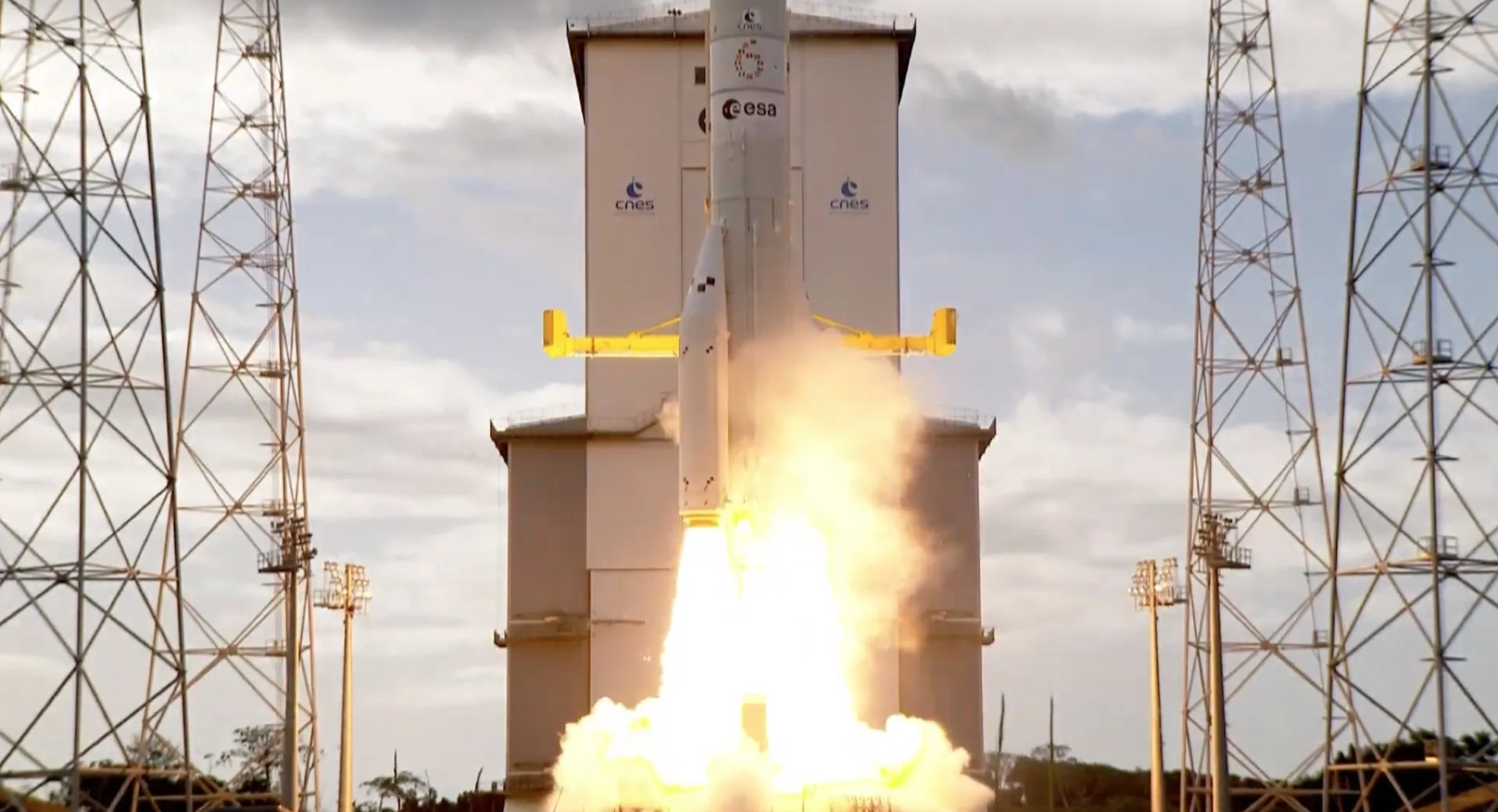
Something important is happening in European aerospace, and it does not involve Ariane or the European Space Agency's traditional industrial base. Across the continent -- from the factory floors of Munich to the volcanic coastline of northern Spain to the windswept highlands of Scotland -- a new generation of rocket startups is racing to give Europe something it desperately needs: reliable, frequent, and commercially competitive access to orbit.
This is not a drill. Europe's launch gap is real, the consequences are strategic, and the companies stepping into that gap are building hardware, not slideware. Let us take stock of where they stand.
The Crisis That Created the Opportunity
To understand why European micro-launcher startups have received such a surge of attention and capital, you have to understand the crisis they are responding to.
When Russia invaded Ukraine in February 2022, Europe lost access to the Soyuz rocket overnight. Roscosmos pulled its launch crews from French Guiana. Decades of reliable access to a workhorse medium-lift vehicle vanished in a matter of days. At the same time, Ariane 5 was completing its final missions -- its last flight took place in July 2023 -- and its successor, Ariane 6, was mired in development delays that pushed its maiden flight to mid-2024.
The result was a period of roughly two years in which Europe had no sovereign launch capability whatsoever. European institutions and commercial satellite operators were forced to book rides on SpaceX Falcon 9s, a deeply uncomfortable position for a continent that prizes strategic autonomy. ESA Director General Josef Aschbacher was candid about the problem, calling it a "launcher crisis" and pushing for structural reforms in how Europe funds and procures launch services.
That crisis created a window -- and a mandate -- for a new class of smaller, more agile launch providers. The logic is straightforward: even when Ariane 6 reaches full operational cadence, Europe will need dedicated small-satellite launchers for the same reason the United States does. Rideshare is flexible, but it does not give you control over your orbit, your schedule, or your destiny.
Isar Aerospace: Germany's Best-Funded Bet
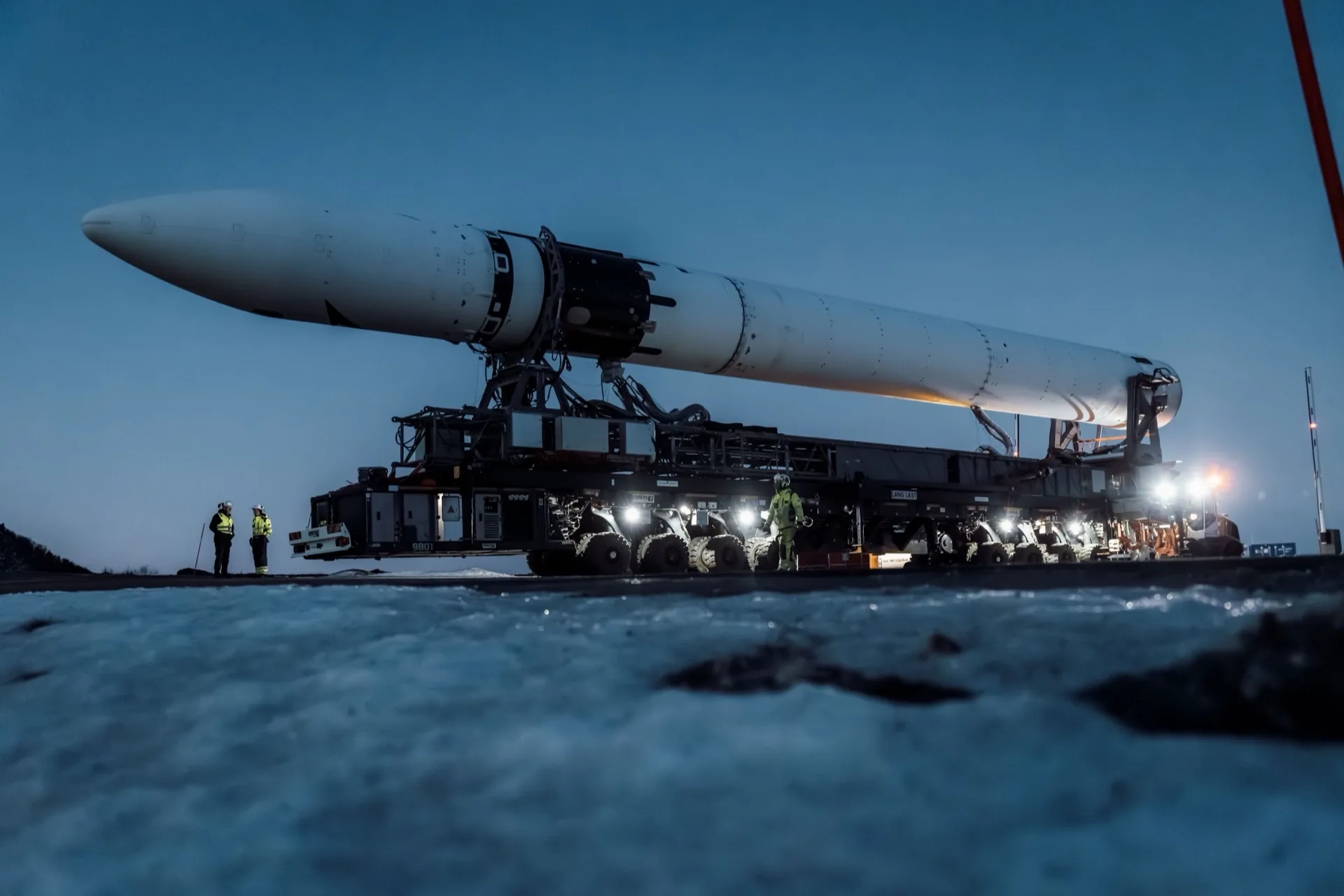
Founded in 2018 in Ottobrunn, just outside Munich, Isar Aerospace has emerged as arguably the most formidable of the European micro-launcher contenders. The company has raised over $310 million in funding from investors including Porsche SE, HV Capital, Earlybird, and Lombard Odier, making it one of the best-capitalized space startups in European history.
Isar's vehicle is Spectrum, a two-stage rocket powered by the company's proprietary Aquila engine, which burns liquid oxygen and kerosene. Spectrum is designed to deliver up to 1,000 kilograms to low Earth orbit in its standard configuration, with a target price point that is competitive with Rocket Lab's Electron on a per-kilogram basis. The rocket stands roughly 27 meters tall and features a 9-engine cluster on its first stage, giving it a degree of engine-out capability that adds mission assurance.
What sets Isar apart is execution speed. The company has conducted extensive hot-fire testing of the Aquila engine and full-stage test campaigns. Their chosen launch site is Andoya Space in northern Norway, which offers high-inclination and polar orbit access -- exactly what the growing European Earth observation and defense satellite market demands. Andoya has invested heavily in pad infrastructure, and the regulatory framework is in place.
Isar has signed launch contracts with Airbus Defence and Space and has a backlog that reflects genuine commercial demand, not just institutional goodwill. If Spectrum flies successfully, Isar will be positioned to become the European equivalent of Rocket Lab -- a dedicated small-sat launcher with a clear path to volume operations.
Rocket Factory Augsburg: The RFA ONE Challenge
Rocket Factory Augsburg (RFA), also based in southern Germany, has taken a different path but shares the same ambition. The company was founded in 2018 and has developed RFA ONE, a three-stage orbital launch vehicle designed to place up to 1,300 kilograms into low Earth orbit.
RFA ONE uses a staged-combustion engine called Helix burning liquid oxygen and kerosene, an architecture that is technically ambitious for a startup but offers superior performance and efficiency. The vehicle is designed for rapid production and high launch cadence, with RFA targeting cost-per-kilogram figures that could undercut most existing small launchers.
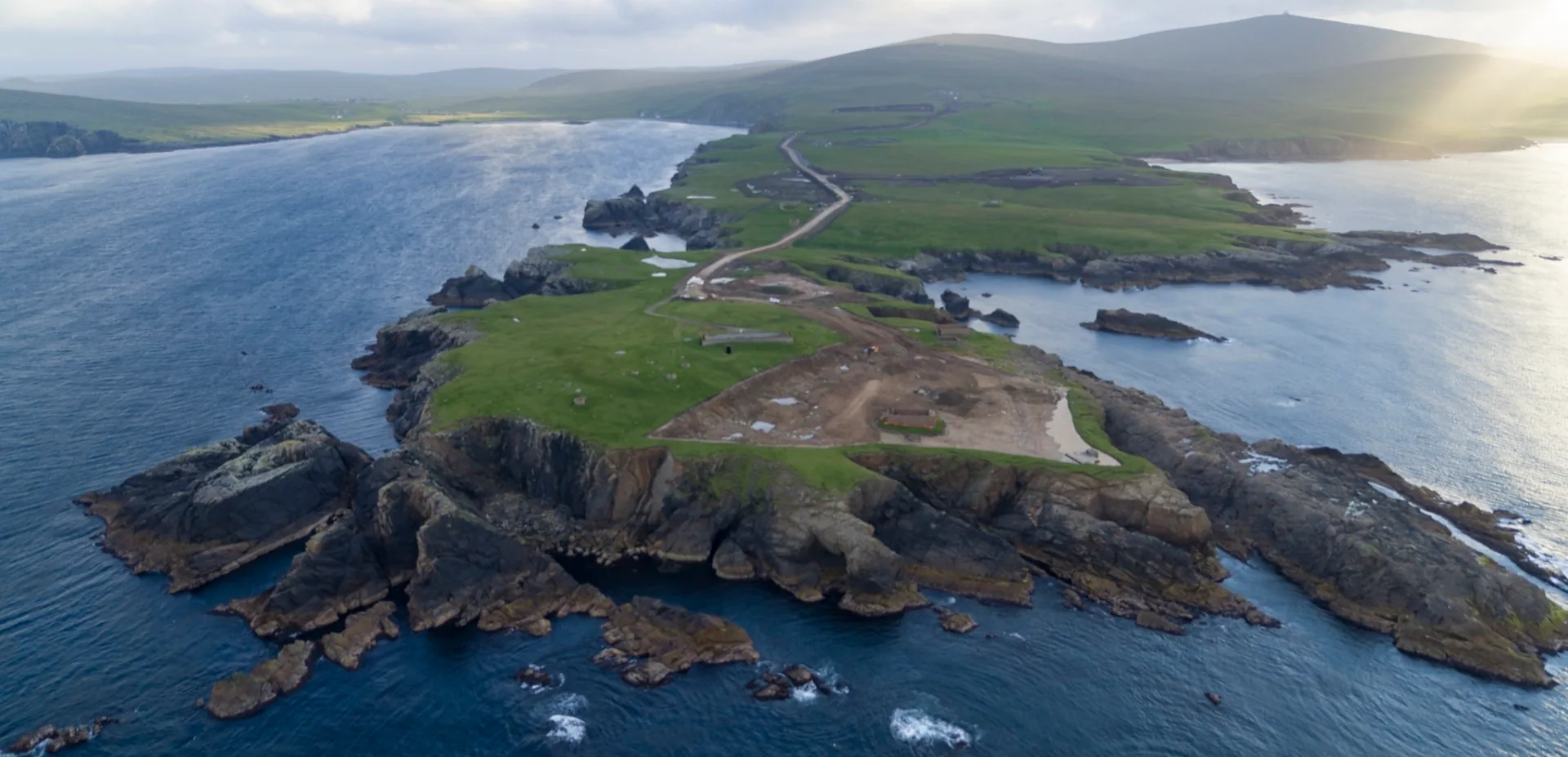
RFA's primary launch site is SaxaVord Spaceport on the island of Unst in Scotland's Shetland Islands -- the most northerly point in the United Kingdom. SaxaVord has obtained its launch license from the UK Civil Aviation Authority, making it one of the first operational vertical launch sites in Western Europe. The site offers direct access to polar and sun-synchronous orbits without the need to overfly populated areas, a significant regulatory advantage.
However, RFA experienced a significant setback in late 2023 when a stage test at SaxaVord resulted in a fire that damaged test infrastructure. The company has been transparent about the incident and has continued development work, but the setback pushed timelines. Rocket development is unforgiving, and RFA's path to first flight will test both the team's engineering resilience and their investors' patience.
PLD Space: Spain's Proven Suborbital Pioneer
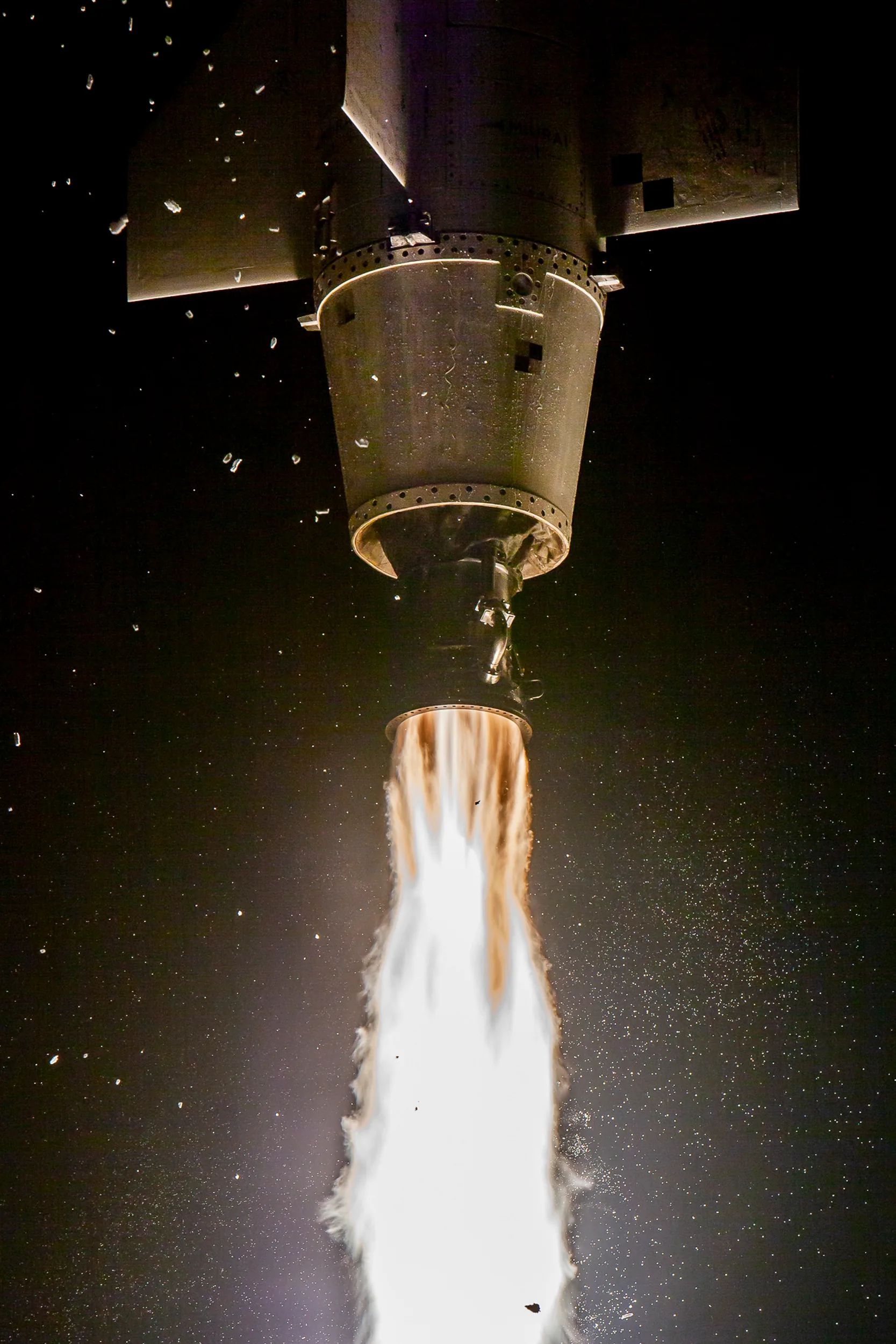
While most European launch startups are still working toward first flight, PLD Space has already put a rocket in the air. In October 2023, the Spanish company successfully launched Miura 1 from the El Arenosillo test range in Huelva, Spain, making it the first privately developed rocket launched from European soil.
Miura 1 is a suborbital sounding rocket, and while suborbital is not orbital, the significance of the flight should not be underestimated. PLD Space demonstrated a functioning propulsion system (the TEPREL-B engine, burning liquid oxygen and kerosene), avionics, guidance, navigation, and control -- the full stack of technologies that must work in concert for any rocket to fly. The flight reached an altitude of approximately 46 kilometers and provided invaluable data for the company's orbital ambitions.
Those ambitions are embodied in Miura 5, PLD Space's orbital-class vehicle. Miura 5 is designed to deliver up to 540 kilograms to a 500-kilometer sun-synchronous orbit, targeting the growing European small-satellite market. The rocket will launch from the Guiana Space Centre in Kourou, French Guiana -- the same site used by Ariane rockets -- giving it access to a well-established launch infrastructure and favorable equatorial geography.
PLD Space, headquartered in Elche, has been building toward this moment since its founding in 2011, making it one of the oldest European New Space launcher companies. Patience and proven hardware are a compelling combination.
Orbex: Scotland's Orbital Contender
Orbex, a British company with its headquarters in Forres, Scotland, and engineering facilities in Denmark and the UK, is developing Prime, a small orbital rocket designed to carry payloads of up to 180 kilograms to low Earth orbit.
Prime stands out on engineering principles. It uses bio-propane (renewable propane) as its fuel -- a choice that reduces the carbon footprint of each launch by up to 86% compared to kerosene-fueled rockets of similar size. The rocket's 3D-printed aluminum combustion chamber and coaxial pintle injector represent some of the most advanced additive manufacturing in the European launch sector.
Orbex's launch site is Space Hub Sutherland on the A'Mhoine peninsula in the Scottish Highlands, which has been the subject of extensive environmental review and community engagement. The site received planning approval after a lengthy process, and construction is underway. Once operational, Sutherland will offer polar and sun-synchronous orbit access from UK sovereign territory.
Orbex has secured launch contracts from multiple customers, and the UK Space Agency has been a strong institutional supporter. While Prime is smaller than Spectrum or RFA ONE, the dedicated nano-satellite launch market is growing rapidly, and there is room for a vehicle at this scale.
The Spaceport Revolution
One of the most underappreciated aspects of Europe's micro-launcher race is the spaceport infrastructure being built alongside the rockets. For decades, Europe's only operational orbital launch site was the Guiana Space Centre in South America. That is now changing.
SaxaVord and Sutherland in Scotland, Andoya in Norway, and the expanding facilities at El Arenosillo in Spain represent a fundamental shift. For the first time, European companies will be able to launch European satellites from European soil into the orbits that European customers need. The strategic importance of this cannot be overstated, particularly for defense and intelligence payloads that governments are reluctant to launch on foreign vehicles from foreign soil.
The UK, in particular, has positioned itself aggressively. The country's space strategy explicitly targets becoming a European launch hub, and the regulatory framework established by the Space Industry Act 2018 was designed with commercial launch in mind.
What Comes Next
The next 18 to 24 months will be decisive. Isar Aerospace, RFA, PLD Space, and Orbex are all approaching first orbital flight attempts, and the hard truth of rocket development is that not all of them will succeed on the first try. Some may not succeed at all. The failure rate for first orbital launch attempts is historically high, and no amount of funding or talent guarantees a clean ride to orbit.
But the aggregate picture is encouraging. ESA has signaled increasing willingness to procure rides on commercial micro-launchers through programs like the HAPS (Harmonised Access to Private Space Transportation) initiative. National space agencies in Germany, France, the UK, Spain, and Norway are providing both funding and institutional demand. And the commercial small-satellite market -- driven by Earth observation, IoT connectivity, and defense -- continues to grow.
Europe's New Space launch race is not about one rocket or one company. It is about building an ecosystem -- rockets, spaceports, supply chains, regulatory frameworks, and commercial markets -- that ensures the continent never again finds itself without the ability to reach orbit on its own terms. That is worth racing for.