newsJuly 18, 2026
Vikram-1: India's First Private Rocket Reaches Orbit (2026)
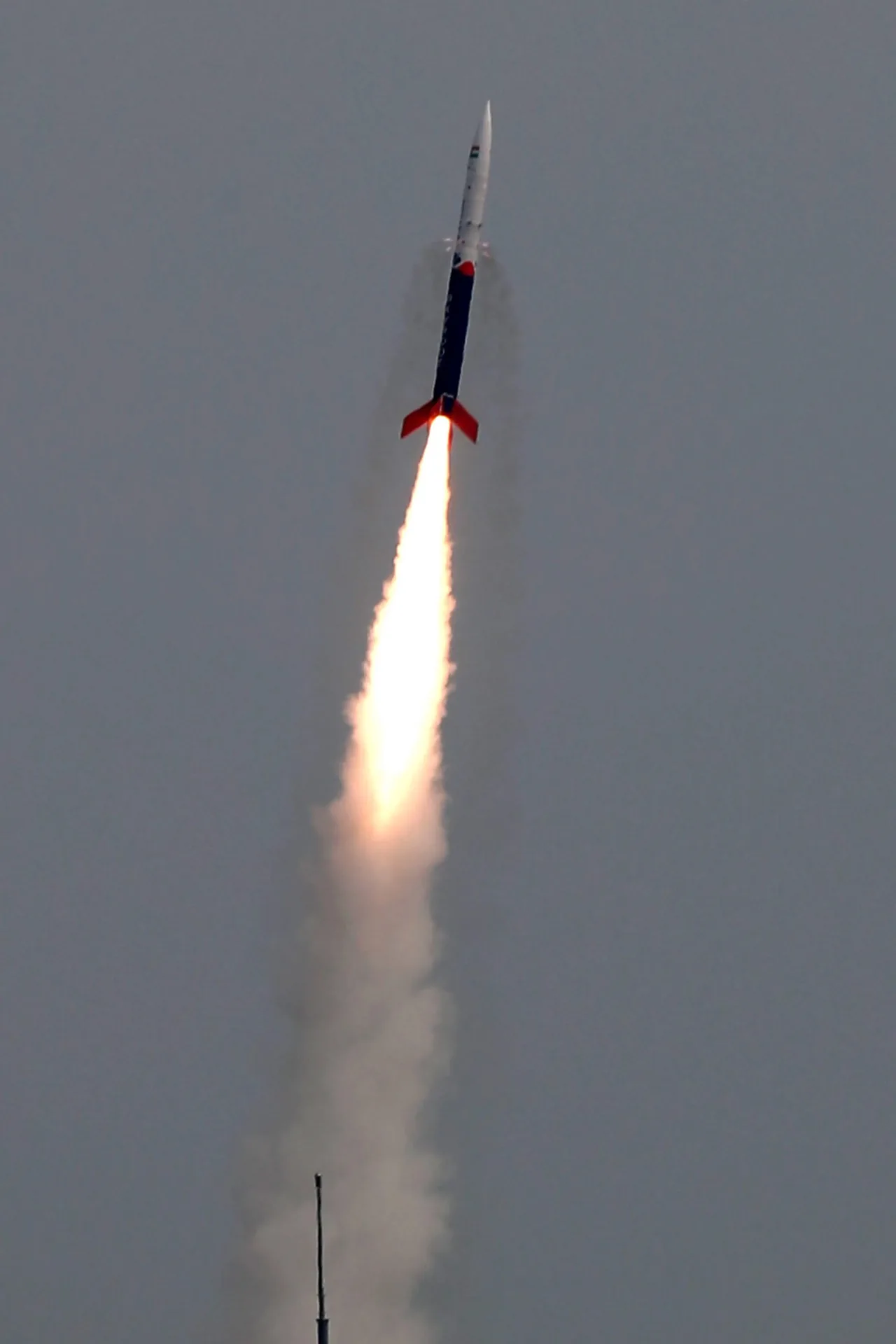
Skyroot's Vikram-1 reached orbit on July 18, 2026, making India the third nation with a home-grown private orbital rocket. Inside Mission Aagaman.
Skyroot's Vikram-1 reached orbit on July 18, 2026, making India the third nation with a home-grown private orbital rocket. Inside Mission Aagaman.
How Chennai startup Agnikul Cosmos flew the world's first single-piece 3D-printed rocket engine — and its plan to print rockets on demand and reach orbit.
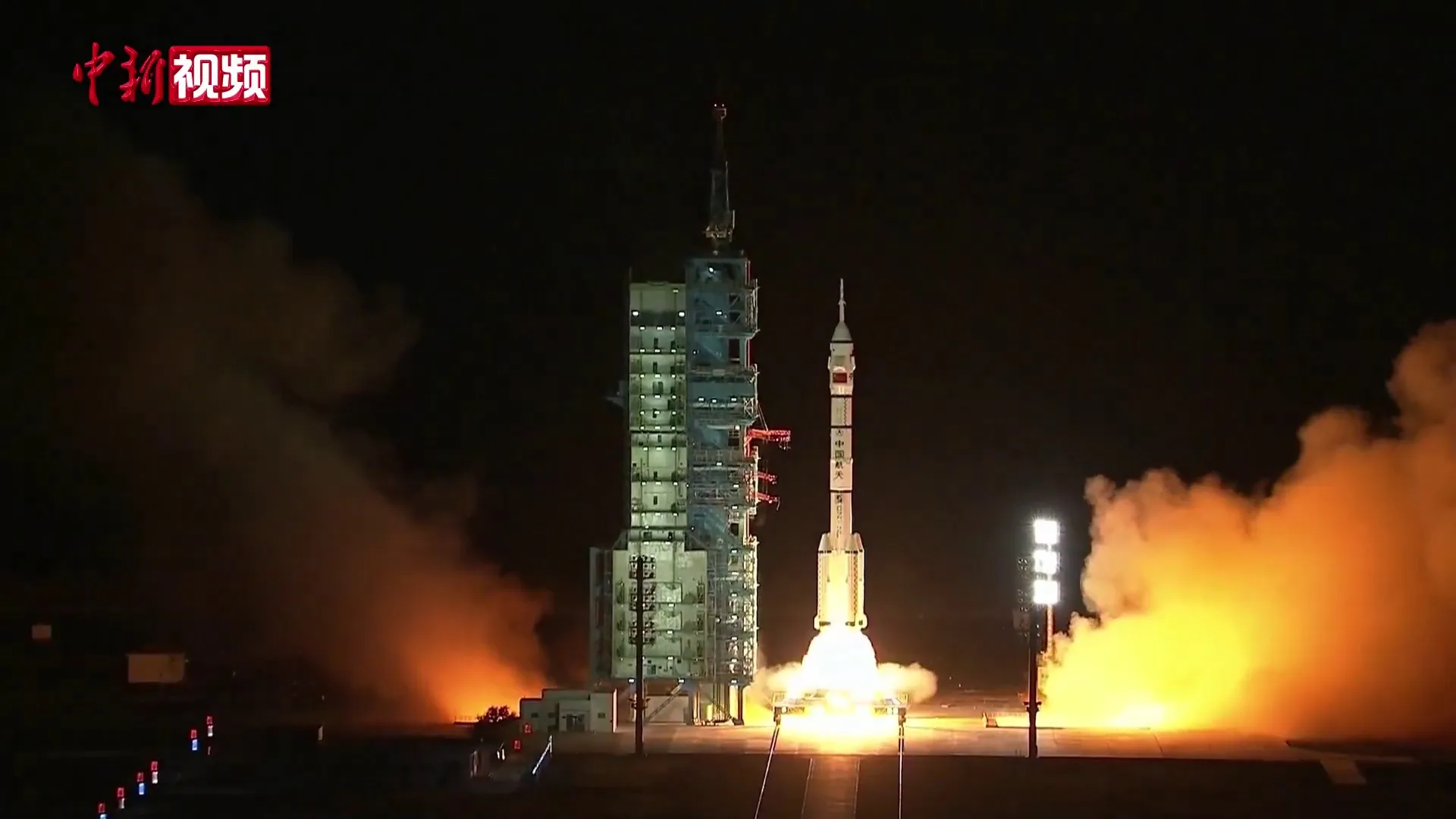
China's answer to Starlink: two vast LEO constellations, Guowang and Qianfan. Inside the deployment, the Long March launch bottleneck, and the orbital stakes.
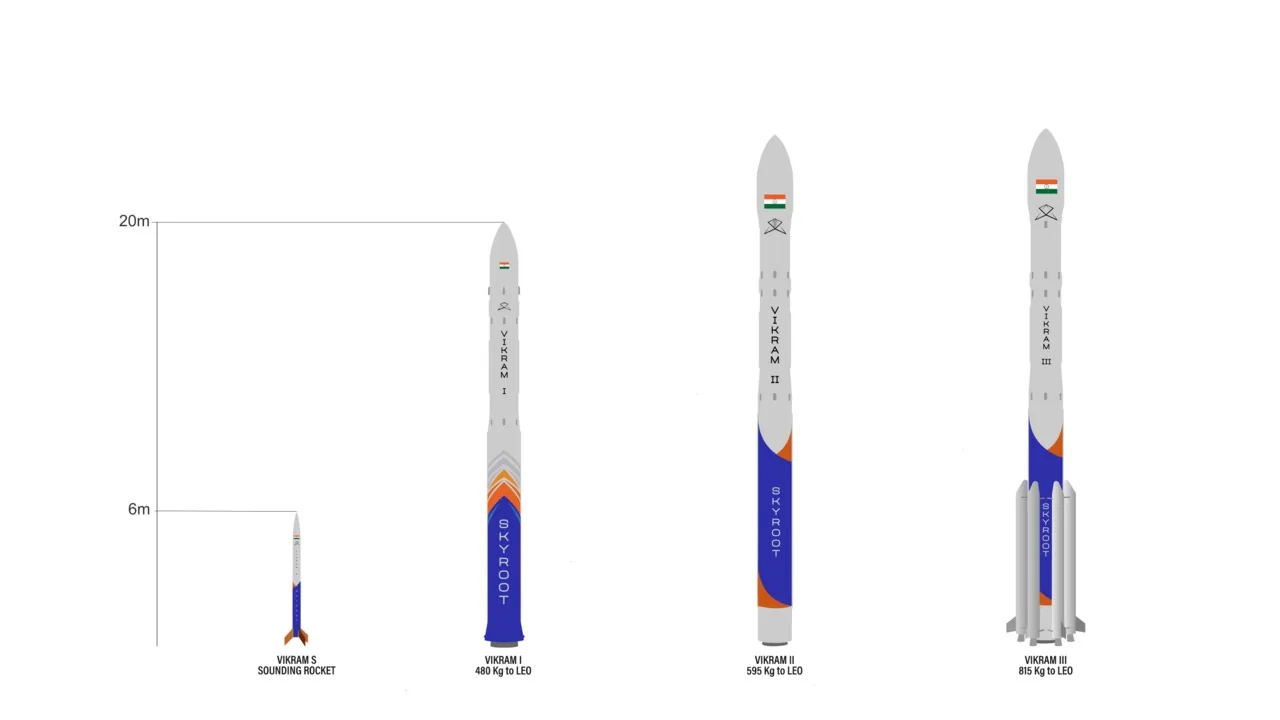
Skyroot's Vikram-1 vs Agnikul's Agnibaan: how India's two leading private launch startups compare on technology, funding, and timelines against Rocket Lab.
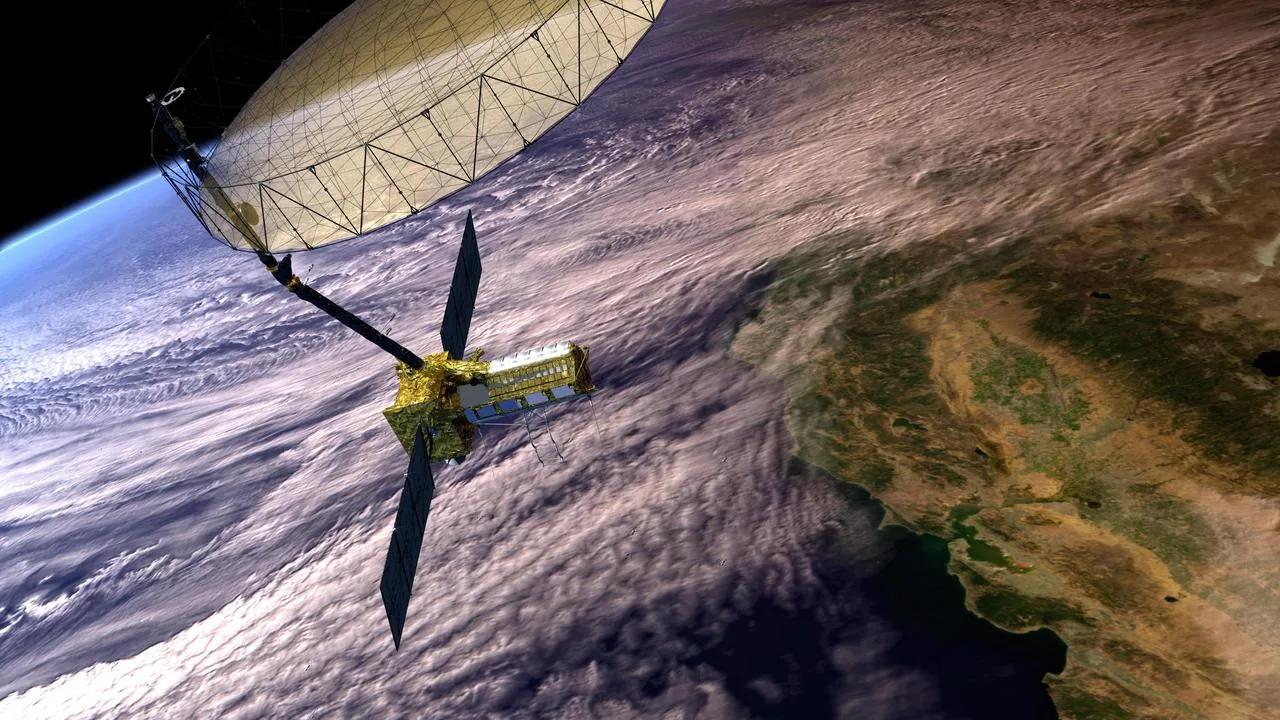
Inside Pixxel, the Bengaluru startup flying the world's highest-resolution hyperspectral constellation — Firefly, NASA, Rio Tinto and a whole new market.
How two ex-ISRO engineers built Skyroot into India's first private rocket firm and first space unicorn — Vikram-1, Dhawan engines, and Mission Aagaman.
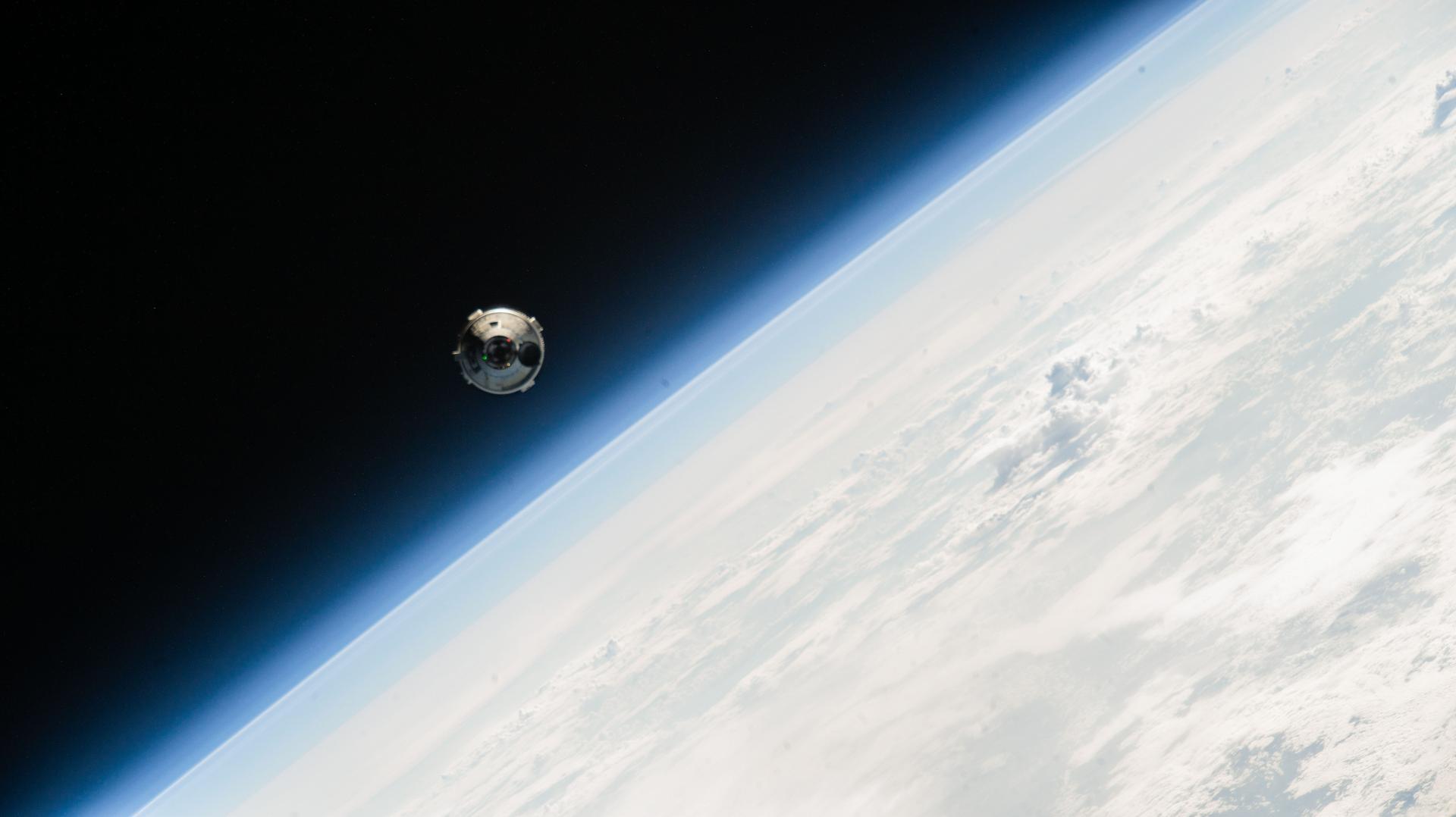
Boeing's Starliner flew two astronauts to the ISS in 2024 but came home empty. What went wrong with its thrusters, how the crew got back, and what comes next.

Rocket Lab is buying Iridium for $8 billion, betting that owning launch, satellites and spectrum makes it the only Western rival to SpaceX's vertical model.
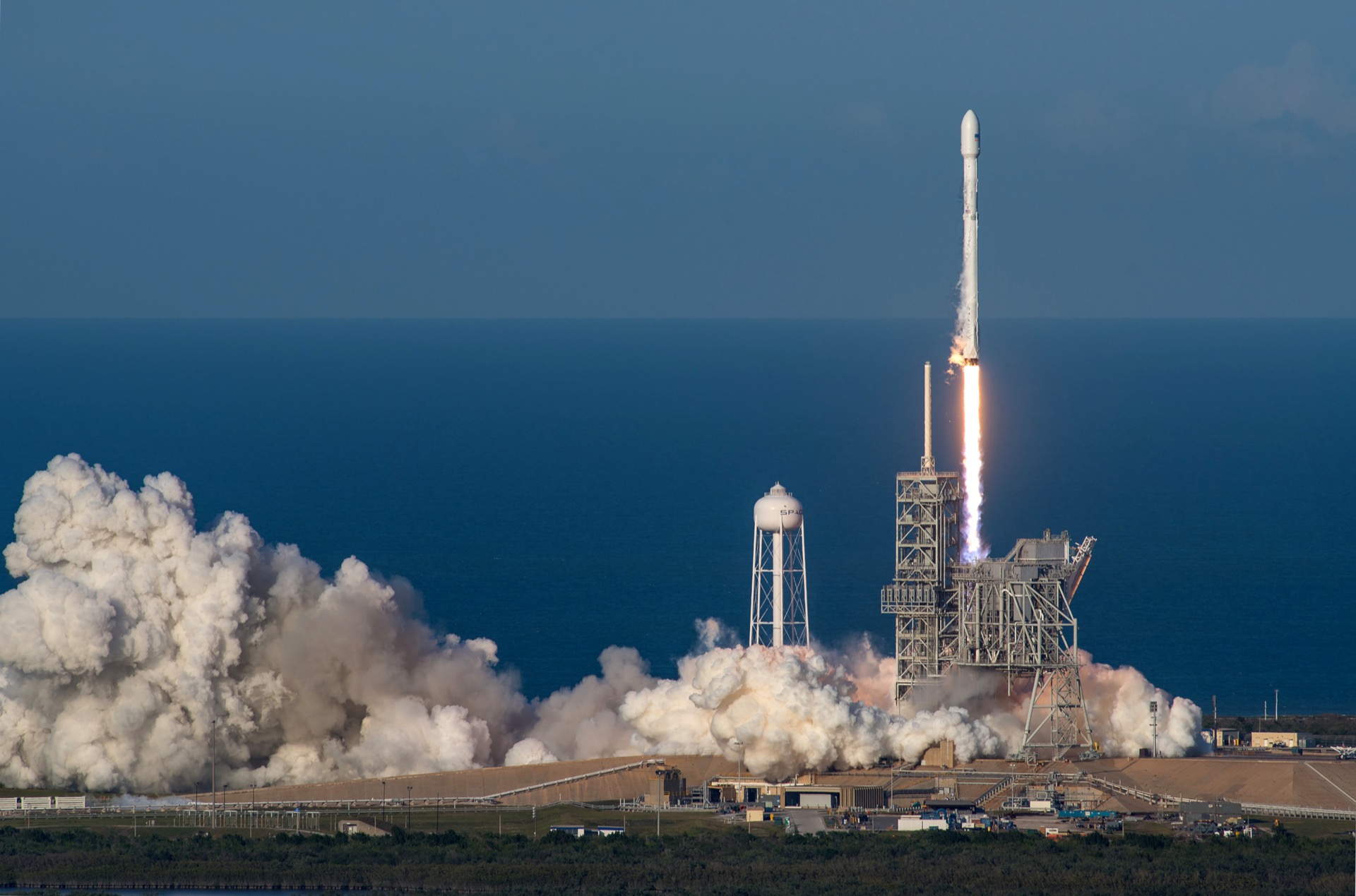
SpaceX's $75 billion Nasdaq debut is the largest IPO in history. Inside the record SPCX listing, the analyst valuation war, and what Elon Musk plans next.
A 2026 guide to the publicly traded space economy — 18 US tickers plus international plays — sorted into pure-plays, defense primes, and emerging IPOs. Includes market caps, revenue, catalysts, and a portfolio-construction framework.
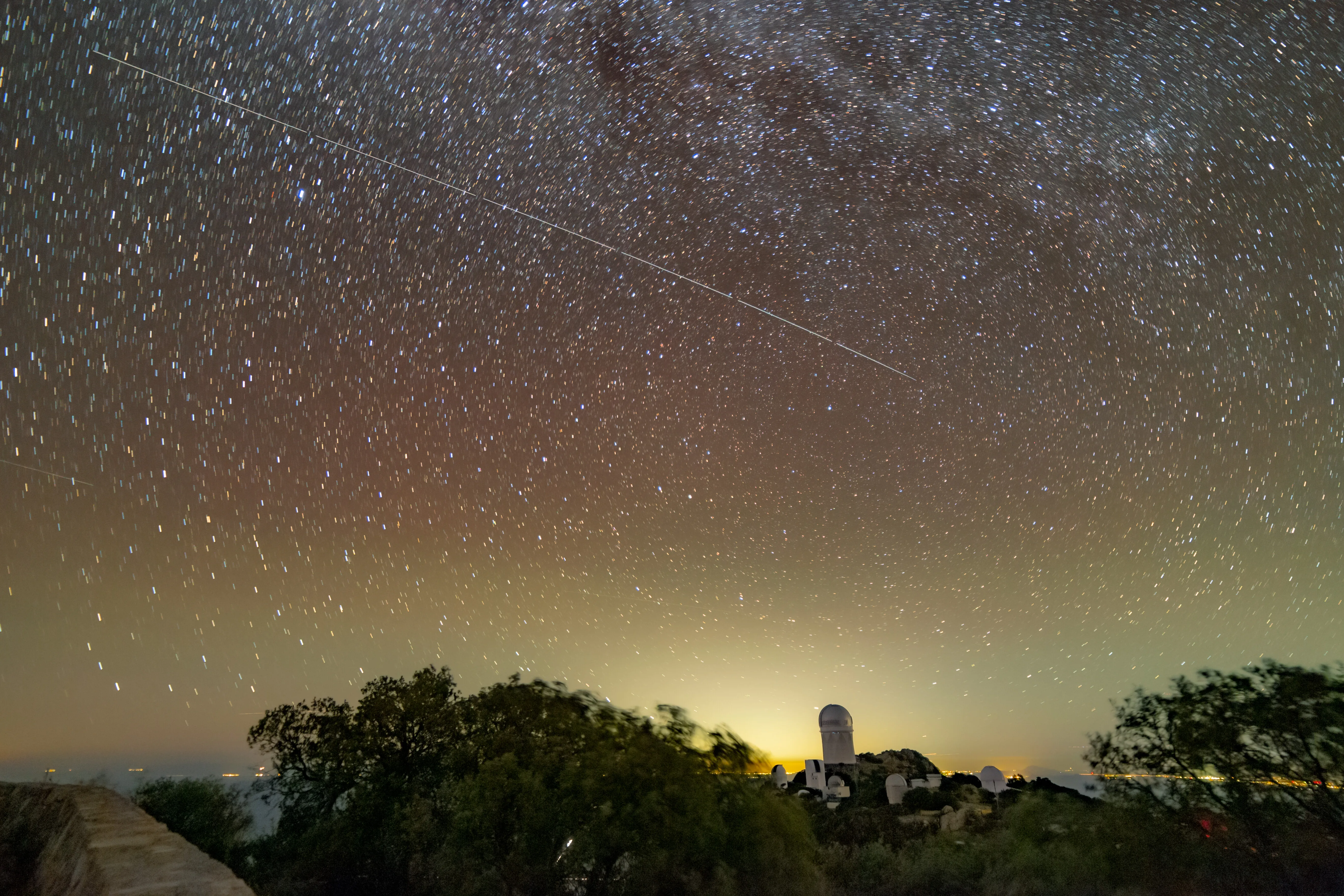
AST SpaceMobile (NASDAQ: ASTS) trades at a $21B market cap on $71M of FY25 revenue. Inside the BlueBird 7 loss, the $3.9B war chest, the 50+ MNO partnerships, and what investors should watch through the 2026 service launch.
Space VC funding post-SPAC crash and post-Firefly IPO: where the money flows. Vast, Varda, Impulse and a wave of Q1 2026 deals lead a sector built on real revenue.
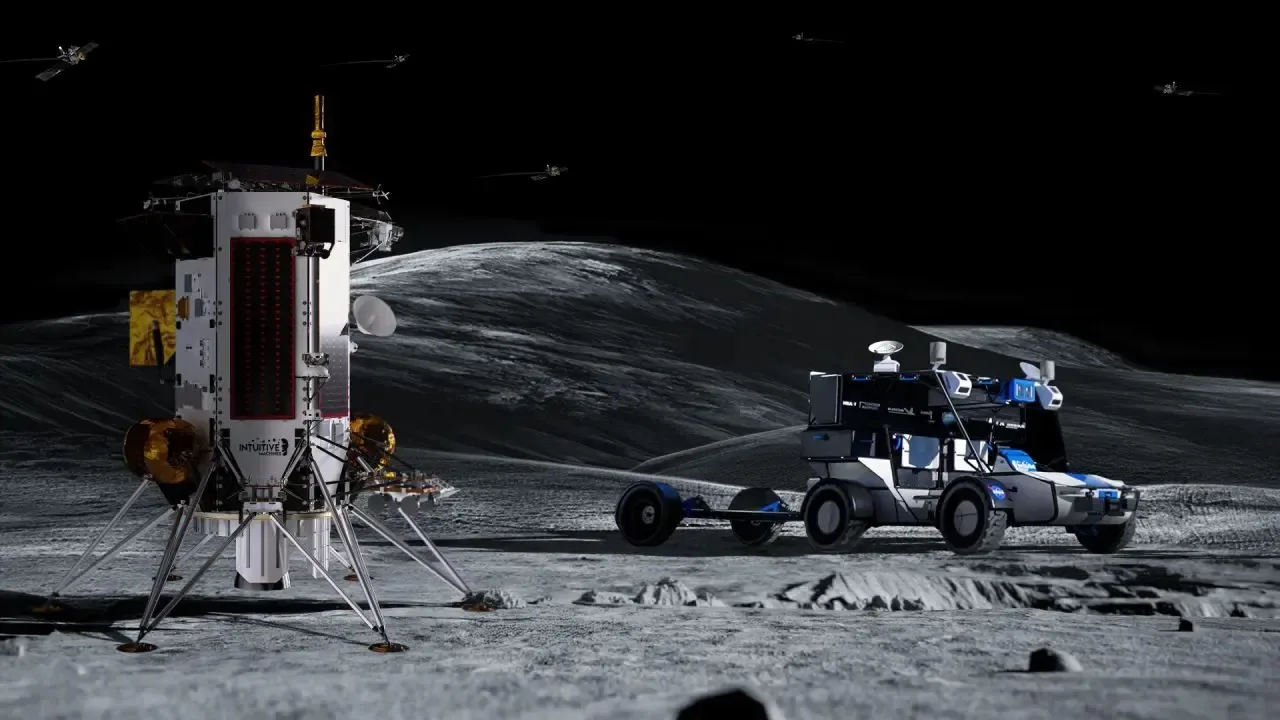
A complete deep dive into Intuitive Machines (LUNR): its Moon landers, NASA CLPS contracts, revenue, competitive moat, risks, and whether the stock adds up.
Between 2020 and 2024, nearly every space SPAC collapsed by 80-97%. This is the post-mortem every space investor needs to read before the next boom.
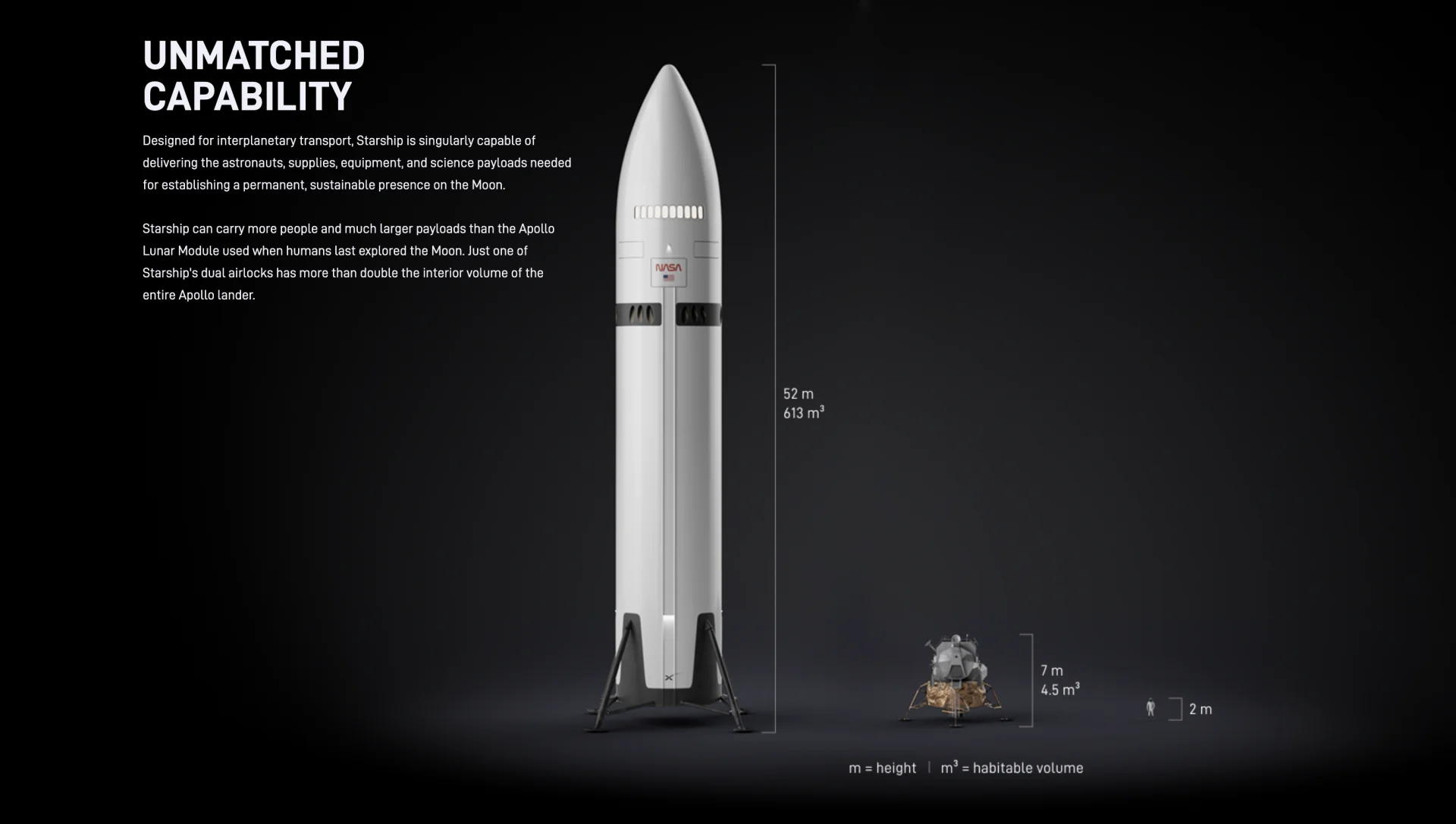
Starship caught its booster mid-air and survived re-entry. Here's what comes next: Starlink launches, Artemis HLS, and the first steps toward Mars.

Four companies are spending $50B+ to blanket Earth with satellite internet. Only one or two will dominate. Here's how each stacks up on technology, financing, customers, and long-term viability.
Lockheed, Northrop, L3Harris, and Raytheon all have major space businesses buried inside defense conglomerates. Here's how to isolate their space revenue and decide if the crossover premium is worth paying.
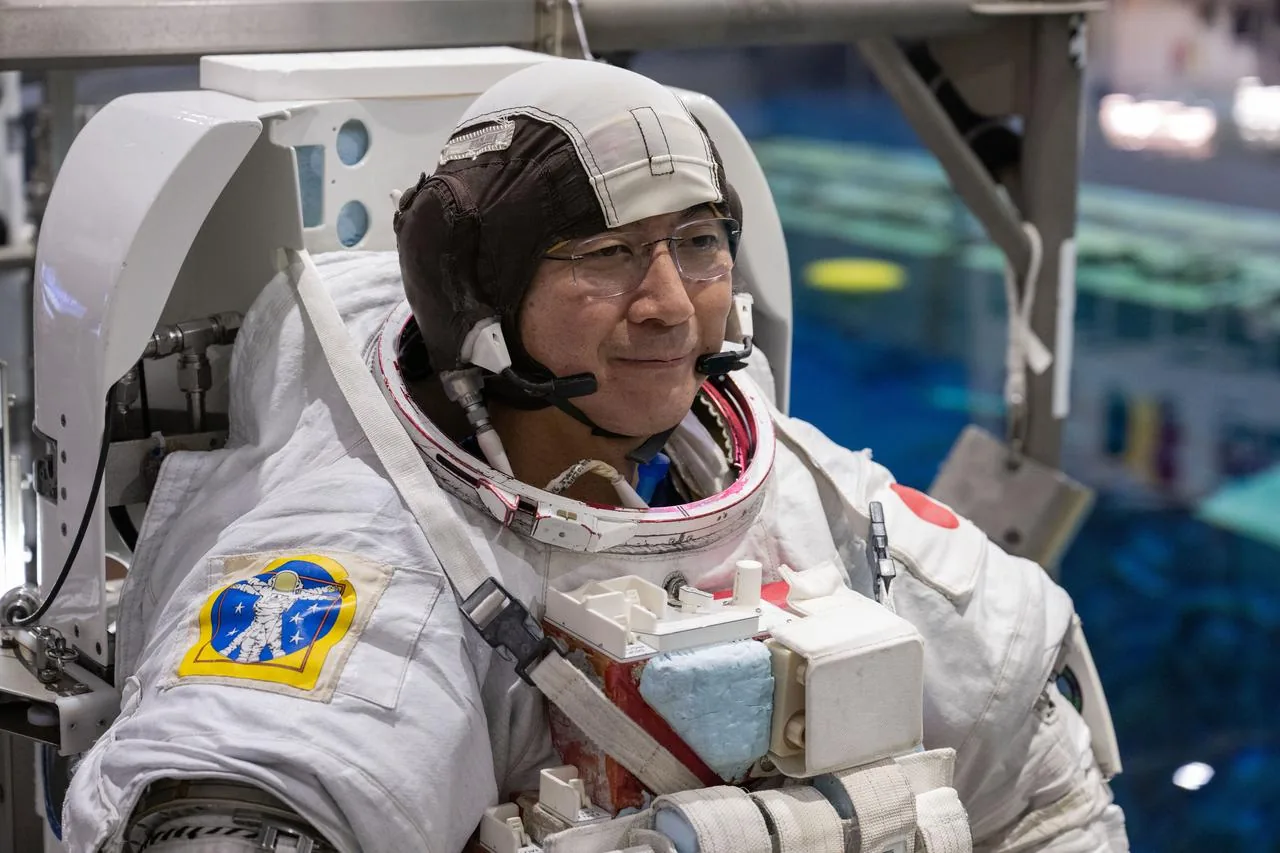
Japan's private space boom: ispace's Moon landers, Astroscale's debris cleanup tech, Synspective's SAR sats, and the startups making Japan Asia's commercial space hub.
Read NASA, USSF, NRO, and DoD space contracts the way analysts do. Walkthrough of USASpending.gov, the contract types (IDIQ, FFP, OTA, CPFF), and a sortable tracker of 30 major awards 2024–2026 — SDA Tranche 3, NSSL Lane 2, HLS, CLPS, GPS IIIF and more.
Every major launch provider publishes their upcoming flight schedule. Most investors ignore it. Here's how to read a launch manifest to spot revenue trends, customer mix, and competitive signals before they hit earnings.
Abu Dhabi's Mubadala, Saudi Arabia's PIF, and Singapore's GIC are quietly positioning in space. When $3 trillion in patient capital moves into an asset class, retail investors should pay attention.

NASA spends $25B, ESA pools 23 nations for ~$8B — yet both lead in science, Earth observation, and deep space. An honest side-by-side of how they differ.
Varda Space is already making pharmaceuticals in orbit. ZBLAN fiber optics, semiconductors, and exotic alloys are next. Here's the full investor breakdown of what actually gets made in space and who profits.
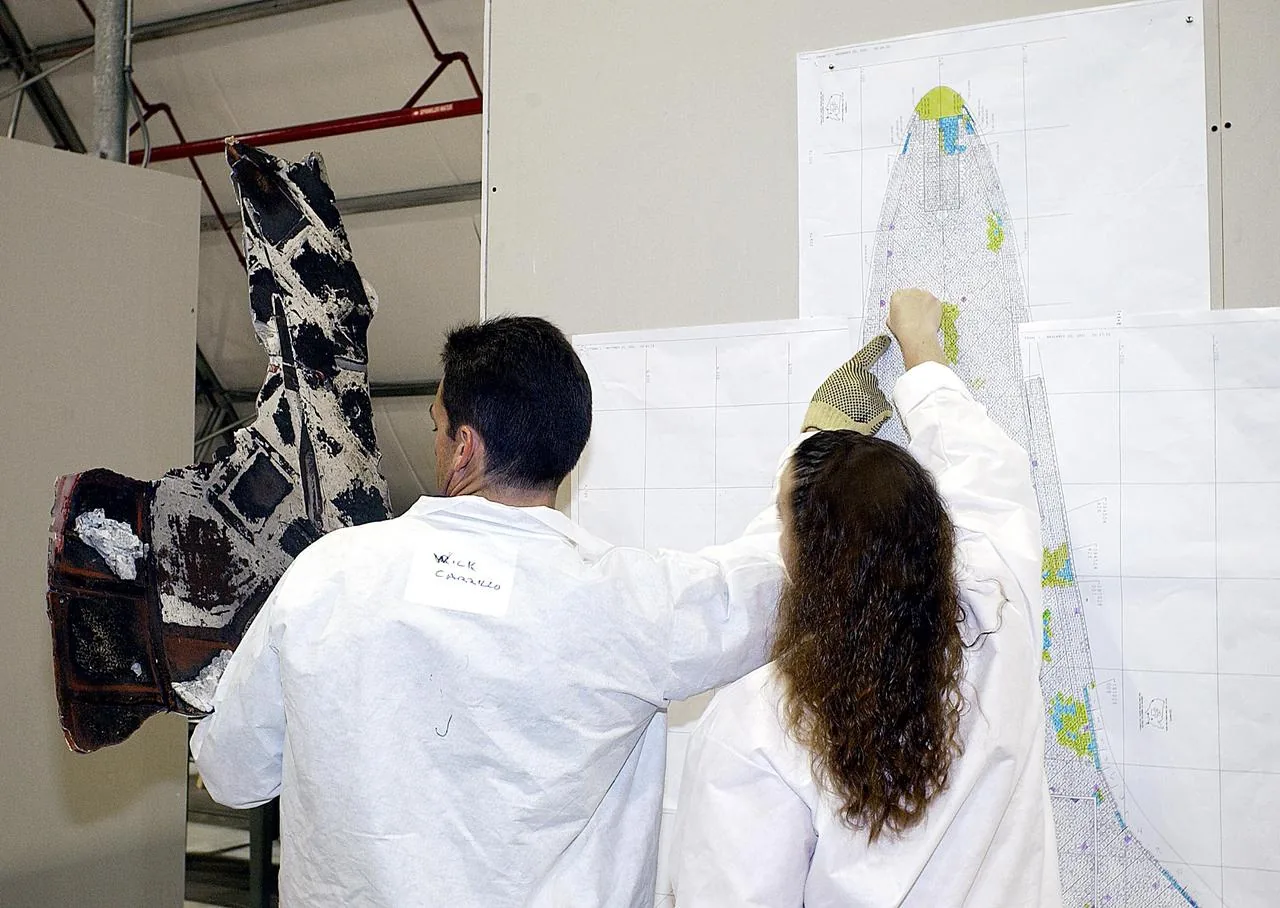
There are 45,000 tracked debris objects in orbit and 100 million untracked. A Kessler cascade would end the LEO economy for decades. Here's how this systemic risk affects space investments — and who profits from solving it.
Ariane 6 vs Falcon 9 compared: specs, cost, reusability, and why Europe builds its own rocket even though SpaceX launches for half the price.

Amazon's $11.57B Globalstar acquisition reshapes the direct-to-cell satellite market. Inside the deal, the Apple bonus, and how Amazon Leo stacks up against Starlink and AST SpaceMobile.
Amazon's $10B Project Kuiper rebrands as Amazon Leo: 241 satellites in orbit, 3,200 committed, an FCC deadline, and a head-on race with Elon Musk's Starlink.
How the Netherlands hosts ESA's largest facility, builds Europe's solar arrays, and quietly anchors the continent's space ambitions from Noordwijk to orbit.
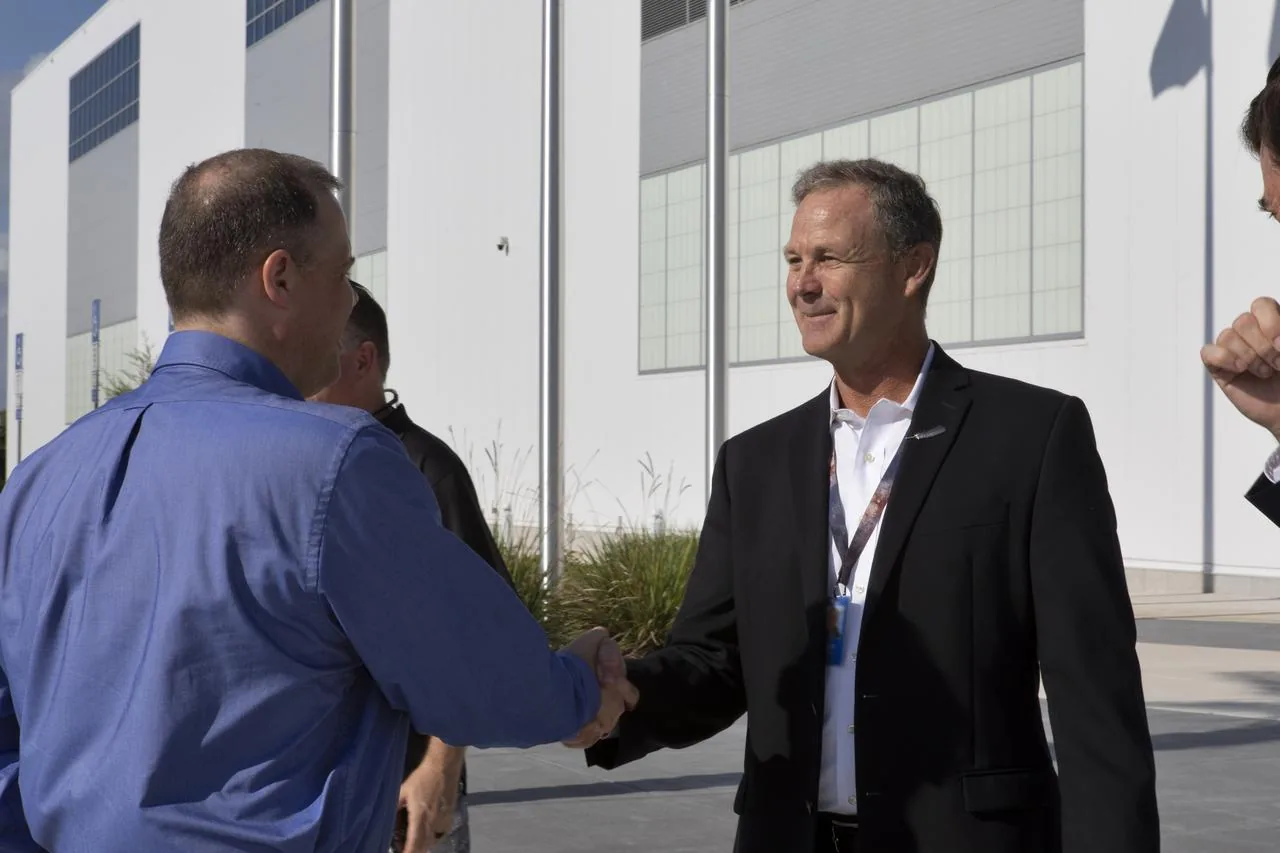
Inside Blue Origin: New Glenn's first booster reuse on NG-3, BE-4 powering ULA Vulcan, Blue Moon Mk1 nearing lunar debut, and the Bezos-funded long game in space.
How Switzerland became essential to European space -- from Apollo 11 instruments to ClearSpace debris removal, RUAG fairings, and EPFL spin-offs shaping
Inside Airbus Defence and Space: Europe's 35,000-employee space prime behind Galileo, Copernicus, OneWeb, and the Orion service module that flew NASA astronauts around the Moon on Artemis II.
Norway's space program: Andøya Spaceport, Kongsberg satellites, SvalSat at 78°N, NorSat Arctic surveillance, and the push for European orbital launch.
Relativity retired its 3D-printed Terran 1, pivoted to the reusable Terran R, and brought in Eric Schmidt as CEO. Inside the autonomous-manufacturing bet that's now targeting late 2026.
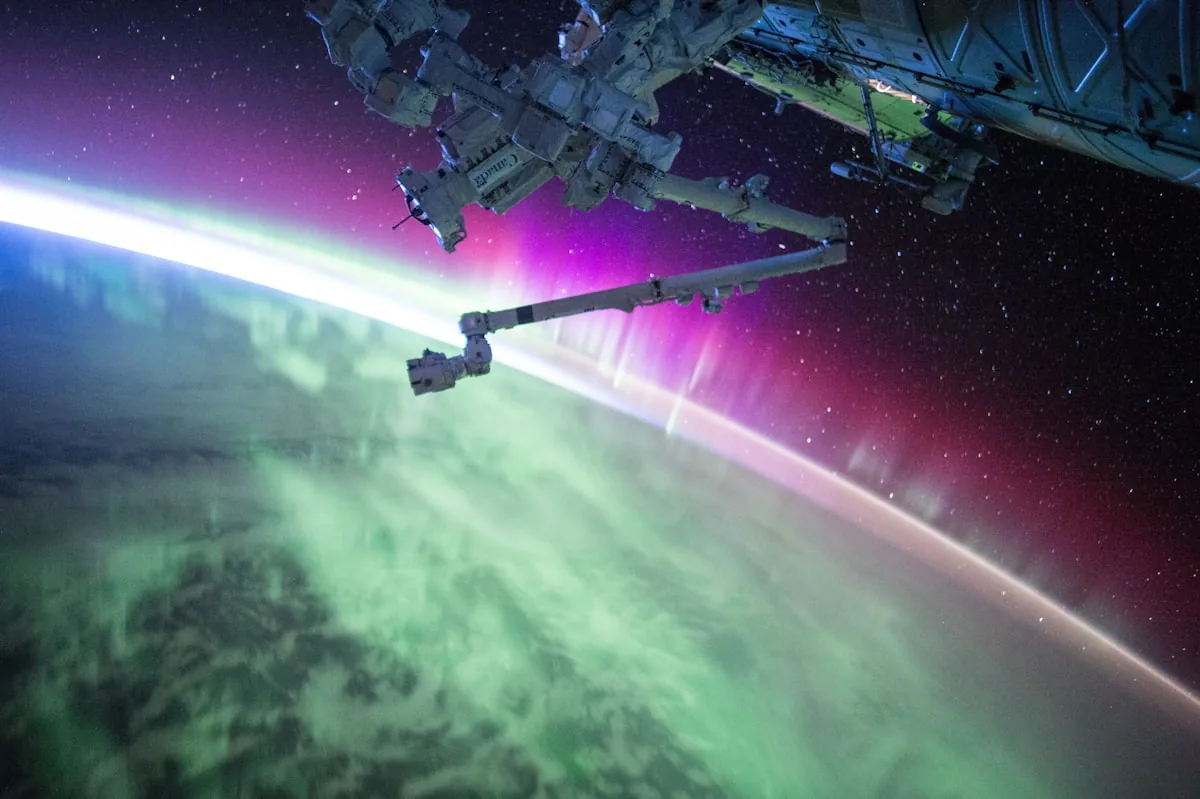
Inside China's commercial space boom: LandSpace's reusable Zhuque-3 first orbital flight, Galactic Energy's 23-launch Ceres-1 streak, Space Pioneer's Tianlong-3 debut, Deep Blue's Nebula push, and the fastest-growing launch industry on Earth.
Sweden built a spaceport above the Arctic Circle, operates ground stations on every continent, and is now preparing Europe's first mainland orbital launches.
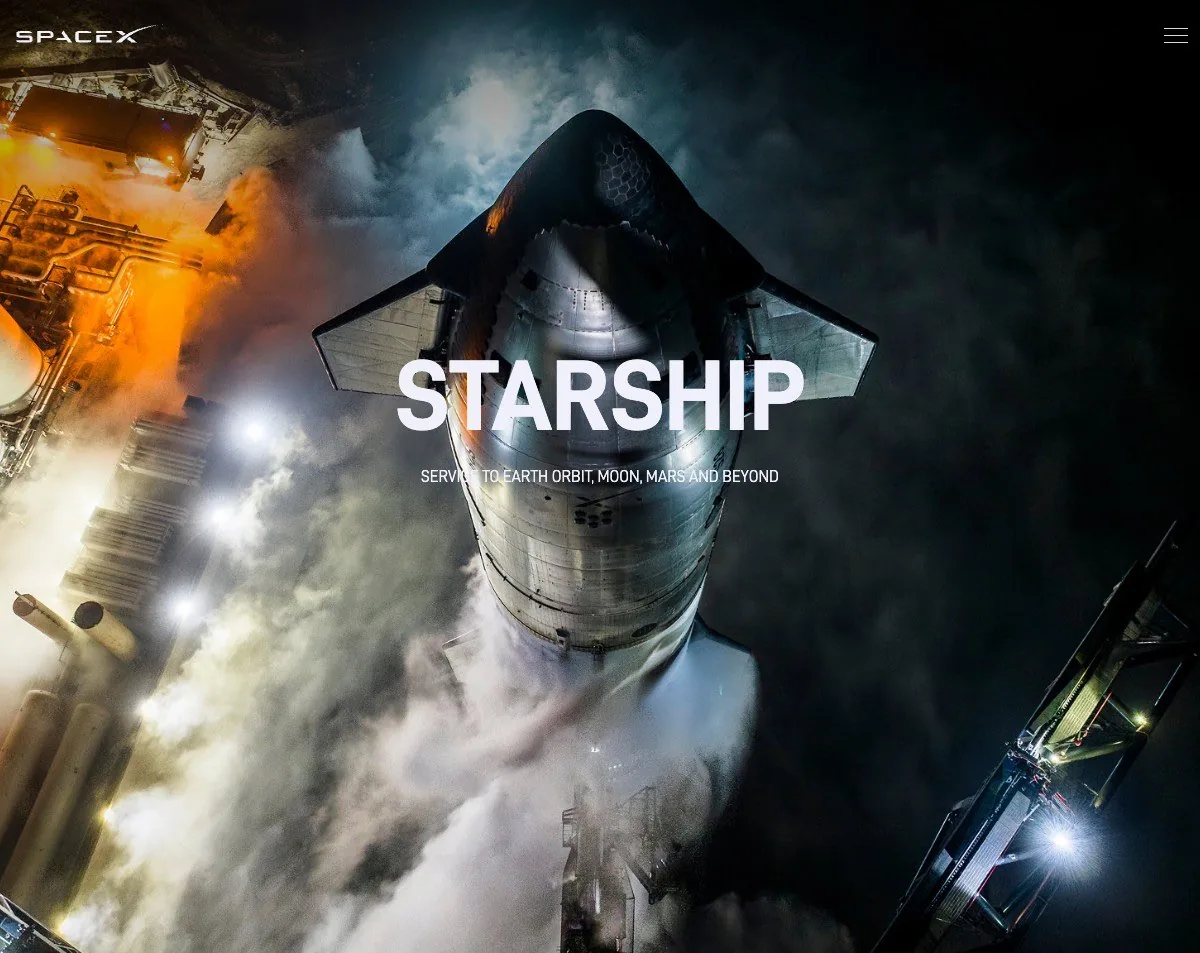
SpaceX today: a ~$1.25 trillion combined valuation post-xAI, 165 launches in 2025, Starship Block 3 incoming, Starlink at 10M+ subscribers, and an IPO on the runway.
Sierra Space's Dream Chaser spaceplane lands on runways and the LIFE habitat targets post-ISS stations. Tom Vice, Orbital Reef, NASA CRS-2 cargo, and the financial risks.
How Spain became Europe's emerging launch power: PLD Space's Miura rockets, Hispasat satellites, INTA heritage, Satlantis, Sateliot, and the Canary Islands spaceport bid.

Inside Axiom Space: private astronaut missions, the AxEMU Artemis EVA suit, the AxH1 ISS module, and the staged plan for a standalone commercial station.
Inside Arianespace and ArianeGroup: how Europe's launch industry climbed back from a 2024 cadence collapse to fly Ariane 6 five times in 2025, return Vega-C to flight, and book the multi-billion-euro Amazon Kuiper manifest.

Lockheed Martin Space: the Orion capsule, GPS III, A2100 satellites, SDA Tranche 3, NGI, and the prime contracts shaping US national security space.
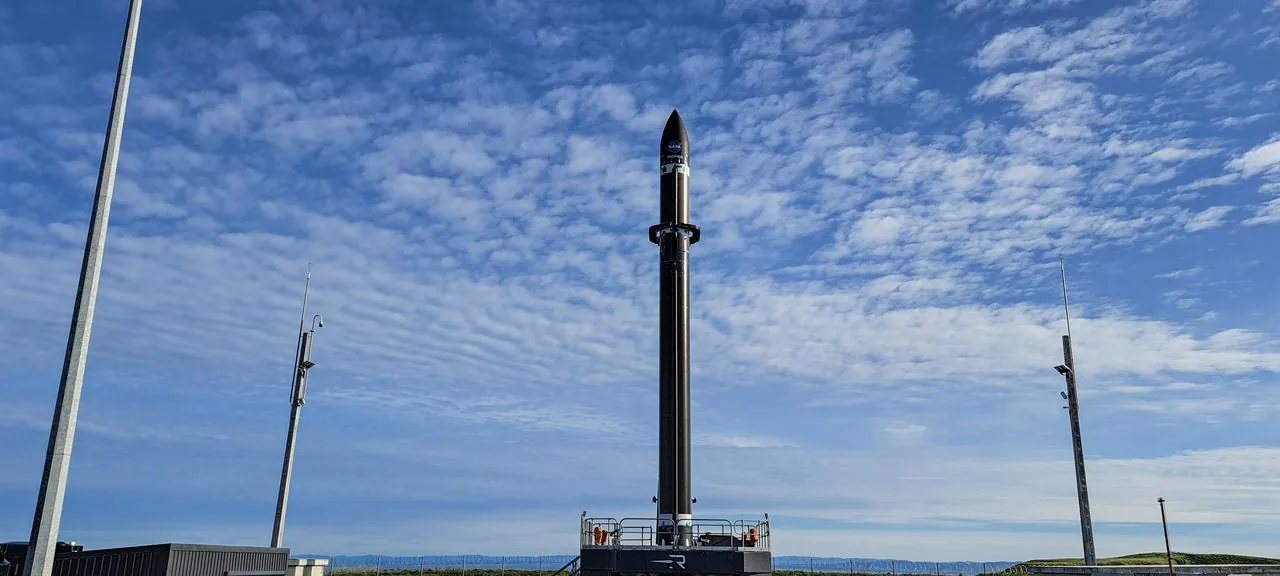
Rocket Lab's Electron has flown 75+ missions; Neutron is now targeting late 2026 from Wallops. Peter Beck, the Archimedes engine, and the plan to challenge SpaceX in medium lift.
Italy's industrial space giants — Thales Alenia Space, Telespazio, Leonardo — and how Turin became the factory building Europe's future in orbit.
Northrop Grumman Space: Cygnus cargo, JWST prime, SLS solid boosters, SDA Tranche 3, HALO Gateway, and the prime contractor's dual-mandate portfolio.
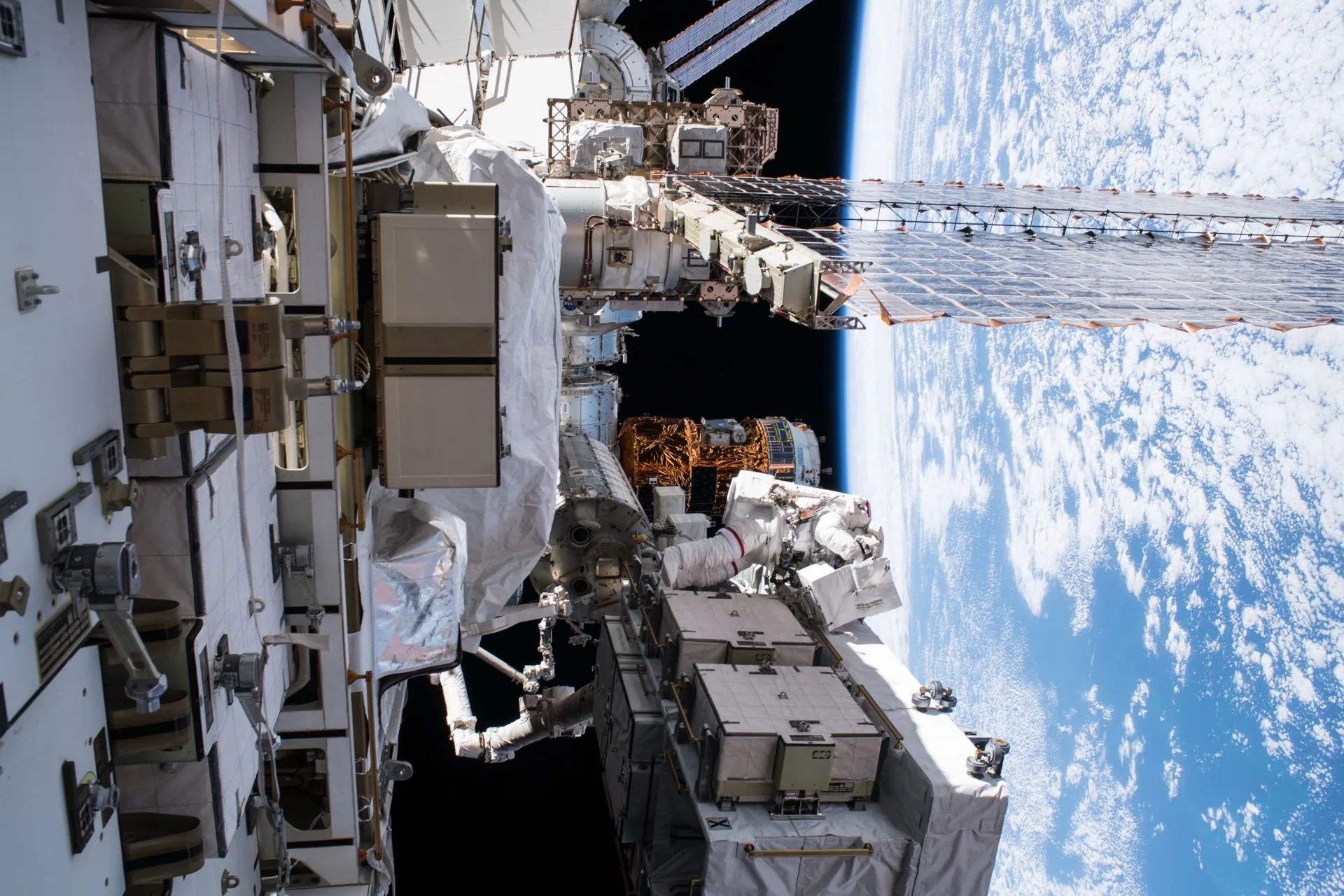
Launch is only ~2-3% of the ~$626B space economy. The other 97% — Earth observation, satcom, GPS, debris removal, tourism, manufacturing — and the sectors most investors miss.
Inside ISRO and India's NewSpace boom: 17,000 staff, Chandrayaan-3's lunar south-pole win, NISAR launched July 2025, Gaganyaan abort tests done, plus Skyroot, Agnikul and Pixxel rewriting the rules.
From near-bankruptcy to a Nasdaq IPO and a successful Moon landing: Firefly's Alpha, Blue Ghost, and the new Eclipse medium-lift partnership with Northrop Grumman.
How Italy became the third nation in space, built half the ISS's habitable volume, and gave Europe its own rocket — a deep dive into 60 years of Italian spaceflight.
Mitsubishi Heavy Industries space arm: prime contractor for the now-retired H-IIA and the new H3 rocket, with the HTV-X cargo vehicle, LUPEX lunar partnership, and Japan's national launch backbone.
L3Harris after the Aerojet Rocketdyne buy: HBTSS, tactical SATCOM, SDA tracking satellites, missile-warning sensors, and propulsion.

From SABRE's collapsed dream to Lloyd's satellite underwriters and Glasgow's factory floor, Part 2 maps the technologies and institutions powering Britain's space future.
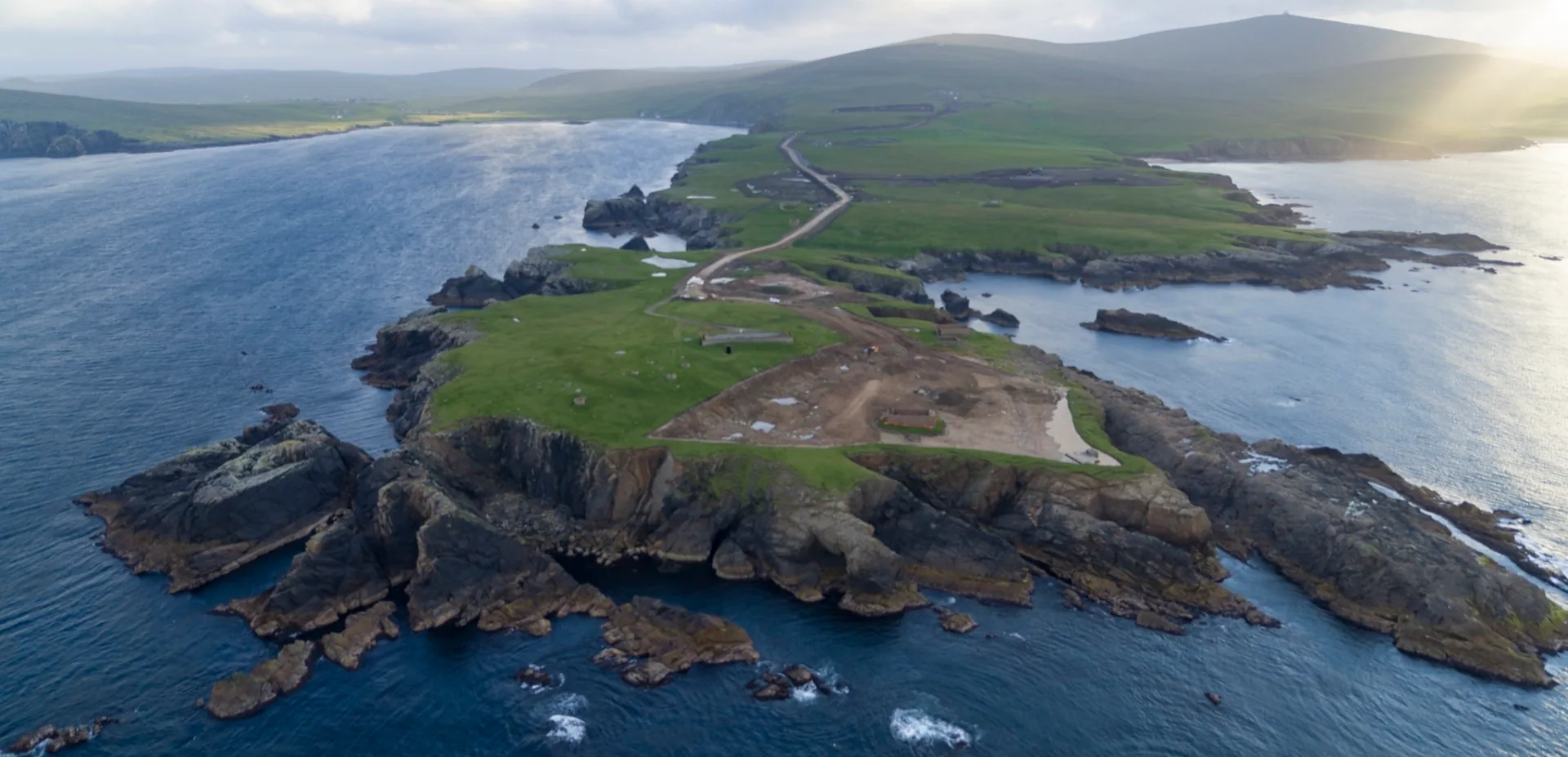
The UK launched its own satellite in 1971 — then killed the program. Now Scotland is building Europe's space coast, and Britain is betting billions on orbital return.
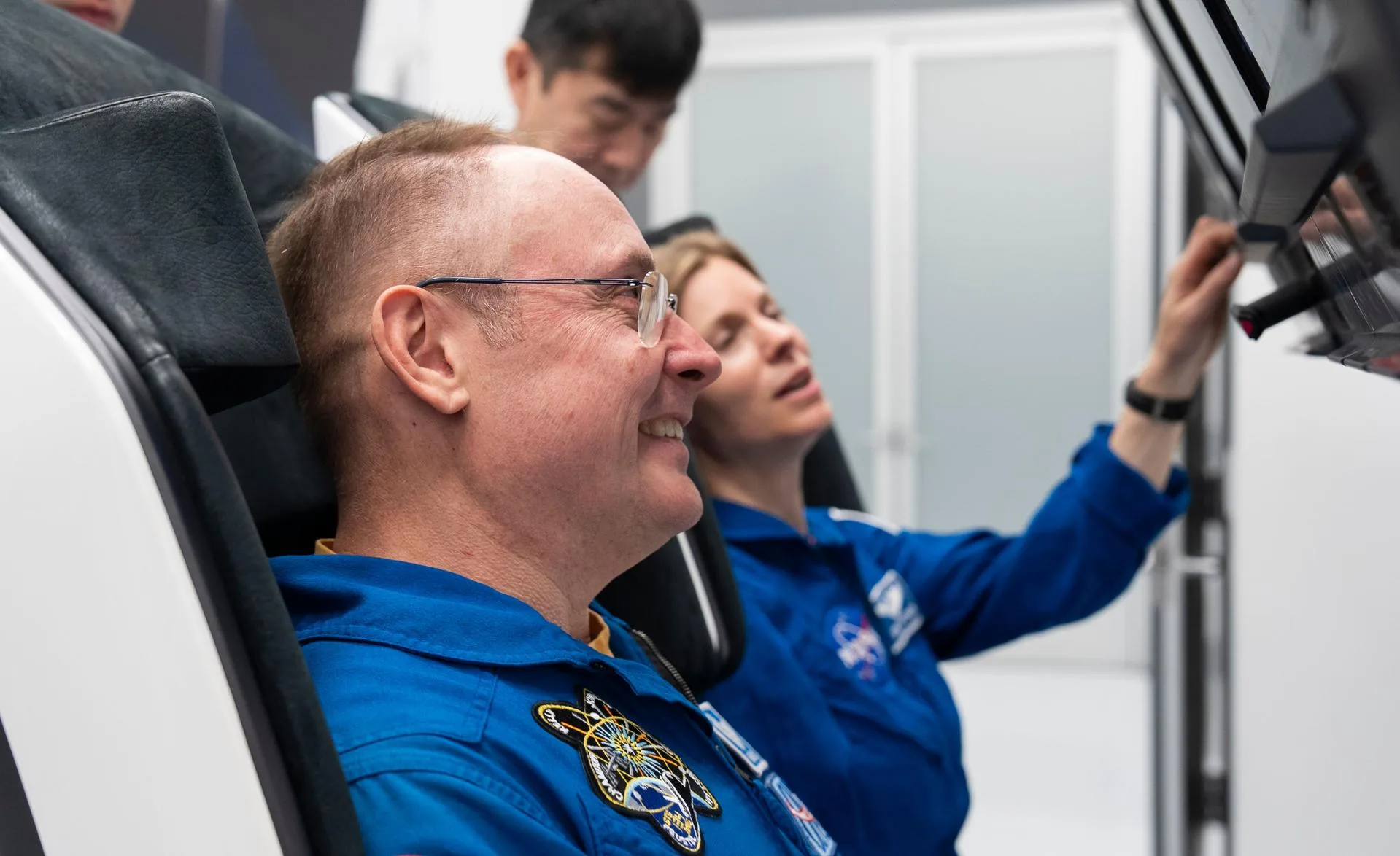
The 15 most valuable private space companies in 2025: SpaceX at $350B, Relativity, Axiom and the asteroid miners. Valuations, milestones and who backs
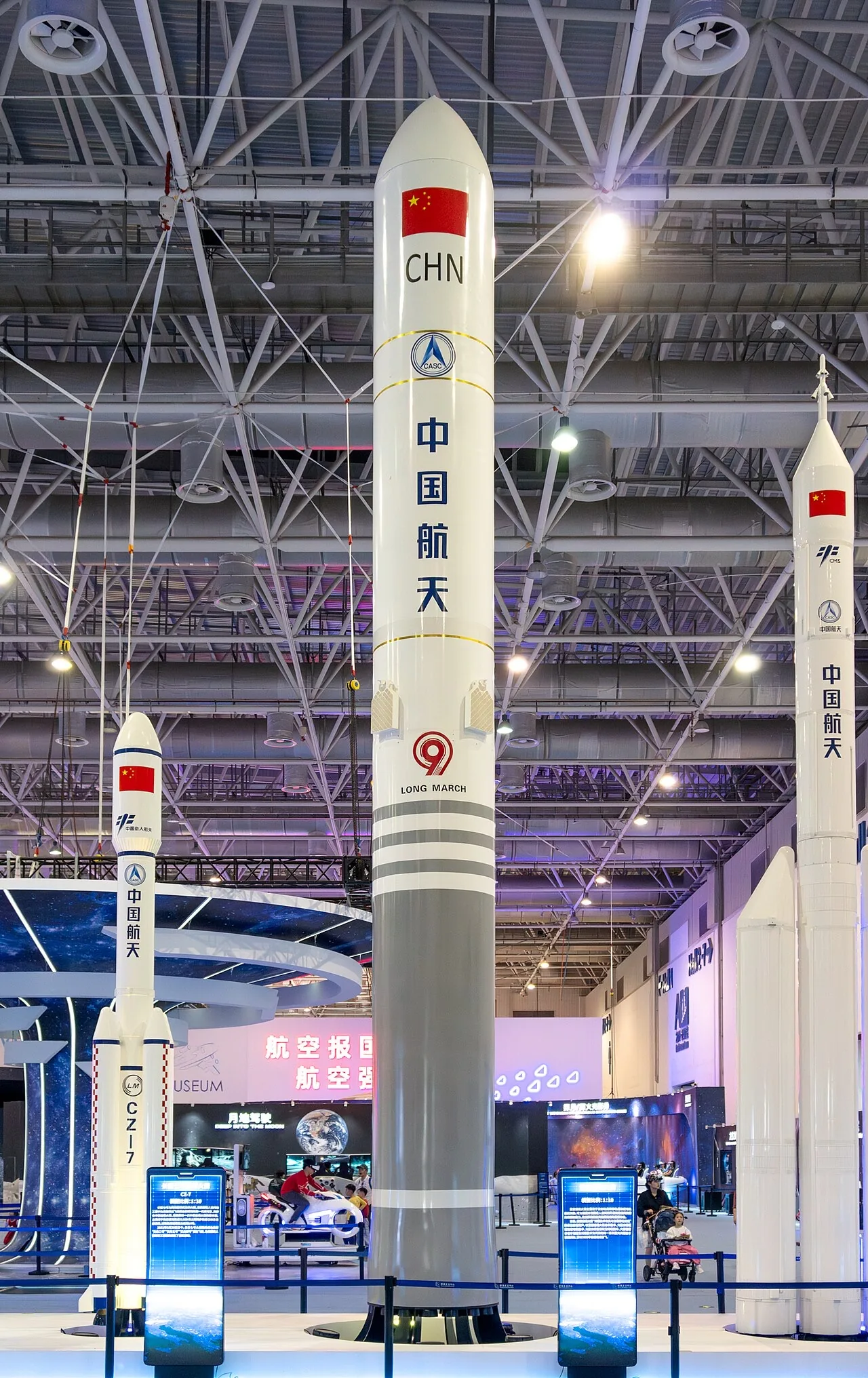
China's private space revolution: 30+ startups, $15B invested since 2015, LandSpace's Zhuque-2, Galactic Energy's Ceres-1, and the firms actually challenging SpaceX.
Australia's $12B space push: Gilmour's Eris rocket, Fleet Space, the Arnhem spaceport, and how Southern Launch is turning Woomera's old tracking heritage into a new industry.
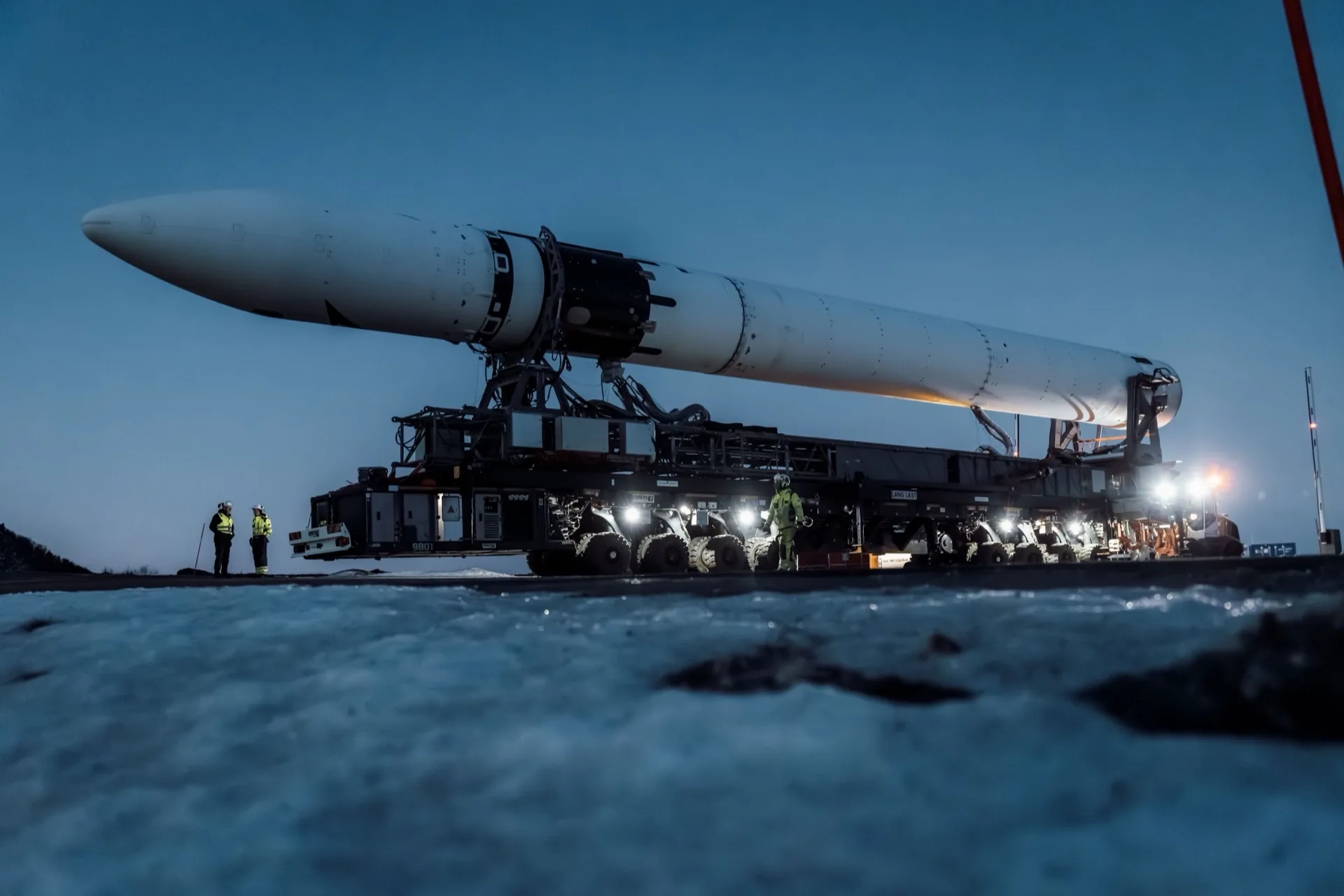
OHB builds Galileo satellites, Airbus assembles Orion modules, and Germany is pouring €35B into defense space — inside Europe's largest space industry.
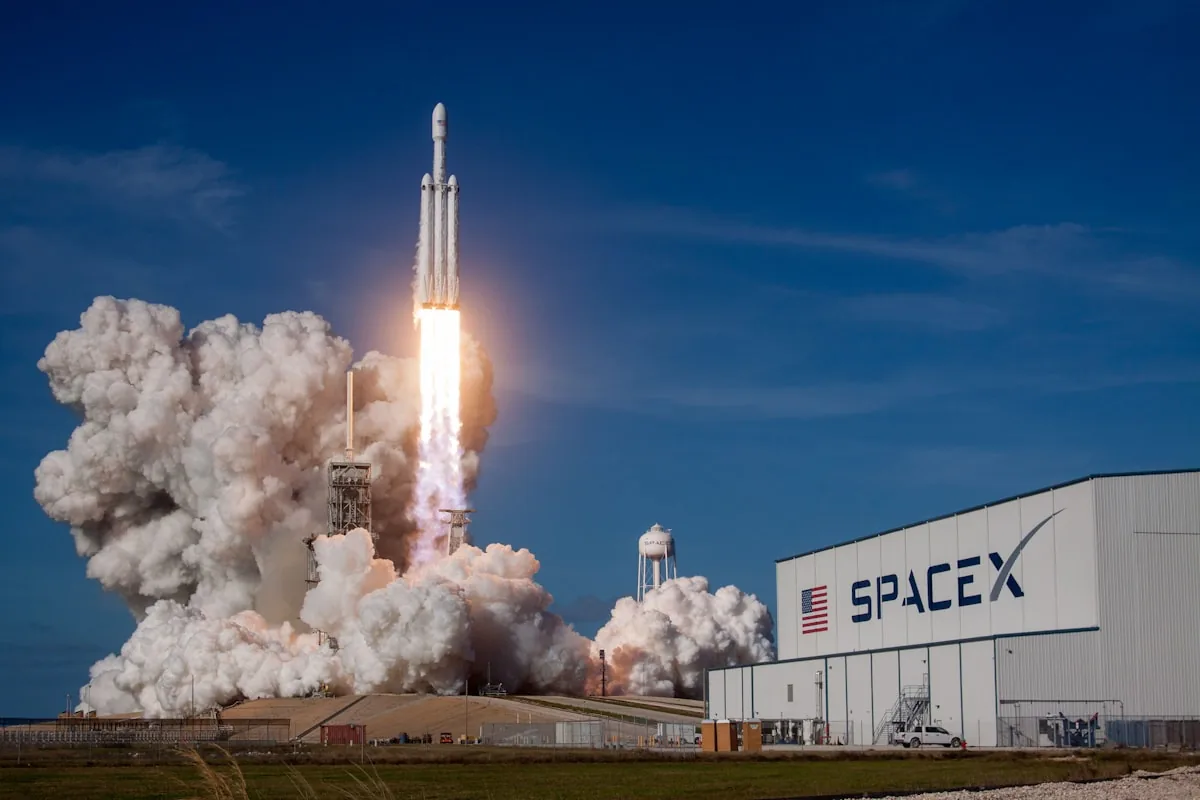
Launch costs compared: Falcon 9, Falcon Heavy, Vulcan Centaur, New Glenn, Neutron, Electron, Ariane 6, Long March, and Starship — list prices, $/kg, and reusability.
Japan's space program decoded: JAXA's SLIM 55-meter Moon landing, the H3 rocket, ispace, Astroscale debris cleanup, and Tokyo's commercial lunar ambitions.
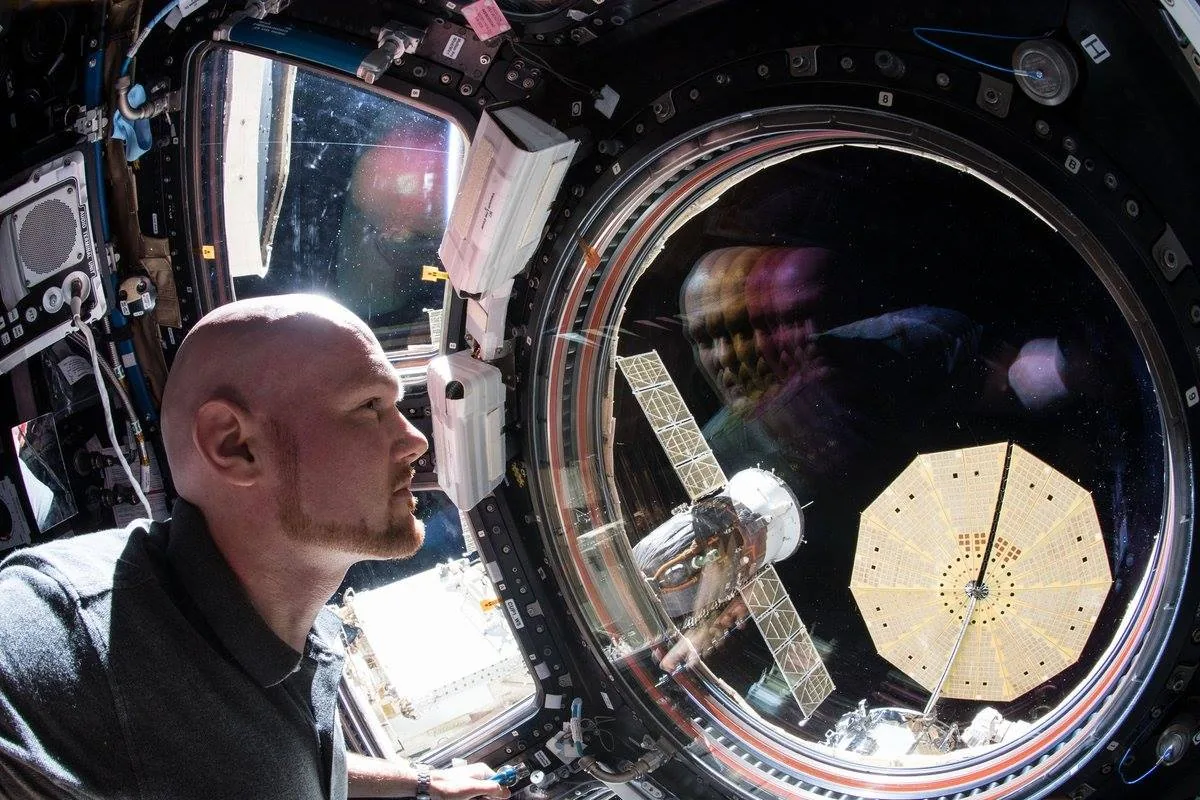
Germany is ESA's biggest funder at €5.4B, runs 55 DLR research institutes, and is racing to launch two private rockets — Spectrum and RFA ONE — by 2026.
The commercial space stations racing to replace the ISS by 2030: Axiom Station, VAST's Haven-1, Orbital Reef, Starlab, Tiangong, and ISRO's Bharatiya Antariksh Station under NASA's CLD program.
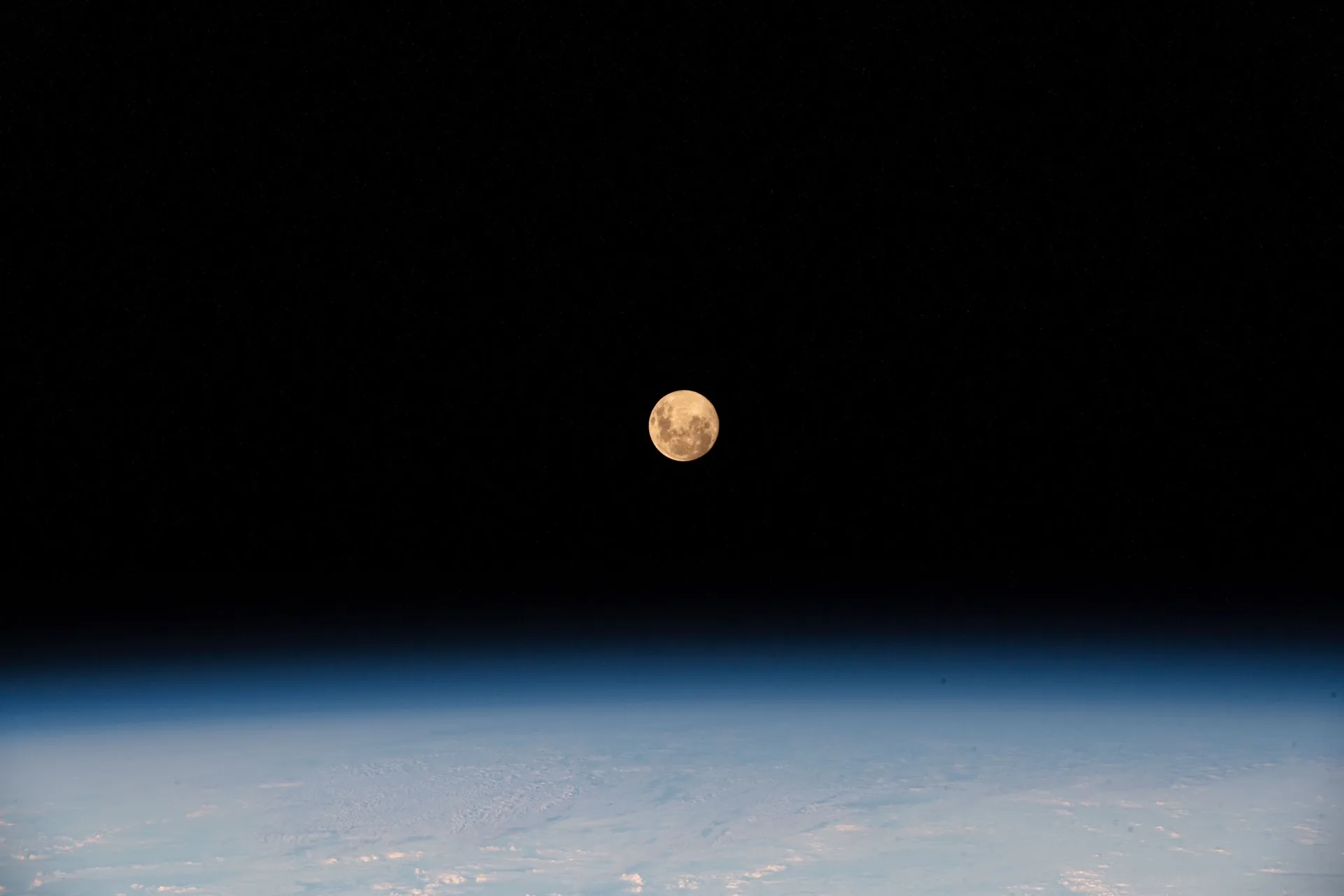
From Chretien's 1982 Soyuz flight to Pesquet commanding the ISS, France built Europe's astronaut corps, satellite giants, and only independent military space.
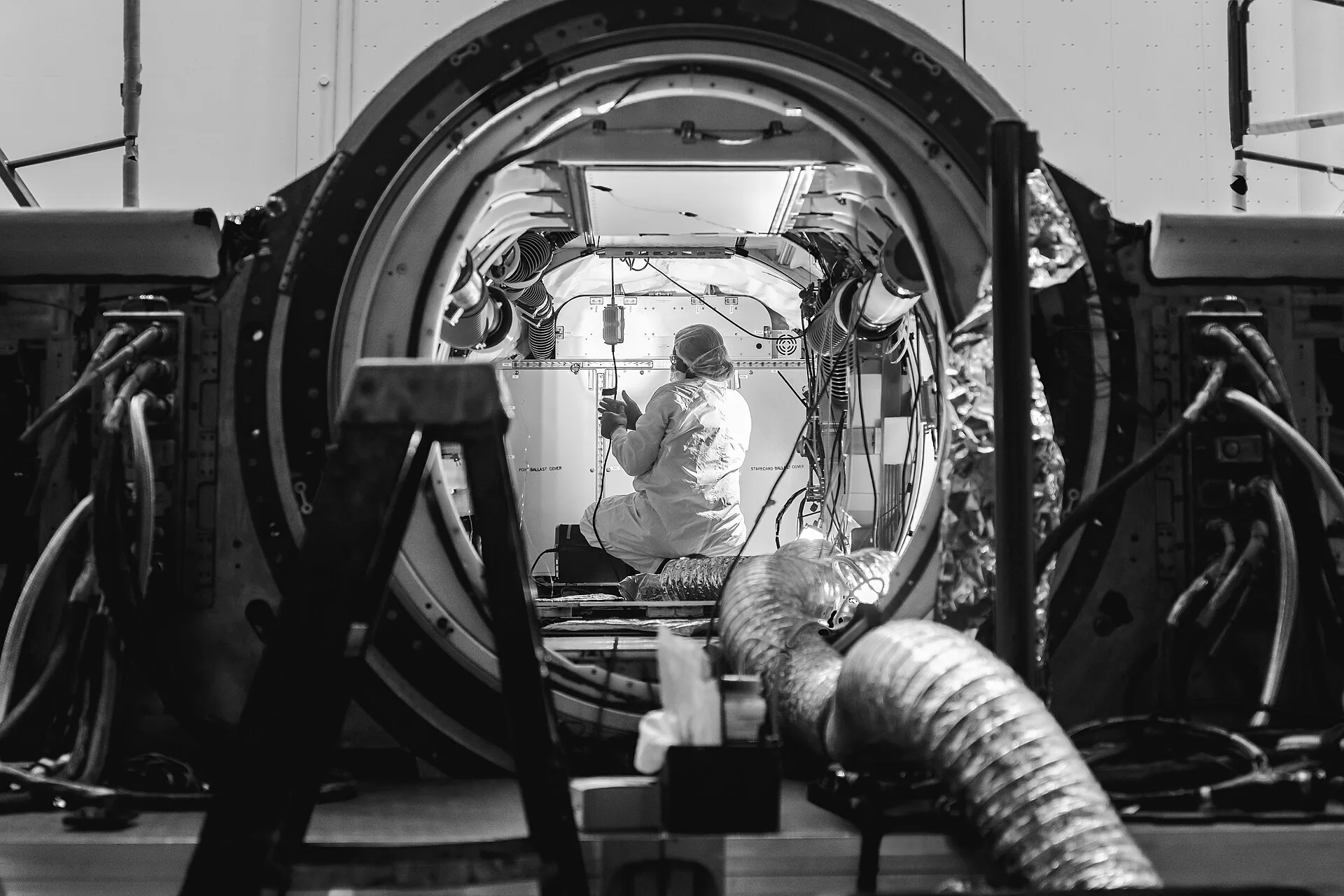
Dream Chaser has been in development for 30 years. Now Tenacity is ready to fly ISS cargo missions under CRS-2 — lifting-body heritage, runway landings,
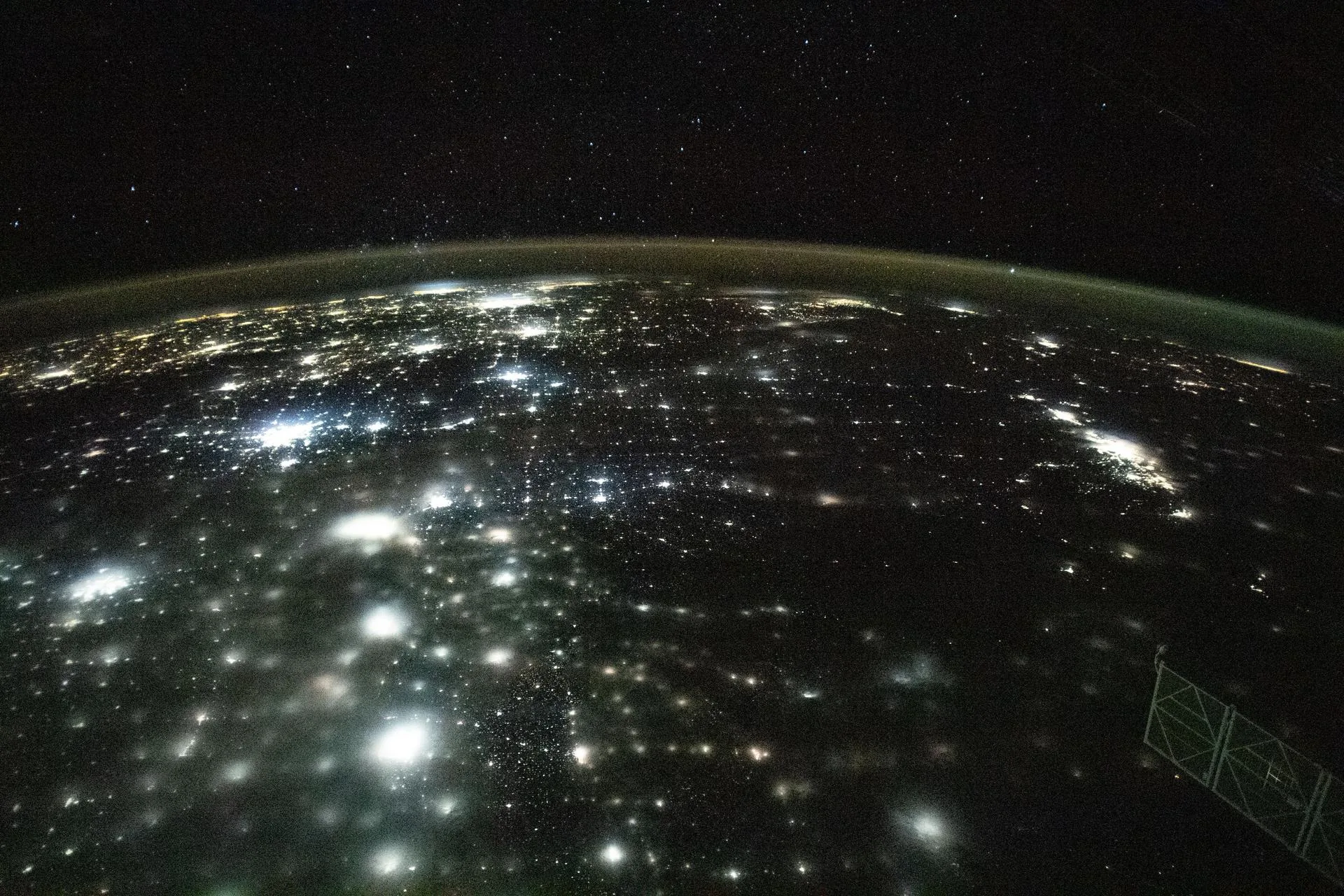
80+ countries operate satellites and 40+ have space agencies in 2025. A country-by-country map of space companies, budgets, missions, and Artemis Accords
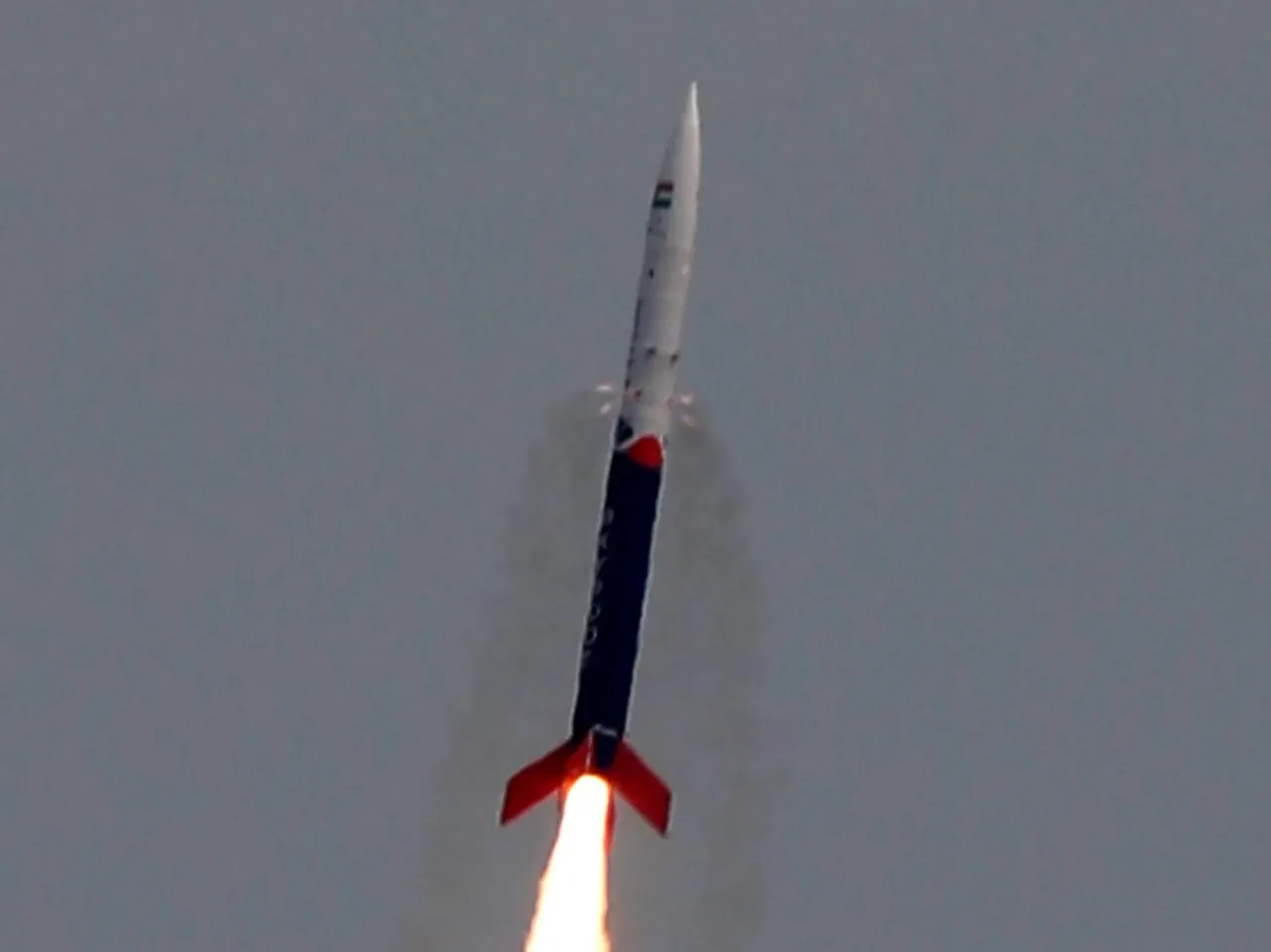
India's private space boom: Skyroot, Agnikul, Pixxel, and 250+ startups racing to capture a slice of the global space economy. $400M invested, policy reforms, and the road to 2035.
Space startups to watch beyond SpaceX and Blue Origin: Firefly (now public), Relativity, Stoke, Vast, Impulse, Astrobotic, ispace, Varda and more — flying hardware, winning contracts.
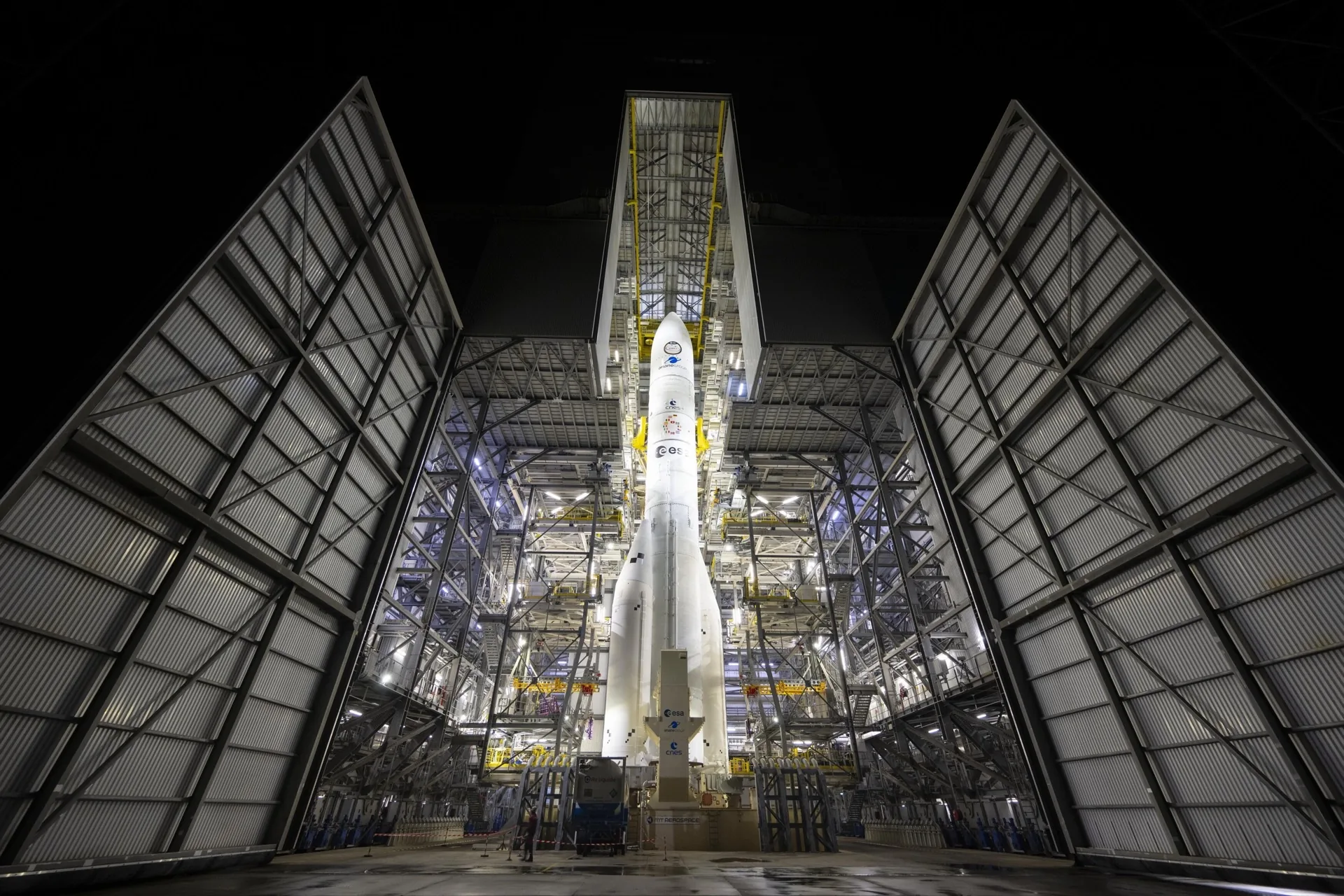
France built Europe's spaceport, created the Ariane dynasty, and became the third spacefaring nation in 1965. A deep dive into CNES, Kourou, and Ariane 6.
How Axiom Space plans to build the world's first commercial space station by docking modules to the ISS first, then detaching to form a private orbital outpost.
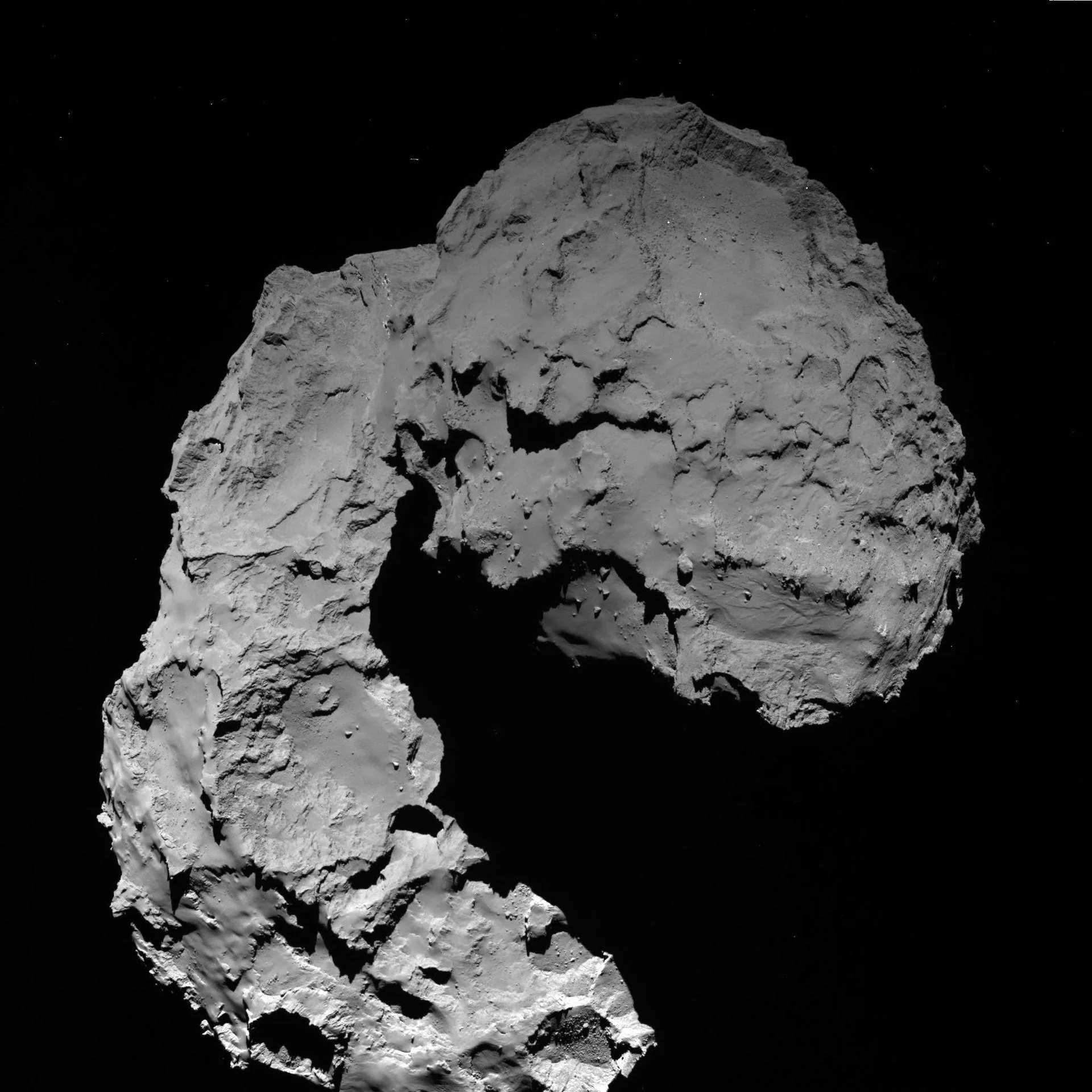
From Rosetta's comet landing to Copernicus monitoring Earth and Galileo guiding 4 billion devices, explore ESA's flagship missions and Europe's lunar future.
Skyroot, Agnikul, Pixxel, and Dhruva Space lead 300+ Indian startups with over half a billion dollars in funding — how IN-SPACe unlocked a private space sector rivaling the US
Starlink Direct-to-Cell connects unmodified phones to satellites via the T-Mobile partnership, ending dead zones across 500,000 sq miles of the US. How it
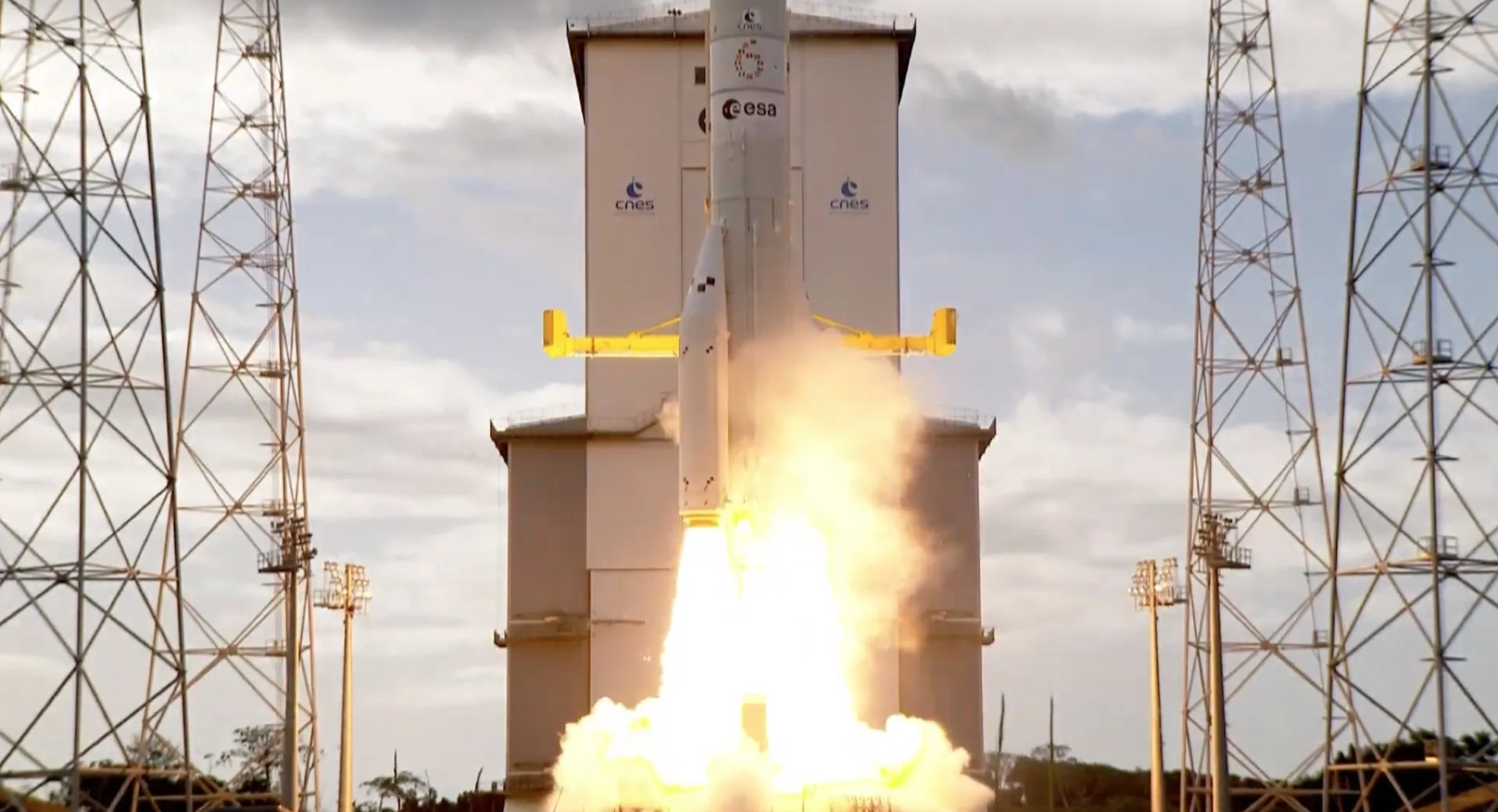
How 23 nations with different languages, budgets, and priorities built Europe's space agency from Cold War wreckage into a global force launching Ariane 6.
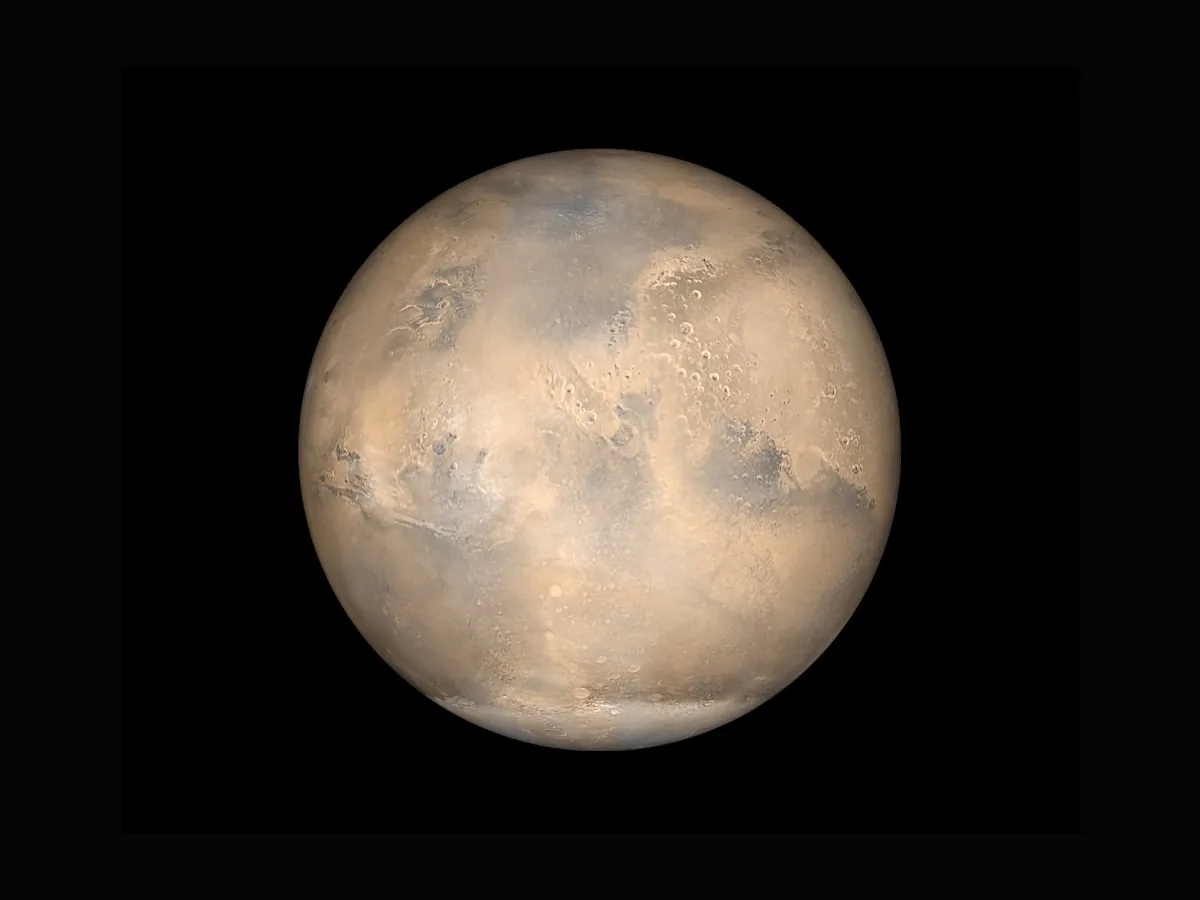
Asteroid mining is real: OSIRIS-REx returned 121g of Bennu in 2023, AstroForge is launching, and Psyche targets a metal world. The economics behind $100T
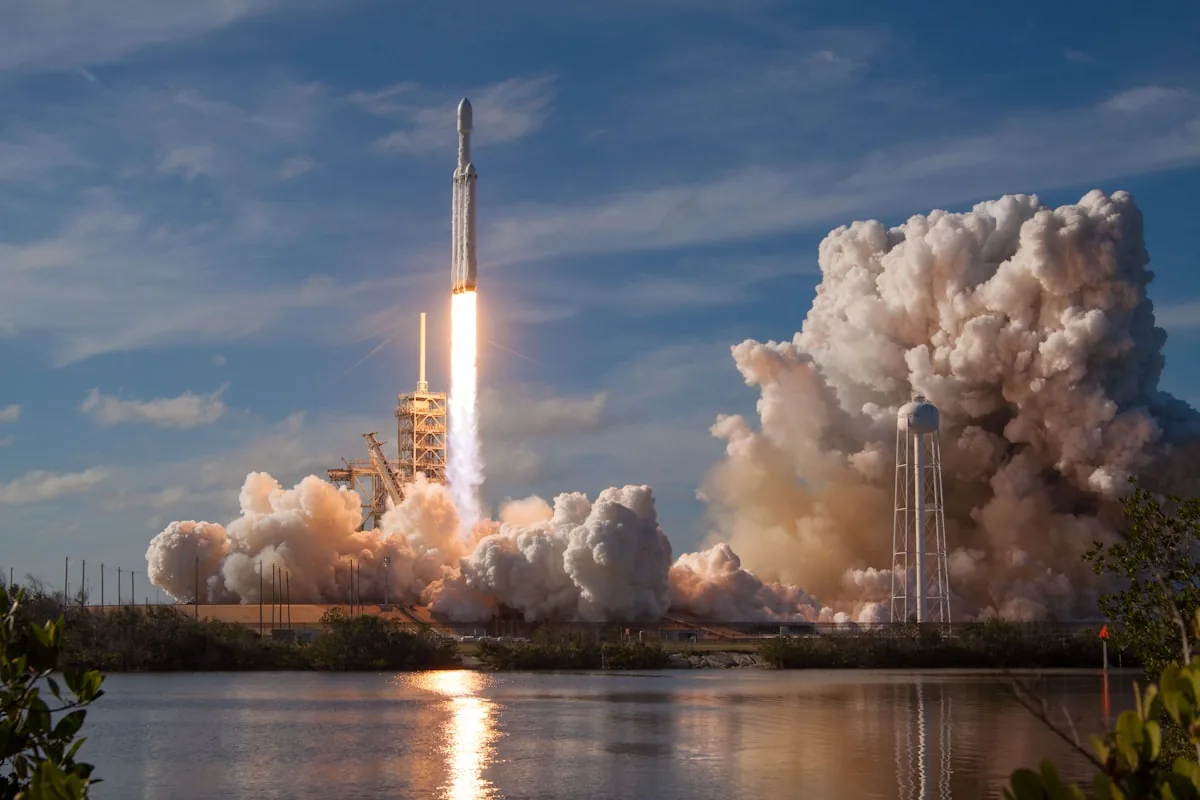
Airbus, Thales Alenia, and OHB build the satellites powering Galileo, Copernicus, OneWeb, and Orion — inside Europe's $15B space industrial base that rivals the US.
The global space economy is now over $700 billion and on a credible path to $1.8 trillion. Where the money actually flows — satellite services, ground equipment, manufacturing, and launch.
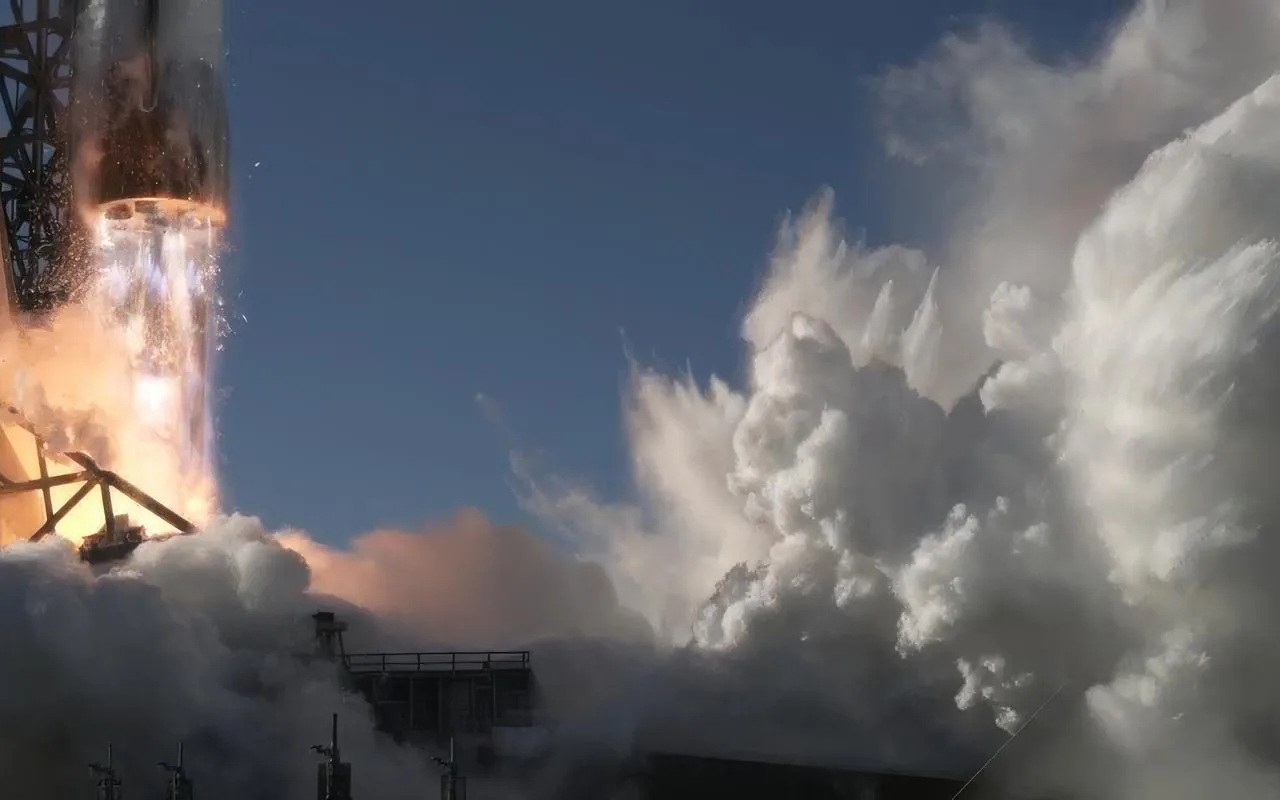
Blue Origin's New Glenn: a 320-foot, 45-ton-to-LEO heavy lifter taking on Falcon Heavy, what it means for Project Kuiper, and why Bezos's long bet is finally paying off.
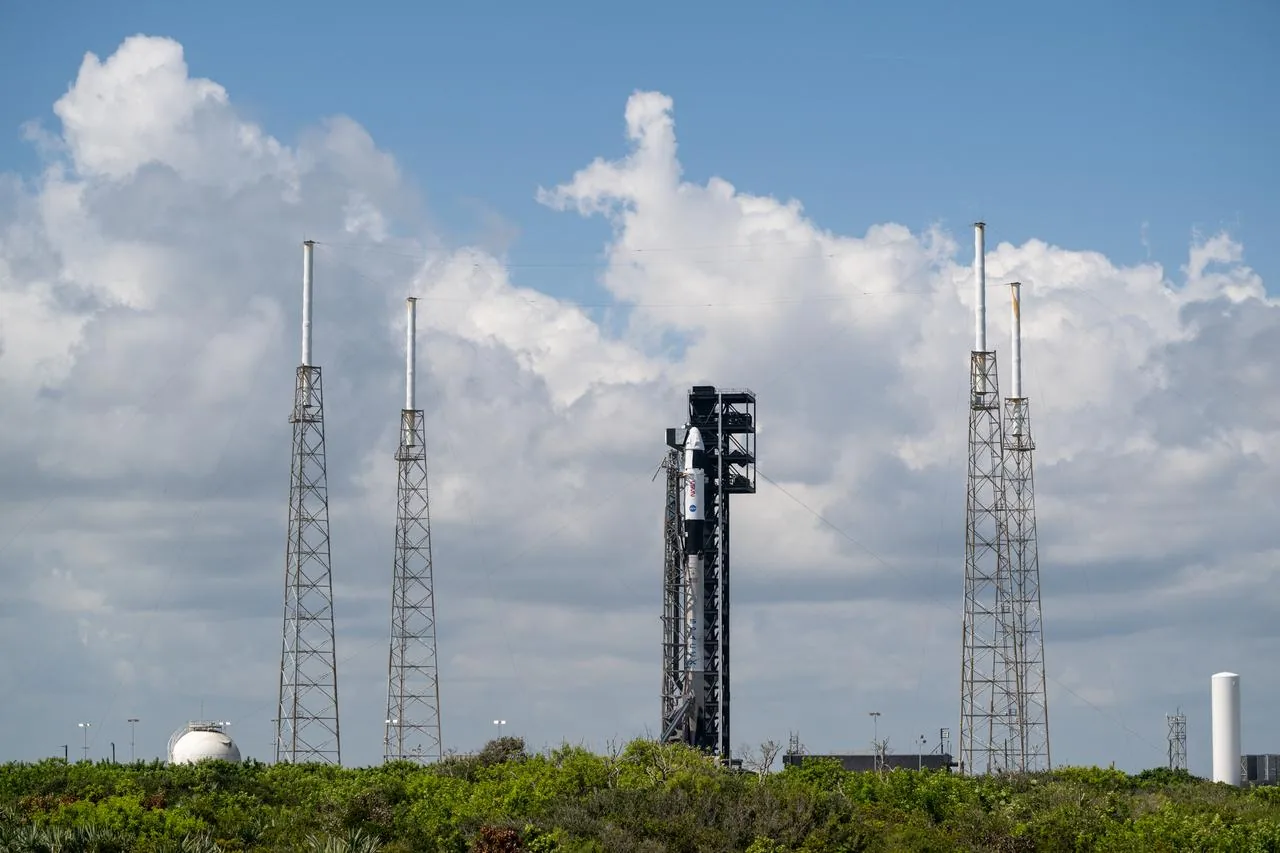
Space insurance is a billion-dollar industry underwriting $300M satellites at Lloyd's of London. How launch risk is priced and why premiums are surging in 2025.
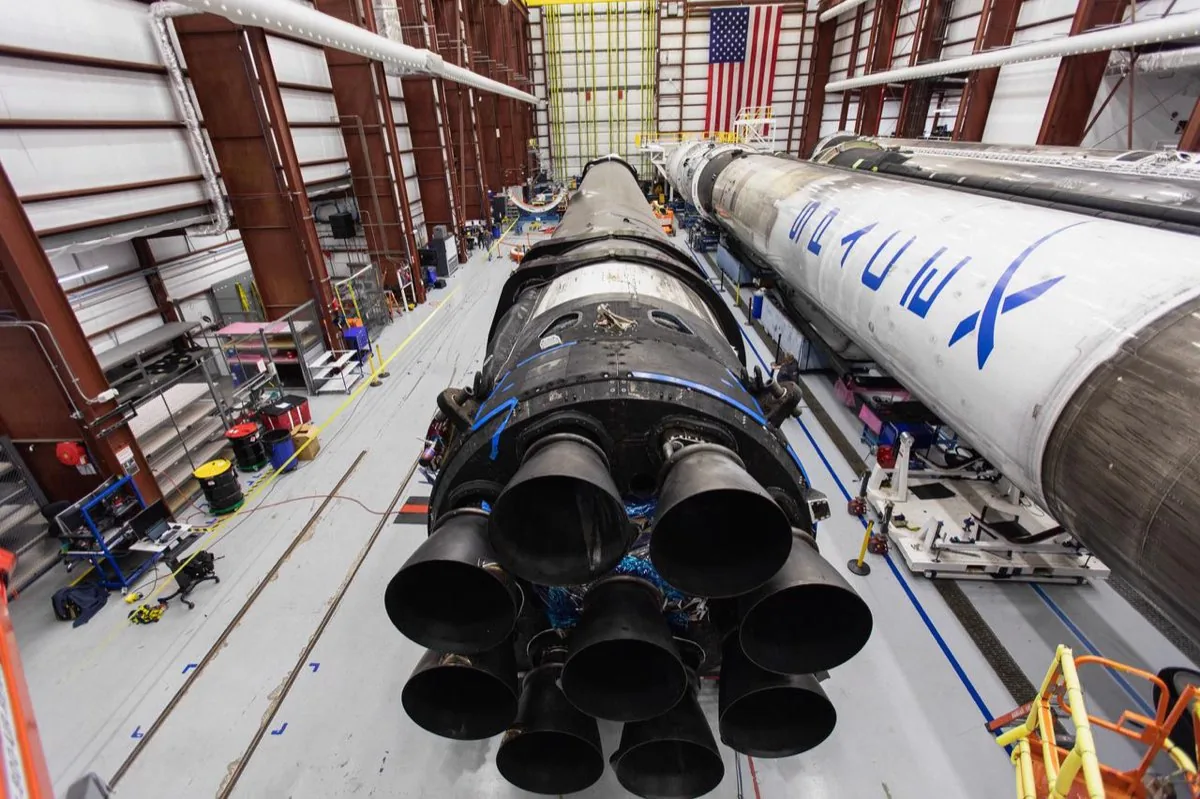
On Sept 12, 2024, Jared Isaacman opened a Dragon hatch 460 miles up — the first private spacewalk. The mission, the new SpaceX EVA suit, and the Polaris
Isar Aerospace, RFA, PLD Space, and Orbex are racing to restore Europe's independent access to orbit — from SaxaVord in Scotland to Spain's Miura rocket.
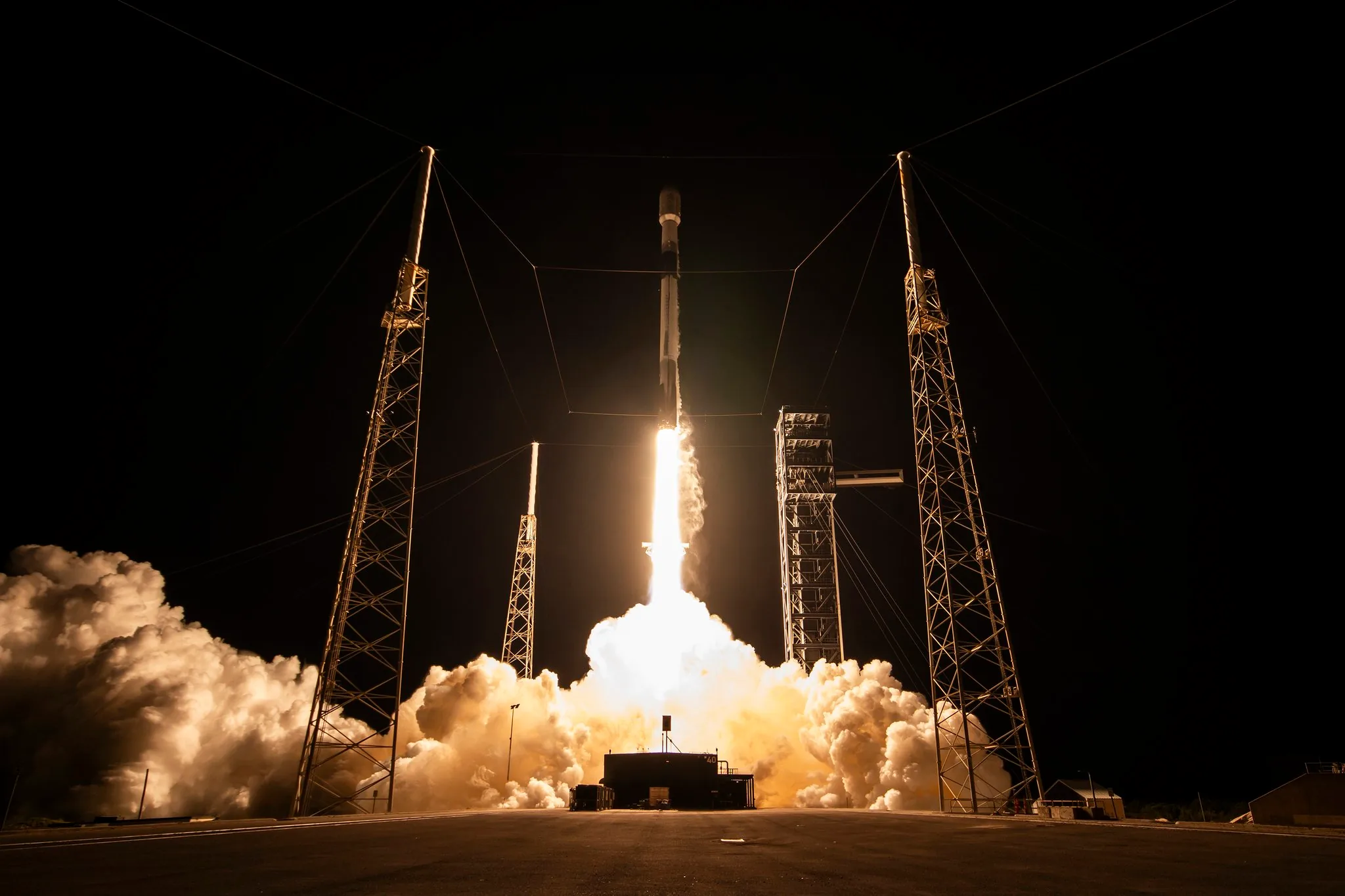
Space stocks and ETFs for 2026 — ARKX, UFO, ITA, plus Rocket Lab, Firefly, AST SpaceMobile, Voyager Technologies and the defense incumbents. Complete holdings breakdowns, 5-year performance vs S&P 500, and how to actually buy each one.
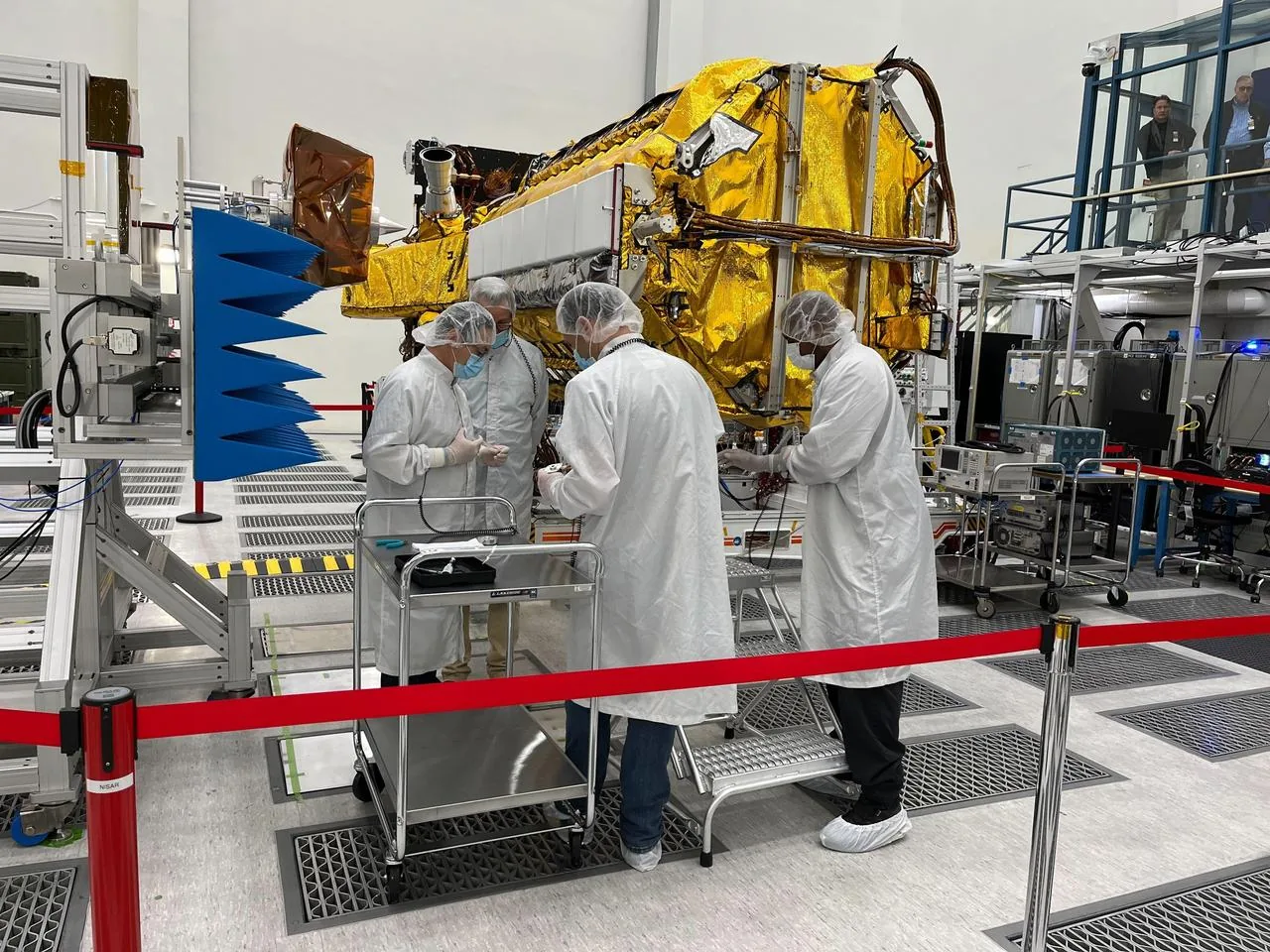
A practical due-diligence framework for space investors — how to score Rocket Lab, AST SpaceMobile, Virgin Galactic, and any public space company on backlog, unit economics, TRL, customer mix, runway, and path to profitability. Includes an interactive scorecard.
Every public space stock in 2026 — Rocket Lab, AST SpaceMobile, Intuitive Machines, Planet Labs, Iridium, Eutelsat, Lockheed and more. Live prices, tickers, market caps, and one-line investment theses for 28 publicly traded space companies.