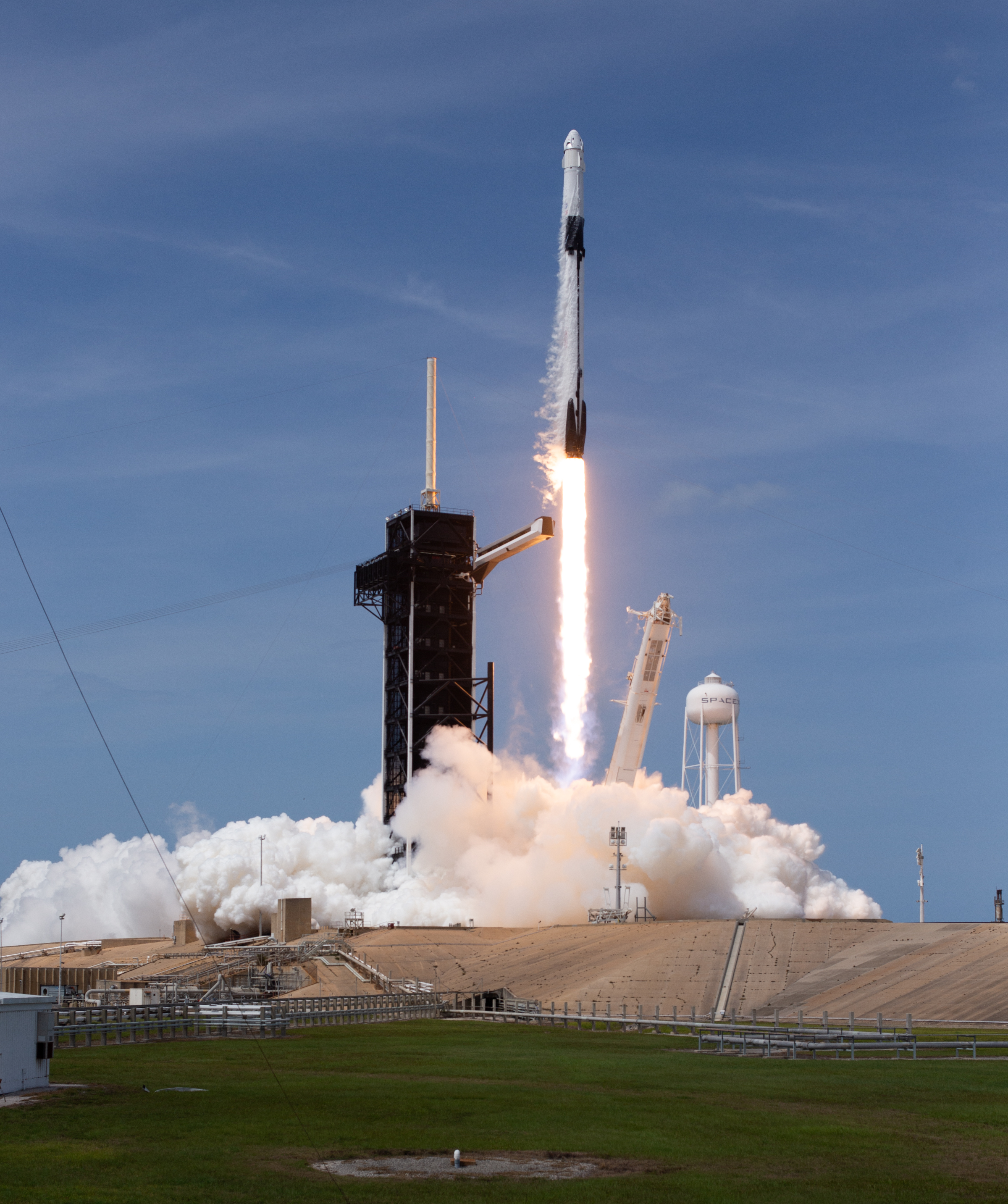
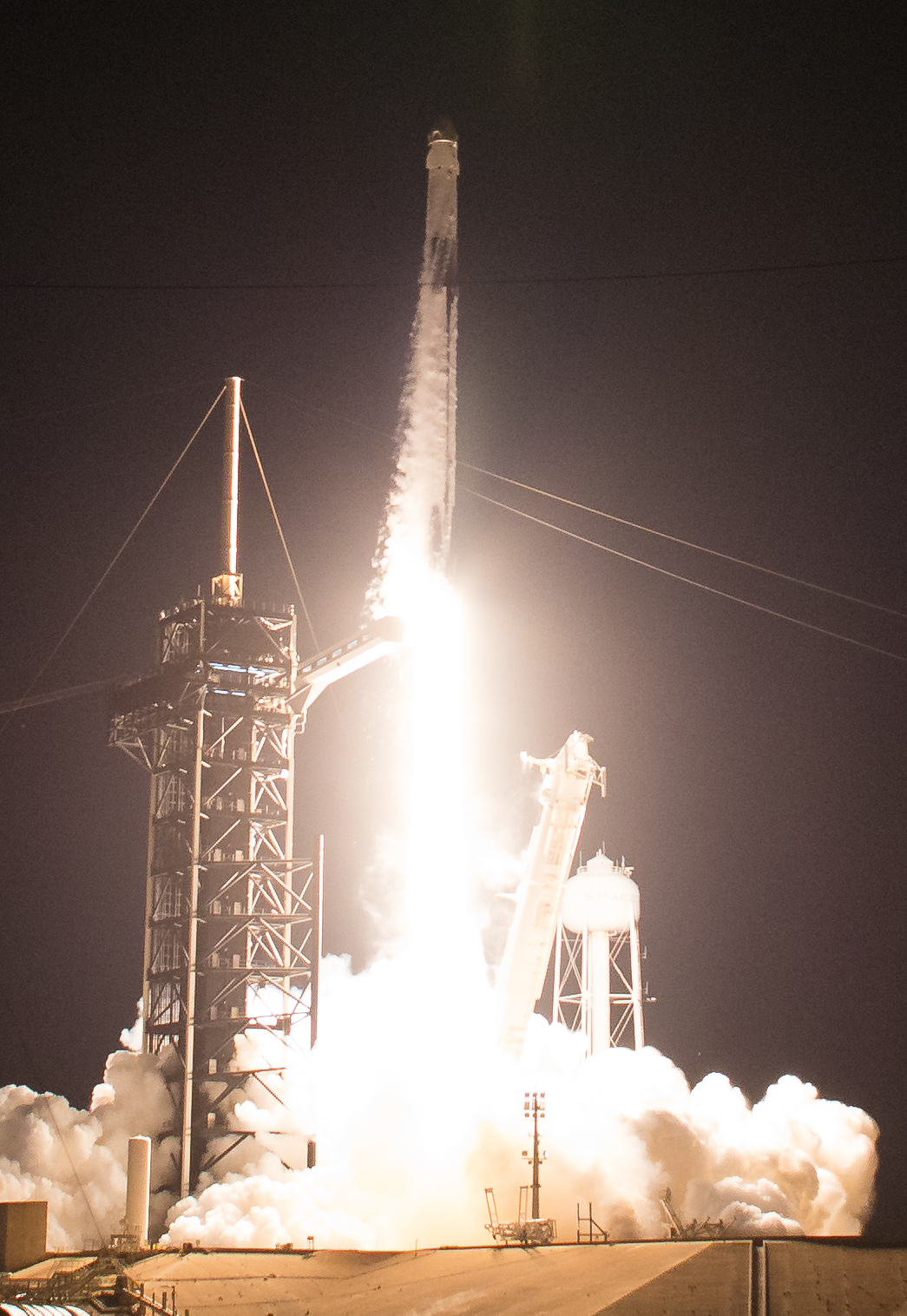
Image: NASA
Boeing Starliner CFT
Mission Profile
| Launch date | 2024-06-05 |
|---|---|
| Launch site | Space Launch Complex 41, Cape Canaveral Space Force Station, Florida |
| Launch vehicle | Atlas V N22 |
| Spacecraft | CST-100 Starliner Calypso (Spacecraft 3, second flight) |
| Target | Low Earth Orbit |
| Type | Crewed |
| End date | 2024-09-07 |
| Recovery | White Sands Space Harbor, New Mexico (spacecraft landed uncrewed); crew returned via SpaceX Crew-9 splashdown, 18 March 2025 |
| Duration | Spacecraft: 93 days (5 June – 7 September 2024); crew: 286 days, returning via Crew-9 on 18 March 2025 |
| Partners | Boeing, NASA, United Launch Alliance |
Overview
Boeing's Crew Flight Test finally carried astronauts on 5 June 2024 at 14:52 UTC, when NASA veterans Barry 'Butch' Wilmore and Sunita Williams rode the Starliner capsule Calypso uphill on an Atlas V — the first crewed launch of that rocket family since Mercury-Atlas in 1963. The flight was meant to last about a week. During rendezvous, five reaction-control thrusters failed and engineers tracked multiple helium leaks in the propulsion system; Starliner docked safely on 6 June, but the anomalies triggered months of ground testing and debate. On 24 August 2024, NASA decided the risk of a crewed return was unacceptable: Starliner would come home empty, and Wilmore and Williams would fold into the Expedition 71/72 crew. Calypso undocked on 6 September and executed a flawless autonomous landing at White Sands Space Harbor at 04:01 UTC on 7 September — vindicating the vehicle's entry systems even as the crewed objective went unmet. The two astronauts ultimately spent 286 days in orbit, with Williams commanding Expedition 72, before splashing down aboard SpaceX's Crew-9 Dragon on 18 March 2025. The mission delivered its crew safely in both directions, but by separate spacecraft — an honest measure of both Starliner's troubles and the redundancy NASA built into commercial crew.
Crew
Barry 'Butch' Wilmore
Commander
Third spaceflight; remained aboard the ISS with Expedition 71/72 and returned on SpaceX Crew-9 on 18 March 2025 after 286 days
Sunita Williams
Pilot
Third spaceflight; assumed command of ISS Expedition 72 during the extended stay and returned on SpaceX Crew-9
Key Milestones
2024-06-05
Launch from SLC-41 at 14:52 UTC — first crewed flight of Starliner and of the Atlas V
2024-06-06
Calypso docks with the ISS despite five RCS thruster failures and helium leaks during approach
2024-08-24
NASA announces Starliner will return uncrewed; Wilmore and Williams join Expedition 71/72
2024-09-06
Starliner undocks autonomously from the ISS at 22:04 UTC
2024-09-07
Uncrewed landing at White Sands Space Harbor, New Mexico, at 04:01 UTC
2025-03-18
Wilmore and Williams splash down aboard SpaceX Crew-9 after 286 days in space
Key Achievements
First crewed flight of Boeing's CST-100 Starliner and first crewed launch on an Atlas V rocket
Safely delivered Wilmore and Williams to the ISS despite in-flight thruster failures and helium leaks
Demonstrated autonomous uncrewed undocking, deorbit and precision airbag-cushioned land landing at White Sands
Became a defining case study in NASA's safety-first decision making, with the crew returned on an alternate vehicle
Legacy & Significance
The Crew Flight Test was intended to certify a second American crew vehicle and instead became spaceflight's most scrutinized contingency. NASA's August 2024 decision to bring Starliner home empty — and to return its crew on a competitor's spacecraft seven months later — demonstrated exactly why the agency funded dissimilar redundancy in the Commercial Crew Program. Wilmore and Williams' unplanned 286-day expedition showcased astronaut adaptability, while the thruster and helium anomalies sent Boeing back into a test campaign that delayed Starliner's operational certification. The mission stands as a sober counterweight to Demo-2: proof that commercial crew works as a system even when an individual vehicle falls short.