Who owns the Moon?+
No nation can claim sovereignty over the Moon under the 1967 Outer Space Treaty (ratified by 114 nations including the US, Russia, China, and India). Individual countries can build, own, and operate equipment on the Moon but cannot annex territory. The 2020 Artemis Accords (68 signatories as of June 25, 2026, when Botswana signed) add a framework for 'safety zones' — practical operational exclusion zones that don't violate the Treaty's non-appropriation principle.
When is the next moon landing?+
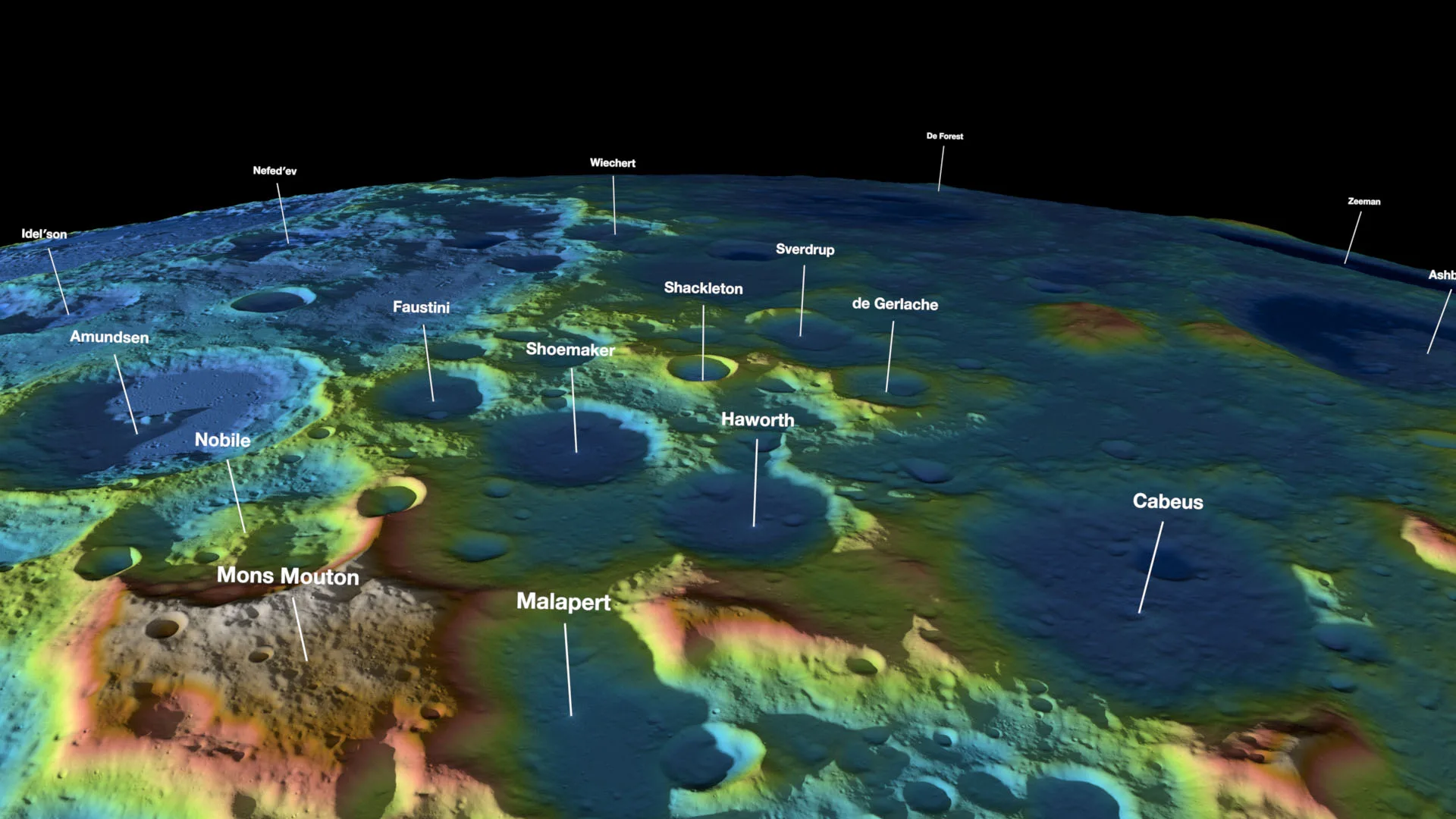
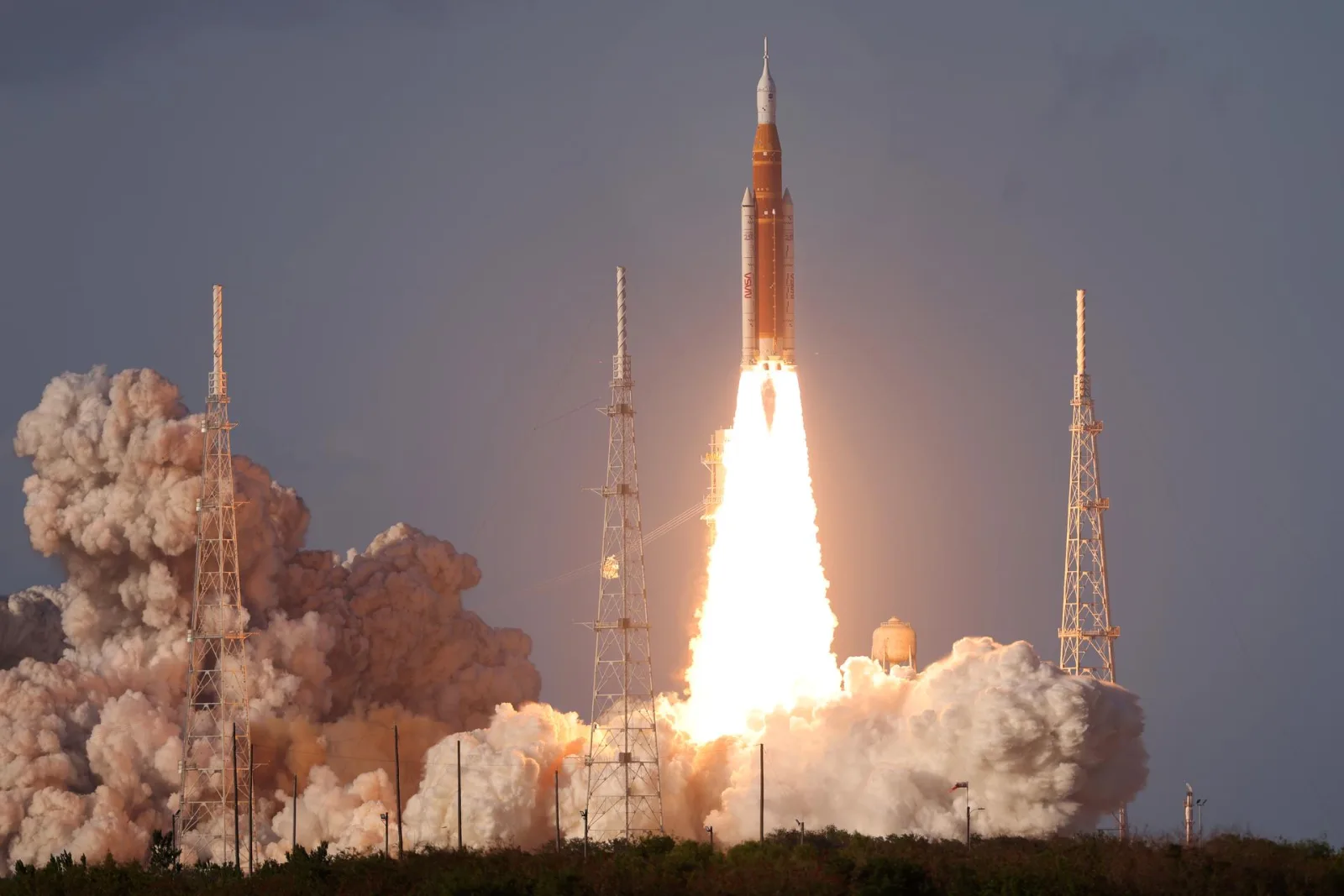
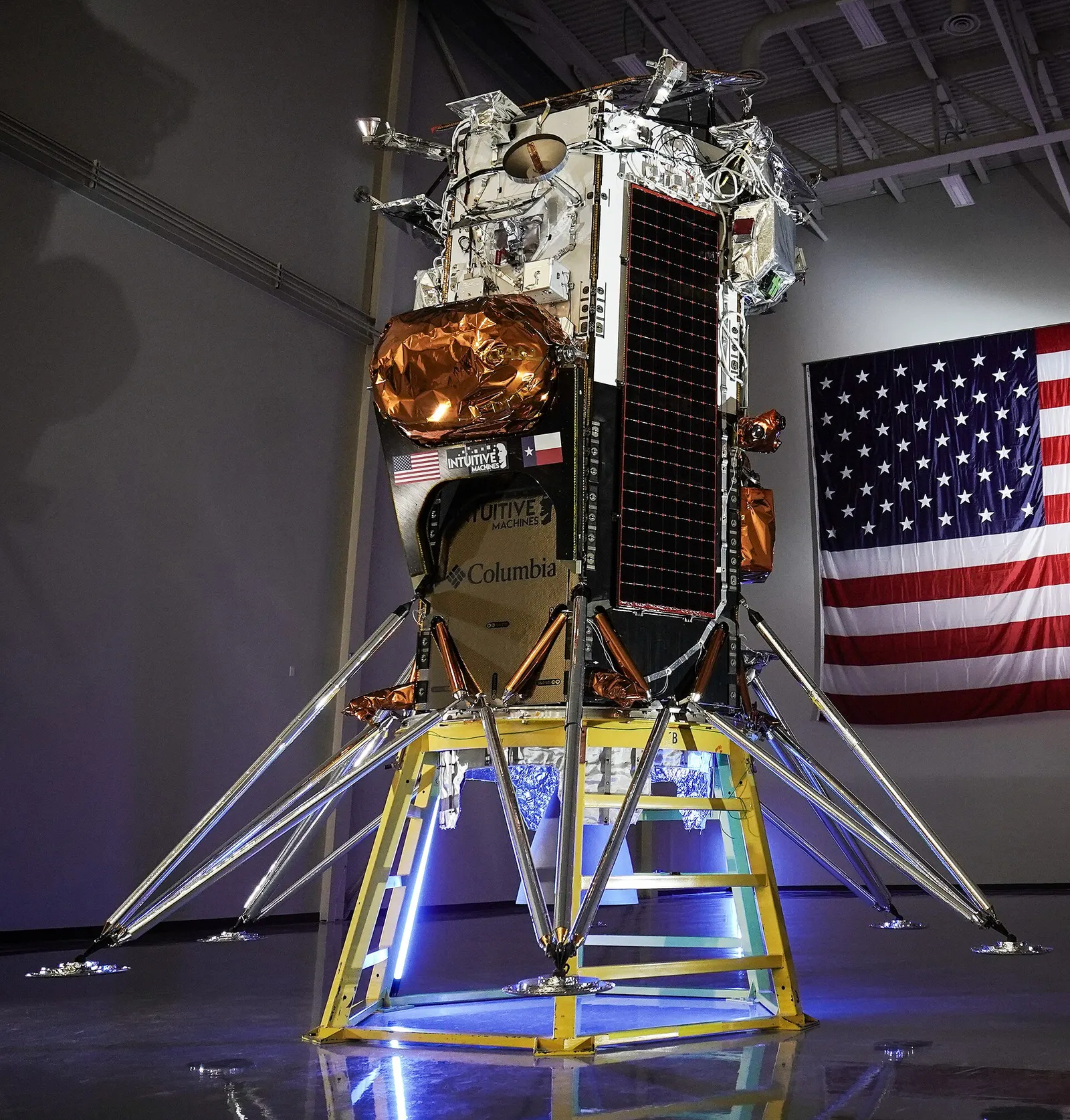
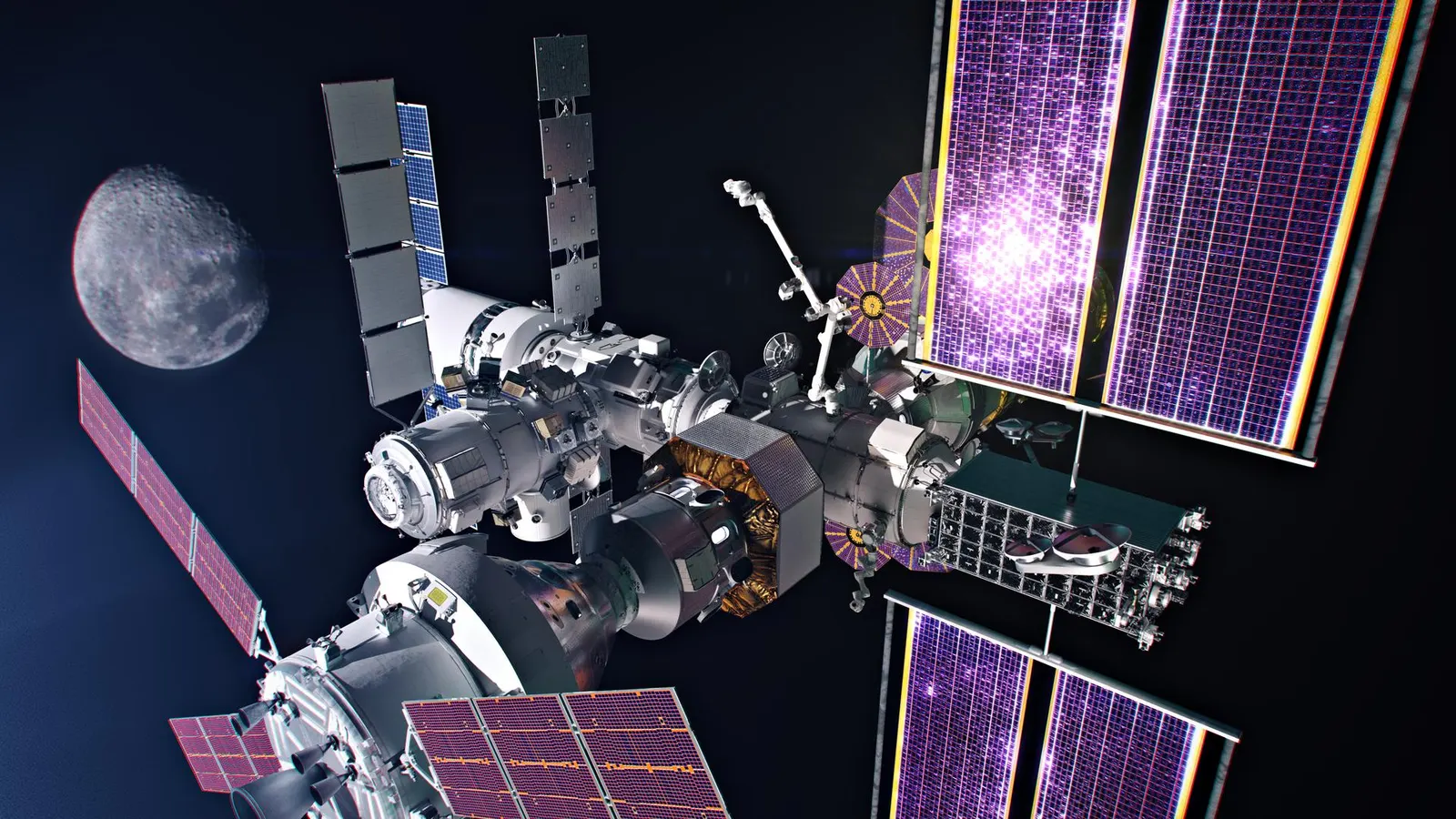
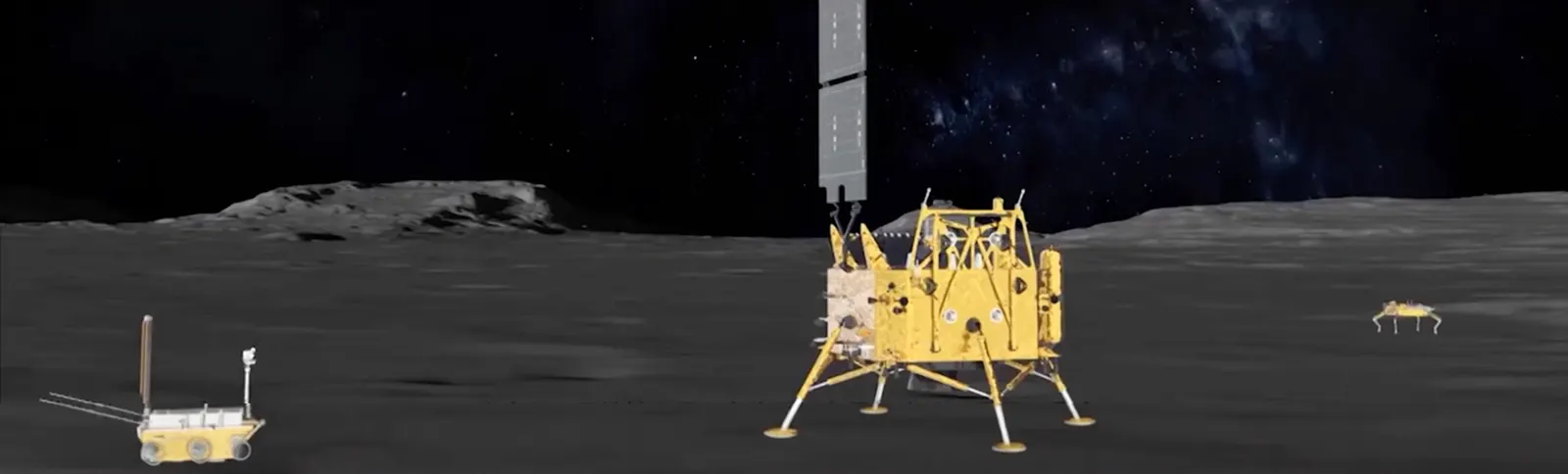
Robotic landings targeted for 2026: Astrobotic's Griffin Mission 1 (south pole with Astrolab FLIP rover, NET July 2026), China's Chang'e 7 (Shackleton crater rim, ~August 2026), Intuitive Machines' IM-3 (Reiner Gamma swirl, NET H2 2026), and Firefly's Blue Ghost Mission 2 (lunar far side, NET late 2026). Blue Origin's Blue Moon Mark 1 Pathfinder slipped from July 2026 to indefinitely delayed after New Glenn was grounded (NG-3 failure April 2026, then a vehicle lost in a May 28, 2026 static-fire explosion at LC-36). For humans: Artemis II completed the first crewed lunar flyby in 50+ years on April 1-10, 2026; Artemis III (late 2027) is now a crewed HLS docking demo in Earth orbit, and the first crewed landing is Artemis IV, ~2028. All dates subject to slip.
What is CLPS?+
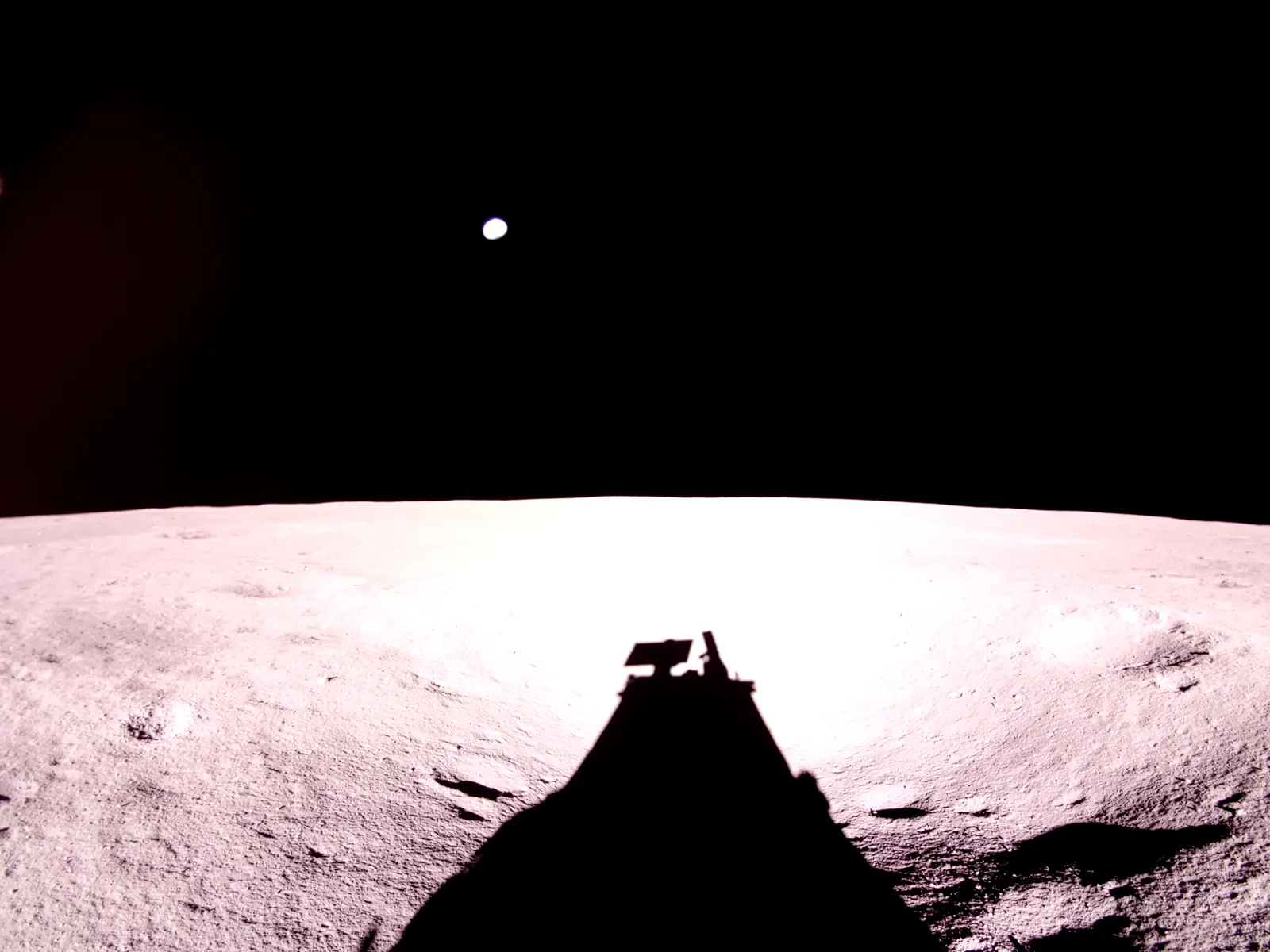
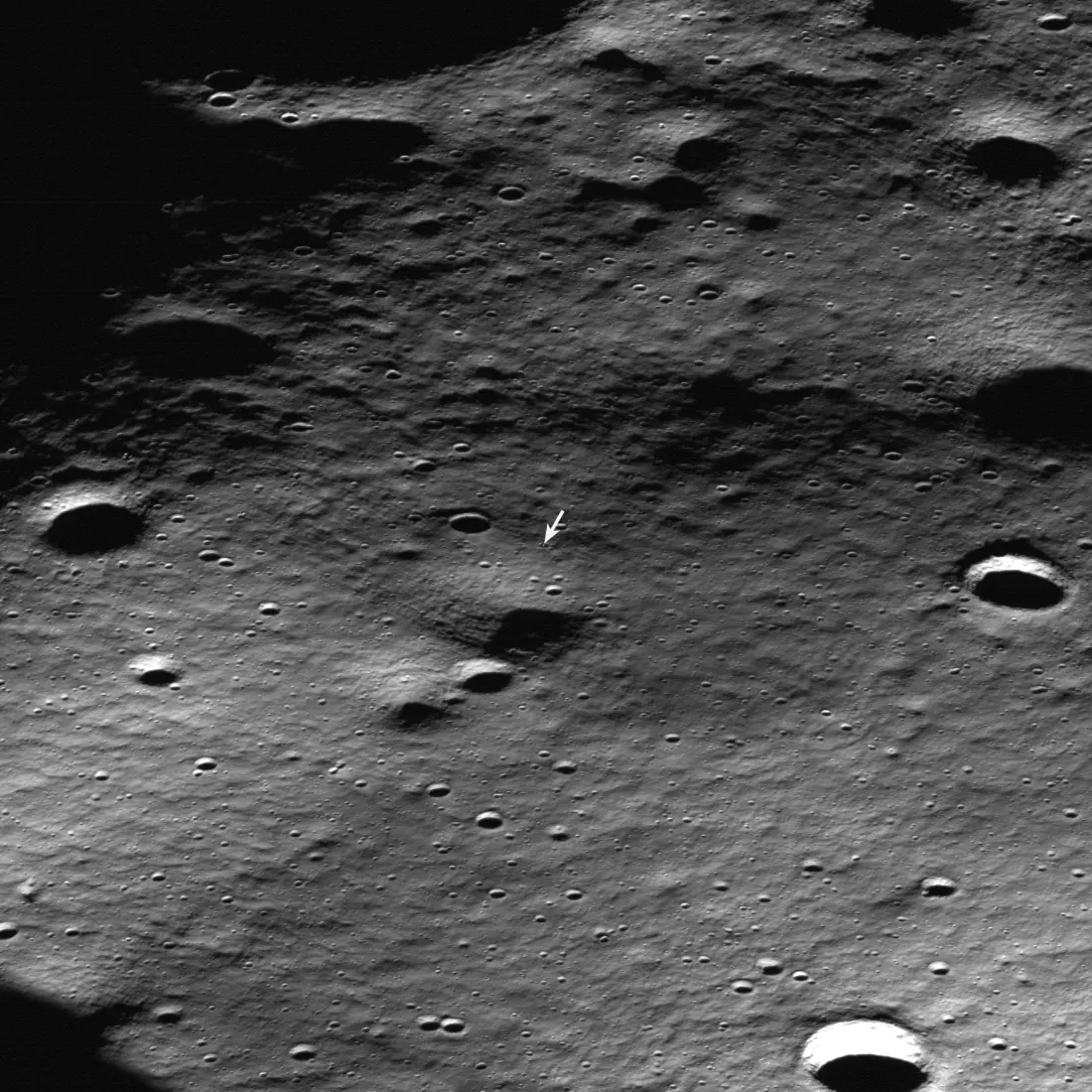
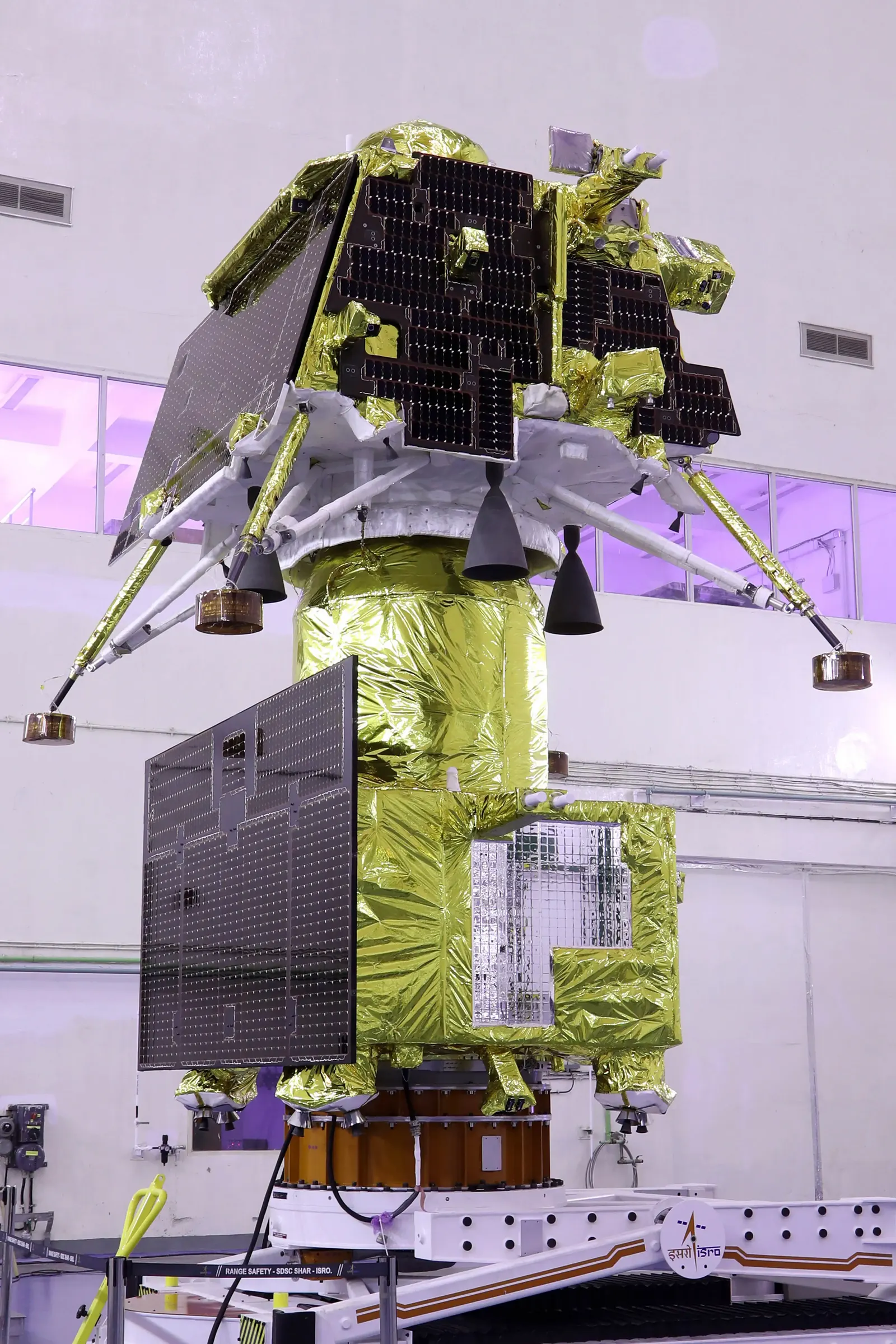
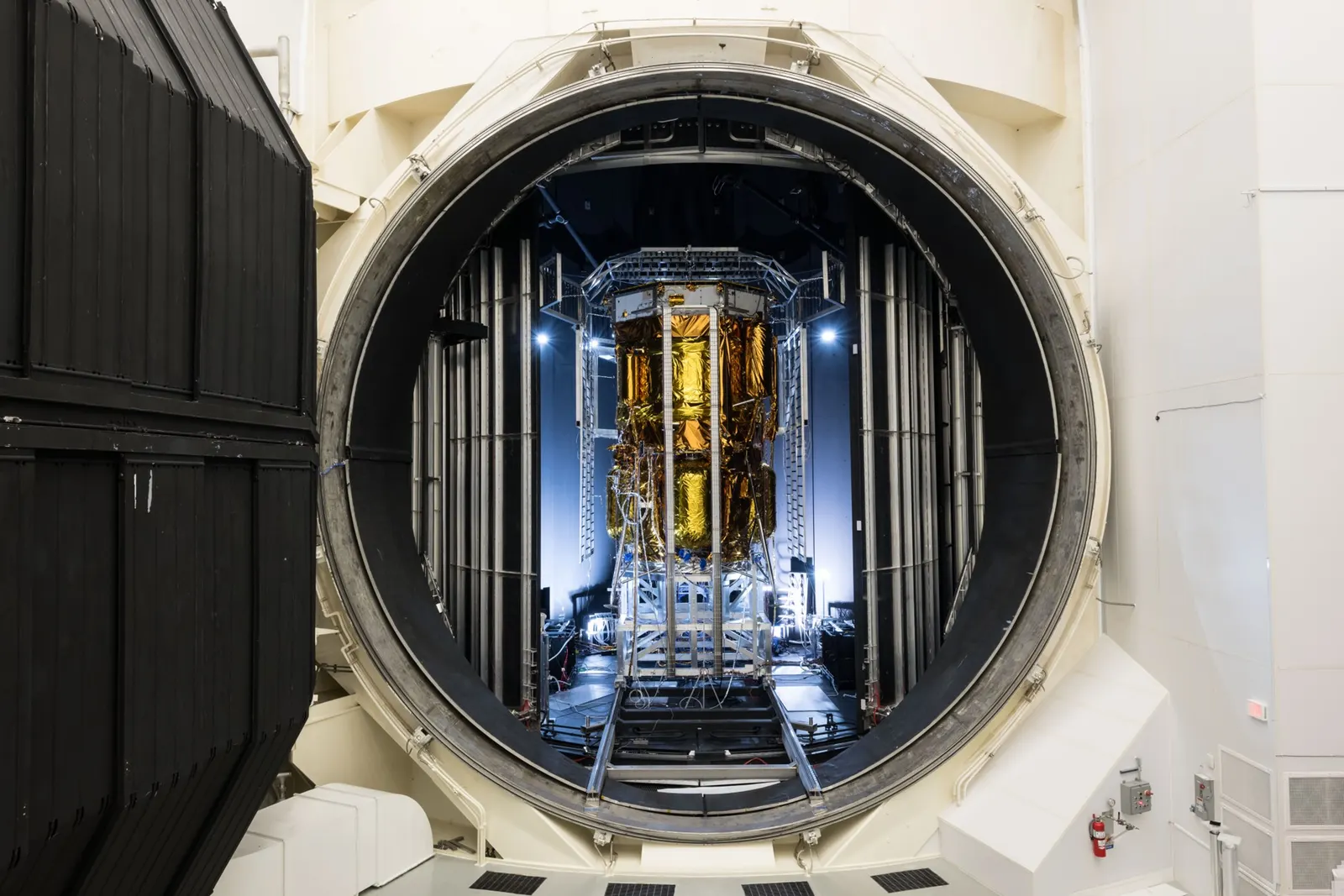
Commercial Lunar Payload Services — NASA's fixed-price contracting vehicle for buying lunar deliveries from private companies. The IDIQ contract ceiling is $4.2B. As of May 2026, NASA has awarded task orders to Intuitive Machines (IM-1/2/3), Firefly Aerospace (Blue Ghost 1/2), Astrobotic (Peregrine, Griffin), Draper (Mission 3 via ispace APEX), and Blue Origin (Blue Moon Mark 1, including the VIPER carrier). Three CLPS landings have soft-landed; one (Peregrine) was lost in flight; one (HAKUTO-R M2) tipped on landing.
Is the Outer Space Treaty binding?+
Yes for ratifying states, which include all current and prospective lunar players. The Treaty has no enforcement mechanism beyond diplomatic consequences and reciprocity. The Artemis Accords (multilateral but US-led) and the China-Russia ILRS Agreement (separate but compatible) coexist with the Treaty rather than replacing it. The 1979 Moon Treaty (which would have created a stronger common-heritage framework) was never ratified by any major spacefaring nation and is widely considered dormant.
How does NASA pay for Artemis?+
Through annual Congressional appropriations. The FY2027 NASA budget request includes $8.5B for Artemis. The FY2025 reconciliation law (P.L. 119-21) added $6.7B for Orion/Gateway/SLS available through FY2032 and $4.1B specifically for SLS Artemis IV and V production. NASA OIG IG-25-010 (August 2025) reported $26B+ in government-held property already allocated to Artemis prime contractors across six programmes.
What is helium-3 and why does the Moon have it?+
Helium-3 (³He) is a light helium isotope implanted in the lunar regolith by the solar wind over billions of years. It's theoretically a clean (aneutronic) fusion fuel. Concentrations average about 4 parts per billion in lunar regolith (range 2-26 ppb), so extracting 1 kg of ³He requires processing ~250,000 tonnes of regolith. There is no commercial deuterium-helium-3 fusion reactor anywhere, and D-T fusion (easier and still not commercially proven) is decades closer to viability. Treat any current He-3 commercial claims with deep skepticism.
Why the south pole?+
Three reasons: (1) Permanently shadowed regions (PSRs) at the south pole are cold enough (-157°C and below) to trap water ice for geological timescales — confirmed by LCROSS in 2009 and surface-mapped by Chandrayaan-1 in 2018. (2) Adjacent 'peaks of eternal light' at the south pole receive up to 94% annual solar illumination — solar power is abundant right next to the water resource. (3) The South Pole-Aitken Basin is one of the oldest, deepest impact structures in the Solar System — Apollo-era science prioritized it for early-solar-system samples, returned for the first time by Chang'e-6 in June 2024.
Who is going to the Moon in 2026 and 2027?+
Crewed: Artemis II flew the first crewed lunar flyby in over 50 years on April 1-10, 2026 (Wiseman, Glover, Koch, Hansen). Artemis III — re-scoped to a crewed Starship HLS docking demonstration in Earth orbit, late 2027 — has its crew named as of June 9, 2026: Randy Bresnik, Luca Parmitano, Frank Rubio, and Andre Douglas. The first crewed lunar landing since Apollo 17 is now Artemis IV, ~2028. Robotic 2026: Griffin 1 (south pole), Chang'e 7 (Shackleton rim), IM-3 (Reiner Gamma), Blue Ghost 2 (far side); Blue Moon Mark 1 is delayed indefinitely with New Glenn grounded. 2027: ispace APEX Mission 3 (Schrödinger Basin) and Chandrayaan-4 sample return (NET 2027-2028). Slip risk for every entry.
What's the difference between Artemis and ILRS?+
Artemis is the NASA-led, multinational (Artemis Accords) lunar exploration programme — crewed landings starting Artemis IV (~2028, after the Artemis III crewed LEO docking demo), surface infrastructure (LTV, habitats, FSP), commercial procurement via CLPS + HLS. ILRS (International Lunar Research Station) is the China-Russia-led counterpart with 40+ partner institutions — robotic-first base operational by 2035, crewed presence by 2030s. The two programmes are technically and politically separate but both target the lunar south pole and both will use similar resources.
Is there really water on the Moon?+
Yes — confirmed in three ways: (1) NASA's LCROSS impacted Cabeus crater in 2009 and detected 5.6±2.9 wt% water in the ejecta plume. (2) ISRO Chandrayaan-1's Moon Mineralogy Mapper (M3) found surficial ice in multiple PSRs, announced 2018. (3) SOFIA airborne observatory detected sunlit-surface molecular water in 2020 (different mechanism). However, surficial ice is patchy and low-abundance. PRIME-1 (TRIDENT drill, MSOLO mass spectrometer) on IM-2 in March 2025 was the first dedicated water-ice prospecting attempt but yielded limited data due to a sideways landing.
What does the Moon Treaty have to do with mining?+
The 1979 Moon Treaty would have created a 'common heritage of mankind' framework requiring an international regime for resource extraction — sharing benefits across all nations. No major spacefaring nation has ratified it (the US, Russia, China, India, and ESA member states are all non-signatories), so it's widely treated as legally moribund. Current lunar resource extraction operates under the 1967 Outer Space Treaty's non-appropriation principle (you can use what you extract, but you can't claim the territory) plus national laws like the 2015 US SPACE Act and the 2017 Luxembourg Space Resources Law.
How much will it cost to do business on the Moon?+
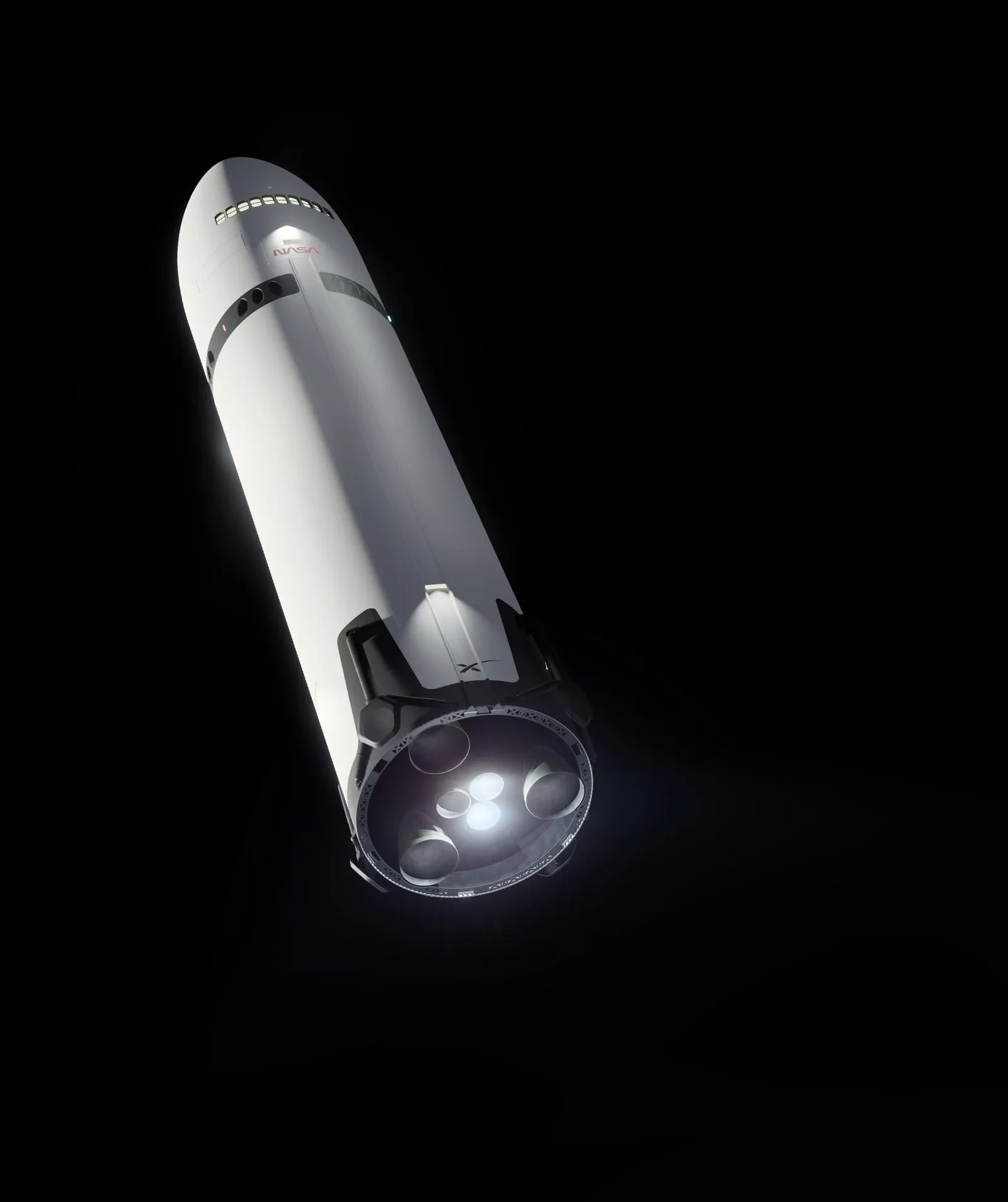
NASA CLPS task orders have ranged from $73M (Draper Mission 3) to $199.5M (Astrobotic Griffin) per delivery — payload-mass-dependent. NASA HLS contracts: SpaceX Starship HLS $2.89B (Artemis III) + $1.15B (Artemis IV); Blue Origin Sustaining HLS $3.4B (Blue Moon Mk2). Per-kg delivery to lunar surface is currently in the hundreds of thousands of dollars range and falling. Surface infrastructure contract ceilings: $4.6B LTV pool (rescoped March 2026 into 'Ignition' build contracts — Astrolab $219M + Lunar Outpost $220M), $3.5B xEVAS suits, $4.82B Near Space Network comms.