All Astronauts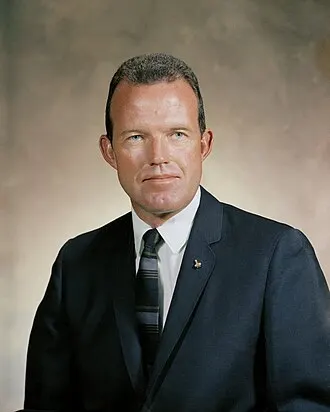 VETERANIn MemoriamNASA
VETERANIn MemoriamNASANASA·🇺🇸 United States·Born 1927
Gordon Cooper
Flew the final and longest Mercury mission, becoming the last American to orbit Earth solo, then set an eight-day endurance record on Gemini 5.
222h
Hours in Space
2
Missions
0
EVAs
—
EVA Time
Biography
Flew the final and longest Mercury mission, becoming the last American to orbit Earth solo, then set an eight-day endurance record on Gemini 5. He died in 2004.
Before NASAU.S. Air Force fighter pilot and test pilot who flew F-84 Thunderjets and F-86 Sabres in West Germany, earned an aerospace engineering degree in 1956, and accumulated over 2,000 flight hours before joining NASA's Mercury program in 1959.
Life & career
Leroy Gordon 'Gordo' Cooper Jr. was born on March 6, 1927, in Shawnee, Oklahoma, and fell in love with flight as a boy, taking the controls of an aircraft while still young. After service in the Marine Corps at the close of World War II, he was commissioned in the U.S. Air Force in 1949 and flew F-84 and F-86 fighters with a squadron in West Germany. He earned an aerospace engineering degree in 1956, qualified as a test pilot at Edwards Air Force Base, and accumulated more than 2,000 flight hours before NASA selected him in April 1959 as the youngest of the Mercury Seven.
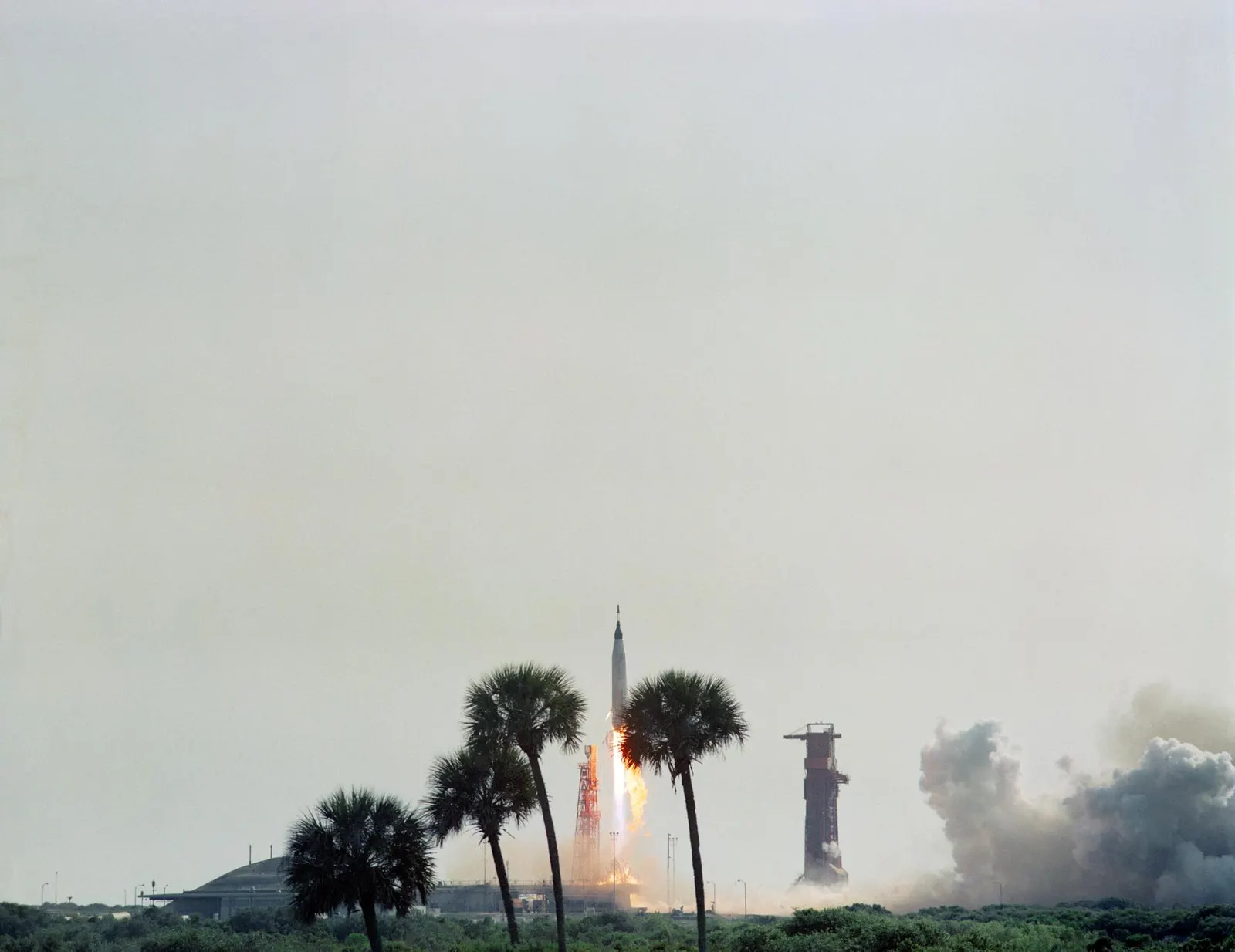
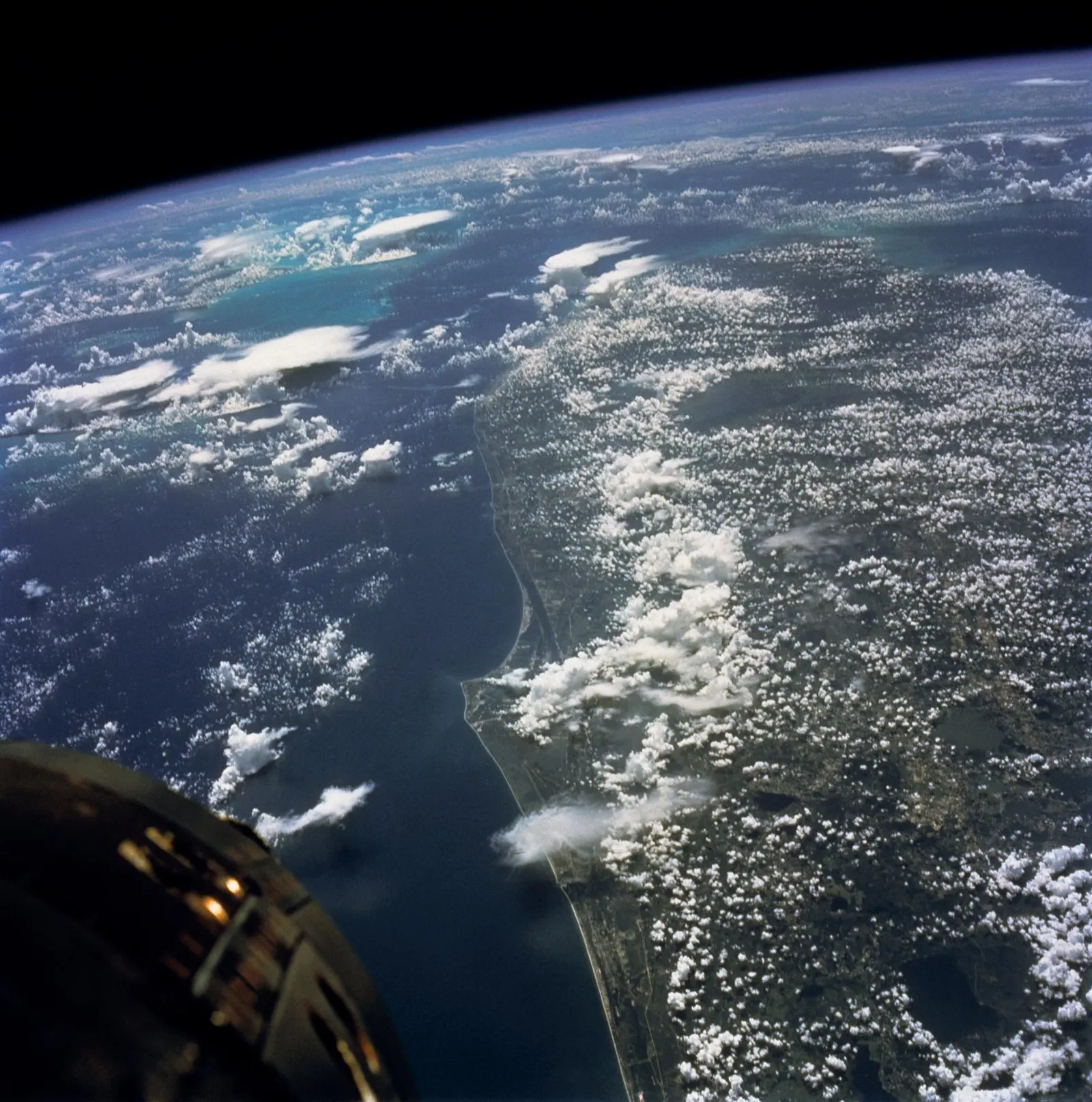
Cooper flew the sixth and final Mercury mission, closing out the program in style. On May 15–16, 1963, he piloted Mercury-Atlas 9 — his capsule Faith 7 — through 22 orbits over roughly 34 hours, becoming the first American to spend an entire day in space, the first American to sleep in orbit, and the last American ever launched alone on an orbital flight. When an electrical failure late in the mission knocked out his automatic control system, Cooper flew a manual reentry by hand, lining up his attitude using star patterns and marks he had drawn on his window, and splashed down closer to the recovery ship than any Mercury pilot before him — a demonstration of piloting skill that answered doubts about whether astronauts were truly needed at the controls. In August 1965 he commanded Gemini 5, an eight-day, 120-orbit endurance flight with Pete Conrad that proved humans could survive long enough in space to reach the Moon and return, and made him the first person to make a second orbital spaceflight.
Cooper logged some 222 hours in space across his two flights. Passed over for a lunar landing crew and frustrated with his stalled prospects, he retired from NASA and the Air Force as a colonel in 1970. Off duty he indulged a lifelong passion for speed, racing cars and boats, and in retirement he pursued aviation ventures and spoke often — and controversially — about his belief in unidentified flying objects. As the youngest of the Original Seven and, for many years, one of its most visible members, he embodied the confident test-pilot spirit of the early space age. Gordon Cooper died at his California home on October 4, 2004, at the age of 77.
Mission Timeline
- Pilot
Mercury capsule Faith 7
Mercury-Atlas 9 (Faith 7)
Launch: May 15, 1963Landing: May 16, 1963Duration: 1 day- First American to spend a full day in space; last solo US orbital flight
- Commander
Gemini spacecraft
Gemini 5
Launch: Aug 21, 1965Landing: Aug 29, 1965Duration: 8 days- Eight-day flight proving lunar-mission endurance
Beyond the Mission
Hobbies & Interests
auto racingboat racingflying
Languages
English
Fun fact
Cooper learned to fly unofficially at age 12 and held a pilot's license by 16; decades later, his passion for speed led him to enter the 1968 24 Hours of Daytona endurance race as a co-driver — until NASA ordered him to withdraw.
More Astronauts
Other space travelers from NASA