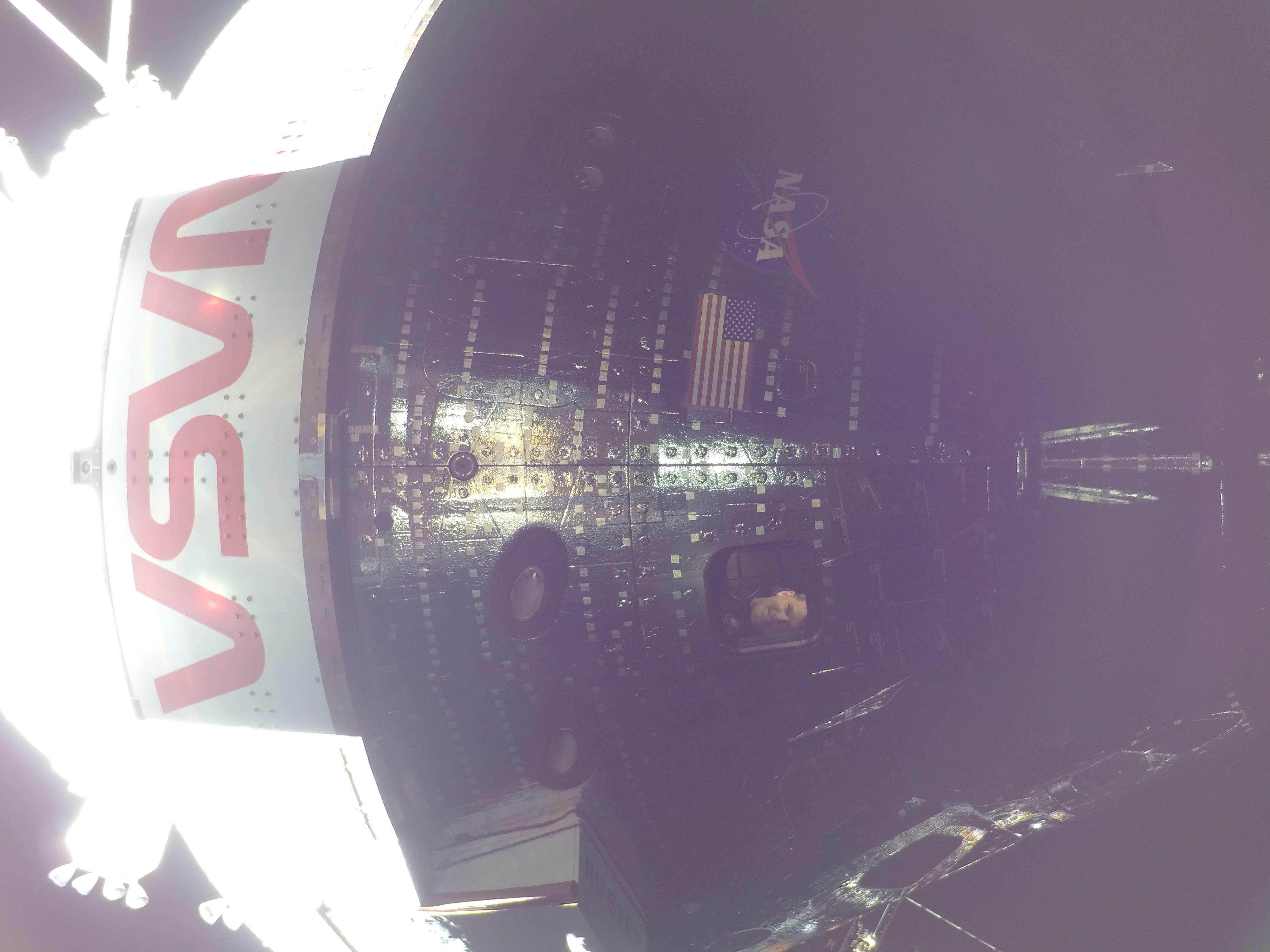
On April 4, 2026, floating inside NASA's Orion spacecraft somewhere between the Earth and the Moon, Canadian astronaut Jeremy Hansen raised a GoPro camera and took a selfie. The timestamp read 22:06:32. The backdrop: a porthole window, and beyond it, the deepest black in the universe. Four days later, his spacecraft looped around the far side of the Moon at a closest approach of just 7,264 kilometres, and Hansen — alongside Commander Reid Wiseman, Pilot Victor Glover, and Mission Specialist Christina Koch — set a new human distance record: 406,771 kilometres from Earth, shattering the previous mark set by the stricken Apollo 13 crew in 1970.
It was, without question, the most consequential moment in Canadian space history. But it was far from the first time Canada had quietly done something extraordinary in orbit.
A Billion-Dollar Reach Built on a Modest Budget
The Canadian Space Agency (CSA) was established in 1989 — a decade after NASA's golden era and years after the Europeans had already founded ESA. Its headquarters sit in Longueuil, Quebec, a suburb east of Montreal where clean rooms and aerospace laboratories occupy the same industrial corridor as ordinary office buildings. With an annual budget of approximately CAD $400 million (around USD $300 million), it is not the biggest space agency in the world. NASA's budget is roughly 90 times larger.
And yet, size has never told the whole story of Canadian space.
Since 1984, Canada has completed 16 human spaceflight missions. Nine Canadians have traveled to space. Canada engineered the robotic arms that assembled the International Space Station — systems so critical that without them, the ISS could not function, not even for a day. Canada launched the RADARSAT constellation, three synthetic aperture radar satellites that monitor Arctic sovereignty, track oil spills, and map ice sheets from orbit. And in April 2026, Canada sent its first astronaut beyond Earth orbit for the first time in history.
The CSA's strategic philosophy has always been the same: identify niches where Canadian engineering can achieve global leadership, rather than attempting to replicate the full-spectrum approach of larger agencies. That discipline has produced results that vastly exceed the nation's investment — and positioned Canada as an irreplaceable partner in every major human spaceflight programme of the past four decades.
The Arm That Built the Station
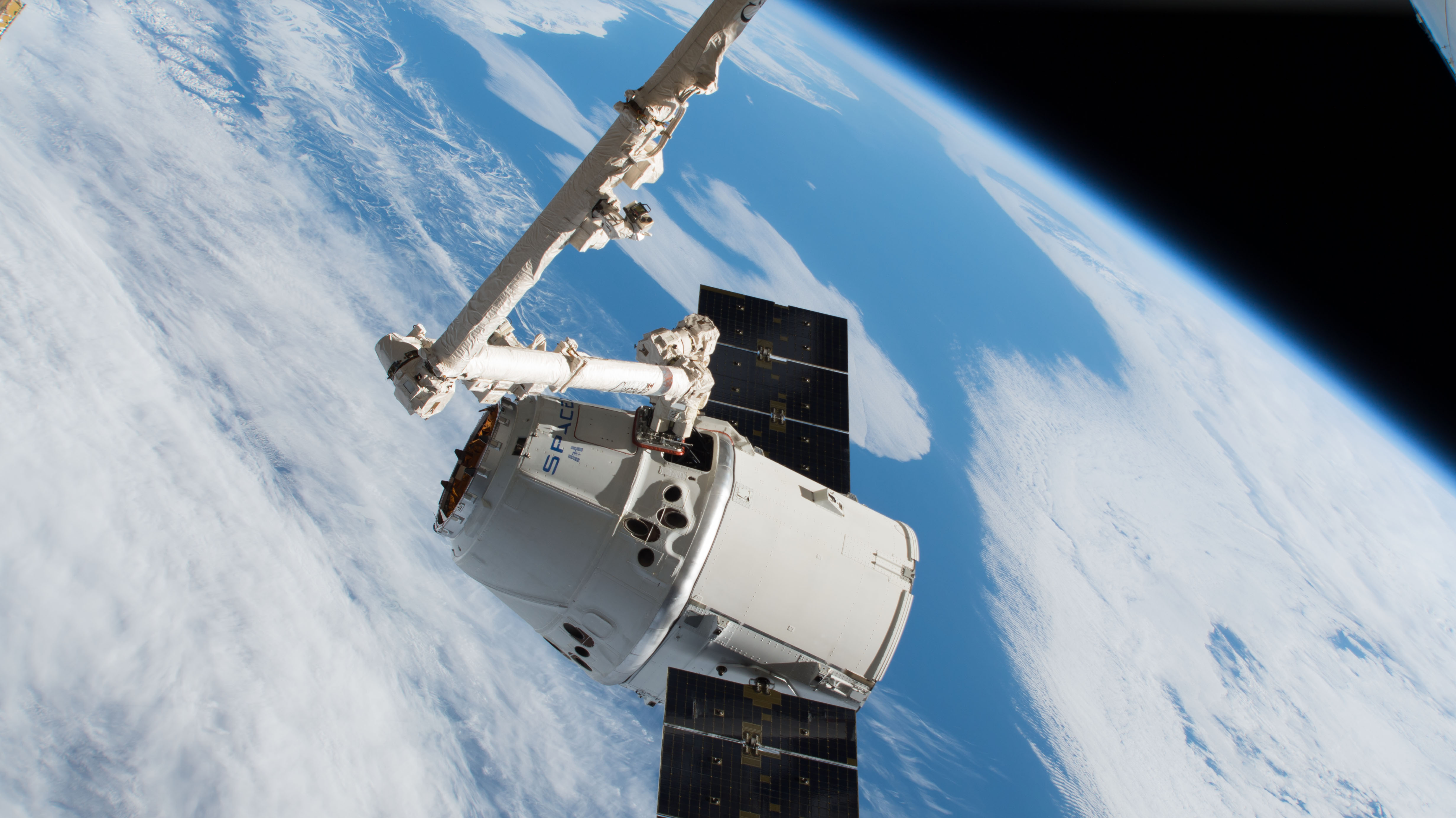
If you have ever seen a photograph of the International Space Station — that sprawling, gleaming lattice of modules and solar arrays floating 400 kilometres above the planet — you have been looking at the product of Canadian engineering. The robotic arms that assembled it, maintain it, and reach out to grab arriving cargo spacecraft are all Canadian inventions.
The story begins on November 13, 1981, when a white mechanical arm unfurled from the cargo bay of Space Shuttle Columbia during the STS-2 mission. Built by SPAR Aerospace and MacDonald Dettwiler and Associates (MDA) in Ontario, the Remote Manipulator System — universally known as Canadarm — could lift over 266,000 kilograms in the weightlessness of orbit while drawing less electricity than a kitchen kettle. Over the next 30 years, it flew on 90 Space Shuttle missions: deploying and retrieving satellites, capturing the Hubble Space Telescope for repair, supporting spacewalks, and filming IMAX footage of operations that became part of cultural history. Its final mission was STS-135 in July 2011 — the last shuttle flight ever flown.
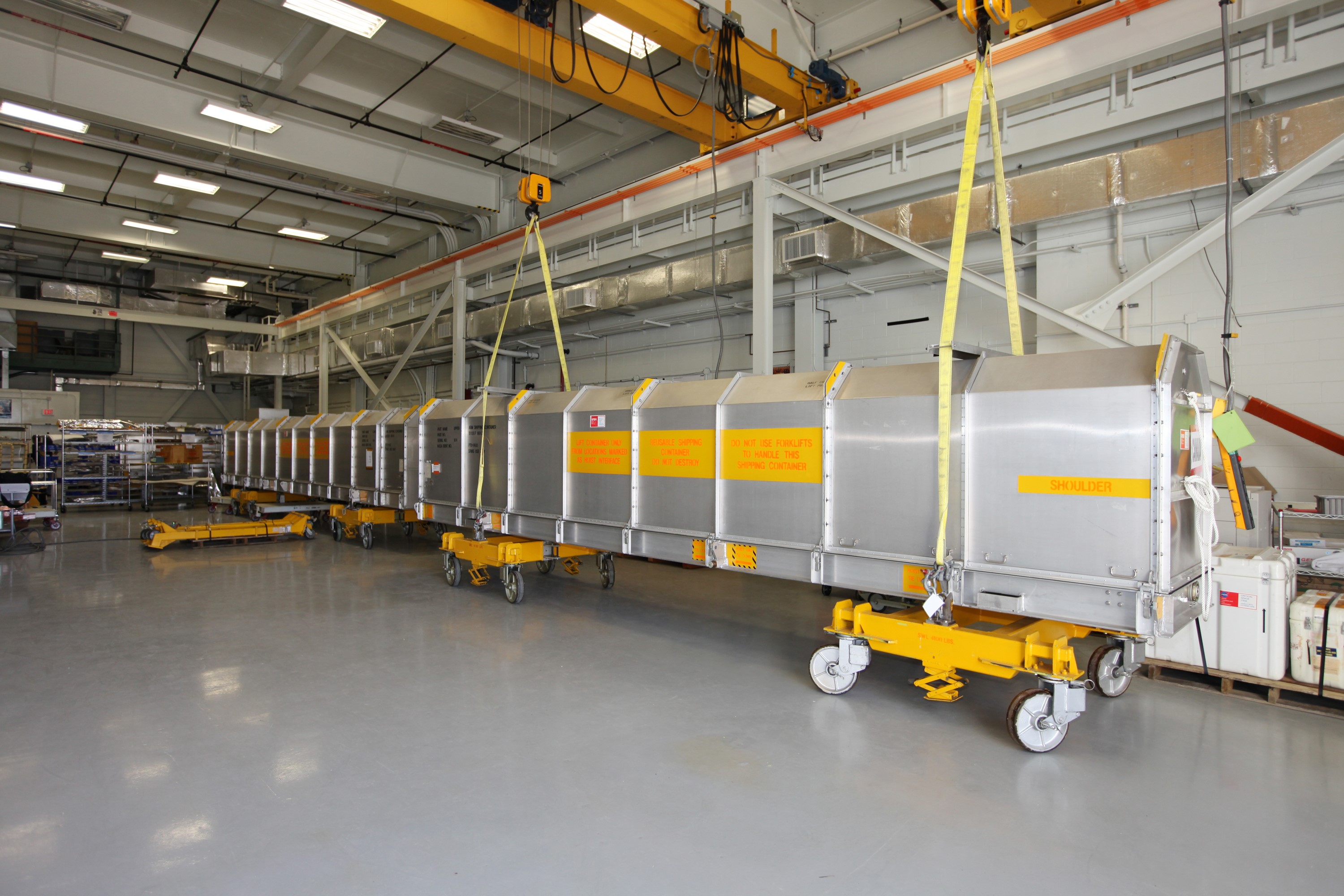
Canadarm's successor was permanently installed on the International Space Station in 2001. Canadarm2 is 17.6 metres long when fully extended, has seven motorised joints, and can lift payloads of up to 116,000 kilograms — roughly the weight of eight fully loaded school buses. Unlike its predecessor, it has no fixed base: it walks end-over-end across the station's exterior, gripping special attachment points and repositioning itself wherever it is needed. Each end is functionally identical, giving it two hands and a range of motion no human arm can match.
Operating alongside Canadarm2 is Dextre, the Special Purpose Dexterous Manipulator — a two-armed precision robot designed for maintenance work too delicate for the main arm. Weighing 1,660 kilograms and standing 3.67 metres tall, Dextre can position its tools to within 2 millimetres of a target. It has replaced batteries, swapped out external cameras, and repaired electrical systems on the station's outer hull — operations that would otherwise require astronauts to suit up for a spacewalk at a cost of weeks of preparation and significant risk. Dextre has eliminated dozens of such excursions, quietly saving billions in operational costs.
Eyes Over the North
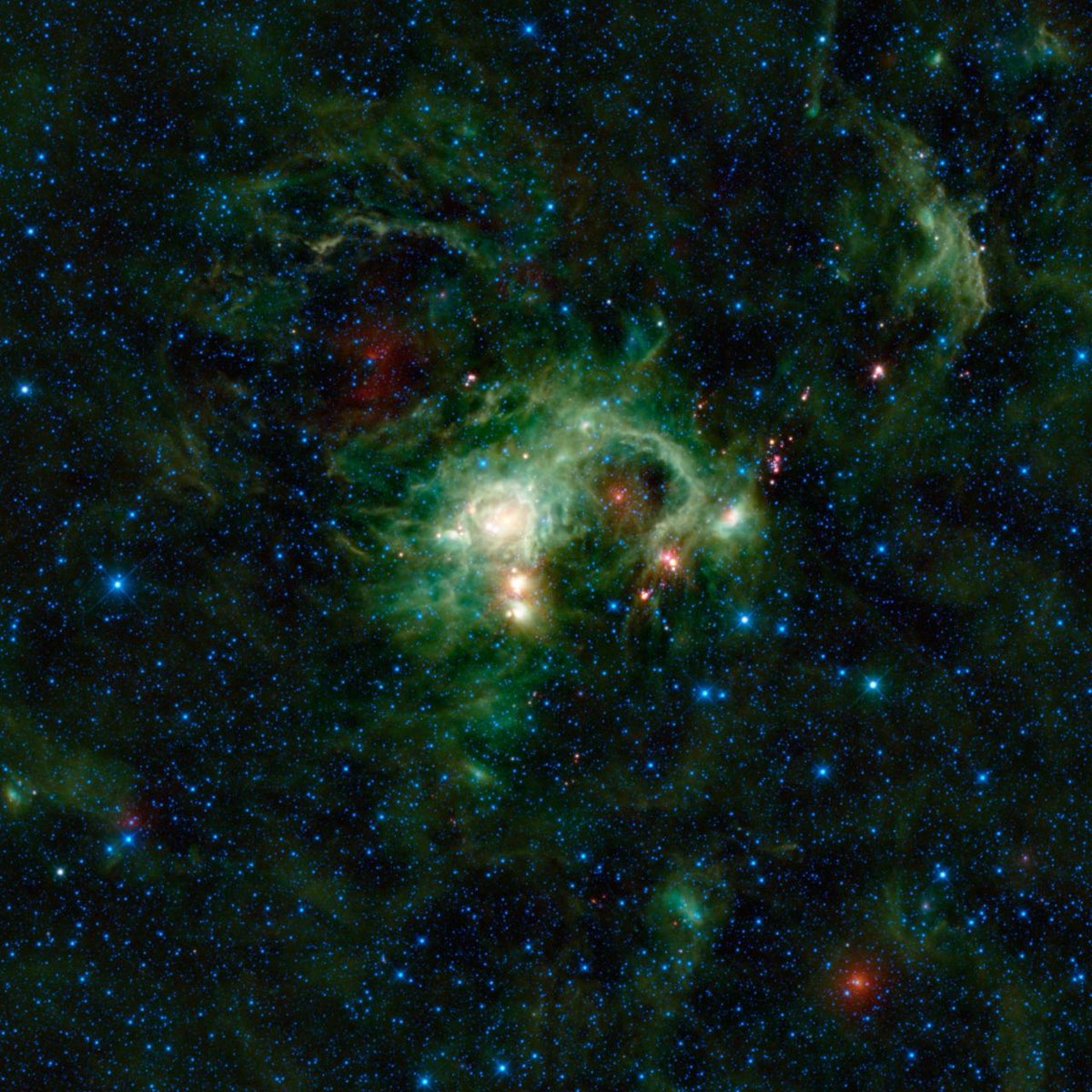
Canada's second great contribution to global space infrastructure is less visible but equally vital: radar satellites that observe a territory too vast and too remote for any ground-based or optical monitoring system.
Canada is the second-largest country on Earth by land area. Its coastline — longer than any other nation's — encompasses Arctic waters that are becoming increasingly contested as climate change opens new shipping routes and exposes sub-sea resources. Monitoring this territory requires technology that can see through clouds, through polar darkness, and through Arctic winter — conditions that make optical cameras useless.
That is precisely what synthetic aperture radar does. Canada's RADARSAT programme, which began with RADARSAT-1 in 1995, reached its third generation with the RADARSAT Constellation Mission (RCM), launched on June 12, 2019. Three identical satellites fly in formation on the same orbital plane, spaced 120 degrees apart, providing daily coverage of Canada's entire landmass and maritime zones. Over the Arctic, coverage reaches up to four revisits per day. Together, the constellation monitors glacier motion, sea-ice extent and type, maritime vessel traffic, flooding and wildfire progression, and agricultural conditions across millions of square kilometres.
The RCM operates at C-band frequency (5.405 GHz), with imaging resolution ranging from 3 to 100 metres depending on the mode selected. Its wide-area surveillance capability and daily Arctic revisit rate make it one of the most operationally significant Earth observation constellations in existence — not just for Canada, but for global environmental research and maritime security. In December 2025, Canada invested a further CAD $47 million to secure continued data access, a recognition that the constellation's outputs have become indispensable infrastructure.
Astronauts from the True North
Canada's human spaceflight story began with one man and an audacious bet.
Marc Garneau flew aboard Space Shuttle Challenger in October 1984, becoming the first Canadian in space. He was a Navy officer and electrical engineer who responded to a national call for astronaut candidates with little expectation of success. His flight — and the national pride it generated — established space as a legitimate Canadian ambition.
Roberta Bondar followed in January 1992, becoming not only the second Canadian in space but the first Canadian woman and the first neurologist ever to fly a space mission. Steve MacLean, Bjarni Tryggvason, Dave Williams, Julie Payette, and Robert Thirsk all flew over the following years. But no Canadian left a cultural footprint on space exploration quite like Chris Hadfield.
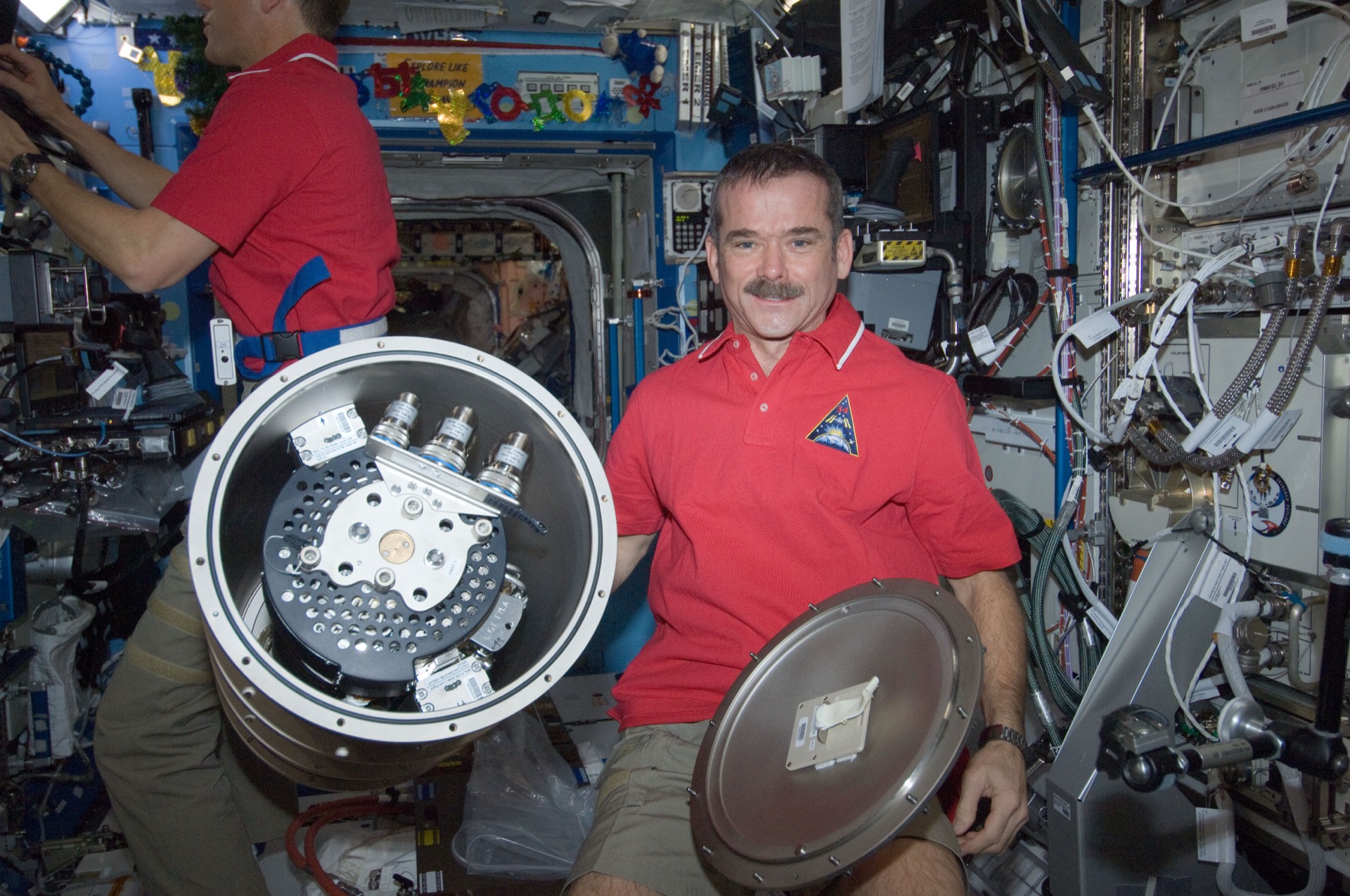
Hadfield's five-month mission aboard the ISS in 2012-2013 became something rare in the history of science communication: a genuine phenomenon. His photographs of Earth from orbit circulated worldwide. His guitar performances in microgravity — including a cover of David Bowie's Space Oddity filmed in the cupola with the planet spinning below him — reached tens of millions of people who had never thought seriously about space. He became the first Canadian ever to command the ISS, and in doing so, he made Canada's space programme impossible to overlook.
David Saint-Jacques followed in December 2018, completing a 204-day mission — the longest Canadian spaceflight on record at that time. During the mission, he conducted a spacewalk and became the first Canadian to operate Canadarm2 to capture a visiting spacecraft. He has since served as Deputy Director of Lunar Exploration at the CSA, contributing directly to Canadarm3's design.
Nine Canadians have now flown in space across 16 missions. The corps currently comprises four active astronauts: Jeremy Hansen, Joshua Kutryk, Jenni Gibbons, and David Saint-Jacques.
Jeremy Hansen and the Moon
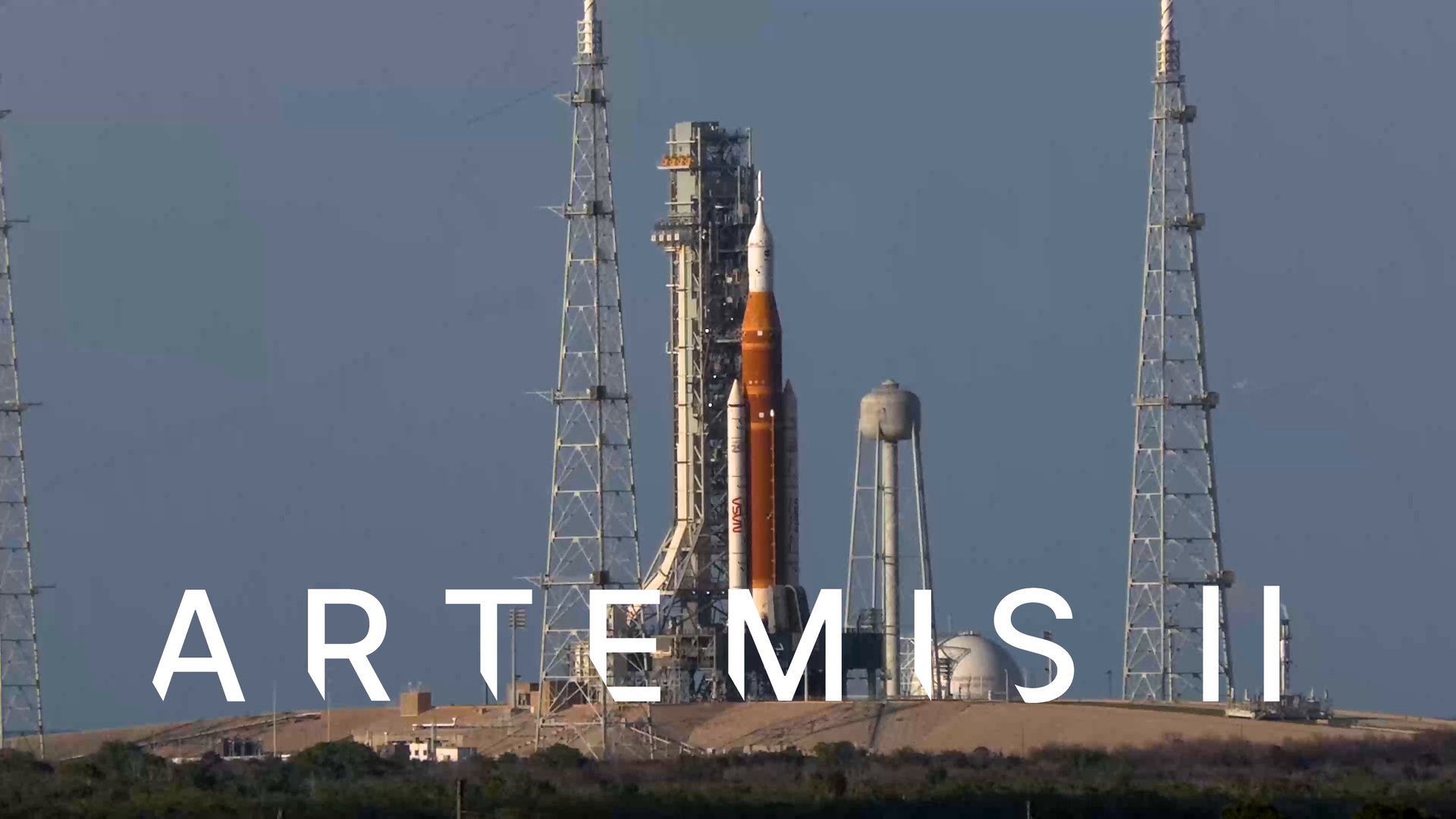
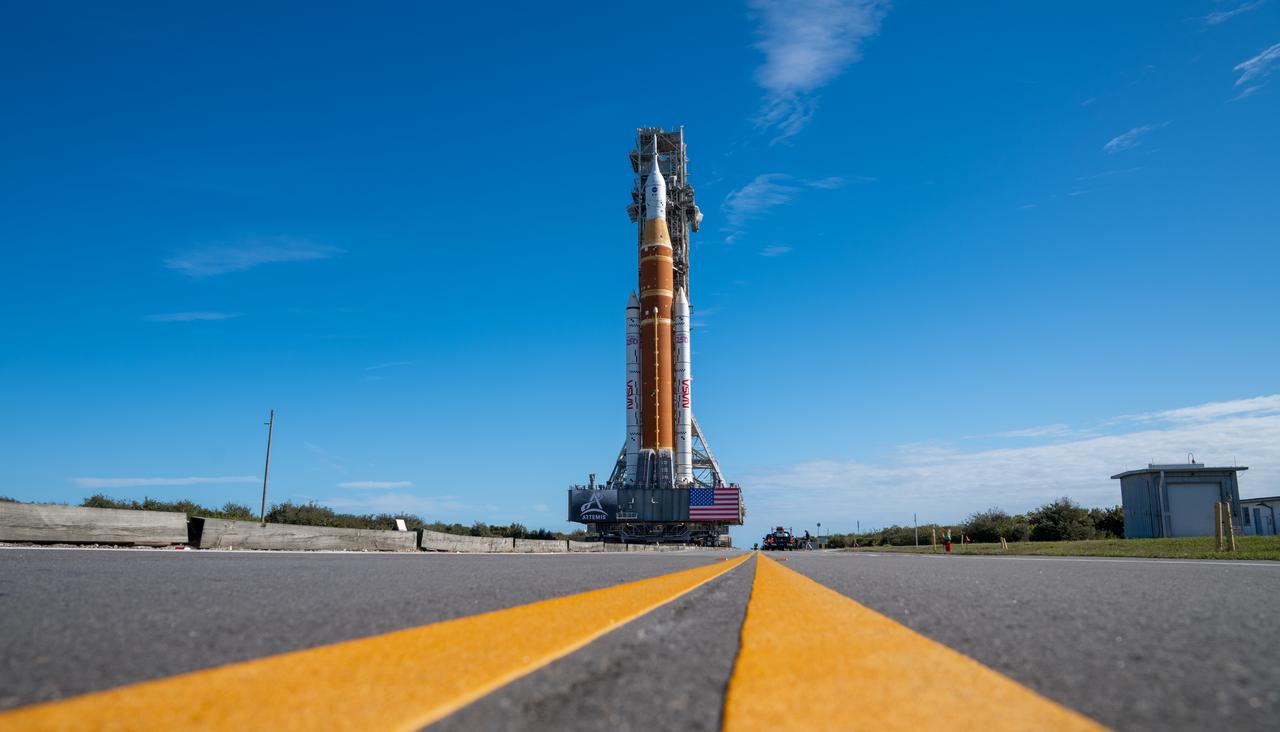
On April 1, 2026, a Space Launch System rocket lifted off from Kennedy Space Center, carrying Orion and four astronauts on the Artemis II mission. Ten days later they splashed down in the Pacific Ocean, having completed humanity's first crewed journey to the vicinity of the Moon since Apollo 17 in December 1972.
One of those four astronauts was Jeremy Hansen — born in London, Ontario in 1976, a retired Royal Canadian Air Force Colonel, CF-18 fighter pilot, holder of a Bachelor's degree in Space Science and a Master's in Physics from the Royal Military College of Canada. Selected by the CSA in 2009, he led NASA's astronaut class in 2017, the first Canadian ever to do so. When NASA assigned him to Artemis II in 2023, he became the first non-American astronaut ever selected for a mission beyond low Earth orbit.
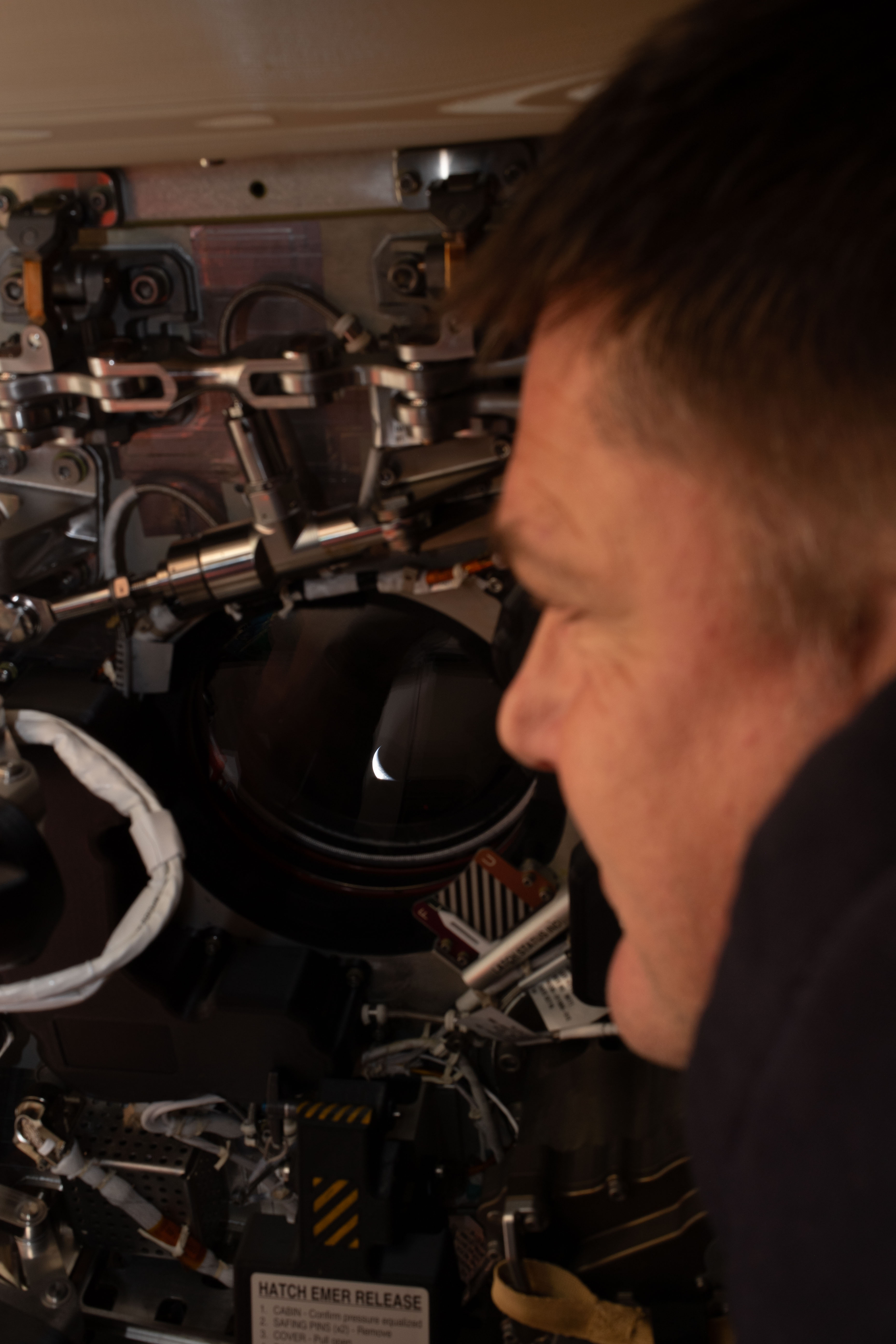
The mission lasted ten days. The crew set a new record for the farthest distance any humans have ever traveled from Earth — 406,771 kilometres, surpassing the unintentional record set by the Apollo 13 crew during their emergency return in 1970. On April 8, as the spacecraft swung around the Moon's far side, Hansen photographed the lunar surface through Orion's window with a Nikon Z 9, capturing images at 8,256 × 5,504 pixels of a world no Canadian had ever seen at close range.
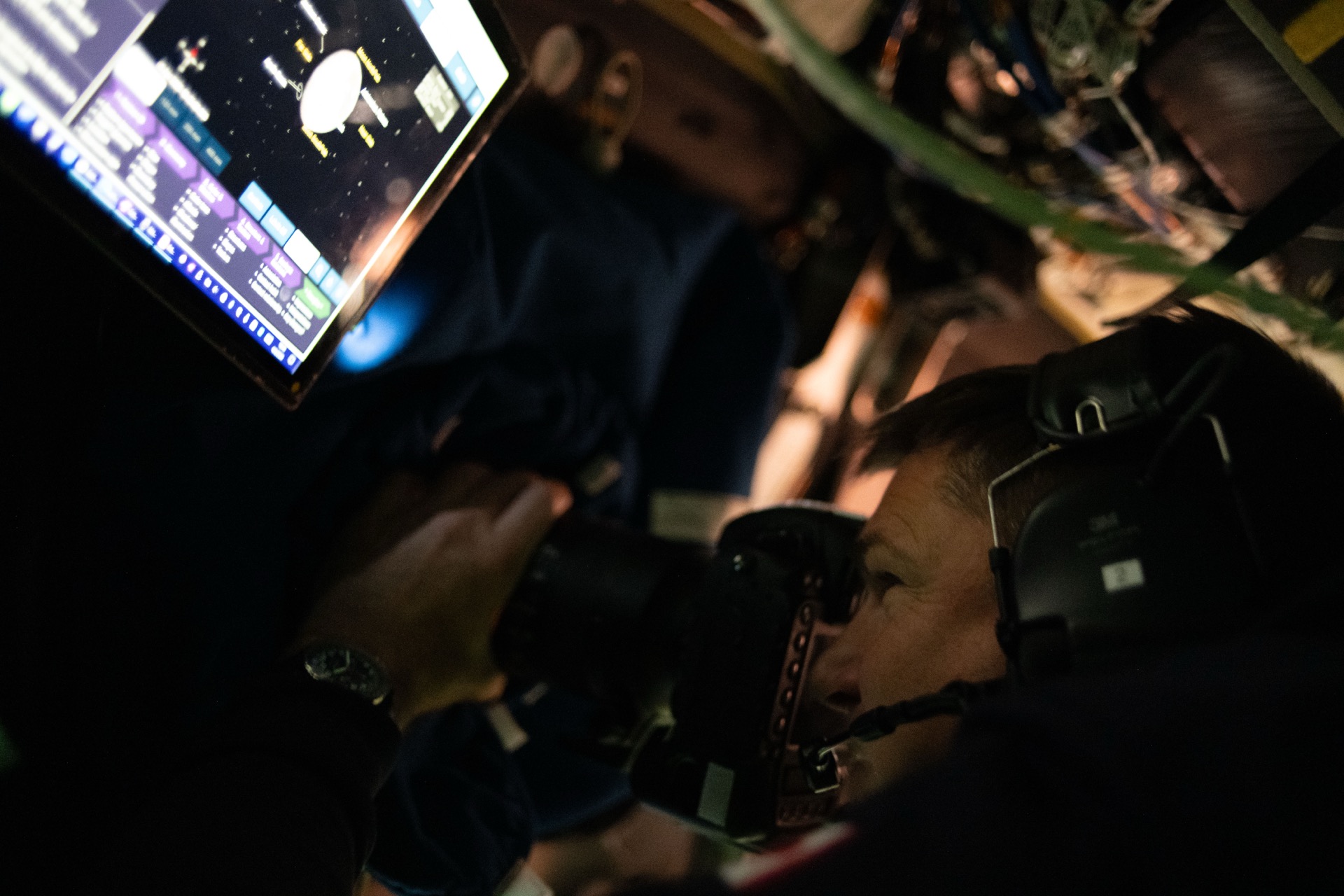
Canada's seat on Artemis II was not a gift. It was an exchange — negotiated directly against the value of Canadarm3. In agreeing to build the robotic system for the Lunar Gateway, Canada secured two astronaut mission slots to the Moon and a permanent role in every crewed lunar mission that will fly this decade. It is a deal that reflects the CSA's enduring strategy: trade engineering excellence for access.
Canadarm3 and the Lunar Gateway
The Lunar Gateway is NASA's planned deep-space outpost in lunar orbit, intended to serve as a staging point for surface missions and long-duration exploration. Canada's contribution — the price of its astronaut seat and its most ambitious engineering project to date — is Canadarm3.
Under development by MDA in Brampton, Ontario, Canadarm3 is the most sophisticated robotic system Canada has ever attempted to build. Its principal arm measures 8.5 metres in length. A smaller, more dexterous companion arm handles precision maintenance. Six 4K colour cameras — two 360-degree cameras on each side of the elbow, two swivel cameras on the boom, and one on each of the arm's end effectors — provide full situational awareness to operators in Canada, to Gateway's crew, or to the system's autonomous control software.
That last capability represents a fundamental departure from all previous Canadian space robots. Canadarm3 is designed to operate without human direction when no crew is present aboard Gateway — performing routine inspections, maintaining external systems, and berthing visiting vehicles using AI-driven autonomous control. The smaller arm can repair the larger one in orbit if required, eliminating the need for spacewalks in the intense radiation environment near the Moon. Target delivery is no earlier than 2029.
What Comes Next
Canada's pipeline has rarely looked fuller.
In mid-September 2026, Joshua Kutryk — a Colonel in the Royal Canadian Air Force with more than 4,000 flying hours across over 40 aircraft types and a PhD in flight test engineering — is scheduled to launch to the ISS aboard SpaceX Crew Dragon as part of the Crew-13 mission. It will be Canada's first flight on the Commercial Crew Programme and marks the continued deepening of Canada's integration into modern human spaceflight architecture.
Canadarm3 will define Canada's role in the 2030s lunar programme. The RADARSAT constellation will continue evolving to meet growing demand for Arctic and environmental monitoring. And the CSA's Lunar Exploration Accelerator Programme (LEAP) is actively preparing Canadian universities, companies, and research institutions to contribute science payloads and technology demonstrations directly to the Moon's surface.
For an agency operating on CAD $400 million a year, the return on that investment is, by any measure, extraordinary.
Canada did not design the rocket that carried Jeremy Hansen to the Moon. It did not build the spacecraft, write the mission architecture, or fund the programme that made Artemis possible. But Canada built the arms — the arms that assembled the station he trained on, the arms that will maintain the outpost he will help build near the Moon, and the engineering tradition that made him, as a Canadian, someone NASA could not afford to leave behind.
In space, where precision, reliability, and reach determine what is possible, arms matter more than almost anything else.
All images: NASA / Canadian Space Agency — public domain. Mission photographs from Artemis II (art002e009008, art002e016136, art002e009272) taken aboard Orion spacecraft, April 4–8, 2026.