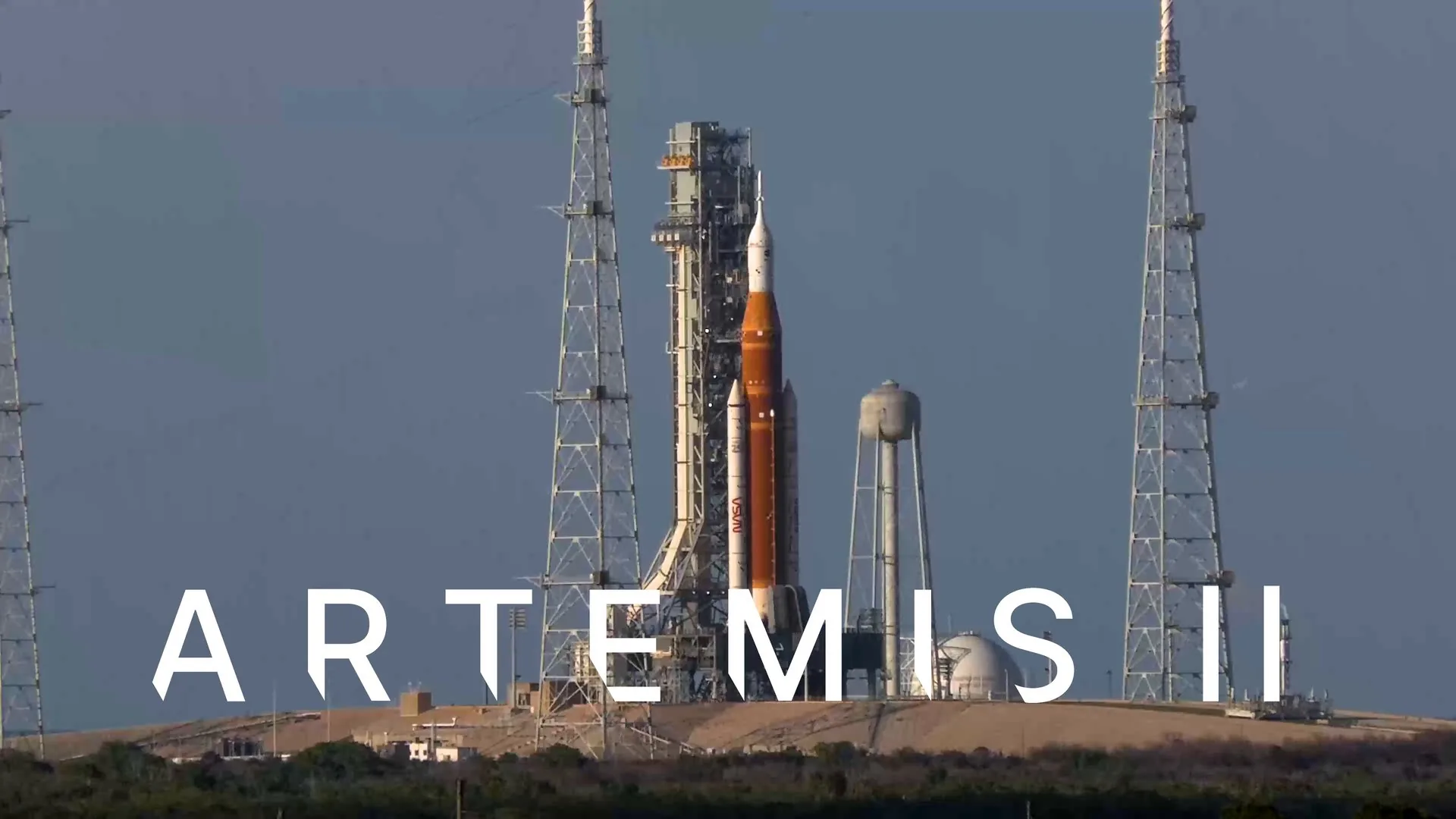
At 8:07 p.m. EDT on Friday, April 10, 2026, a charred but intact Orion capsule named Integrity splashed down in the Pacific Ocean off the coast of San Diego. Inside sat four humans who, over the previous ten days, had traveled farther from Earth than anyone in history — 252,756 miles at their farthest point, eclipsing the Apollo 13 record of 248,655 miles by more than 4,100 miles. Artemis II was not only a success; it was a milestone-for-milestone rewrite of the record books for human spaceflight and the definitive proof that NASA's new deep-space architecture works.
Here is the complete end-to-end recap of the Artemis II mission: the goals, the crew, the milestones, the science, and what it means for the road back to the Moon's surface.
Mission Goals: What Artemis II Had to Prove
Artemis II was designed as a crewed test flight — not a landing, not a long-duration stay, but a flight profile deliberately chosen to stress-test every system humans would need for longer, more ambitious Artemis missions to follow.
The mission had four primary objectives:
- Validate Orion's life-support, navigation, and communications systems during a ten-day deep-space flight with a real crew on board.
- Demonstrate the Space Launch System (SLS) as a human-rated rocket on its second-ever flight and its first with astronauts aboard.
- Rehearse operations critical to Artemis III, including a proximity operations demonstration with the Interim Cryogenic Propulsion Stage (ICPS) and lunar-distance maneuvers.
- Survive a high-energy reentry at lunar-return velocity — a test the redesigned heat shield had to pass before any crewed landing could be attempted.
Every one of those objectives was achieved.
The Crew That Made History
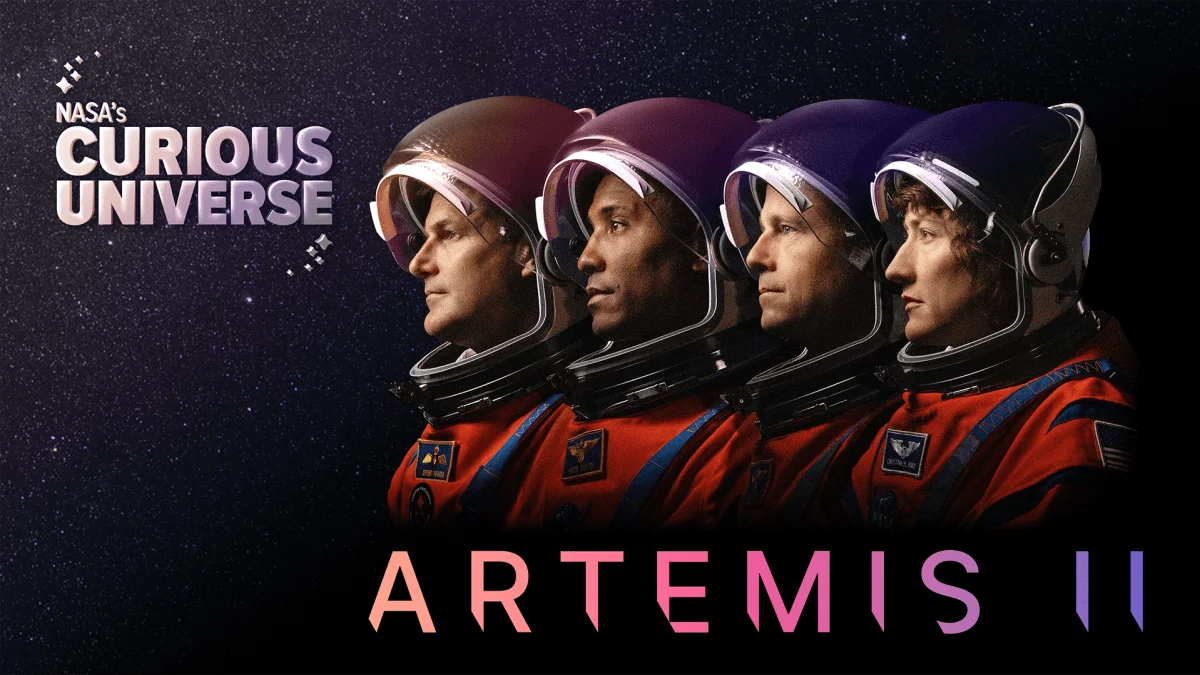
Four astronauts flew the mission:
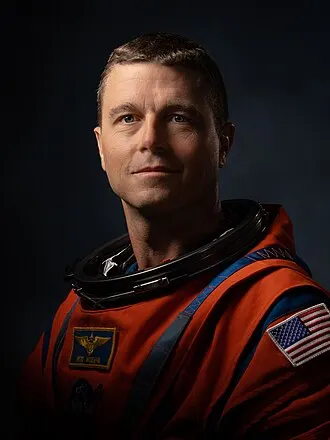
- Commander Reid Wiseman (NASA) — a Navy test pilot and veteran ISS resident, commanding his first deep-space mission.
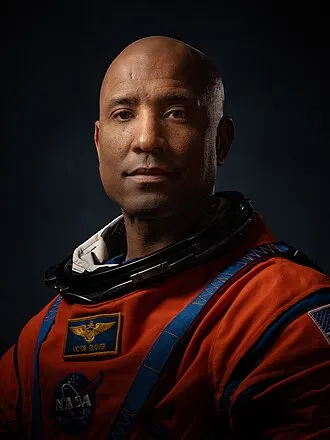
- Pilot Victor Glover (NASA) — the first person of color to travel beyond low Earth orbit, previously the pilot of SpaceX Crew-1 to the ISS.
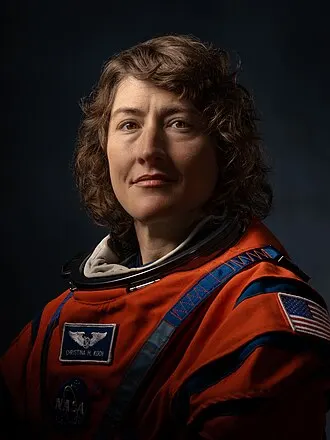
- Mission Specialist Christina Koch (NASA) — the first woman to fly to lunar distance, holder of the longest single spaceflight by a woman (328 days).
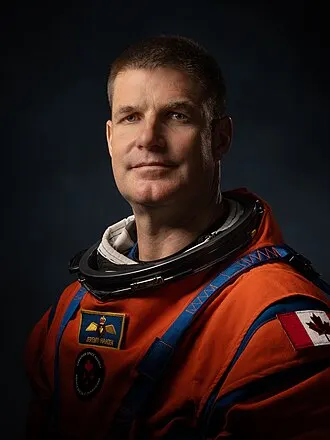
- Mission Specialist Jeremy Hansen (CSA) — the first non-American astronaut to travel to the Moon, a Canadian Space Agency pilot and geology-trained mission specialist.
Before launch, none of them had flown beyond low Earth orbit. By splashdown, all four had flown farther from Earth than any human who ever lived.
Day 1 — Liftoff and Earth Orbit Checkout
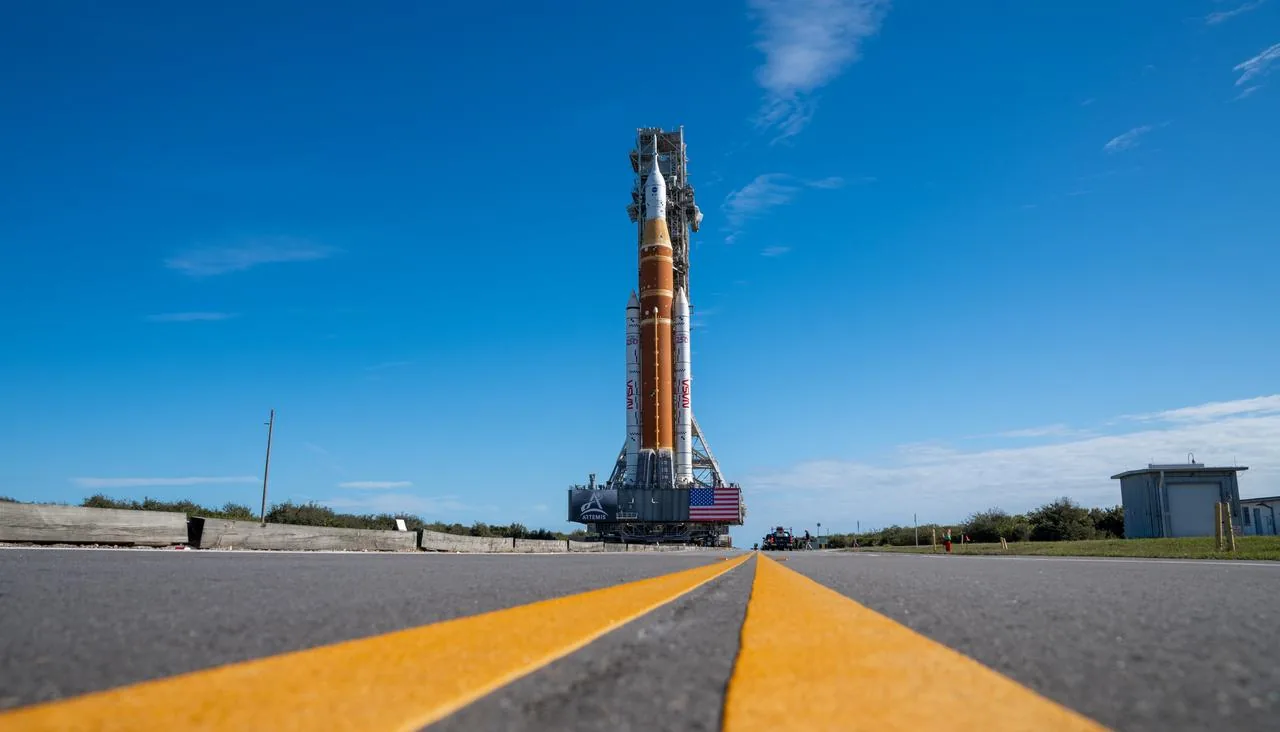
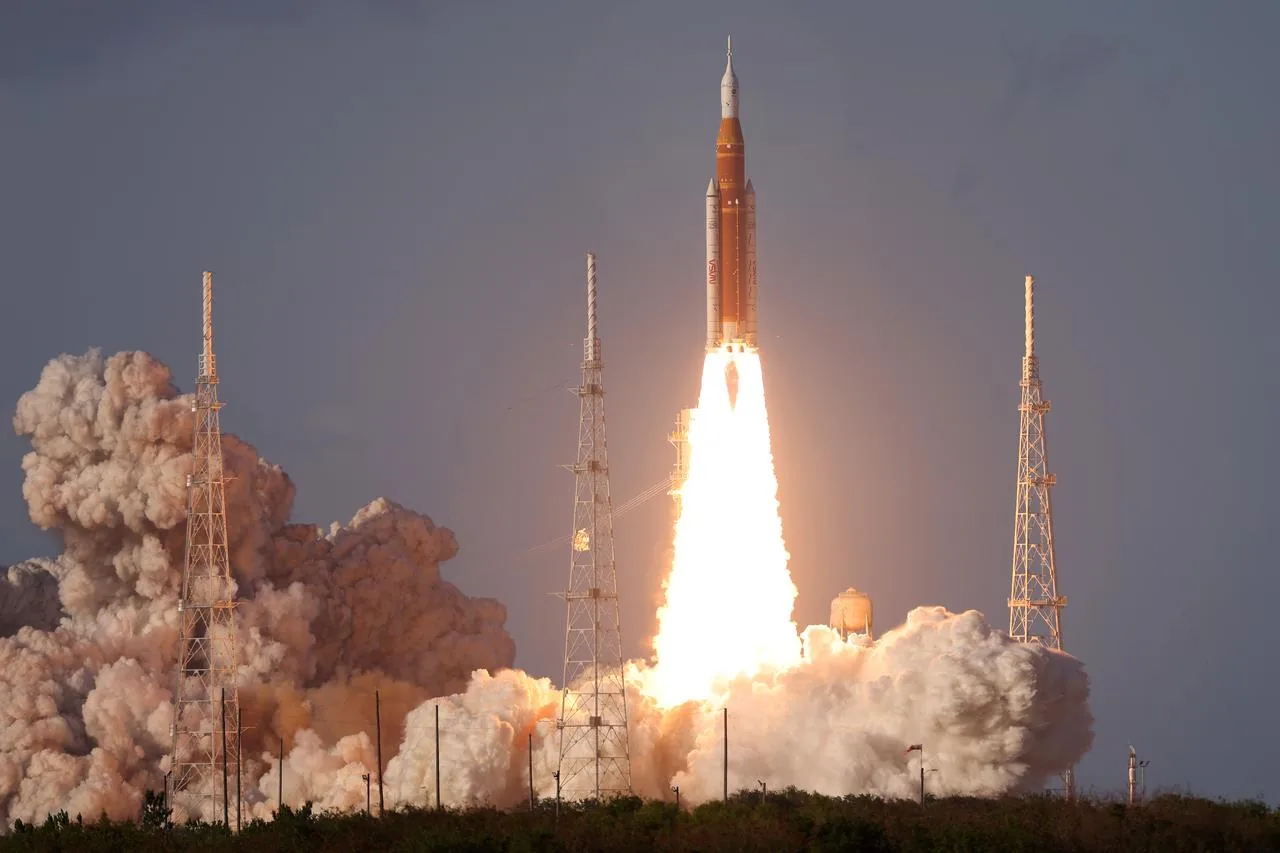
On April 1, 2026, at 6:24 p.m. EDT, the SLS rocket ignited its four RS-25 engines and two five-segment solid rocket boosters. Eight and a half minutes later, the core stage cut off at 17,000 mph — roughly Mach 23 — and the ICPS took over. Orion and its European-built Service Module were placed into a high-elliptical Earth orbit, giving the crew approximately 24 hours to methodically check out every spacecraft system.
This "high Earth orbit checkout" was a new addition to the Artemis II profile — a precaution added after Artemis I flagged heat-shield behavior that needed more margin. If anything had gone wrong during the checkout, Orion could have returned to Earth safely within hours. Everything passed.
Day 2 — Trans-Lunar Injection and Prox Ops Demo

On Flight Day 2, the ICPS fired its RL10 engine to propel Orion onto a lunar-bound free-return trajectory, then separated. Before the stage drifted away, Orion performed a proximity operations demonstration — carefully maneuvering around the spent ICPS to rehearse the kind of rendezvous and manual handling that future Artemis crews will need when docking with the Human Landing System or the Lunar Gateway.
Commander Wiseman handled the manual control portions. It was the first time a crewed spacecraft had done that kind of maneuver beyond low Earth orbit since the Apollo program.
Days 3–5 — Outbound Transit
The outbound coast to the Moon took roughly four days. During this transit, the crew:
- Conducted extensive life-support system validation
- Tested Orion's exercise equipment (a flywheel-based resistive device)
- Performed radiation monitoring and sampled air for CO₂ scrubbing efficiency
- Rehearsed emergency procedures
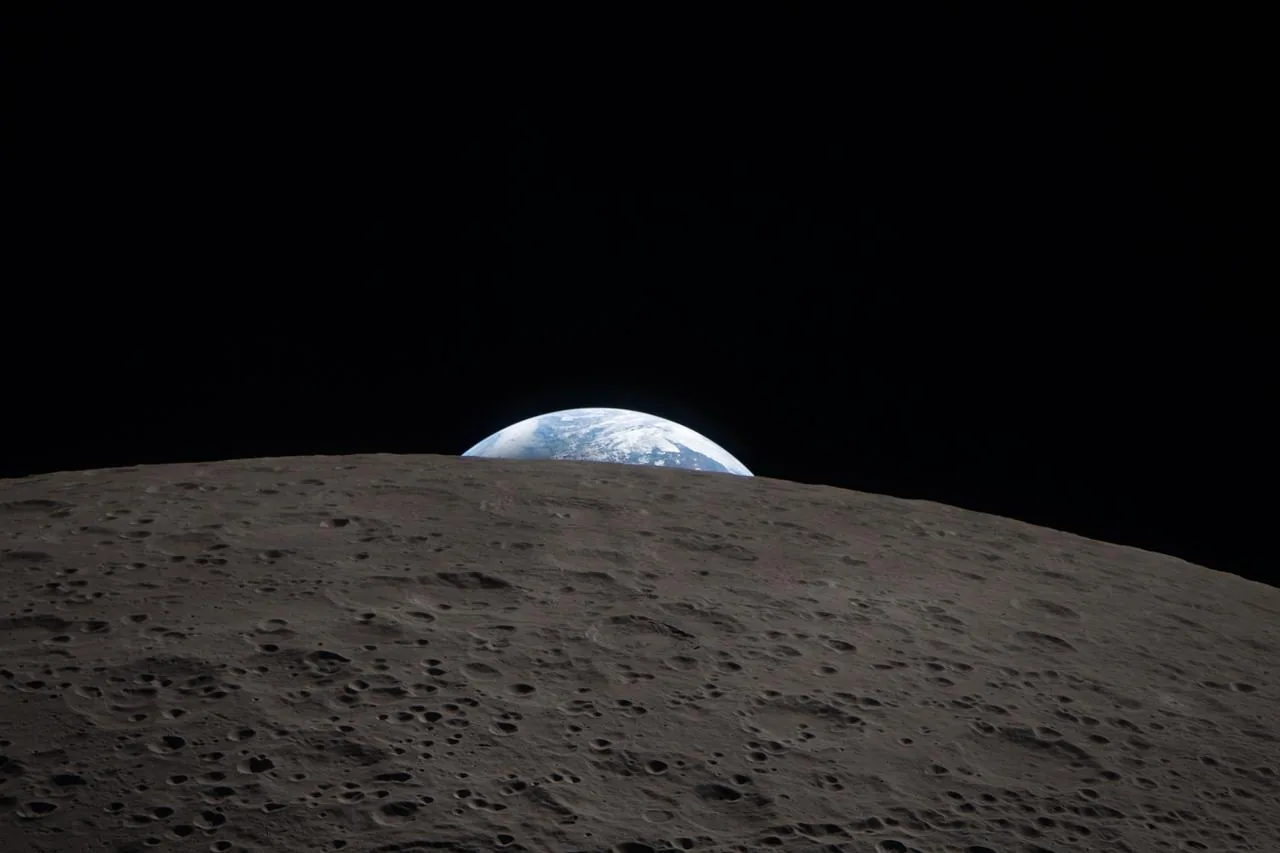
- Captured imagery of Earth shrinking behind them
As Orion climbed out of Earth's gravity well, the crew became the first humans in half a century to see the planet as a distant blue sphere, unadorned by the visual anchor of a spacecraft window frame filled with the ISS or a low-orbit view.
Day 6 — The Lunar Flyby
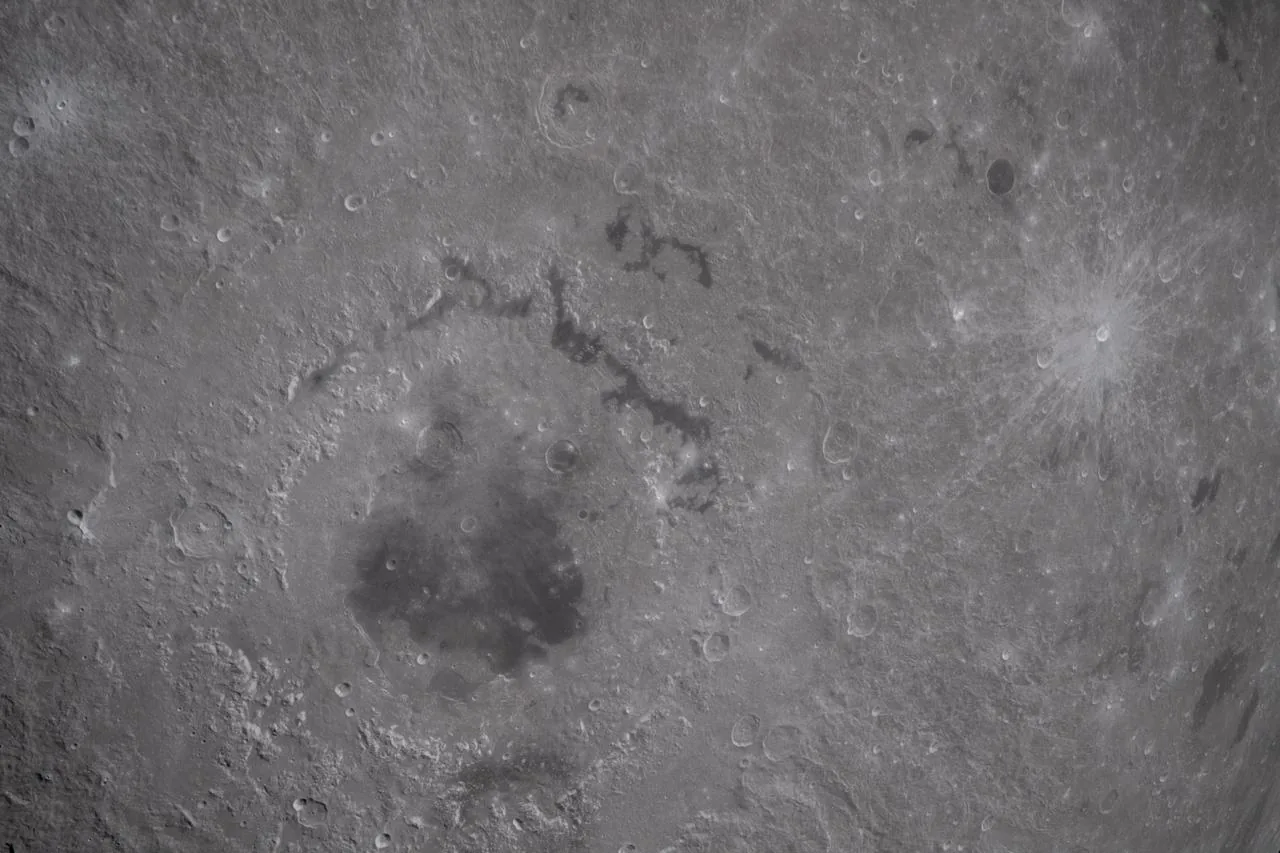
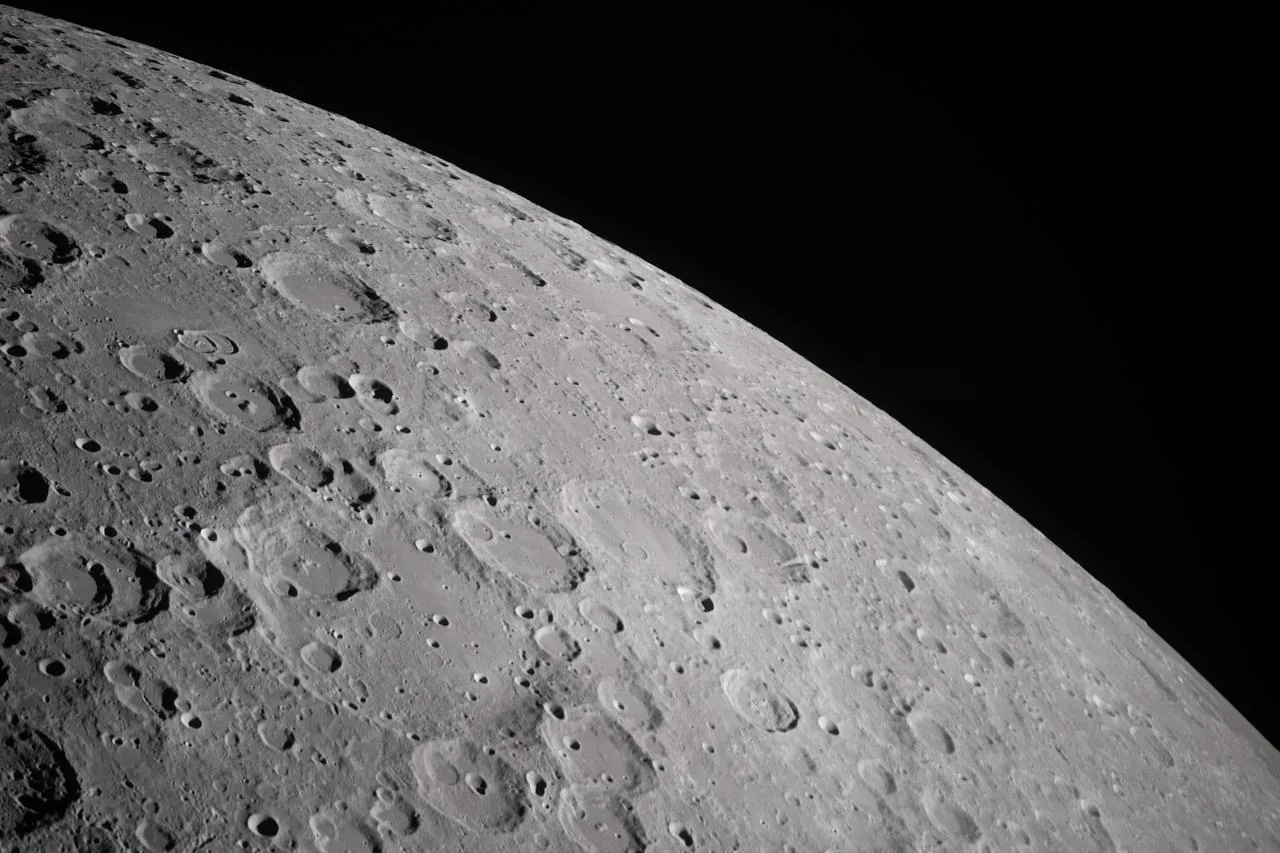
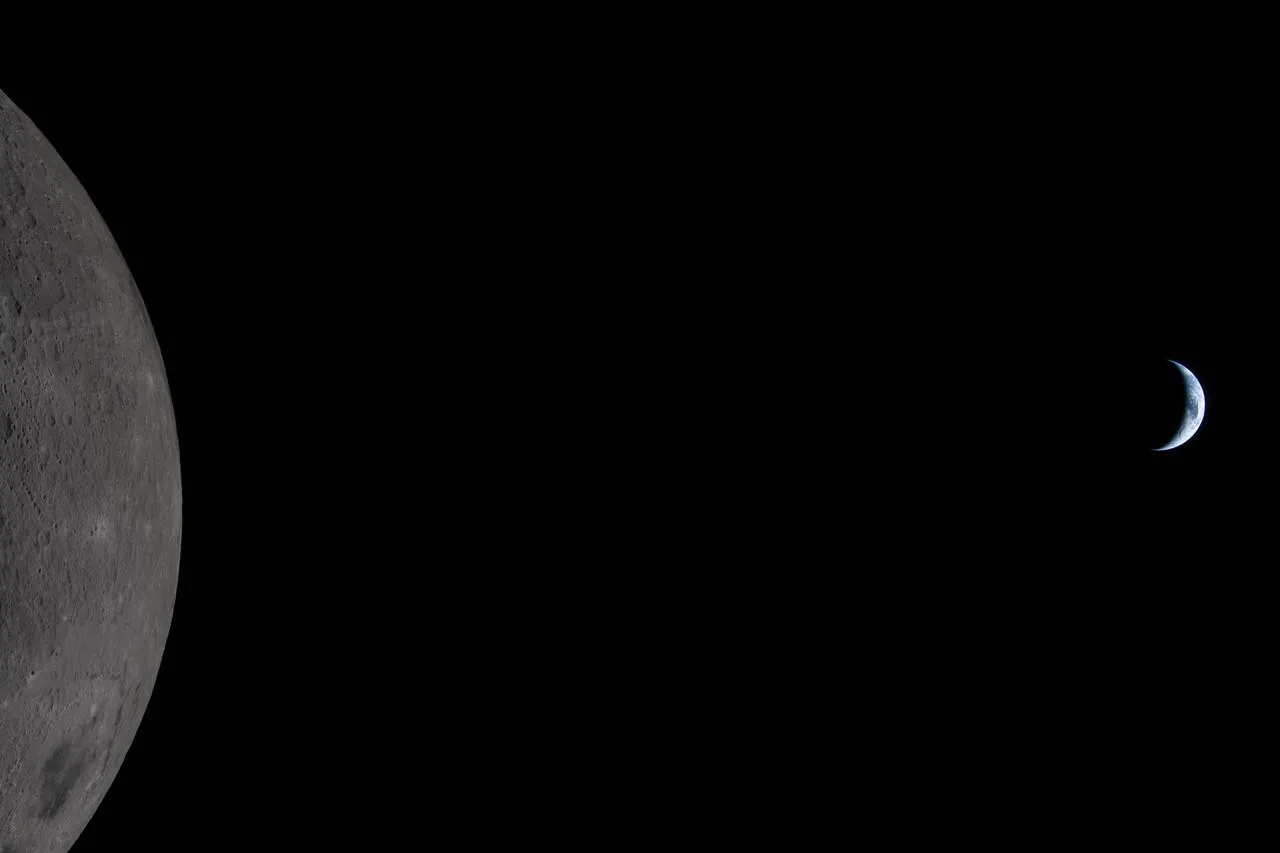
The most photographed moment of the mission happened on Flight Day 6, April 6. Orion made its closest approach to the Moon — 4,067 miles above the lunar surface, passing behind the far side at roughly 7:00 p.m. EDT during a planned 40-minute loss of signal with Earth. For 40 minutes, no one at NASA could speak with the crew. When the signal came back, mission control in Houston erupted.
The numbers from the flyby:
- Closest approach: 4,067 miles above the lunar surface
- Farthest distance from Earth: 252,756 miles (a new all-time human spaceflight record)
- Beat Apollo 13's 1970 record by 4,101 miles
- More than 7,000 images captured of the lunar surface, Earth, and a partial solar eclipse visible from Orion's unique vantage point
The crew's observations revealed previously under-documented features of the lunar far side, including striking color variations in regolith, ancient lava flows, and impact craters in sharper detail than earlier uncrewed missions had returned.
The Science: What Artemis II Studied
Artemis II carried a modest but well-chosen suite of experiments, because the mission's primary purpose was engineering validation. Still, the science return was substantial:
- Crew observations of the lunar far side — real-time geological commentary from Christina Koch and Jeremy Hansen, both geology-trained, as Orion swept past previously seen terrain. Juliane Gross, the Artemis curation lead at NASA, recorded crew descriptions in real time to help plan Artemis III surface operations.
- Deep-space radiation measurements inside Orion using dosimeters worn by the crew and embedded in the spacecraft. This data will inform radiation shielding decisions for Gateway and Artemis III.
- Biological payloads in the Orion crew compartment, testing how yeast, fungi, and seeds respond to deep-space conditions. Unlike the ISS environment, Artemis II took these specimens through Earth's Van Allen radiation belts twice.
- Sample-return imagery — the first-ever high-resolution crewed-camera photography of the lunar far side at close range.
Combined with images captured during the partial solar eclipse visible from Orion's vantage, the mission produced a dataset that scientists will work through for years.
Days 7–9 — Return Transit
After the flyby, the Moon's gravity bent Orion's trajectory back toward Earth. The return coast lasted roughly four days, during which the crew continued systems testing, conducted extensive photography, recorded video messages for the public, and — per a tradition dating to Apollo — celebrated Easter Sunday (April 5 fell during the outbound leg, but the crew extended Easter observance into the return). Commander Wiseman read a brief passage to Earth as Orion coasted home.
During this phase, the crew also transmitted the first high-definition 4K video feed from lunar distance, giving the public an unprecedentedly clear view of what astronauts see from nearly a quarter-million miles out.
Day 10 — Reentry and the Heat Shield's Big Test
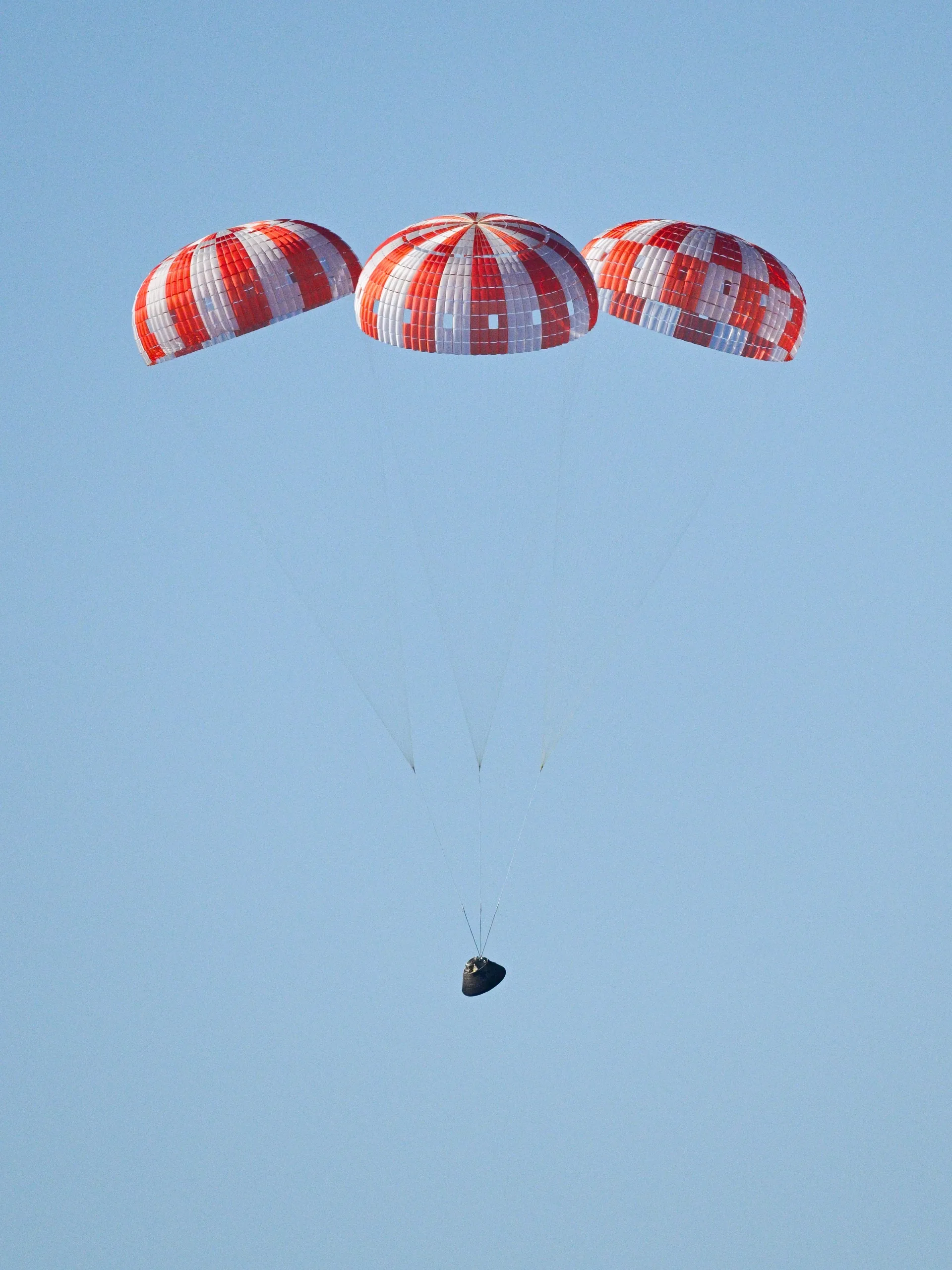
On April 10, 2026, Orion separated from its European Service Module and prepared for the reentry that the entire program had been waiting for.
Orion struck Earth's atmosphere at Mach 33 — approximately 25,000 mph — producing a fireball at roughly 5,000°F. The newly modified heat shield was the single most-watched system of the entire flight. After Artemis I (uncrewed, 2022) returned with unexpected charring patterns, NASA had spent two-plus years redesigning the ablative layer, thermal modeling, and reentry skip trajectory. Artemis II's heat shield had to work, because Artemis III's crew would rely on the same design.
It worked.
Orion executed the entire descent automatically. Drogue parachutes deployed high in the atmosphere; three massive main parachutes unfurled next, slowing the capsule from hundreds of mph to about 20 mph at splashdown. At 8:07 p.m. EDT (5:07 p.m. PDT), Integrity hit the water off the California coast. The USS John P. Murtha, part of the Navy recovery team, was already on station. Helicopters ferried the astronauts from the capsule to the deck of the ship, where they were greeted by NASA medical teams.
Within hours, video emerged from inside the capsule: the four astronauts out of their seats, laughing with medical personnel, apparently unbothered by ten days of zero-g followed by a fiery plunge through the atmosphere.
Why This Mission Matters
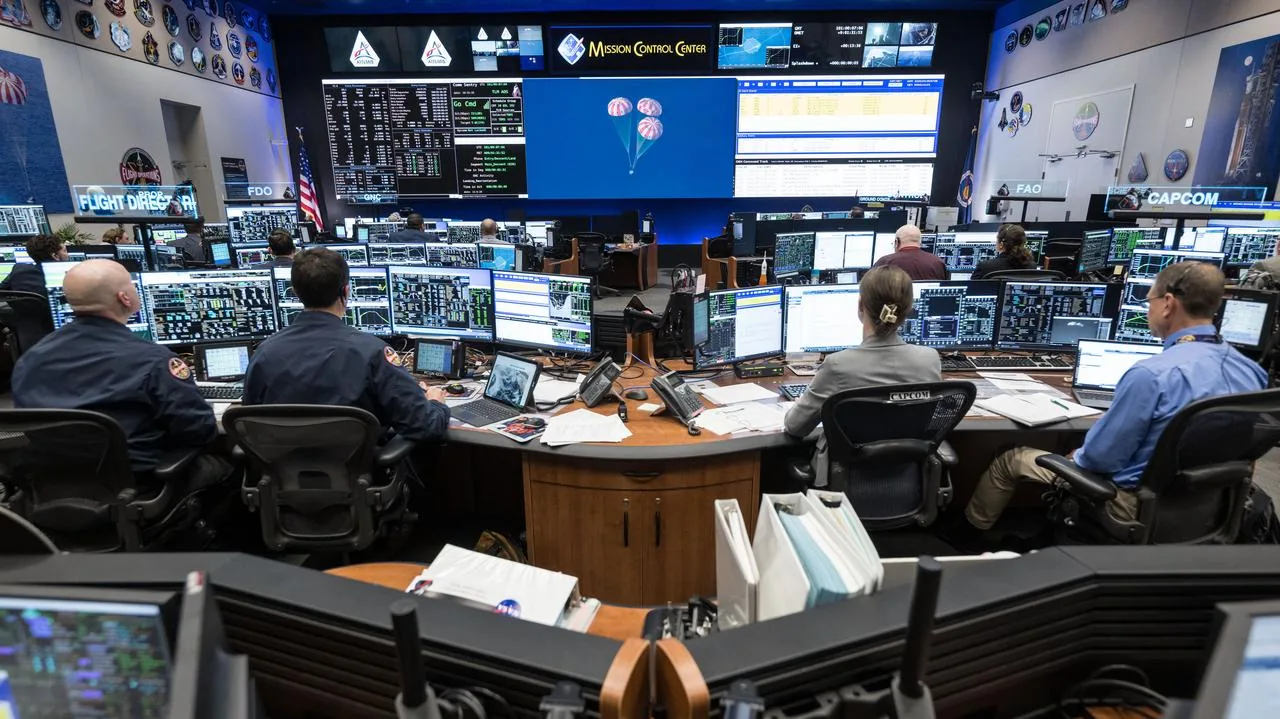
Artemis II mattered for reasons that go far beyond a single flight:
It validates the full Artemis architecture. SLS, Orion, the European Service Module, the Exploration Ground Systems at Kennedy, the Deep Space Network, the tracking and recovery infrastructure — all of it flew together for the first time with humans on board and all of it worked. Every subsequent Artemis mission inherits that validated baseline.
It proves the heat shield. The redesigned Orion heat shield is the single most safety-critical piece of hardware on any future Artemis crewed mission. Artemis II's clean reentry means NASA can proceed with crewed lunar landing planning without a multi-year redesign loop.
It resets the record for human spaceflight distance. For 56 years, Apollo 13's record stood as the high-water mark of crewed deep-space travel. Artemis II broke that record on purpose, with a nominal free-return trajectory — not as the outcome of an emergency. The record is now a reference point for future missions, not a historical curiosity.
It is a proof of international collaboration. Jeremy Hansen's presence aboard Orion was made possible by the European Service Module built by ESA, and by a cooperation agreement in which NASA trades Canadian-built robotics and crew seats. Artemis is not just an American program — it is a coalition program, and Artemis II made that explicit.
It restores deep-space human exploration as a policy reality, not a talking point. For more than five decades, plans for "returning to the Moon" cycled through administrations without a crewed mission actually flying. Artemis II is the first mission since 1972 to put humans on a trajectory to the Moon. That distinction is binary: it either happens or it doesn't. It happened.
What Comes Next: Artemis III and the Landing
With Artemis II complete, NASA's attention turns almost immediately to Artemis III — the first crewed lunar landing since Apollo 17 in 1972. The mission is planned for 2027 at the earliest, with the following architecture:
- SLS Block 1 and Orion launch the crew from Kennedy Space Center, similar to Artemis II.
- A SpaceX Starship Human Landing System (HLS) launches separately, refuels in low Earth orbit, and pre-positions itself near the Moon.
- Orion docks with Starship HLS in lunar orbit. Two astronauts transfer to the lander.
- Starship HLS descends to the lunar south pole, where the landing site will give astronauts their first look at the permanently shadowed craters that may hold water ice.
- After a multi-day surface stay, the crew returns to Orion and rides home.
Artemis III will be considerably more complex than Artemis II, and the SpaceX Starship HLS itself remains in active development with its own ambitious timeline. But none of it is possible without the baseline that Artemis II just established.
Beyond Artemis III, NASA's long-term plan calls for the Lunar Gateway — a small space station in a near-rectilinear halo orbit around the Moon — to begin assembly in the late 2020s, with Artemis IV and V beginning to use it as a staging point. The eventual goal is a sustained human presence at the lunar south pole, a "Moon base camp" with reusable transportation infrastructure, and ultimately the use of lunar-derived propellant to support the first crewed missions to Mars.
The Moment Humanity Returned
When Gene Cernan climbed the ladder of the Apollo 17 lunar module in December 1972, he famously said, "We leave as we came, and God willing, as we shall return to: with peace and hope for all mankind." For more than five decades, that "God willing" was the unresolved part of the sentence. Artemis II resolved it.
Four astronauts flew to the Moon and came home. A spacecraft built on two continents survived conditions no crewed vehicle had faced since the Nixon administration. A record nobody had expected to be broken was broken. And a new generation of human deep-space exploration, paused since before most of the people reading this were born, is now unambiguously under way.
The next footprints on the Moon are no longer hypothetical. The vehicle that will carry them has flown. The crew that will follow is already training. And the question is no longer whether humans are going back — it is which of them arrives first.