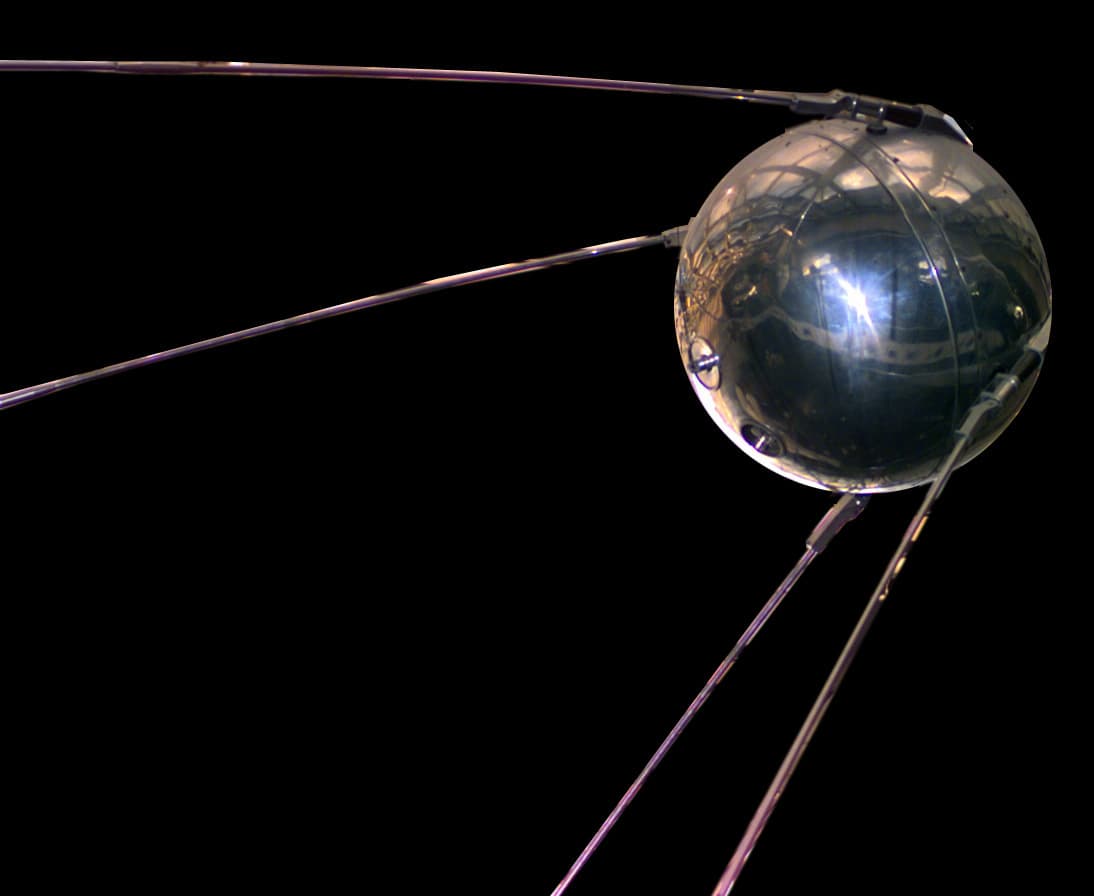
On the evening of October 4, 1957, a polished aluminum sphere the size of a beach ball began circling the Earth at 29,000 kilometers per hour, emitting a simple radio pulse — beep, beep, beep — on 20.005 and 40.002 megahertz. The signal could be picked up by any amateur radio operator on the planet. Within hours, the world knew that the Soviet Union had placed the first artificial object into orbit around the Earth, and that the Space Age had begun not in the laboratories of Massachusetts or the deserts of New Mexico, but in the vast steppe of Kazakhstan, at a secret launch site that did not officially exist.
Sputnik 1 weighed 83.6 kilograms. It carried no scientific instruments of consequence. Its batteries lasted 21 days. But its impact was seismic. The United States was plunged into what President Eisenhower's science advisor James Killian called "a crisis of confidence." Congress held emergency hearings. NASA was created the following year. The entire architecture of the Cold War shifted because a country that most Americans associated with wheat harvests and heavy industry had beaten them to orbit.
What almost nobody in the West understood was that the satellite was essentially a side project. The rocket that launched it — the R-7 Semyorka — had been designed as the world's first intercontinental ballistic missile. And the man who built both the rocket and the satellite was a former gulag prisoner whose name was a state secret, known to the outside world only as "the Chief Designer."
This is Part 1 of a comprehensive two-part series on the Soviet and Russian space program. Part 1 traces the full arc of Soviet-era space dominance — from Sergei Korolev's imprisonment and rehabilitation, through the firsts that stunned the world, the moon race that was lost, the space stations that redefined long-duration spaceflight, and the spacecraft and shuttle that embodied both triumph and tragedy. Part 2 will cover the post-Soviet collapse, the ISS partnership, the Luna-25 failure, and the uncertain future of Russian spaceflight.
Korolev: The Secret Genius Behind Soviet Space Supremacy (1945-1966)
Every space program has a founding father. The Soviet Union's was a man the Soviet Union itself refused to name.
Sergei Pavlovich Korolev was born on January 12, 1907, in Zhytomyr, in what is now Ukraine. He studied aeronautical engineering at the Kyiv Polytechnic Institute and the Bauman Moscow State Technical University, and by his mid-twenties was designing rockets at the Moscow-based Group for the Study of Reactive Motion (GIRD). In 1933, GIRD launched the Soviet Union's first liquid-fueled rocket, the GIRD-09. Korolev was 26 years old.
Then came the Great Terror. In 1938, during Stalin's purges, Korolev was arrested on false charges of sabotage. He was interrogated, beaten, and sentenced to ten years of hard labor. He spent time in the Kolyma gold mines — among the deadliest camps in the gulag system — before being transferred to a sharashka, a prison laboratory where arrested engineers worked on military projects. His jaw was broken during interrogation. He lost most of his teeth. He contracted scurvy. He nearly died.
Korolev was released in 1944 and formally rehabilitated in 1957. The experience left him with permanent health problems but did not diminish his engineering genius. After the war, he was sent to Germany to study captured V-2 rockets, just as Wernher von Braun was being spirited to the United States under Operation Paperclip. While von Braun got American citizenship and eventually the Saturn V, Korolev got the blueprints and a mandate: build the Soviet Union an intercontinental ballistic missile.
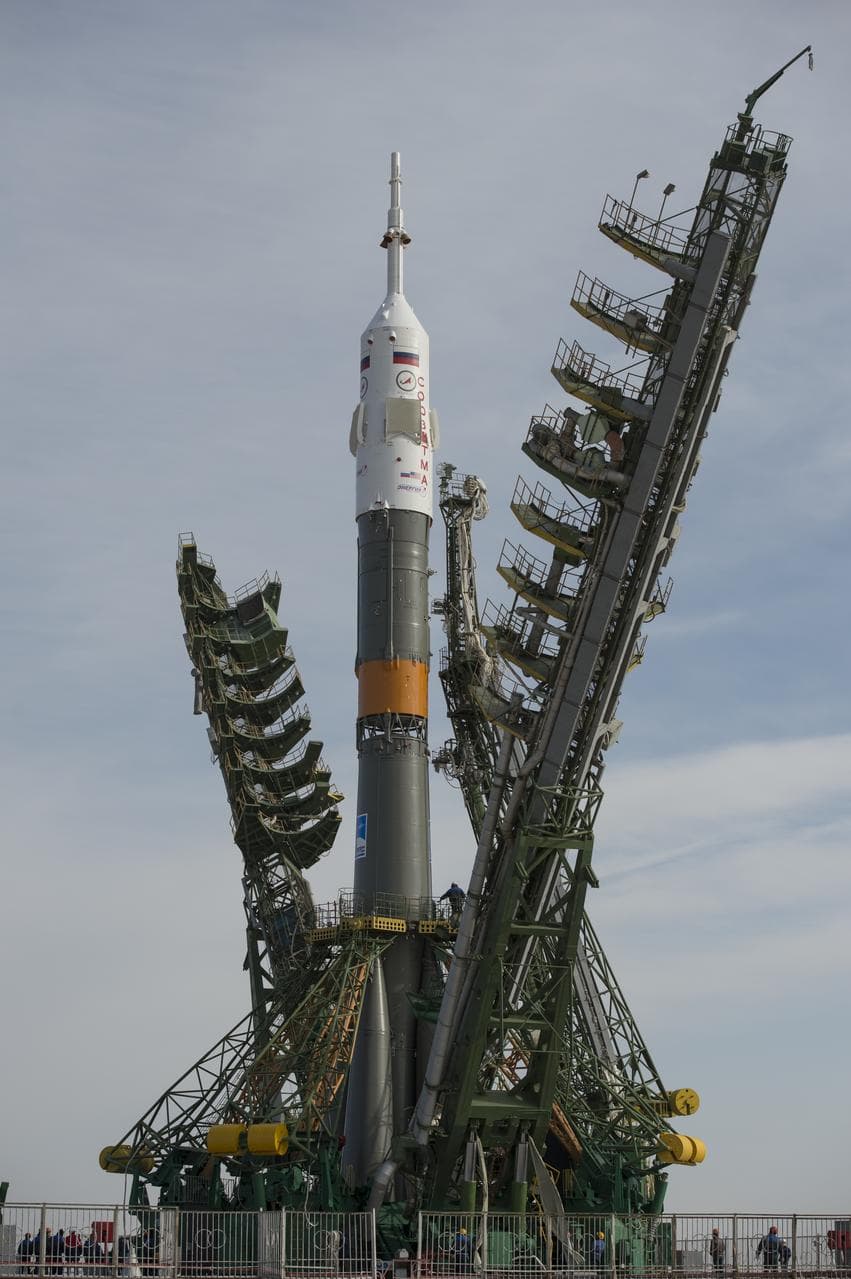
The result was the R-7, the most consequential rocket in the history of spaceflight. First tested in August 1957, the R-7 stood 34 meters tall, was powered by four strap-on boosters and a central core stage, generated roughly 3.9 meganewtons of thrust, and was designed to hurl a thermonuclear warhead across 8,800 kilometers. But Korolev saw a second use: if the R-7 could throw a three-tonne warhead to another continent, it could throw a much lighter payload into orbit. He lobbied the Soviet leadership relentlessly, and Nikita Khrushchev, persuaded by the propaganda value, gave permission for a satellite launch. When the military test series ran into delays, Korolev seized the opening and launched Sputnik before the Americans could orbit their own Vanguard satellite.
Throughout his career, Korolev operated under total secrecy. Soviet policy dictated that the Chief Designer's identity be classified to prevent any individual from rivaling the Party's prestige. Korolev was nominated for the Nobel Prize after Sputnik, but Khrushchev declined on the grounds that the achievement belonged to the entire Soviet people. His name was revealed only after his death on January 14, 1966, during surgery that went catastrophically wrong — surgeons discovered a colon tumor, but Korolev's damaged jaw, a legacy of the gulag, made intubation nearly impossible. He died on the operating table at 59.
Korolev's rivalry with Valentin Glushko, the Soviet Union's premier rocket engine designer, would ultimately fracture the space program. Glushko had, under duress, signed documents during the purges that contributed to Korolev's arrest. Korolev never forgave him. Their professional disagreements were equally bitter: Korolev insisted on kerosene-oxygen engines for the N1 lunar rocket, while Glushko championed toxic hypergolic propellants. The impasse was never resolved. After Korolev's death, the Soviet lunar program splintered, and the window for beating the Americans to the Moon closed forever.
The Firsts: Sputnik, Laika, Gagarin (1957-1963)
The four years between October 1957 and June 1963 represent the most concentrated burst of space firsts in human history, and almost every one of them belonged to the Soviet Union.
Sputnik 2 launched on November 3, 1957, carrying Laika, a stray dog from the streets of Moscow. The capsule had no reentry capability — Laika was always going to die in orbit. Soviet authorities claimed she survived for days; it was not until 2002 that Russian scientists acknowledged she had died from overheating within hours. The mission proved a living organism could survive launch and function in weightlessness, however briefly.
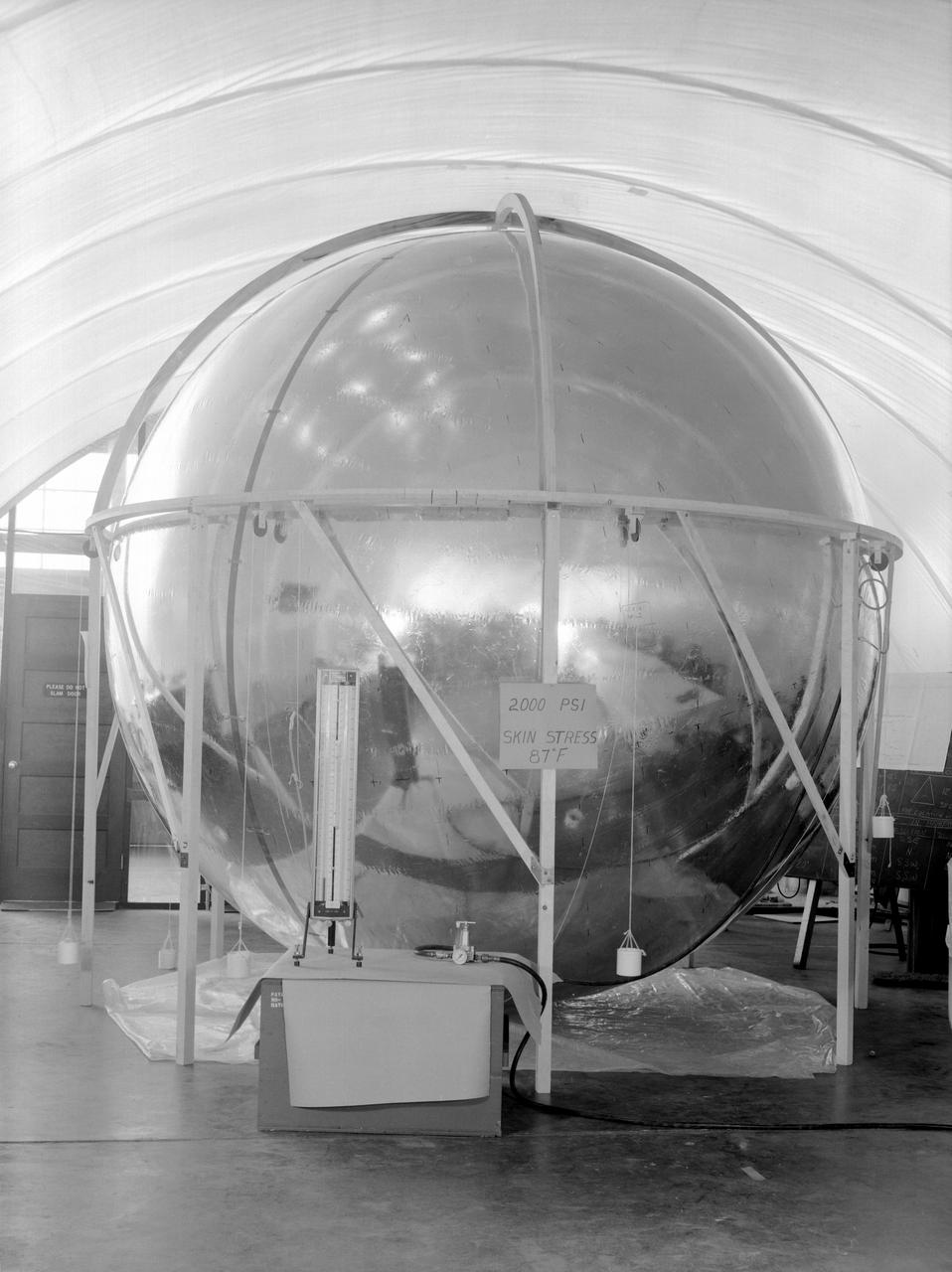
The Vostok program was Korolev's vehicle for putting a human being into orbit. The spacecraft was elegant in its simplicity: a spherical descent module 2.3 meters in diameter, attached to an instrument module with retrorocket and life support. The cosmonaut ejected at approximately 7,000 meters altitude and parachuted to the ground separately — a fact the Soviet Union concealed for years, because international rules required the pilot to land with the spacecraft for the flight to count as an official record.
On April 12, 1961, Senior Lieutenant Yuri Alekseyevich Gagarin, a 27-year-old fighter pilot, climbed into Vostok 1 at Baikonur. At 09:07 Moscow time, the rocket ignited. Gagarin reportedly said "Poyekhali!" — "Let's go!" The flight lasted 108 minutes, completing a single orbit at an apogee of 327 kilometers. He ejected from his capsule at altitude and parachuted onto a field near the Volga River, where he was found by a farmer and her granddaughter.
Gagarin became the most famous human being on Earth overnight — paraded through Moscow, feted by heads of state, turned into the living embodiment of Soviet supremacy. He never flew in space again. On March 27, 1968, he was killed in a routine training flight when his MiG-15UTI crashed. He was 34.
On June 16, 1963, Valentina Vladimirovna Tereshkova launched aboard Vostok 6, becoming the first woman to fly in space. A textile worker and amateur parachutist from Yaroslavl, she orbited the Earth 48 times over 70 hours and 50 minutes — more time in space than all American astronauts combined at that point. The spacecraft's automatic orientation system was programmed incorrectly, causing the capsule to ascend rather than descend during reentry, an error Tereshkova identified so ground controllers could upload a corrective command. It would be 19 years before another woman reached space, and 20 years before the first American woman, Sally Ride, flew on the Shuttle.
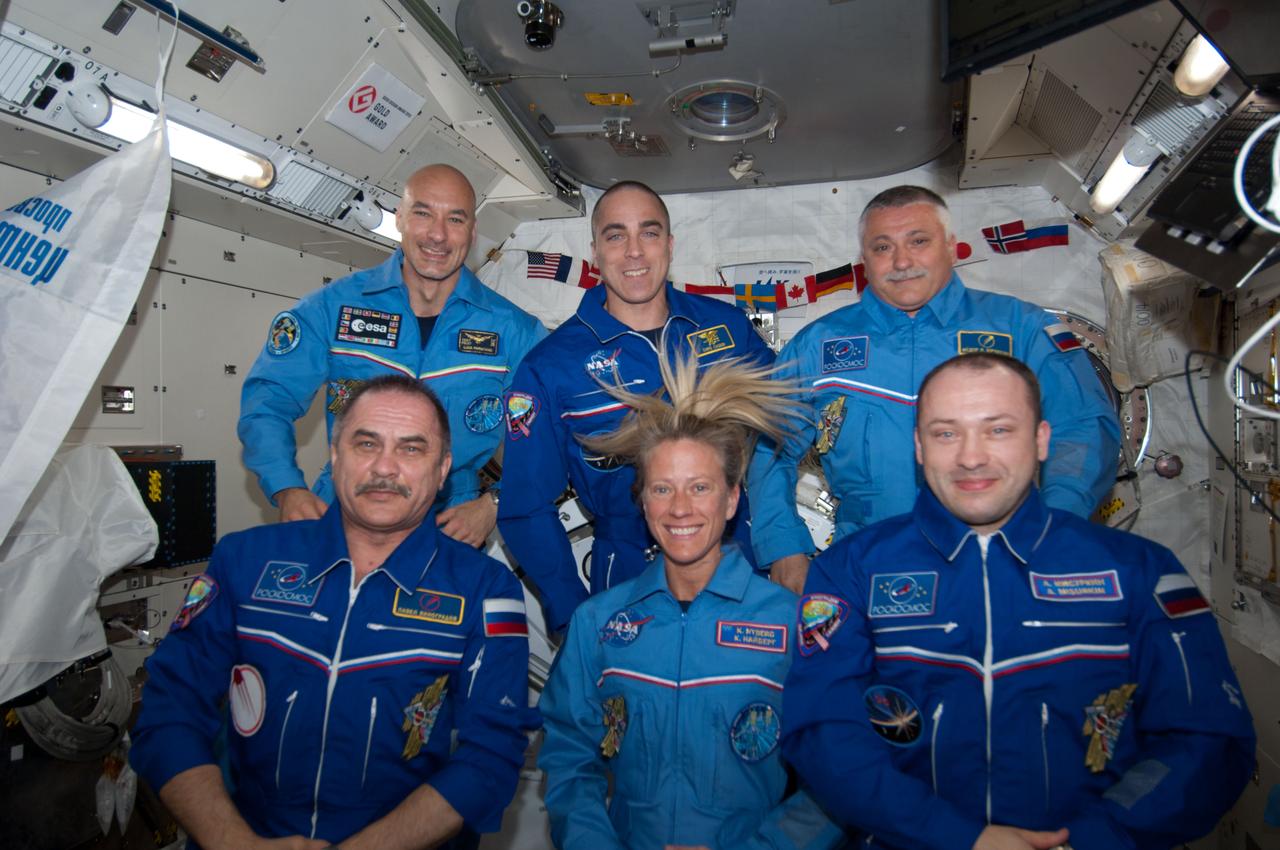
On March 18, 1965, Alexei Arkhipovich Leonov stepped out of the Voskhod 2 spacecraft and into the void, becoming the first human to walk in space. The extravehicular activity was supposed to last 10 minutes. It nearly killed him. In the vacuum of space, Leonov's spacesuit inflated like a balloon, stiffening to the point where he could not bend his arms or legs sufficiently to reenter the airlock. His core body temperature rose dangerously. He was forced to partially depressurize his suit — a decision that risked decompression sickness — in order to make himself small enough to squeeze back through the hatch. He succeeded, but the ordeal left him drenched in sweat, having lost six kilograms of body weight in 12 minutes.
The problems continued. Voskhod 2's automatic reentry system malfunctioned, forcing a manual reentry — a first in spaceflight history. They landed 386 kilometers off course in a dense Ural Mountain forest, in deep snow and sub-zero temperatures. Rescue teams took two days to reach them. They spent the first night in the capsule with wolves circling outside.
The Moon Race: Why the Soviets Lost (1964-1972)
The popular narrative holds that the Soviet Union never seriously tried to reach the Moon. This is incorrect. The Soviets pursued a crewed lunar landing with enormous resources and genuine intent. They failed not for lack of ambition but for a cascade of engineering misjudgments, bureaucratic dysfunction, and a single death that removed the only person capable of holding the program together.
Korolev's plan centered on the N1, a super-heavy launch vehicle designed to deliver roughly 95 tonnes to low Earth orbit. Where the Saturn V used five massive F-1 engines on its first stage, the N1 used thirty smaller NK-15 engines — a direct consequence of the Korolev-Glushko feud, since Glushko refused to build the large engines Korolev wanted, forcing him to turn to Nikolai Kuznetsov's bureau. Thirty engines meant thirty potential failure points.
The N1 flew four times. It failed four times.
The first launch, on February 21, 1969, ended 68 seconds into flight when fire triggered automatic shutdown of all engines. The second launch, on July 3, 1969 — just 13 days before Apollo 11 — was the most spectacular failure. An engine exploded at liftoff, and the KORD engine-management system shut down all engines at roughly 200 meters altitude. The fully fueled N1 fell back onto the launch pad and detonated in one of the largest non-nuclear explosions in history, estimated at 7 kilotons of TNT equivalent, completely destroying Launch Complex 110 Right. The third and fourth launches, in 1971 and 1972, also ended in first-stage failures.
The N1 never reached staging, let alone orbit. The program was cancelled in 1974, and the remaining hardware destroyed. For two decades, the Soviet Union denied it had ever existed.
Korolev's death in 1966 had removed the one figure capable of unifying the competing design bureaus. His successor, Vasily Mishin, lacked the political capital to make rival institutions cooperate. Glushko actively lobbied for the N1's cancellation. Unlike the American system under NASA, the Soviet government never appointed a single authority over the entire lunar effort.
The Zond program offered a tantalizing what-if. Between 1968 and 1970, unmanned Zond spacecraft — modified Soyuz capsules on Proton rockets — flew circumlunar trajectories. Zond 5, in September 1968, became the first spacecraft to fly around the Moon and return safely. Had the program been ready months earlier, the Soviets might have sent a cosmonaut around the Moon before Apollo 8. But repeated landing-system failures meant the risk was judged too high.
After Apollo 11 landed on July 20, 1969, the political urgency evaporated. There was no prize for second place on the Moon. The Soviet leadership quietly pivoted resources toward what Korolev had always believed was the more strategically important goal: long-duration human spaceflight in Earth orbit. It would prove to be a prescient bet.
Salyut and Mir: Pioneering Long-Duration Spaceflight (1971-2001)
If the Moon race was the Soviet space program's most visible defeat, the space station program was its most enduring victory. For three decades, from 1971 to 2001, the Soviet Union and later Russia operated a continuous series of orbital stations that gave them an unassailable lead in understanding how human beings live and work in space for months and years at a time — knowledge that underpins every crewed space mission flying today.
Salyut 1 launched on April 19, 1971 — the world's first space station. The Soyuz 11 crew of Georgy Dobrovolsky, Vladislav Volkov, and Viktor Patsayev docked on June 7 and spent 22 days aboard. Their return on June 30 ended in catastrophe. During module separation, a pressure equalization valve opened prematurely at 168 kilometers altitude. The cabin depressurized in seconds. None of the cosmonauts wore a pressure suit — the capsule was too small for three suited crew. When the recovery team opened the hatch after a flawless automated landing, all three were dead. They remain the only humans to have died in space itself.
The disaster forced a fundamental redesign: all subsequent Soyuz flights required pressure suits during launch and reentry, and the crew complement was reduced from three to two until the larger Soyuz T restored the third seat. The lesson — that spacecraft systems designed for vacuum must be treated with the same respect as the vacuum itself — was written in blood.
Six more Salyut stations followed. Salyut 6 and 7 pioneered crew rotation, missions exceeding 200 days, and unmanned Progress cargo resupply — an architecture still used on the ISS today. Salyut 7 produced one of spaceflight's most dramatic rescue missions. In February 1985, the station lost attitude control and all communication — tumbling, frozen, dead. On June 6, 1985, cosmonauts Vladimir Dzhanibekov and Viktor Savinykh launched aboard Soyuz T-13 to bring it back. Dzhanibekov manually matched the tumbling station's rotation and docked — a piloting feat astronauts have described as among the most difficult ever performed. Inside, they found ice-coated walls, frozen water, and air temperatures of minus seven degrees. Over the following weeks, they methodically restored power and brought Salyut 7 back to full operation.
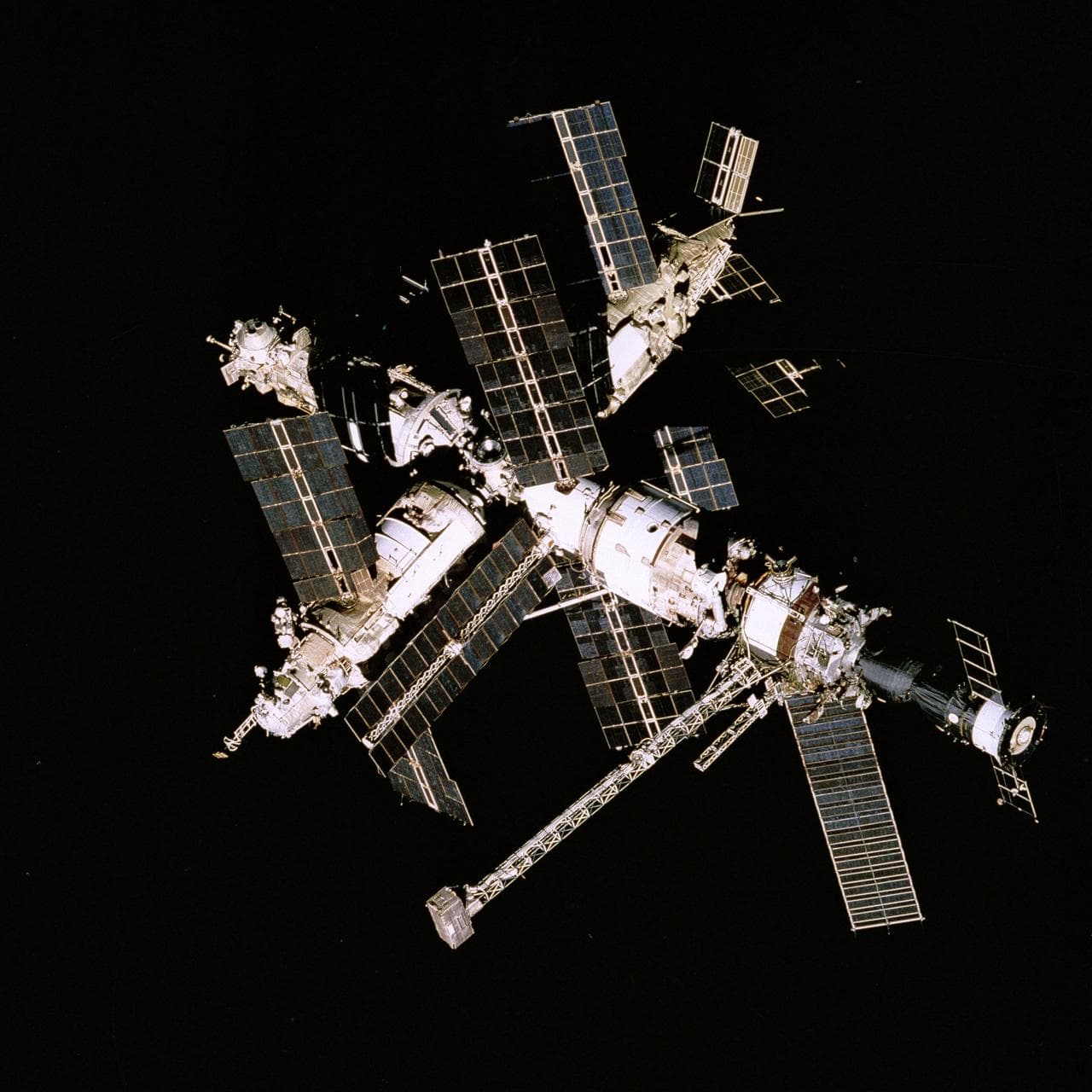
The culmination was Mir, launched February 20, 1986, and operated for more than 15 years. Mir was the world's first modular space station, assembled from six pressurized modules: the Core, Kvant-1 (astrophysics), Kvant-2 (life support), Kristall (materials science), Spektr (Earth observation), and Priroda (remote sensing). At full extent, it massed approximately 129 tonnes with 350 cubic meters of pressurized volume.
Mir hosted 125 cosmonauts and astronauts from 12 countries across 28 long-duration expeditions. It endured a near-fatal collision with a Progress cargo ship in June 1997 that punctured the Spektr module, and a fire from a malfunctioning oxygen generator in February 1997. It also produced the most extraordinary endurance record in human spaceflight: from January 1994 to March 1995, cosmonaut Valeri Polyakov lived continuously aboard Mir for 437 days, 17 hours, and 58 minutes — a record never broken. It demonstrated that the human body can function in microgravity for the duration of a Mars transit.
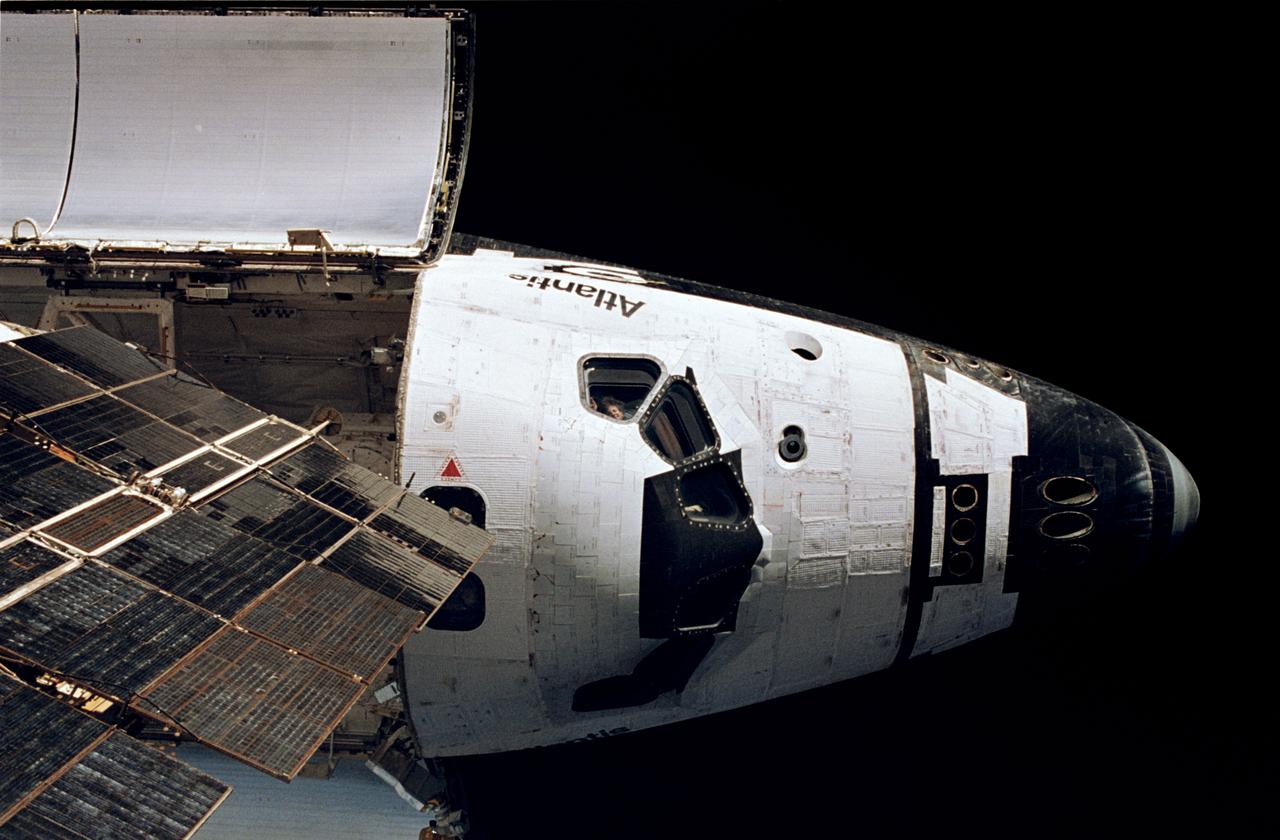
Mir survived the collapse of the Soviet Union itself. Cosmonauts aboard when the USSR dissolved in December 1991 launched as Soviet citizens and returned as Russians. In the mid-1990s, the Shuttle-Mir program sent seven American astronauts to live aboard and docked the Space Shuttle nine times — providing Russia with desperately needed funding during its darkest economic years. Mir was deorbited on March 23, 2001, over the South Pacific.
Soyuz: The Spacecraft That Refused to Die (1967-Present)
No spacecraft in history has flown more missions, carried more people, or served longer than the Soyuz. First launched in 1966 in unmanned configuration and still flying crewed missions as of 2026, Soyuz has been in continuous operational service for nearly 60 years — a lifespan that dwarfs every other crewed vehicle ever built. It is the Toyota Hilux of spacecraft: simple, tough, endlessly adaptable, and seemingly indestructible.
Its debut was a tragedy. On April 23, 1967, Soyuz 1 launched carrying Colonel Vladimir Komarov. One solar panel failed to deploy. The attitude control system malfunctioned. During descent, the main parachute failed to extract — the container had been improperly sealed. The reserve parachute tangled. Soyuz 1 hit the ground at approximately 40 meters per second. Komarov was the first human to die during a spaceflight mission.
Investigation revealed that engineers had identified 203 structural problems before launch and written a memo urging postponement. The memo was reportedly suppressed. Gagarin himself had offered to fly in Komarov's place, hoping the leadership would not risk killing a national hero and would delay the mission. It was not delayed.
The Soyuz was redesigned, and the 18-month pause that followed produced a fundamentally safer spacecraft. Since Komarov's death, the Soyuz has suffered only one other fatal incident — the Soyuz 11 depressurization in 1971 — across more than 150 crewed flights over nearly six decades. That safety record is unmatched by any other crewed vehicle.
The spacecraft has evolved through major variants: the original Soyuz (1967-1981), Soyuz T (1979-1986) with solar panels and three suited seats, Soyuz TM (1986-2003) for Mir operations, Soyuz TMA (2002-2012) widened for international partners, and the current Soyuz MS (2016-present) with upgraded avionics and landing precision.
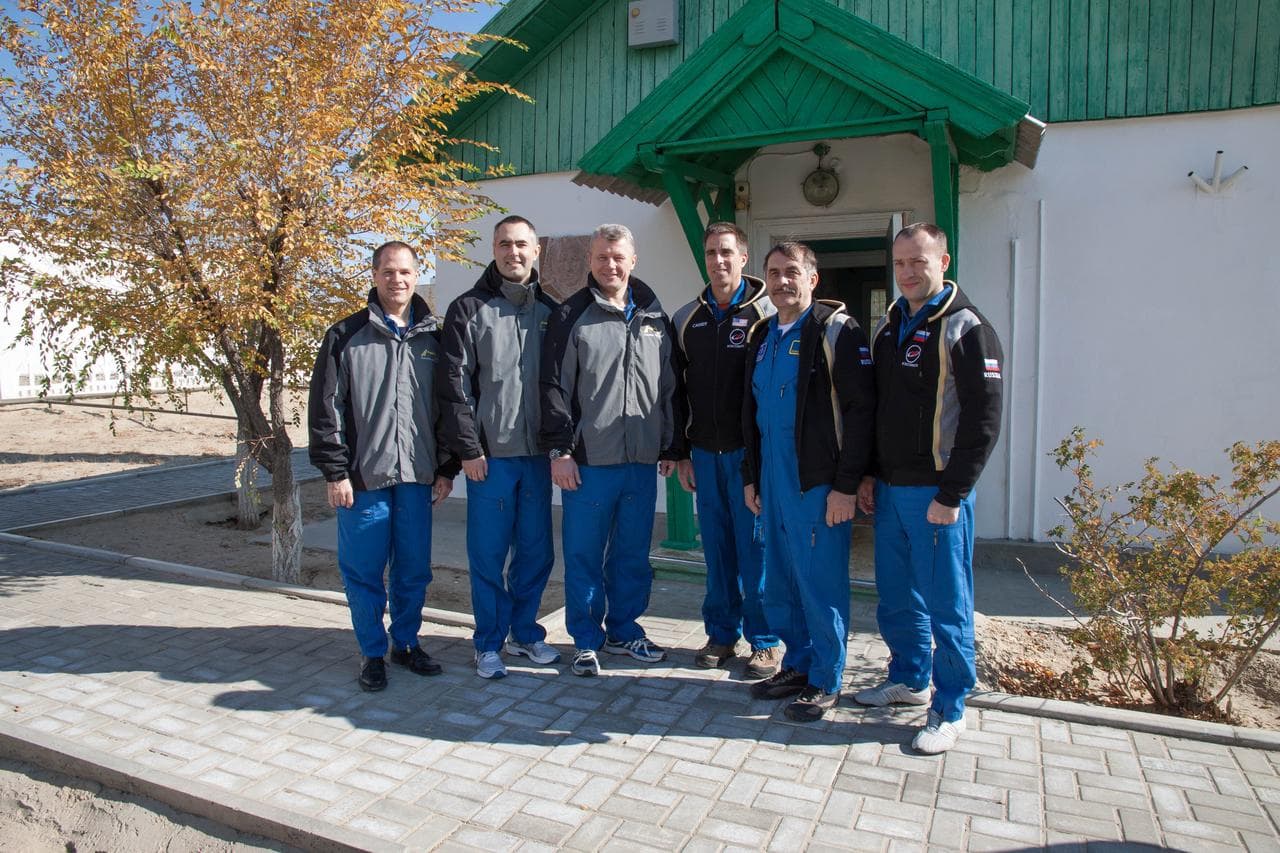
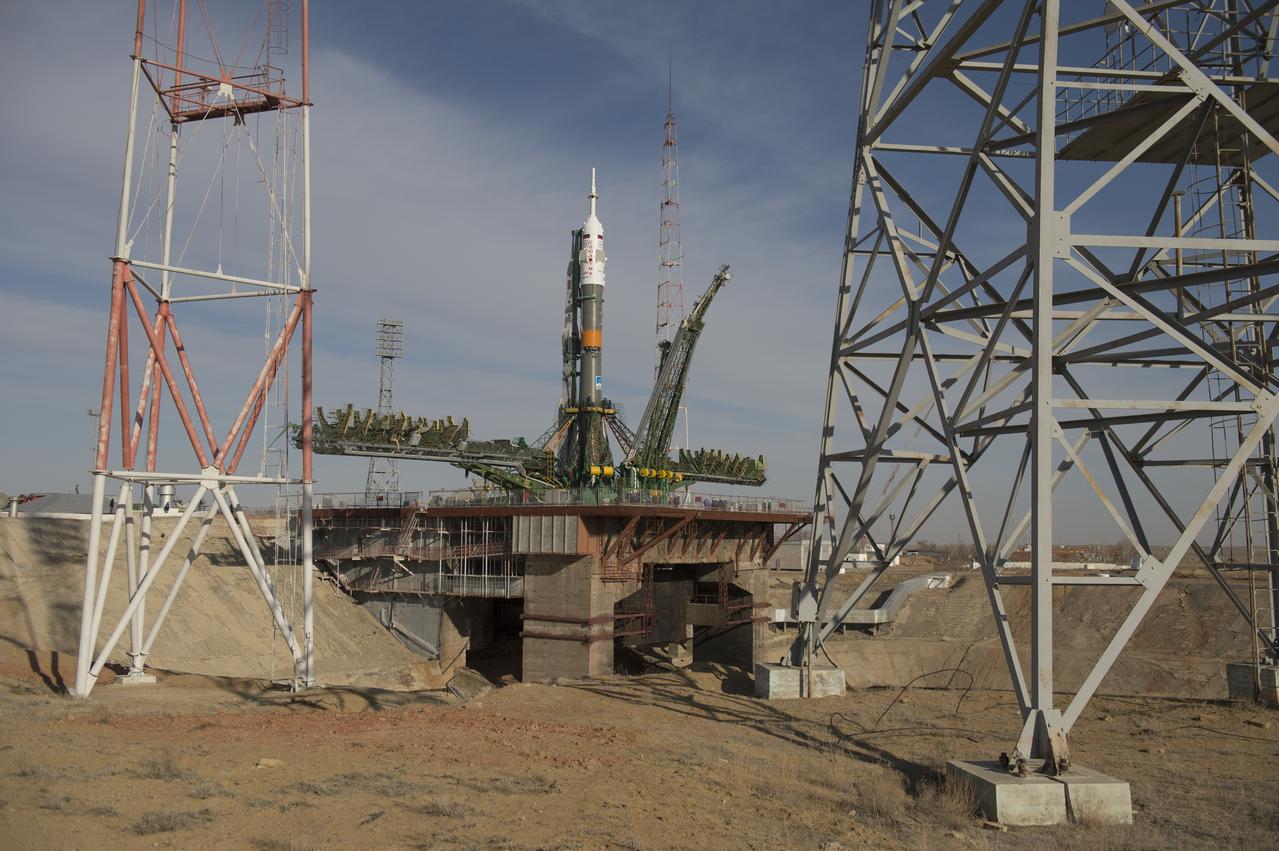
Between 2011 and 2020 — after the Shuttle retired and before Crew Dragon became operational — Soyuz was the only crewed transport to the ISS. Every American, European, Japanese, and Canadian astronaut who visited the station rode a Russian Soyuz from the same Baikonur pad where Gagarin had lifted off. NASA paid approximately $80-90 million per seat.
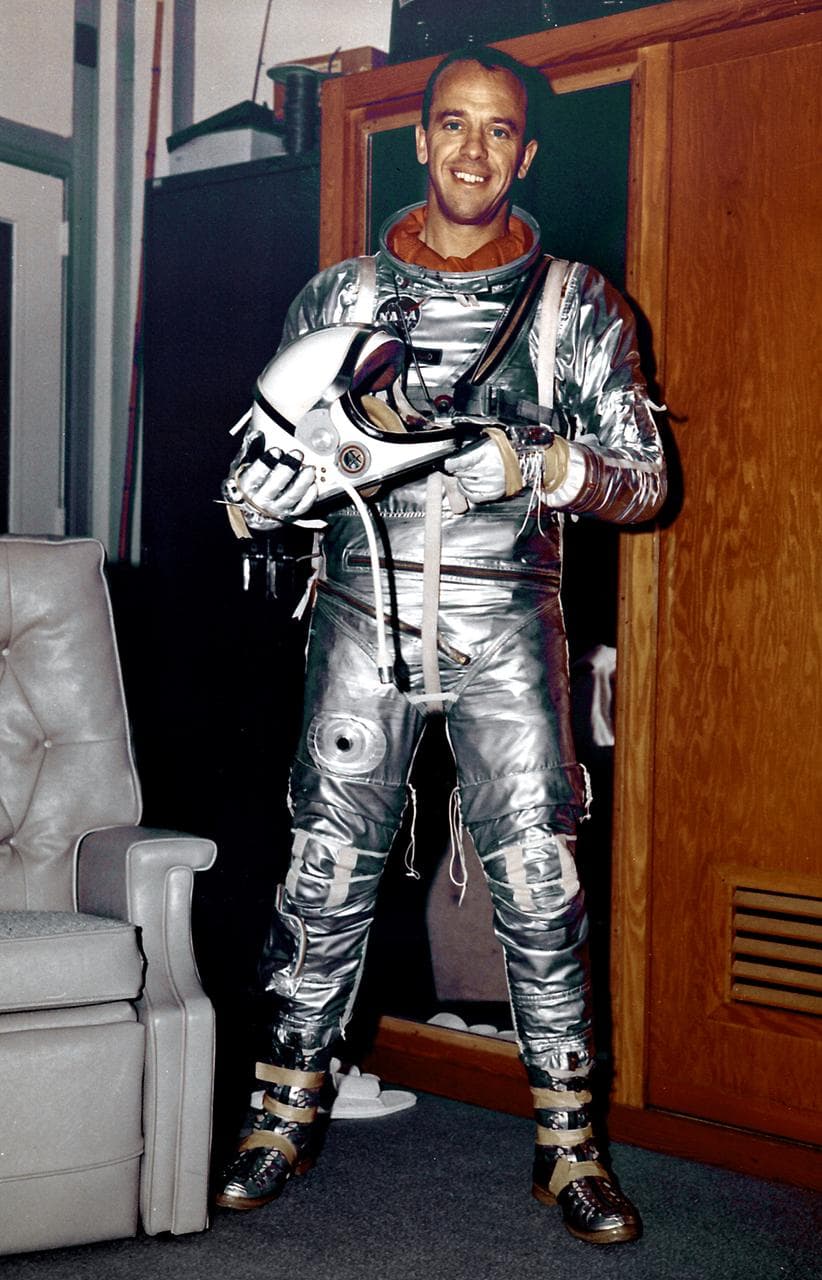
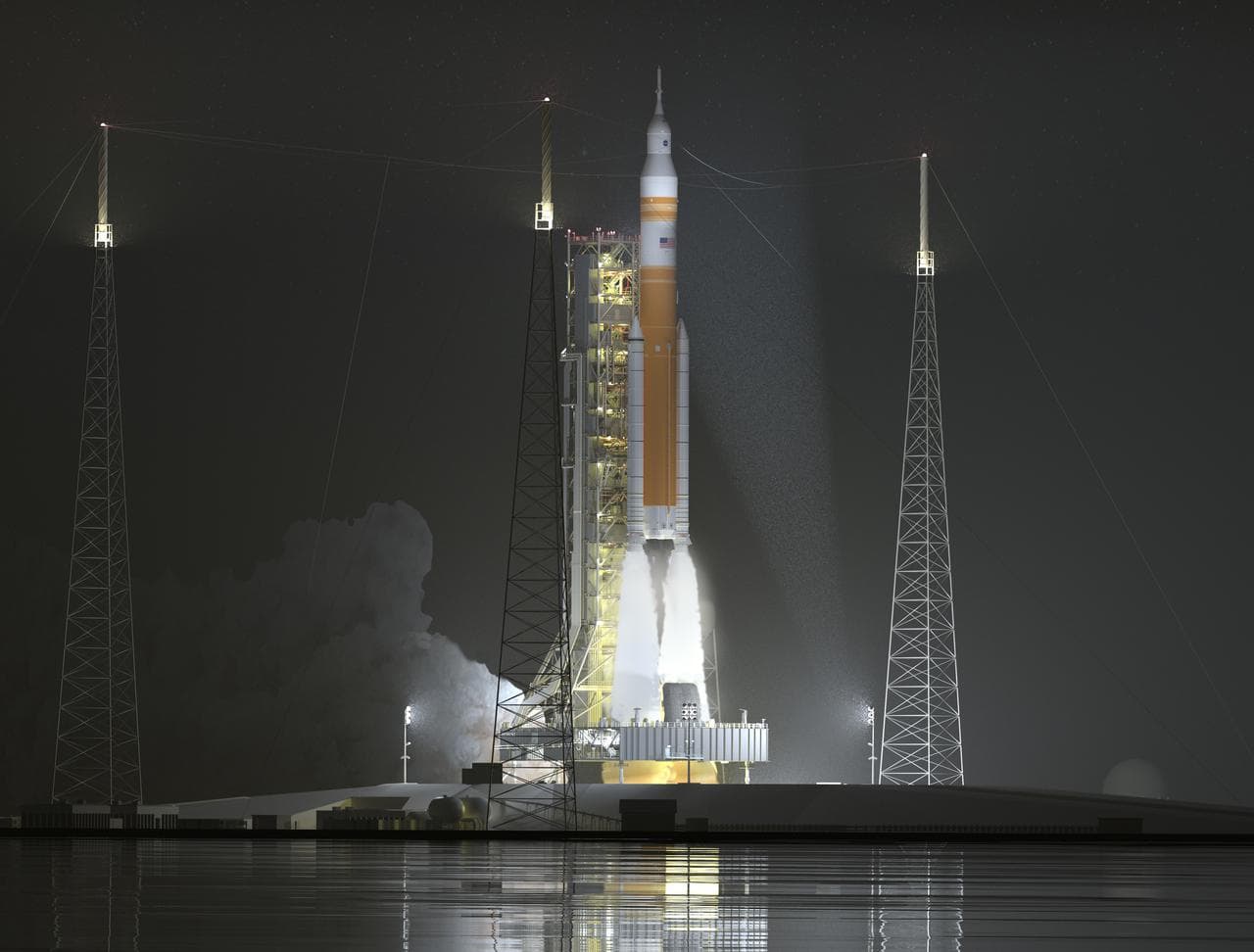
The Soyuz's longevity reflects a design philosophy fundamentally different from the American approach. Where NASA has pursued successive next-generation vehicles — Mercury, Gemini, Apollo, Shuttle, Crew Dragon — the Soviet and Russian approach has been incremental evolution of a proven platform. The basic three-module architecture has remained unchanged for nearly 60 years. It is a philosophy that prioritizes reliability over innovation, and in human spaceflight, where failure costs lives, it has proven remarkably effective.
Buran: The Soviet Shuttle's One Perfect Flight (1988)
The Buran program is the great might-have-been of Soviet space — a vehicle that, in a single unmanned flight, demonstrated capabilities the American Space Shuttle never possessed, and then was abandoned to rust, neglect, and a collapsing roof.
The program began in 1976 as a response to the Space Shuttle. Soviet military planners feared the Shuttle's ability to divert from orbit and pass over Moscow at low altitude for nuclear reconnaissance. That fear drove an estimated 14.5 billion rubles (roughly $20 billion) into developing a reusable spaceplane.
The system had two components: the Buran orbiter and the Energia launch vehicle. Energia generated roughly 35 meganewtons of thrust and could lift approximately 100 tonnes to low Earth orbit — the most powerful rocket since the Saturn V. Critically, Energia was a general-purpose heavy lifter, not just a Shuttle carrier. It could launch payloads independent of the orbiter, a versatility the American system never had.
Buran resembled the Shuttle externally but differed fundamentally. It had no main engines — all propulsion came from Energia, making the orbiter a glider from separation. Buran carried ejection seats for its crew and, most remarkably, could fly and land entirely without a crew aboard.
On November 15, 1988, Buran demonstrated that capability. Launched atop Energia, the unmanned orbiter completed two orbits in 206 minutes and executed a fully autonomous landing at Baikonur — touching down in a 34-knot crosswind with a lateral deviation of just 3 meters from the runway centerline. No other spaceplane has replicated this feat. The American Shuttle always required a human pilot.
It was the first and last time Buran flew.
The second orbiter, Ptichka, was 95 percent complete when the program was suspended in 1993 amid post-Soviet economic collapse. The completed Buran was stored in a hangar at Baikonur. On May 12, 2002, the hangar's roof collapsed, destroying the orbiter and killing eight workers. The only flight-proven reusable Soviet spacecraft was crushed under concrete and steel.
The program's cancellation left Russia without a heavy-lift vehicle for more than three decades. The Energia production line was dismantled, the tooling scrapped, the institutional knowledge dispersed. It remains one of the starkest examples in spaceflight history of how political upheaval can annihilate technological capability in a matter of years.
By the Numbers: The Soviet Space Legacy
The ledger of Soviet space firsts is unlike any other in history.
First artificial satellite: Sputnik 1, October 4, 1957. First animal in orbit: Laika aboard Sputnik 2, November 3, 1957. First human in space: Yuri Gagarin aboard Vostok 1, April 12, 1961. First woman in space: Valentina Tereshkova aboard Vostok 6, June 16, 1963. First spacewalk: Alexei Leonov from Voskhod 2, March 18, 1965. First space station: Salyut 1, April 19, 1971. First modular space station: Mir, launched February 20, 1986. First fully autonomous spaceplane landing: Buran, November 15, 1988. Longest single human spaceflight: Valeri Polyakov, 437 days aboard Mir, 1994-1995.
The R-7 rocket family — the descendants of Korolev's original ICBM, which evolved through the Vostok, Voskhod, Molniya, and Soyuz launcher variants — has conducted more than 2,000 orbital launches since 1957, making it the most-flown rocket family in history by a wide margin. The Soyuz spacecraft, in its various iterations, has completed more than 150 crewed missions — more than all other crewed spacecraft types combined.
These achievements came at a human cost the Soviet system worked hard to conceal. Komarov died in the Soyuz 1 crash in 1967. The Soyuz 11 crew suffocated during reentry in 1971. On October 24, 1960, in the Nedelin disaster, an R-16 ICBM exploded on its Baikonur pad during testing, killing an estimated 126 people, including Marshal Mitrofan Nedelin, commander of the Strategic Rocket Forces. The disaster was classified for nearly three decades.
Beyond the named dead were the failures that never made the newspapers: the N1 explosions, the lost Mars probes (the Soviets sent more than 20 missions to Mars; the vast majority failed), and the cosmonauts erased from official photographs after removal from missions. The Soviet space program operated in a system where failure was a political liability, where engineers could be imprisoned for mistakes, and where the propaganda imperative of infallibility often overrode the transparency that effective engineering requires.
And yet the fundamental achievement stands. For 30 years, from 1957 to 1988, the Soviet Union was the most prolific spacefaring nation on Earth. It built the rockets, the capsules, the stations, and the shuttle. It invented long-duration spaceflight. It proved that humans could live in space for more than a year. The infrastructure it created — the Soyuz spacecraft, the Baikonur Cosmodrome, the mission control center in the city of Korolev (renamed for the Chief Designer in 1996) — continues to operate today.
What happened after 1991 is a different story — economic collapse, brain drain, the ISS partnership, and a slow fade from the front rank of spacefaring nations. That story belongs to Part 2. But the Soviet space legacy itself is not fading. Every spacecraft that docks with the ISS uses a system derived from the Soviet SSVP mechanism. Every long-duration mission builds on data from Salyut and Mir. Every crewed vehicle carries design lessons from Korolev's Vostok, refined through six decades of Soyuz operations.
The beep of Sputnik has long since gone silent. The signal it started has not.