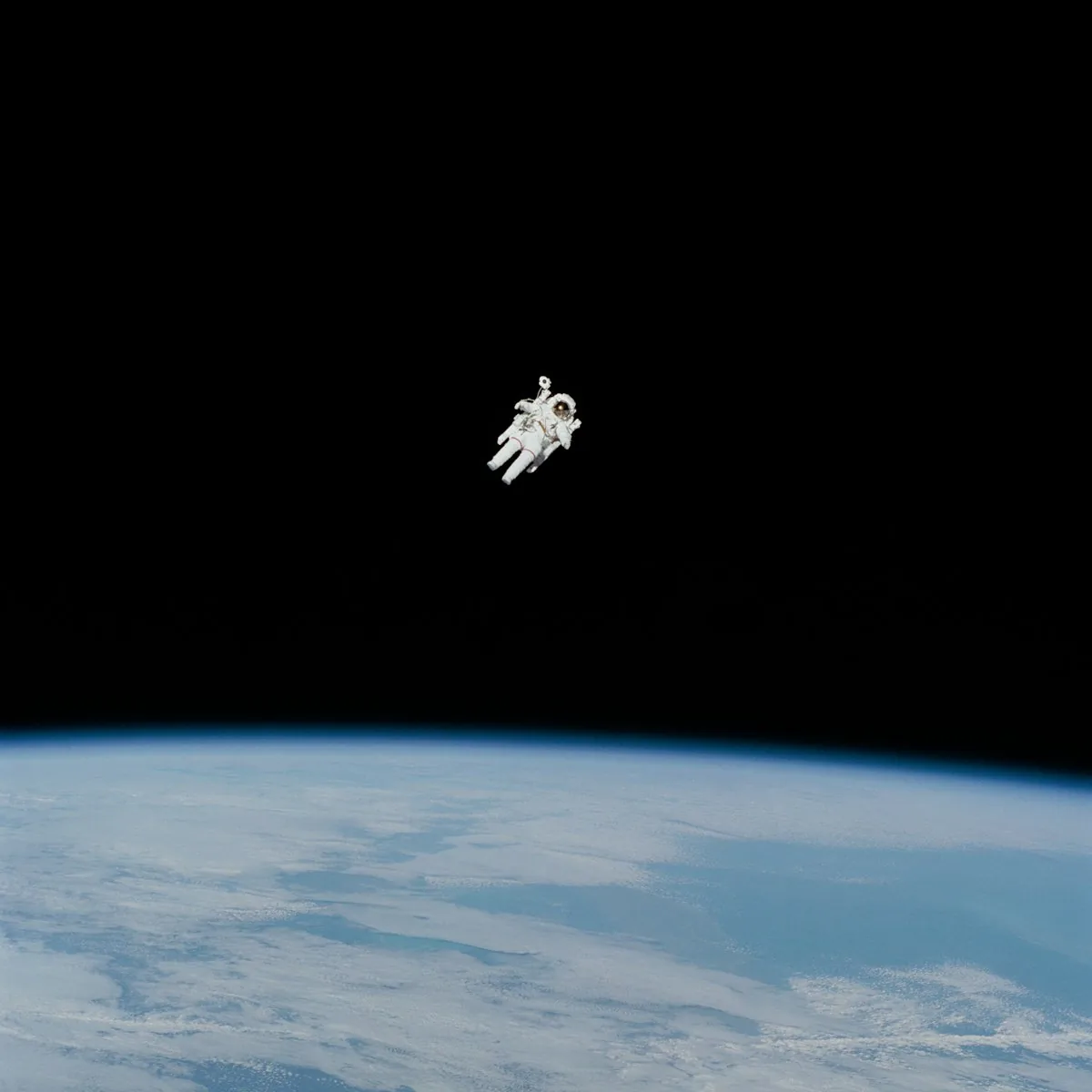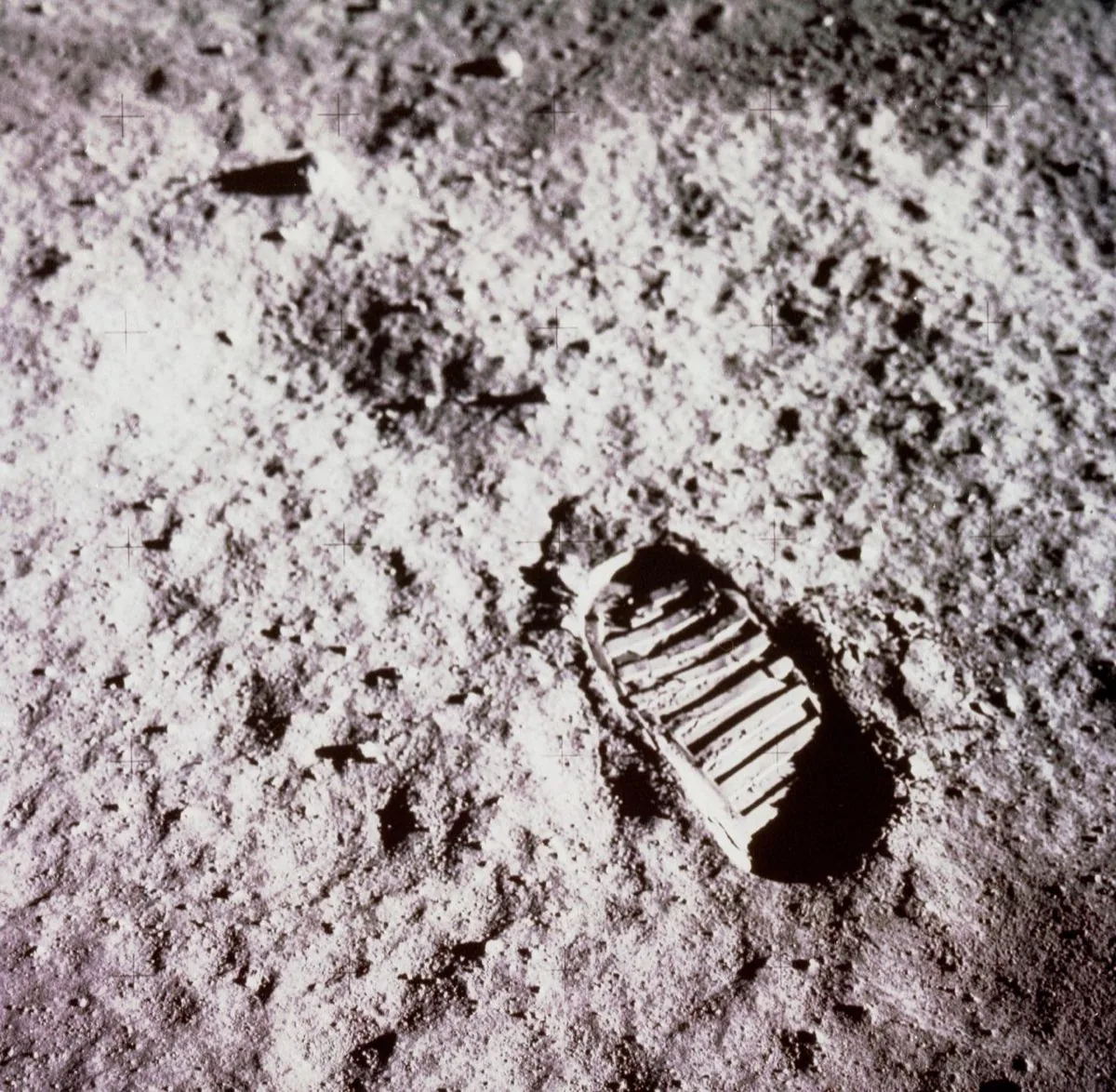
The Space Race was born not from humanity's noblest aspirations but from its darkest fears. Two superpowers, locked in an ideological struggle that threatened nuclear annihilation, turned their gaze skyward and, in doing so, inadvertently gave our species its greatest adventure. The competition between the United States and the Soviet Union from 1957 to 1975 compressed what might have been centuries of gradual progress into less than two decades of furious innovation. It was terrifying, exhilarating, and profoundly transformative -- and it all began with a beeping metal sphere the size of a beach ball.
The Sputnik Shock
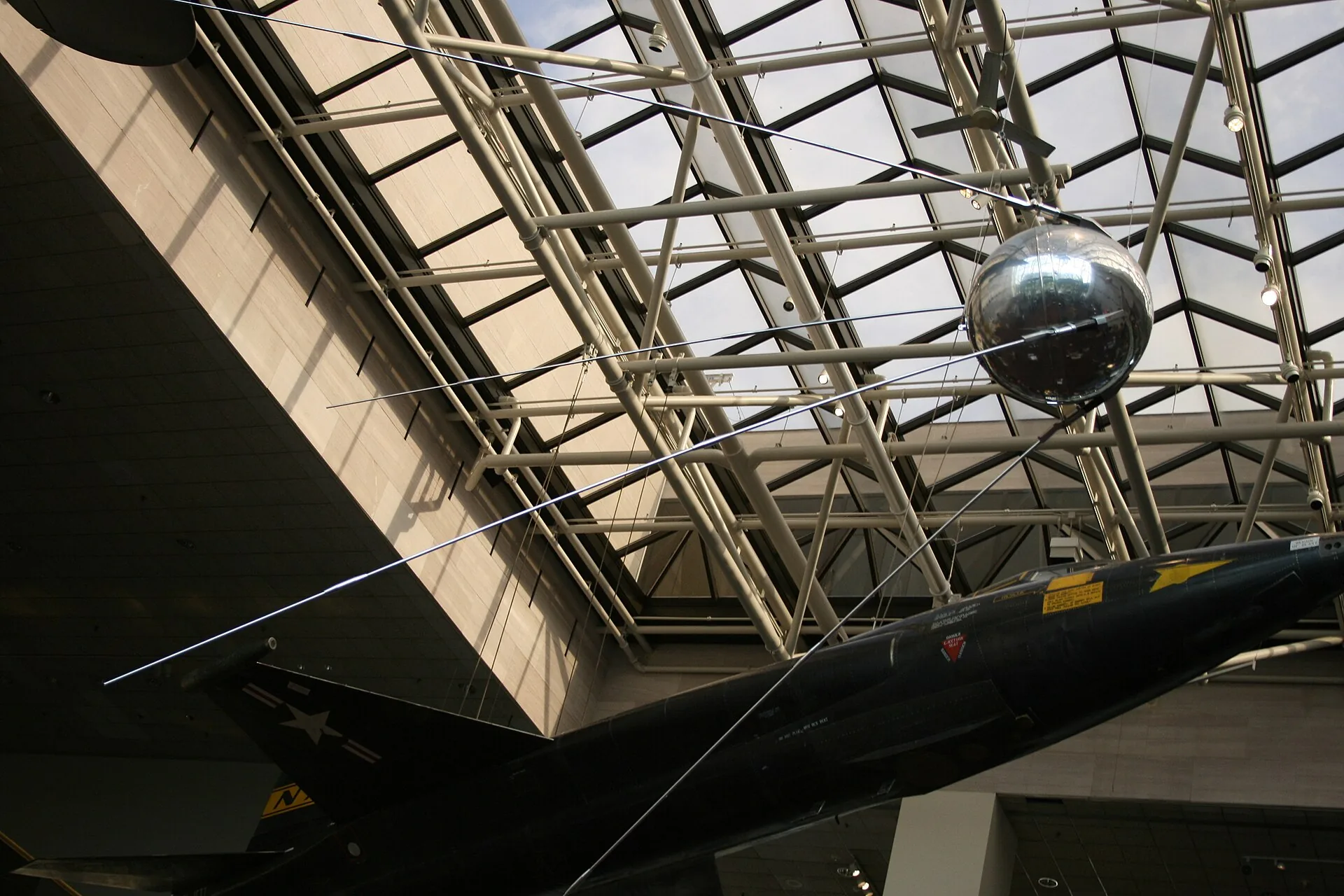
On October 4, 1957, the Soviet Union launched Sputnik 1 into Earth orbit. The satellite weighed just 184 pounds and did nothing more than transmit a simple radio pulse. But its impact was seismic. Americans could step outside at night and watch a Soviet object pass overhead every 96 minutes. The psychological effect was devastating. If the Soviets could put a satellite in orbit, they could put a nuclear warhead anywhere on Earth.
The response in Washington was near-panic. President Eisenhower, though privately calm, faced enormous public pressure. The U.S. Naval Research Laboratory's Vanguard rocket, hastily pressed into service, exploded on the launch pad on December 6, 1957, in full view of television cameras. The press dubbed it "Flopnik" and "Kaputnik." American prestige was in free fall.
Salvation came from an unlikely source: Wernher von Braun and his team at the Army Ballistic Missile Agency in Huntsville, Alabama. On January 31, 1958, they launched Explorer 1 on a modified Jupiter-C rocket. The satellite was smaller than Sputnik, but it carried a Geiger counter that made the first major scientific discovery of the Space Age -- the Van Allen radiation belts surrounding Earth. Science, not spectacle, gave America its first win.
On July 29, 1958, President Eisenhower signed the National Aeronautics and Space Act, creating NASA. The civilian space agency opened for business on October 1, 1958. The race now had an American institution built specifically to run it.
First Humans in Space: Mercury vs. Vostok
The Soviets struck again on April 12, 1961, when 27-year-old Yuri Gagarin became the first human being to orbit the Earth aboard Vostok 1. His single orbit lasted 108 minutes. Gagarin's flight was a masterpiece of propaganda, and it stung. The United States was behind, and everyone knew it.
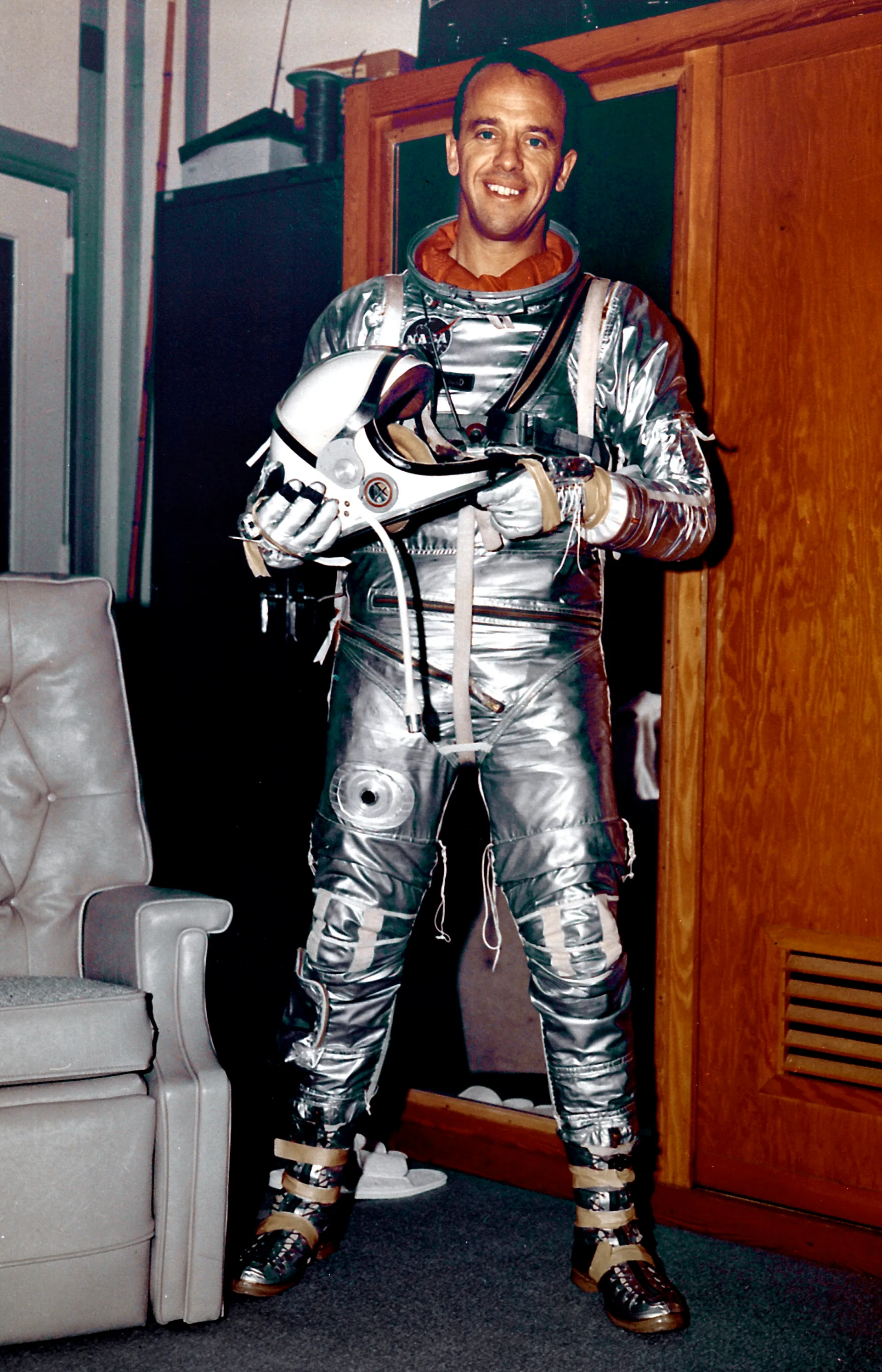
Just 23 days later, on May 5, 1961, Alan Shepard became the first American in space aboard Freedom 7. But his Mercury flight was suborbital -- a 15-minute lob into space and back. It was a brave flight, but not an orbit. The Soviets had won again.
The gap prompted President John F. Kennedy to make one of the most consequential speeches in modern history. On May 25, 1961, before a joint session of Congress, Kennedy declared: "I believe that this nation should commit itself to achieving the goal, before this decade is out, of landing a man on the Moon and returning him safely to the Earth." It was an audacious bet. At the time, the United States had accumulated a grand total of 15 minutes and 28 seconds of human spaceflight experience.
John Glenn restored American pride on February 20, 1962, when he became the first American to orbit the Earth aboard Friendship 7, completing three orbits in nearly five hours. But the Soviets continued to pile up firsts: Valentina Tereshkova became the first woman in space in June 1963; Alexei Leonov performed the first spacewalk in March 1965; the Vostok and Voskhod programs seemed to produce triumph after triumph.
Gemini: America Learns to Fly
While the Soviet program rested on its laurels between 1965 and 1967, NASA launched the Gemini program -- ten crewed missions in twenty months that transformed American spaceflight capability. Gemini was designed to develop and prove the specific skills needed for a lunar mission: long-duration flight, rendezvous and docking, and extravehicular activity.
Gemini 4, in June 1965, featured Ed White's first American spacewalk. Gemini 6A and 7 performed the first space rendezvous in December 1965, flying in formation at distances as close as one foot. Gemini 8, in March 1966, achieved the first docking in space -- though a stuck thruster nearly killed Neil Armstrong and David Scott. By the end of the program in November 1966, American astronauts had logged far more hours in space than their Soviet counterparts and had mastered every technique needed to reach the Moon.
The Gemini program was the hinge of the Space Race. It was where the United States went from playing catch-up to pulling ahead.
Tragedy on Both Sides
Both programs paid terrible prices. On January 27, 1967, a fire swept through the Apollo 1 Command Module during a launch pad test, killing astronauts Gus Grissom, Ed White, and Roger Chaffee. The pure oxygen atmosphere and flammable materials turned the sealed capsule into an inferno in seconds. NASA was shattered. The accident delayed the Apollo program by 21 months and forced a complete redesign of the spacecraft.
The Soviets suffered their own disaster just three months later. On April 24, 1967, Vladimir Komarov was killed when the parachutes on his Soyuz 1 capsule failed during reentry. Komarov, who reportedly knew the spacecraft was dangerously flawed before launch, became the first person to die during a spaceflight. His death exposed the immense pressure Soviet engineers faced to maintain their lead.
Apollo: The Final Sprint
The redesigned Apollo spacecraft flew its first crewed mission, Apollo 7, in October 1968. Then, in one of the boldest decisions in the history of exploration, NASA sent Apollo 8 around the Moon in December 1968 -- the first time human beings left Earth orbit. Frank Borman, Jim Lovell, and Bill Anders orbited the Moon ten times on Christmas Eve, reading from the Book of Genesis during a live television broadcast watched by an estimated one billion people.
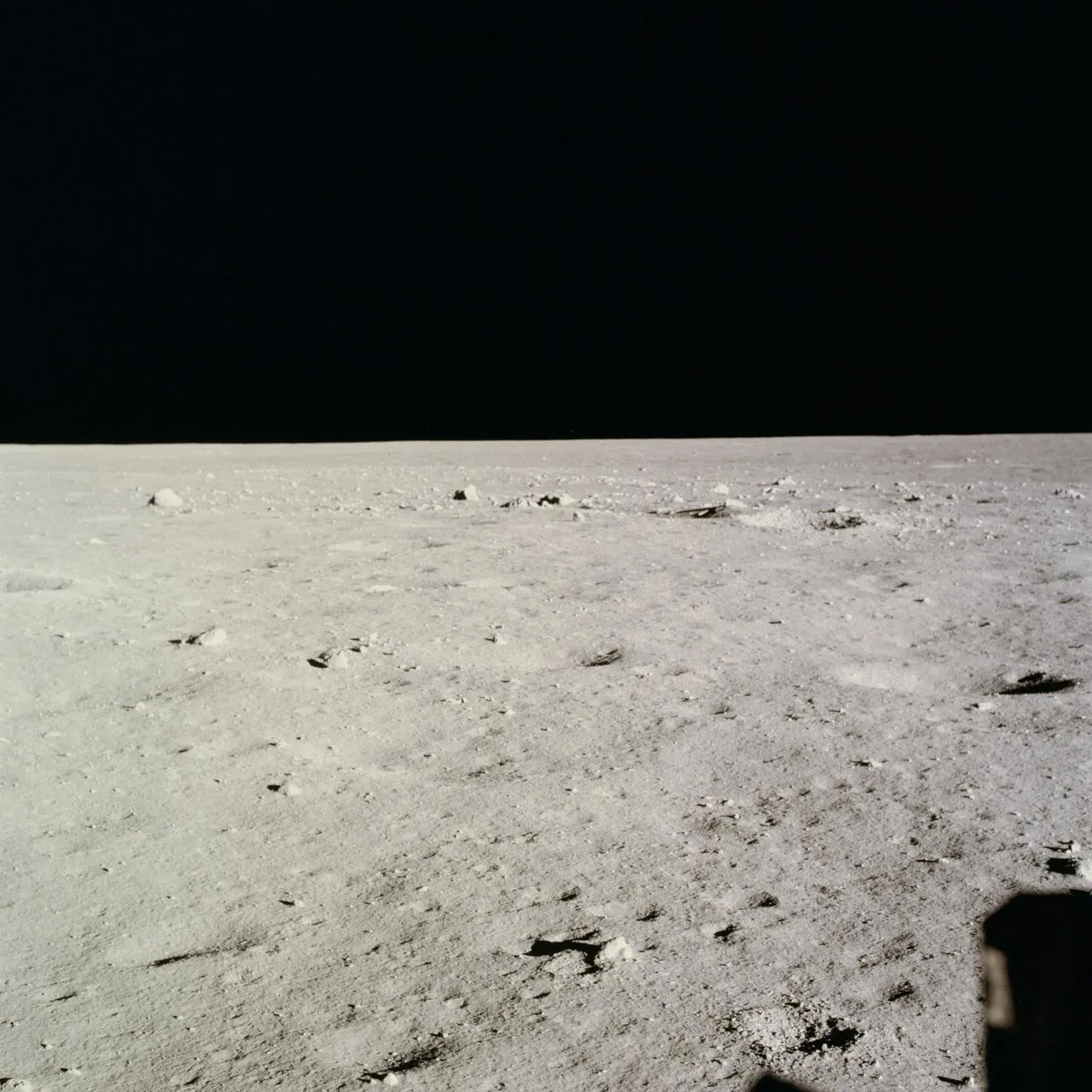
Apollo 9 tested the Lunar Module in Earth orbit. Apollo 10 performed a full dress rehearsal in lunar orbit, descending to within 47,000 feet of the surface. And then, on July 20, 1969, Apollo 11 landed on the Moon. Neil Armstrong's first step on the Sea of Tranquility fulfilled Kennedy's challenge with five months to spare.
The Soviet lunar program, plagued by underfunding, bureaucratic infighting, and the death of its chief designer Sergei Korolev in January 1966, never recovered. Their N1 moon rocket failed catastrophically in all four test flights between 1969 and 1972, including a launch pad explosion on July 3, 1969 -- just sixteen days before Apollo 11 -- that was one of the largest non-nuclear explosions in history.
From Competition to Cooperation
After Apollo, the intensity of the Space Race diminished. NASA flew five more successful lunar landing missions through December 1972. The Soviet Union pivoted to space stations, launching Salyut 1 in April 1971 -- the world's first orbital station.
The symbolic end of the Space Race came on July 17, 1975, when an American Apollo spacecraft docked with a Soviet Soyuz capsule in Earth orbit. The Apollo-Soyuz Test Project saw astronauts Tom Stafford, Vance Brand, and Deke Slayton shake hands with cosmonauts Alexei Leonov and Valeri Kubasov through an open hatch 140 miles above the Earth. It was a gesture of detente, a deliberate turning of swords into plowshares.
The Paradox of the Space Race
The great irony of the Space Race is that it was driven by fear and rivalry, yet it produced some of humanity's most inspiring achievements. The technologies developed for Apollo -- miniaturized computers, advanced materials, life support systems, telecommunications -- seeded industries worth trillions of dollars. The Integrated Circuit, water purification systems, and advances in food preservation all trace lineage to the demands of spaceflight.
More importantly, the Space Race changed how we see ourselves. The photograph known as "Earthrise," taken by Bill Anders from lunar orbit on Christmas Eve 1968, showed our planet as a small, fragile sphere hanging in the blackness of space. It is often credited with helping launch the environmental movement. We went to space as Americans and Soviets; we came back as Earthlings.
The competition also demonstrated something profound about human nature: that the desire to explore, to push beyond known boundaries, is so powerful it can be ignited even by the basest motivations. Fear launched the Space Age. But wonder -- pure, childlike wonder at the cosmos -- is what kept it going long after the Cold War ended.
Today, as new players like China, India, SpaceX, and international consortiums reshape the landscape of space exploration, the lessons of the original Space Race remain relevant. Competition drives innovation. Cooperation sustains it. And the most extraordinary things humanity has ever done have happened when we aimed not at each other, but at the stars.