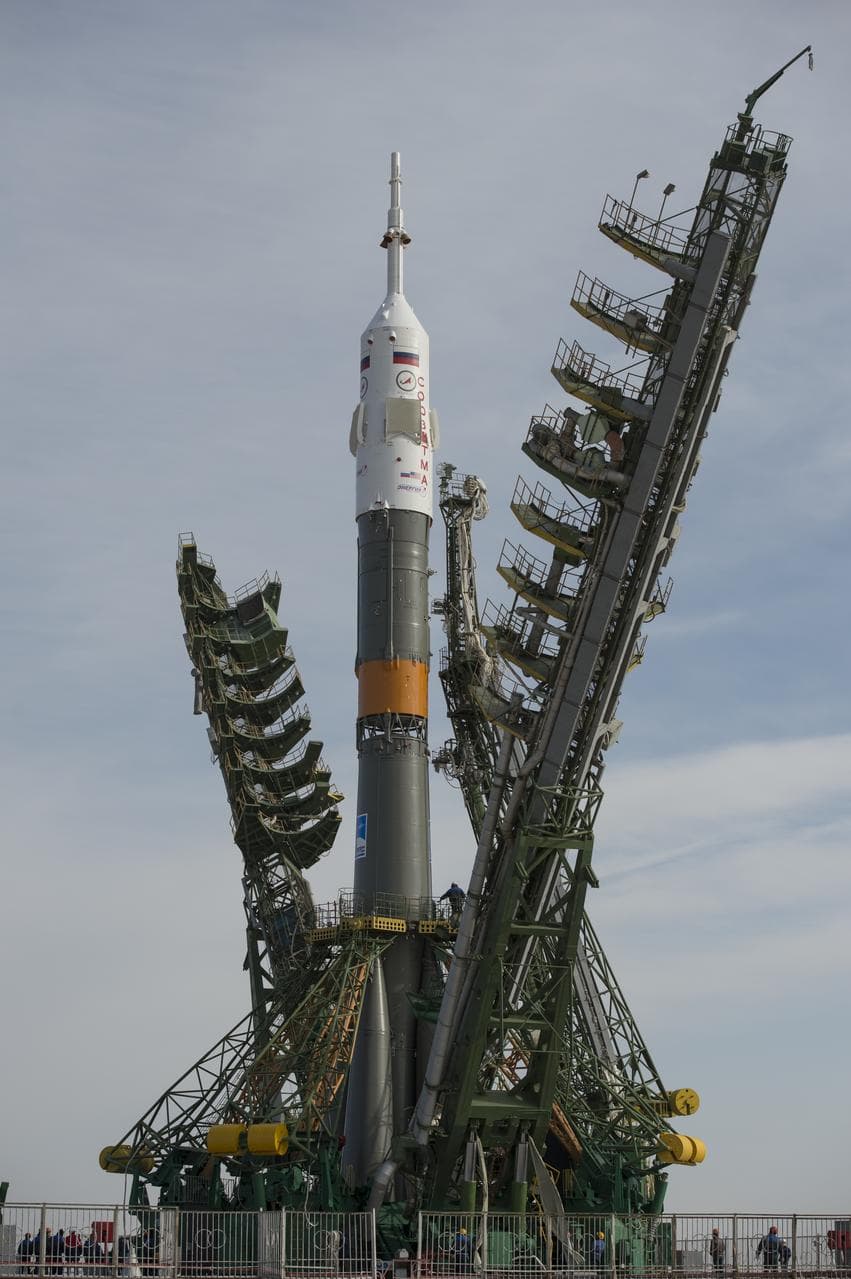
On December 25, 1991, the Soviet flag was lowered over the Kremlin for the last time. In a single stroke, the entity that had launched the first satellite, the first human, the first spacewalk, and the first space station ceased to exist. The Soviet space program — arguably the most consequential peacetime engineering effort in human history — suddenly belonged to no nation. Its factories were scattered across newly independent republics. Its workforce was paid in a currency that was collapsing in real time. Its mission, once propelled by superpower rivalry and limitless state funding, had no clear patron.
This is Part 2 of our deep-dive into the Russian space program. Part 1 traced the extraordinary arc from Sputnik through the Moon race, Salyut, and Mir. Here, the story darkens. The three decades since 1991 have been a long, painful fall from dominance — punctuated by flickers of competence, moments of genuine contribution, and an increasingly desperate search for relevance in a space landscape that has moved on without Russia. The question is no longer whether Russia can lead in space. It is whether Russia can remain a space power at all.
The Fall: Post-Soviet Collapse and Brain Drain (1991-2000)
The numbers tell the story bluntly. In the final years of the Soviet Union, the space program consumed roughly 1.5-2% of GDP, placing it on par with the United States during Apollo. By 1993, Russia's space budget had crashed by more than 80%. Engineers at NPO Energia, the legendary organization that built Vostok, Soyuz, and Mir, went months without pay. At the Khrunichev Center, which manufactured the Proton rocket, workers moonlighted as taxi drivers to feed their families. The brain drain was catastrophic. Thousands of skilled engineers and scientists left for the private sector, emigrated to the West, or simply retired into poverty. Russia's space workforce shrank by roughly half during the 1990s.
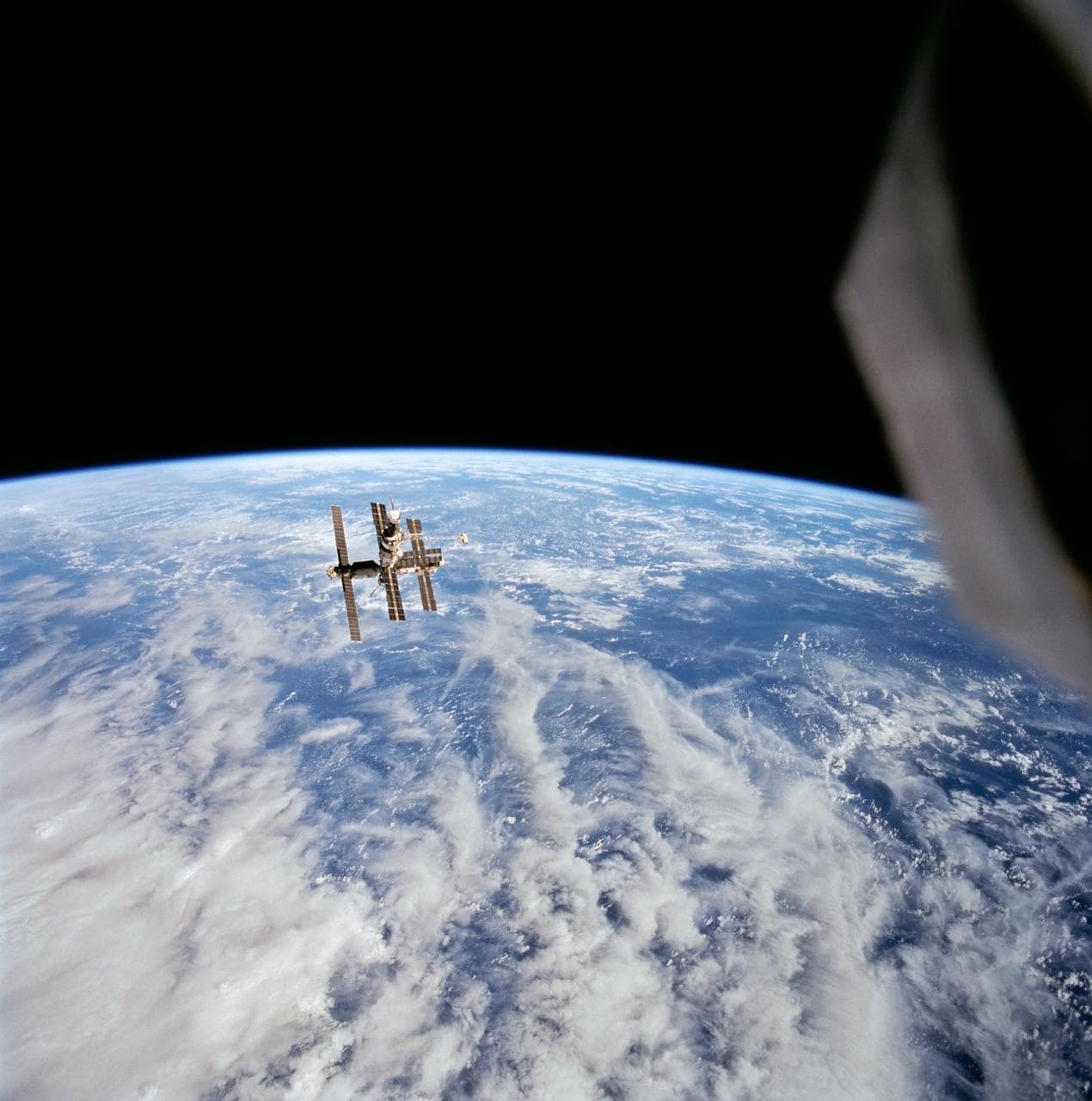
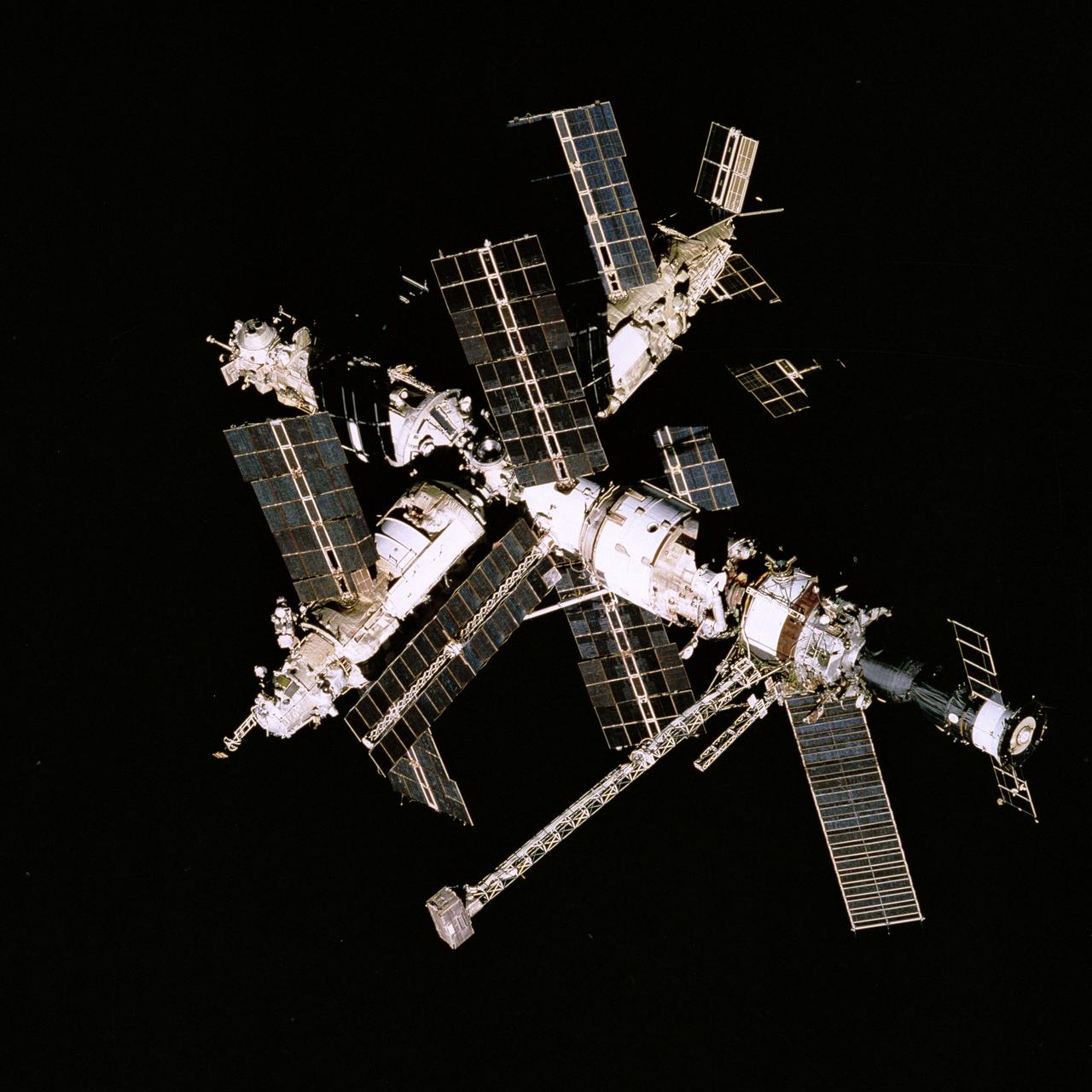
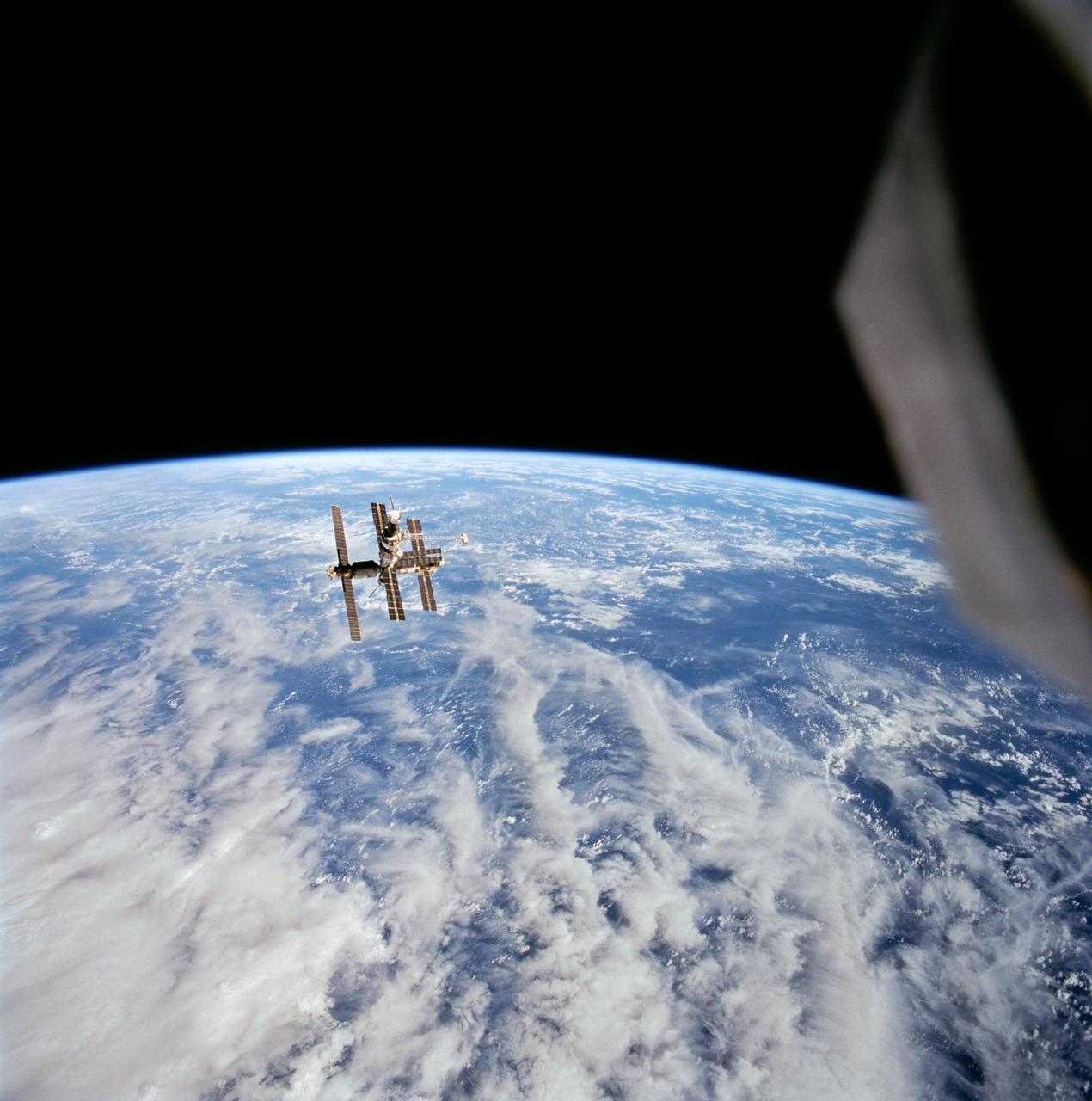
Mir, the crown jewel of Soviet space station engineering, became a symbol of this decay. The station, designed for a five-year lifespan, was kept alive well into its fifteenth year — not because Russia had ambitious plans for it, but because there was nothing to replace it. Roscosmos (formally established in 1992 as the Russian Space Agency) sold observation time on Mir to foreign governments and private entities. A Japanese journalist, a British chemist, and eventually American astronauts flew to Mir under commercial arrangements. It was a space station being run like a struggling bed-and-breakfast.
What kept the Russian space industry from total collapse was commercial launch. The Proton rocket, originally designed to carry nuclear warheads, found a second life as a commercial satellite launcher. Through International Launch Services (ILS), a US-Russian joint venture, Proton carved out a significant share of the global commercial launch market during the late 1990s and 2000s. At its peak, Proton was launching 8-12 commercial satellites per year, generating hard currency that flowed back into Khrunichev and, by extension, the broader Russian space sector.
The other lifeline was even more ironic. In the mid-1990s, the United States began purchasing Russian RD-180 rocket engines for use in the Atlas V, one of America's most important launch vehicles. The RD-180, a masterpiece of Soviet-era closed-cycle engine design, was manufactured by NPO Energomash and became the primary engine for US national security launches. For two decades, America's most sensitive military and intelligence satellites rode to orbit on Russian-built engines. It was a relationship born of genuine technical admiration — the RD-180 remained one of the best kerosene engines ever designed — but also one that highlighted Russia's paradox: world-class engineering capability trapped inside a nation that could no longer afford to use it.
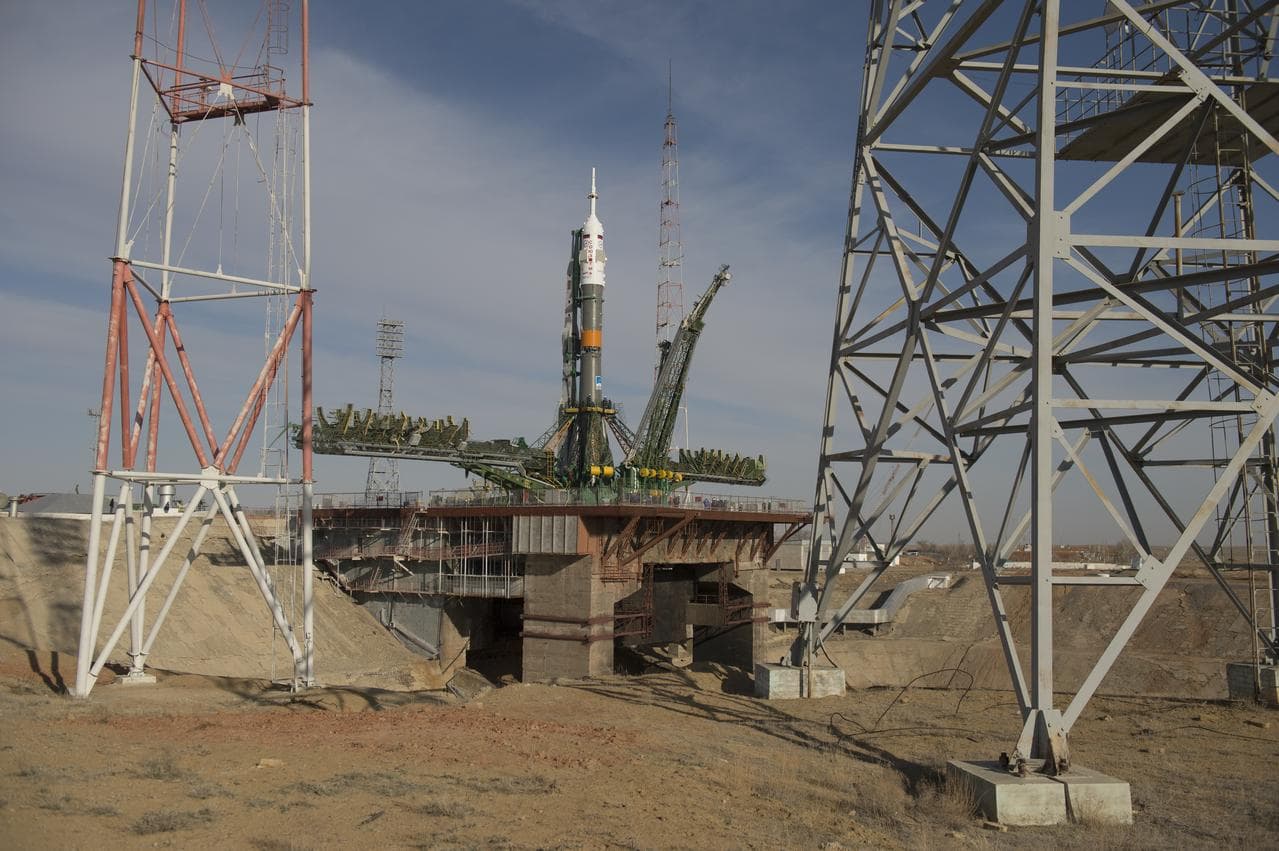
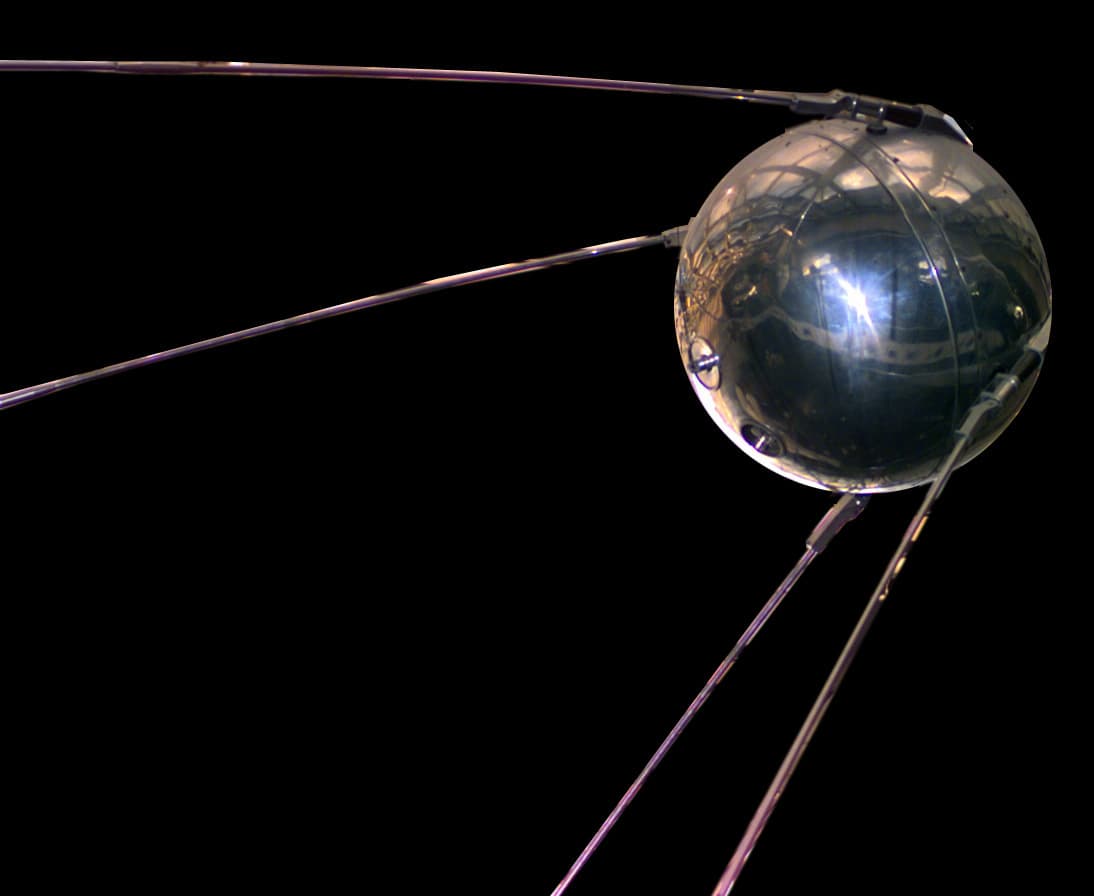
There was also the question of Baikonur. The world's first spaceport, from which Gagarin launched and Sputnik lifted off, was now located in a foreign country. Kazakhstan inherited the Baikonur Cosmodrome when the Soviet Union dissolved, and Russia was forced to negotiate a lease agreement. The current arrangement costs Russia approximately $115 million per year in rent — a significant expense for a cash-strapped space program, and a constant reminder that one of Russia's most important strategic assets sits on another nation's soil.
The ISS Lifeline: Russia as Indispensable Partner (1998-2020)
The International Space Station may have saved the Russian space program. When NASA and Roscosmos formally agreed to build the ISS together, the partnership served both sides' interests. For Russia, it provided a reason to keep its human spaceflight infrastructure alive — and a flow of American money to help pay for it. For the United States, Russian participation brought decades of space station experience (from Salyut and Mir) and, critically, a backup transportation system.
The first ISS component launched in November 1998: Zarya, a Russian-built Functional Cargo Block. Though technically a Russian module, Zarya was funded entirely by NASA under a $250 million contract with Khrunichev. It was followed in 2000 by Zvezda, the Russian service module that provided the station's initial life support, living quarters, and propulsion. Zvezda remains the core of the Russian segment to this day, and its engines are used for periodic reboosts of the entire station's orbit.
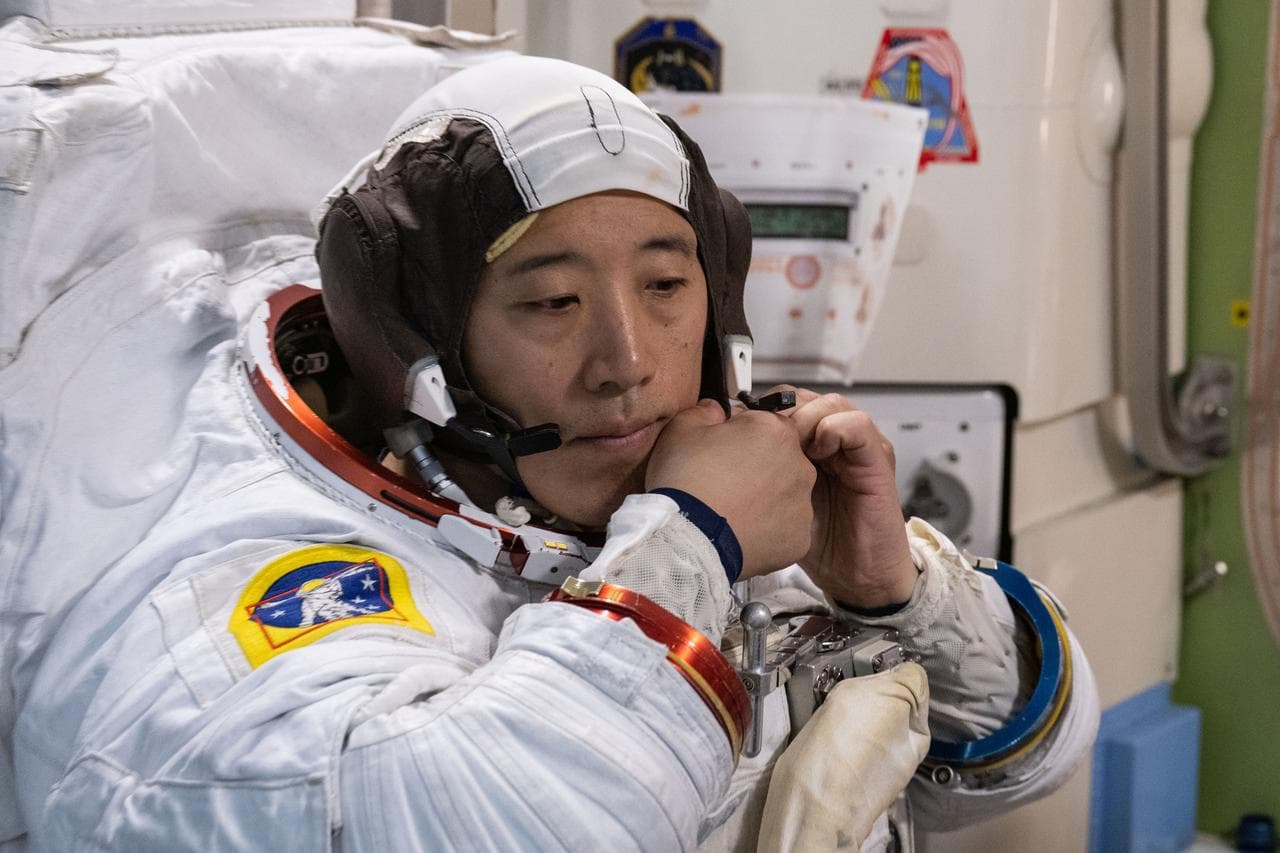
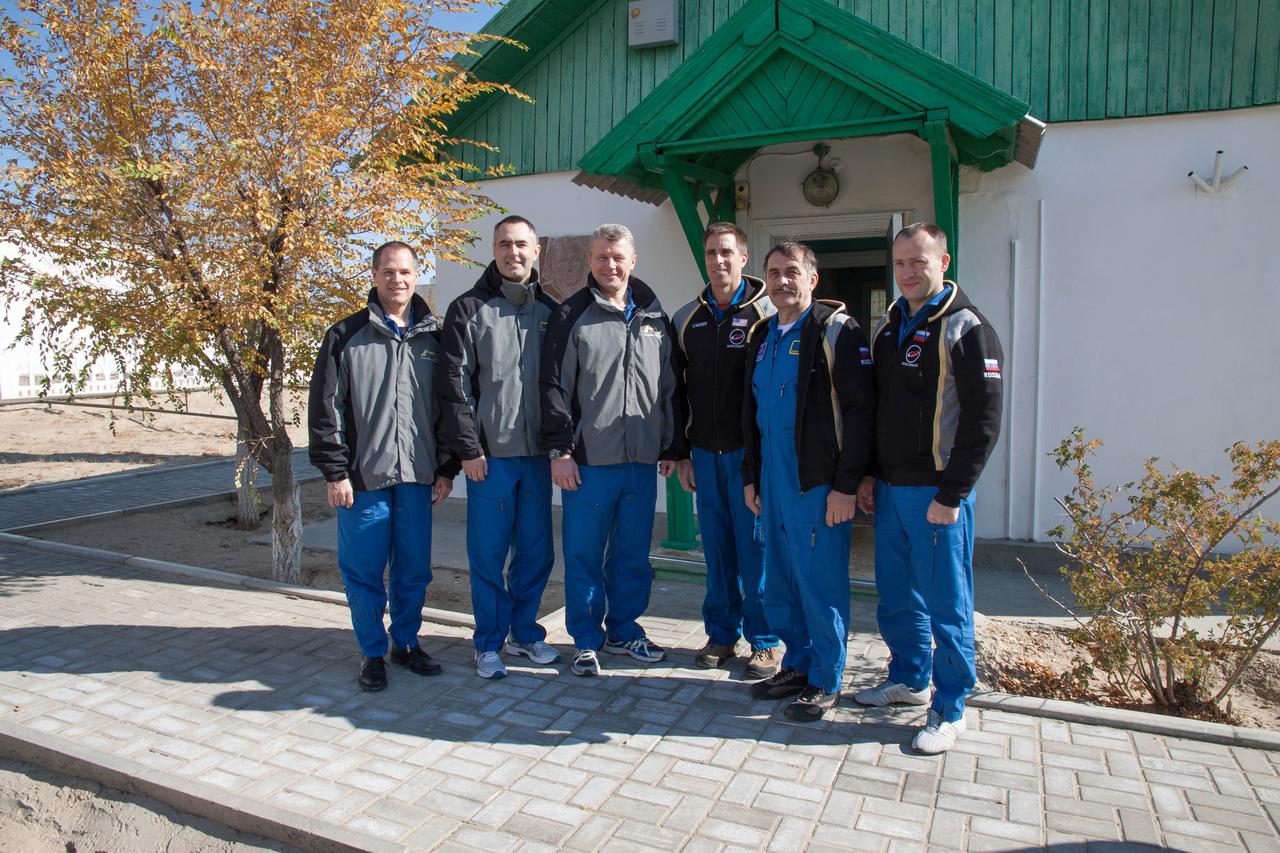
Russia's true leverage, however, came from transportation. When the Space Shuttle retired in July 2011 after 30 years of service, Soyuz became the only vehicle capable of carrying humans to and from the ISS. For nine years — from 2011 to 2020 — every astronaut, regardless of nationality, reached the station aboard a Russian Soyuz spacecraft launched from Baikonur. NASA purchased seats on Soyuz at prices that climbed steadily: from roughly $20 million per seat in the early years to over $80 million per seat by 2018. The total sum NASA paid Russia for Soyuz transportation exceeded $3.9 billion over the life of the arrangement.
This monopoly gave Roscosmos both revenue and geopolitical significance. Russia was not just participating in the ISS; it was essential to it. No Russian launch capability, no crew access to the station. It was a powerful position, and one that Russia's leadership was not shy about leveraging.
That leverage evaporated on May 30, 2020, when SpaceX's Crew Dragon launched NASA astronauts Doug Hurley and Bob Behnken to the ISS from Kennedy Space Center. The Commercial Crew Program, initiated by NASA in 2010, had produced an American vehicle that was not only capable of matching Soyuz but surpassing it in several respects. Crew Dragon could carry four astronauts versus Soyuz's three. It offered a modern, touchscreen-based interface compared to Soyuz's analog controls. And critically, it was commercially operated, with NASA as a customer rather than a program manager.
For Russia, the implications were immediate and severe. NASA no longer needed to buy Soyuz seats. The revenue stream dried up. And Russia's political leverage — the implicit threat that it could deny ISS access — became meaningless when the United States had its own ride.
The Russian ISS segment also suffered from aging infrastructure and programmatic dysfunction. In 2021, the long-delayed Nauka multipurpose laboratory module finally docked to the station after a troubled 14-year development. But within hours of docking, Nauka's thrusters fired unexpectedly, rotating the entire ISS approximately 540 degrees before ground controllers regained attitude control. It was a dangerous incident that underscored the risks of integrating a module that had been sitting in a factory for years beyond its original design life.
The Rogozin era compounded the damage. Dmitry Rogozin, who led Roscosmos from 2018 to 2022, became known less for space achievements than for inflammatory social media posts and geopolitical bluster. He suggested that NASA astronauts could use "trampolines" to reach the ISS after the Soyuz monopoly ended. He threatened to deorbit the ISS over Western sanctions. His tenure coincided with a period of minimal Russian space accomplishments and growing international skepticism about Roscosmos's reliability as a partner.
Luna-25: The Crash That Ended a Dream (2023)
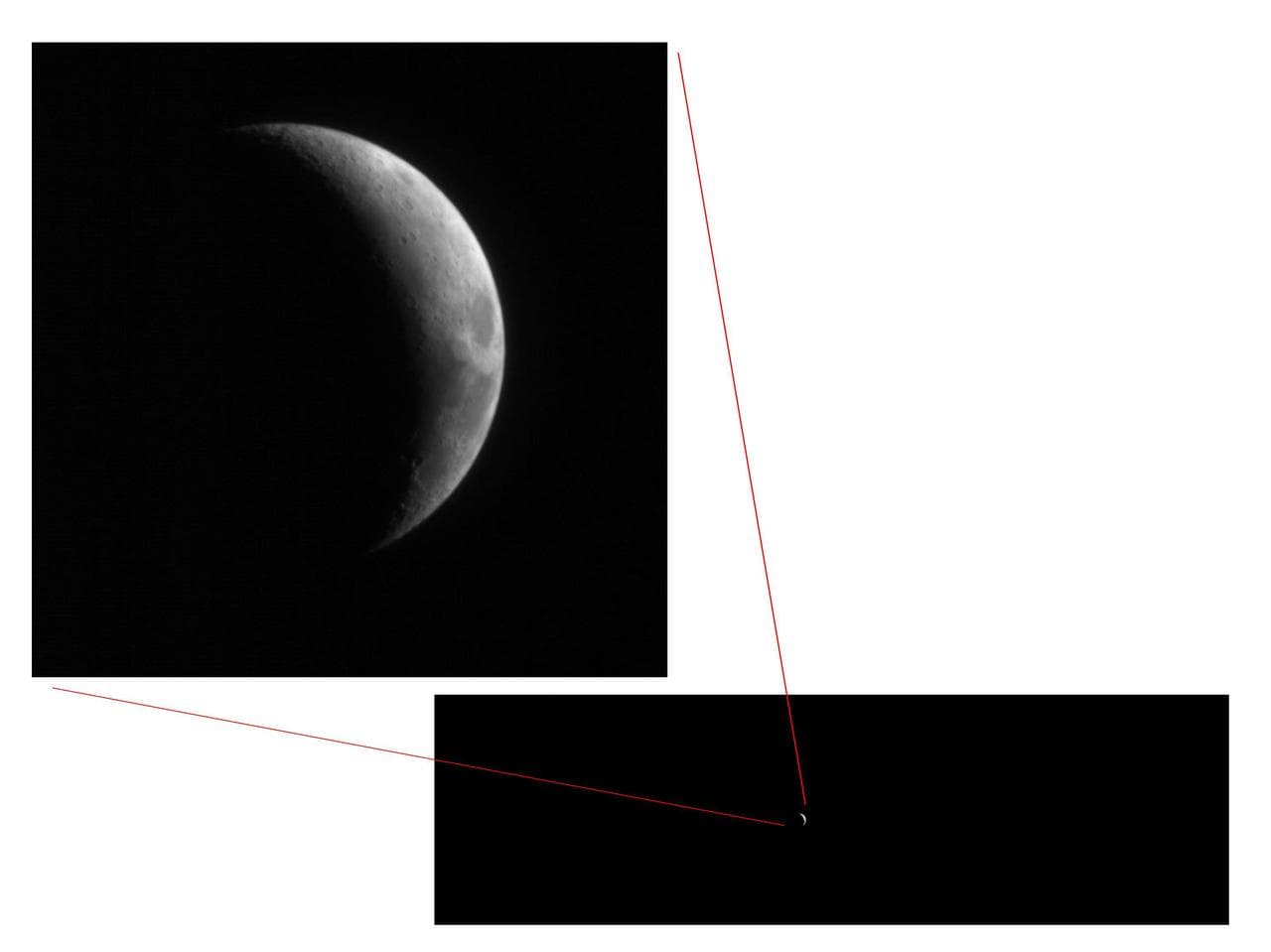
If one event symbolized the depth of Russia's space decline, it was the loss of Luna-25. The mission was supposed to mark Russia's triumphant return to the Moon after a 47-year absence. The last Soviet lunar mission, Luna 24, had successfully returned soil samples from the Moon in August 1976. Nearly half a century later, Luna-25 would attempt to land near the lunar south pole — a region of intense scientific interest due to evidence of water ice in permanently shadowed craters.
Luna-25 launched on August 11, 2023, from the Vostochny Cosmodrome in Russia's Far East — itself a significant detail, as Roscosmos was trying to demonstrate that Vostochny could serve as a viable alternative to Baikonur. The spacecraft entered lunar orbit successfully on August 16. Everything appeared to be proceeding normally.
On August 19, Luna-25 fired its engines for a pre-landing orbital correction maneuver. The burn, which should have lasted 84 seconds, continued for approximately 127 seconds due to a software error in the flight control system. The excessive impulse shifted Luna-25 into an uncontrolled trajectory. The spacecraft crashed into the lunar surface.
Roscosmos's post-failure investigation attributed the crash to an "abnormality in the operation of the onboard control complex" — essentially, a software bug that was not caught during ground testing. An independent commission later noted that the mission had suffered from "insufficient experience" in planetary missions, a direct consequence of the 47-year gap since Russia's last lunar attempt. An entire generation of engineers who knew how to land on the Moon had retired or died. Their knowledge had not been transferred.
The timing made the failure especially painful. India's Chandrayaan-3 mission, which had launched just weeks before Luna-25, successfully landed at the lunar south pole on August 23, 2023 — four days after Luna-25's crash. India, a nation that had sent its first satellite to orbit on a Soviet-derived rocket, had now surpassed Russia in lunar exploration. The contrast was devastating to Russian prestige and prompted sharp criticism within Russia itself.
Roscosmos announced that Luna-26 (an orbiter) and Luna-27 (a lander) would continue the program. But both missions have been pushed back repeatedly, with Luna-26 now tentatively scheduled for no earlier than 2027 and Luna-27 for 2028 or later. Funding remains uncertain, particularly given the economic pressures of the ongoing conflict in Ukraine and the impact of Western sanctions on Russia's access to electronic components and precision instruments.
The Proton Problem and the Angara Promise (2000-Present)
Russia's launch vehicle situation encapsulates the broader malaise. For decades, the Proton rocket was a workhorse of global space launch. Since its first flight in 1965, Proton has completed over 420 launches, carrying everything from Soviet military satellites to commercial communications payloads to modules of the ISS. Through the 1990s and 2000s, Proton launches through ILS were a significant revenue source for the Russian space industry.
But a series of high-profile failures between 2010 and 2015 severely damaged Proton's commercial reputation. A 2013 failure, in which three GLONASS navigation satellites were lost seconds after launch due to an incorrectly installed yaw sensor, was particularly embarrassing — the sensor had been hammered into place upside down by a technician. The quality-control failure was symptomatic of deeper problems in Russian aerospace manufacturing: aging facilities, poorly paid workers, and a culture that had become complacent after decades of routine.
ILS, which had once launched 6-8 commercial Proton missions per year, saw its manifest shrink to a trickle. By 2020, commercial Proton launches had essentially ceased. The rocket continues to fly for Russian government missions, but its commercial career is over.
The intended replacement is the Angara family of rockets, a modular launch vehicle family that has been in development since the early 1990s. Angara was conceived as a clean-sheet design that would replace both Proton and the aging Rokot and Tsyklon vehicles, using a common Universal Rocket Module (URM) based on the RD-191 engine burning kerosene and liquid oxygen — eliminating Proton's use of toxic hypergolic propellants.
On paper, the Angara concept is sound. The Angara-A5 heavy-lift variant can place roughly 24 tonnes into low Earth orbit, comparable to a Delta IV Heavy or Falcon 9 in expendable mode. The lighter Angara-1.2 handles smaller payloads. The modular design, using one, three, five, or seven URMs, offers flexibility.
In practice, Angara has been a case study in glacial development. The first suborbital test of Angara-1.2 took place in 2014 — more than two decades after the program began. The first orbital flight of Angara-A5 also occurred in 2014, carrying a mass simulator to geostationary transfer orbit. But the second Angara-A5 flight did not occur until 2020 — a six-year gap. The third flew in 2024 from the new launch pad at Vostochny. As of early 2026, Angara has completed fewer than ten total flights across all variants and is still not certified for commercial service.
The Angara development timeline — over 30 years from program start to initial operational capability, with the program arguably still not fully operational — stands in stark contrast to the pace of development elsewhere. SpaceX developed Falcon 9 from concept to first flight in roughly seven years. China's Long March 5 took about a decade. Russia's inability to field a modern replacement for Proton in a reasonable timeframe reflects chronic underfunding, bureaucratic dysfunction, and the loss of the engineering velocity that once characterized the Soviet space program.
Soyuz-5 (also known as Irtysh), a medium-lift rocket intended to replace the venerable Soyuz-2 for certain mission profiles, is similarly delayed. Originally targeted for a first flight around 2022, it has slipped repeatedly and is now expected no earlier than 2026 or 2027.
GLONASS, Sphere, and the Satellite Deficit
Russia's satellite infrastructure tells a similar story of ambition constrained by resources. GLONASS (Global Navigation Satellite System), Russia's answer to GPS, is arguably the most successful Russian space program of the post-Soviet era. A full constellation of 24 satellites in medium Earth orbit, GLONASS became fully operational in 2011 after a long and fitful development that stretched back to 1982.
GLONASS provides global positioning coverage with accuracy of roughly 3-5 meters for civilian users — somewhat less precise than GPS's 1-3 meter accuracy but adequate for most applications. Its strategic importance to Russia cannot be overstated: without GLONASS, Russia would depend entirely on American GPS for navigation, a vulnerability no major military power can accept. GLONASS receivers are mandated in Russian vehicles, and the system supports precision-guided munitions, fleet management, and civilian applications across Russia's vast territory.
Maintaining the constellation, however, requires regular satellite replenishment, and the newest generation of GLONASS-K2 satellites has faced production delays. Russia has managed to keep the constellation operational, but it operates with minimal redundancy — any significant manufacturing disruption could create coverage gaps.
Beyond navigation, Russia's ambitions for satellite infrastructure have far outstripped its capacity. The Sphere program, announced in 2018, envisioned a constellation of over 600 satellites providing broadband internet coverage across Russia — a direct response to SpaceX's Starlink and similar Western mega-constellations. Sphere was intended to include five separate satellite groupings: Yamal for communications, Skif for broadband, Marathon IoT for the Internet of Things, Smotr for Earth observation, and additional relay satellites.
The reality, as of 2026, is sobering. Only a handful of Sphere demonstration satellites have reached orbit. The full constellation remains years away from deployment, if it is ever completed. The program faces the same obstacles that plague other Russian space efforts: insufficient funding, sanctions-related difficulties in obtaining radiation-hardened electronics and other Western components, and the sheer scale of the manufacturing challenge. Building and launching 600+ satellites requires an industrial base that Russia currently lacks.
Russia's overall satellite presence in orbit reflects this deficit. As of 2026, Russia operates approximately 200 active satellites — a fraction of China's 600+ and a rounding error compared to the United States' 5,000+, the majority of which are Starlink spacecraft. Even accounting for the different purposes of these satellites, the disparity is striking. Russia's space-based surveillance, communications, and Earth observation capabilities are adequate for a regional power but insufficient for the global reach that Moscow's geopolitical ambitions demand.
On the military satellite front, Russia has maintained several key programs. The Liana electronic intelligence (ELINT) constellation, consisting of Lotos-S and Pion-NKS satellites, provides signals intelligence and maritime surveillance. The Tundra early-warning satellites, operating in highly elliptical Molniya orbits, detect missile launches. Kondor synthetic aperture radar (SAR) satellites provide all-weather imaging. But these constellations are small — typically 2-4 satellites each — and lack the redundancy and revisit rates that comparable American systems provide.
ROSS and ILRS: Russia's Post-ISS Plans
Russia has announced its intention to leave the International Space Station, with a withdrawal targeted for 2028 — though this date has shifted multiple times. The stated plan is to build a new national space station called ROSS (Russian Orbital Service Station, or Rossiyskaya Orbitalnaya Servisnaya Stantsiya), which would replace the Russian segment of the ISS.
ROSS, as currently designed, would operate in a high-inclination orbit of approximately 97 degrees — significantly different from the ISS's 51.6-degree inclination. This orbit would provide coverage of Russia's Arctic regions, including the Northern Sea Route, which is becoming increasingly important due to climate change. The high-inclination orbit also has obvious military and intelligence applications, providing surveillance coverage of polar regions that the ISS cannot reach.
The first module of ROSS, the Scientific and Energy Module (NEM), is targeted for launch in 2027 or 2028. A full four-module station is planned for completion by 2032. The station is designed for both crewed and uncrewed operation, with crews visiting for expeditions rather than maintaining a permanent presence — an approach that would reduce operational costs compared to the continuously crewed ISS.
Whether ROSS will actually be built on schedule, or at all, is an open question. Russia's track record with large space projects in the post-Soviet era — Angara, Sphere, Luna-25 — does not inspire confidence. The station's budget has not been fully committed, and Roscosmos faces competing demands for its limited resources. Some analysts believe ROSS may follow the path of several previous Russian station proposals that were announced with fanfare and quietly shelved.
Russia's other major future initiative is the International Lunar Research Station (ILRS), a joint project with China. Under the ILRS framework, Russia and China plan to build a permanent research facility on the lunar surface, with a timeline stretching from the late 2020s through the 2030s. Russia's primary contribution is expected to be in nuclear power systems — an area where Russian expertise in space nuclear reactors (dating back to the Soviet-era Topaz and BES-5 programs) provides genuine value. China, as the significantly larger partner, would provide most of the launch capability, surface infrastructure, and funding.
The ILRS partnership represents a strategic realignment for Russia. Having been excluded from the US-led Artemis Accords (or, more precisely, having declined to participate), Russia has cast its lot with China as its primary space partner. But this is a partnership of unequals. China's space budget is estimated at $12-14 billion annually, three to four times Russia's approximately $3-4 billion. China launched 68 orbital missions in 2024 compared to Russia's roughly 15-20. China has its own crewed space station (Tiangong), its own lunar program (Chang'e), and its own reusable rocket development. Russia brings experience and niche capabilities, but it is clearly the junior partner.
On the launch vehicle front, the most significant future project is the Amur rocket, Russia's answer to SpaceX's Falcon 9. Amur is designed as a medium-lift, partially reusable rocket powered by methane and liquid oxygen — a propellant combination that aligns with industry trends toward cleaner, more efficient fuels. The first stage is designed for vertical propulsive landing, similar to Falcon 9.
Amur's specifications, as publicly described, are ambitious. The rocket would place approximately 10.5 tonnes into low Earth orbit in its reusable configuration, use an RD-0169 methane-LOX engine derived from existing Russian engine technology, and feature a first stage designed for at least 10 reuses. The target cost per launch in reusable mode is reportedly around $22 million — competitive with Falcon 9's pricing.
The challenge is timeline. Amur's first flight is currently targeted for approximately 2030, though many observers expect further delays. Russia has never successfully developed a reusable launch vehicle, and the precision manufacturing, software, and guidance systems required for propulsive landing are areas where Russia has limited recent experience. Western sanctions have also restricted Russia's access to certain electronic components and materials that would be needed for Amur's avionics and control systems.
Vostochny Cosmodrome, located in Russia's Amur Oblast in the Far East, is intended to reduce Russia's dependence on Baikonur. The spaceport has been operational since 2016, with Soyuz-2 rockets launching from its first pad and an Angara launch pad completed in 2023. Vostochny is intended to eventually handle all of Russia's crewed launches, though significant infrastructure work remains. The cosmodrome's construction has been plagued by corruption scandals, with multiple officials convicted of embezzlement — another symptom of the systemic problems that afflict Russian space efforts.
The Verdict: Can Russia Remain a Space Power?
Assessing Russia's space future requires separating what Russia was from what Russia is. The Soviet Union built a space program of extraordinary breadth and depth, achieving firsts that will endure in human memory for as long as civilization exists. Yuri Gagarin's flight. Valentina Tereshkova's. Alexei Leonov's spacewalk. Salyut. Mir. The Energia-Buran system. The RD-170 engine family. These are permanent entries in the ledger of human achievement.
But the Russia of 2026 is not the Soviet Union. Its space budget of approximately $3-4 billion per year is roughly one-tenth of NASA's, and substantially less than China's or even ESA's combined spending. Its annual launch rate of 15-20 missions, while still significant, is dwarfed by the United States' 150+ launches (driven primarily by SpaceX) and China's 68. In an era where space capability increasingly depends on commercial innovation, software, electronics, and rapid iteration, Russia's state-dominated, vertically integrated model is poorly suited to compete.
Russia's strengths are real but narrow. Its rocket engine technology, particularly the RD-180 and its descendants, remains among the best in the world — though the United States has now developed domestic alternatives (Blue Origin's BE-4, SpaceX's Raptor) and no longer purchases Russian engines. Its experience with long-duration human spaceflight, accumulated across Salyut, Mir, and the ISS, is unmatched. Its nuclear power and propulsion expertise, drawn from decades of work on space reactors and nuclear thermal engines, is a genuine asset that few other nations possess. And the Soyuz spacecraft, while aging, has compiled a safety record that few vehicles can match.
The weaknesses, however, are structural. Corruption has been a persistent drain on Russian space budgets, with multiple high-profile embezzlement cases linked to Vostochny construction, satellite manufacturing, and program management. Brain drain continues, as talented engineers and scientists find better opportunities in Russia's private sector or abroad. Western sanctions, imposed and tightened following Russia's 2022 invasion of Ukraine, have restricted access to radiation-hardened electronics, precision gyroscopes, and other components that modern spacecraft require. And Russia's diplomatic isolation from Western space agencies — the cancellation of the ExoMars joint mission with ESA, the withdrawal of cooperative programs with NASA beyond ISS operations — has cut off partnerships that once provided both revenue and technical exchange.
The partnership with China, while strategically important, carries its own risks. China is pursuing space capabilities that will eventually make Russian contributions redundant. China is developing its own heavy-lift rockets (Long March 9), its own space station (Tiangong), its own lunar program (Chang'e), and its own reusable vehicles. As China's space capabilities mature, Russia's value as a partner will diminish. The historical parallel is uncomfortable: Russia risks becoming a space client state to China, much as Eastern European nations were Soviet space clients during the Cold War.
Perhaps the most apt analogy is to the British Empire. In the early twentieth century, Britain was the world's dominant naval and industrial power. By mid-century, it had been surpassed by the United States and the Soviet Union. Britain did not cease to be a significant power — it retained nuclear weapons, a capable military, and scientific prowess — but it was no longer the hegemon. Russia's space trajectory follows a similar arc. It retains genuine capabilities and a proud heritage, but it is no longer among the leaders, and the gap is widening.
The question is whether Russia can stabilize its decline and carve out a sustainable niche — perhaps as a provider of specialized engine technology, nuclear power systems, and human spaceflight experience — or whether the erosion will continue until Russia's space program exists primarily as a historical artifact. The answer depends less on rocket science than on economics, governance, and geopolitics — domains where Russia's challenges are at least as severe as they are in space.
What is certain is this: the first human in space was Russian. The first space station was Russian. The first spacewalk was Russian. Those facts are etched in history and cannot be undone. But history does not launch rockets, and the cosmos does not award credit for past achievements. The universe responds only to those who show up — with funding, engineering, and ambition. Russia's challenge is to prove it still can.