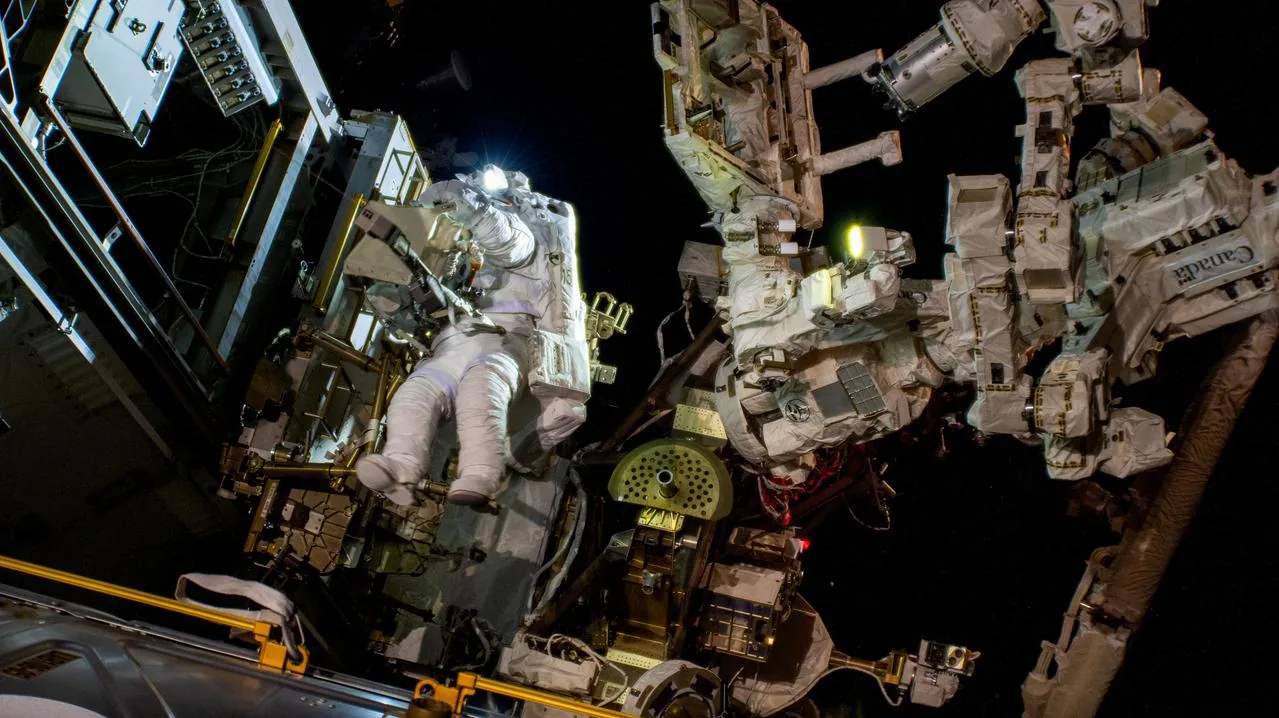
There is a structure orbiting 250 miles above your head right now, hurtling through space at 17,500 miles per hour, and people are living inside it. They have been living there, continuously, since November 2, 2000. That is more than two decades of unbroken human presence beyond our planet -- a feat so extraordinary that we have somehow allowed it to become ordinary.
The International Space Station is the single most expensive object ever constructed by human hands, a $150 billion testament to what happens when nations that once pointed nuclear missiles at each other decide to build something together instead. And as the ISS approaches its planned retirement around 2030, it is worth pausing to appreciate just how profoundly this football-field-sized laboratory has reshaped our understanding of science, diplomacy, and what it means to be human.
A Cold War Handshake in Orbit
The story of the ISS begins, paradoxically, with rivalry. The United States and the Soviet Union spent decades racing each other to space -- first satellites, then humans, then the Moon. But by the early 1990s, the Cold War was over, Russia's Mir space station was aging, and NASA's proposed Space Station Freedom was drowning in budget overruns.
The solution was audacious: merge the programs. In 1993, the Clinton administration invited Russia to join what would become the International Space Station, and suddenly former adversaries were sharing blueprints and bolting modules together. It remains one of the most remarkable diplomatic achievements of the twentieth century.
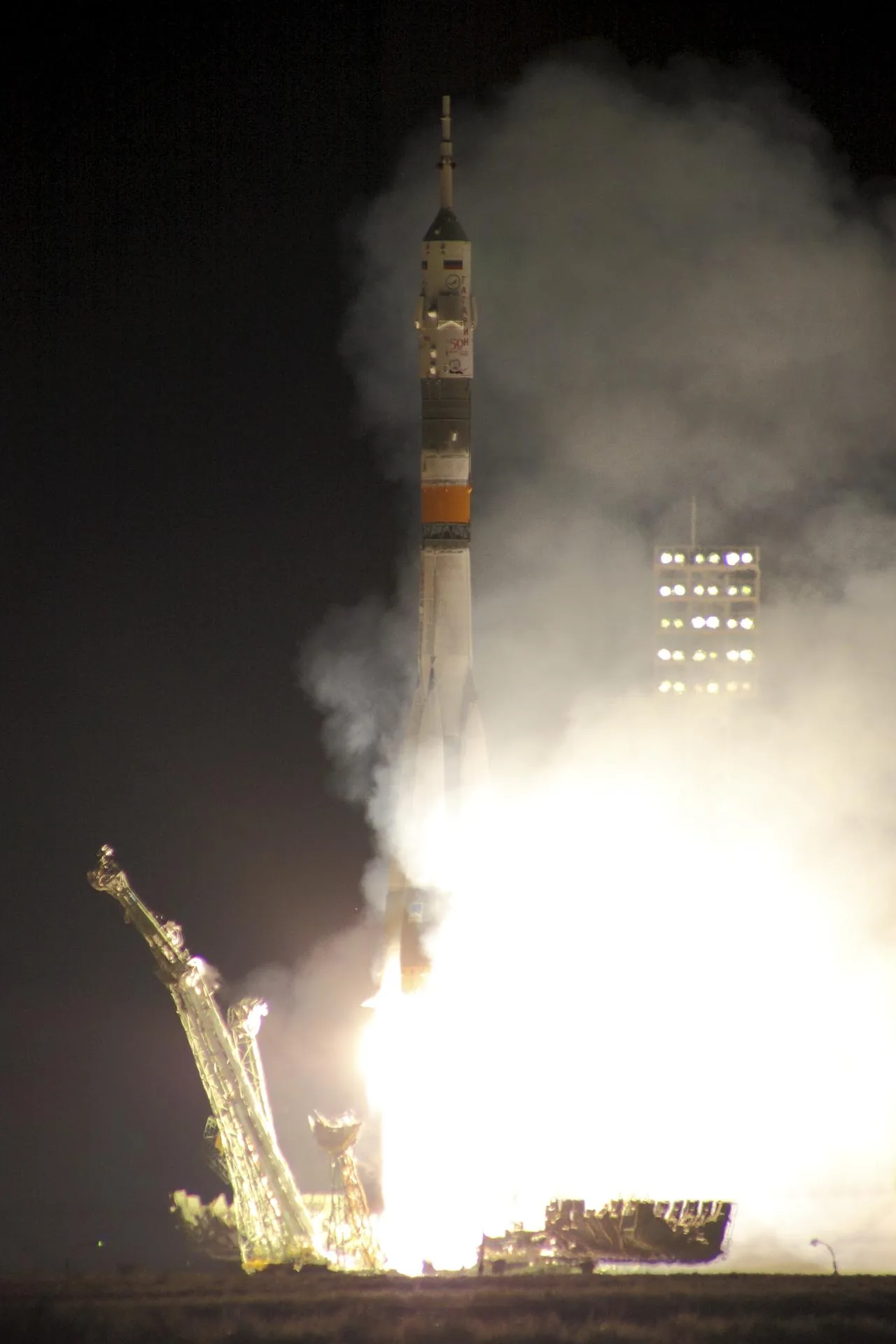
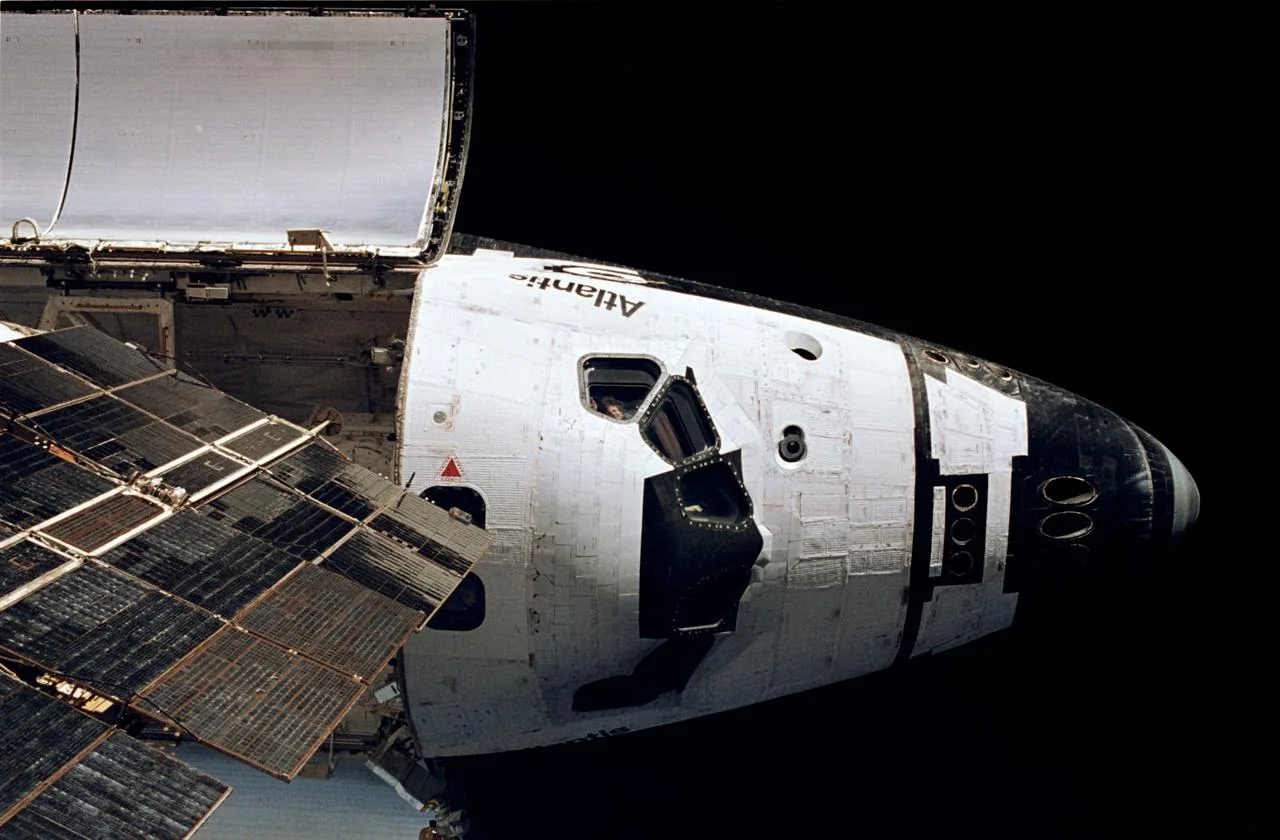
On November 20, 1998, a Russian Proton rocket launched the Zarya control module from the Baikonur Cosmodrome in Kazakhstan. Two weeks later, the Space Shuttle Endeavour carried up the Unity node and astronauts physically connected the two pieces in orbit. The station grew from there, module by module, truss by truss, solar array by solar array, assembled across more than 40 missions over the next decade.
The Numbers Tell a Story
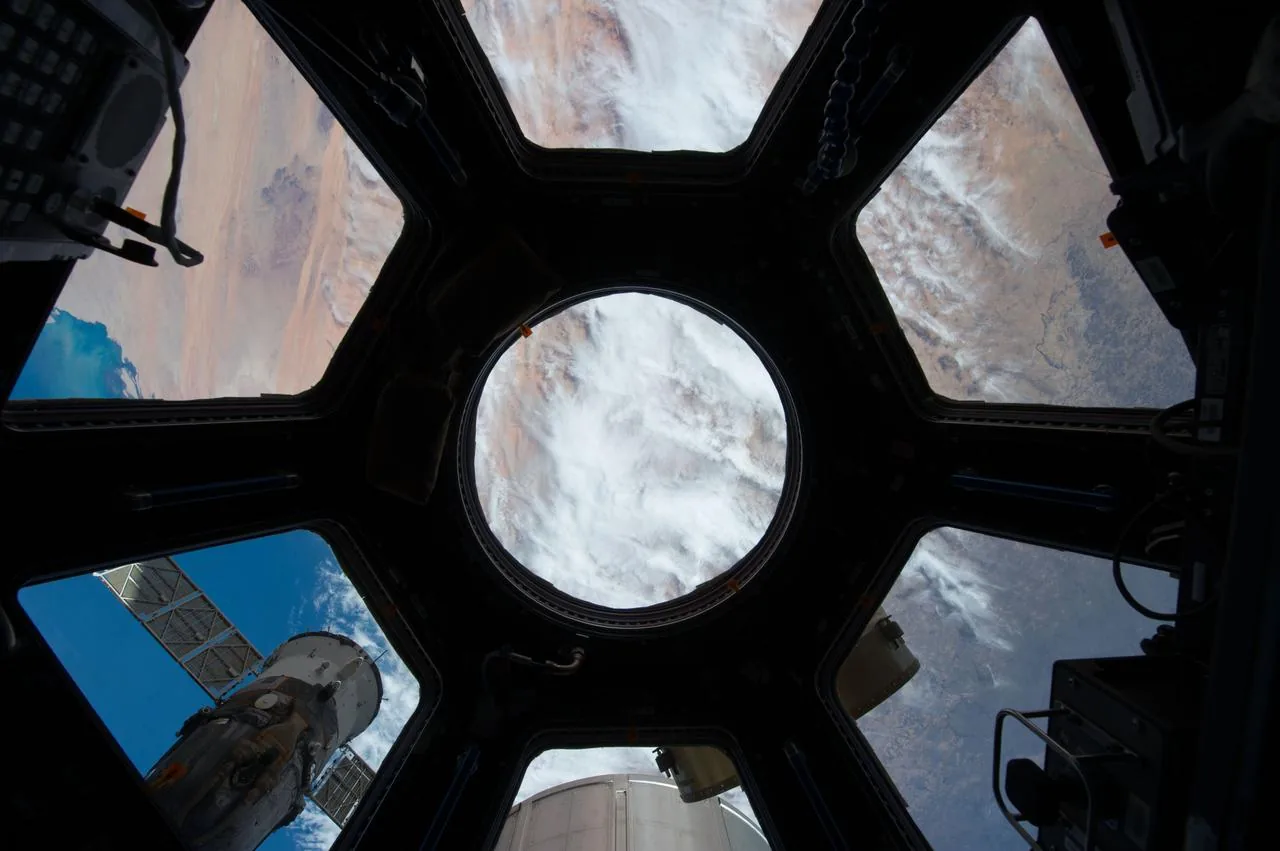
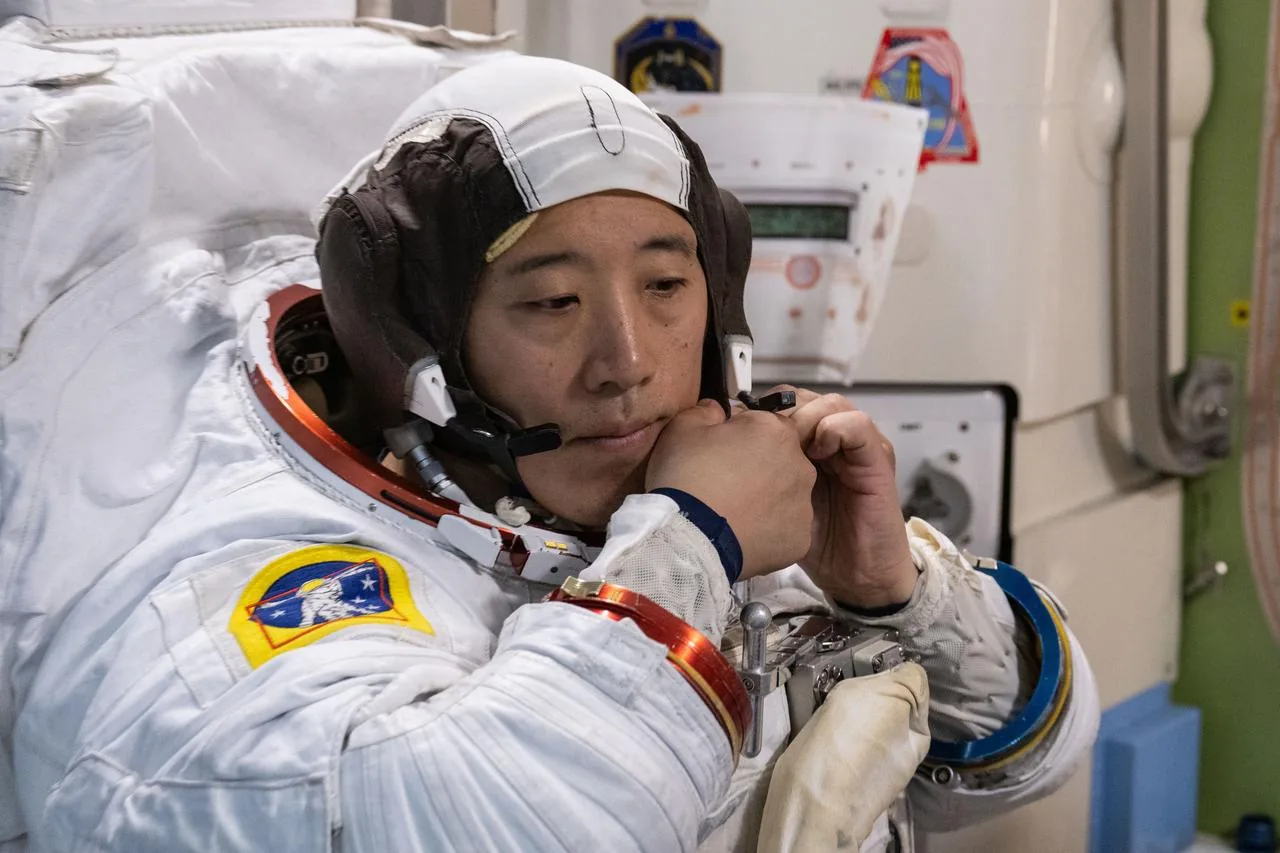
More than 270 people from 21 countries have visited the ISS. Americans, Russians, Japanese, Canadians, Europeans, and visitors from nations including the United Arab Emirates, South Africa, Brazil, and Malaysia have all called this outpost home, however briefly. The station has hosted more than 3,000 scientific experiments, and the research conducted within its walls has produced results that simply cannot be replicated on Earth.
The ISS orbits Earth every 90 minutes, meaning its crew witnesses 16 sunrises and 16 sunsets every single day. It has been continuously crewed for over 25 years now -- the longest uninterrupted human presence in space by a vast margin. Astronauts typically serve six-month rotations, though some have stayed much longer. Scott Kelly and Mikhail Kornienko spent 340 consecutive days aboard in 2015-2016, and Russian cosmonaut Valeri Polyakov once spent 437 days on Mir, setting a record that still stands.
A Laboratory Like No Other
The real magic of the ISS lies in what microgravity reveals. Strip away the constant pull of Earth's gravity, and the universe shows you things you never expected.
Crystal growth behaves differently in space. Protein crystals grown aboard the ISS are larger, more uniform, and more structurally perfect than anything produced on Earth. This matters enormously for pharmaceutical research, because understanding a protein's three-dimensional structure is the key to designing drugs that interact with it. Research aboard the ISS has contributed to advances in treatments for Duchenne muscular dystrophy and various cancers.
Fluid dynamics in microgravity have led to breakthroughs in combustion science. Flames in space burn as perfect spheres, without the flickering and convection currents that make Earth-based combustion so complex. Studying these cool, slow-burning flames has helped engineers design more efficient engines and better understand fire safety -- knowledge that protects both astronauts and people on the ground.
Medical research aboard the station has been transformative. The accelerated aging effects that astronauts experience -- bone density loss, muscle atrophy, immune system changes -- mirror conditions that affect millions of people on Earth. Studying these effects in their most extreme form has led to insights about osteoporosis, cardiovascular disease, and the human immune response that benefit patients who will never leave the planet.
The station's Earth observation capabilities have also proved invaluable. Astronauts and automated instruments aboard the ISS have tracked hurricanes, wildfires, volcanic eruptions, coral reef health, deforestation, and urban sprawl, providing data that feeds into climate models and disaster response plans worldwide.
The Human Element
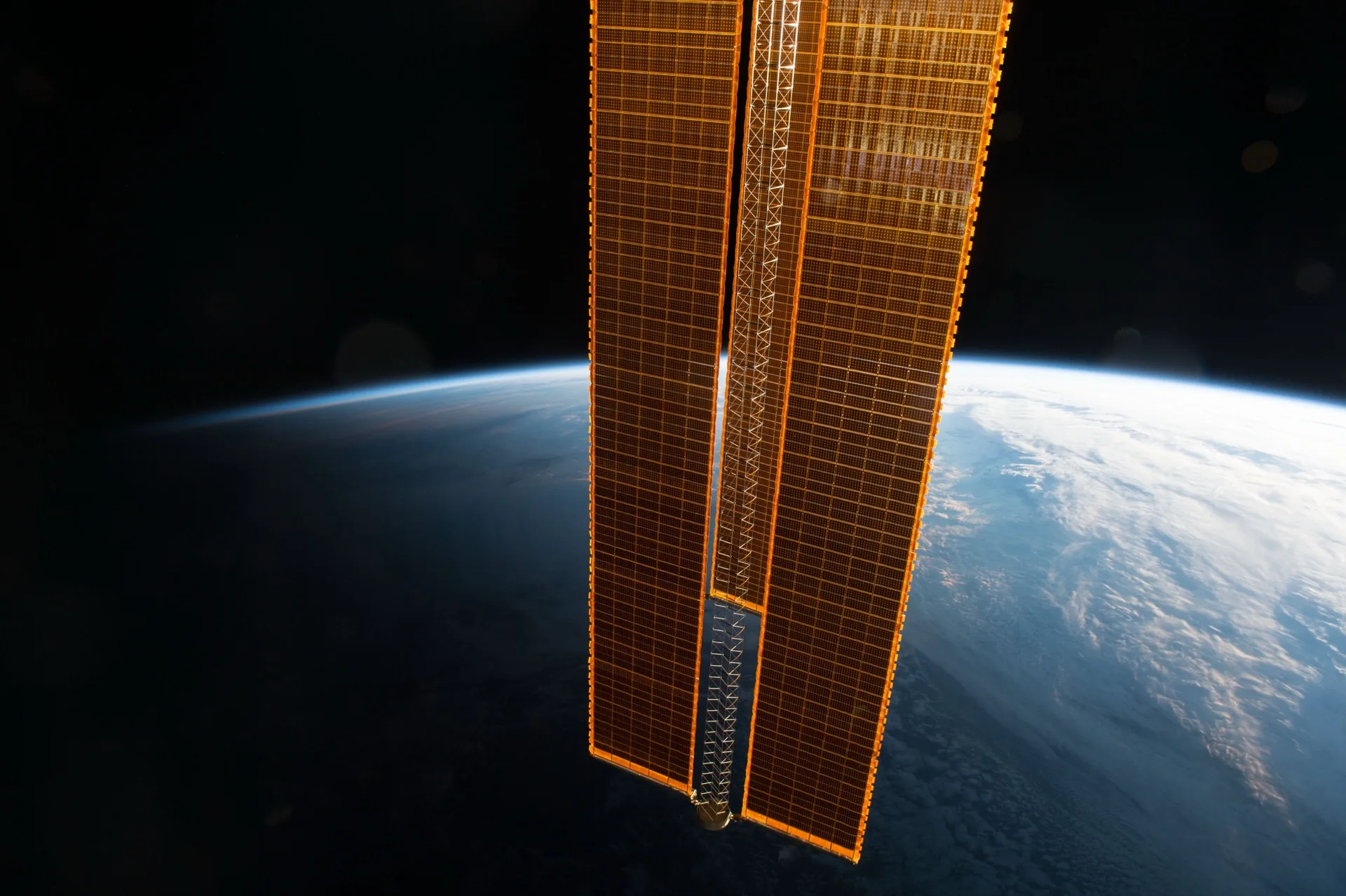
Beyond the science, the ISS has taught us something fundamental about people. Living in a confined space with colleagues from different countries, cultures, and languages for months at a time is not easy. The station's crews have demonstrated, over and over, that human beings can cooperate across every divide when given a shared mission and mutual respect.
Astronauts frequently describe the "overview effect" -- the cognitive shift that occurs when you see Earth from space. National borders vanish. The atmosphere appears as a thin, fragile membrane. The planet looks small, precious, and profoundly interconnected. Nearly every astronaut who has experienced this view reports that it changed them, made them more aware of our shared humanity and the urgency of caring for our home.
The Road to Retirement
The ISS was not built to last forever. Its oldest modules are now more than 25 years old, and while the station has been remarkably well-maintained, the Russian segment in particular has experienced increasing issues -- air leaks, equipment failures, and aging infrastructure. NASA and its partners have agreed to operate the station through 2030, though ongoing discussions may extend that timeline slightly.
The retirement plan is dramatic: when the time comes, a specially designed SpaceX deorbit vehicle will guide the station into a controlled reentry over the uninhabited South Pacific Ocean, in an area known as the "spacecraft cemetery" where dozens of deorbited stations and cargo vehicles have already made their final plunge.
What Comes Next
The end of the ISS does not mean the end of humans living in space. Far from it. NASA has funded several commercial space station projects under its Commercial Low Earth Orbit Destinations (CLD) program, and multiple companies are racing to build the ISS's successors.
Axiom Space is already attaching commercial modules to the ISS itself, planning to eventually detach them as a free-flying station. Vast is developing Haven-1, a compact station designed for rapid deployment. Blue Origin and Sierra Space are collaborating on Orbital Reef, envisioned as a mixed-use business park in space. And Voyager Space, partnered with Airbus, is building Starlab, designed to support continuous crewed operations from day one.
These commercial stations will serve purposes the ISS never could: pharmaceutical manufacturing in microgravity, space tourism, satellite servicing, and potentially even film production. The economic case for commercial space stations is growing stronger every year, driven by demonstrated demand and declining launch costs.
A Legacy Written in Starlight
The International Space Station is, by any honest measure, one of humanity's greatest achievements. It proved that former enemies could build something extraordinary together. It produced science that has improved lives on Earth in ways most people will never know. It kept humans living in space for a quarter of a century without interruption.
And perhaps most importantly, it proved that we can do this -- that we can live and work beyond our planet, not just for days or weeks, but for years. That knowledge is the foundation upon which everything that comes next will be built: commercial stations, lunar outposts, and eventually, human missions to Mars.
When the ISS finally makes its fiery descent into the Pacific, it will be the end of an era. But the legacy it leaves behind -- in scientific knowledge, international cooperation, and sheer human audacity -- will endure for as long as we keep reaching for the stars.
The lights are still on up there. Look up tonight. That bright point of light moving steadily across your sky is not a star. It is a home.