Image: NASA / Lockheed Martin / Caltech
Lunar Trailblazer
Mission Profile
| Launch date | 2025-02-26 |
|---|---|
| Launch vehicle | Falcon 9 (rideshare with IM-2) |
| Spacecraft | Lunar Trailblazer SmallSat |
| Target | Moon |
| Type | Robotic |
| End date | 2025-07-31 |
| Cost | $94M cost cap (SIMPLEx) |
| Mass | ~200 kg |
| Partners | Caltech (PI), Lockheed Martin (spacecraft), JPL (HVM3), University of Oxford (LTM) |
| Instruments | HVM3 (high-res near-IR spectrometer), LTM (thermal mapper) |
Prime Contractors
Companies that built, launched, or operate this mission. Tickers link to their investor profile.
- Lockheed Martin
- Caltech / IPAC
- Johns Hopkins APL
- NASA JPL
Overview
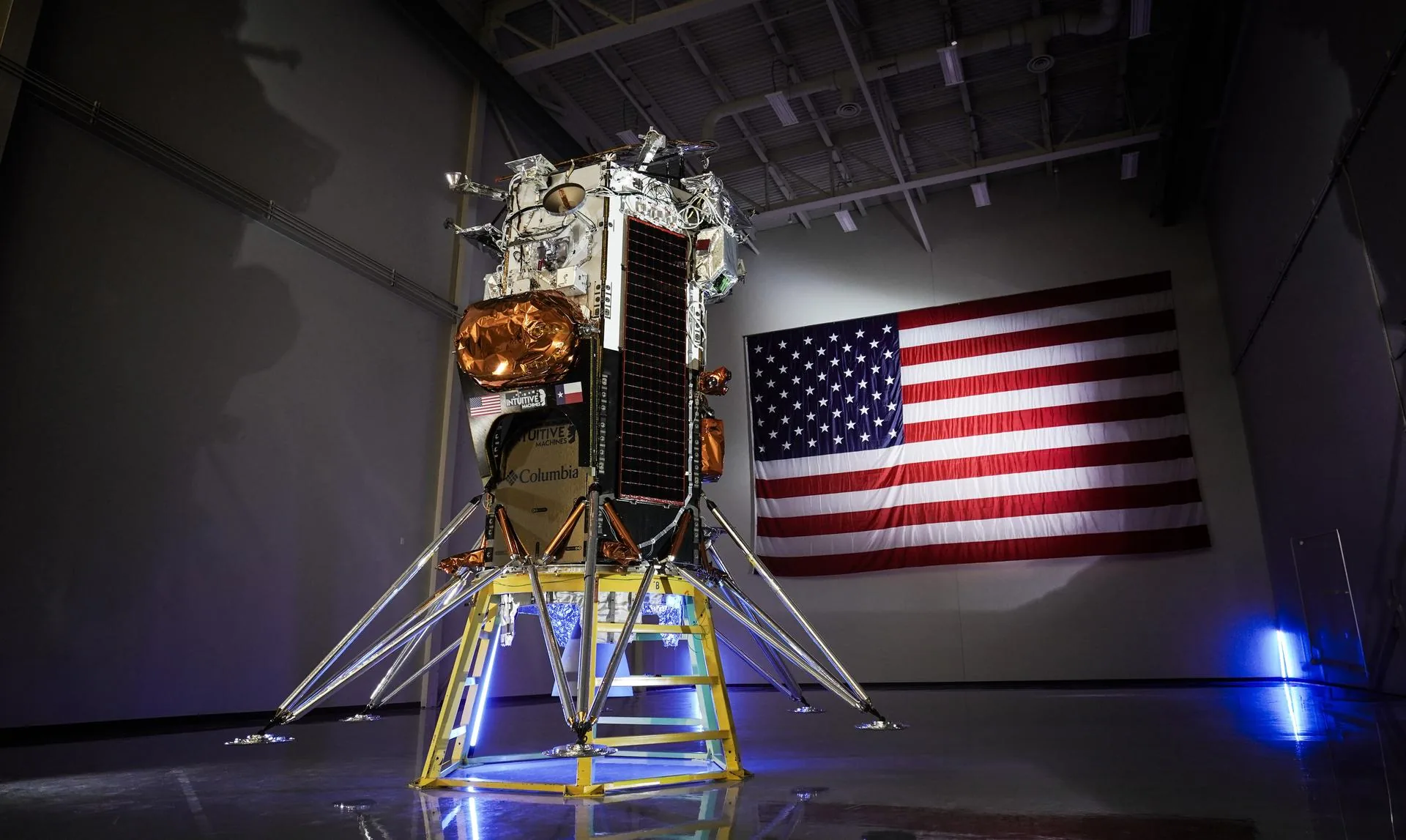
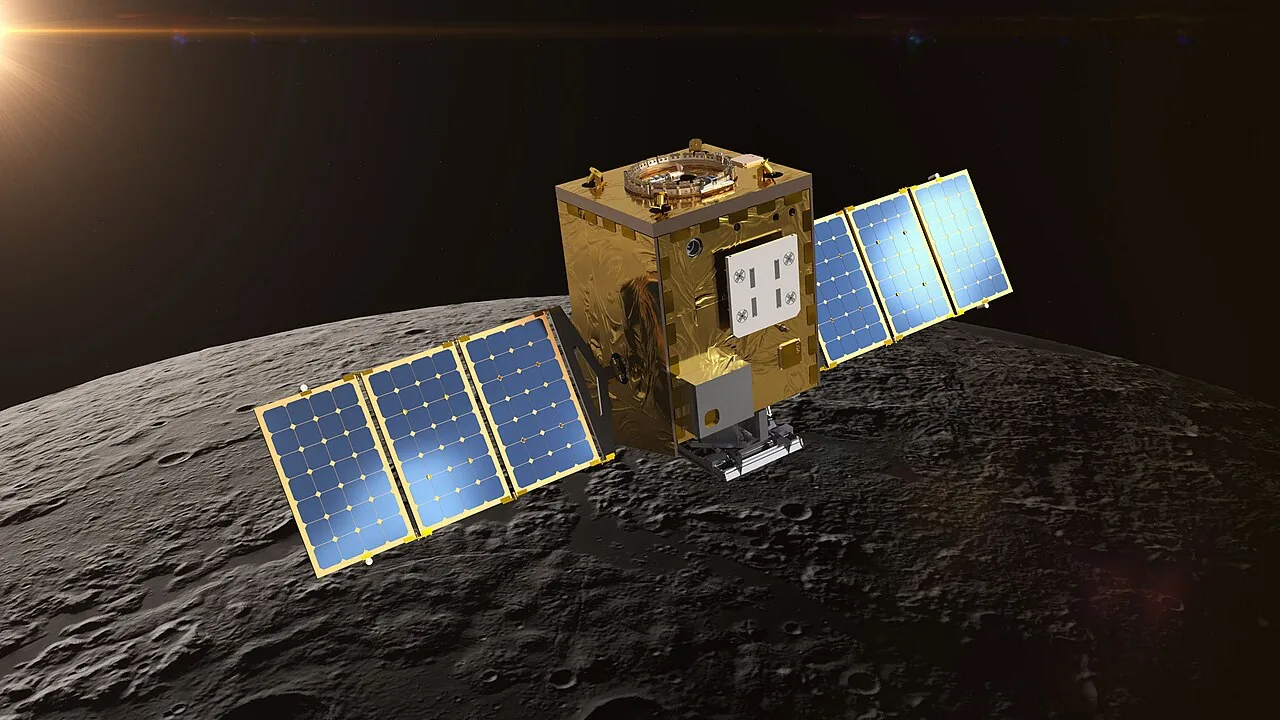
Lunar Trailblazer was a low-cost, small-satellite NASA mission designed to make detailed maps of water and other volatiles on the lunar surface from orbit, complementing the surface measurements being made by CLPS landers and rovers. Selected through NASA's competitive SIMPLEx program with a $94M cost cap, the 200-kg spacecraft was built by Lockheed Martin and Caltech and carried two science instruments: HVM3, a high-resolution near-infrared spectrometer to detect water ice and hydroxyl, and LTM, a thermal emission imager. Lunar Trailblazer launched on 26 February 2025 as a rideshare on the SpaceX Falcon 9 that delivered Intuitive Machines' IM-2 lander to lunar transfer orbit. Within hours of separation, however, the mission lost two-way communication with Earth and was unable to perform its planned trajectory correction maneuvers. After months of recovery attempts using NASA's Deep Space Network and volunteer ground stations, NASA formally ended the mission on 31 July 2025. The agency's failure review, released in February 2026, concluded the spacecraft's solar arrays ended up pointed away from the Sun because of a software error, starving the batteries of power before controllers could intervene. The loss highlighted the inherent risks of low-cost SmallSat science missions, which trade redundancy for affordability.
Key Milestones
2019-06-28
NASA selects Lunar Trailblazer through SIMPLEx
2025-02-26
Launch as rideshare on Falcon 9 with IM-2
2025-02-27
Two-way communications lost shortly after separation
2025-07-31
NASA ends mission
2026-02
Failure review traces loss to solar arrays pointed away from the Sun due to a software error