All Astronauts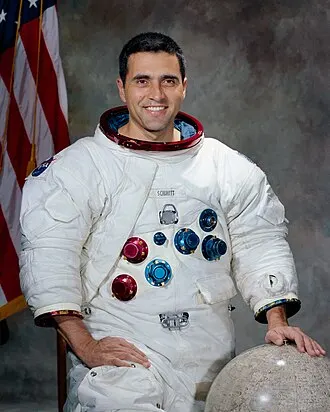 VETERANRetiredNASA
VETERANRetiredNASANASA·🇺🇸 United States·Born 1935
Jack Schmitt
The only professional geologist to walk on the Moon, on Apollo 17, and the twelfth person to do so.
Hours in Space
1
Missions
3
EVAs
22h
EVA Time
Biography
The only professional geologist to walk on the Moon, on Apollo 17, and the twelfth person to do so. Later served as a U.S. Senator from New Mexico.
Before NASAProfessional geologist who earned a Harvard PhD in geology, studied on a Fulbright scholarship at the University of Oslo, and worked at the U.S. Geological Survey's Astrogeology Center developing lunar field techniques for Apollo crews before NASA selected him in 1965.
Life & career
Harrison Hagan "Jack" Schmitt was born on July 3, 1935, in Santa Rita, New Mexico, and reached the Moon by an entirely different road than his fellow moonwalkers. He trained not as a military test pilot but as a scientist, earning a doctorate in geology from Harvard, studying on a Fulbright scholarship at the University of Oslo, and working at the U.S. Geological Survey's Astrogeology Center, where he helped develop the field techniques Apollo crews would use on the lunar surface. When NASA created its first group of scientist-astronauts, Schmitt was selected in 1965. He learned to fly jets as part of his training and spent years teaching geology to the pilot-astronauts, preparing them to read the Moon's surface as a geologist would.
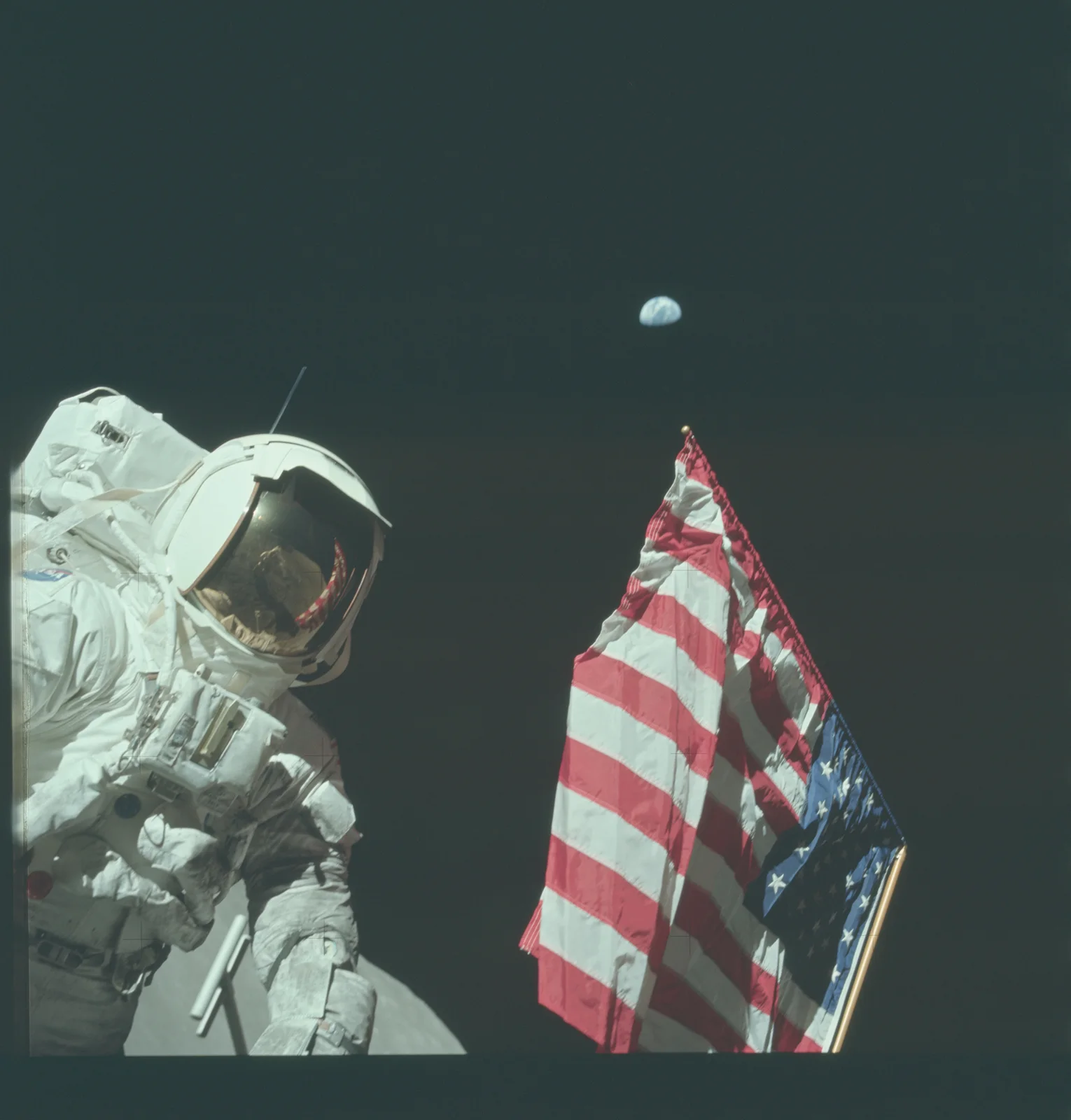
Schmitt flew a single mission, but it was the capstone of the entire program. As lunar module pilot of Apollo 17, launched on December 7, 1972, he descended with commander Gene Cernan in the lunar module Challenger into the Valley of Taurus-Littrow. Over about twelve days, including three moonwalks totaling roughly twenty-two hours on the surface, the two ranged across the valley in the Lunar Roving Vehicle and collected more than 240 pounds of rock and soil, the largest haul of any Apollo mission. Schmitt's trained eye produced the mission's most celebrated moment when, near Shorty crater, he spotted patches of orange soil, tiny beads of volcanic glass from an ancient eruption that opened a window into the Moon's fiery interior. Among his samples was Troctolite 76535, one of the most intensively studied rocks ever returned from the Moon and a centerpiece of debate over whether the early Moon generated its own magnetic field. As the twelfth and second-youngest person to walk on the Moon, and the last to step onto its surface before Cernan, Schmitt remains the only professional geologist, and the only crew member without a military-pilot background, ever to do so.
After Apollo 17, Schmitt traded the Moon for the Senate. He retired from NASA in 1975 and won election as a Republican from New Mexico, serving a single six-year term and chairing the subcommittee on science, technology, and space. In the decades since he has been a university professor, consultant, and prominent, sometimes controversial, advocate for returning to the Moon and mining lunar helium-3 as an energy resource. Now retired, he stands as a durable symbol of the value of putting a trained scientist on another world, the geologist whose fieldwork on the Moon is still yielding discoveries half a century later.
Mission Timeline
- Lunar Module Pilot
Apollo LM Challenger
Apollo 17
Launch: Dec 7, 1972Landing: Dec 19, 1972Duration: 12 days- Only professional geologist to walk on the Moon
Don't just read it — fly it
Relive Jack's missions
Step into the missions Jack Schmitt flew — chapter by chapter, from ignition to splashdown.
Beyond the Mission
Hobbies & Interests
fishingskiinghikingcarpentrywritingsquashhandballrunning
Languages
English
Fun fact
Schmitt is the only professional scientist — and the only person without a military aviation background — ever to walk on the Moon, and the rock he picked up there, Troctolite 76535, is considered 'without doubt the most interesting sample returned from the Moon' because it suggests the Moon once had an active magnetic field.
More Astronauts
Other space travelers from NASA