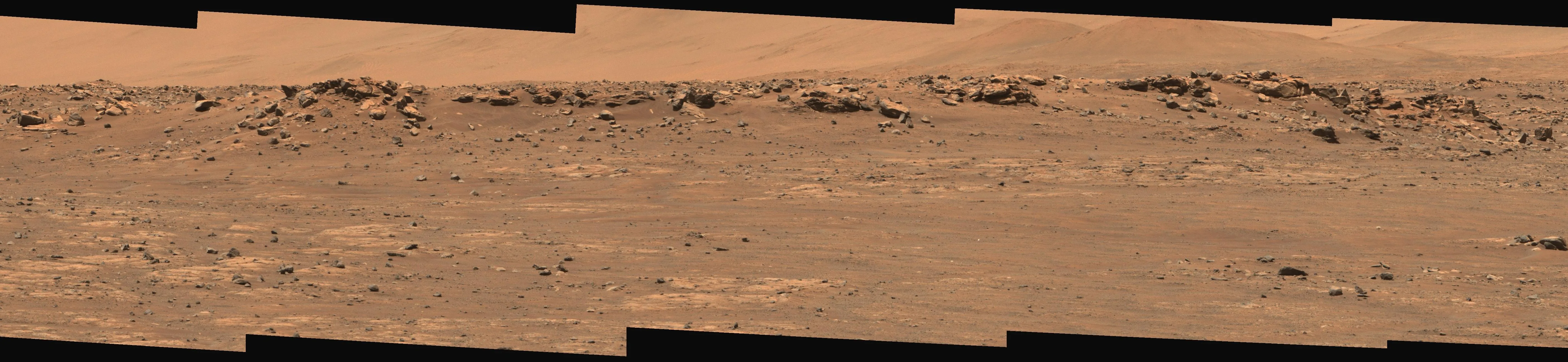
Mars Exploration Hub
Every Mars mission, tracked in depth.
From Mariner 4's first flyby to Perseverance's sample cache — every orbiter, rover, lander, and flyby, cited to primary sources.
- Active orbiters
- 6
- Rovers tracked
- 8
- Landers & probes
- 10
- Flyby missions
- 7
Mars Exploration Timeline
Six decades of Mars exploration in six eras — from the first grainy flyby images to the first rock cores awaiting return to Earth.
Flyby Era
1962–1971
5
missions
Mariner 4 first images
The first spacecraft attempts to reach Mars — mostly failures early on, with Mariner 4 delivering humanity's first close-up photographs in 1965. These 21 grainy images showed a cratered, apparently dead world and shaped a generation of expectations.
Orbiter Era
1971–2001
7
missions
Global mapping begins
Mariner 9 became the first spacecraft to orbit another planet (1971) and produced the first global map of Mars, revealing Olympus Mons and Valles Marineris. The Viking orbiters (1976) and Mars Global Surveyor (1997) refined our understanding of Martian geology, atmosphere, and potential past habitability.
Lander Era
1976–2008
6
missions
Surface science begins
Viking 1 and 2 achieved the first successful US landings (1976) and searched — inconclusively — for signs of life. Pathfinder (1997) proved modern landing systems. Phoenix (2008) confirmed water ice just below the surface at high latitudes. InSight (2018) listened to Marsquakes for the first time.
Rover Era
1997–present
7
missions
Mobile exploration
Sojourner (1997) proved Mars roving was feasible. Spirit and Opportunity (2004) found definitive evidence of past liquid water. Curiosity (2012) confirmed ancient habitability at Gale Crater. Perseverance (2021) began caching samples and demonstrated oxygen production. Ingenuity proved powered flight on another world.
Sample Return Era
2020s–2030s
1
missions
Bringing Mars to Earth
Perseverance's 24 cached sample tubes represent humanity's first step toward returning Mars material to Earth laboratories. Mars Sample Return (NASA-ESA) aims to retrieve these samples by the mid-2030s for definitive biosignature analysis that no rover instrument can match.
Status: Planning / Conceptual
Human Era
2030s+
Crew on the surface
NASA's Moon-to-Mars roadmap and SpaceX's Starship architecture both target crewed Mars missions in the 2030s–2040s. Key unresolved challenges: transit radiation shielding, entry-descent-landing at scale, ISRU propellant production, and long-duration human health on a 26-month synodic cycle.
Status: Planning / Conceptual
Mars Rovers
Every surface vehicle sent to Mars — rovers, landers-with-mobility, and helicopters — cited to NASA JPL and agency primary sources.
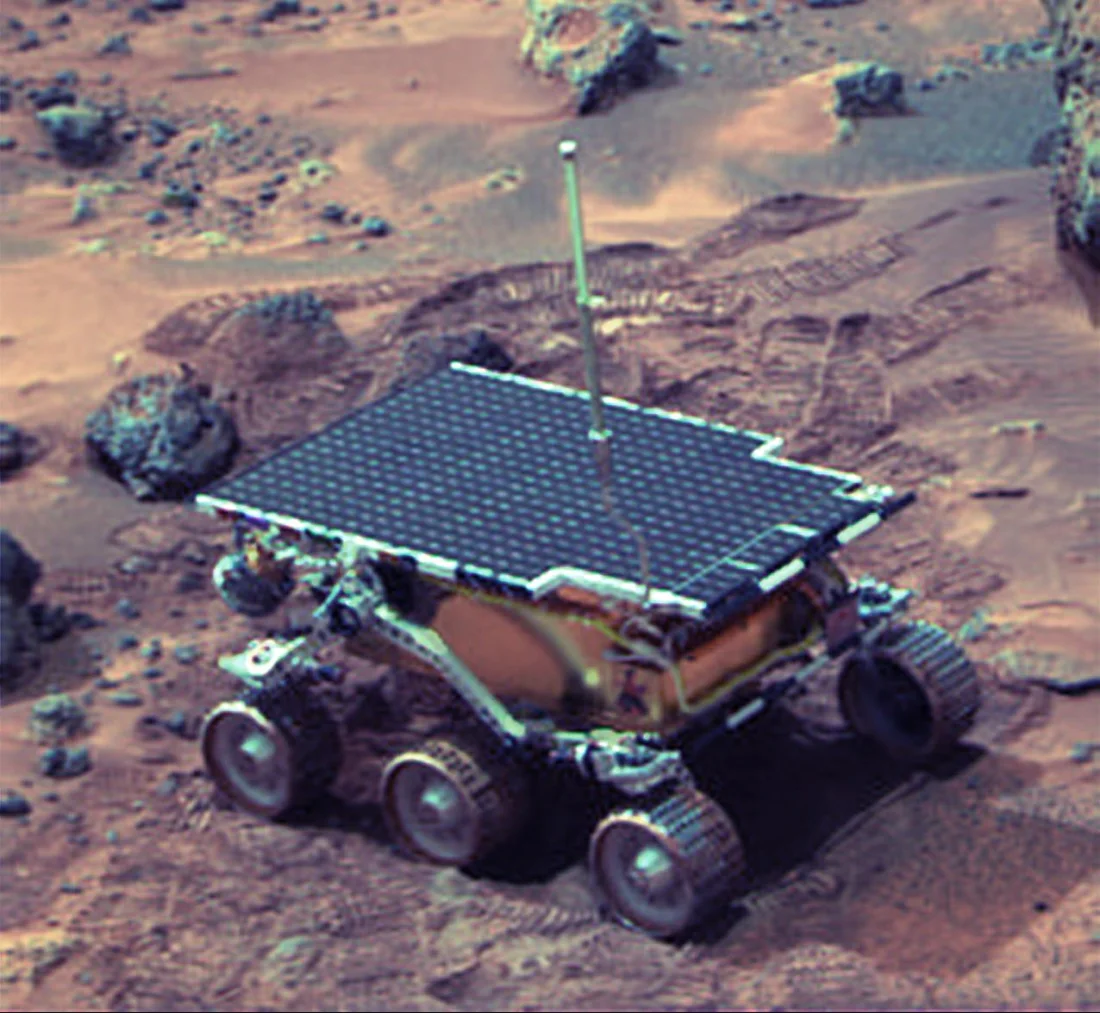
Sojourner
Mission CompleteMars Pathfinder
Agency: NASA/JPL
- Landed
- 1997-07-04
- Site
- Ares Vallis, Chryse Planitia
Distance traveled
0.1 km (100 metres)
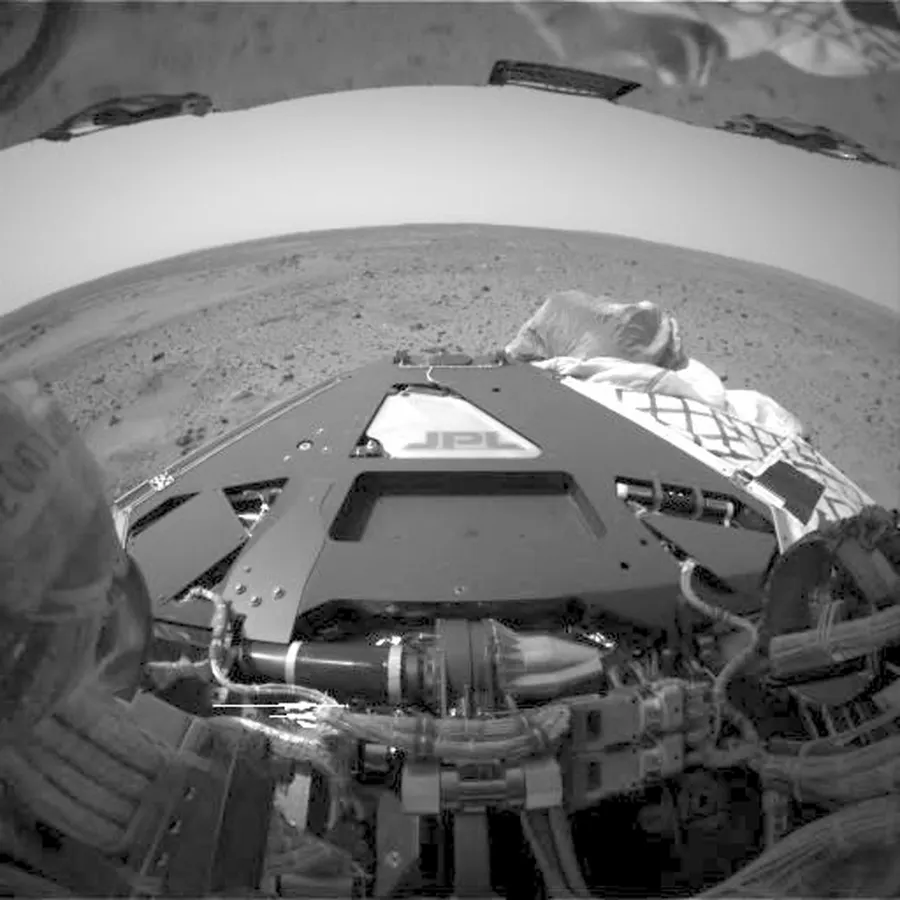
Spirit (MER-A)
Mission CompleteMars Exploration Rover — A
Agency: NASA/JPL
- Landed
- 2004-01-04
- Site
- Gusev Crater
Distance traveled
7.73 km
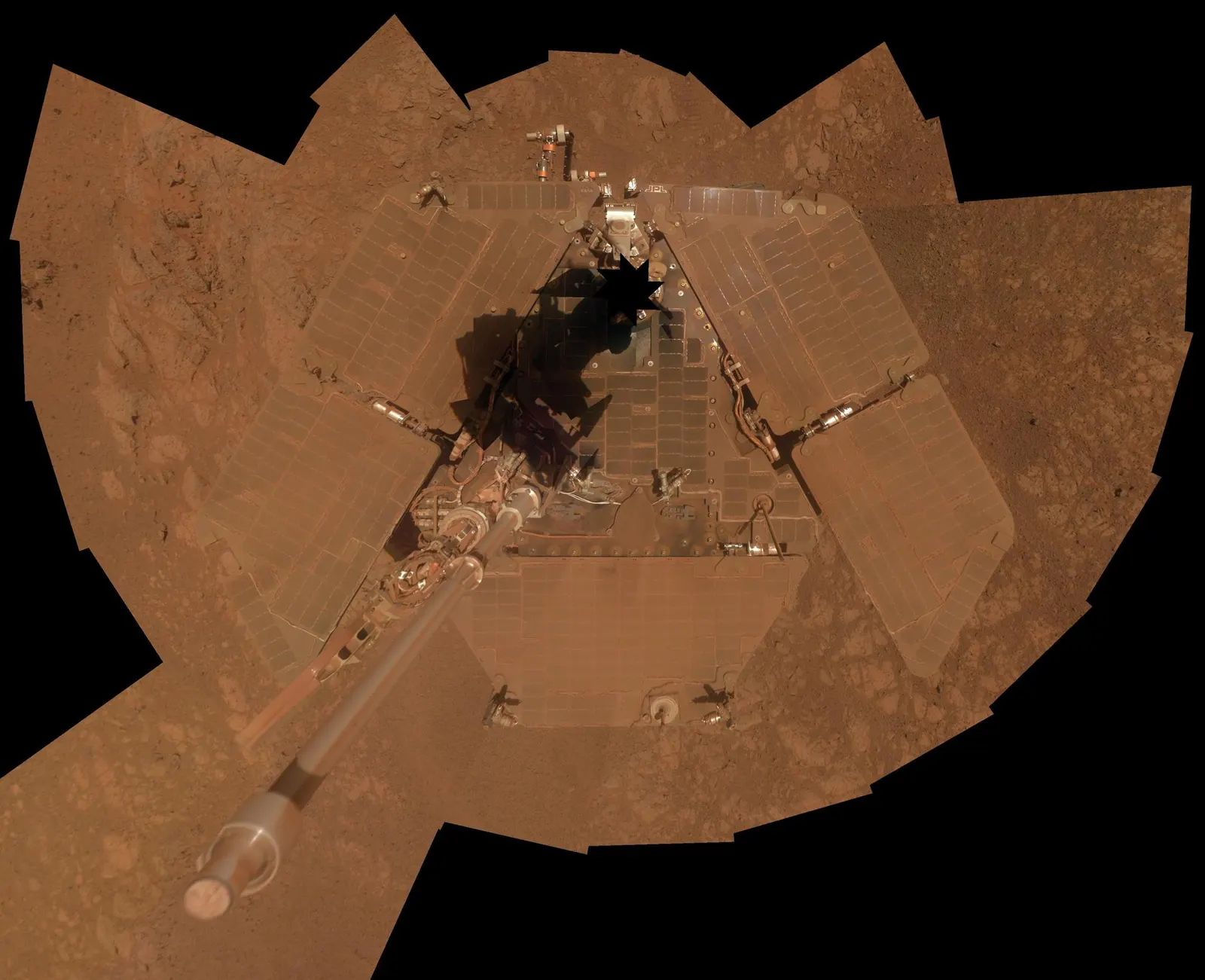
Opportunity (MER-B)
Mission CompleteMars Exploration Rover — B
Agency: NASA/JPL
- Landed
- 2004-01-25
- Site
- Eagle Crater, Meridiani Planum
Distance traveled
45.16 km
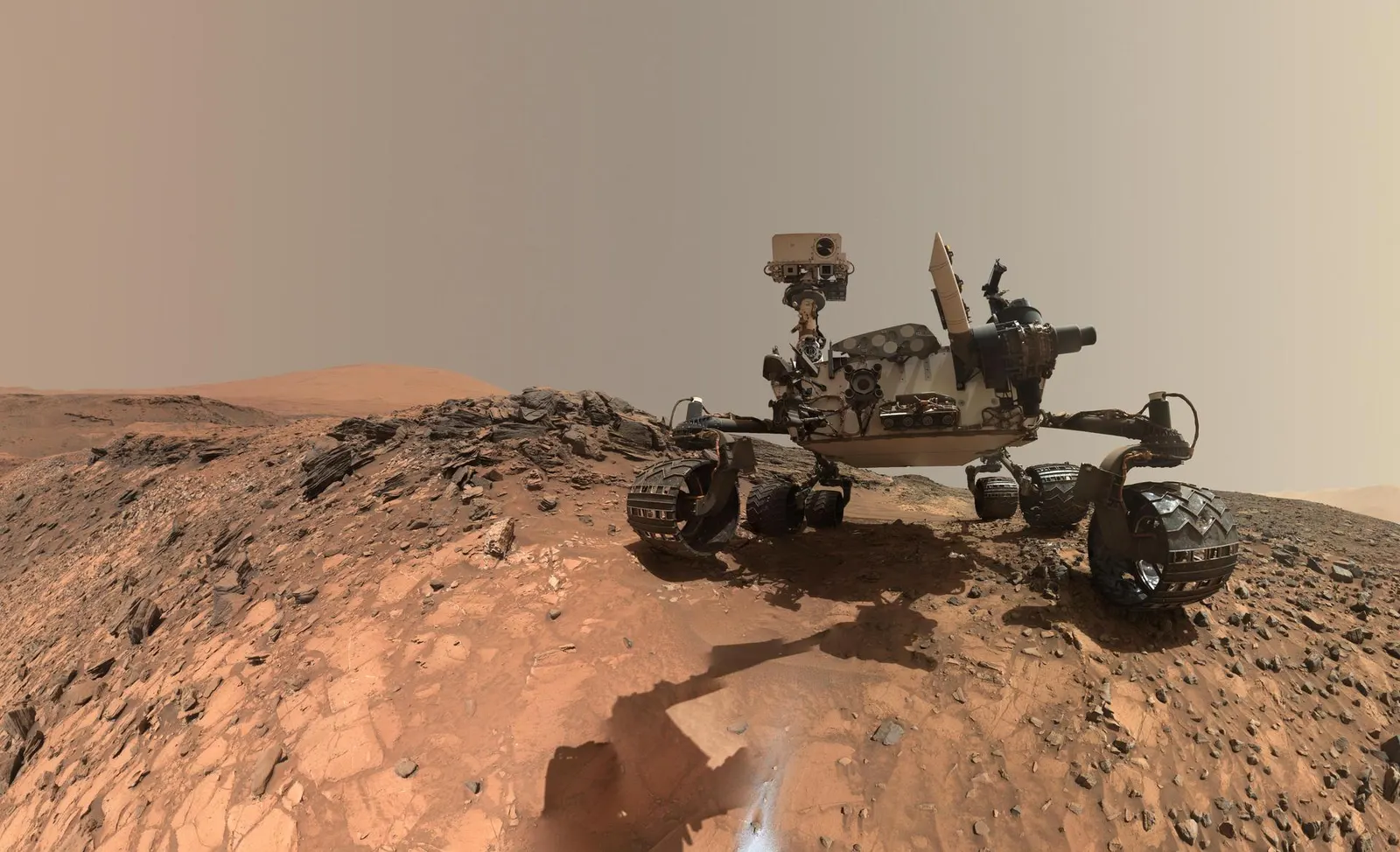
Curiosity (MSL)
ActiveMars Science Laboratory
Agency: NASA/JPL
- Landed
- 2012-08-06
- Site
- Bradbury Landing, Gale Crater
Distance traveled
36.86 km
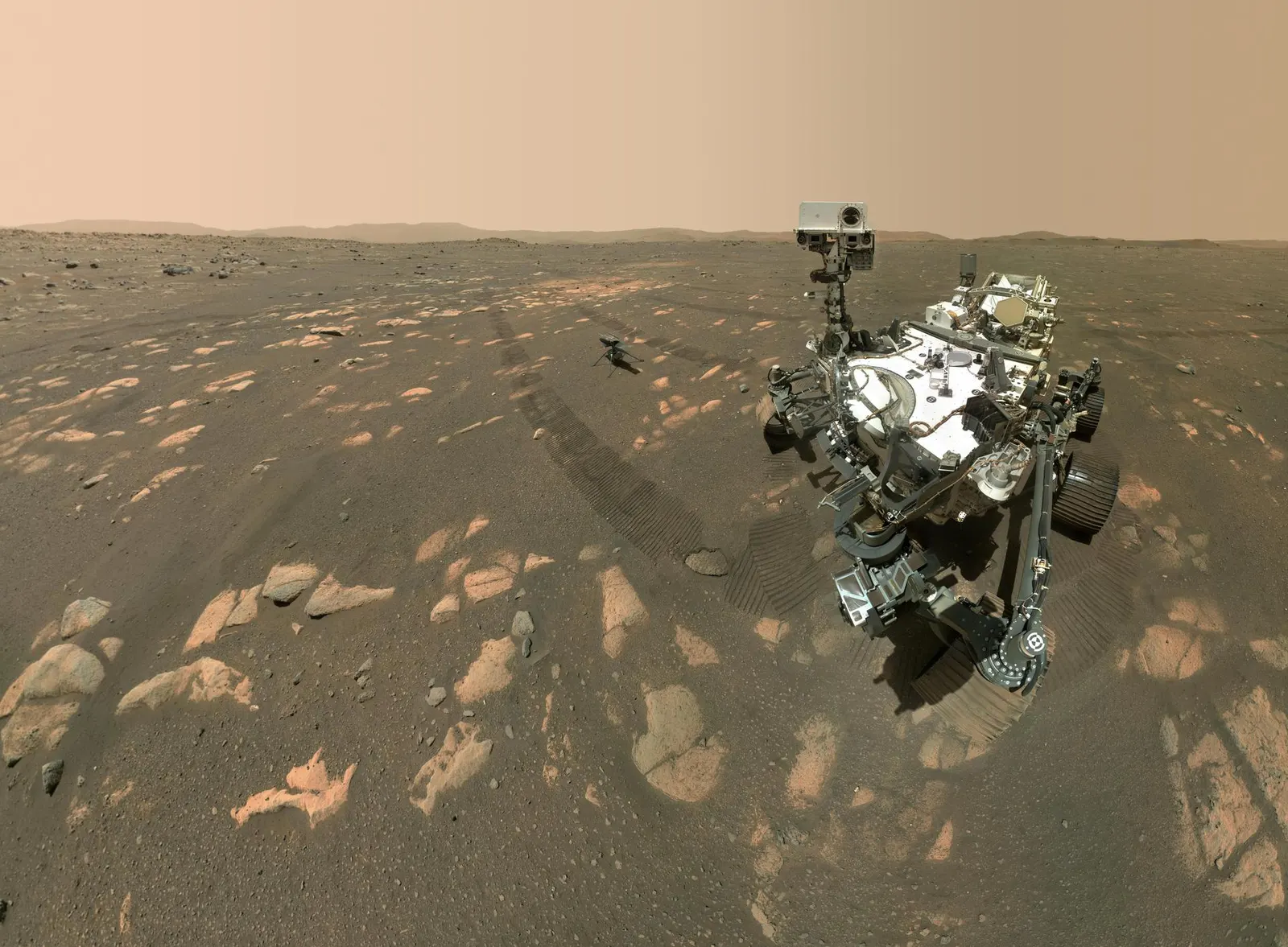
Perseverance (Mars 2020)
ActiveMars 2020
Agency: NASA/JPL
- Landed
- 2021-02-18
- Site
- Octavia E. Butler Landing, Jezero Crater
Distance traveled
>30 km
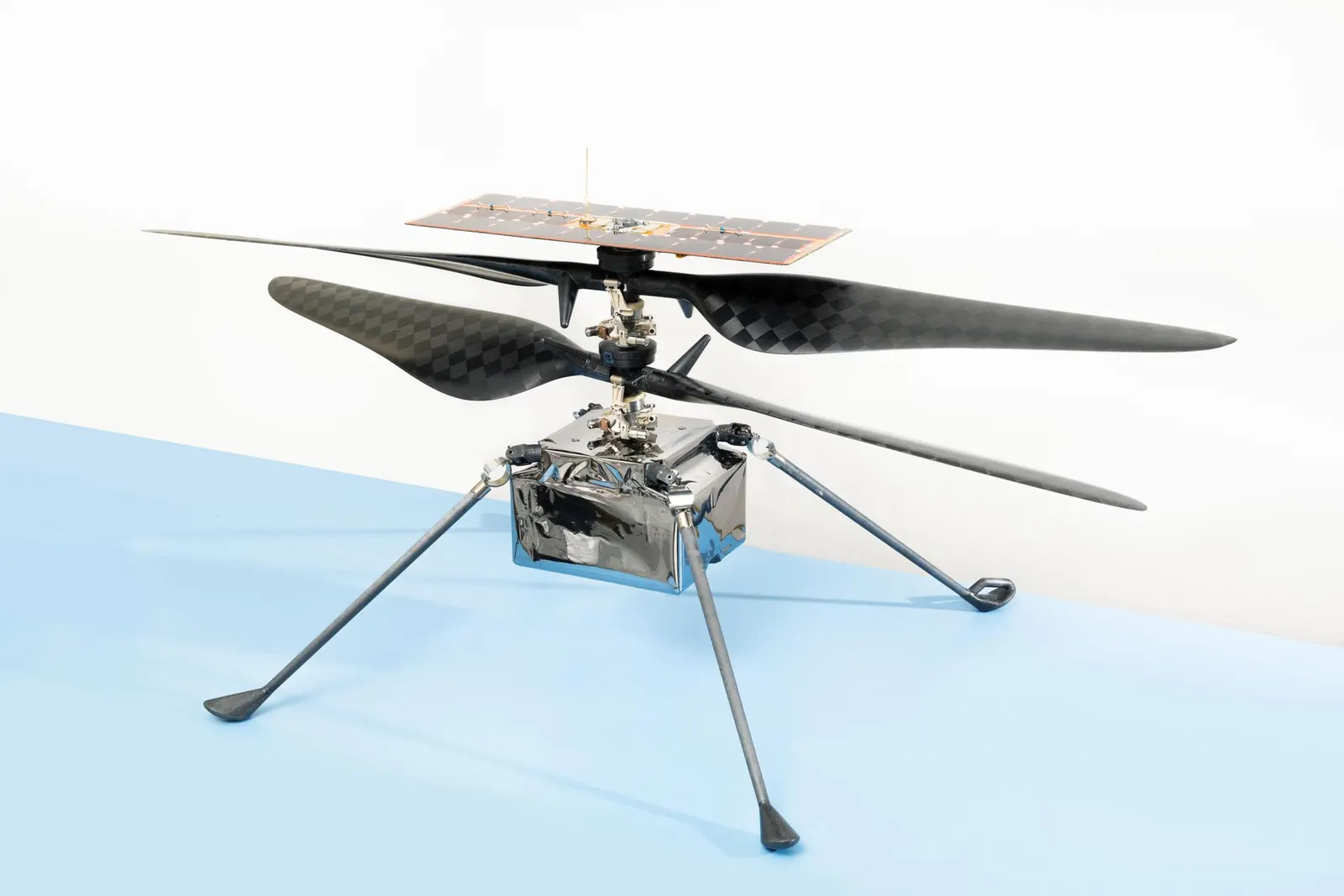
Ingenuity
Mission CompleteMars Helicopter Scout
Agency: NASA/JPL
- Landed
- 2021-02-18
- Site
- Wright Brothers Field, Jezero Crater (deployed from Perseverance)
Distance traveled
~11.6 km
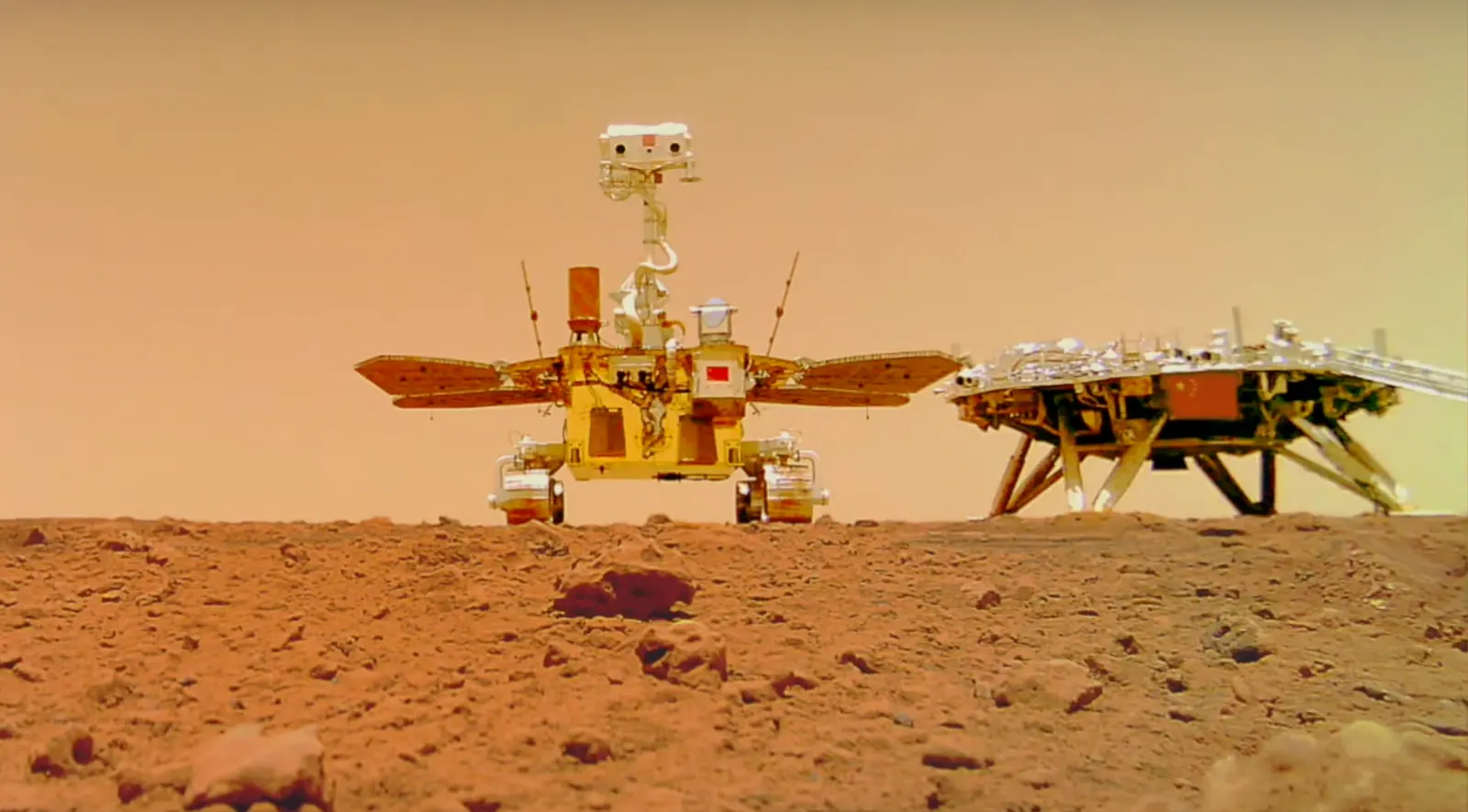
Zhurong
HibernatingTianwen-1
Agency: CNSA
- Landed
- 2021-05-22
- Site
- Utopia Planitia
Distance traveled
1.922 km
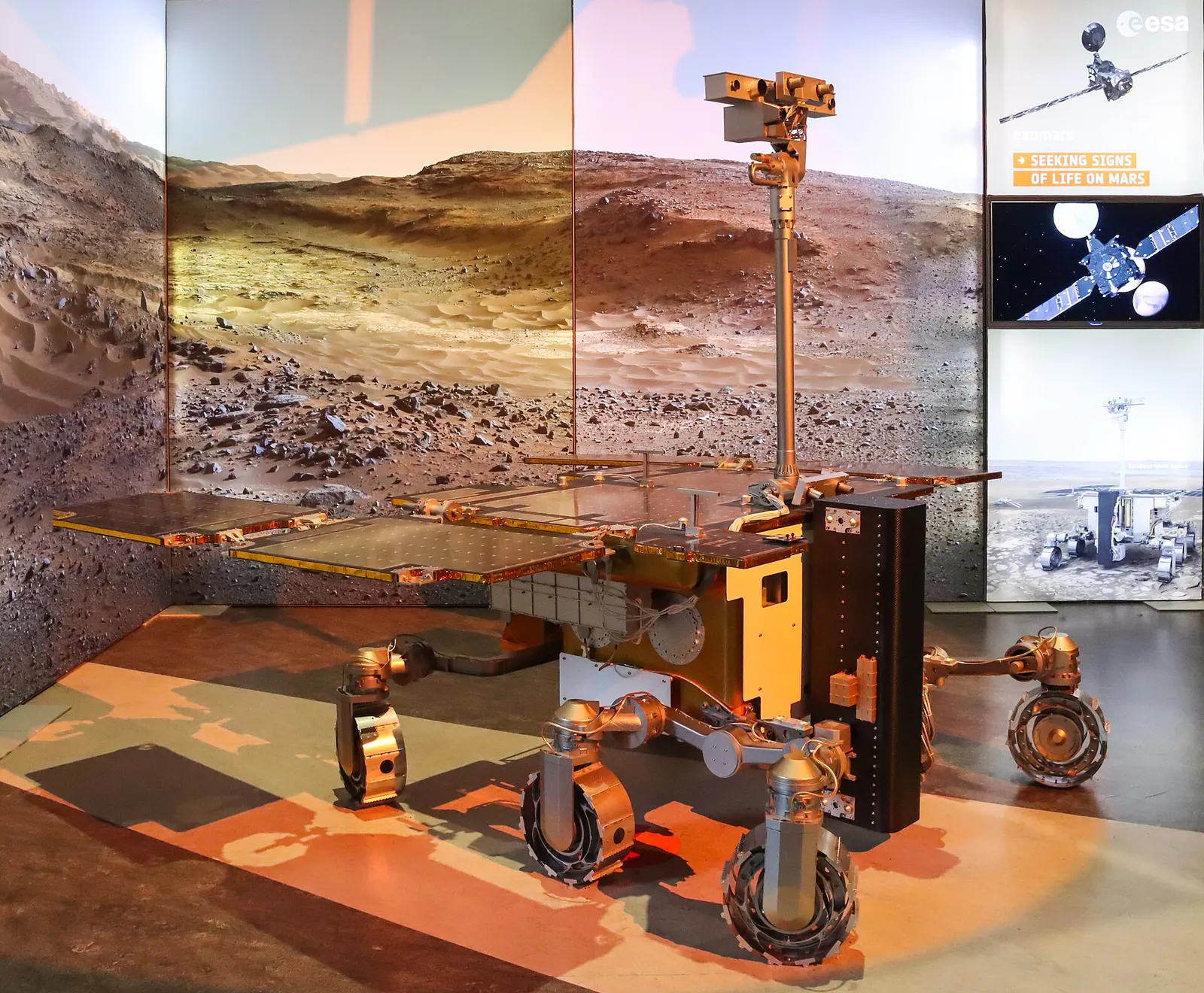
Rosalind Franklin
UpcomingExoMars Rosalind Franklin Mission
Agency: ESA
- Landed
- TBD ~2030 (post-2028 launch window)
- Site
- Oxia Planum
Mars Orbiters
Every orbital mission to Mars from the first global mapper to today's science relay fleet — sourced from NASA NSSDCA and agency primaries.
Active Orbiters(7)
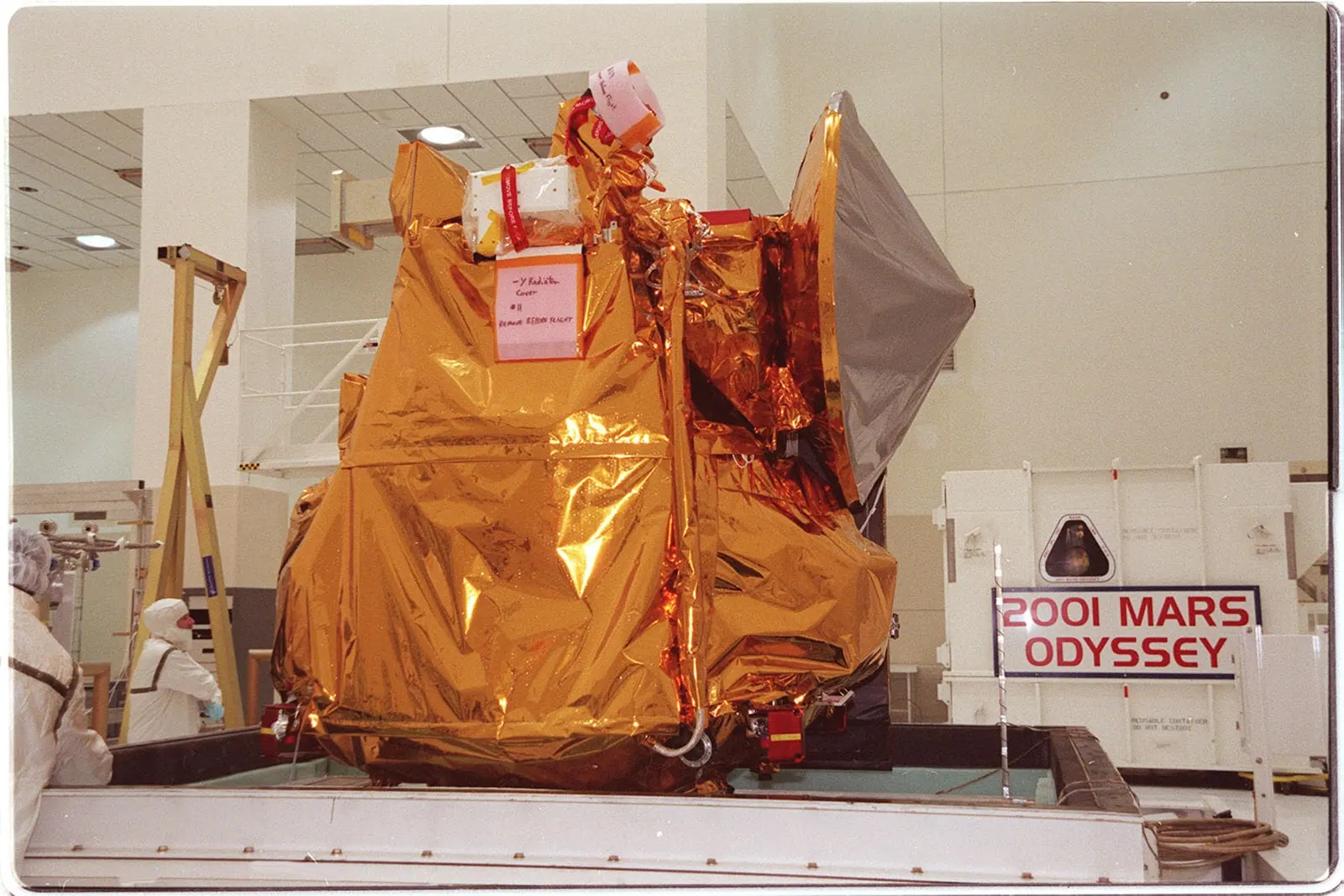
🇺🇸Mars Odyssey
Active2001 Mars Odyssey
Agency: NASALaunch: 2001
Sun-synchronous polar mapping orbit, ~400 km altitude, 2-hour period
THEMIS produced the first comprehensive global map of surface mineralogy, identifying volcanic and water-altered rock types across the entire planet
View mission →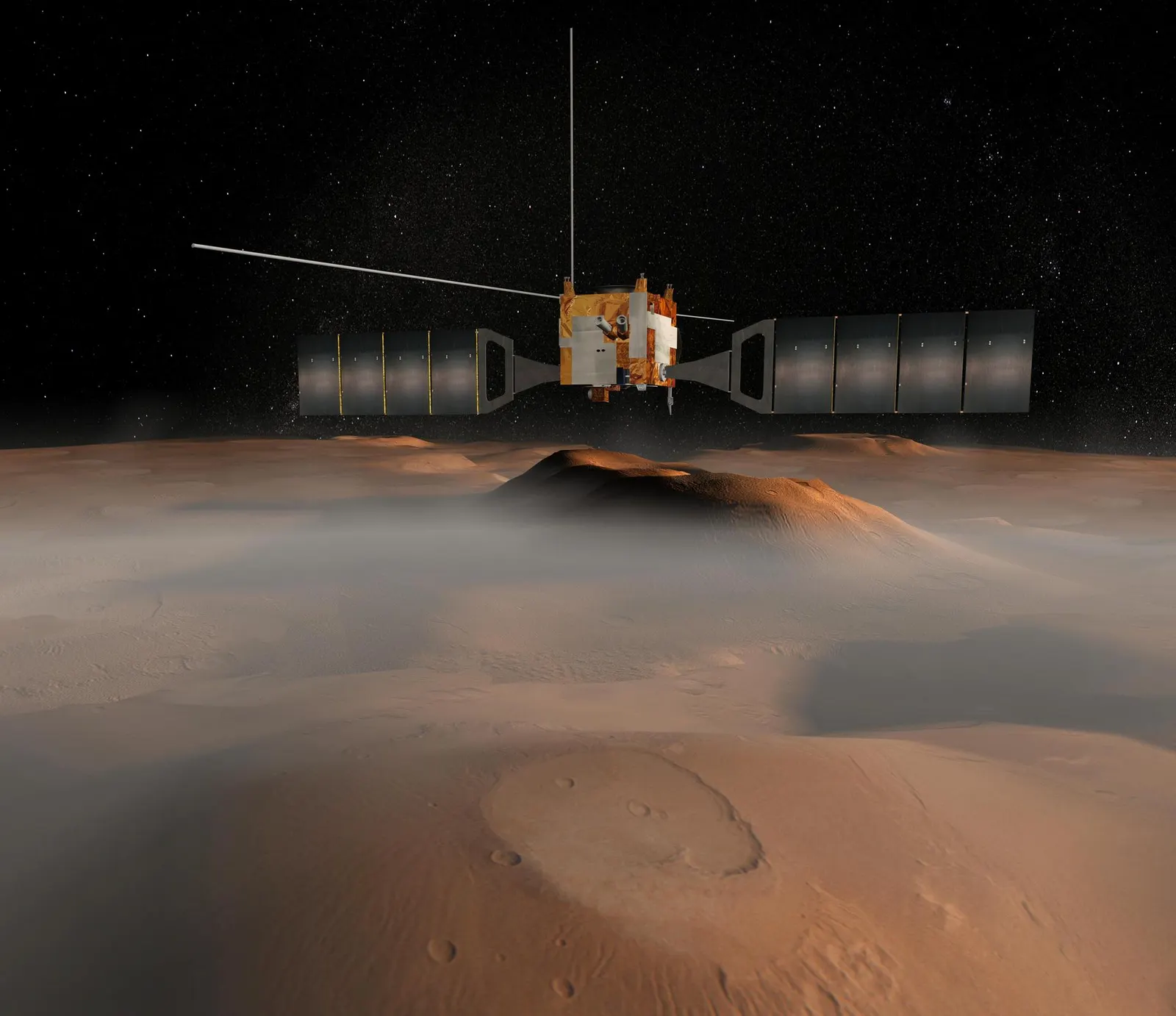
🇪🇺Mars Express
ActiveAgency: ESALaunch: 2003
Highly elliptical polar orbit, 298 × 10,107 km, 6.72-hour period
MARSIS subsurface radar detected a 20 km wide subglacial liquid water lake under the south polar ice cap at ~1.5 km depth (published July 2018)
View mission →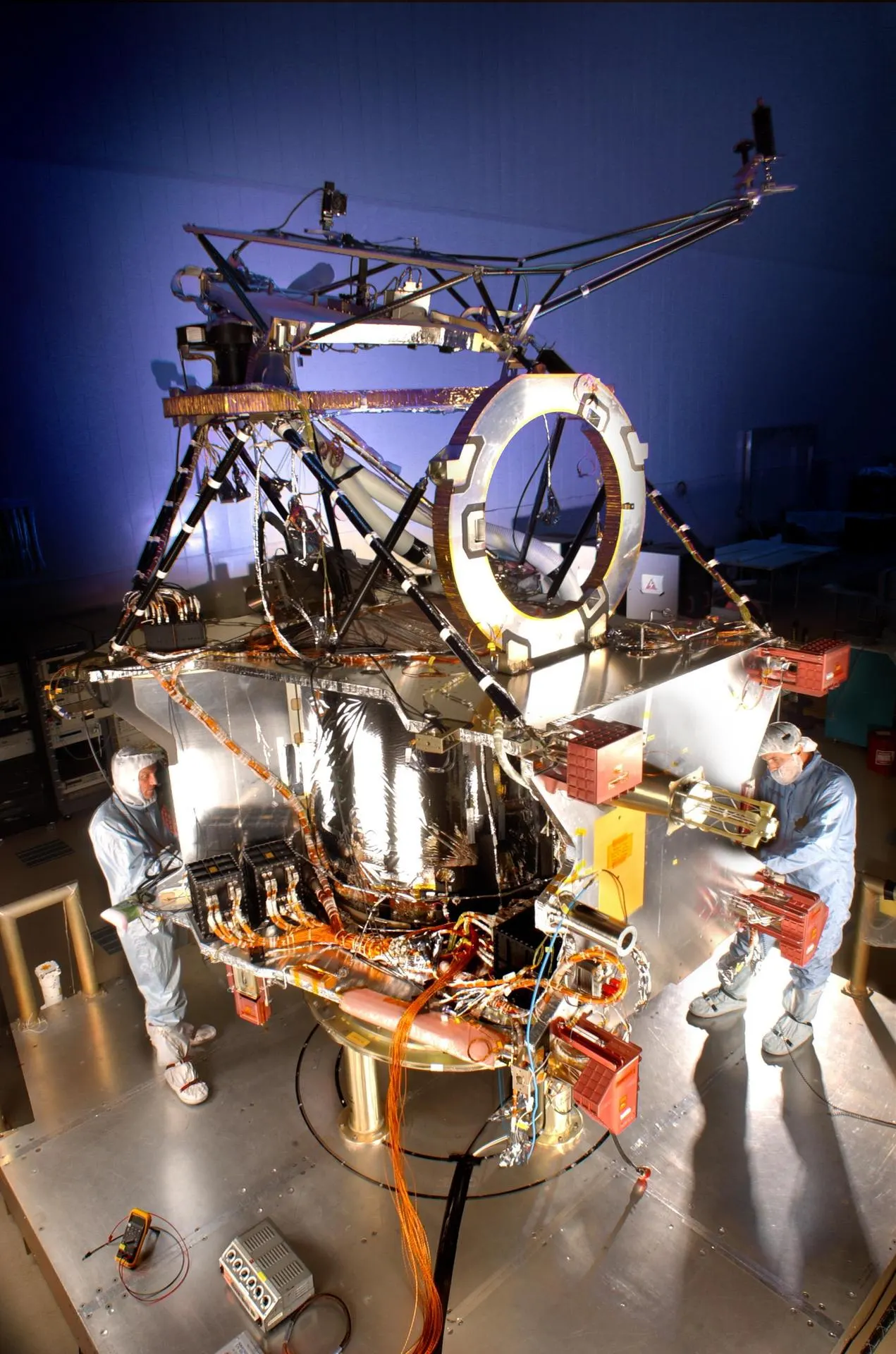
🇺🇸Mars Reconnaissance Orbiter
ActiveMRO
Agency: NASALaunch: 2005
Nearly circular polar sun-synchronous orbit, ~300 km altitude, 112-minute period
HiRISE camera resolves surface features down to 25 cm — unprecedented resolution for any Mars mission and the benchmark for all subsequent landing site assessments
View mission →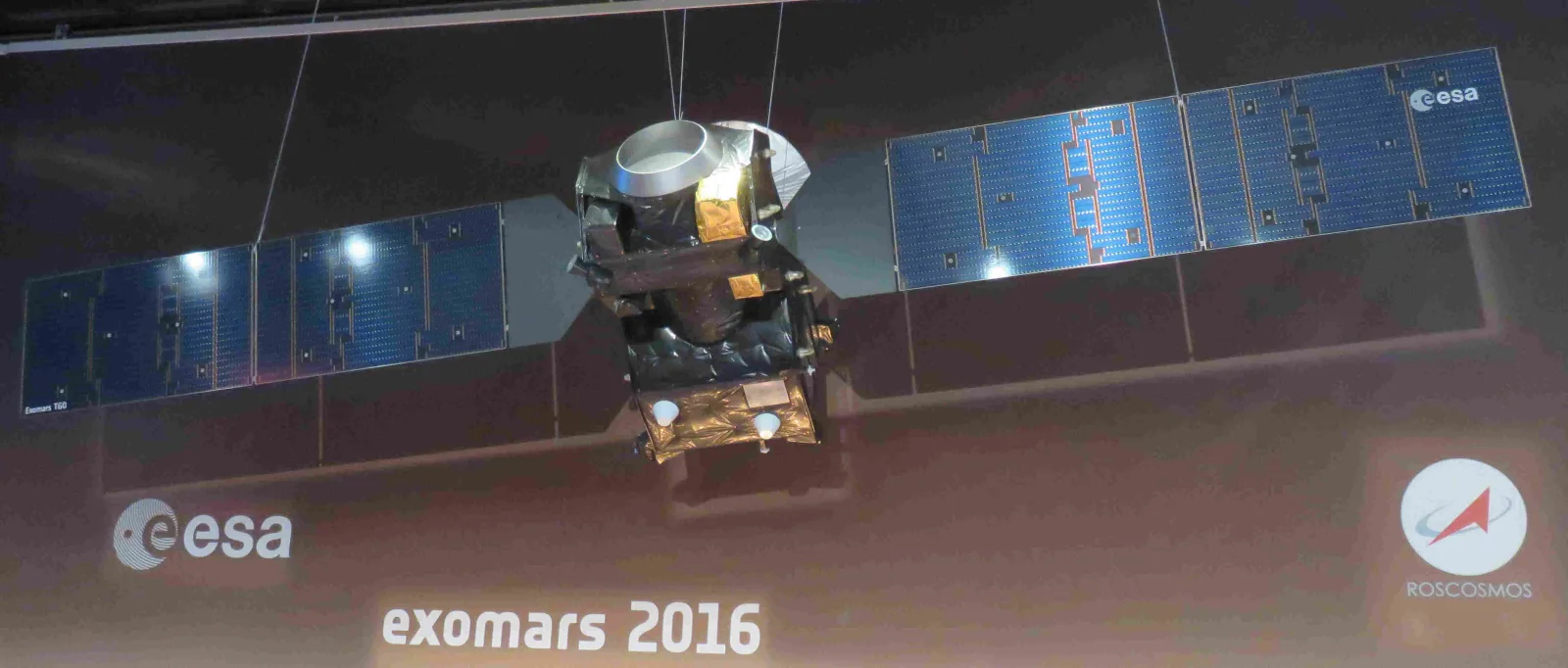
🇪🇺ExoMars Trace Gas Orbiter
ActiveExoMars 2016 / TGO
Agency: ESA / RoscosmosLaunch: 2016
Near-circular polar science orbit, ~400 km altitude, 2-hour period
NOMAD and ACS instruments produced the most precise inventory of Martian trace gases to date, placing stringent upper limits on methane abundance (<0.05 ppb) — conflicting with earlier ESA/NASA detections and constraining possible biological or geological methane sources
View mission →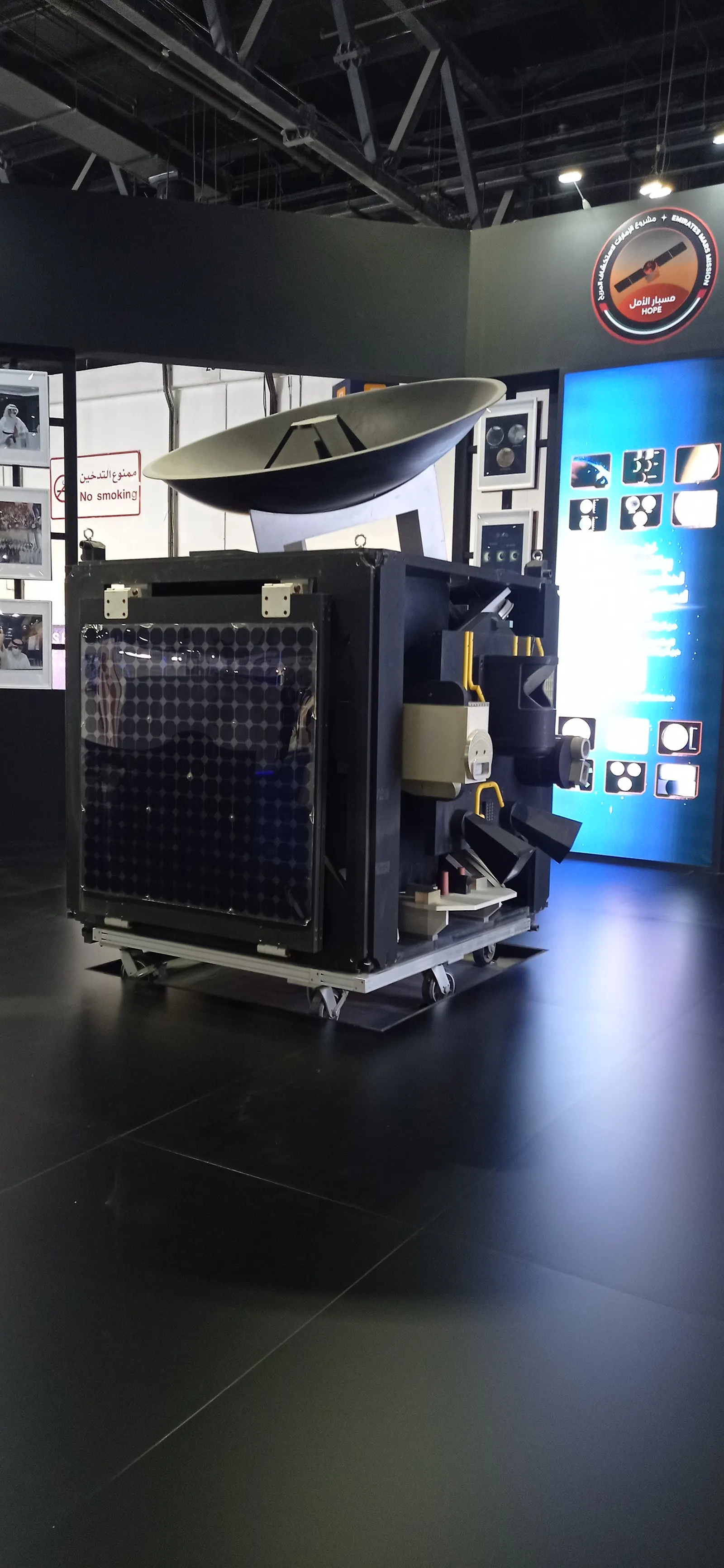
🇦🇪Hope Probe (Al-Amal)
ActiveEmirates Mars Mission (EMM)
Agency: MBRSC / UAE Space AgencyLaunch: 2020
Science orbit: 22,000 × 43,000 km elliptical, ~55-hour period
First spacecraft to capture a complete picture of Mars's atmospheric weather system within a single orbit due to its wide-area high-altitude vantage point
View mission →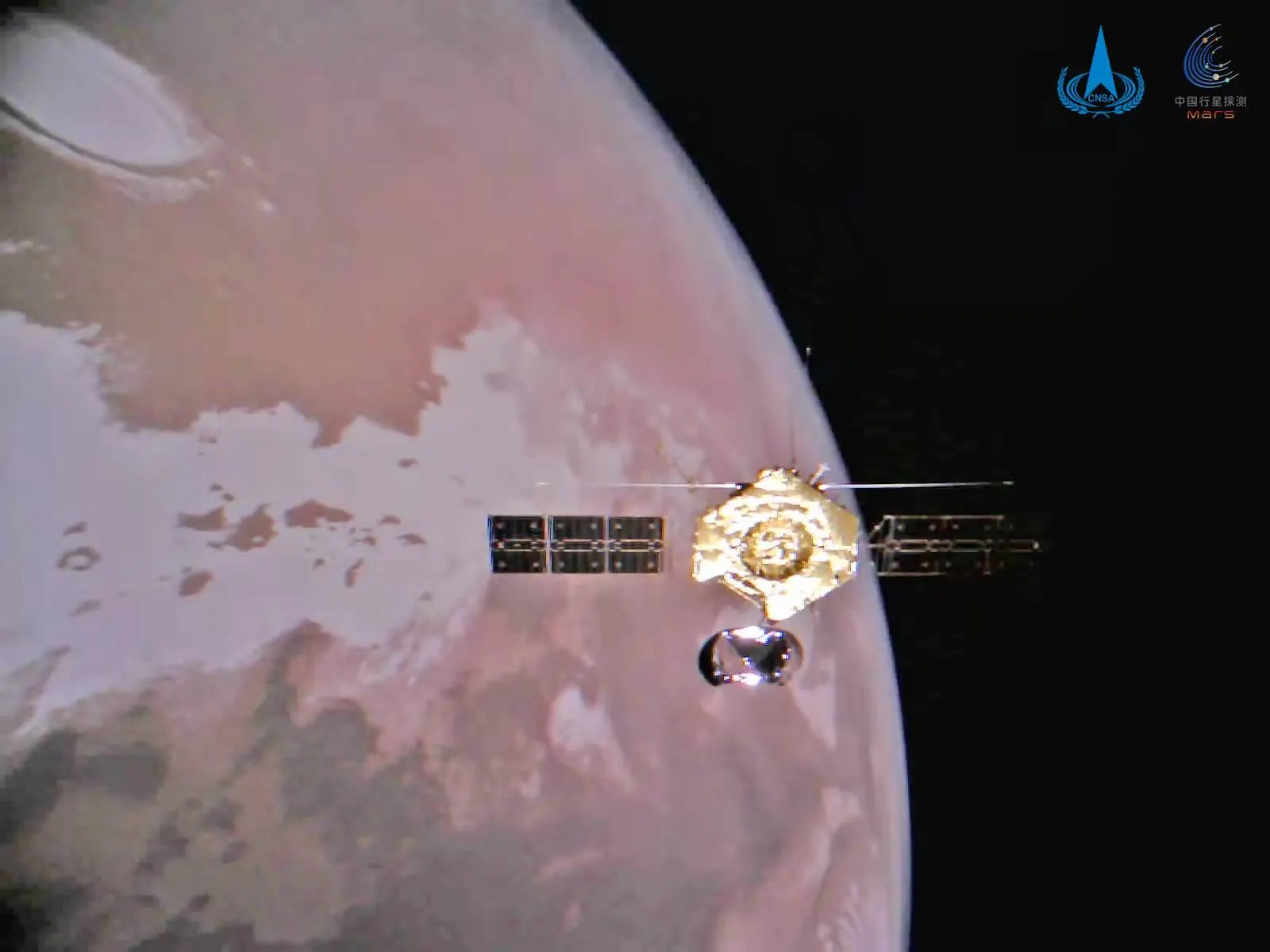
🇨🇳Tianwen-1 Orbiter
ActiveTianwen-1
Agency: CNSALaunch: 2020
Relay/science orbit after lander separation: ~265 × 11,900 km elliptical
China's first Mars mission — made China the second nation to successfully land a rover on Mars (Zhurong, May 2021)
View mission →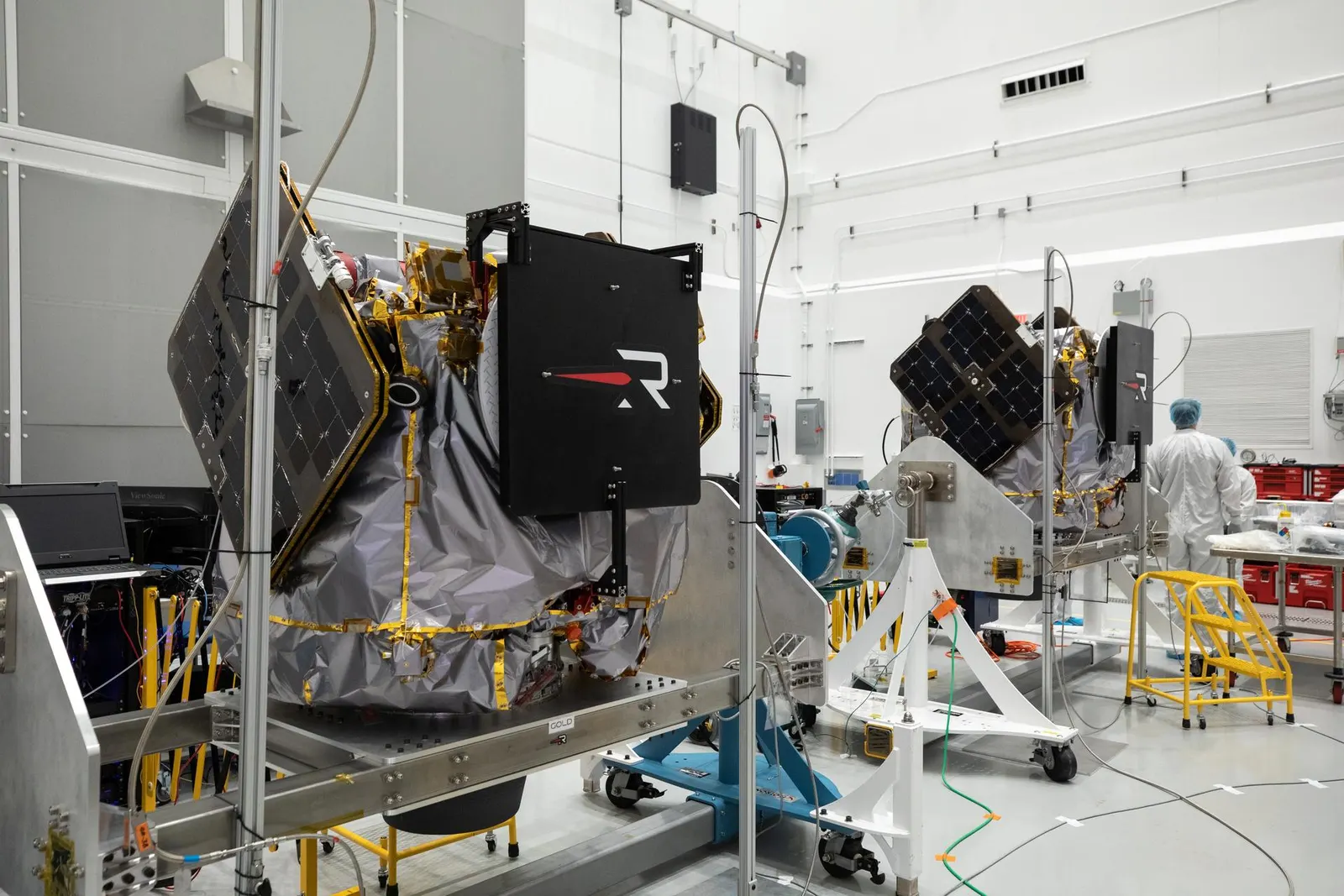
🇺🇸ESCAPADE (twin orbiters 'Blue' and 'Gold')
In TransitEscape and Plasma Acceleration and Dynamics Explorers
Agency: NASA (UC Berkeley SSL; spacecraft by Rocket Lab)Launch: 2025
In transit — Earth gravity assist November 2026; Mars orbit insertion September 2027 into complementary elliptical science orbits
First dual-spacecraft mission to Mars — twin Rocket Lab-built orbiters will make simultaneous two-point measurements of the Martian magnetosphere
View mission →Historic Orbiters(8)
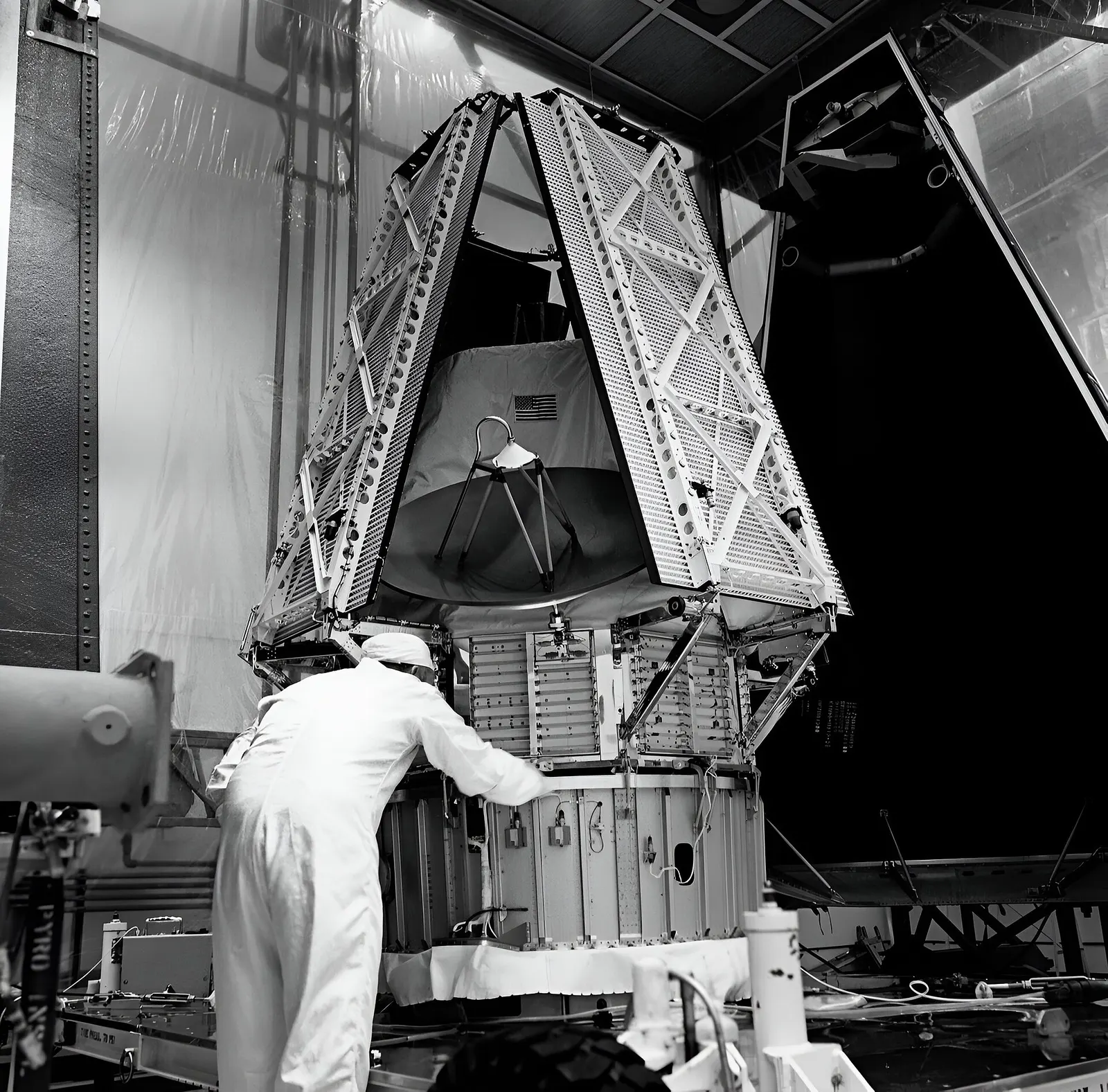
🇺🇸Mariner 9
DeorbitedAgency: NASALaunch: 1971
Elliptical, 1,387 × 17,144 km, 12-hour period
First spacecraft to orbit another planet — entered Mars orbit 1971-11-14
View mission →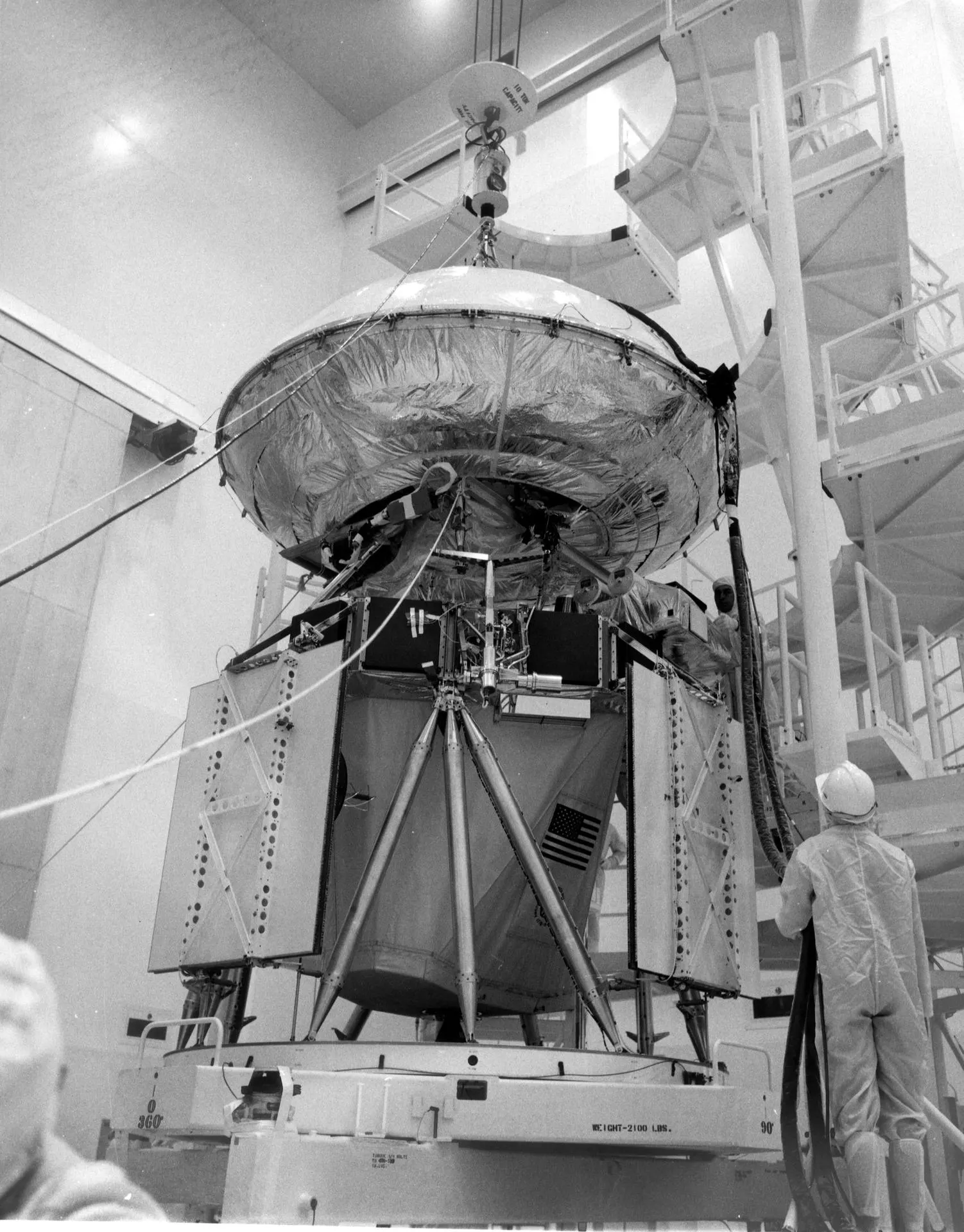
🇺🇸Viking 1 Orbiter
Mission CompleteViking 1
Agency: NASALaunch: 1975
Elliptical polar orbit, 300 × 33,000 km, evolved over mission lifetime
Mapped 97% of the Martian surface at 200–300 m resolution — the first near-complete photographic atlas
View mission →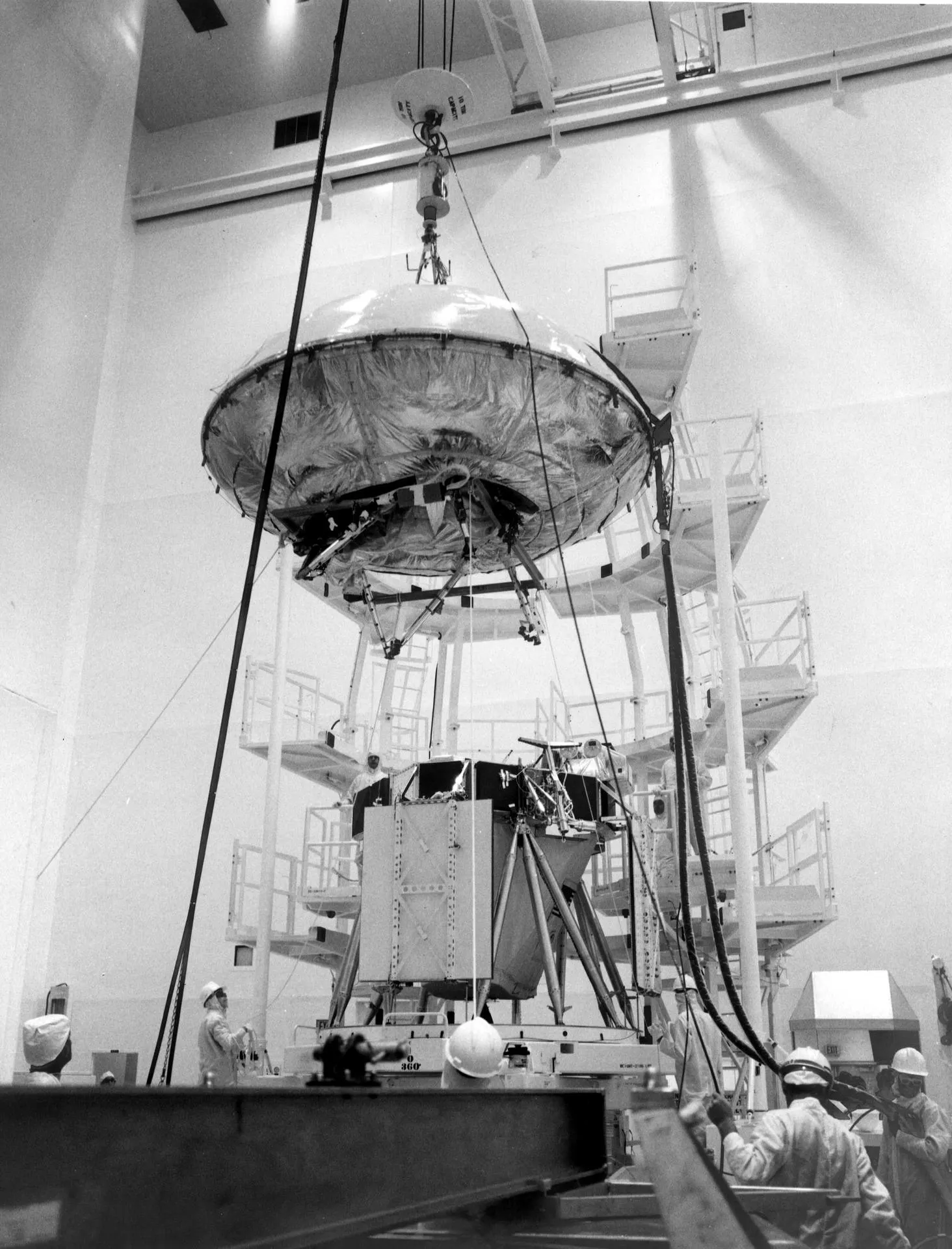
🇺🇸Viking 2 Orbiter
Mission CompleteViking 2
Agency: NASALaunch: 1975
Elliptical polar orbit; inclination raised to 75° to access higher latitudes
Imaged Utopia Planitia in detail to select the Viking 2 lander touchdown site
View mission →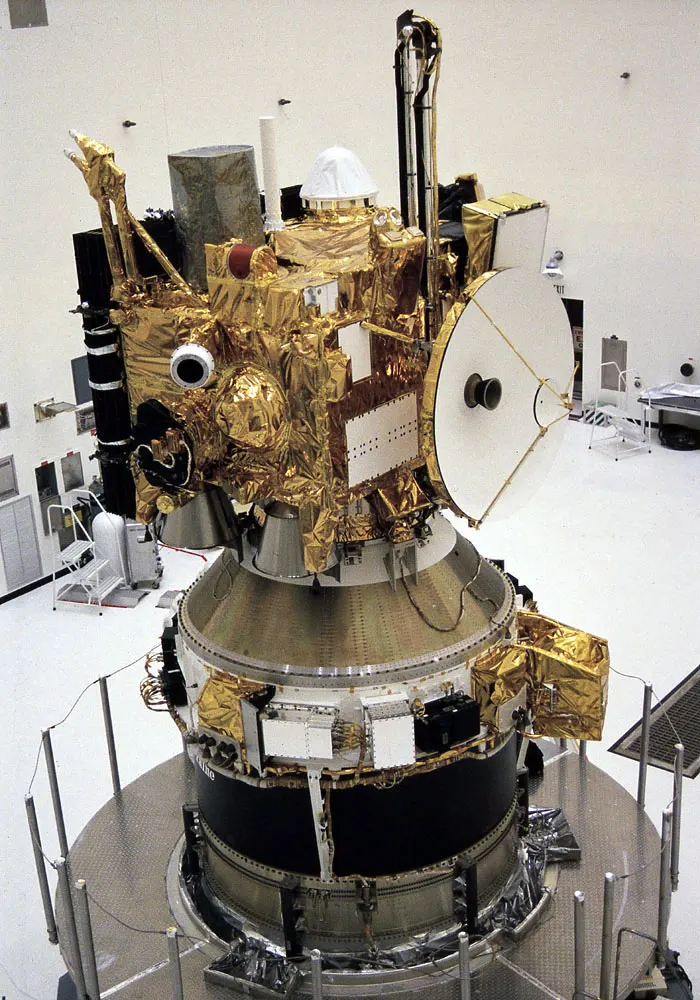
🇺🇸Mars Observer
LostAgency: NASALaunch: 1992
Never achieved orbit — contact lost during pre-orbit-insertion pressurization
No science data returned from Mars — contact lost August 21, 1993, three days before scheduled orbit insertion
View mission →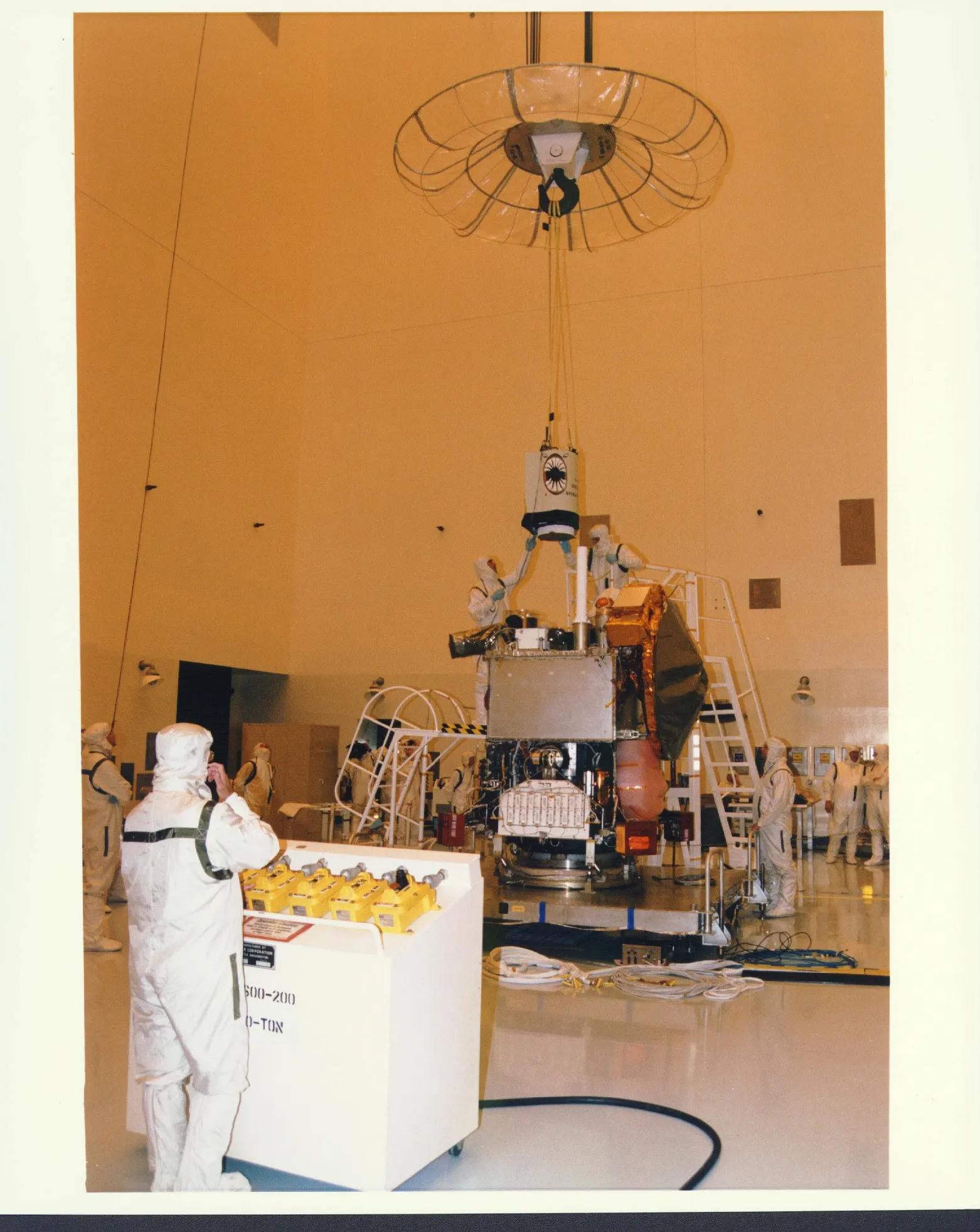
🇺🇸Mars Global Surveyor
Mission CompleteMGS
Agency: NASALaunch: 1996
Nearly circular polar mapping orbit, ~378 km altitude, 117-minute period
MOLA laser altimeter produced the most accurate global topographic map of any planet — revealing Mars is divided into two distinct hemispheres by elevation
View mission →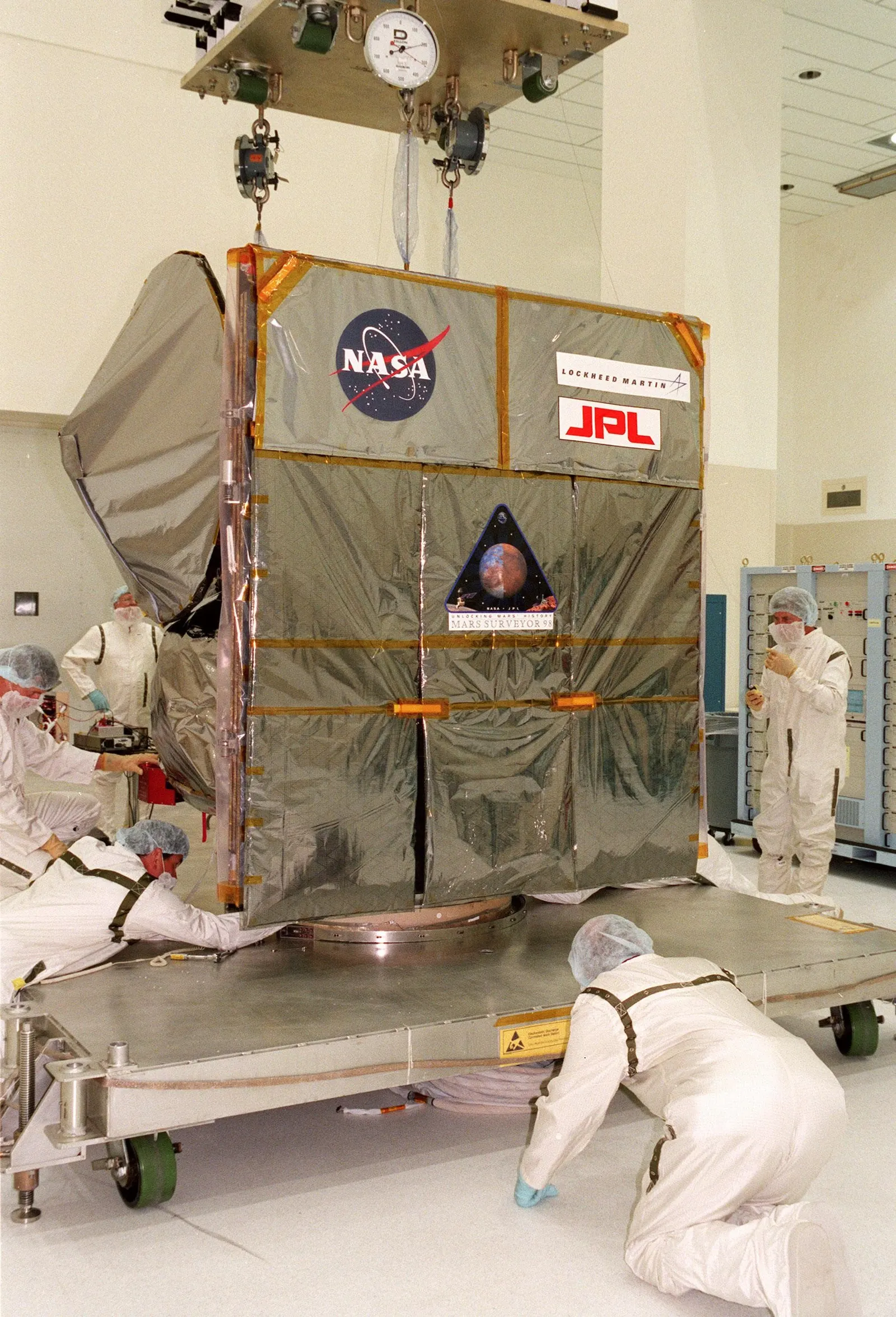
🇺🇸Mars Climate Orbiter
LostAgency: NASALaunch: 1998
Never achieved stable orbit — entered Martian atmosphere due to navigation error
No science data returned — spacecraft was destroyed on September 23, 1999 when it entered the Martian atmosphere
View mission →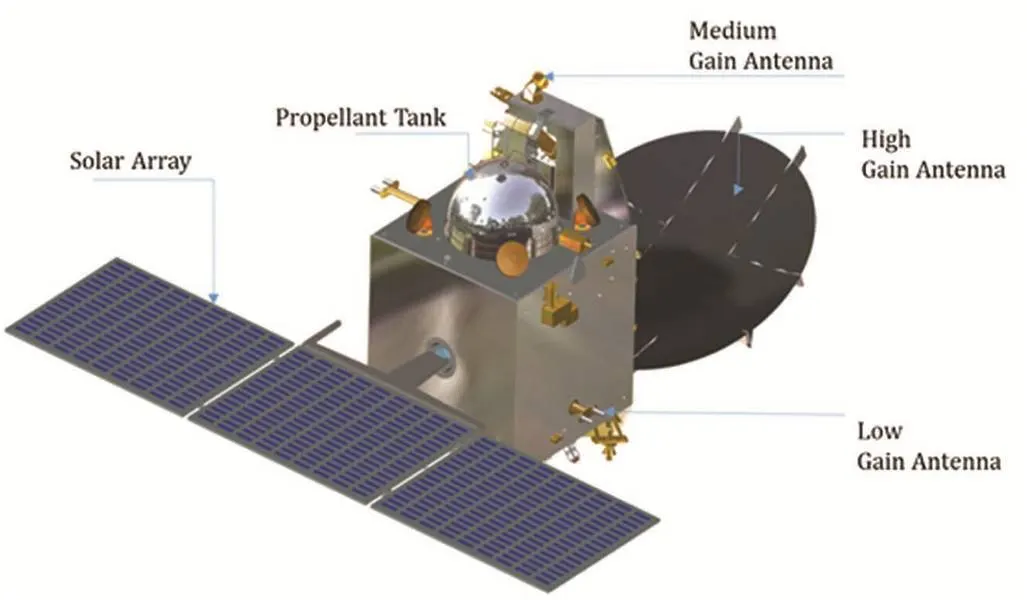
🇮🇳Mars Orbiter Mission (Mangalyaan)
Mission CompleteMOM / Mangalyaan
Agency: ISROLaunch: 2013
Highly elliptical, 421 × 80,000 km, 72.7-hour period
First Asian nation to reach Mars and the first Mars mission in history to succeed on its maiden attempt
View mission →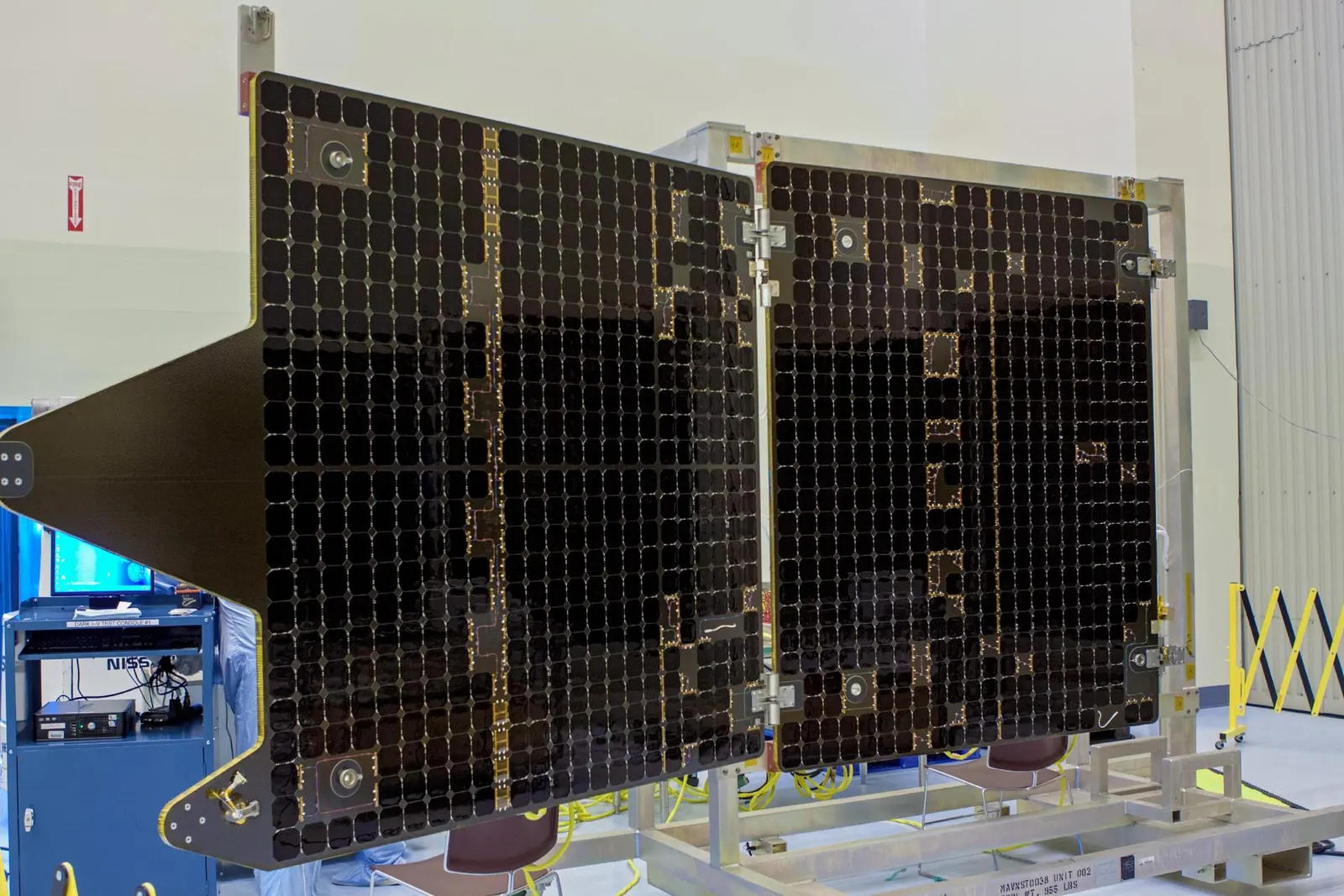
🇺🇸MAVEN
LostMars Atmosphere and Volatile EvolutioN
Agency: NASALaunch: 2013
Elliptical orbit, 145 × 6,200 km, 4.5-hour period; periodic deep-dip campaigns to ~125 km
Determined Mars loses approximately 100 grams of atmosphere per second to solar wind stripping via solar energetic particle events and coronal mass ejections
View mission →Mars Landers
Every surface mission to Mars — successful landers, landers lost in transit, and partial successes — cited to primary sources.
Successful Landers(6)
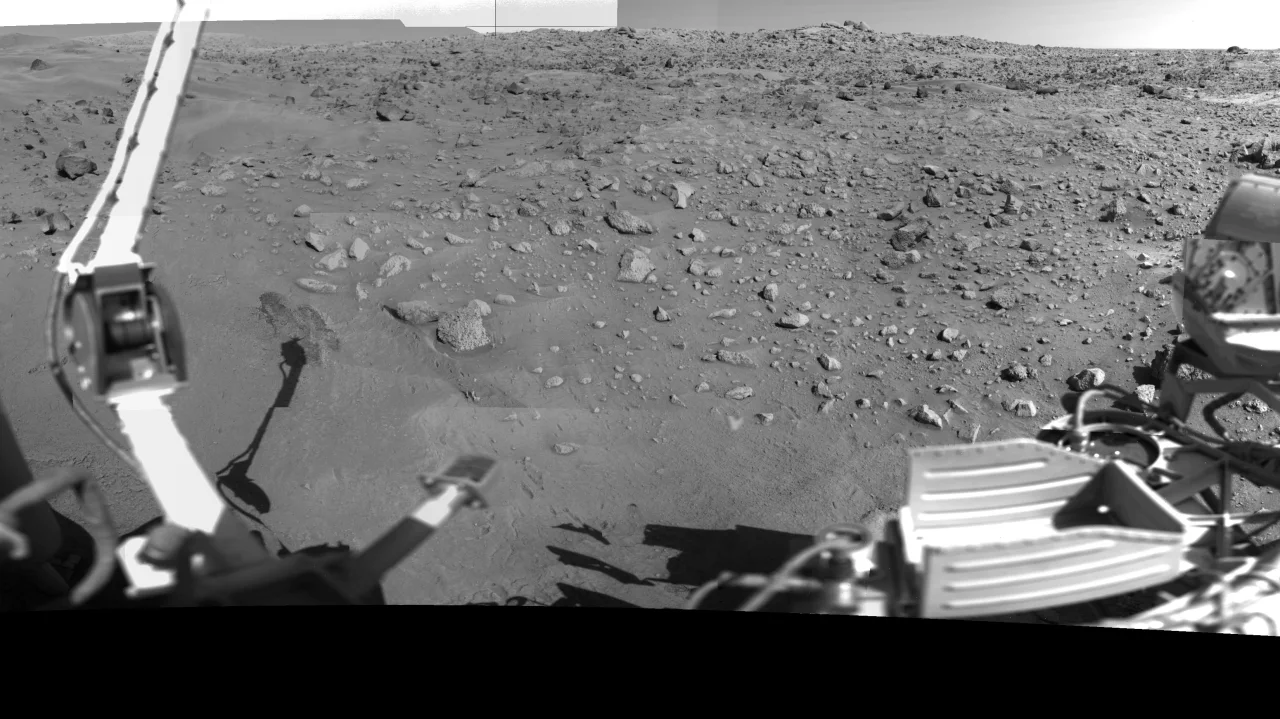
🇺🇸Viking 1 Lander
Mission CompleteViking 1
Agency: NASA
- Landed
- 1976-07-20
- Site
- Chryse Planitia (22.480°N, 49.970°W)
First successful soft landing in Mars history — and first to operate long-term on the surface
View mission →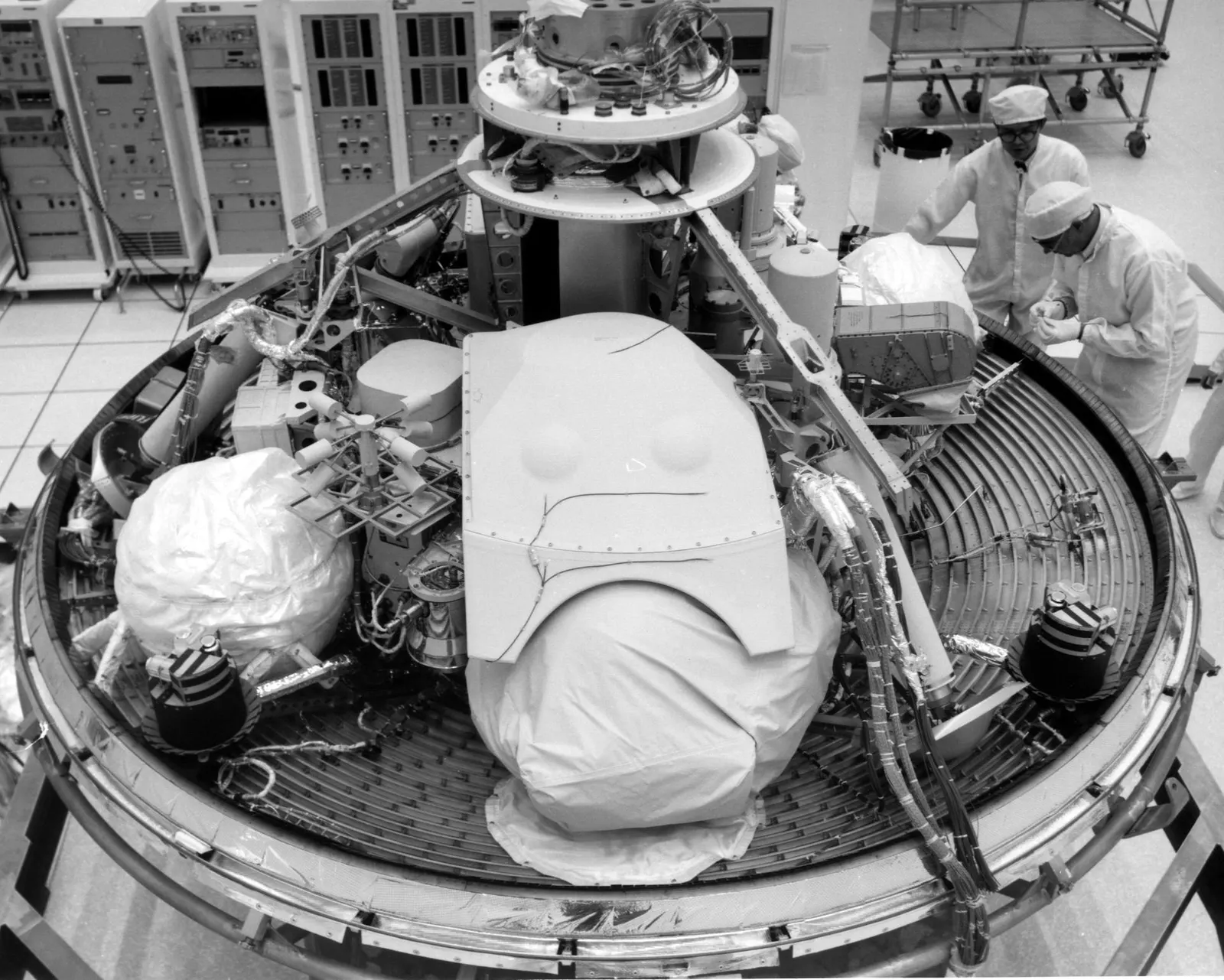
🇺🇸Viking 2 Lander
Mission CompleteViking 2
Agency: NASA
- Landed
- 1976-09-03
- Site
- Utopia Planitia (47.967°N, 225.737°W)
Second successful Mars soft landing, at the higher-latitude Utopia Planitia
View mission →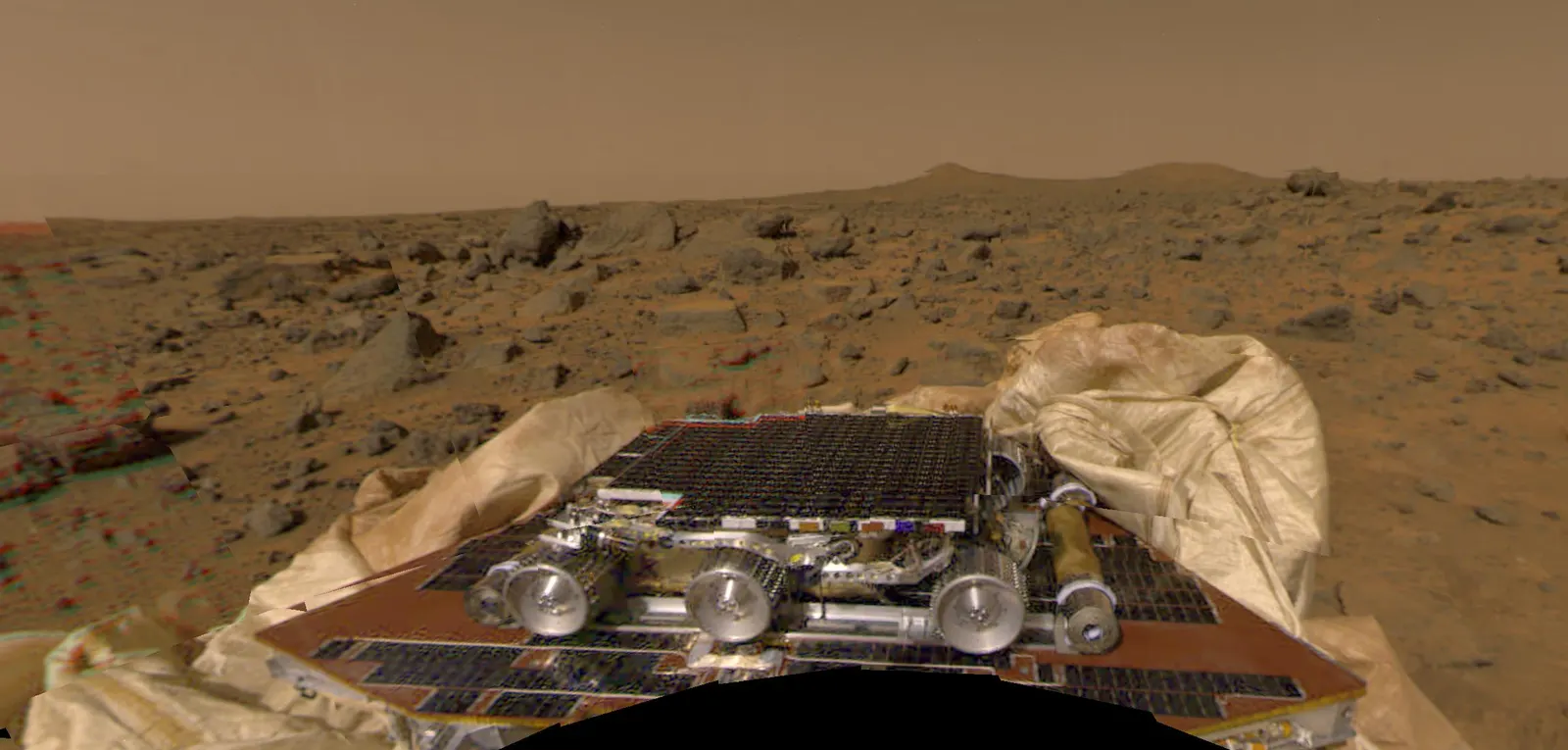
🇺🇸Mars Pathfinder (Carl Sagan Memorial Station)
Mission CompleteMars Pathfinder
Agency: NASA
- Landed
- 1997-07-04
- Site
- Ares Vallis (19.13°N, 33.22°W)
First Mars lander using airbag-bounced landing — revolutionary entry, descent, and landing technology later adopted by MER rovers
View mission →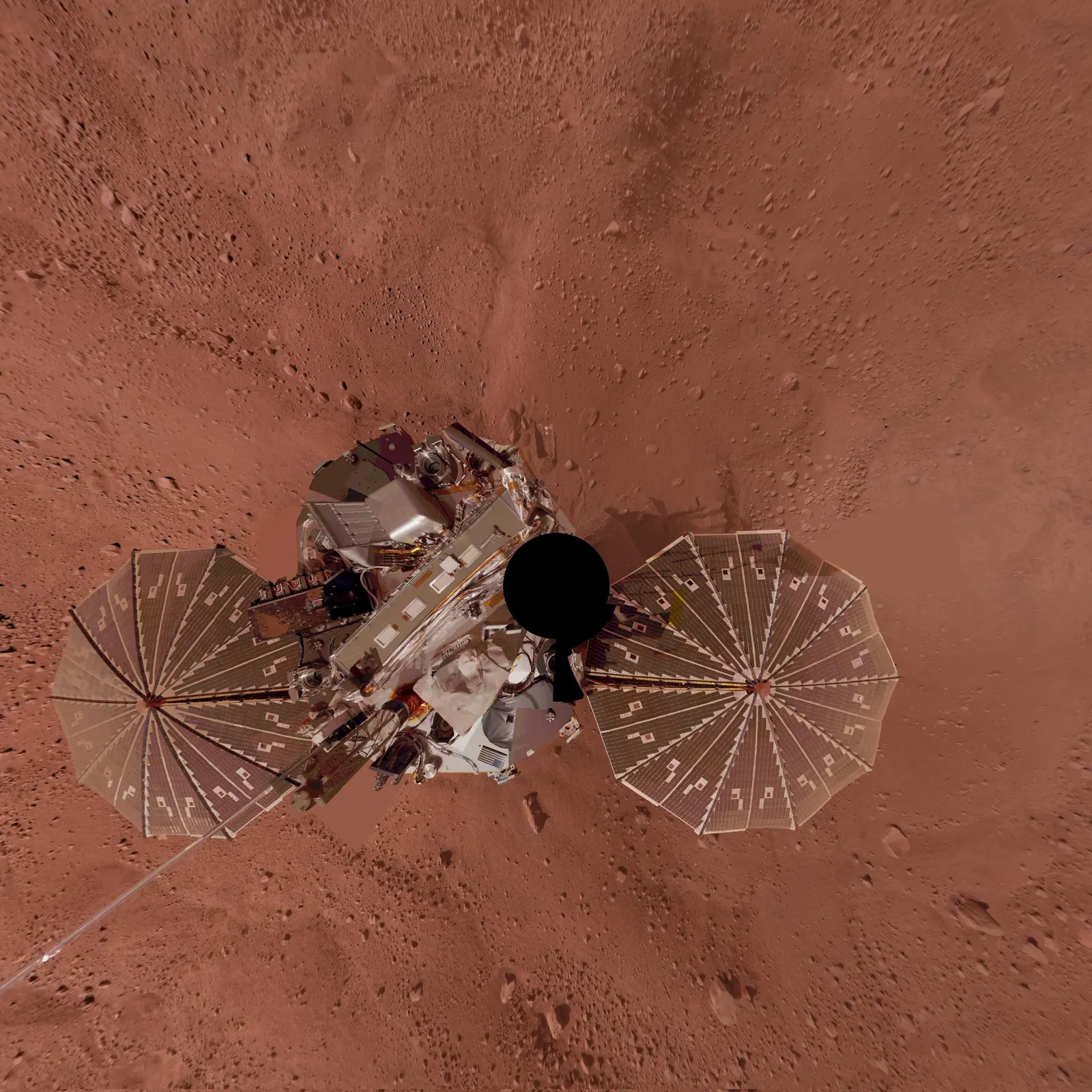
🇺🇸Phoenix Mars Lander
Mission CompletePhoenix
Agency: NASA / University of Arizona
- Landed
- 2008-05-25
- Site
- Green Valley, Vastitas Borealis (68.22°N, 125.7°W)
Confirmed the presence of water ice just below the Martian surface at high latitudes — directly observed ice with the robotic arm
View mission →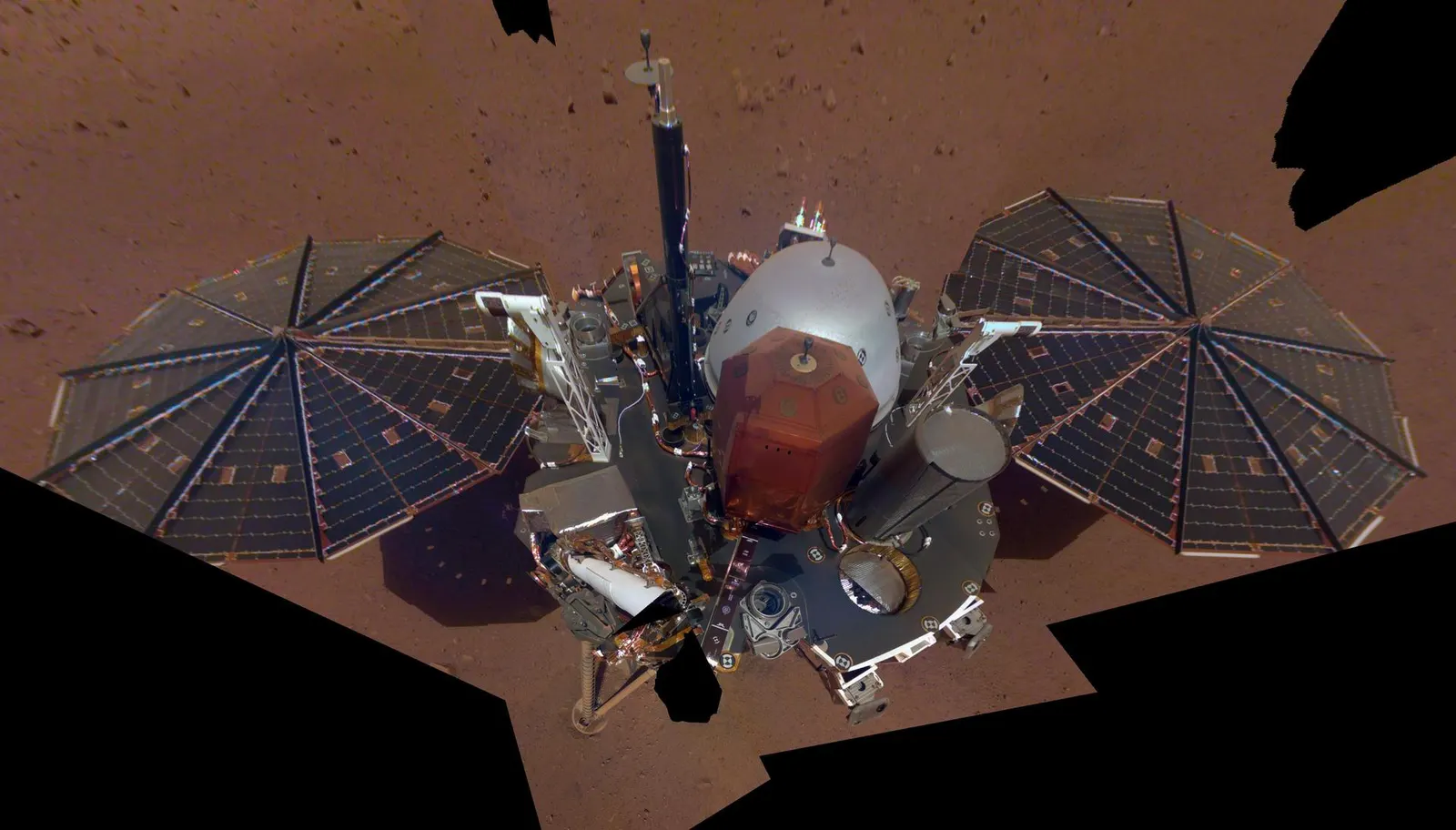
🇺🇸InSight Mars Lander
Mission CompleteInSight (Interior Exploration using Seismic Investigations, Geodesy and Heat Transport)
Agency: NASA / CNES / DLR
- Landed
- 2018-11-26
- Site
- Elysium Planitia (4.502°N, 135.623°E)
Detected 1,319 Mars quakes over the mission lifetime, including magnitude-5.0 events — definitively proving Mars is seismically active
View mission →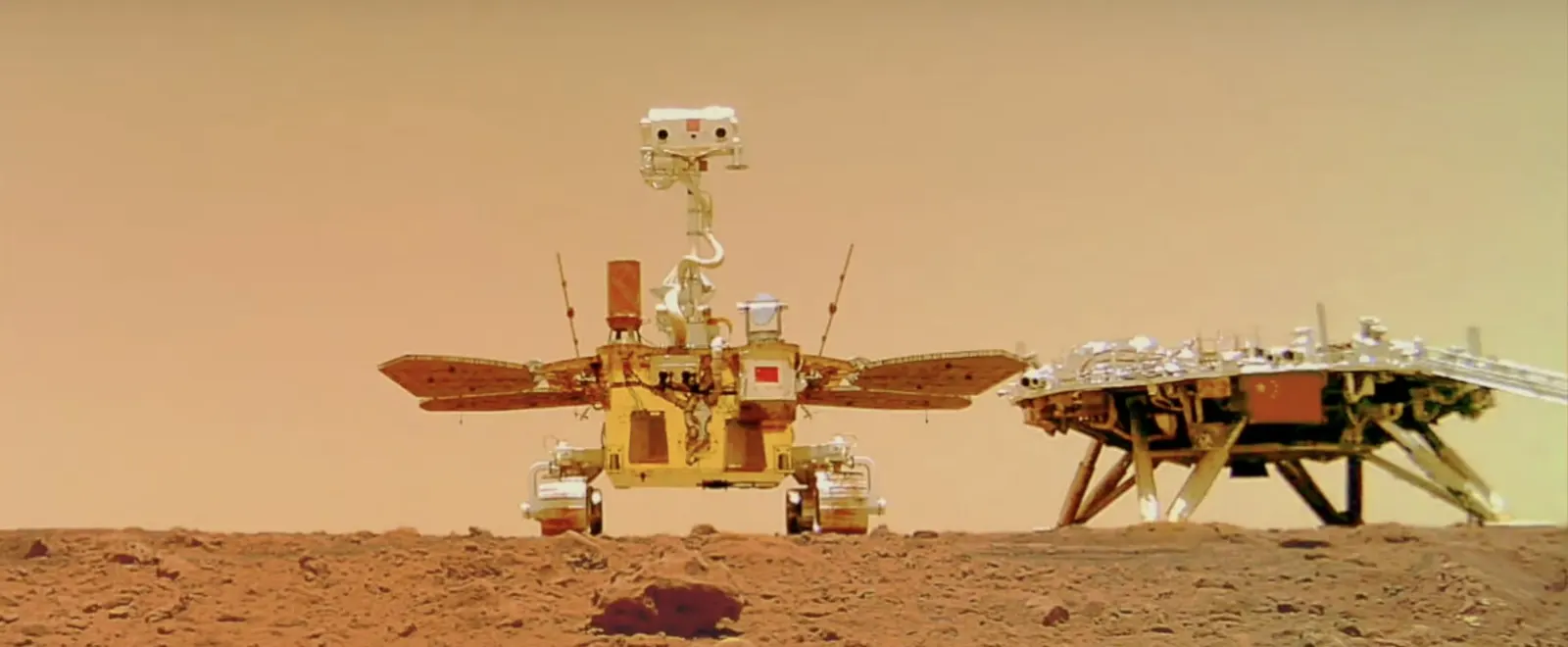
🇨🇳Tianwen-1 Lander / Zhurong Platform
Mission CompleteTianwen-1
Agency: CNSA
- Landed
- 2021-05-15
- Site
- Utopia Planitia (25.1°N, 109.9°E)
First Chinese successful Mars landing, making China only the third country (after the USSR and USA) to soft-land on Mars
View mission →Lost & Partial Missions(4)
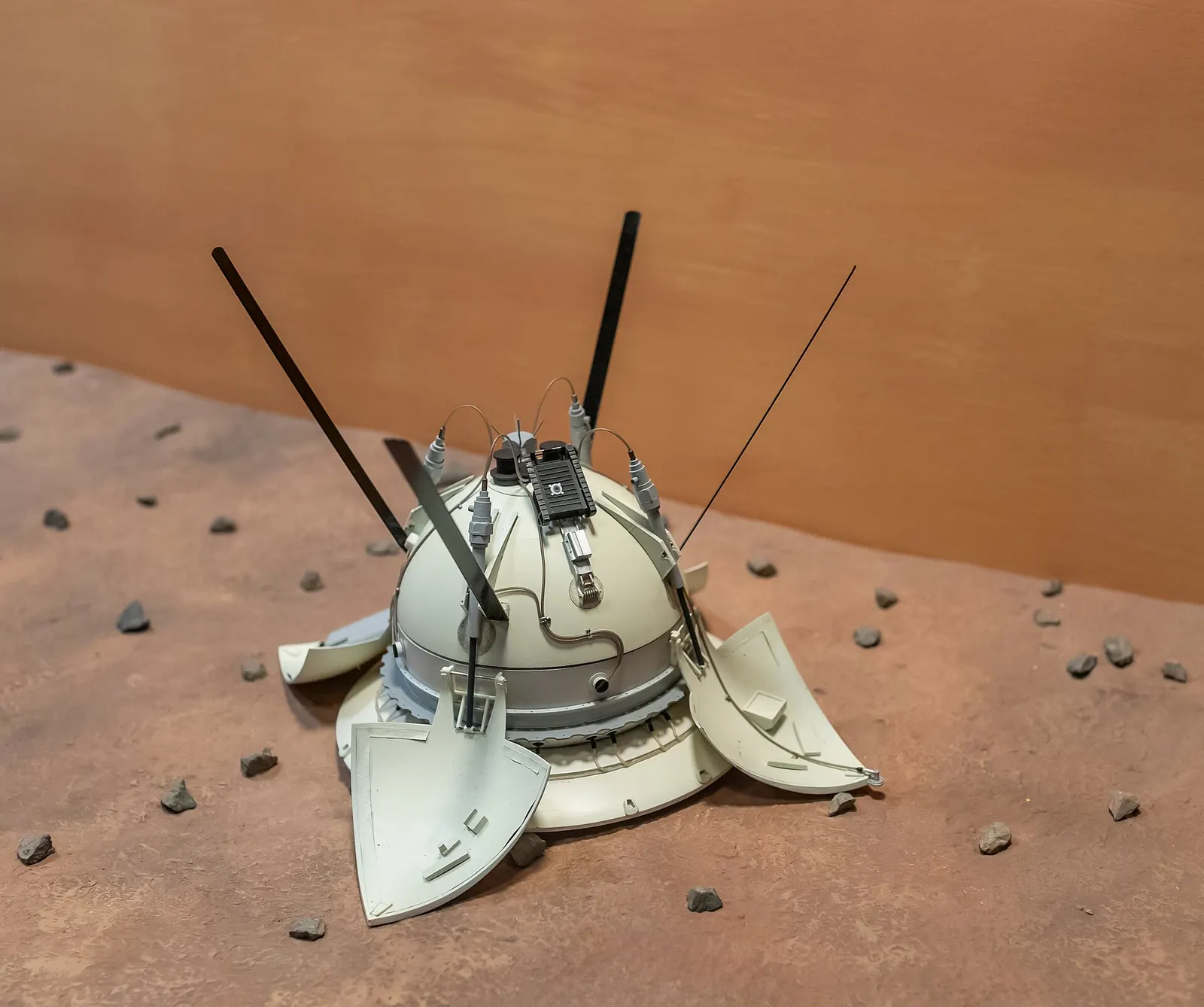
🇷🇺Mars 3 Lander
Partial SuccessMars 3
Agency: Soviet Space Programme
- Landed
- 1971-12-02
- Site
- Ptolemaeus Crater region (~45°S 158°W)
Achieved the first soft landing on Mars on December 2, 1971
View mission →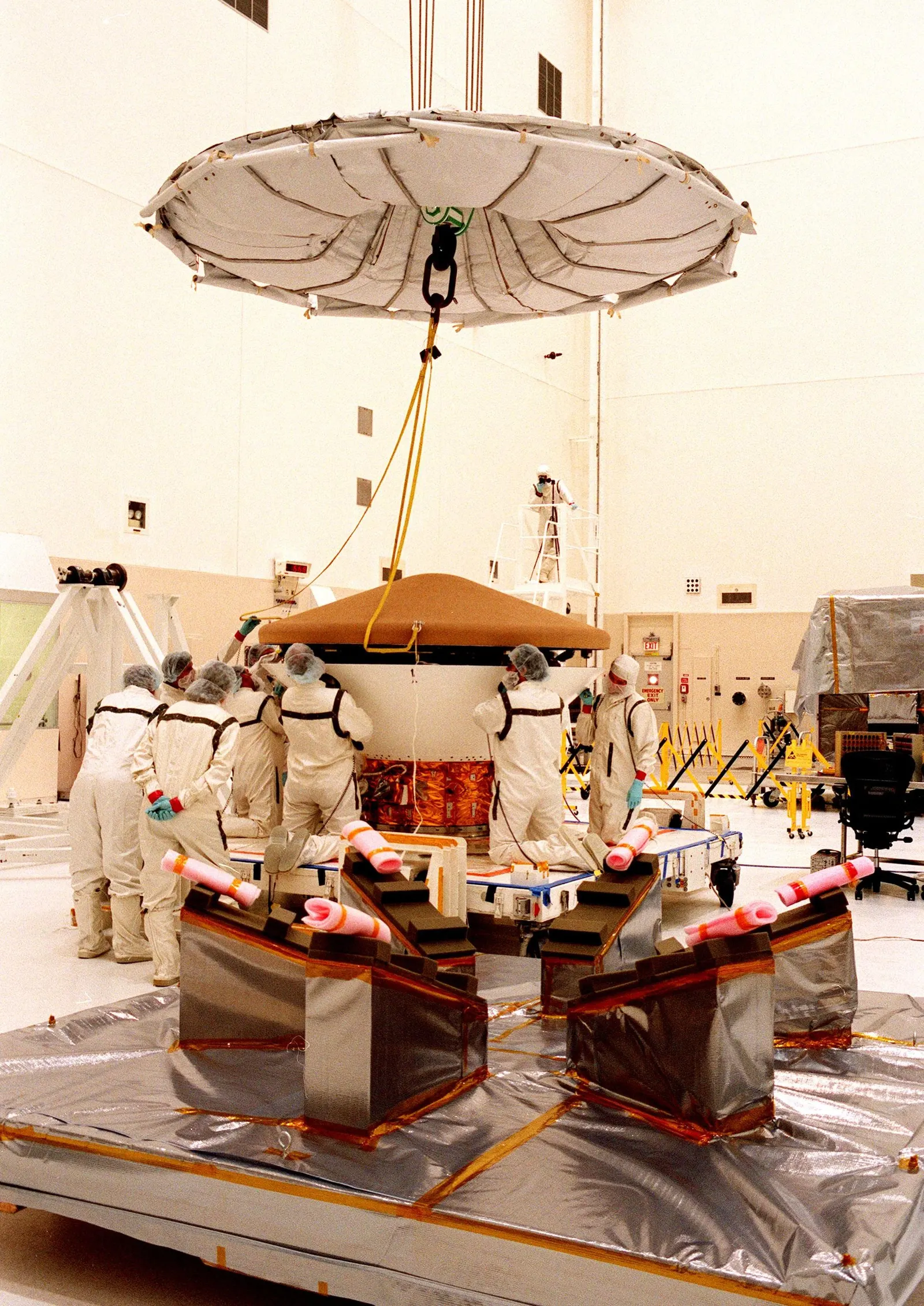
🇺🇸Mars Polar Lander
LostMars Polar Lander
Agency: NASA
- Landed
- Never landed
- Site
- South polar region (~75°S) — never reached
Never achieved surface operations — lost during entry, descent, and landing at the Martian south polar region on December 3, 1999
View mission →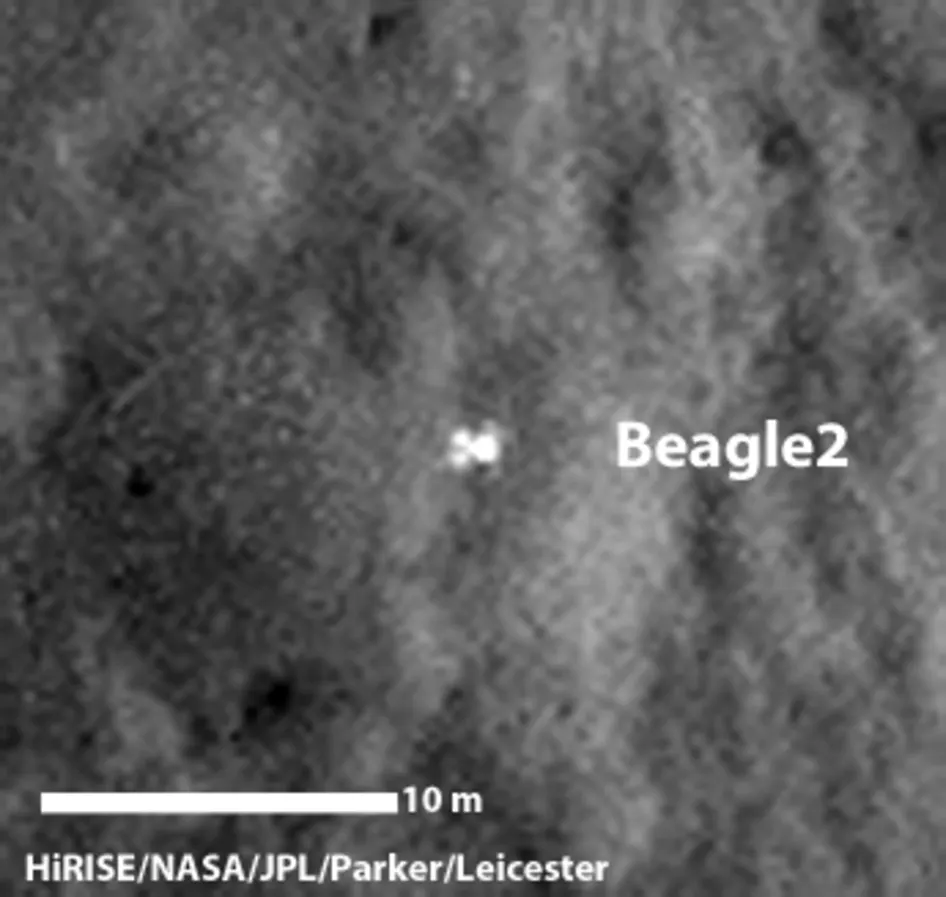
🇬🇧🇪🇺Beagle 2
Partial SuccessBeagle 2 (carried on Mars Express)
Agency: UK/ESA
- Landed
- 2003-12-25
- Site
- Isidis Planitia (~11.5°N, 90.5°E)
Confirmed by MRO HiRISE imagery in January 2015 to have landed successfully — 12 years after the mission was declared lost
View mission →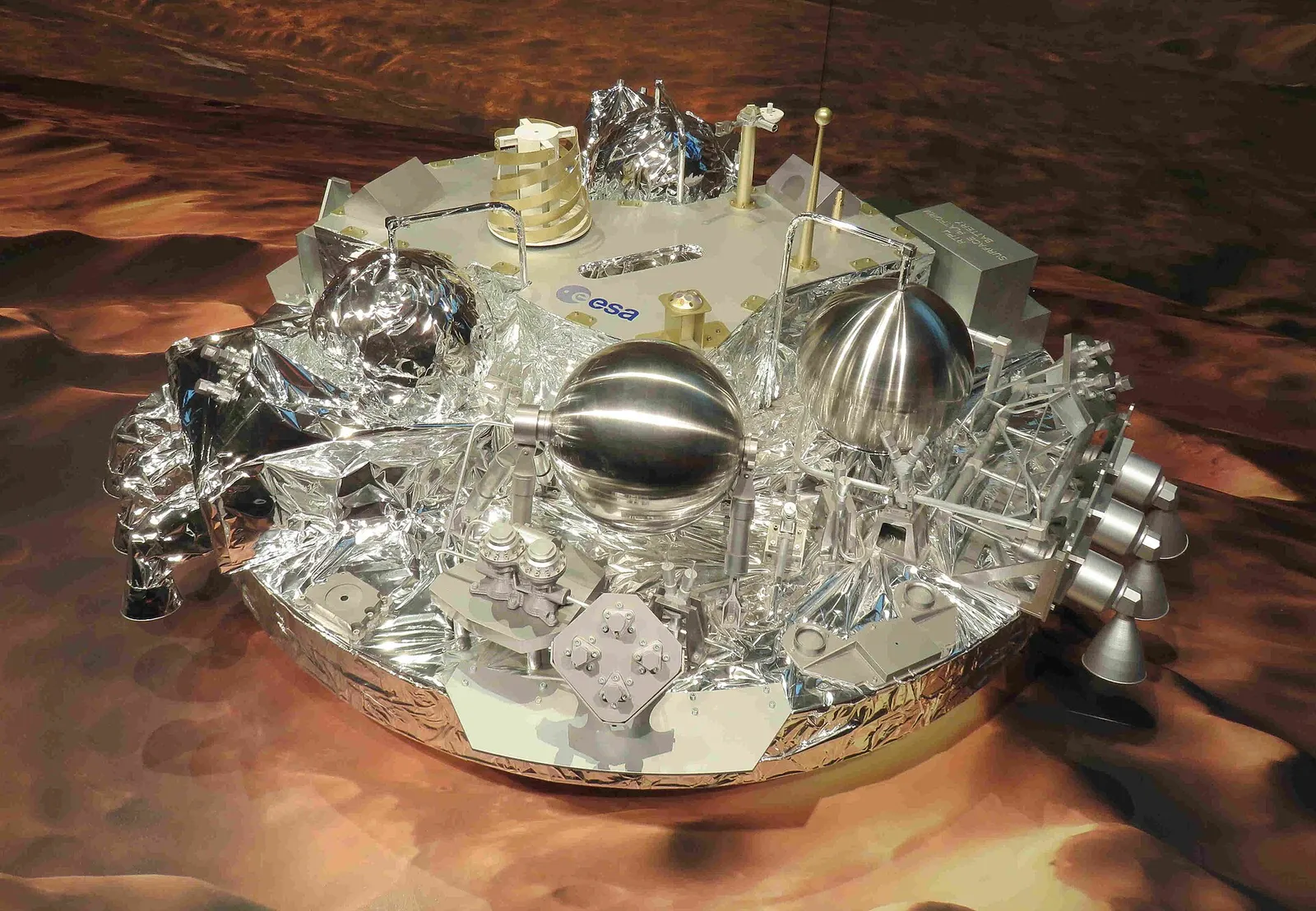
🇪🇺Schiaparelli EDM (Entry, Descent and Landing Demonstrator Module)
LostExoMars 2016 — Schiaparelli
Agency: ESA / Roscosmos
- Landed
- Never landed
- Site
- Meridiani Planum (~-2°N, 6°W) — crashed
Entry and descent systems partially successful — heatshield and parachute performed correctly through the initial phases
View mission →Where we've landed on Mars
Every spacecraft that has touched (or tried to touch) the Martian surface, plotted by its real landing coordinates. Hover or focus a marker for the site and how it got down.
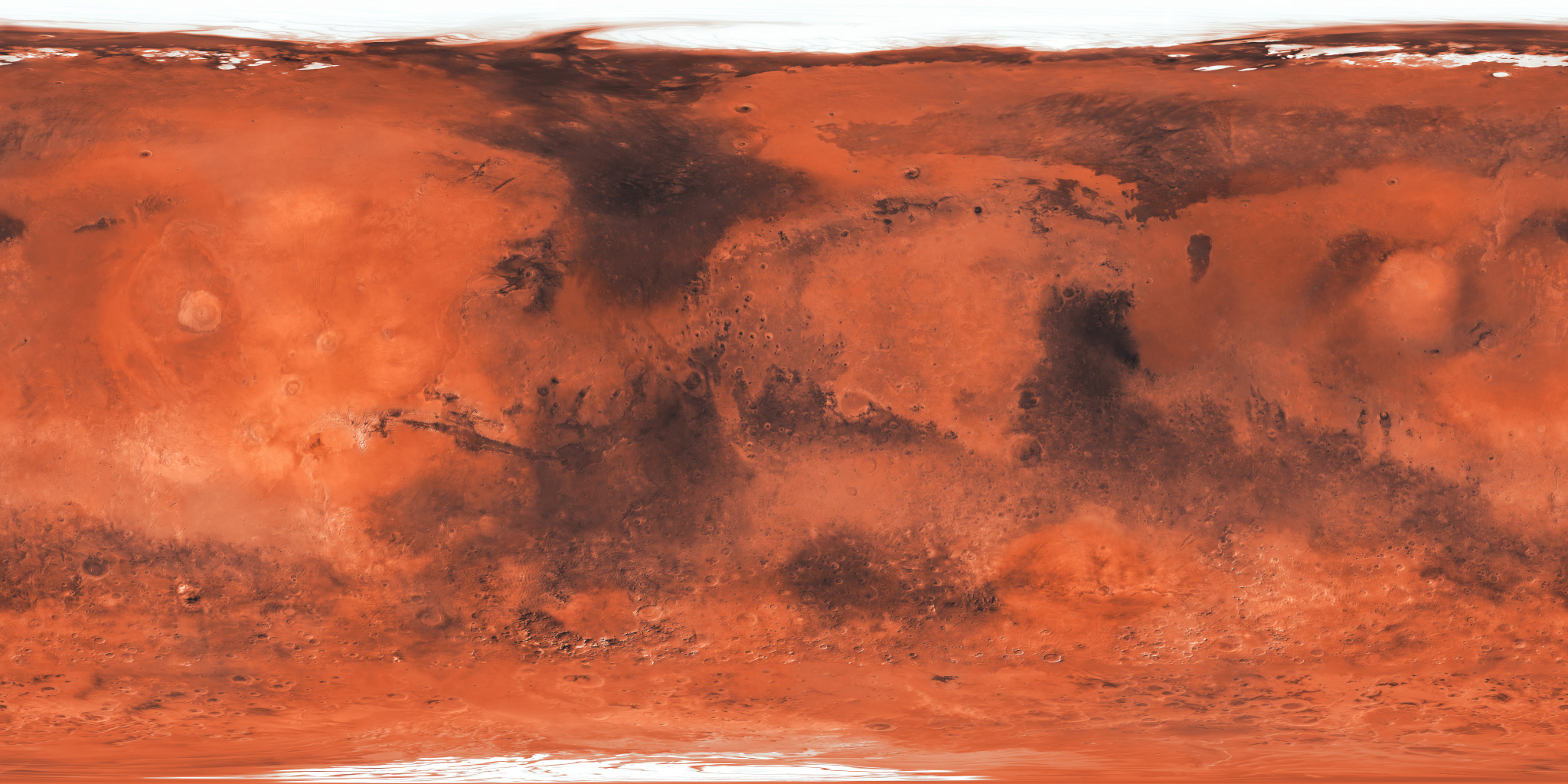
Landed (mission complete)Operating nowLanded, mission cut shortLost during landingUpcoming Lander Rover
Mars Exploration Programs
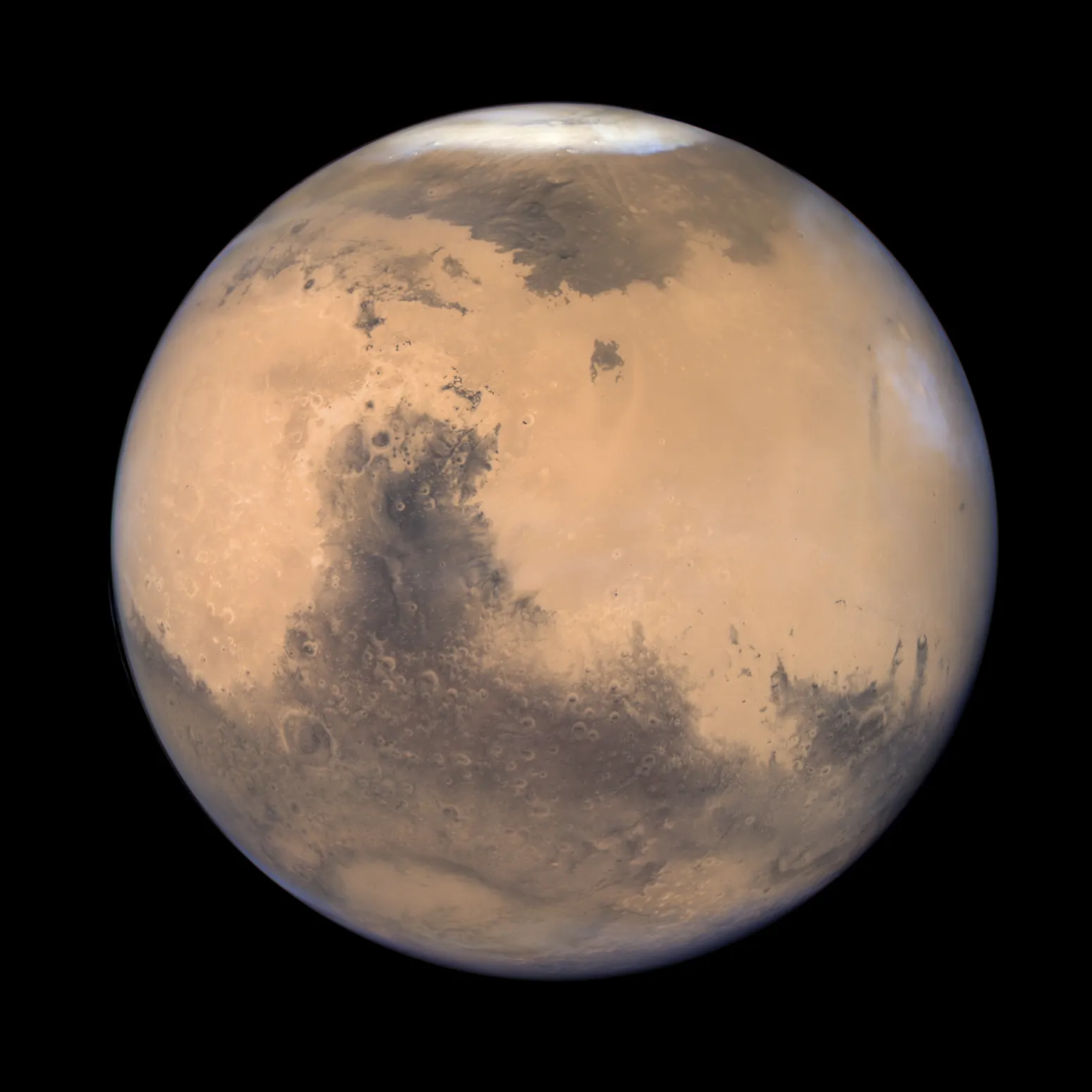
Government and multi-agency programs shaping Mars exploration — from NASA's long-running MEP to ESA's ExoMars and China's Tianwen campaign.
Emirates Mars + Asteroid Programme
UAE Space Agency / MBRSCactiveThe UAE's Emirates Mars Mission (EMM, 'Hope' probe / Al-Amal) made the United Arab Emirates the first Arab nation to reach Mars when it entered orbit on February 9, 2021 — at a total programme cost reported in the region of $200M [1][2]. The follow-on Emirates Mission to the Asteroid Belt (EMA) — announced in October 2021 — is a far more ambitious 7-year, 5-billion-kilometre cruise to seven main-belt asteroids culminating in a 2034 rendezvous and landing on (269) Justitia, targeting a late-2028 launch on a commercial U.S. launcher [3][4]. Both missions are executed by the Mohammed Bin Rashid Space Centre (MBRSC) in collaboration with the Laboratory for Atmospheric and Space Physics (LASP) at the University of Colorado Boulder, anchoring an Emirati deep-space industrial and knowledge-transfer capability [1][3].
Read program brief →ExoMars / Rosalind Franklin Rover
ESAactiveExoMars is ESA's flagship Mars astrobiology programme, anchored by the Rosalind Franklin rover targeting a two-metre subsurface drill — the first instrument ever flown to Mars capable of accessing depths where ancient biosignatures may be preserved from radiation damage [1][2]. Originally a joint ESA-Roscosmos mission, the rover was unwound from Russia in March 2022 in response to the invasion of Ukraine and re-baselined under a Europeanised architecture with a new ESA-built landing platform, NASA contributions, and a now-confirmed launch on a SpaceX Falcon Heavy from Kennedy Space Center LC-39A no earlier than 2028, with arrival at Oxia Planum in 2030 [3][4][5].
Read program brief →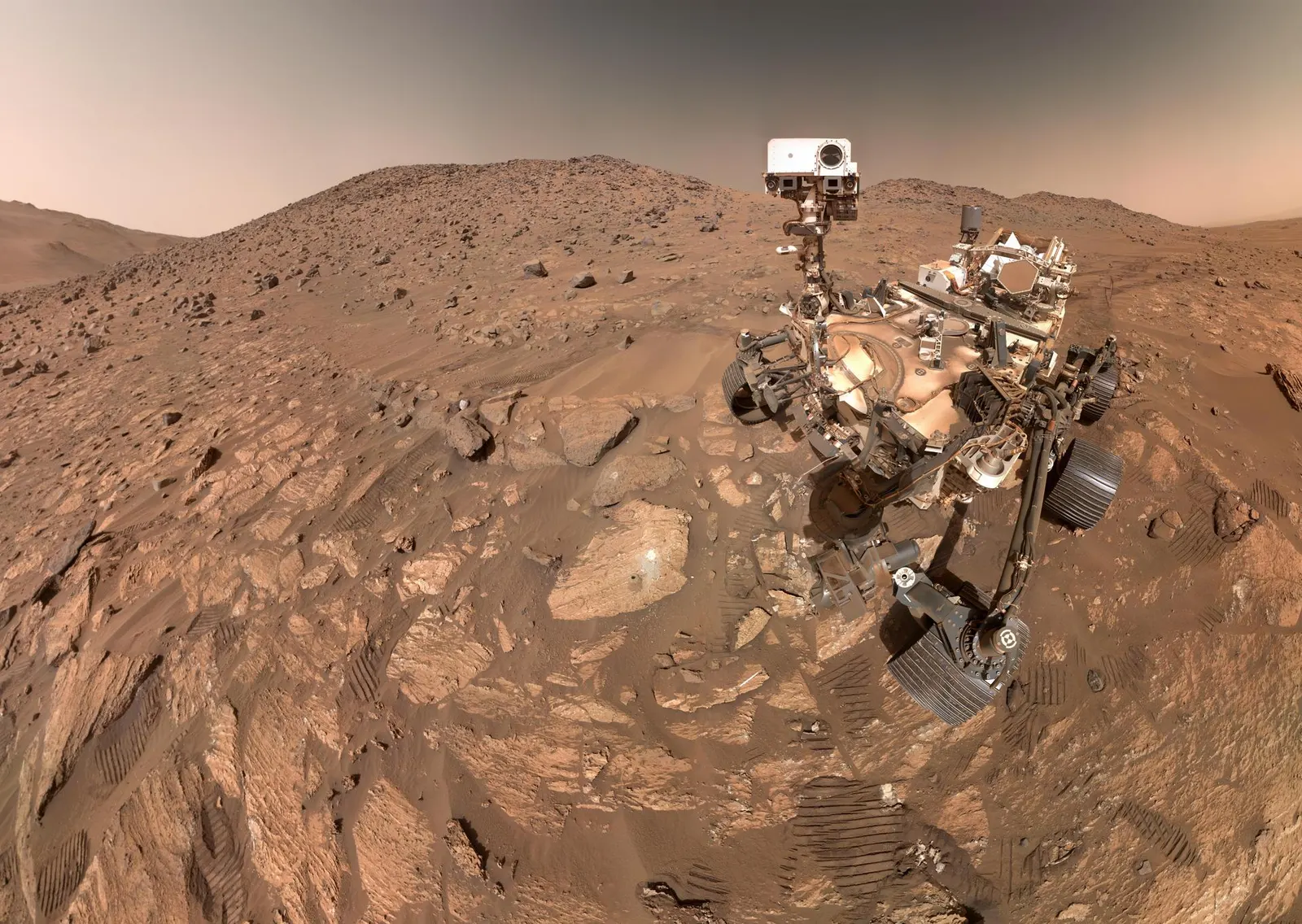
Mars Exploration Program
NASAactiveNASA's Mars Exploration Program is a multi-decade portfolio of robotic orbiters, landers and rovers — Curiosity (still operational since August 2012), Perseverance (with Ingenuity helicopter, Feb 2021), MAVEN, MRO and Mars Odyssey — plus the embattled $11B+ Mars Sample Return campaign currently under architectural restructure following a 2023 Independent Review Board finding that the planned mission would cost $8-11B and slip to 2040 [1][2][3][4]. The program sustains roughly $600-800M/year in NASA Science Mission Directorate spending and underpins multi-decade contracts at Lockheed Martin (rover descent stages), Aerojet Rocketdyne (RS-25-class propulsion via L3Harris), Maxar (instruments), and JPL/Caltech (integration) [5][6][7].
Read program brief →Tianwen Mars Exploration Programme
CNSA (China National Space Administration)activeTianwen (天问, 'Questions to Heaven') is China's Mars exploration programme — Tianwen-1 (launched July 23, 2020, arrived Mars orbit February 10, 2021) made China the second nation to successfully soft-land and operate a rover (Zhurong) on Mars in May 2021, and the planned Tianwen-3 sample-return mission (NET 2028) targets first return of Mars samples to Earth, potentially ahead of NASA's reformulated Mars Sample Return programme [1][2][3]. Executed by CAST and CALT under CASC, with no listed pure-play exposure and a credible chance of beating NASA / ESA to a Mars sample-return first [4].
Read program brief →
Mars Sample Return
The most ambitious planetary science mission ever attempted — but the NASA-ESA campaign was cancelled in January 2026, leaving Perseverance's cached samples without a retrieval plan.
NASA–ESA campaign cancelled (Jan 2026)
Sample Cache
33 tubes
Jezero — no retrieval plan
NASA–ESA Status
Cancelled
House minibus, Jan 2026
Cost Estimate
$5.3B–$11B
Lifecycle (2024 review)
Leading Path
Tianwen-3
China · ~2031 return
Mission Timeline
Perseverance Sample Collection
2021–2025Complete
Perseverance has sealed 33 sample tubes in Jezero Crater, including a 10-tube backup cache deposited at the Three Forks depot in 2022–23. Samples span diverse rock types from the ancient river delta.
NASA–ESA Architecture Redesign
2024–2025Complete
After NASA's independent review board (2024) estimated $5.3–11B lifecycle cost with returns slipping toward 2040, NASA and ESA ran concept studies through 2024–25 seeking a lower-cost architecture. No affordable design was adopted before funding lapsed.
NASA–ESA MSR Cancelled
January 2026Cancelled
The House minibus appropriations bill passed January 8, 2026 zeroed Mars Sample Return funding, ending the NASA-ESA architecture (Sample Retrieval Lander + Mars Ascent Vehicle + ESA Earth Return Orbiter). Perseverance's 33 cached tubes currently have no retrieval plan.
China Tianwen-3 (leading path)
2028 launch · ~2031 returnLeading path
With the NASA-ESA campaign cancelled, China's Tianwen-3 — a grab-and-go sample return launching in 2028 — is now the most likely route to the first Mars samples on Earth, around 2031. It collects its own samples and would not retrieve Perseverance's cache.
View full MSR mission entry
Complete mission specs, contractor details, and programme history in our Mars missions comparison hub.
Mars Dust Storm History
Every major documented Mars dust storm from the Viking era to 2018 — with the missions affected and scientific significance of each event.
| Year | Name | Scale | Duration |
|---|---|---|---|
| 1971 | 1971 Planet-Encircling Dust Storm Effectively opaque from orbit — entire disk featureless in visible light | Global | ~100 days |
| 1977 | 1977 Global Dust Storm A (Viking Era, First Storm) | Global | ~45 days |
| 1977 | 1977 Global Dust Storm B (Viking Era, Second Storm) | Global | ~43 days |
| 2001 | 2001 Planet-Encircling Dust Storm Tau > 5 at multiple locations (near-complete solar opacity at surface) | Global | ~128 days |
| 2007 | 2007 Regional Dust Storm (MER Solar Panel Crisis) Tau ~5.5 at Opportunity's location (solar panel output fell to <1% of normal) | Regional | ~53 days |
| 2018 | 2018 Planet-Encircling Dust Storm Tau > 8.0 at Opportunity's Perseverance Valley location — complete opacity | Global | ~104 days |
| 2019 | 2019 Regional Dust Storm (Post-Global Event) | Regional | ~54 days |
| 2021 | Jezero Crater Dust Devil Activity (Perseverance Era) | Local | Unknown |
Mars Seasonal Dust Cycle
Mars dust activity follows a strongly seasonal pattern tied to orbital position (solar longitude Ls) and the eccentricity of Mars's orbit. Because Mars's orbit is significantly more elliptical than Earth's (eccentricity ~0.093), the planet receives ~40% more solar energy at perihelion (Ls 251°) than at aphelion (Ls 71°). This pronounced annual forcing drives a predictable dust season centred on southern summer / perihelion passage. The northern hemisphere spring and summer (Ls 0°–180°) is the quietest dust period. Local and regional storms can initiate at any season but are statistically much more likely from Ls 180° onward.
Peak Risk Season
Ls 180–270
Southern spring and summer, centred on Mars's perihelion at Ls 251°. Enhanced solar heating of the southern hemisphere drives stronger thermal tides and surface winds, greatly increasing the probability of regional and global dust storm initiation. All documented global storms have begun during this window or shortly outside it.
Global Storm Frequency
~1 planet-encircling storm every 3–5 Mars years on average, based on the observational record from 1971 to 2026. Events have occurred in: 1971, 1977 (×2), 1982, 1994 (partial), 2001, 2018. Not every perihelion season produces a global event.
Mission Impact
Solar-powered missions face the greatest risk during perihelion dust season. Power reduction of 50–99% is possible during regional or global storms. Nuclear-powered missions (Curiosity, future missions) are immune to power loss but still experience instrument exposure and reduced visibility. Dust deposition rates and occasional cleaning events (wind gusts) determine long-term solar panel efficiency trends.
2018 Global Storm — Opportunity's Last
The 2018 planet-encircling dust storm initiated in late May 2018, reached global scale by June, and reduced solar panel output on the Opportunity rover to near zero. The solar-powered rover entered emergency hibernation on June 10, 2018 — its last communication. Despite over 1,000 recovery attempts by NASA JPL, Opportunity never woke up. The mission was officially declared over on February 13, 2019, after 14+ years and 45.16 km of surface exploration.
Mars Resources (ISRU)
What Mars actually offers for in-situ resource utilization — and what the honest limitations are. Every claim carries a credible counter-argument from primary literature.
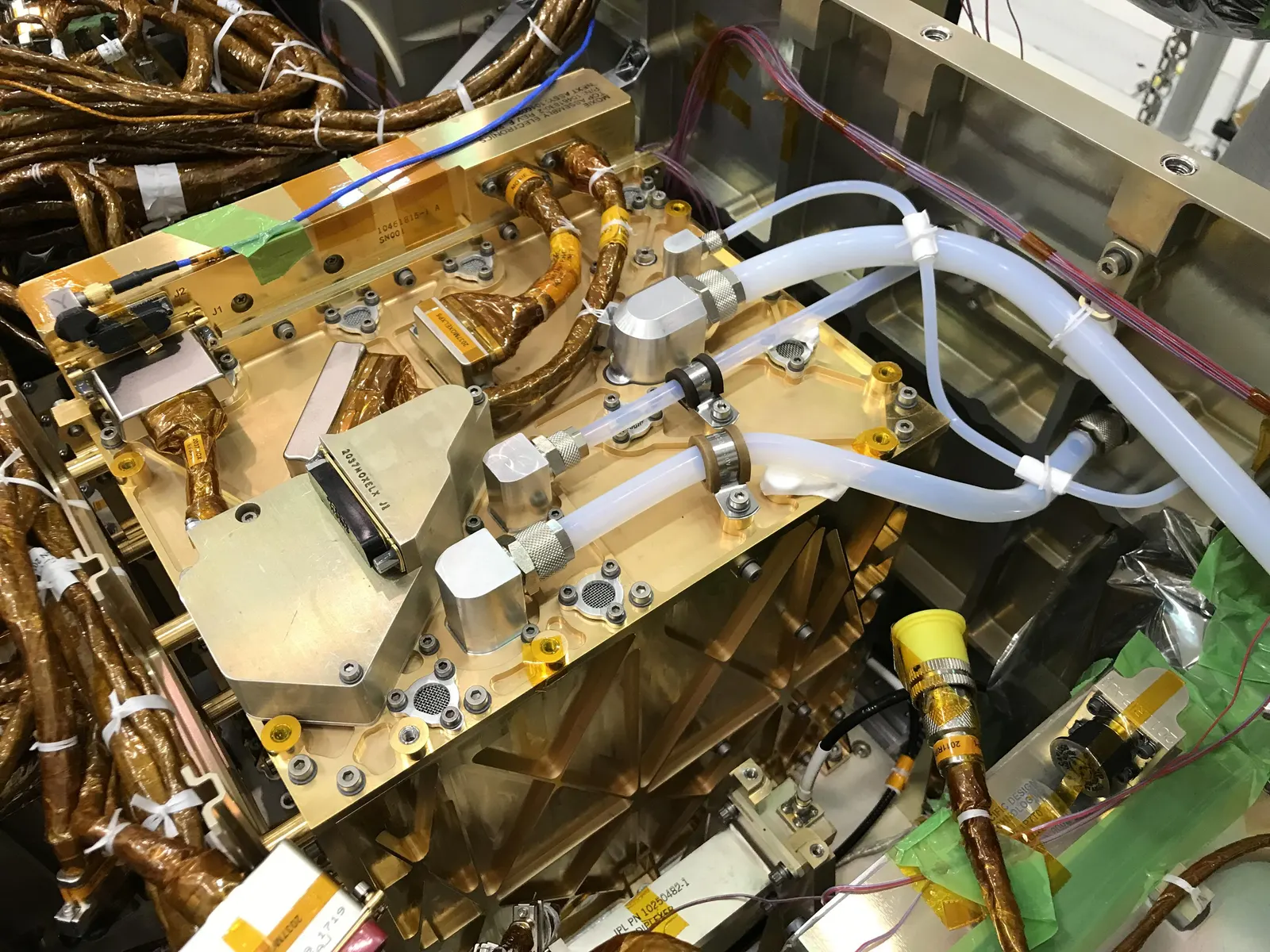
CO₂ Atmosphere
AtmosphereDemonstrated
Location: Global atmosphere (95.3% CO2 by volume)
MOXIE on Perseverance demonstrated O2 production from CO2 via SOXE (solid oxide electrolyzer) — 6g/hour at scale needed for launch propellant means scaling to 25 kg/day for MAV
Skeptic's view
Atmospheric density is only 0.6% of Earth's — thin enough that large collectors are needed; power requirements are substantial
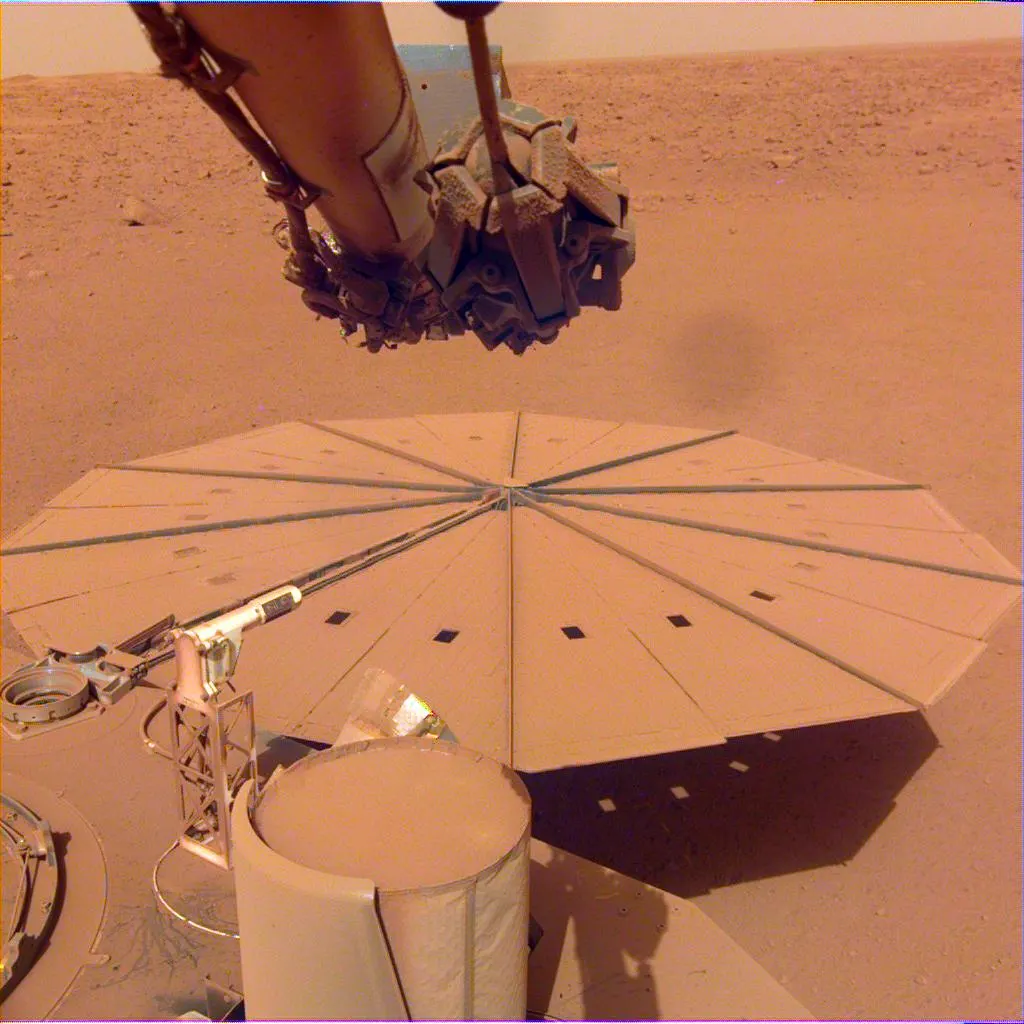
Solar Energy
EnergyDemonstrated
Location: Equatorial and low-latitude zones — usable globally but reduced by ~40-45% vs Earth
Primary power source for landed assets without RTGs — Perseverance uses RTG while Ingenuity uses solar panels as test case; future crewed habitats must use nuclear fission (Kilopower/KRUSTY) or large solar arrays
View resource details →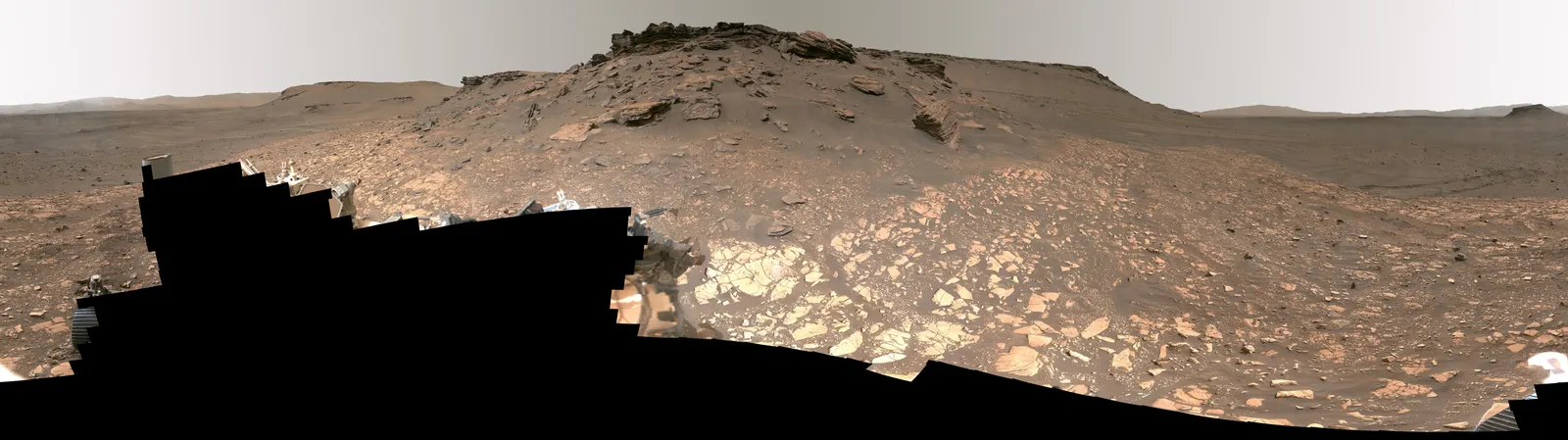
Iron Oxide Regolith (Martian Soil)
RegolithProspecting
Location: Global — regolith covers entire Martian surface
Structural material for 3D-printed habitats (analogous to terrestrial sintered bricks), iron extraction for manufacturing, thermal mass for passive heating
View resource details →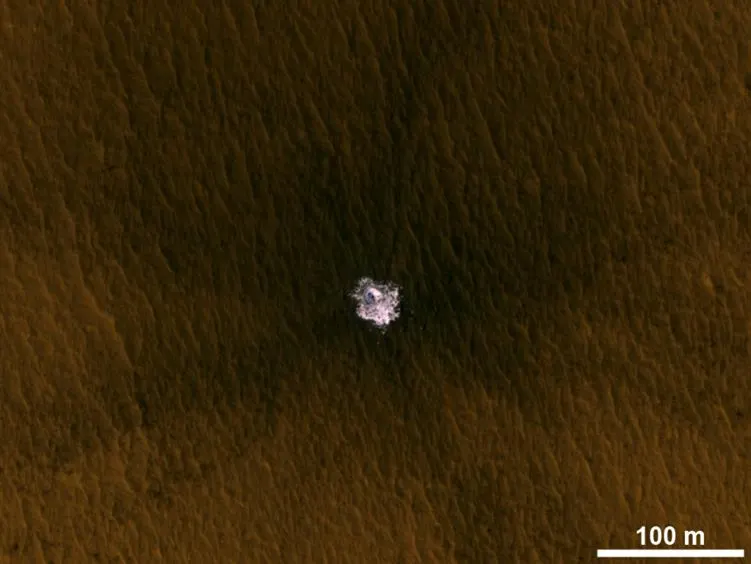
Mid-Latitude Subsurface Ice
Water IceProspecting
Location: Mid-latitudes (30°–60° N and S), within 1–5 meters of surface
Primary water source for crewed surface habitats; mining with heated drill could extract several liters/hour per site
View resource details →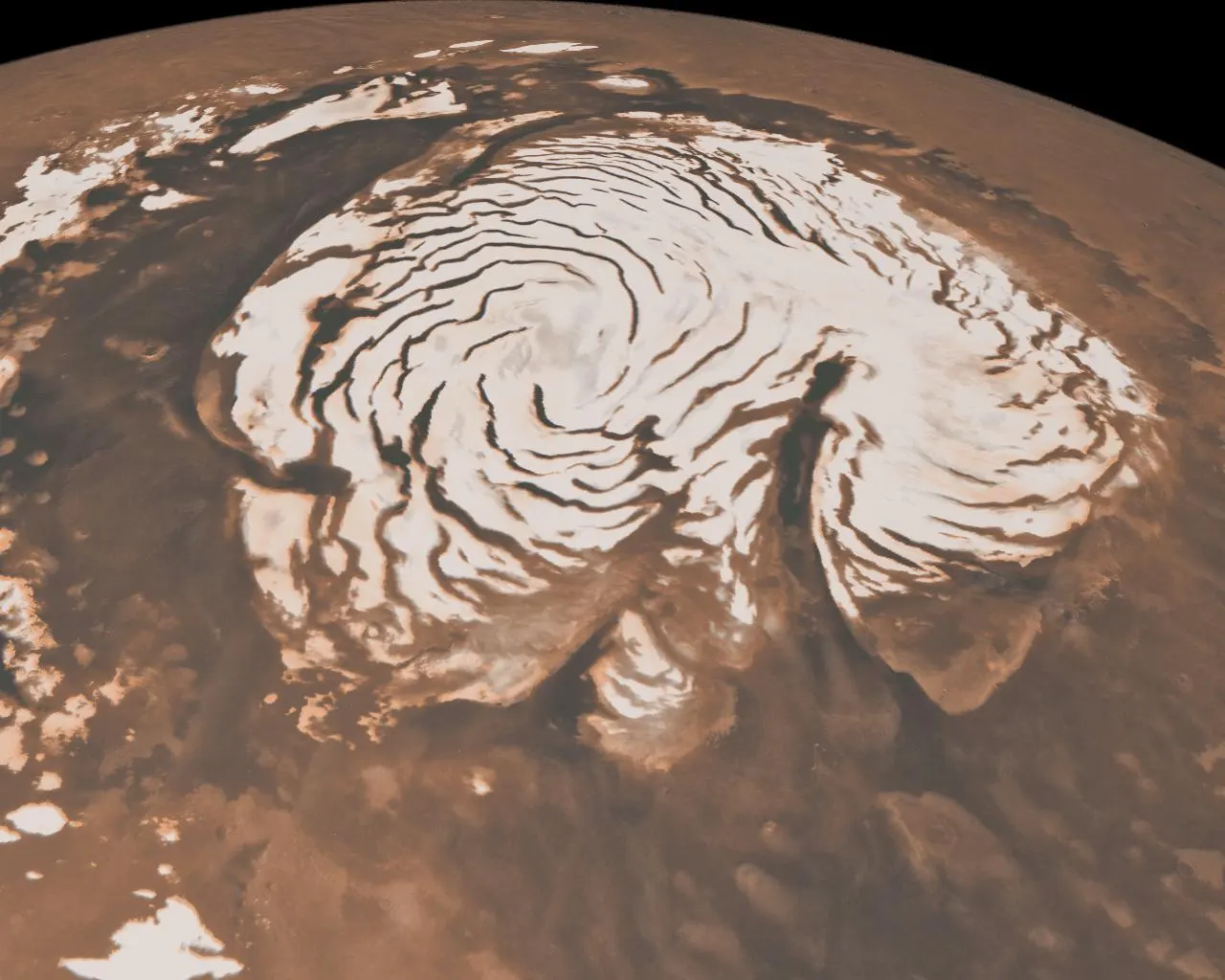
Polar Water Ice Caps
Water IceProspecting
Location: North and South Poles; north cap is water ice year-round, south cap CO2 ice over water ice
Electrolysis to produce rocket propellant (H₂+O₂), life support water and oxygen for crewed missions, radiation shielding via water walls
Skeptic's view
Polar ice is far from equatorial landing sites — nearest useful water ice deposits are mid-latitude subsurface glaciers
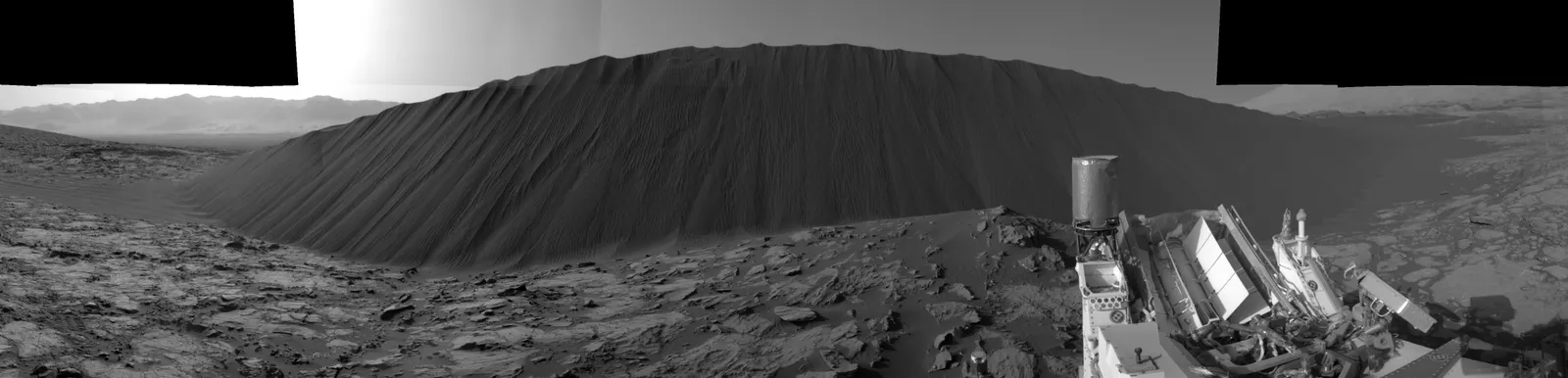
Volcanic Basaltic Minerals
MineralProspecting
Location: Widespread — Noachian basalts (ancient), Amazonian volcanic plains
Silica for glass production, olivine/pyroxene for geopolymer cement without heating, basalt fiber composite materials for structural applications
View resource details →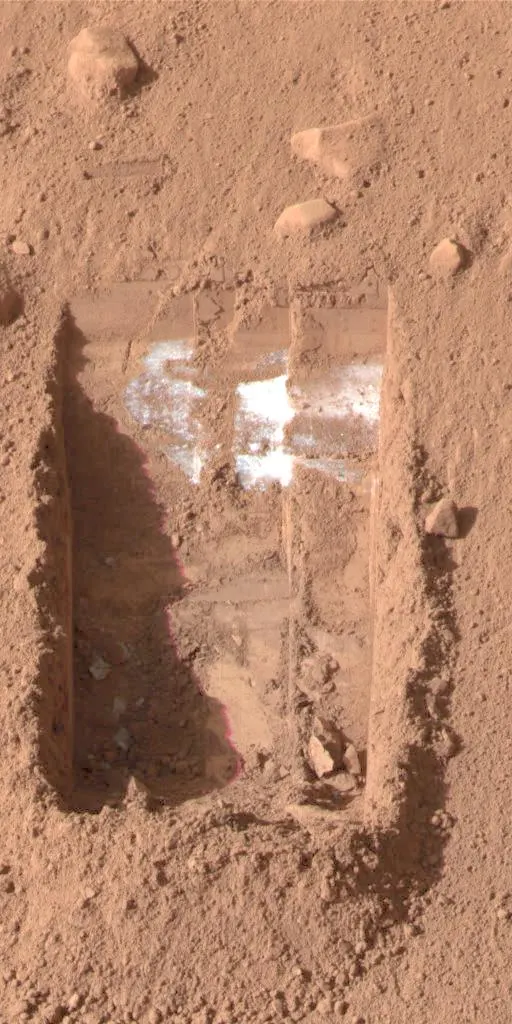
Perchlorate Compounds (ClO4⁻)
MineralTheoretical
Location: Global — detected at Phoenix landing site (68°N), Gale Crater (Curiosity), Jezero Crater (Perseverance)
Ammonium perchlorate is a solid rocket oxidizer — in theory Martian perchlorates could be chemically processed into propellant components; also possible source of oxygen via thermal decomposition
Skeptic's view
Perchlorates are highly toxic to humans and other organisms — a major challenge for habitability and agriculture. Must be removed from any soil used for growing food
Potential Geothermal Energy
SubsurfaceTheoretical
Location: Volcanic regions: Tharsis Bulge, Elysium Planitia — areas of potential residual geological heat
If accessible — geothermal could power crewed outposts without nuclear or solar dependence
Skeptic's view
InSight detected very low heat flux (~21 mW/m² near Elysium Planitia) — far below economically viable geothermal extraction; Mars may be too geologically cold for practical geothermal
Frequently Asked Questions
Short, sourced answers to the most common questions about Mars exploration, habitability, and the path to crewed missions.
How long does it take to travel to Mars?
A typical crewed or robotic mission to Mars using a Hohmann transfer orbit takes approximately 7–9 months one way. The exact travel time depends on the specific trajectory and the positions of Earth and Mars in their orbits. Critically, launch windows only open approximately every 26 months (the synodic period of Mars), when the planets are favorably aligned. Missing a window means waiting another 26 months. SpaceX's Starship architecture aims to use higher-energy trajectories to shorten transit time, but at the cost of significantly more propellant.
How many Mars missions have there been?
Approximately 50 missions have been attempted to Mars since 1960, with roughly 26 achieving full or partial success. The Soviet Union attempted the first Mars missions in the early 1960s, all of which failed. NASA achieved the first successful Mars flyby with Mariner 4 in 1965, and the first successful landing with Viking 1 in 1976. As of 2026, six space agencies — NASA (USA), ESA (Europe), Roscosmos (Russia), CNSA (China), ISRO (India), and MBRSC (UAE) — have successfully reached Mars orbit or surface.
Has life ever existed on Mars?
No confirmed evidence of past or present life on Mars has been found. However, multiple lines of evidence suggest Mars was habitable in the ancient past: liquid water flowed on the surface billions of years ago (confirmed by Curiosity's sediment analysis in Gale Crater), and the building blocks of life — organic molecules, nitrogen, sulfur, phosphorus, carbon — have been detected. Perseverance's cached rock cores would enable far more sensitive laboratory analysis than any rover instrument — but the NASA-ESA Mars Sample Return campaign was cancelled in January 2026, leaving those samples without a retrieval plan; China's Tianwen-3 (2028 launch) is now the most likely first sample return. The question remains scientifically open.
What is the atmosphere on Mars like?
Mars has a very thin atmosphere composed primarily of carbon dioxide (CO2, 95.3%), with small amounts of nitrogen (2.6%), argon (1.9%), oxygen (0.13%), and traces of other gases. Surface pressure averages about 600 Pa — less than 0.6% of Earth's sea-level pressure of 101,325 Pa. This is far too thin for humans to breathe and insufficient to protect against harmful solar and cosmic radiation. The atmosphere does create weather, including dust devils, regional storms, and planet-encircling global dust storms. There is no ozone layer, so ultraviolet radiation reaches the surface largely unattenuated.
What is the temperature on Mars?
Mars is a cold world with extreme temperature swings. The average surface temperature is approximately -80°C (-112°F). At the poles in winter, temperatures plunge to -125°C (-193°F) as CO2 freezes out of the atmosphere. Near the equator on a summer afternoon, temperatures can briefly reach +20°C (+68°F) near the surface — but drop back below freezing within hours after sunset. The thin atmosphere provides almost no insulation or thermal buffering. Diurnal temperature swings of 80–100°C are common even at mid-latitudes.
What is the Mars Sample Return mission? When will samples return?
Mars Sample Return (MSR) was a joint NASA-ESA campaign to retrieve the rock cores collected by Perseverance in Jezero Crater. It is now cancelled: in January 2026 the House minibus appropriations bill zeroed MSR funding, ending the NASA-ESA architecture (Mars Ascent Vehicle + Earth Return Orbiter). The honest answer is that there is currently no NASA-ESA plan to retrieve Perseverance's 33 collected sample tubes, including the 10-tube 'Three Forks' depot cache. The leading path to returning any Mars samples is now China's Tianwen-3 mission — a grab-and-go sample return launching in 2028 with samples back on Earth around 2031. NASA's 2024 independent review had estimated MSR lifecycle cost at $5.3–11B, which drove the redesigns and ultimately the cancellation.
How do rovers get power on Mars?
Mars rovers have used two main power systems. Spirit and Opportunity (and the Ingenuity helicopter) used solar panels, which worked well until dust accumulation on the panels reduced power output — a problem that eventually ended InSight's mission. Curiosity and Perseverance use Multi-Mission Radioisotope Thermoelectric Generators (MMRTGs), which convert heat from the radioactive decay of plutonium-238 into electricity. RTGs provide consistent power regardless of dust storms or distance from the Sun, but their output decays roughly 5% per year. China's Zhurong rover used solar power, entering hibernation in 2022 when it could not generate enough power for the Martian winter.
What is a global dust storm on Mars?
A Martian global dust storm (also called a planet-encircling dust event, or PEDE) is a phenomenon unique to Mars where dust suspended in the thin atmosphere spreads to cover the entire planet, reducing sunlight at the surface by 99% in the worst affected areas. These events typically last several months. They are most common near perihelion (when Mars is closest to the Sun) because solar heating drives convection that lofts dust into the atmosphere. The most recent global dust storm occurred in 2018, ending Opportunity's mission after 15 years of operation. Global storms occur irregularly — roughly once every 3–4 Martian years on average — making them a major design constraint for solar-powered surface assets.
Can humans breathe on Mars?
No. The Martian atmosphere is unbreathable for several reasons: it is 95.3% CO2 (not oxygen), the atmospheric pressure is only 0.6% of Earth's (far below the minimum required to keep bodily fluids from boiling), and there is almost no oxygen (0.13% vs Earth's 21%). Any human on Mars must wear a full pressure suit at all times outside a pressurized habitat. NASA's MOXIE instrument on Perseverance has demonstrated that oxygen can be extracted from atmospheric CO2 via electrolysis — a technology that will be essential for future crewed missions to produce both breathable air and rocket propellant.
What is Olympus Mons?
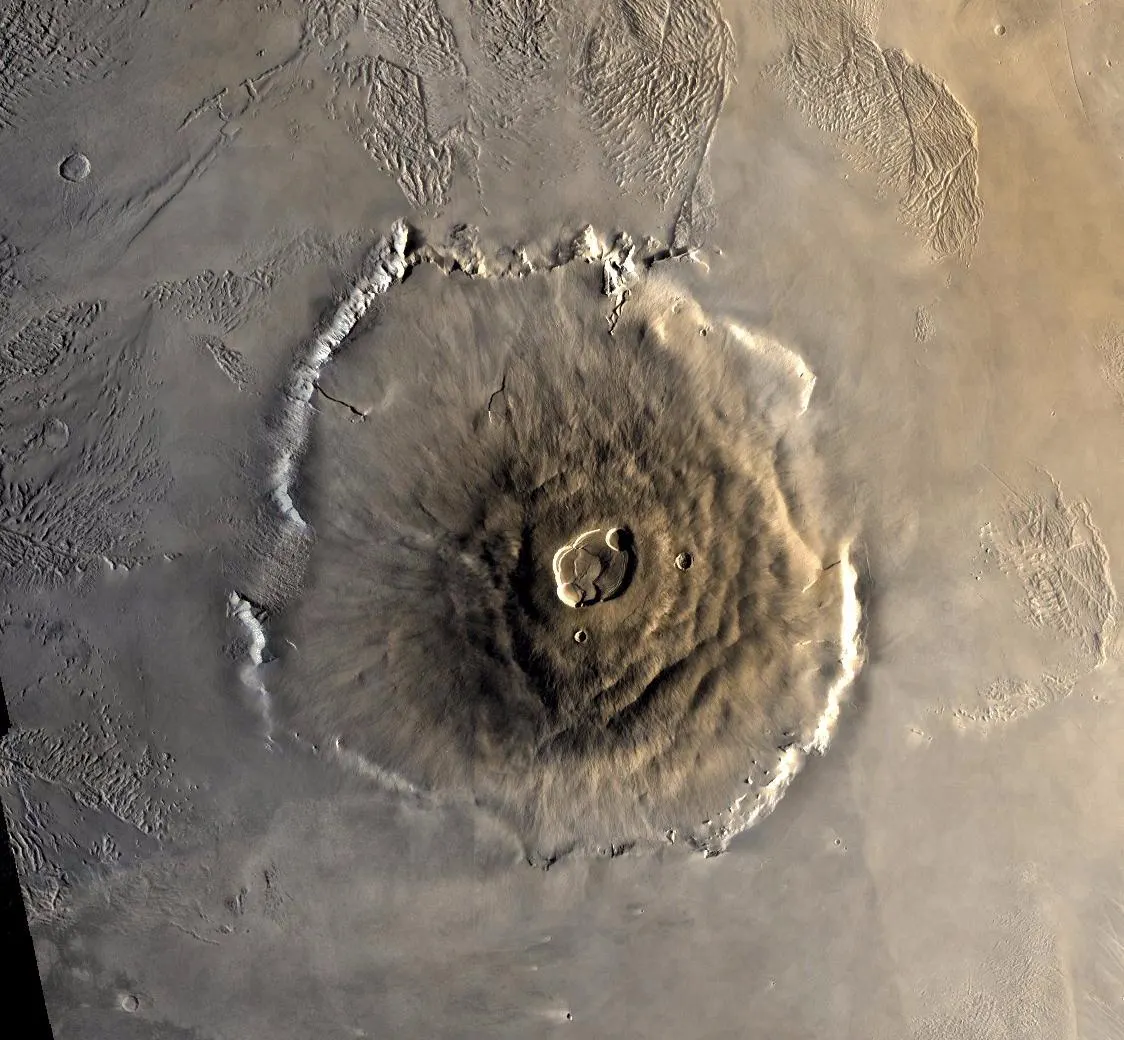
Olympus Mons is the largest volcano in the solar system, located in the Tharsis volcanic province of Mars. It stands approximately 21.9 km (13.6 miles) above the surrounding plains — nearly three times the height of Mount Everest above sea level and about 2.5 times the height of Mauna Kea from its oceanic base. Its base spans roughly 600 km (370 miles), larger than the entire state of Arizona. Olympus Mons is a shield volcano shaped by successive lava flows over billions of years. Mars lacks tectonic plate movement, so the crust remained stationary over its hot spot, allowing the volcano to grow to an extraordinary size over geological time. Its last eruption may have been within the last 25 million years.
Is there water on Mars today?
Yes, water exists on Mars today in several forms, though not as stable liquid on the surface. Confirmed water: polar ice caps (predominantly water ice at the north pole, buried under CO2 at the south pole), and widespread subsurface water ice at mid-latitudes down to 30° from the poles. Probable but not yet confirmed: liquid brines — salt-rich water that remains liquid at sub-zero temperatures — may exist transiently in the deep subsurface, detected by MARSIS radar on Mars Express near the south pole, though the interpretation is debated. What does not exist today: stable liquid water on the surface, due to the combination of low atmospheric pressure and cold temperatures that cause water to either freeze or sublimate directly.
What are the next missions to Mars?
Three missions headline the near-term manifest. NASA's ESCAPADE twin orbiters (launched November 2025 on New Glenn NG-2) are in transit — Earth gravity assist in November 2026, Mars orbit insertion September 2027 — to study how the solar wind strips the Martian atmosphere, work made more important by the loss of MAVEN (contact lost December 2025, mission declared over June 2026). ESA's Rosalind Franklin rover, rebuilt with NASA support approved in April 2026 (Falcon Heavy launch services, braking engines, radioisotope heater units), launches in late 2028 to drill 2 m below Oxia Planum. And China's Tianwen-3 sample-return mission launches in 2028, aiming to bring the first Mars samples to Earth around 2031 — now the leading sample-return path after the NASA-ESA MSR cancellation.
When could humans land on Mars?
No confirmed crewed Mars landing date exists as of 2026. NASA's current long-range planning targets the 2040s for a crewed Mars mission, building on the Artemis lunar program for deep-space experience. SpaceX has publicly stated ambitions to land humans on Mars earlier — potentially in the late 2020s to early 2030s with Starship — but this timeline depends on unproven technology and remains aspirational. Key unsolved challenges include: long-duration radiation exposure during transit, entry-descent-landing for very large spacecraft in the thin Martian atmosphere, life support for 18–24 month surface stays, and in-situ resource production for the return trip.
Explore more of the universe
Above You NowThe real sky over your exact spot, live in 3DJourney ModeNarrated voyages that stitch it all into one storyUniverse ExplorerExplore the connected cosmos in 3DThe Cosmic LadderFly through 119,000 real starsWorldsLand on 16 real planets, moons & asteroidsSpace in ARPut the ISS, JWST & real asteroids in your roomThe PlanetsA tour of the solar system in real imagerySpace AcademyFly history's missions yourselfMission ReplaysRelive the great missions as they happenedStarsMeet the galaxy's brightest starsDeep-Sky Wonders39 galaxies, nebulae & clusters in real imageryThe Great CometsHalley, Hale-Bopp, NEOWISE & more in real photographyAsteroid WatchWatch real asteroids fly past Earth in 3DThe Sun Right NowWatch our star live in seven wavelengthsEarth From a Million MilesWatch the whole Earth turn, live from spaceDeep Space NetworkWho NASA is talking to across the solar system, liveHumanity's Farthest TravelersWatch Voyager & the outbound probes recede, liveSpacecraftThe great robotic explorers in real imageryConstellationsThe figures of the night sky & how to find themMulti-WavelengthSee the cosmos in every kind of lightCosmic PerspectiveFrom your street to the edge of everythingSpace Time MachineTravel to any date in the Space Age