 Manastu Space
Manastu Space
Overview
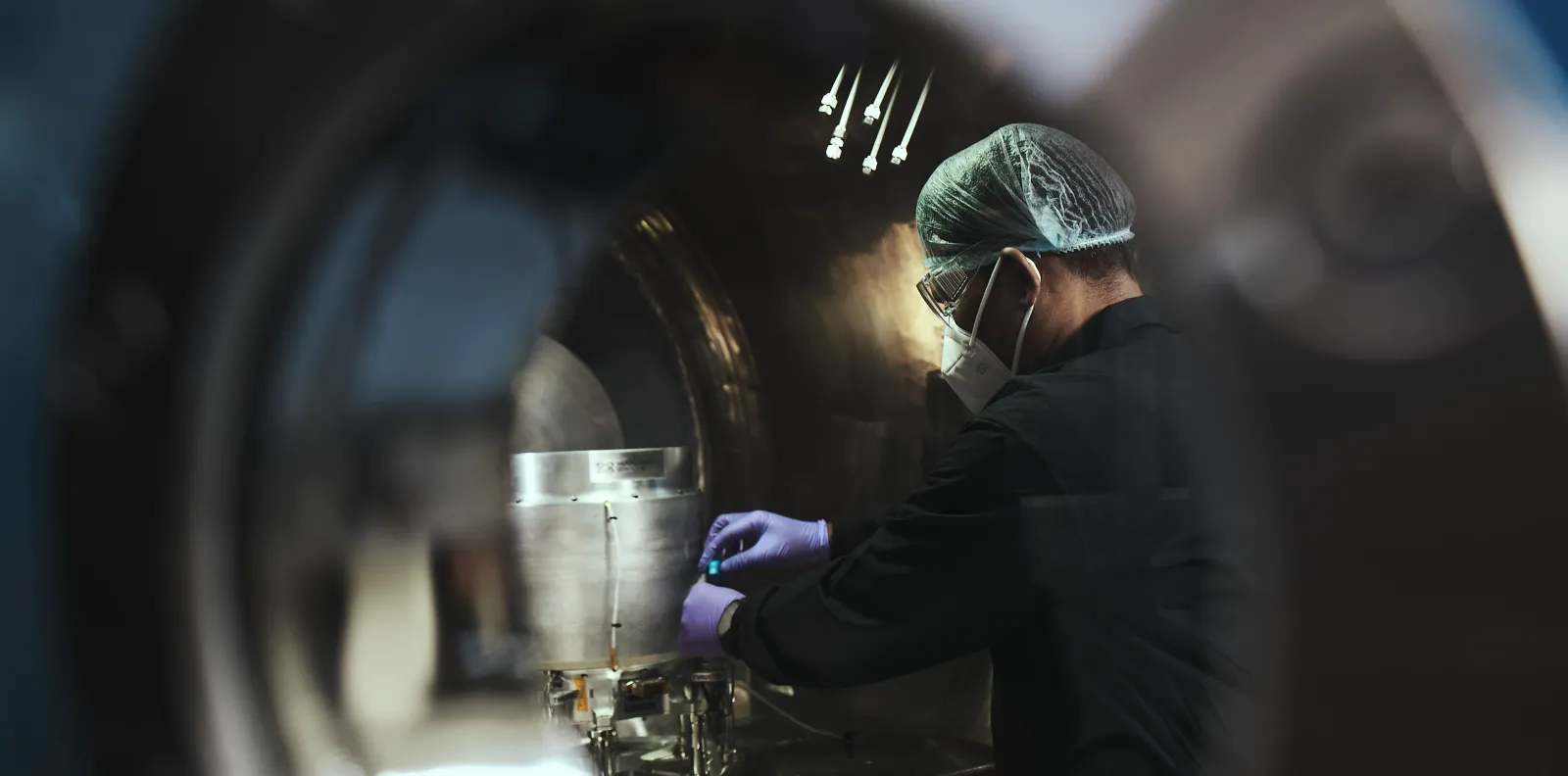
Manastu Space designs, builds, and sells non-toxic green satellite propulsion systems based on its proprietary MS289 hydrogen-peroxide propellant — replacing hydrazine, the carcinogenic propellant that has dominated satellite propulsion for 60 years. Revenue comes from per-unit thruster sales to small-satellite manufacturers and operators (~$50-150K per unit), DRDO-funded development contracts for indigenous defense applications, and emerging in-orbit services like collision avoidance, deorbiting, mission life extension, and on-orbit refuelling. The company's flagship Vyom 2U thruster reached TRL-8 after a successful in-orbit demonstration on ISRO's PSLV-C60 POEM-4 platform on 31 December 2024 — making it commercially flight-qualified.
Moat: MS289 — Manastu's proprietary hydrogen-peroxide blend — is one of only a handful of flight-qualified non-toxic monopropellants globally, alongside ECAPS LMP-103S (Sweden) and NASA's AF-M315E. Successful Vyom 2U in-orbit firing on PSLV-C60 POEM-4 in December 2024 lifted the system to TRL-8, making Manastu the only Indian company with a commercially flight-qualified green thruster — a multi-year head start as the EU REACH regulation and NASA Class IV restrictions accelerate the global hydrazine phase-out. DRDO's Technology Development Fund partnership and IIT Bombay origins anchor the indigenous-defense customer pipeline that's hard for foreign competitors to replicate inside India.
Business
Primary customers
- Defense: DRDO
- Government: ISRO and IN-SPACe satellite missions
- Commercial: Indian and global smallsat operators
Sectors
Satellite Propulsion · In-Orbit Services · Space Sustainability
Gallery

Last Funding Round
Key Products
- Vyom 2U green thrusteroperational
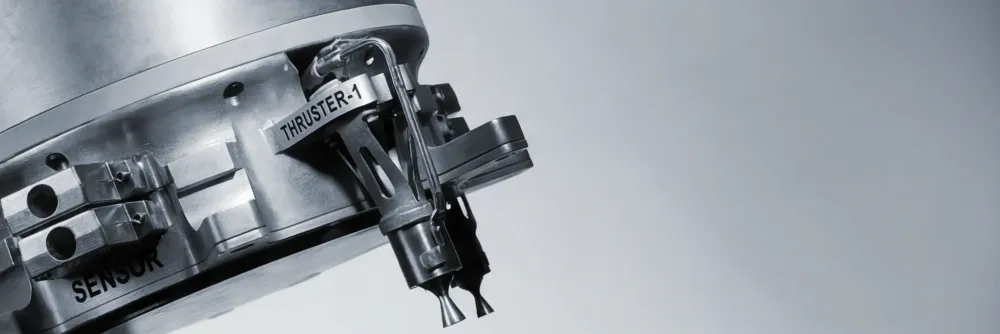
Hydrogen-peroxide (MS289) monopropellant thruster for small satellites; in-orbit demonstrated on PSLV-C60 POEM-4 (Dec 2024); TRL-8 flight-qualified.
First flight: 2024-12-31
- iBooster green propulsion systemoperational
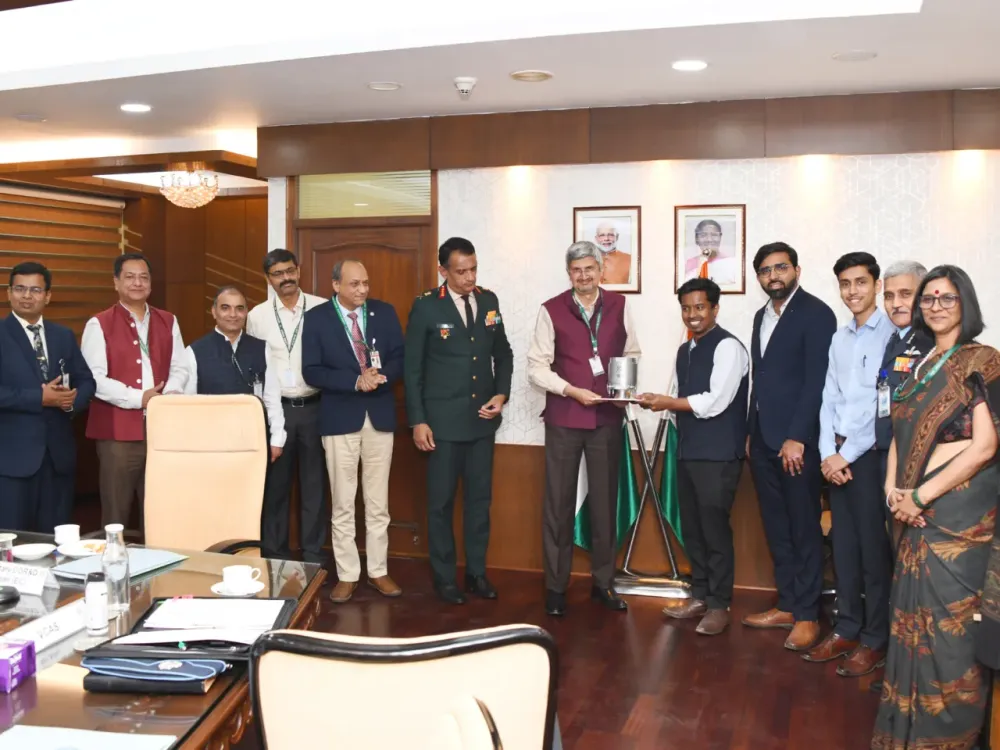
Defense-application green propulsion system developed under DRDO Technology Development Fund; delivered to DRDO in December 2024 after a four-year R&D program.
First flight: 2024-12
- MS289 propellantoperational
Proprietary high-test hydrogen-peroxide-based monopropellant — non-toxic, storable, lower handling cost than hydrazine; supplies the full Vyom thruster line.
- In-orbit services suite (collision avoidance, deorbit, refueling, life extension)development
Next-generation services product line leveraging Vyom propulsion modules to deliver hosted maneuvering and end-of-life deorbit services.
Government Contracts
| Agency | Program | Amount | Year | Source |
|---|---|---|---|---|
| DRDO (Defence Research and Development Organisation) | iBooster Green Propulsion System (Technology Development Fund) | Undisclosed (4-year R&D contract) | 2024 |
Investor Resources
Primary-source documents — straight from Manastu Space's investor relations and SEC filings.
Near-term Catalysts
- 2026
First commercial Vyom 2U thruster delivery to a paying customer satellite
First post-TRL-8 commercial sale converts the December 2024 in-orbit demonstration into recurring revenue and validates the hydrazine-replacement thesis.
- 2026-2027
Larger-class Vyom thruster series qualification
Scaling the MS289 platform to higher-thrust units extends Manastu beyond cubesats into the much larger 100-500 kg satellite class, multiplying TAM.
- 2026
Series A round to fund in-orbit services
Funds development of the collision-avoidance, deorbit, and refuelling business — the highest-margin segment of the green-propulsion roadmap.
Top Risks
- Single-product concentration — until the higher-thrust Vyom variants and in-orbit services are flight-qualified, Manastu's revenue depends on Vyom 2U adoption.
- Global green-propulsion competition: ECAPS LMP-103S, Bradford ECAPS, and Aerojet AF-M315E have multi-year flight heritage and entrenched US/European customer bases.
- Hydrazine phase-out timing is policy-driven; if EU REACH and NASA Class IV deadlines slip, the urgency of customer switchover weakens.
- Capital intensity of in-orbit services and propellant manufacturing scale-up; a $6M total raise is light versus the multi-year roadmap, requiring a successful Series A in 2026.
Recent Milestones
- 2023-09-15
$3M pre-Series A round led by Capital 2B, BIG Capital, and E2MC Ventures.
- 2024-12
iBooster Green Propulsion System delivered to DRDO after a four-year Technology Development Fund R&D program.
- 2025-12-31
Vyom 2U green-propulsion thruster successfully fired in orbit on ISRO POEM-4 / PSLV-C60 SpaDeX mission — 30-sec burn, 24° platform tilt; 500+ sec cumulative firing planned. First Indian private green-propulsion in-orbit demo.
- 2026-03-31
$3M Series A extension closed (Capital-A lead, with Capital 2B, IAN, E2MC, Bhagnani family office) for green-propulsion + debris-avoidance scaling.
- 2026-05-05
Sharanga micro-propulsion system successfully qualified at IN-SPACe Ahmedabad facility.
Recent News
- Manastu Space Raises $3M to Scale Green PropulsionMIT Sloan Management Review Middle East2025-09-01
- Mumbai-based start-up Manastu tests green propulsion system in spaceBusiness Standard2025-01-01
- Manastu Space Pioneers Eco-Friendly Thrusters Revolutionising Satellite and Launch Vehicle PropulsionIndian Defence News2026-02-15
From Management
Recent interviews and talks from Manastu Space's leadership — hear the strategy in their own words.
What investors should know
Q1What does Manastu Space do?⌄
Q2What is Manastu's core technology and competitive edge?⌄
Q3Who are Manastu's customers and how does it make money?⌄
Q4How does Manastu benefit from IN-SPACe and India's space policy reforms?⌄
Q5How much has Manastu raised and who are its investors?⌄
Q6What are the top risks for Manastu investors?⌄
Q7How does Manastu compare to global peers?⌄
Peers
Sources & References
Trade Press
- Business Standard · 2025-01-01(archived)
- ThePrint · 2025-01-01(archived)
- Entrepreneur India · 2025-09-01(archived)
- MIT Sloan Management Review Middle East · 2025-09-01(archived)
- YourStory · 2023-09-15(archived)
- Indian Defence News · 2026-02-15(archived)
- Tracxn · 2025-09-01(archived)