UpcomingRover
Rosalind Franklin
ExoMars Rosalind Franklin Mission
ESA · European Space Agency
Trust: Agency-primaryⓘLast verified
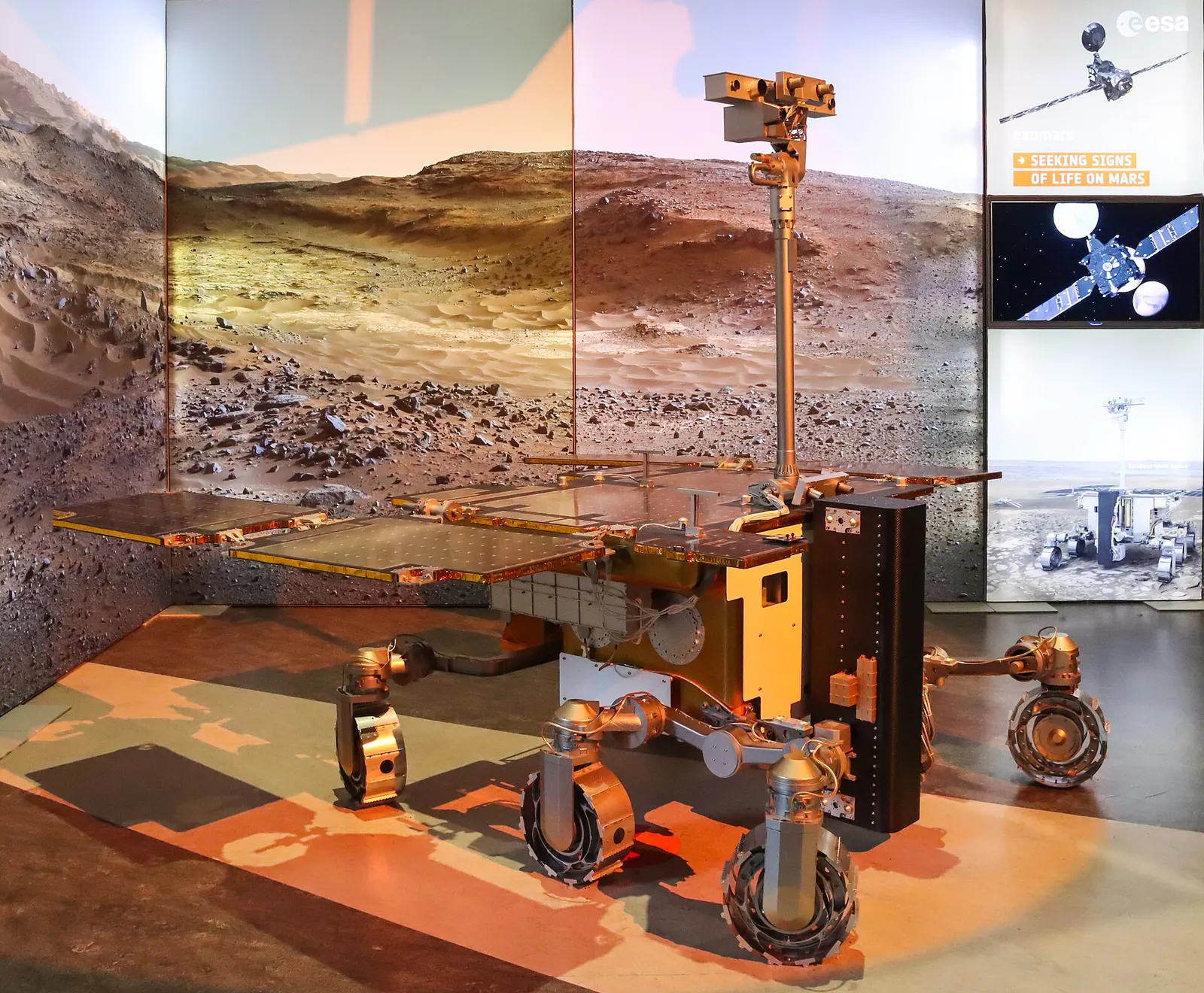
Mass
~310 kgas of [2]Landed
TBD ~2030 (post-2028 launch window)Landing Site
Oxia PlanumOperational
—Mission Timeline
Launch
NET late 2028 (Falcon Heavy from LC-39A)
Landing
TBD ~2030 (post-2028 launch window)
Oxia Planum
Mission End
—
Technical Details
| Agency | ESA |
| Operator | European Space Agency |
| Vehicle Type | Rover |
| Power System | Solar panels + NASA-supplied radioisotope heater units (RHUs) for night/winter survival |
| Primary Contractor | Airbus Defence and Space (rover) / Thales Alenia Space (mission prime) |
| Instruments | 9 Pasteur payload instruments + 2 m sub-surface drillas of [2]Includes PanCam, ISEM, CLUPI, WISDOM radar, ADRON-RM, Ma_MISS, MicrOmega, RLS Raman, MOMA organic molecule analyser |
| Landing Site | Oxia Planum18.27°N 24.55°W |
Mission Outcome
Europe's first Mars rover, designed to drill 2 m below the surface — deeper than any previous Mars mission — to search for biosignatures shielded from surface radiation. After the 2022 suspension of Russian cooperation, ESA rebuilt the mission with NASA support: on April 16, 2026, NASA formally began implementation of its contributions (Falcon Heavy launch services from LC-39A, braking engines for the landing platform, and radioisotope heater units), targeting a late-2028 launch and a ~2030 landing at Oxia Planum.
Sources
- NASA Science (Rosalind Franklin mission blog) — https://science.nasa.gov/blogs/mars-rosa/2026/04/16/nasa-begins-implementation-for-esas-rosalind-franklin-mission-to-mars/ (retrieved 2026-06-12)
- ESA — https://www.esa.int/Science_Exploration/Human_and_Robotic_Exploration/Exploration/ExoMars/ExoMars_Rosalind_Franklin_rover (retrieved 2026-06-12)
Compare With Others
See how Rosalind Franklin stacks up side-by-side against other Mars surface vehicles.
Rosalind FranklinSojourner
Mission CompleteNASA/JPL
Rosalind FranklinSpirit (MER-A)
Mission CompleteNASA/JPL
Rosalind FranklinOpportunity (MER-B)
Mission CompleteNASA/JPL
Rosalind FranklinCuriosity (MSL)
ActiveNASA/JPL
Rosalind FranklinPerseverance (Mars 2020)
ActiveNASA/JPL
Rosalind FranklinIngenuity
Mission CompleteNASA/JPL
Rosalind FranklinZhurong
HibernatingCNSA
Continue your journey
Part of this program
Program
ExoMars / Rosalind Franklin Rover
Part of this program
✦
Mars flyby
BepiColombo
From the same program
✦
Mars flyby
Rosetta
From the same program
From the same program
Mars lander
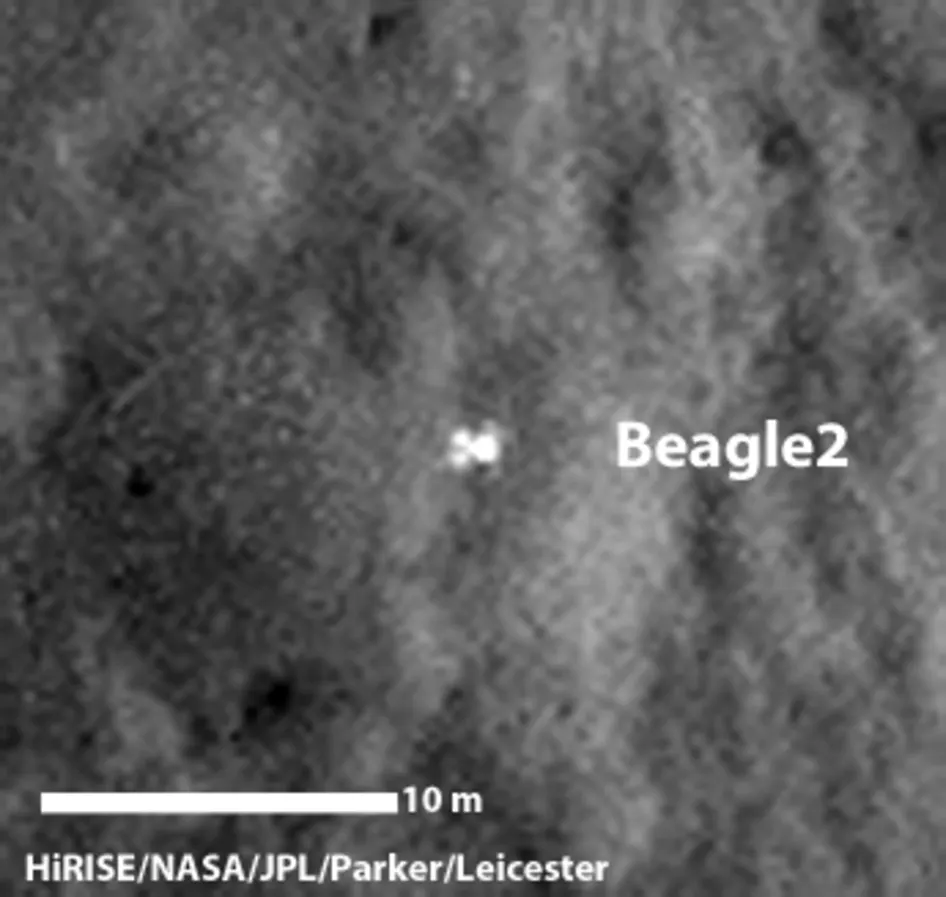
Beagle 2
From the same program
From the same program
Mars lander
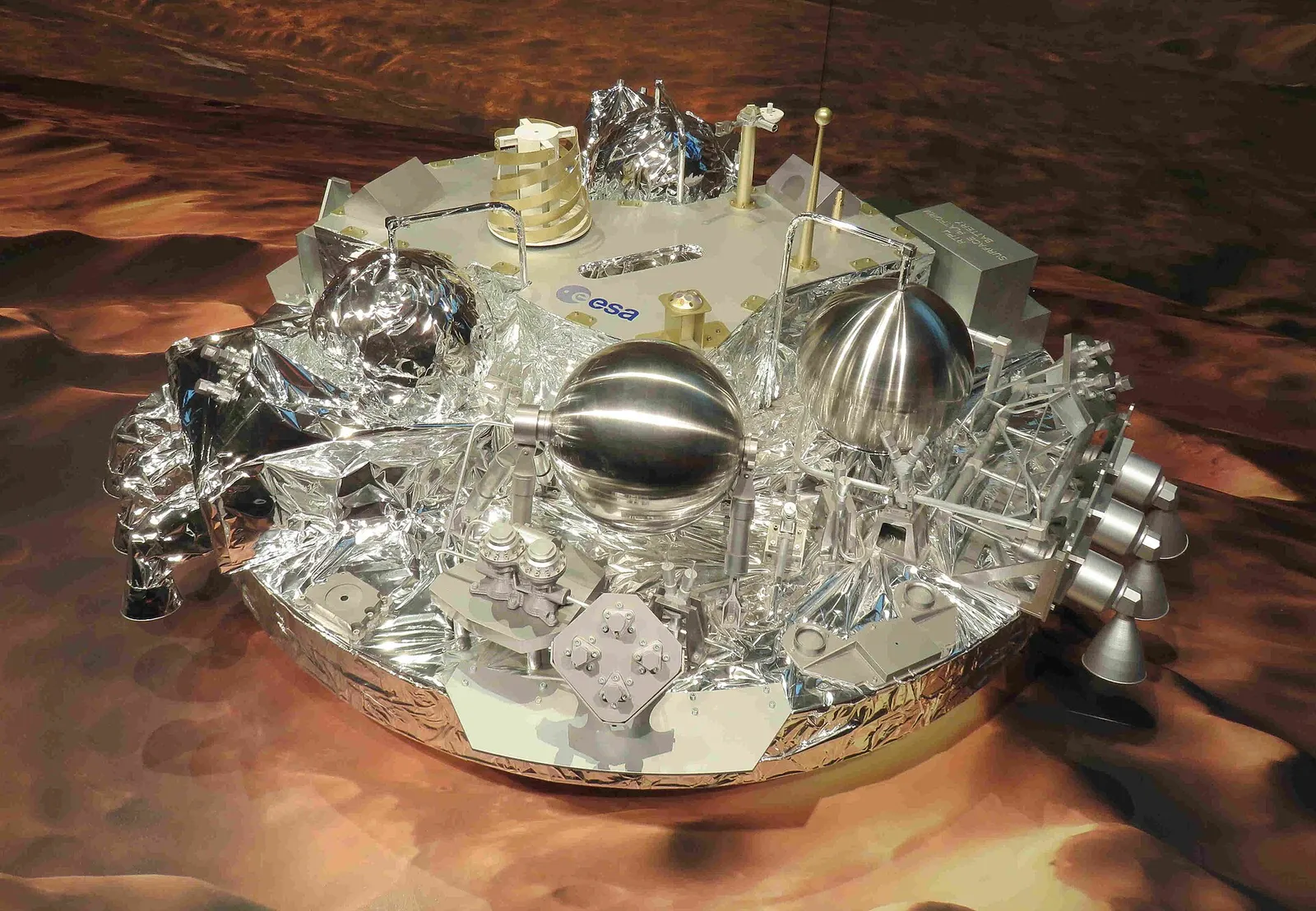
Schiaparelli EDM (Entry, Descent and Landing Demonstrator Module)
From the same program
From the same program
Mars orbiter
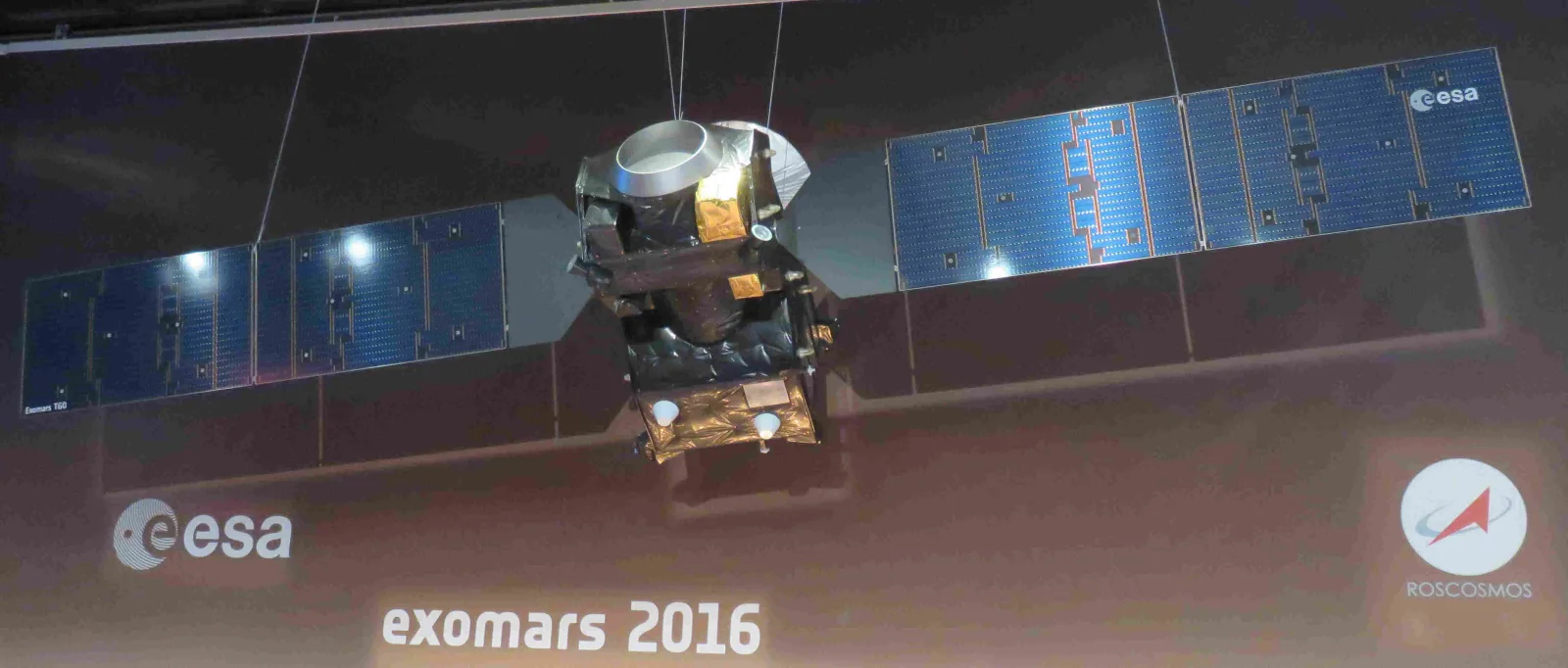
ExoMars Trace Gas Orbiter
From the same program