All Astronauts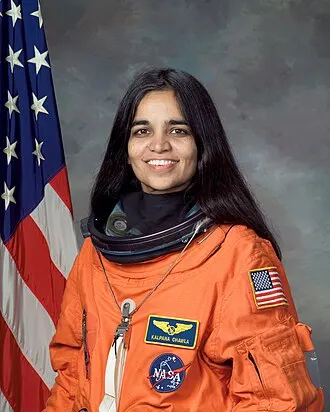 LEGENDIn MemoriamNASA
LEGENDIn MemoriamNASANASA·🇮🇳 India·Born 1962
Kalpana Chawla
When you look at the stars and the galaxy, you feel that you are not just from any particular piece of land, but from the solar system.
Days in Space
2
Missions
0
EVAs
—
EVA Time
The path from dreams to success does exist. May you have the vision to find it, the courage to get on to it, and the perseverance to follow it.
Inspirations
J. R. D. Tata
What they aspire to
She hoped to inspire young women, especially from small towns in India, to pursue careers in science and aerospace.
Biography
First woman of Indian origin in space. Lost her life in the Columbia disaster. A lasting inspiration for millions in India and worldwide.
Before NASAAerospace engineer with a PhD from the University of Colorado Boulder who worked at NASA Ames Research Center before being selected as an astronaut in 1994.
Life & career
Kalpana Chawla was born in 1962 in Karnal, in the north Indian state of Haryana, and grew up fascinated by flight at a time when few Indian girls imagined careers in aerospace. She earned a bachelor's degree in aeronautical engineering from Punjab Engineering College before emigrating to the United States, where she completed a master's degree in aerospace engineering at the University of Texas at Arlington and a doctorate at the University of Colorado Boulder. A naturalized U.S. citizen and a licensed pilot with ratings on multiple aircraft, she worked on fluid-dynamics and powered-lift research before NASA selected her as an astronaut candidate in 1994. She reported to the Johnson Space Center in 1995 and was assigned to her first spaceflight two years later.
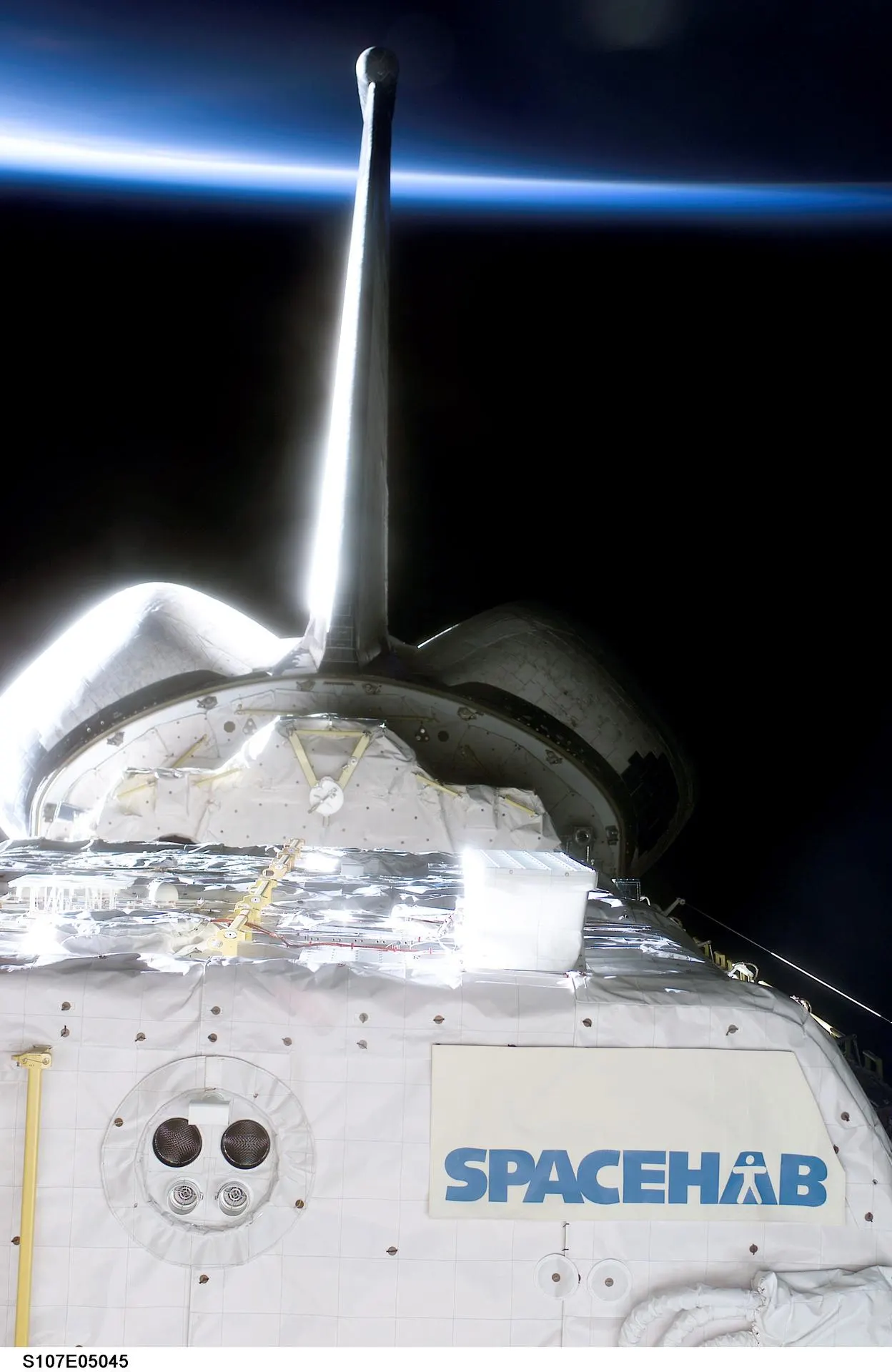
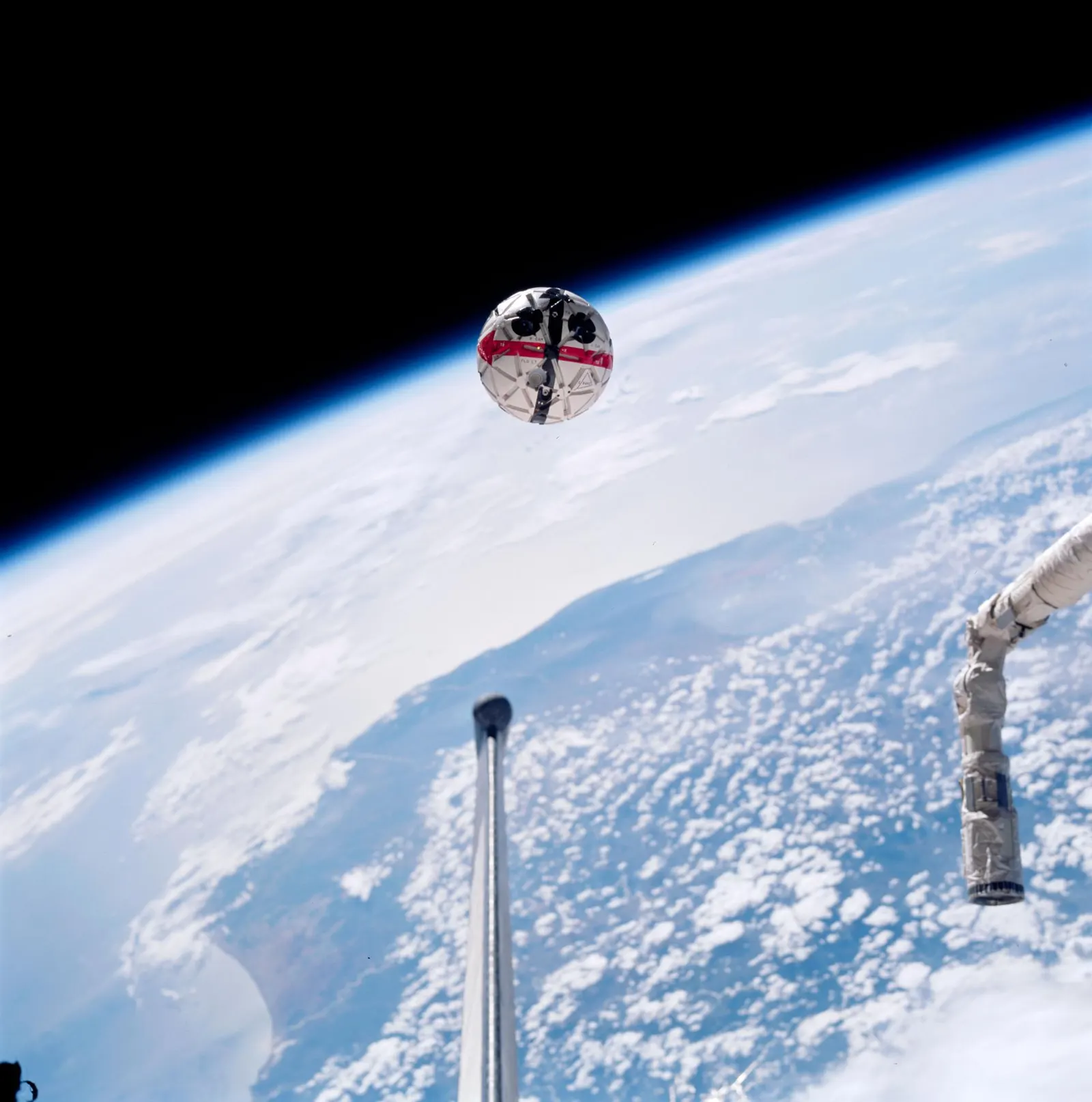
Chawla flew twice aboard the Space Shuttle Columbia, logging more than thirty days — over 730 hours — in space across the two missions. Her first flight, STS-87 in November 1997, made her the first woman of Indian origin to reach space. On that mission she served as a mission specialist and operator of the shuttle's robotic arm, and the crew studied how weightlessness affects physical processes and deployed a Spartan free-flying solar-physics satellite. Over roughly two weeks she circled the Earth more than 250 times. Her second and final flight, STS-107, launched on January 16, 2003, was a dedicated science mission during which the seven-member crew ran dozens of experiments around the clock in a Spacehab research module. After sixteen days in orbit, Columbia disintegrated during reentry on February 1, 2003, breaking apart in the skies over Texas as it returned home; all seven astronauts, including Chawla, were lost. Investigators traced the accident to damage to the wing's thermal protection caused by foam debris that struck the orbiter during launch.
Kalpana Chawla is remembered as a pioneer whose journey from a small city in Haryana to the flight deck of a space shuttle carried extraordinary symbolic weight for India and for the global Indian diaspora. She was posthumously awarded the Congressional Space Medal of Honor alongside her Columbia crewmates, and her name has since been attached to schools, scholarships, satellites, a hill on Mars, a supercomputer, and a Cygnus resupply spacecraft, among many other tributes. In India she became a lasting emblem of scientific aspiration, frequently invoked to encourage young women toward careers in engineering and space. More than two decades after her death, she remains one of the most recognized figures in the history of human spaceflight, her legacy woven into the story of both the American shuttle program and India's growing presence in space.
Records & Firsts
Notable accomplishments by Kalpana Chawla
- First woman of Indian origin in space (1997)
- Perished in the Space Shuttle Columbia disaster (Feb 1, 2003)
Mission Timeline
- Mission Specialist
Space Shuttle Columbia
STS-107
Launch: Jan 16, 2003Landing: Feb 1, 2003Duration: 16 days- Lost during reentry on February 1, 2003
Beyond the Mission
Hobbies & Interests
flying aerobatic and tail-wheel airplaneshikingbackpackingreading
Causes They Champion
STEM outreach for girlsIndian-American scientific exchange
Languages
HindiPunjabiEnglish
Awards & Honors
- Congressional Space Medal of Honor (posthumous)
- NASA Space Flight Medal
- NASA Distinguished Service Medal (posthumous)
Fun fact
She carried Deep Purple albums on STS-107 and used the song 'Space Truckin'' as a personal wake-up call.
Item flown to space
A photograph of J. R. D. Tata's first commercial mail flight, carried on STS-87 in tribute to her childhood hero.
Learn More
More Astronauts
Other space travelers from NASA