Image: NASA
STS-107
Mission Profile
| Launch date | 2003-01-16 |
|---|---|
| Launch site | Launch Complex 39A, Kennedy Space Center, Florida |
| Launch vehicle | Space Shuttle |
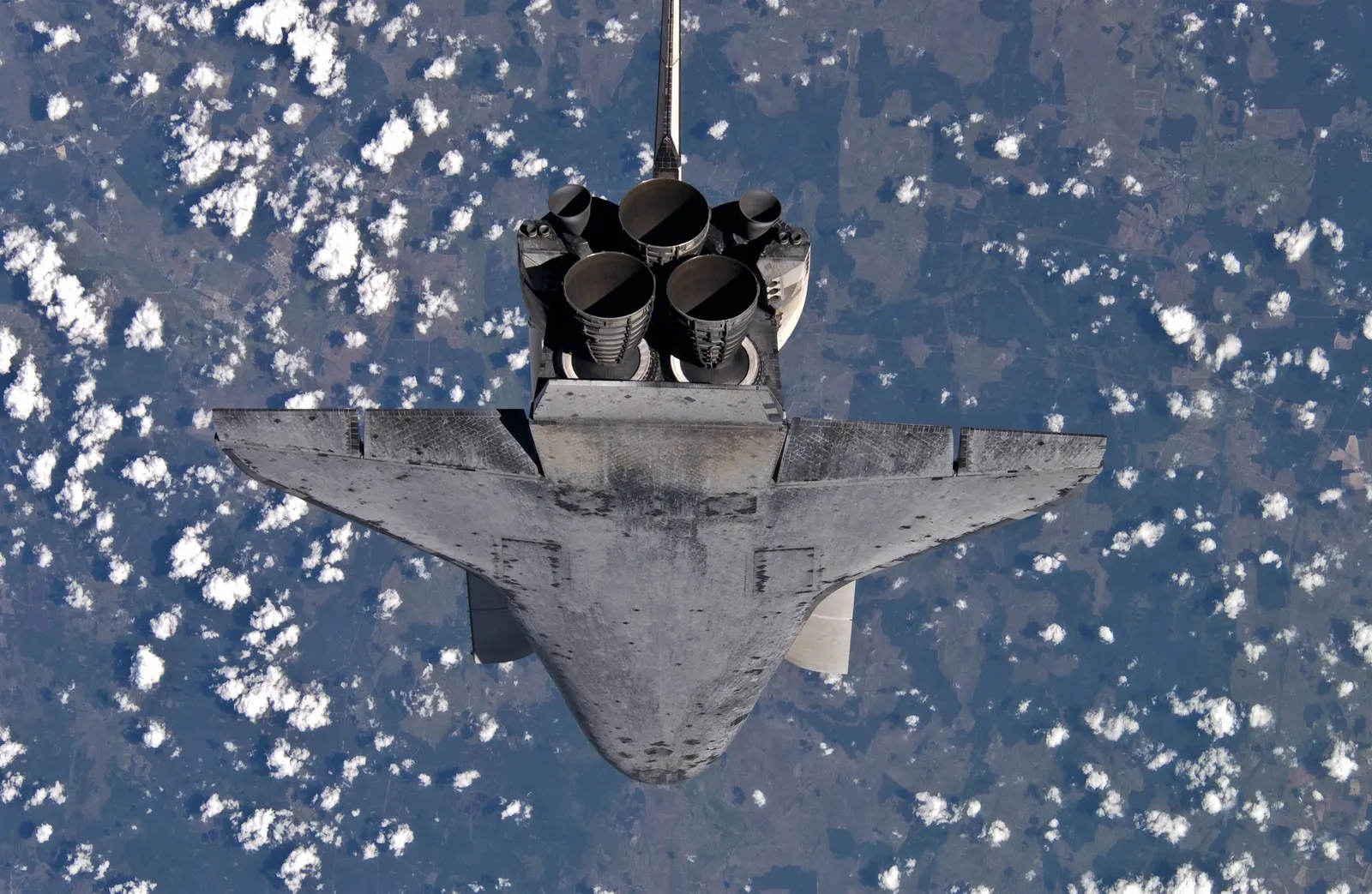
| Spacecraft | Space Shuttle Columbia (OV-102) |
| Target | Low Earth Orbit |
| Type | Crewed |
| End date | 2003-02-01 |
| Duration | 15 days, 22 hours, 20 minutes |
| Partners | Israel Space Agency |
Overview
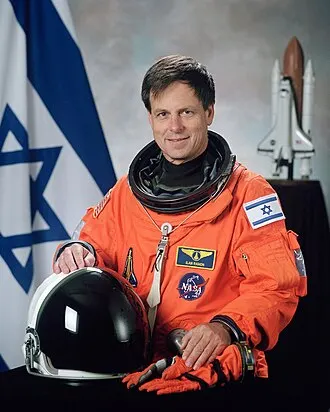
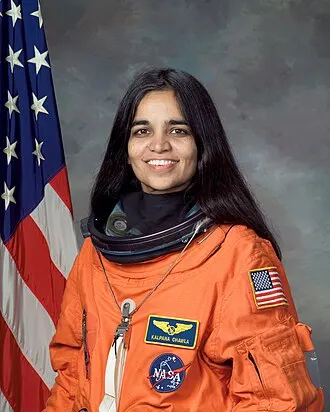
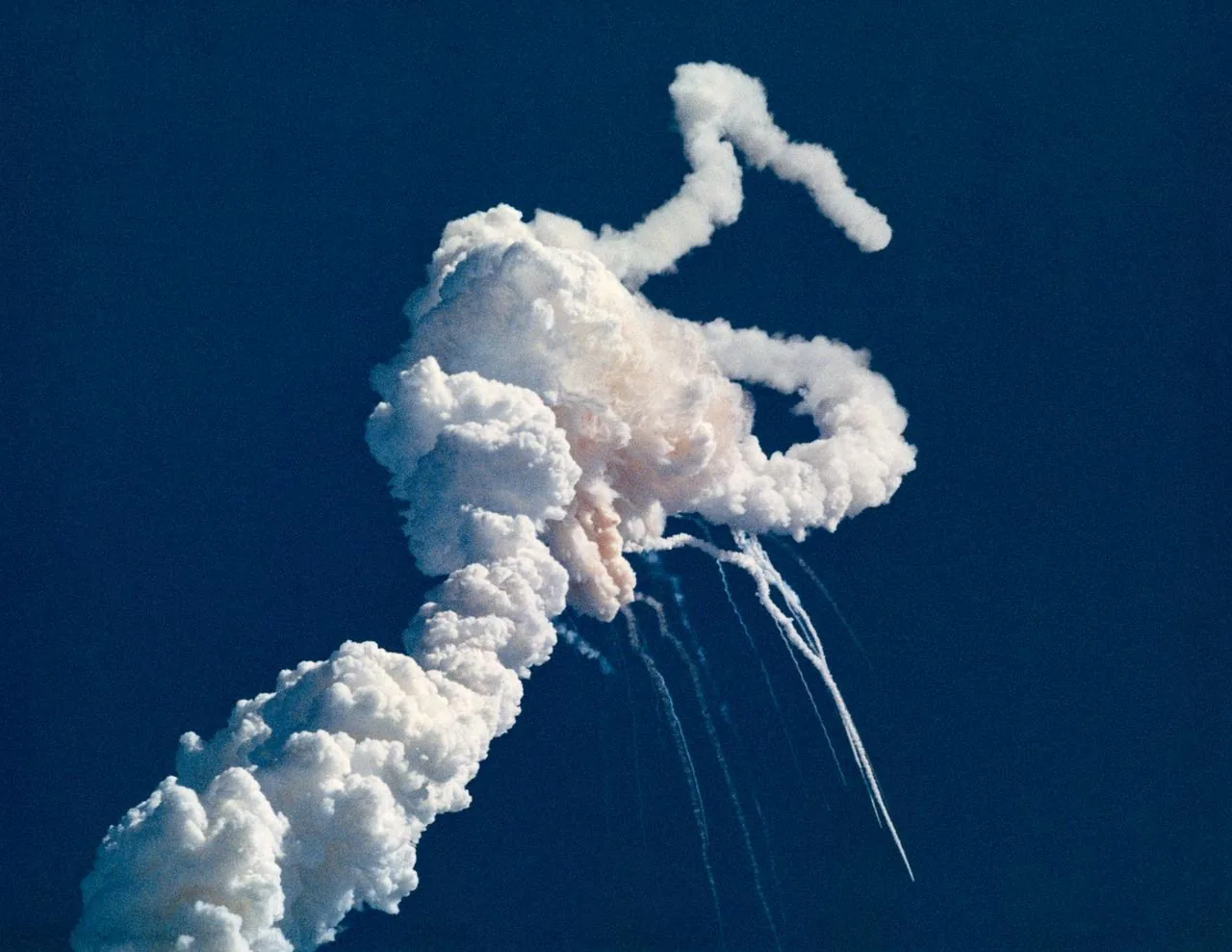
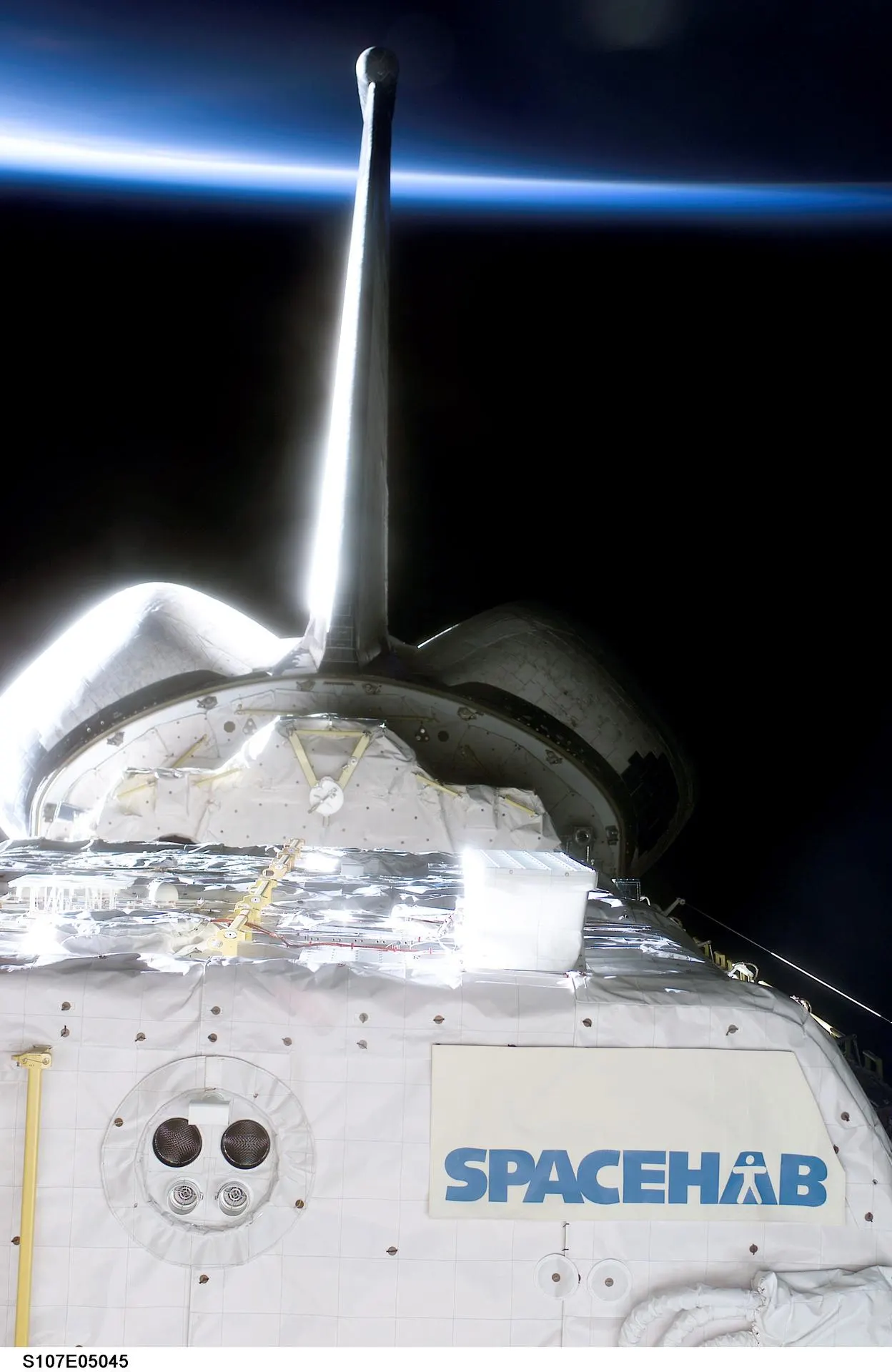
STS-107 was a dedicated microgravity research flight — Columbia's 28th mission and the 113th of the Space Shuttle program. Freed from station-assembly duties, the seven astronauts worked around the clock in two shifts inside the SPACEHAB Research Double Module, running more than 80 experiments in combustion physics, protein crystal growth, biology and Earth observation. The crew included Kalpana Chawla, the first Indian-born woman in space, on her second flight, and payload specialist Ilan Ramon, the first Israeli astronaut. Unknown to them, a briefcase-sized piece of insulating foam had broken from the external tank's bipod ramp 81.7 seconds after the 16 January 2003 launch and struck the leading edge of Columbia's left wing, breaching its reinforced carbon-carbon panels. During reentry on 1 February 2003, superheated plasma penetrated the damaged wing, and Columbia broke apart over east Texas at about 9:00 a.m. EST, sixteen minutes before its scheduled Florida touchdown. Commander Rick Husband, pilot William McCool, payload commander Michael Anderson, mission specialists Chawla, David Brown and Laurel Clark, and Ramon were lost. A four-month search recovered roughly 85,000 pieces of debris — about 38 percent of the orbiter — and the Columbia Accident Investigation Board's August 2003 report fundamentally reshaped NASA's safety culture and set the shuttle fleet on the path to retirement.
Crew
Rick D. Husband
Commander
Second spaceflight; perished with his crew during reentry on 1 February 2003
William C. McCool
Pilot
First spaceflight
Michael P. Anderson
Payload Commander
Oversaw the mission's science program
Kalpana Chawla
Mission Specialist / Flight Engineer
First Indian-born woman in space; second spaceflight after STS-87
David M. Brown
Mission Specialist
First spaceflight
Laurel B. Clark
Mission Specialist
First spaceflight
Ilan Ramon
Payload Specialist (Israel Space Agency)
First Israeli astronaut
Key Milestones
2003-01-16
Columbia launches from pad 39A at 10:39 a.m. EST; 81.7 seconds into ascent, foam from the external tank strikes the left wing
2003-01-17
Dual-shift, round-the-clock science operations begin in the SPACEHAB Research Double Module
2003-01-31
Crew completes more than 80 experiments over 16 days of orbital research
2003-02-01
Columbia breaks apart during reentry over east Texas at about 9:00 a.m. EST; all seven crew members are lost
2003-08-26
Columbia Accident Investigation Board releases its final report, mandating sweeping safety reforms
Key Achievements
Conducted more than 80 microgravity experiments in combustion, biology, protein crystal growth and Earth science over 16 days of dual-shift research
Carried Ilan Ramon, the first Israeli astronaut, under a NASA–Israel Space Agency partnership
Marked the second spaceflight of Kalpana Chawla, the first Indian-born woman in space
The subsequent CAIB investigation produced mandatory on-orbit heat-shield inspection and repair capabilities that protected every later shuttle crew
Legacy & Significance
The loss of Columbia and her crew on 1 February 2003 stands with Challenger as one of spaceflight's defining tragedies, and its consequences reached every corner of NASA. The Columbia Accident Investigation Board indicted not just the foam strike but the organizational culture that had normalized it, and its recommendations — independent technical authority, on-orbit thermal-protection inspection via the Rendezvous Pitch Maneuver, and standby rescue capability — governed all 22 remaining shuttle flights. The accident triggered the 2004 decision to retire the shuttle and redirect NASA toward exploration, a lineage that runs through Constellation to today's Artemis program. The crew is memorialized from Arlington to the hills of Mars, where the Columbia Hills overlooking Spirit rover's landing site bear their names.