All Astronauts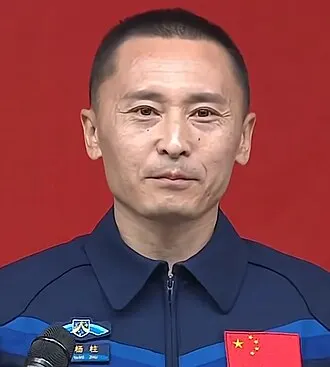 VETERANActiveCNSA
VETERANActiveCNSACNSA·🇨🇳 China·Born 1986
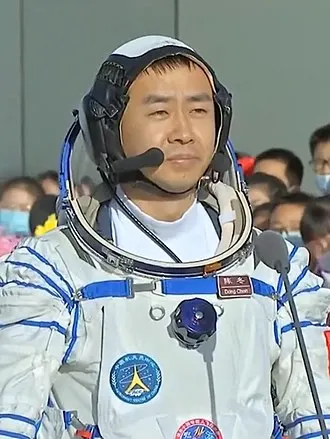
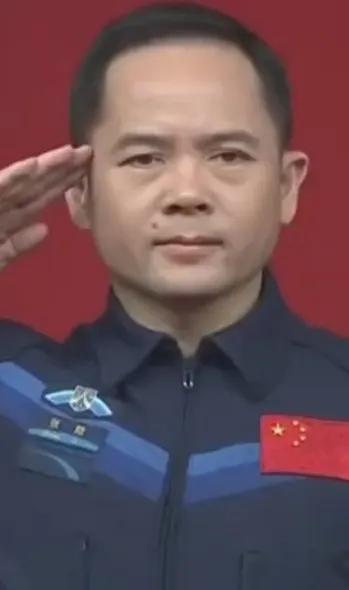
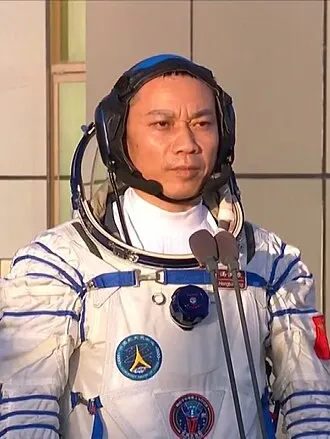
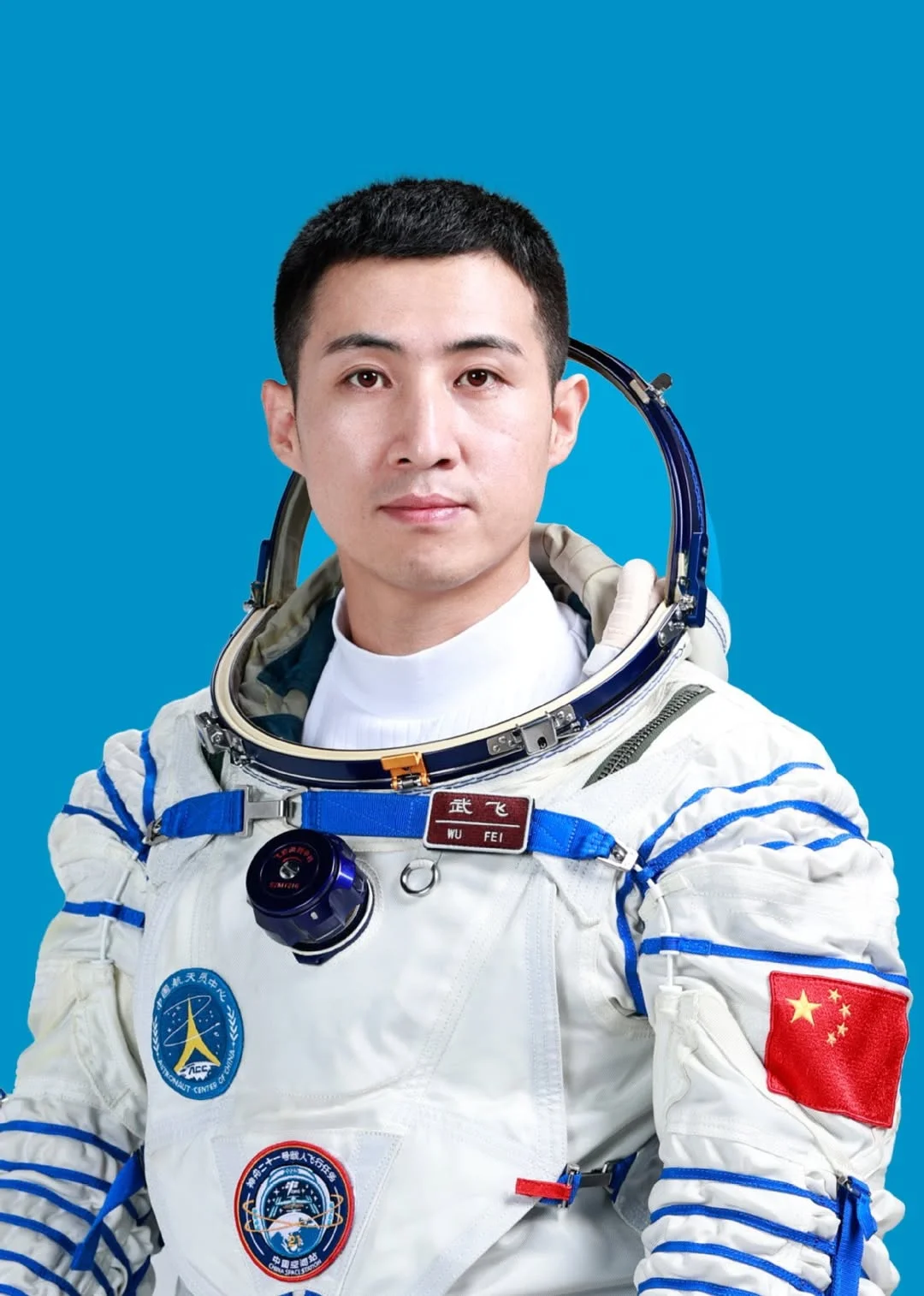
Zhu Yangzhu
China's first spaceflight engineer in orbit, flying on Shenzhou 16.
Days in Space
2
Missions
1
EVAs
8h
EVA Time
Biography
China's first spaceflight engineer in orbit, flying on Shenzhou 16. Returned as commander of Shenzhou 23 — the first Chinese flight engineer to command a mission.
Before NASAAssociate professor at the PLA Strategic Support Force Space Engineering University, conducting postdoctoral research in aerodynamics and fluid dynamics before selection to China's third taikonaut group in 2020.
Life & career
Zhu Yangzhu was born in September 1986 in Peixian, in Jiangsu province, and his path to space is a study in persistence. He twice pursued and twice missed a career as an Air Force pilot — first failing the entrance examination as a high-school student, then falling short again years later when the Air Force recruited from college graduates — setbacks that closed the most traditional door to Chinese spaceflight. Rather than abandon the ambition, he redirected it into engineering and academia, earning a doctorate and building a career in aerospace science within the People's Liberation Army, where he rose to become an associate professor conducting research in aerodynamics and fluid dynamics and attained the rank of senior colonel. When China selected its third astronaut group in 2020 and, for the first time, recruited flight engineers rather than only pilots, Zhu's technical depth finally opened the path that the pilot exam had once closed, and he was chosen as a spaceflight-engineer candidate.
His first mission made history in a quiet but consequential way. Zhu launched aboard Shenzhou 16 on 30 May 2023, becoming China's first spaceflight engineer to reach orbit, and served as flight engineer during a stay of roughly 154 days that ended with landing on 31 October 2023. During the mission he became the first Chinese spaceflight engineer to perform a spacewalk, carrying out an extended EVA of nearly eight hours in cooperation with his crewmates and logging hours of work outside the Tiangong station — proof that the new engineer-astronauts could handle the corps' most demanding tasks, not just internal science and systems work. For his service he was honored with the title of "Heroic Astronaut." Less than three years later he returned to orbit in the program's top seat: on 24 May 2026 he launched as commander of Shenzhou 23, becoming the first Chinese flight engineer ever to command a crewed mission, leading a crew that included a Hong Kong payload specialist and a stay planned around long-duration station operations.
Across two flights Zhu Yangzhu has accumulated thousands of hours in space and a spacewalk to his name, but his real legacy is what he opened up for others. By reaching orbit, walking in space, and then commanding a mission — all as an engineer rather than a pilot — he rewrote the assumption that the commander's chair belonged only to fighter aviators, and he validated the entire third-generation selection model that brought scientists and engineers into the corps. His story, from a young man twice turned away by the pilot pipeline to a colonel-engineer commanding a national space station, has made him a resonant figure in Chinese public life. He remains an active taikonaut, currently serving as a mission commander, and stands as living evidence of how much broader the definition of a Chinese space traveler has become.
Mission Timeline
- Flight Engineer
Shenzhou spacecraft
Shenzhou 16
Launch: May 30, 2023Landing: Oct 31, 2023Duration: 154 days- China's first spaceflight engineer in orbit
- Commander
Shenzhou spacecraft
Shenzhou 23
Launch: May 24, 2026Landing: OngoingDuration: 180 days- First Chinese flight engineer to command a space mission
Beyond the Mission
Languages
Chinese (Mandarin)
Fun fact
Despite failing the Air Force pilot entrance exam twice as a teenager, Zhu persisted and became a PLA senior colonel-engineer who completed a 7-hour 55-minute spacewalk on his first mission — and returned to Tiangong as commander on Shenzhou 23.
More Astronauts
Other space travelers from CNSA