All Astronauts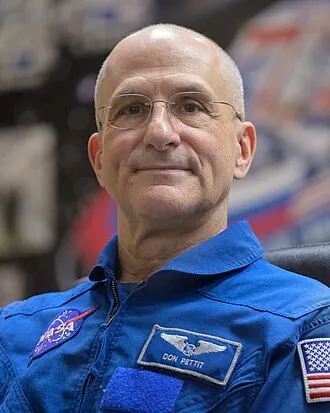 LEGENDActiveNASA
LEGENDActiveNASANASA·🇺🇸 United States·Born 1955
Don Pettit
Science off the sphere — doing experiments in space is like Christmas morning every day.
Years in Space
4
Missions
2
EVAs
13h
EVA Time
Space is a frontier and frontiers shape the people that live on them.
I would do this even if I had to pay for it.
What they aspire to
He hopes his orbital photography and physics demonstrations make the wonder of spaceflight tangible to people who will never leave Earth.
Biography
Chemical engineer and one of NASA's most prolific science astronauts, known for inventing zero-gravity tools and viral physics demonstrations. Returned from his fourth mission in April 2025.
Before NASAChemical engineer at Los Alamos National Laboratory researching reduced-gravity fluid physics and atmospheric science before joining NASA in 1996.
Life & career
Donald Roy Pettit was born in 1955 in Silverton, Oregon, and became one of NASA's most distinctive astronauts by way of the laboratory rather than the cockpit. He earned a bachelor's degree in chemical engineering from Oregon State University and a doctorate in the same field from the University of Arizona, then spent more than a decade as a scientist at Los Alamos National Laboratory studying reduced-gravity fluid physics, materials processing, and atmospheric science. NASA selected him as an astronaut in 1996. Where many of his peers arrived as test pilots, Pettit came as a working experimentalist, and that instinct — to poke at the physics of everything around him — would define his time in orbit as much as any assigned task.
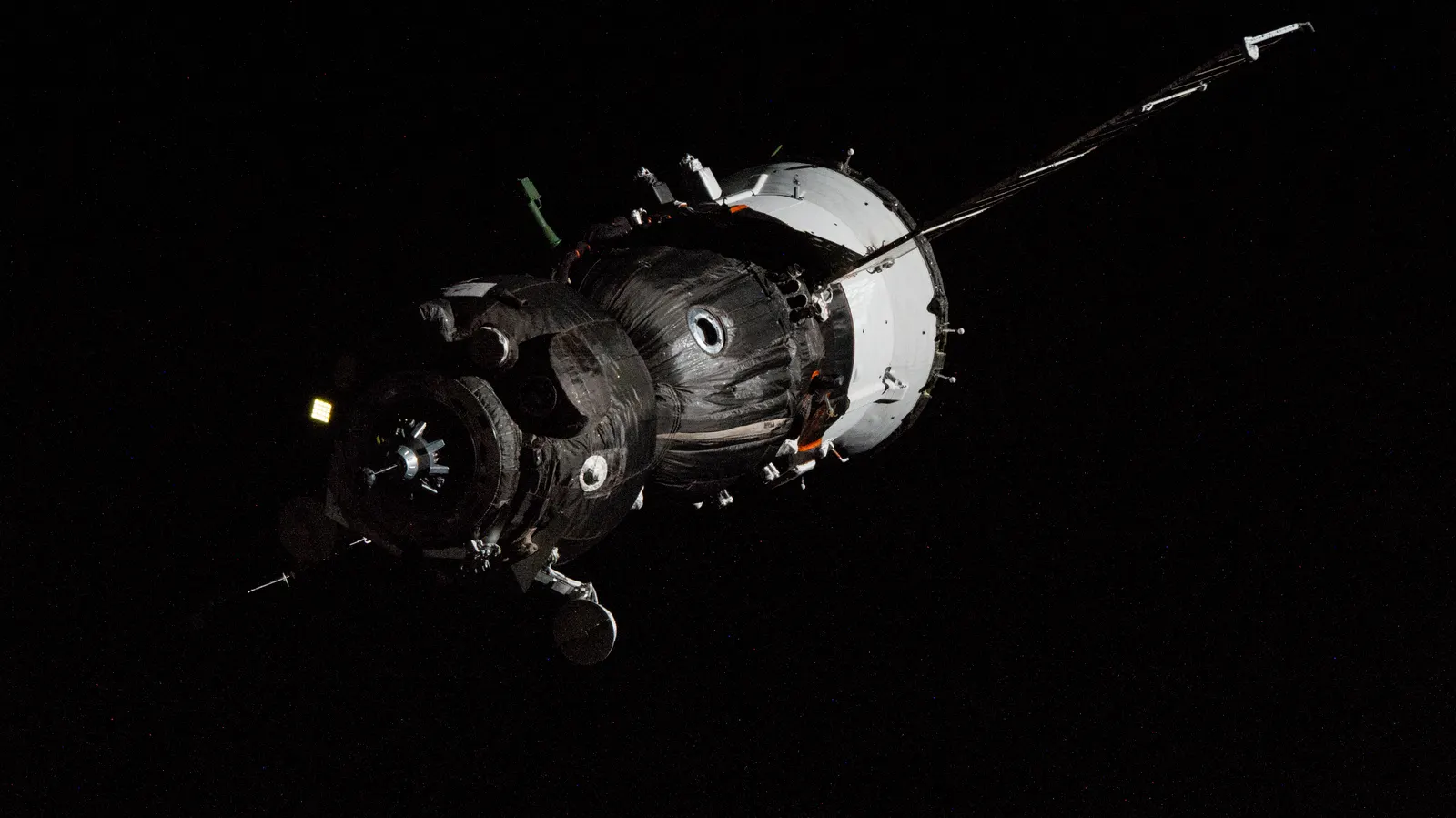
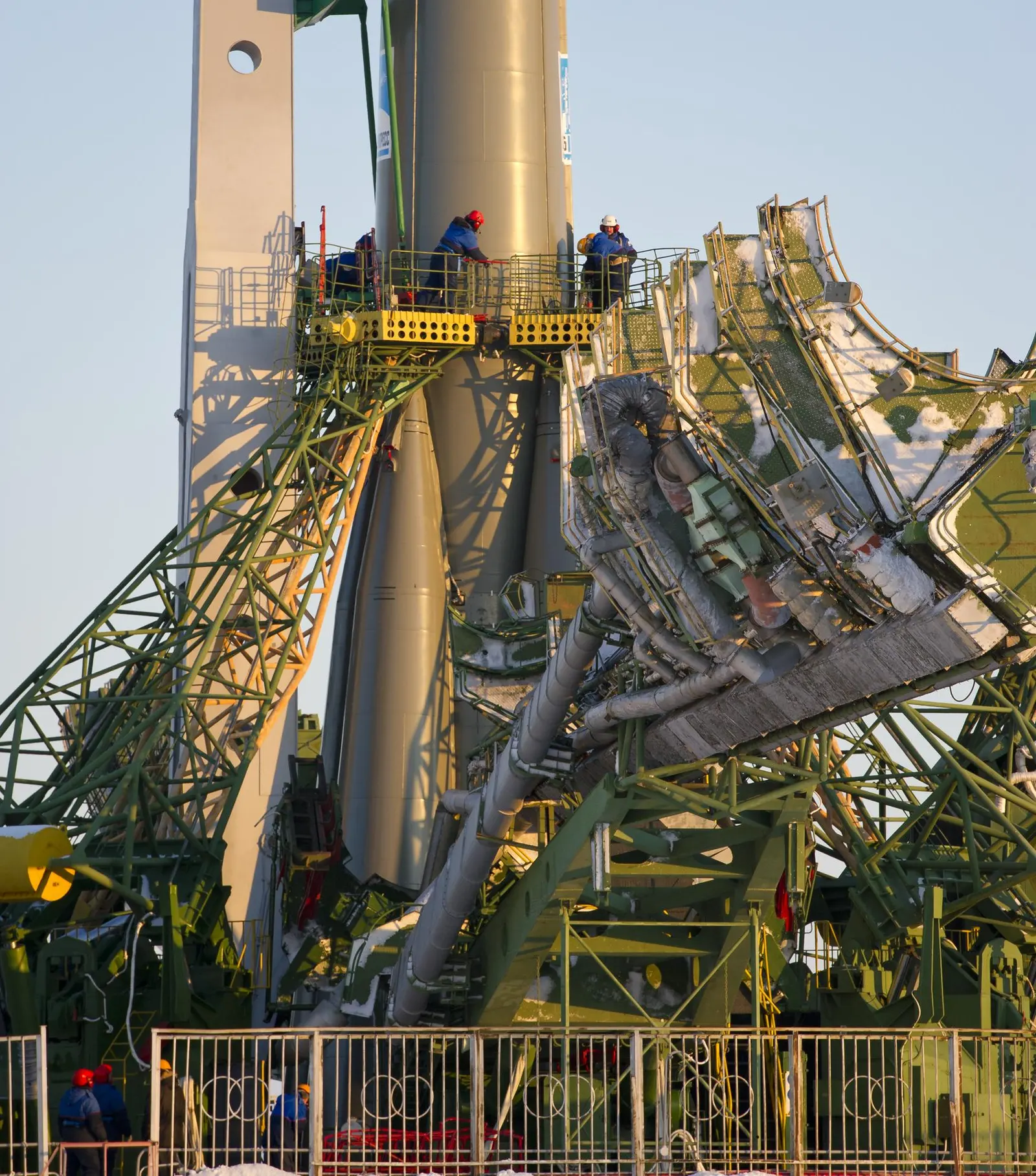
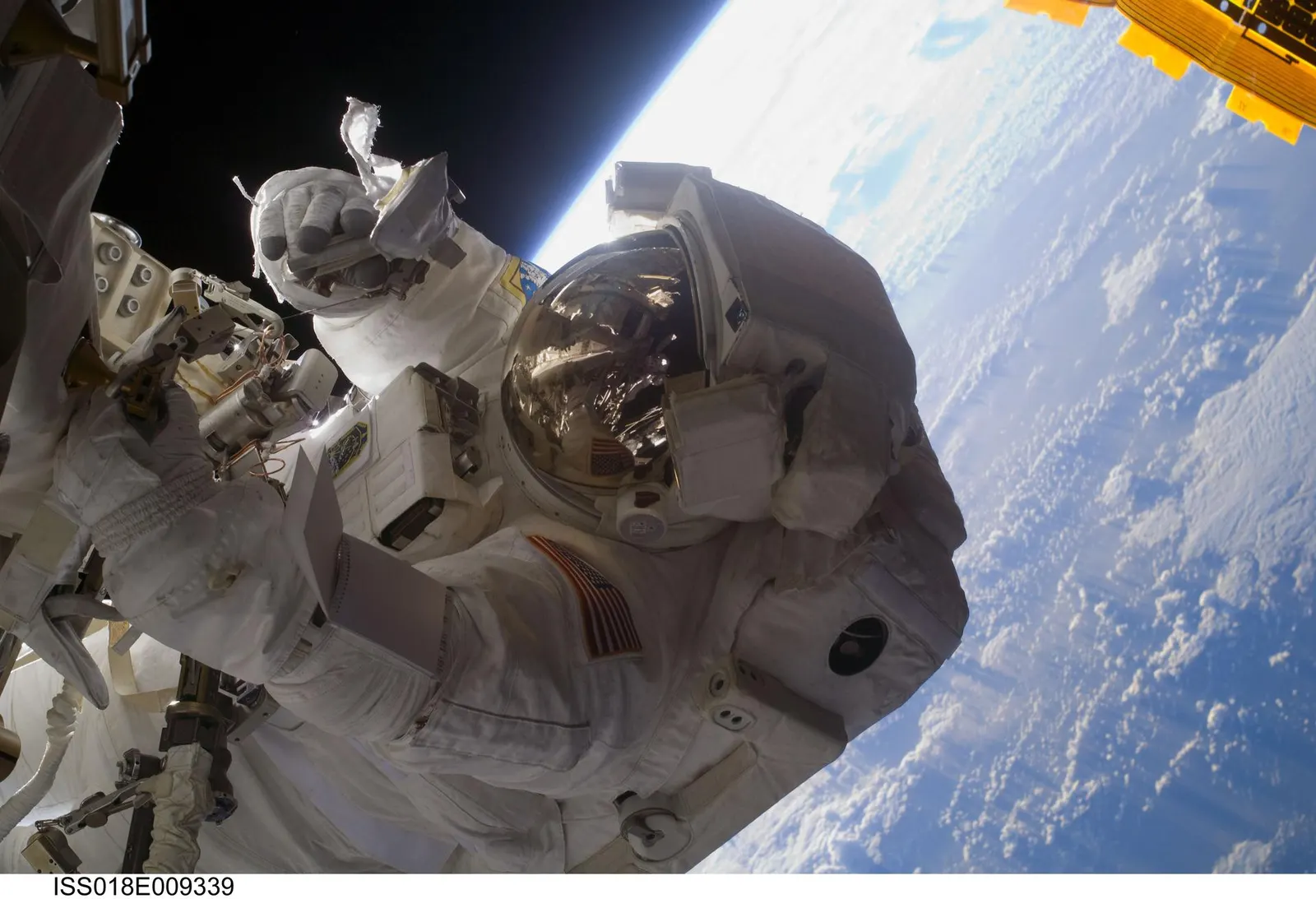
Pettit has flown four times over more than two decades. His first mission was the long-duration Expedition 6 in 2002-2003, which launched aboard Space Shuttle Endeavour on STS-113; during that stay he performed two spacewalks, stepping in on short notice for a crewmate who had been medically stood down. In 2008 he flew the shuttle mission STS-126, operating the robotic arm on a station-outfitting flight. He returned for the long-duration Expedition 30/31 in 2011-2012, where he famously used the station's arm to capture the first commercial cargo craft to reach the ISS, a SpaceX Dragon, in May 2012. His fourth flight, Expedition 71/72, launched on Soyuz MS-26 in September 2024 and lasted about 220 days; he landed on the Kazakh steppe on 19 April 2025 and celebrated his 70th birthday the next day, bringing his career total to roughly 590 days in space across four missions.
Pettit's legacy is unusual for its blend of rigor and delight. He is NASA's oldest active astronaut, and by returning from a seven-month expedition around his 70th birthday he set a new bar for endurance late in a career. He turned the station into a physics classroom for the public through his "Science off the Sphere" demonstrations and became a celebrated orbital photographer, capturing long-exposure star trails and city lights that reached millions. He also became the first person to hold a patent for an invention made in space — the wedge-shaped "zero-gravity coffee cup" that uses capillary action to let astronauts sip rather than slurp their drinks. Honored with NASA's Space Flight, Exceptional Service, and Distinguished Service medals, Pettit remains active in the astronaut corps, still, by his own account, someone who would do the job even if he had to pay for the privilege.
Records & Firsts
Notable accomplishments by Don Pettit
- Oldest active NASA astronaut to fly long-duration ISS missions (age 69-70 on Expedition 71/72)
- Inventor of the 'zero-g coffee cup'
Mission Timeline
- Flight Engineer
Soyuz MS-26
Expedition 71/72
Launch: Sep 11, 2024Landing: Apr 19, 2025Duration: 220 days- Returned home on his 70th birthday
Beyond the Mission
Hobbies & Interests
astrophotographytinkering and inventingamateur science demonstrationswoodworking
Causes They Champion
Public science communicationSTEM outreach through orbital photography and demos
Languages
EnglishRussian
Awards & Honors
- NASA Space Flight Medal
- NASA Exceptional Service Medal
- NASA Distinguished Service Medal
Fun fact
He invented the zero-gravity coffee cup — a wedge-shaped vessel that uses capillary action so astronauts can sip espresso instead of slurping it from a bag — and became NASA's first patent holder for an invention made in space.
Learn More
More Astronauts
Other space travelers from NASA
Continue your journey
One of their missions
Mission
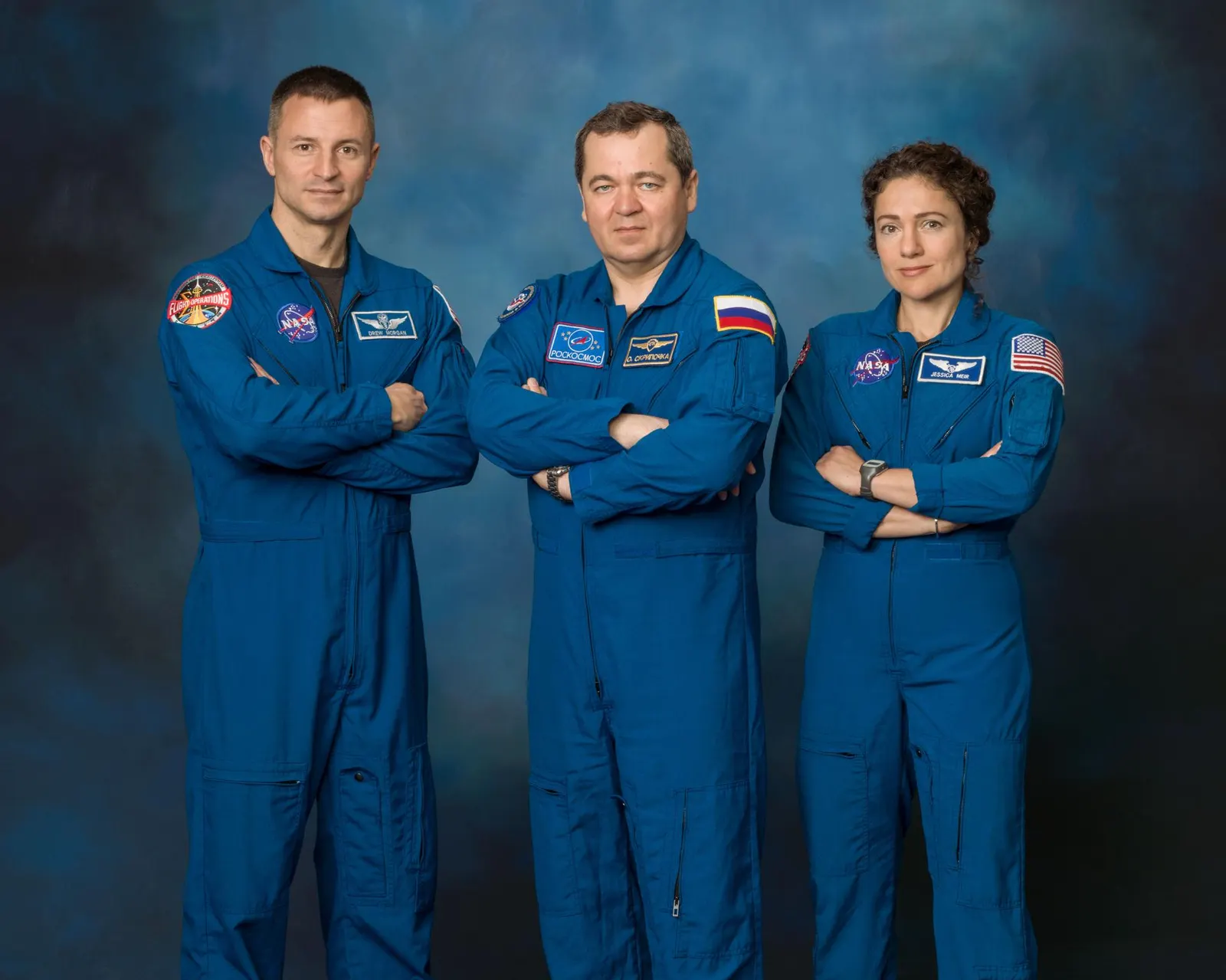
ISS Expedition 30/31
One of their missions
One of their missions
Mission
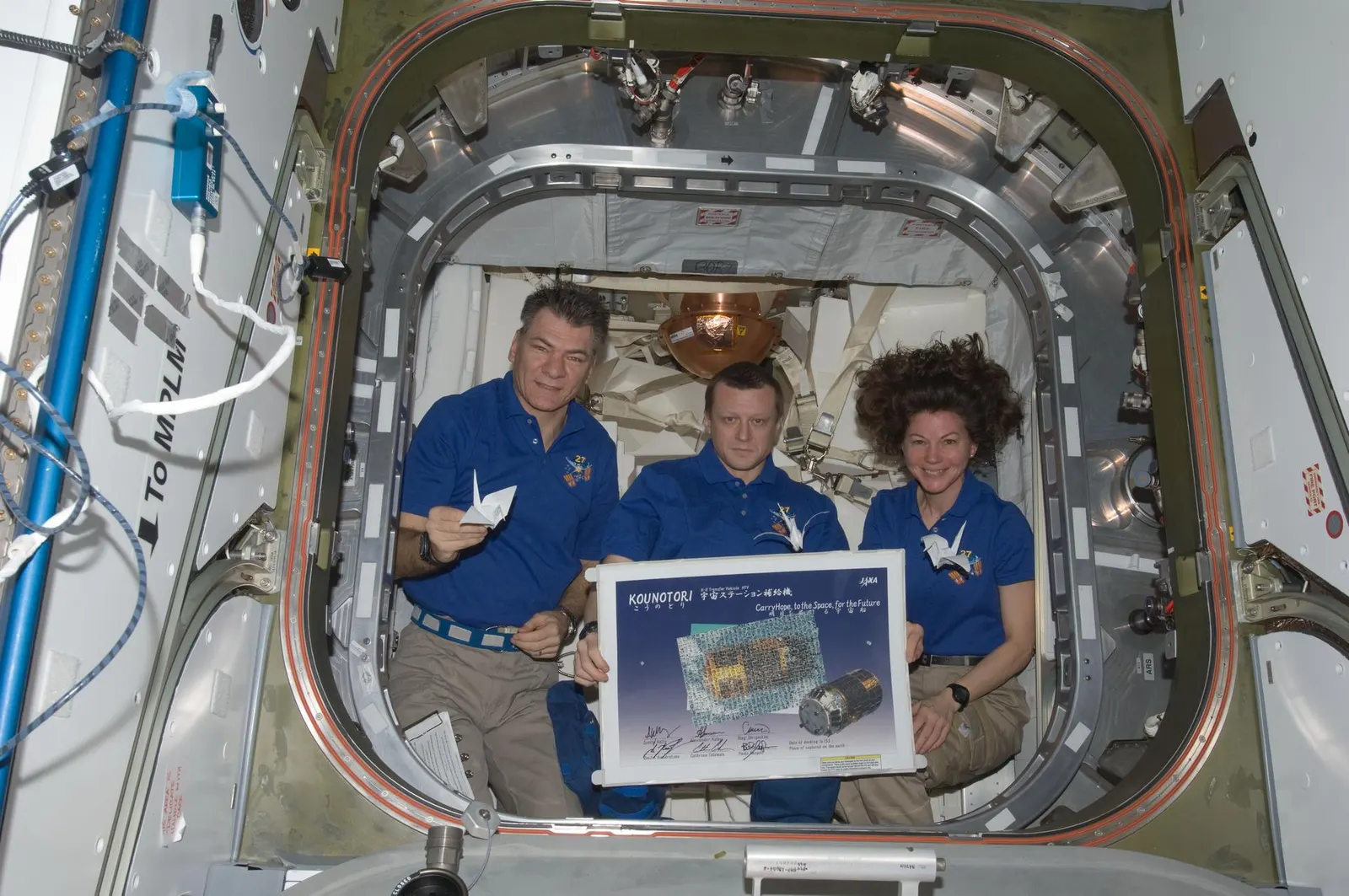
ISS Expedition 6
One of their missions
One of their missions
Mission
ISS Expedition 71/72
One of their missions
One of their missions
Mission
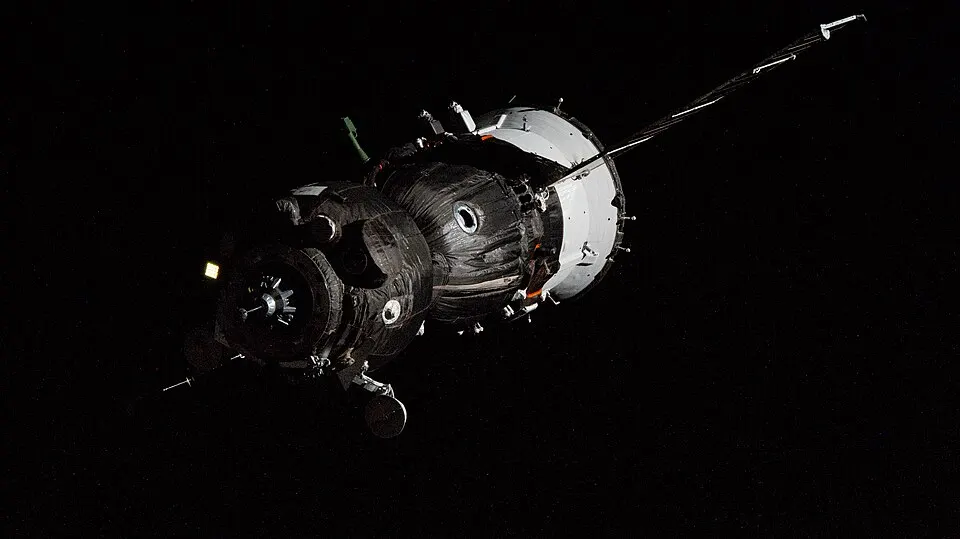
Soyuz MS-26
One of their missions
One of their missions
Mission
Soyuz TMA-03M
One of their missions
One of their missions
Mission
STS-126
One of their missions