All Astronauts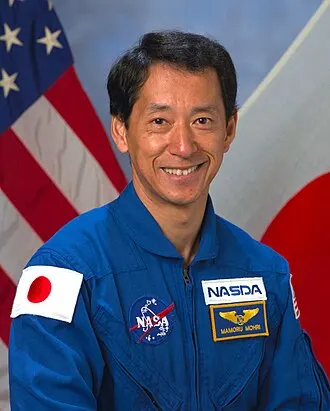 VETERANRetiredJAXA
VETERANRetiredJAXAJAXA·🇯🇵 Japan·Born 1948
Mamoru Mohri
We have 7.2 billion people in the world and need to make some big changes to ensure our beautiful blue planet remains beautiful.
Hours in Space
2
Missions
0
EVAs
—
EVA Time
Inspirations
What they aspire to
He hopes science communication will help citizens make informed decisions about Earth's future.
Biography
First Japanese astronaut from an official Japanese space program. Nuclear physicist who later became director of Miraikan, Japan's science museum.
Before NASAMaterials chemist who earned a PhD from Flinders University and taught nuclear engineering at Hokkaido University, conducting microgravity alloy-solidification research.
Life & career
Mamoru Mohri was born on 29 January 1948 in Yoichi, a coastal town in Hokkaido, and reached orbit as a laboratory scientist rather than a pilot. He took bachelor's and master's degrees in chemistry from Hokkaido University in 1970 and 1972, then a PhD in chemistry from Flinders University in Adelaide, South Australia, in 1976, ties to Australia that would later be formally recognized. Back home he joined the nuclear-engineering faculty at Hokkaido University from 1975 to 1985, working on nuclear-fusion-related projects and building expertise in materials and vacuum science, including microgravity alloy-solidification research. In 1985 the National Space Development Agency of Japan selected him as a payload-specialist candidate, and he became the first Japanese astronaut chosen through an official Japanese space program, distinct from the privately funded journalist who would narrowly precede him into space.
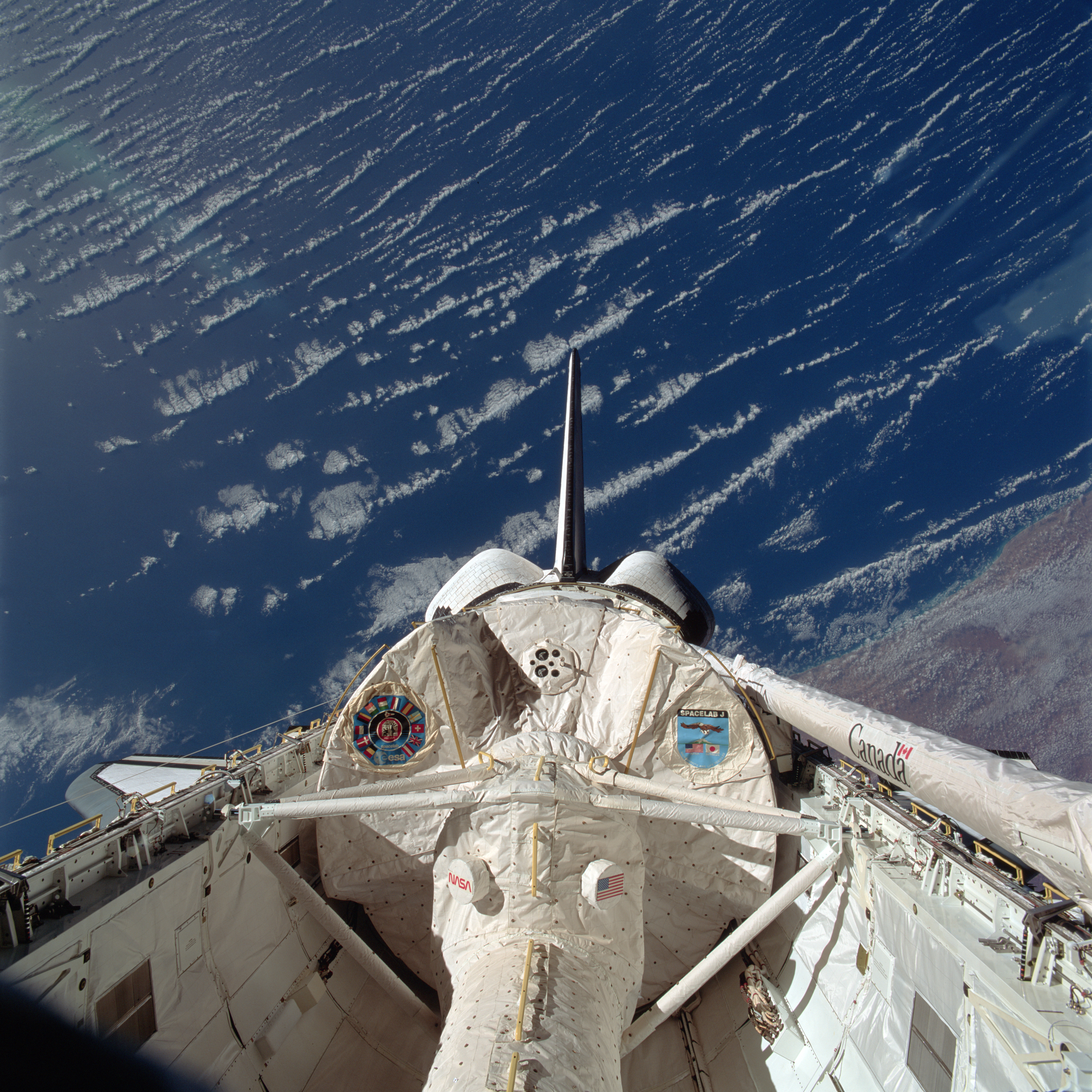
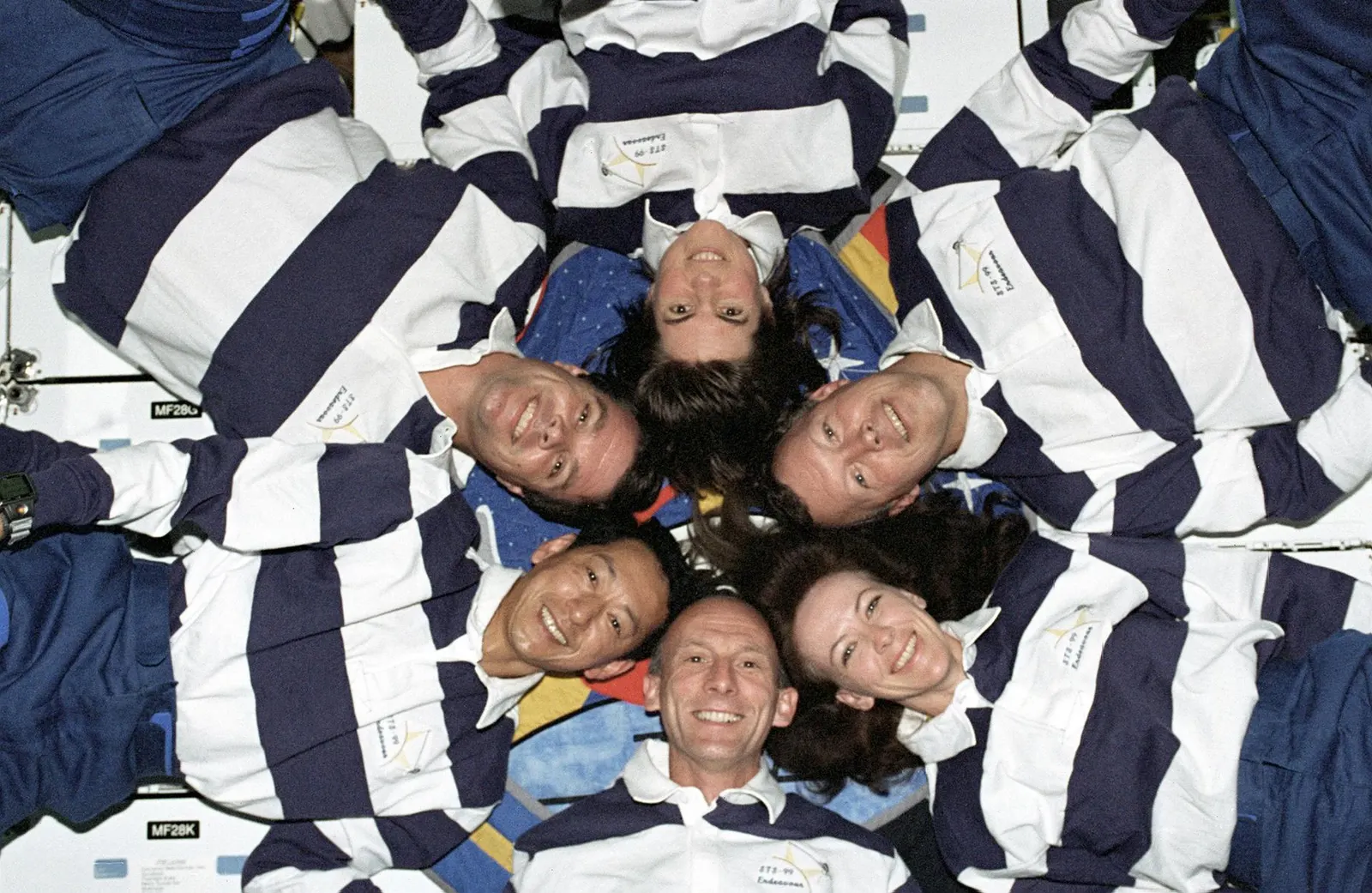
Mohri flew two Space Shuttle missions, both aboard Endeavour, spanning the arc of 1990s orbital science. His first, STS-47 in September 1992, carried Spacelab-J, a cooperative Japanese-American laboratory flight on which he served as chief payload specialist, running dozens of materials-science and life-science experiments in microgravity. During that mission he conducted the first live broadcast science classes from orbit for Japanese schoolchildren, demonstrating the strange behavior of weightlessness to a national audience and setting the template for his later career in science communication. Nearly eight years later he returned on STS-99 in February 2000, the Shuttle Radar Topography Mission, an eleven-day flight that used a deployable radar mast to map the elevation of most of Earth's landmass in unprecedented three-dimensional detail. Across the two flights he accumulated roughly 460 hours in space and performed no spacewalks, his work being that of an experimenter and observer inside the orbiter.
After his flying career Mohri became the founding director, and later chief executive director emeritus, of Miraikan, Tokyo's National Museum of Emerging Science and Innovation, turning his fame into a durable institution for public science literacy. Reflecting his conviction that an informed citizenry is essential, he framed his mission in planetary terms, warning that a world of billions must change course to keep its blue planet beautiful. His contributions to Australia-Japan educational and scientific ties earned him appointment as an Honorary Member of the Order of Australia in 2006, alongside Japan's Medal with Purple Ribbon and the NASA Space Flight Medal. Now retired from spaceflight, Mohri, an amateur model-aircraft builder and skier who cites Yuri Gagarin as an inspiration, is remembered as the scientist who opened Japan's own astronaut lineage and who spent his later decades teaching the public what he had learned in orbit.
Notable Missions
STS-47 (Spacelab-J)STS-99 (SRTM)
Beyond the Mission
Hobbies & Interests
model aircraftskiingreading
Causes They Champion
Public science educationMiraikan museum
Languages
JapaneseEnglish
Awards & Honors
- Honorary Member of the Order of Australia (AM)
- Medal with Purple Ribbon (Japan)
- NASA Space Flight Medal
Fun fact
On STS-47 in 1992 he conducted the first live broadcast science classes from space for Japanese schoolchildren and later founded Tokyo's Miraikan science museum.
More Astronauts
Other space travelers from JAXA