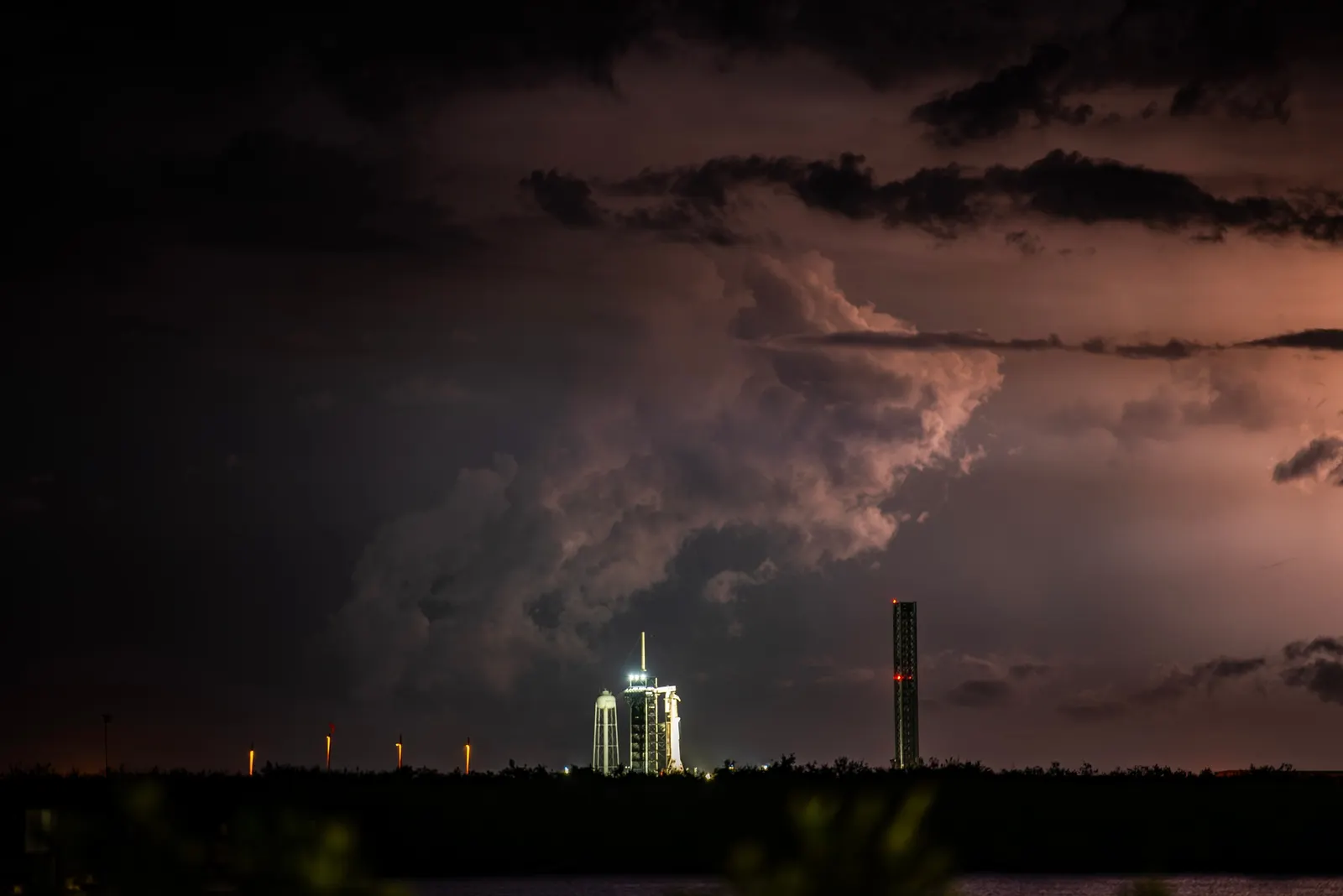
Image: U.S. Space Force photo by Robert Mason (public domain)
Fram2
Mission Profile
| Launch date | 2025-04-01 |
|---|---|
| Launch site | Kennedy Space Center, Launch Complex 39A |
| Launch vehicle | Falcon 9 Block 5 |
| Spacecraft | Crew Dragon Resilience (C207) |
| Target | Low Earth Orbit |
| Type | Crewed |
| End date | 2025-04-04 |
| Duration | 3 days 14 hours 32 minutes |
| Partners | SpaceX |
Overview
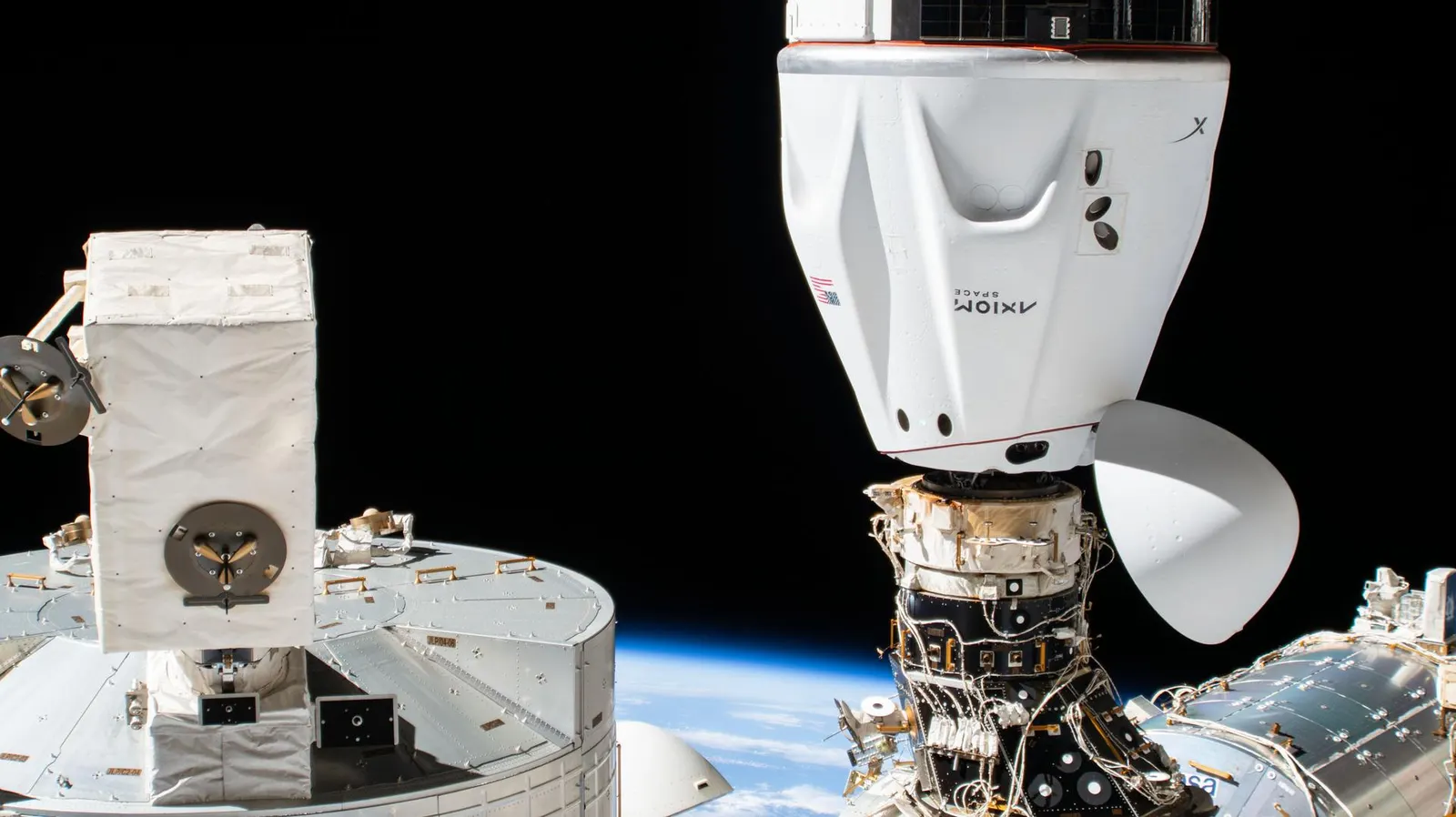
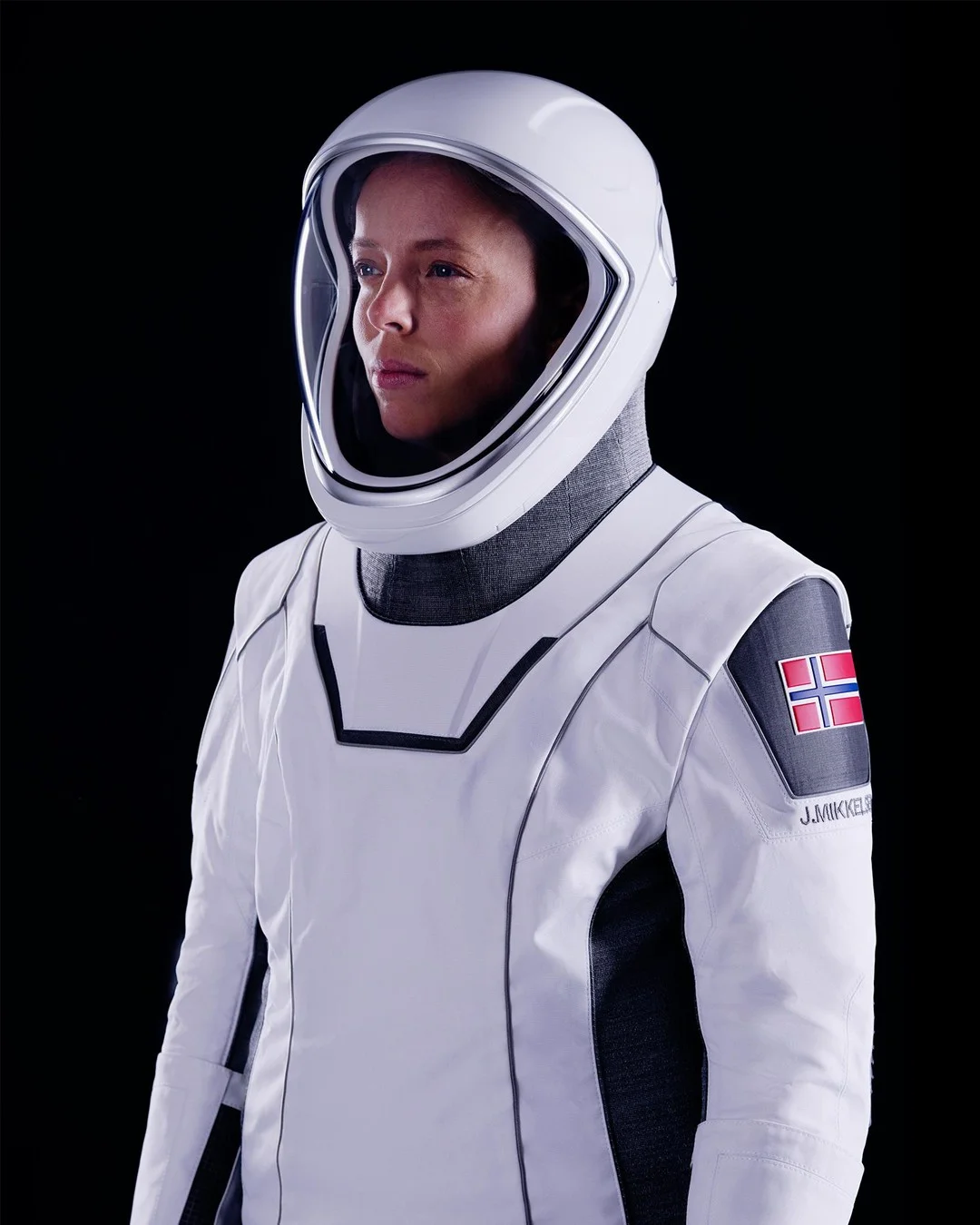
Fram2 was the first crewed spaceflight ever to fly a polar orbit, carrying four spaceflight rookies over both of Earth's poles. Funded by Maltese-Chinese bitcoin entrepreneur and mission commander Chun Wang, the crew flew aboard Crew Dragon Resilience on a roughly 90-degree retrograde orbit no human had attempted. Vehicle commander Jannicke Mikkelsen, a Norwegian film director and polar cinematographer, became the first Norwegian in space and the first European to command an orbital spacecraft. Pilot Rabea Rogge was the first German woman in space, and Australian polar explorer Eric Philips served as mission specialist and medical officer. Over three and a half days the crew ran 22 experiments, photographing the green STEVE atmospheric phenomenon, attempting the first human X-ray in orbit, growing oyster mushrooms, and studying how rookie bodies adapt to microgravity. The flight ended with SpaceX's first West Coast splashdown.
Crew
Chun Wang
Mission Commander
Maltese entrepreneur and mission financier; flew the first human polar-orbit spaceflight.
Jannicke Mikkelsen
Vehicle Commander
Norwegian film director and polar cinematographer; first Norwegian in space and first European to command an orbital spacecraft.
Rabea Rogge
Pilot
German robotics researcher; first German woman to fly in space.
Eric Philips
Mission Specialist & Medical Officer
Australian polar explorer and guide; led the crew's polar-science observations.
Key Milestones
2025-04-01
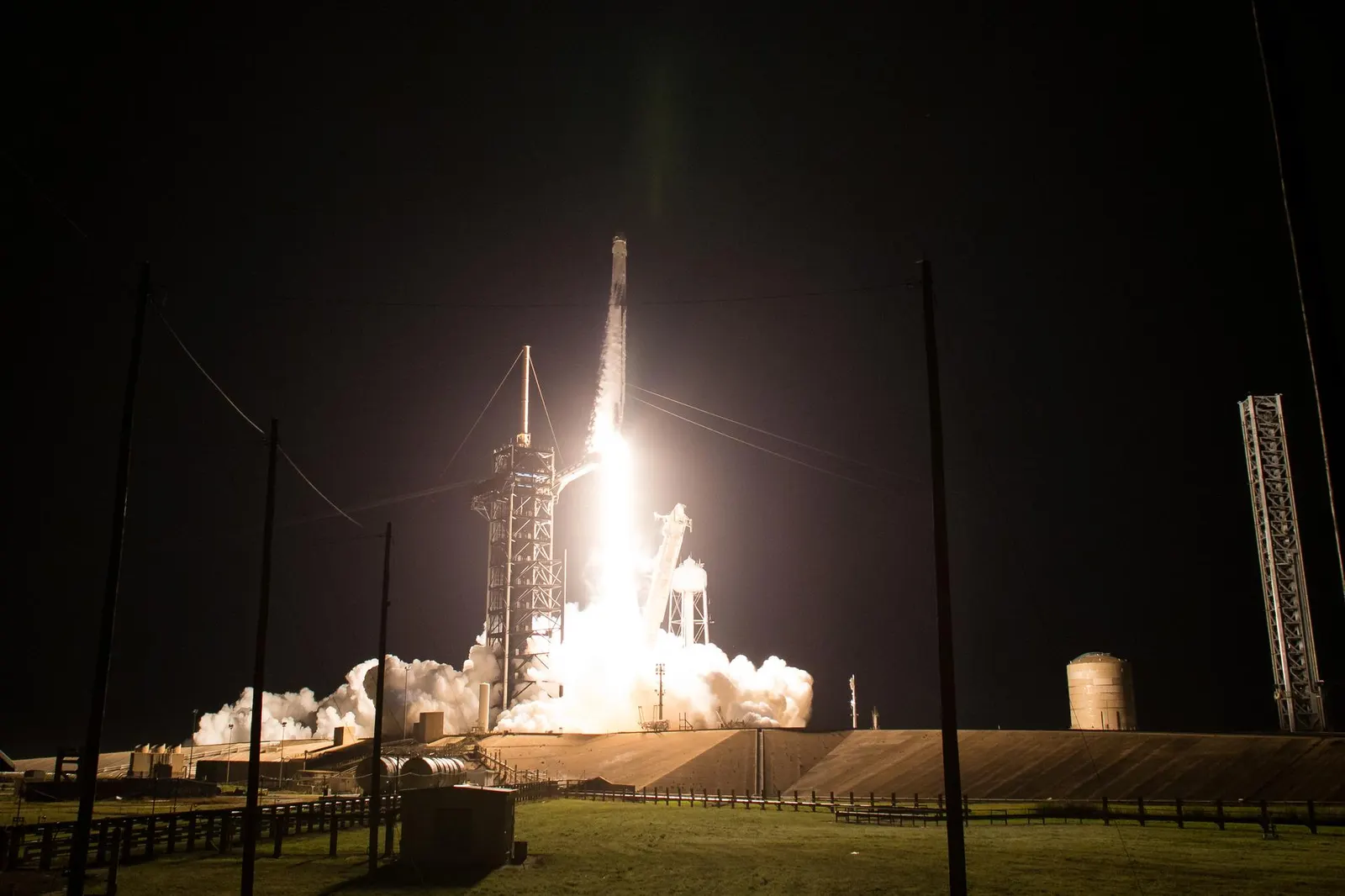
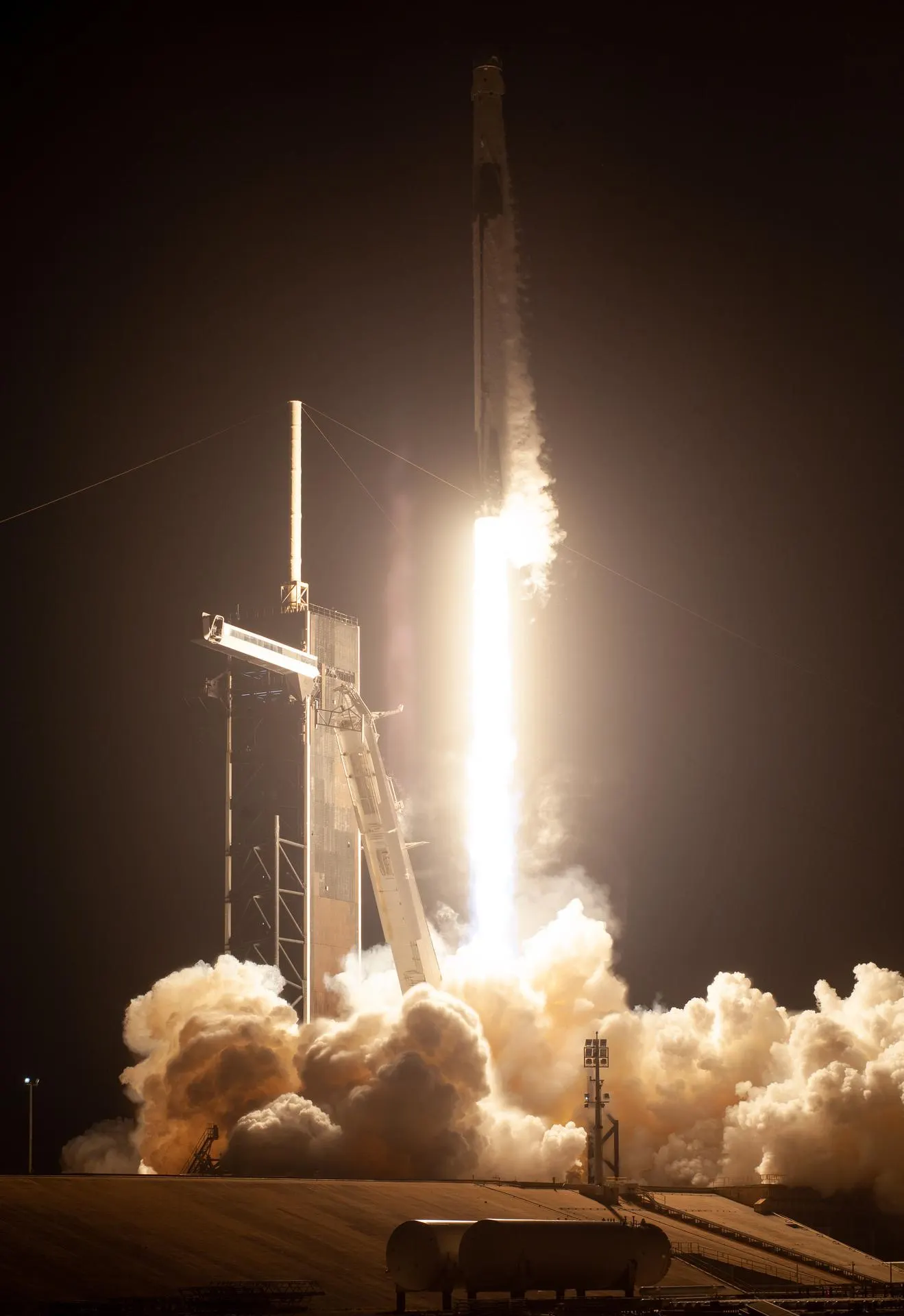
Falcon 9 lifted off from LC-39A at 01:46 UTC, inserting Resilience into a ~90-degree polar orbit, a first for human spaceflight.
2025-04-01
Crew opened the cupola over the North Pole, beginning days of polar Earth observation and aurora/STEVE photography.
2025-04-02
Crew conducted in-orbit research including the first attempted human X-ray in space and microgravity adaptation studies.
2025-04-04
Resilience splashed down in the Pacific off Oceanside, California at 16:19 UTC — SpaceX's first West Coast crew recovery.
Key Achievements
First crewed spaceflight in a polar orbit, flying directly over both of Earth's poles
First Norwegian (Jannicke Mikkelsen) in space and first European to command an orbital spacecraft
First German woman in space (Rabea Rogge) and SpaceX's first West Coast crew splashdown
Attempted the first human X-ray imaging conducted in space