All Astronauts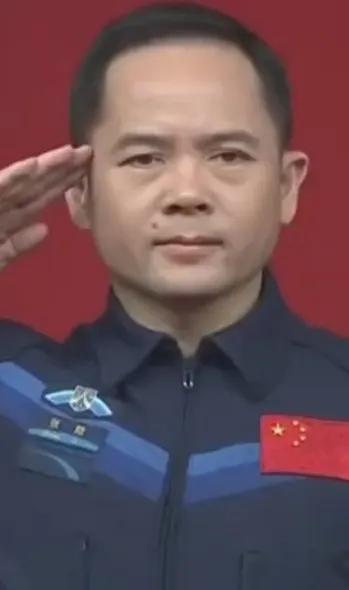 ELITEActiveCNSA
ELITEActiveCNSACNSA·🇨🇳 China·Born 1976
Zhang Lu
PLA Air Force pilot and second-batch taikonaut who first flew on Shenzhou-15.
Years in Space
2
Missions
2
EVAs
14h
EVA Time
Inspirations
What they aspire to
He hopes to command future long-duration missions to Tiangong.
Biography
PLA Air Force pilot and second-batch taikonaut who first flew on Shenzhou-15. Returned to the Tiangong space station as commander of Shenzhou-21.
Before NASAPLA Air Force fighter pilot who graduated from the PLA Air Force Aviation University in 2000 before being selected as a taikonaut in 2010.
Life & career
Zhang Lu was born in November 1976 in Hunan province, in south-central China, into a modest family with roots far from the aerospace world. He found his path through military aviation, graduating from the PLA Air Force Aviation University around the turn of the millennium and building a career as a fighter pilot in the People's Liberation Army Air Force. Like many of China's early taikonauts, he was drawn to human spaceflight by the example of Yang Liwei, the first Chinese national to reach orbit. In 2010 Zhang was chosen for China's second group of astronauts, a cohort selected to crew the space station that China was then still designing. His engineering background and pilot's discipline made him a natural fit for the demanding, multi-role work of a Tiangong crew member.
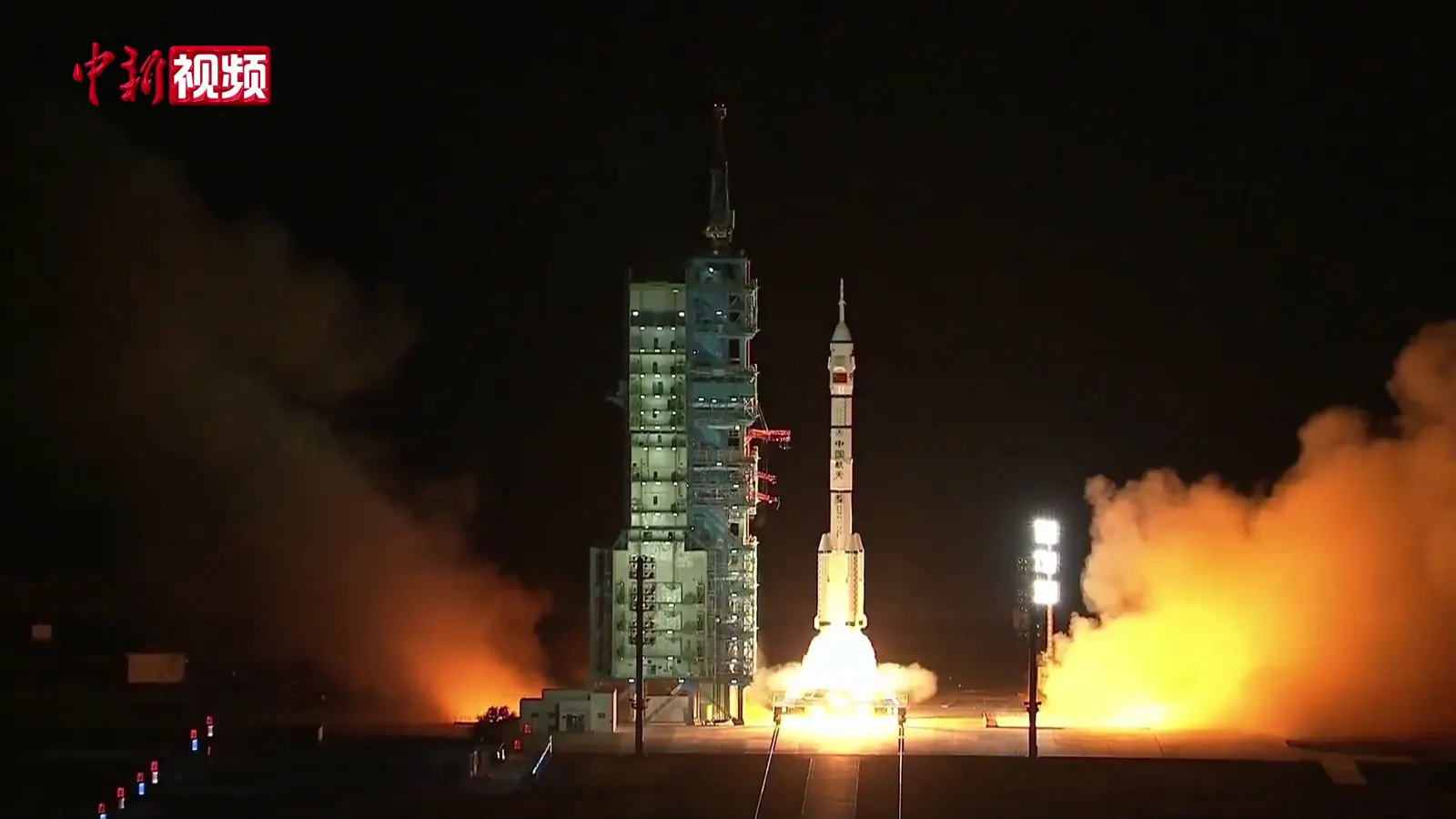
The wait between selection and flight was long — twelve years — but Zhang's first mission placed him at a genuine milestone. He launched aboard Shenzhou 15 on 29 November 2022 and served as a mission specialist during a stay of roughly 186 days, returning to Earth in June 2023. His crew was the first to live aboard the fully assembled Tiangong space station, arriving just after the final laboratory module had joined the Tianhe core, and for a brief handover period the station hosted six taikonauts at once — the largest Chinese crew complement to that point. During the mission Zhang carried out four spacewalks — a single-crew record for China's program at the time — accumulating hours of EVA experience outside the pressurized modules. That first flight established him as a capable and trusted operator, and in October 2025 he returned to orbit in the mission's most senior role: commander of Shenzhou 21, launched on 31 October 2025. The Shenzhou 21 stay stretched to around 210 days, and its return carried an unusual footnote — the crew came home aboard the Shenzhou 22 spacecraft, a swap driven by suspected micro-debris damage to the vehicle that had originally been slated for their descent.
Across two flights Zhang Lu has logged thousands of hours in space and multiple spacewalks, making him one of the more experienced members of China's taikonaut corps and a bridge between its second-generation pilots and the newer engineers and scientists now joining the ranks. Honored with titles including the "Heroic Astronaut" designation for his service, he has become a visible ambassador for the program — a pilot from a rural fishing region who rose to command a national space station, and a figure who explicitly aims to inspire young pilots from rural China. He remains an active taikonaut, and having captained a long-duration Tiangong expedition, he stands among the candidates the program can call on for the increasingly ambitious crewed missions that lie ahead.
Mission Timeline
- Mission Specialist
Shenzhou spacecraft
Shenzhou 15
Launch: Nov 29, 2022Landing: Jun 4, 2023Duration: 186 days- First crew rotation aboard fully assembled Tiangong
- Commander
Shenzhou spacecraft
Shenzhou 21
Launch: Oct 31, 2025Landing: May 29, 2026Duration: 210 days- Crew returned to Earth aboard the Shenzhou-22 spacecraft
Beyond the Mission
Causes They Champion
Promoting Chinese space station operationsInspiring young pilots from rural China
Languages
Mandarin Chinese
Awards & Honors
- Heroic Astronaut
- Third-Grade Space Service Medal
Fun fact
He waited 12 years between selection in 2010 and his first flight on Shenzhou 15 in 2022, then returned as commander of Shenzhou 21 in 2025.
Learn More
More Astronauts
Other space travelers from CNSA