All Astronauts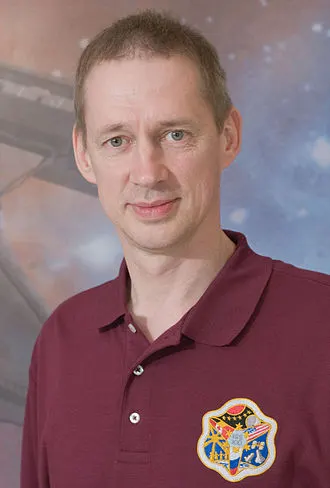 ELITERetiredESA
ELITERetiredESAESA·🇧🇪 Belgium·Born 1961
Frank De Winne
First ESA astronaut to command the ISS (Expedition 21).
183d
Days in Space
2
Missions
0
EVAs
—
EVA Time
You have to believe in achieving your dreams.
Students of today are the scientists and researchers of tomorrow.
What they aspire to
He aspires to strengthen European human spaceflight and prepare astronauts for missions to the Moon.
Biography
First ESA astronaut to command the ISS (Expedition 21). Spent over 6 months aboard the station on his second mission.
Before NASABelgian Air Component fighter pilot and test pilot who flew the Mirage 5 and F-16 and commanded a NATO air task force during Operation Allied Force.
Life & career
Frank De Winne was born on 25 April 1961 in Ledeberg, near Ghent, Belgium, and reached space through the fighter squadron and the flight-test community. He graduated from the Royal Military Academy in 1984 with a master's degree in engineering, and went on to fly with the Belgian Air Component, logging time in the Mirage 5 and the F-16. In 1992 he completed the demanding course at the Empire Test Pilots' School at Boscombe Down in the United Kingdom, where he was awarded the McKenna Trophy, and he later served as a senior test pilot. His operational credentials were substantial: during the 1999 Kosovo campaign, Operation Allied Force, he commanded a Belgian-Dutch deployable air task force, and in 1997 he became the first non-American to receive the Joe Bill Dryden Semper Viper Award. In 2000 he joined the European Astronaut Corps.
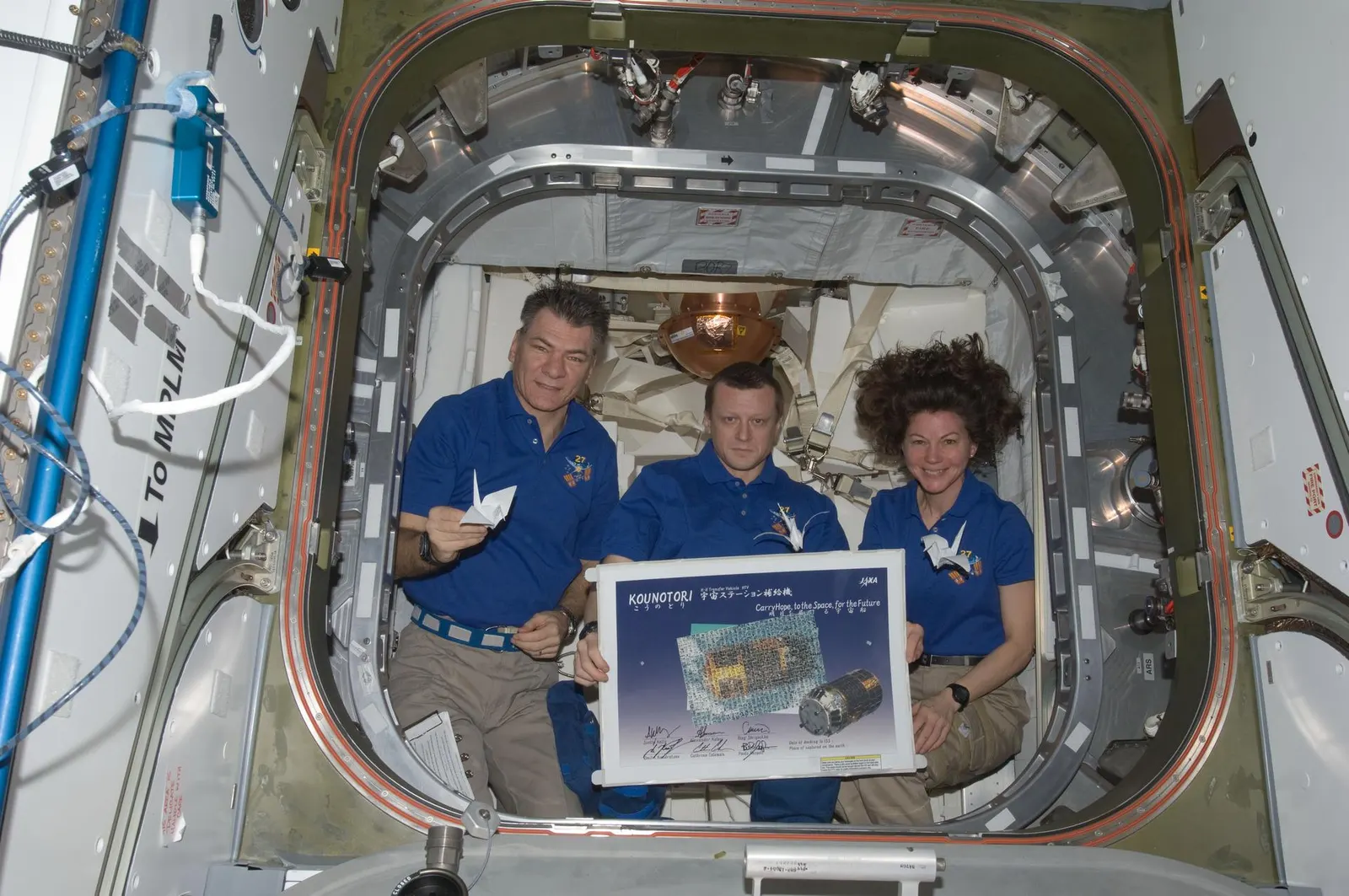
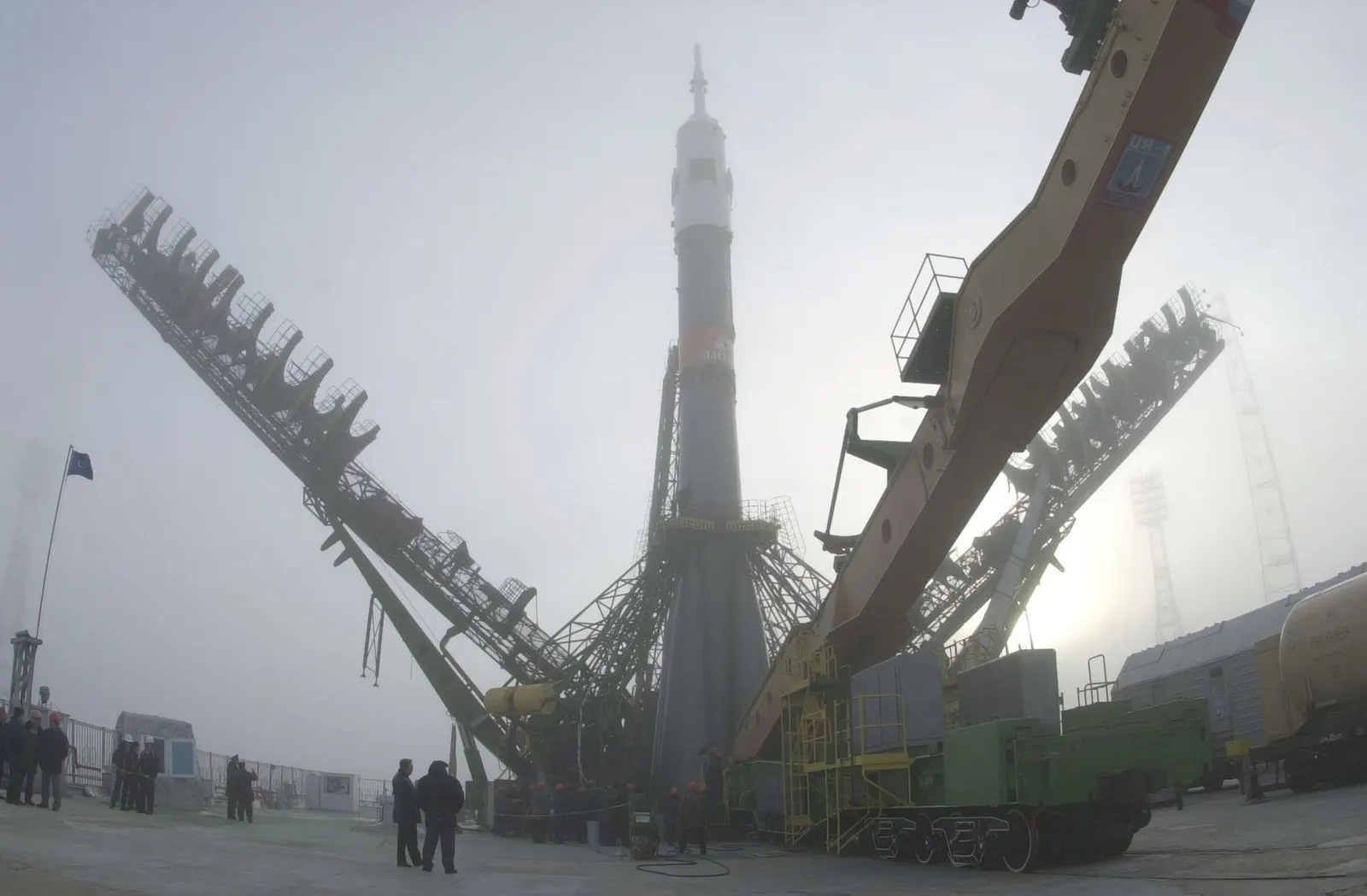
De Winne flew twice. His first mission, Odissea, launched on 30 October 2002 aboard Soyuz TMA-1, a short 'taxi flight' during which he rotated a fresh Soyuz lifeboat to the International Space Station, carried out a program of European experiments, and returned about eleven days later in the older Soyuz TM-34. His second flight was the long-duration OasISS mission, which launched aboard Soyuz TMA-15 on 27 May 2009. He served first as a flight engineer on Expedition 20, then, in the autumn of 2009, took over as commander of Expedition 21, becoming the first ESA astronaut, and the first person who was neither American nor Russian, to command the space station. He spent nearly 188 days in orbit on that mission before returning to Earth on 1 December 2009, bringing his career total to well over 4,000 hours in space across the two flights.
His command of Expedition 21 marked a turning point for European human spaceflight, demonstrating that ESA astronauts could take the top operational role aboard the world's flagship orbital outpost. After his flying career, De Winne moved into leadership, becoming Head of the European Astronaut Centre in Cologne, where he helped oversee the selection, training, and support of Europe's astronauts and their preparation for future missions, including the return to the Moon. For his service he was ennobled as a viscount in Belgium and decorated by several nations, including NASA's Distinguished Public Service Medal and a Russian medal for merit in space exploration. Now retired from active flight status, he continues to shape European spaceflight from the ground, guided by his belief that today's students are tomorrow's scientists and researchers.
Notable Missions
Soyuz TMA-1 (Odissea)Soyuz TMA-15 / Expedition 20/21
Beyond the Mission
Hobbies & Interests
footballcomputinggastronomy
Causes They Champion
European astronaut trainingSTEM education
Languages
DutchFrenchEnglishRussianGerman
Awards & Honors
- Viscount of Belgium (title)
- Officer of the Order of Orange-Nassau
- NASA Distinguished Public Service Medal
- Russian Medal for Merit in Space Exploration
Fun fact
On Expedition 21 in 2009 he became the first ESA astronaut to command the International Space Station.
More Astronauts
Other space travelers from ESA