Image: Roscosmos / NASA, via Wikimedia Commons (public domain)
Soyuz TMA-15
Mission Profile
| Launch date | 2009-05-27 |
|---|---|
| Launch site | Baikonur Cosmodrome, Site 1/5 |
| Launch vehicle | Soyuz-FG |
| Spacecraft | Soyuz-TMA 11F732 (No. 226) |
| Target | Low Earth Orbit |
| Type | Crewed |
| End date | 2009-12-01 |
| Duration | 187 days 20 hours 42 minutes |
| Partners | Roscosmos, ESA, CSA, NASA |
Overview
Soyuz TMA-15 carried the crew that finally pushed the International Space Station to a permanent six-person complement. Russian commander Roman Romanenko, a second-generation cosmonaut flying under his late father's old callsign Taymyr, was joined by ESA's Belgian flight engineer Frank De Winne and Canadian Robert Thirsk. For De Winne, the OasISS mission was a personal summit: midway through, during Expedition 21, he became the first European ever to command the ISS, a milestone for Europe's growing role in human spaceflight. Thirsk became the first Canadian to launch aboard a Soyuz and to live aboard the station long-duration. The trio docked to the Zvezda module two days after launch and spent more than six months conducting research, robotics with Canadarm2, and welcoming the busiest visiting-vehicle traffic the young station had yet seen.
Crew
Roman Romanenko
Commander
Roscosmos; first spaceflight; son of cosmonaut Yuri Romanenko
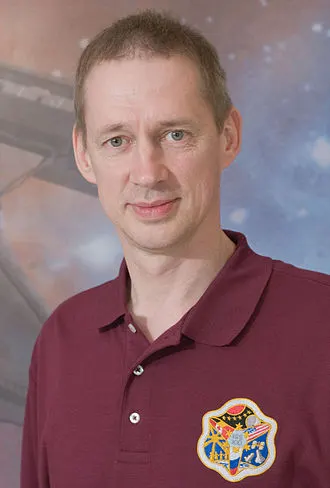
Frank De Winne
Flight Engineer
ESA (Belgium); became first European commander of the ISS during Expedition 21
Robert Thirsk
Flight Engineer
CSA (Canada); first Canadian to fly on Soyuz and complete a long-duration ISS stay
Key Milestones
2009-05-27
Launch from Baikonur Site 1/5 at 10:34 UTC aboard a Soyuz-FG
2009-05-29
Docked to the ISS, raising the standing crew to six for the first time
2009-10-11
Frank De Winne assumed command of Expedition 21, the first European ISS commander
2009-12-01
Landed in Kazakhstan after 187 days in space
Key Achievements
Completed the ISS's first permanent six-person crew complement
Frank De Winne became the first European to command the International Space Station
Robert Thirsk became the first Canadian to fly aboard a Soyuz spacecraft