All Astronauts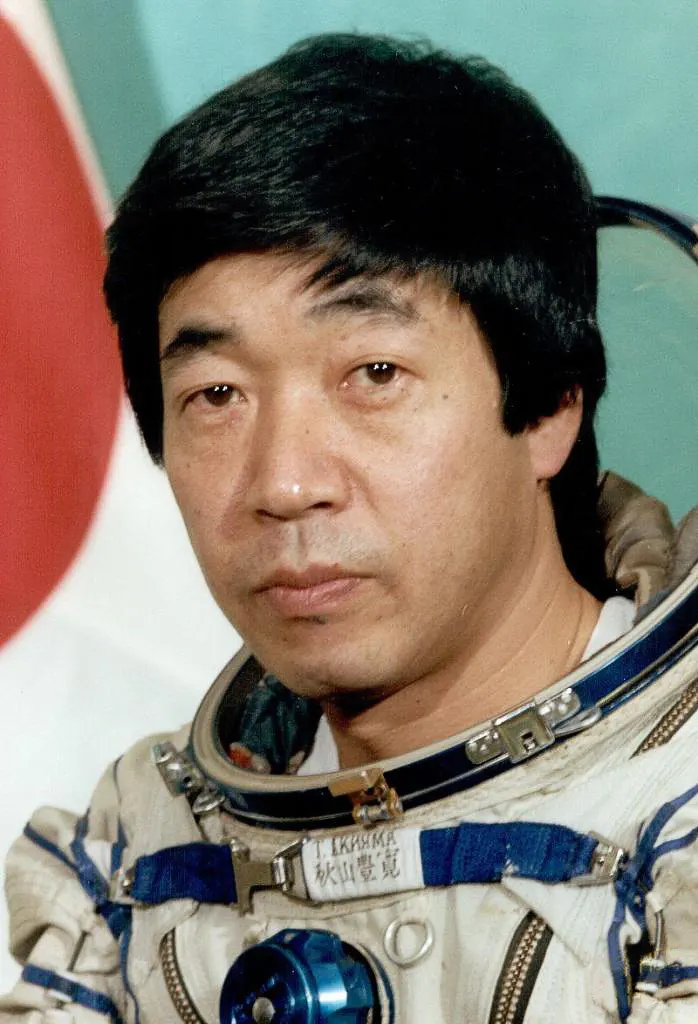 ROOKIERetired—
ROOKIERetired—Other·🇯🇵 Japan·Born 1942
Toyohiro Akiyama
First Japanese person in space and the first journalist to report from orbit.
Hours in Space
1
Missions
0
EVAs
—
EVA Time
Inspirations
What they aspire to
After flying he turned away from broadcasting and devoted himself to organic farming and environmental causes.
Biography
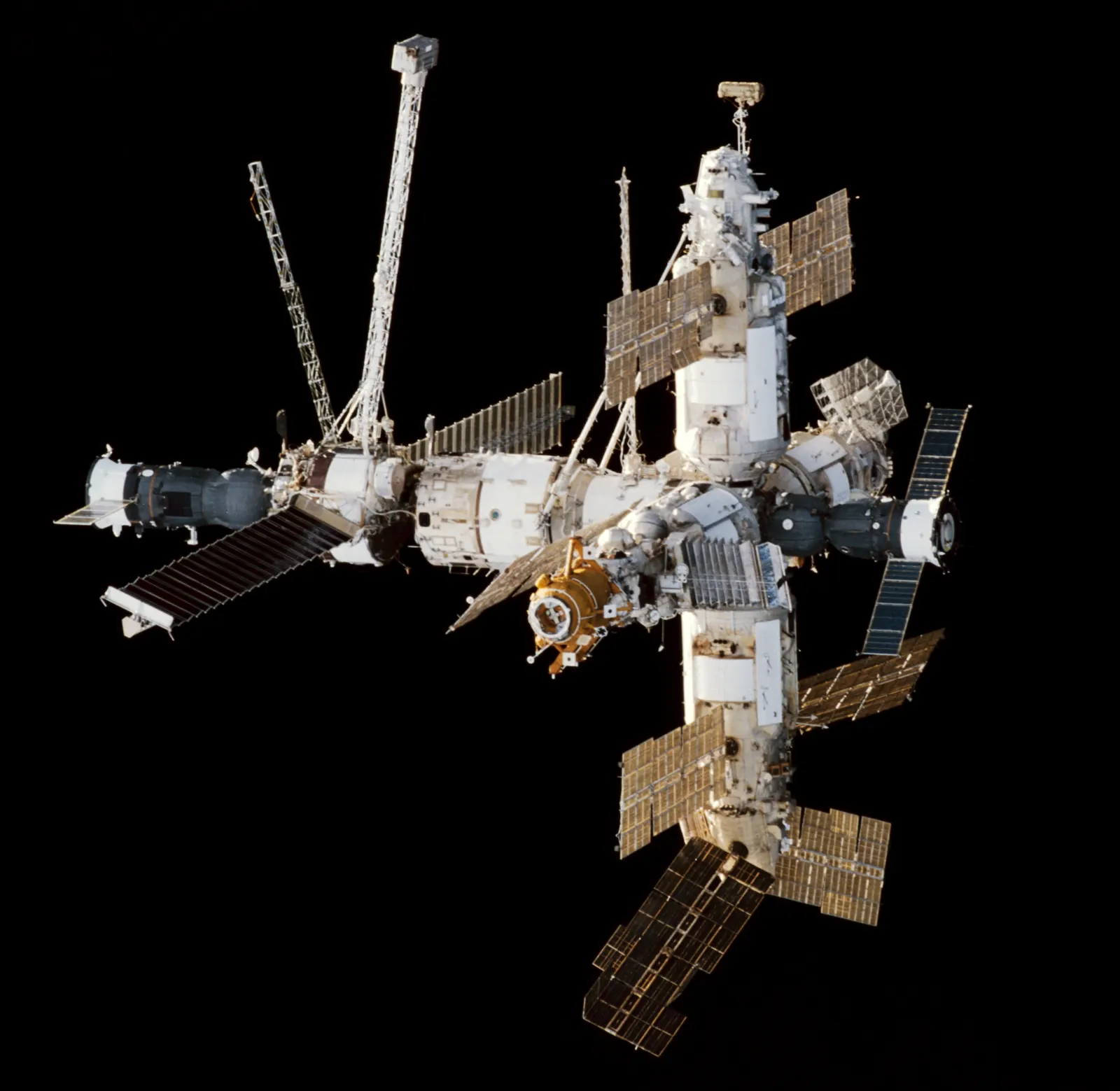
First Japanese person in space and the first journalist to report from orbit. TV reporter whose flight to Mir was funded by the Tokyo Broadcasting System.
Before NASATBS journalist and Washington bureau chief who previously worked for the BBC World Service before being selected as the network's space correspondent.
Life & career
Toyohiro Akiyama was born on 22 July 1942 and became the improbable first Japanese person in space: not a pilot or a scientist, but a television journalist. He studied at the International Christian University in Tokyo and joined the Tokyo Broadcasting System (TBS) in 1966, sharpening his craft during a stint with the BBC World Service from 1967 to 1971 before rising through TBS's foreign-news division. From 1984 to 1988 he served as the network's chief correspondent in Washington, D.C. His path to orbit opened not through an astronaut corps but through a commercial deal: seeking a spectacular way to mark its 40th anniversary, TBS negotiated with the Soviet space program, and in 1989 Glavkosmos and TBS signed an agreement to fly a Japanese journalist to the Mir space station. Reportedly costing the network on the order of 28 million dollars, it stands as one of the earliest commercially sponsored human spaceflights, and Akiyama beat out scores of colleagues to win the seat.
After completing the research-cosmonaut training course at the Yuri Gagarin Cosmonaut Training Center outside Moscow, Akiyama launched aboard Soyuz TM-11 on 2 December 1990 with commander Viktor Afanasyev and flight engineer Musa Manarov, docking at Mir. Over roughly eight days aboard the station he filed daily live television reports back to Japan, becoming the first journalist to broadcast from space and giving audiences an unvarnished, sometimes queasy, view of orbital life; his candid discomfort with spaceflight earned him a reputation as an unlikely everyman rather than a triumphant hero. He returned to Earth on 10 December 1990 aboard Soyuz TM-10 with the departing resident crew of Gennadi Manakov and Gennadi Strekalov, logging about 190 hours in space on his single flight, with no spacewalks.
Akiyama's flight stands as a double landmark, the first Japanese citizen in orbit and the first working reporter to cover a story from space, presaging the era of commercial and non-professional spaceflight by decades. Yet his own conclusions ran against the grain of triumphalism. He returned to TBS and became deputy director of its news division, but left the network in 1995 out of disagreement with the increasing commercialization of television, the very force that had lifted him into orbit. From 1996 he turned to organic farming, growing rice and mushrooms in the Abukuma highlands near Tamura in Fukushima Prefecture, and later taught at a university art program. After the 2011 Fukushima nuclear disaster displaced him and colored his views, he became an outspoken advocate for organic agriculture and against nuclear power. Now retired, Akiyama remains a singular figure, the reporter who reached space on a broadcaster's budget and spent the rest of his life rooted firmly in the soil.
Mission Timeline
- Research Cosmonaut (Journalist)
Soyuz TM-11 (return on Soyuz TM-10)
Soyuz TM-11 / Mir
Launch: Dec 2, 1990Landing: Dec 10, 1990Duration: 8 days- First Japanese citizen in space and first journalist to report from orbit
Beyond the Mission
Hobbies & Interests
organic rice and mushroom farming
Causes They Champion
Organic agricultureAnti-nuclear advocacy after the 2011 Fukushima disaster
Languages
JapaneseEnglish
Fun fact
He is the first journalist and the first commercially sponsored person ever to fly in space — TBS reportedly paid the Soviet Union around 28 million dollars for his Soyuz seat.
More Astronauts
Other space travelers from Other and Japan