
USA · NASAmission
July 21, 2011
STS-135 Atlantis — final Space Shuttle mission
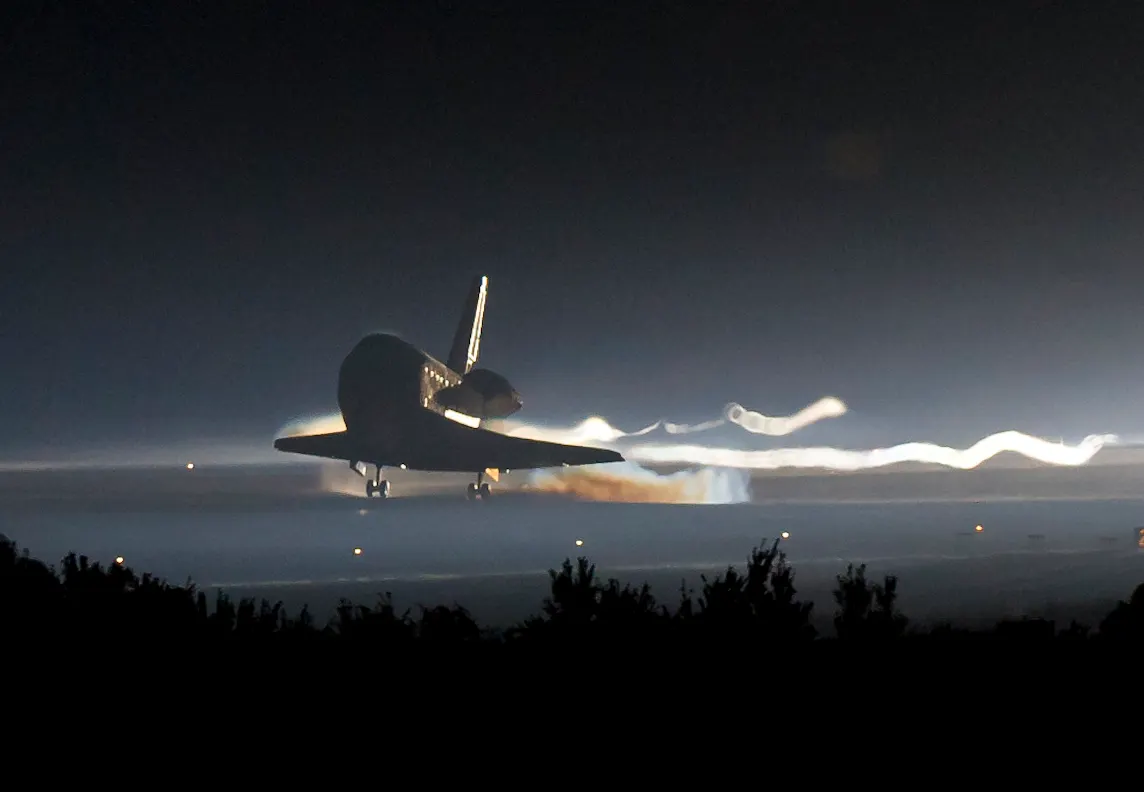
At 5:57 a.m. on 21 July 2011, twin sonic booms rolled across the Florida darkness one last time. Atlantis dropped out of the pre-dawn sky, flared over Runway 15 at Kennedy Space Center, and rolled to a stop. In the cockpit, commander Chris Ferguson keyed his microphone: mission complete. Thirty years and 135 flights after Columbia first thundered off Pad 39A in April 1981, the Space Shuttle program was over.
The final mission had begun on 8 July, when nearly a million spectators lined the Space Coast to watch Atlantis climb away from the same Pad 39A. The crew numbered just four, the smallest shuttle crew since 1983, for a sobering reason: no second orbiter remained to fly a rescue. Had Atlantis been damaged, Ferguson, Hurley, Magnus and Walheim would have sheltered aboard the International Space Station and come home one at a time in Soyuz seats. Their cargo, the Italian-built Raffaello module, carried more than 9,400 pounds of supplies, enough to provision the station for a year.
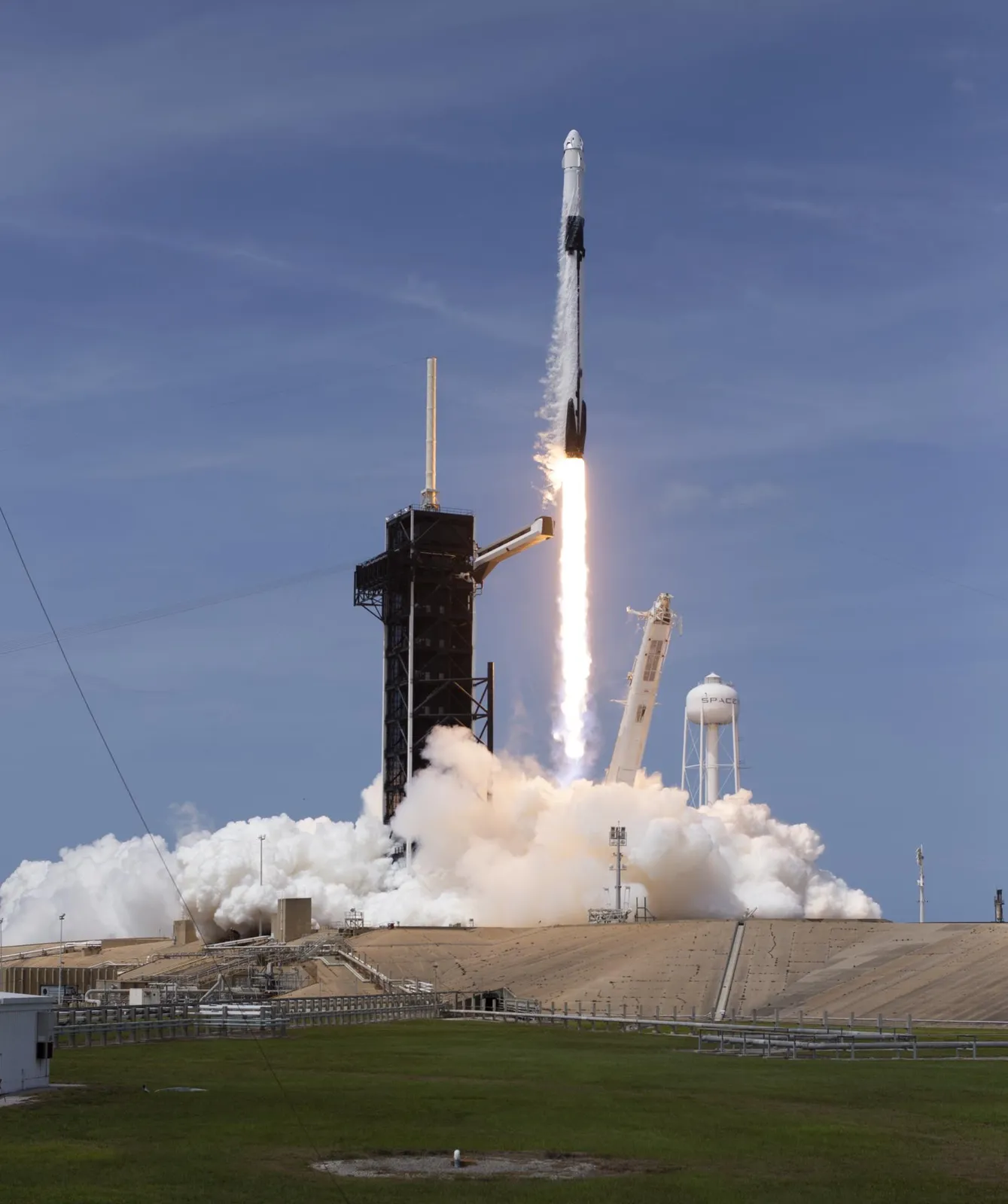
Before departing, the crew left something behind: a small American flag that had flown on STS-1 in 1981, mounted on the station's Harmony hatch as a prize for the next crew to launch from American soil. The wait stretched nine years. When the flag finally came down in 2020, the hand that retrieved it belonged to Doug Hurley, the pilot of STS-135 himself, arriving aboard SpaceX's Crew Dragon on its first crewed flight.
Atlantis rolled into retirement after 33 missions and now stands in a museum a few miles from the runway where it stopped. The orbiters had built the ISS, launched and serviced Hubble, and carried hundreds of people to orbit, at the cost of two crews lost. With the fleet grounded, the United States surrendered independent human launch capability and bought seats on Russian Soyuz rockets until the commercial crew era opened in 2020.
“Mission complete, Houston. After serving the world for over 30 years, the space shuttle has earned its place in history. It's come to a final stop.”
Mission Data
Launch
8 Jul 2011, 11:29 a.m. EDT, Pad 39A
Landing
21 Jul 2011, 5:57 a.m. EDT, KSC Runway 15
Duration
12 days, 18 hrs, 28 min
Crew
4, smallest since STS-6 in 1983
Cargo delivered
9,400+ lb via Raffaello module
Program total
135 missions, 1981–2011
Key Facts
The crew of four was the smallest since 1983 because no second shuttle existed to mount a rescue; a damaged Atlantis would have meant the crew returning from the ISS one by one in Soyuz capsules over many months.
The crew left an American flag flown on STS-1 in 1981 attached to the station's Harmony hatch, a deliberate prize for the next crew launched from US soil. STS-135 pilot Doug Hurley retrieved it himself nine years later, arriving on SpaceX's Demo-2.
Nearly one million spectators packed Florida's Space Coast for the final launch on 8 July 2011.
The program ended where it began: STS-1 and STS-135 both launched from Pad 39A at Kennedy Space Center, thirty years apart.
Atlantis landed in darkness, before sunrise, closing its career with a night landing on its 33rd flight.
Why It Mattered
STS-135 closed the most ambitious reusable spaceflight program ever attempted and opened the most uncomfortable chapter in American human spaceflight: a nine-year gap with no domestic ride to orbit. Dependence on Russian Soyuz seats reshaped NASA's politics and forced the agency's bet on commercial crew, which ultimately produced SpaceX's Crew Dragon. The shuttle's legacy is everywhere, from the ISS it assembled to the Hubble it saved, and its retirement marks the dividing line between government-owned spaceplanes and the commercial era that followed.
Mission Crew
Christopher J. FergusonDouglas G. HurleySandra H. MagnusRex J. Walheim
NASA/Bill Ingalls
Official sourceContinue your journey
Experience
Demo-2
Continue your journey
Mission
STS-135
The mission behind this moment

Moment
Omid era — Israel becomes a launching nation
From the same era
Moment
Hayabusa returns first asteroid sample to Earth
From the same era

Moment
Curiosity rover lands on Mars
From the same era

Moment
Voyager 1 enters interstellar space
From the same era