1957 → Today
The Story of How Humanity Left Earth
124 milestones. 13 nations. 69 years of humanity reaching beyond the sky. Scroll to journey through every first, every triumph, every tragedy.
USSRUSAChinaEuropeIndiaPrivate
The Age of Firsts
Cold War Era
1957–1975
or all of history the sky had been a ceiling. In eighteen years humanity turned it into a doorway — first a beeping sphere, then a man, then a woman, then twelve people walking on another world. It was born of rivalry and fear, yet what it produced was wonder: proof that we could leave.
USSR · OKB-1FirstRobotic
1957
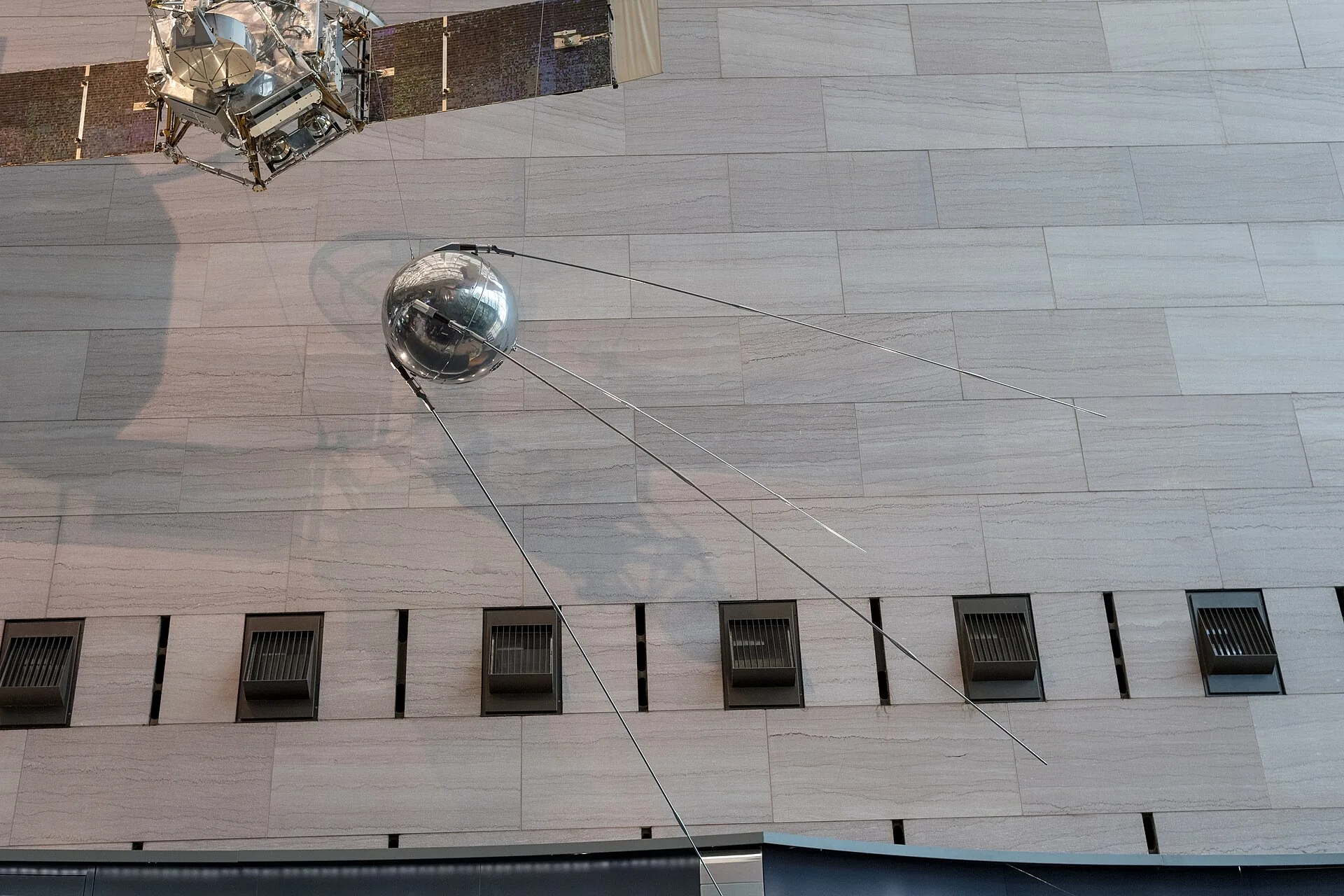
Sputnik 1 — first artificial satellite
The Soviet Union launches Sputnik 1, the first human-made object to orbit Earth. The 84-kg sphere transmits radio beeps for 21 days.

USSR · OKB-1CrewedFirst
1961
Vostok 1 — Yuri Gagarin becomes the first human in space
Gagarin completes one orbit of Earth in 108 minutes, parachuting out of his capsule at 7,000 metres on re-entry.
USA · NASACrewedFirst
1969
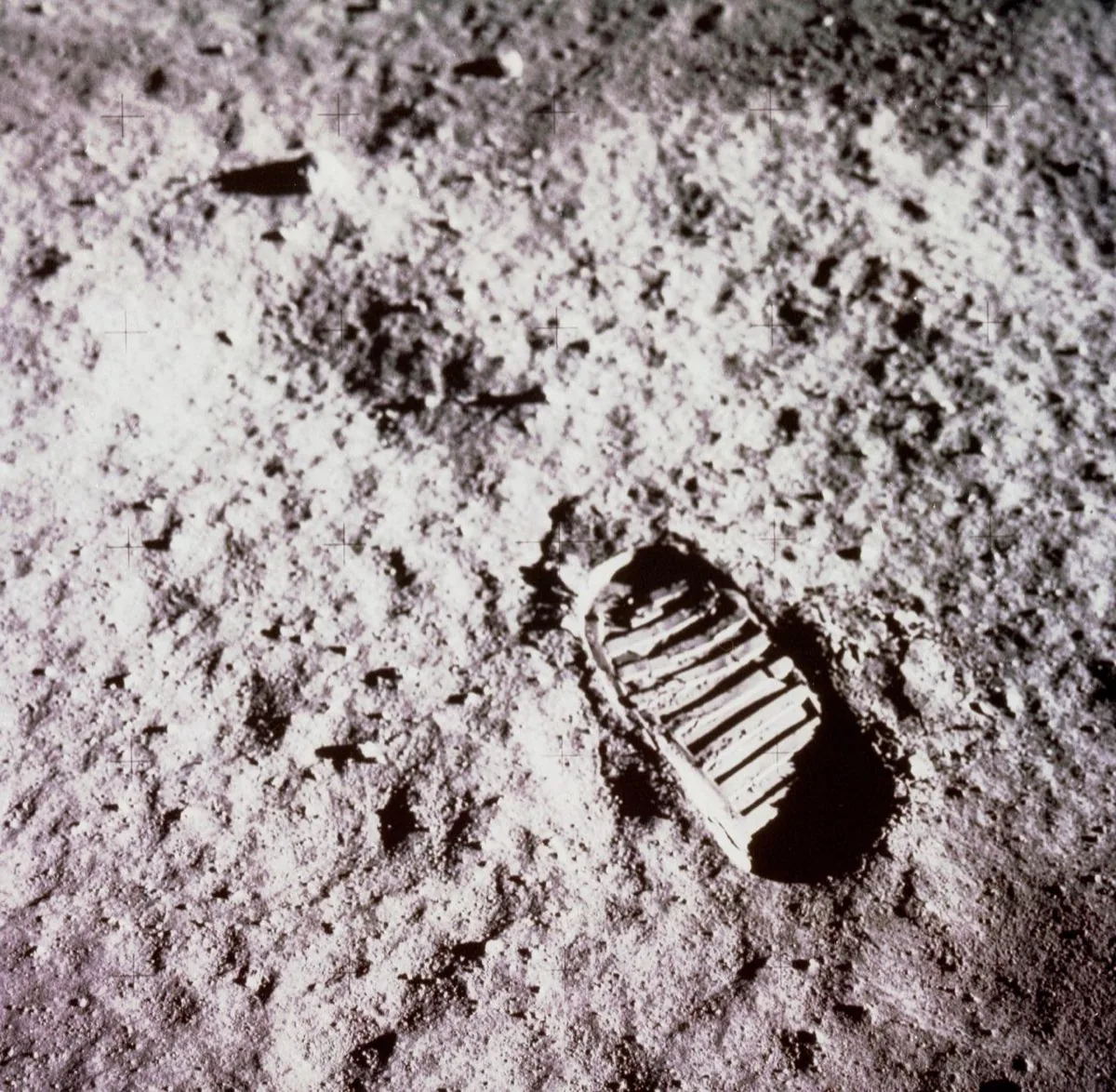
Apollo 11 — Armstrong and Aldrin walk on the Moon
First crewed lunar landing. Armstrong's first step is watched live by an estimated 650 million people.
Learning to Stay
Shuttle Era
1976–2003
he first steps were sprints; now came the harder work of staying. Reusable ships flew like aircraft, robots fanned out to every planet, and telescopes turned to look back at the whole universe. Triumph and tragedy taught the same lesson — that living in space would be a craft, learned slowly, paid for dearly.

USA · NASAFirst
1981
STS-1 Columbia — first Space Shuttle flight
First reusable crewed spacecraft, marking the end of the disposable-capsule era for US human spaceflight.
USA · NASADisaster
1986
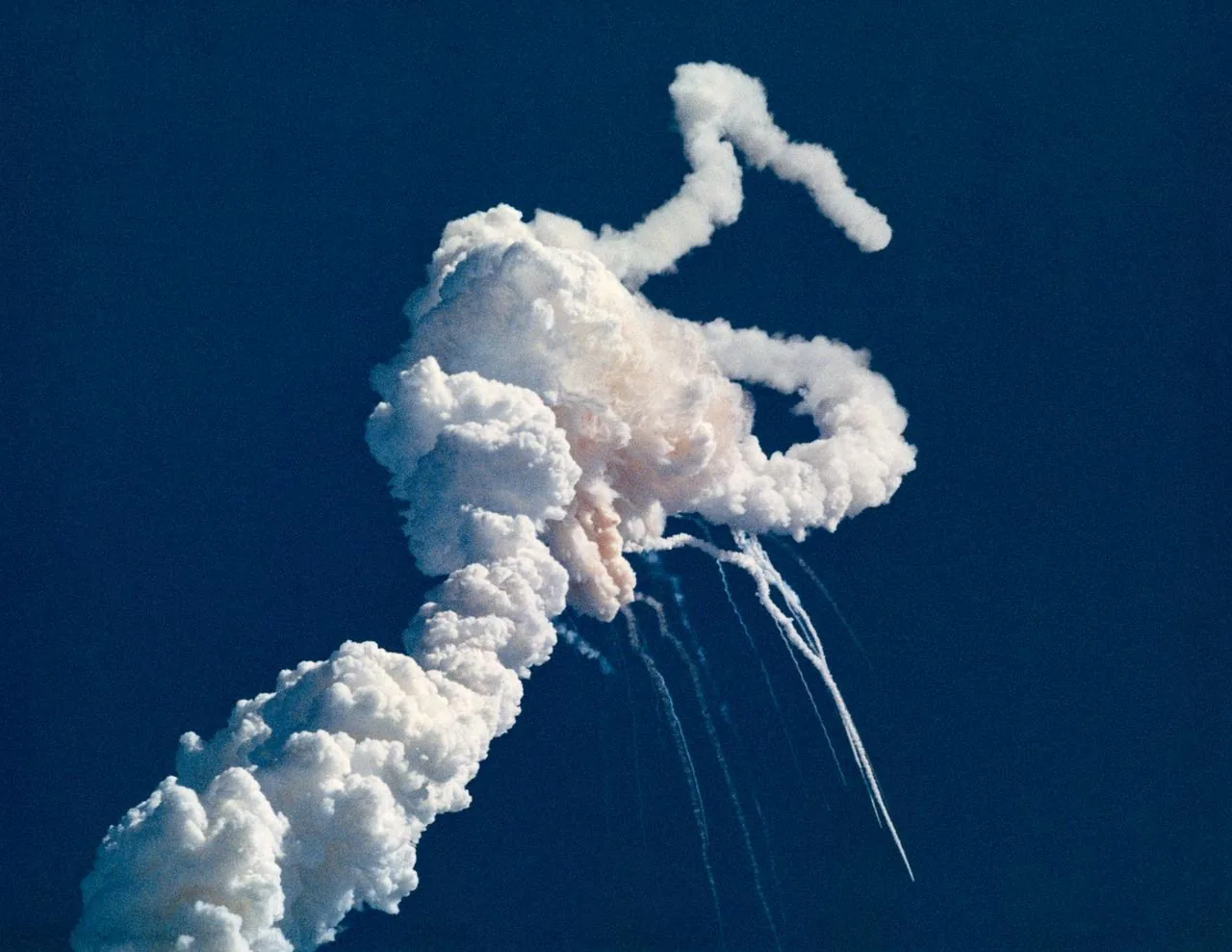
Challenger disaster
Space Shuttle Challenger breaks apart 73 seconds into flight, killing all 7 crew including teacher Christa McAuliffe.
International · NASA / ESAMissionRobotic
1990
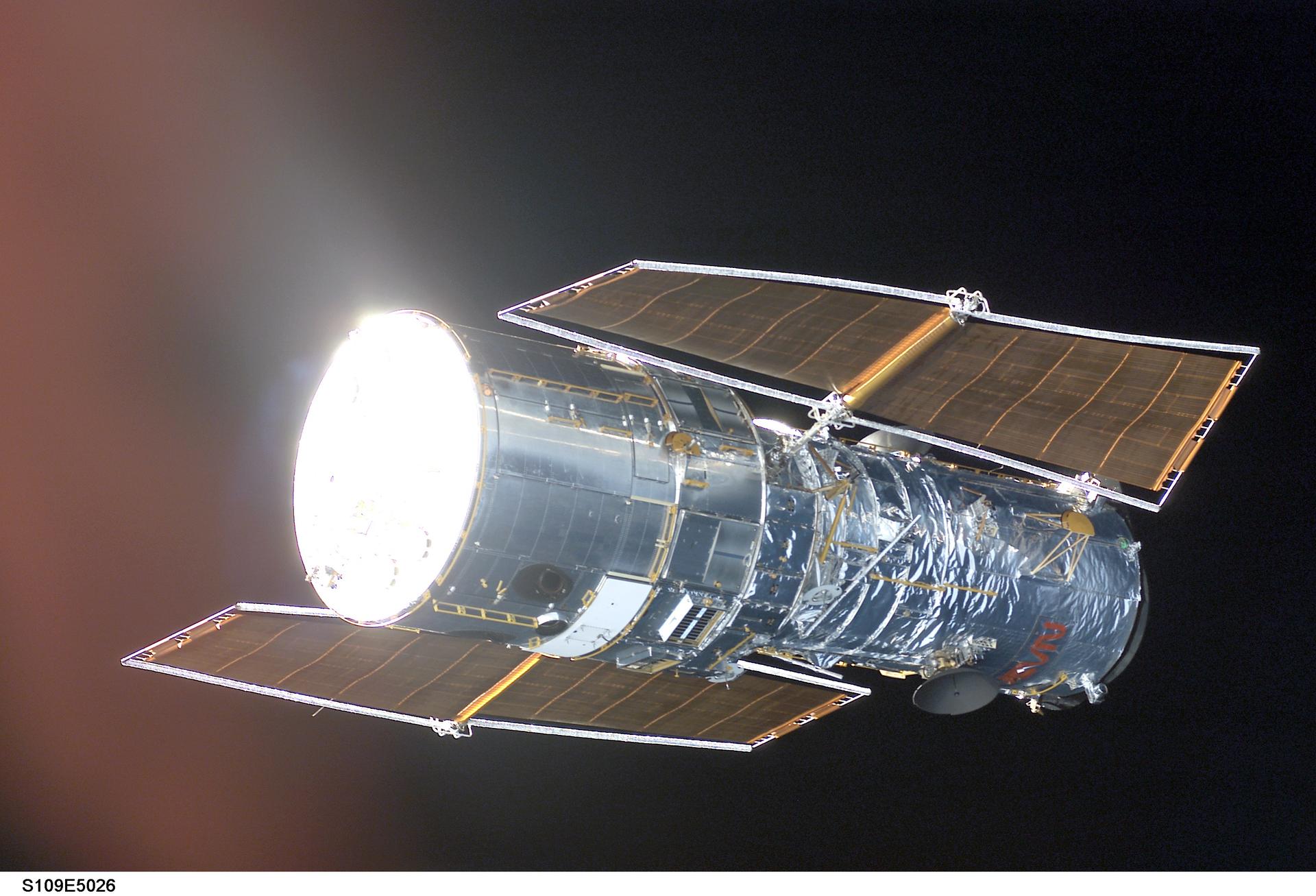
Hubble Space Telescope launched
Optical observatory that transforms astronomy across 30+ years. Famous flawed mirror is repaired by Shuttle servicing missions.

International · Roscosmos / NASAFirstMission
1998
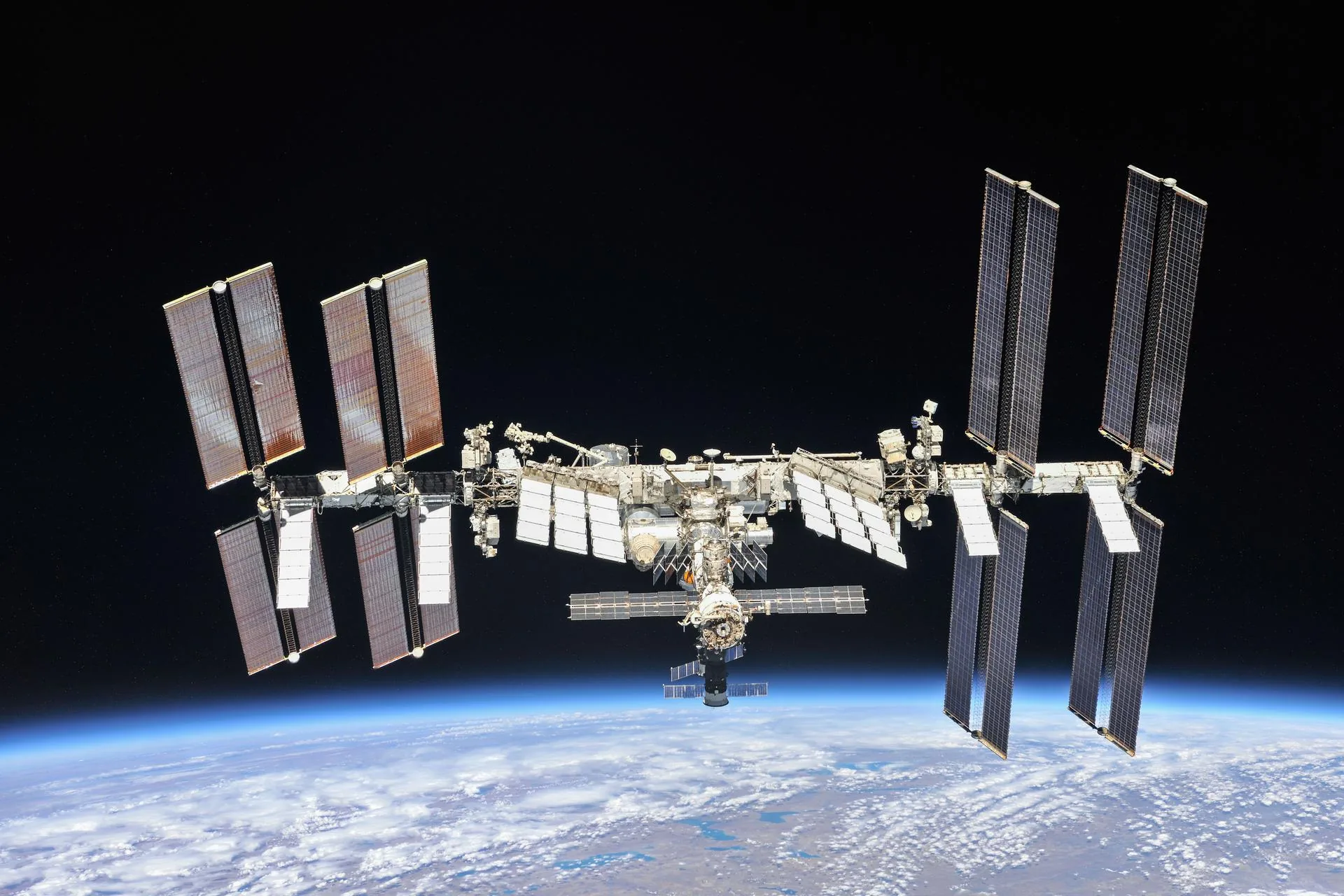
International Space Station — Zarya module launched
First component of the largest cooperative human engineering project in history. Continuously inhabited since 2000.
Building a Home Together
International
1998–2012
ations that had aimed missiles at each other began bolting a home together in orbit instead. The International Space Station became the largest structure humans ever built off Earth, and from that day in November 2000, someone has been living above your head every single night. For the first time, space had a permanent address.

USA · NASADisaster
2003
Columbia disaster
Space Shuttle Columbia disintegrates on re-entry, killing all 7 crew. Leads to retirement plan for the Shuttle program.
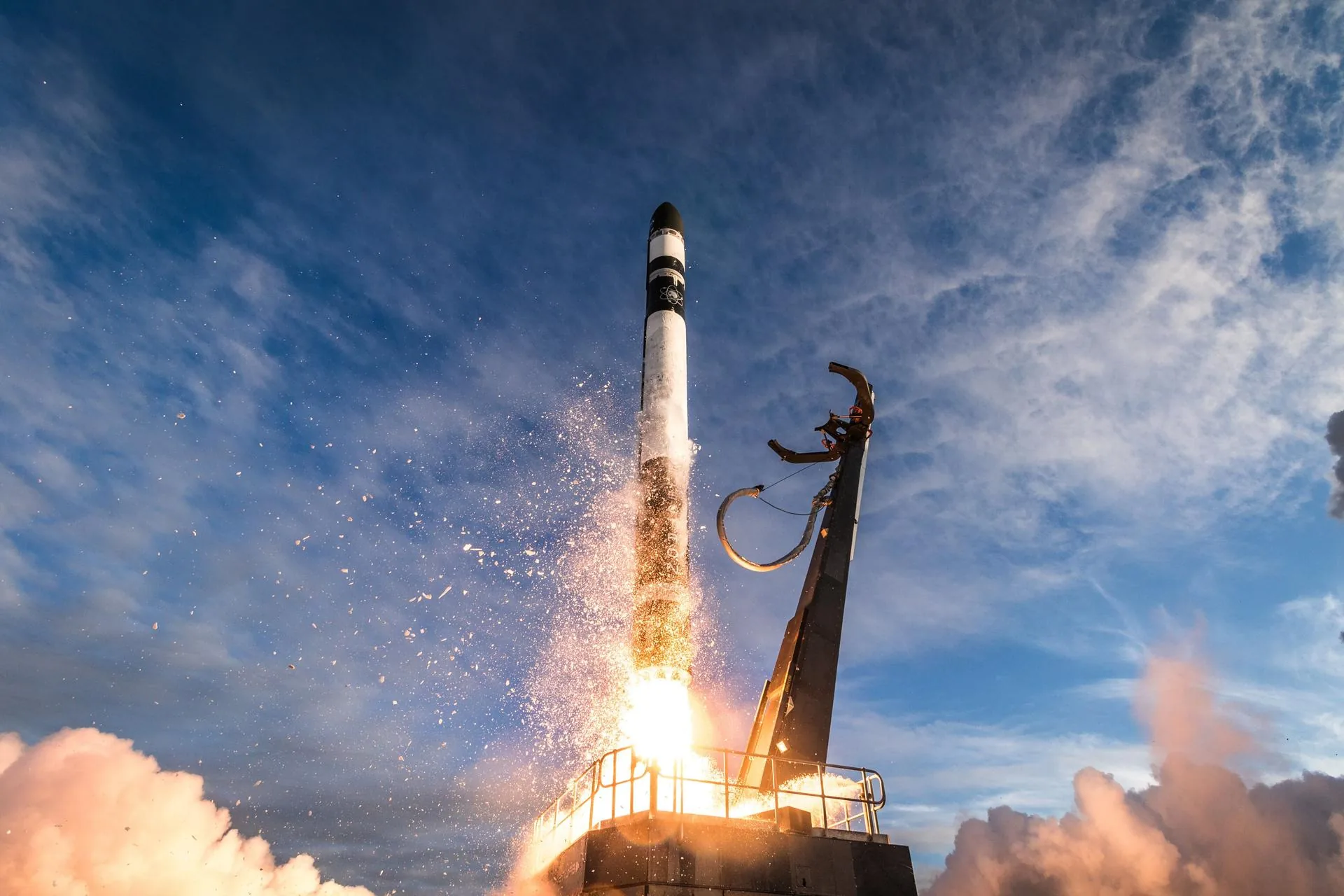
Everyone's Sky Now
New Space
2010–2026
ockets began landing themselves and flying again. New nations reached the Moon and Mars; private crews opened the hatch to space; and after half a century, humanity set course for the Moon once more — this time to stay. The frontier stopped belonging to two superpowers and started belonging to all of us.
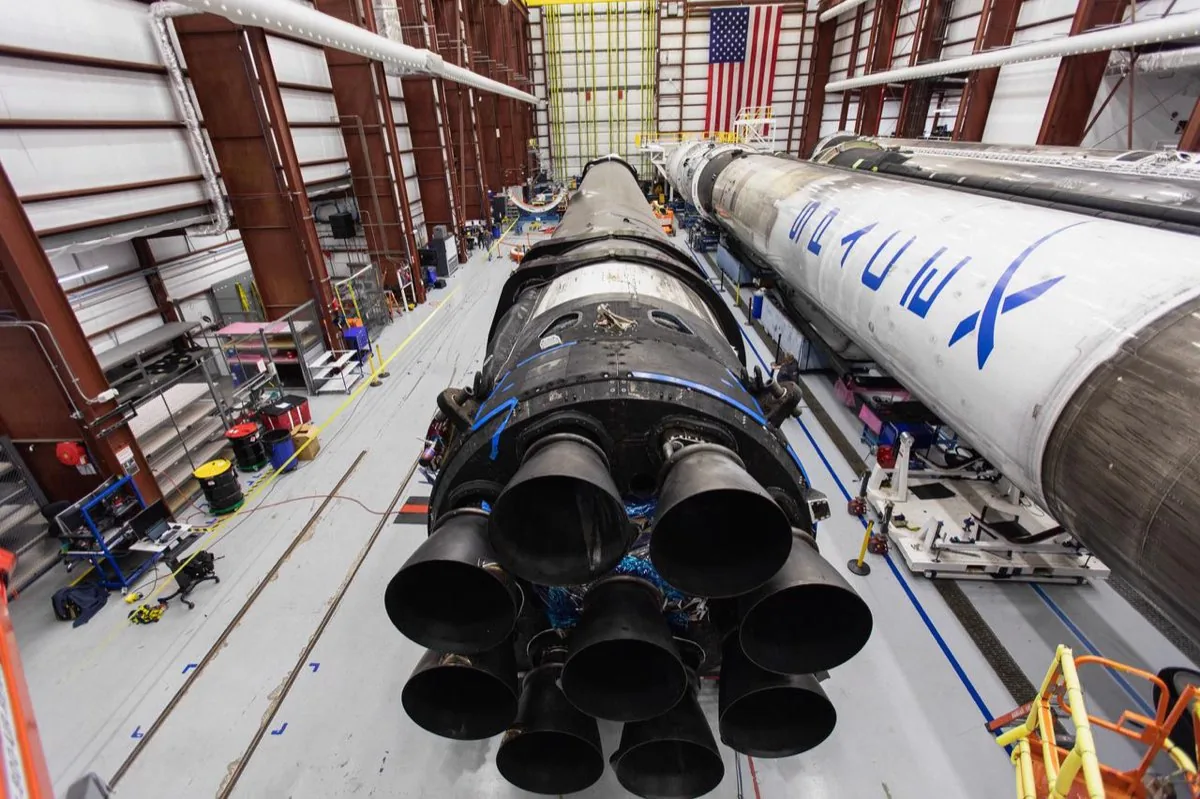
Private · SpaceX / NASACommercialFirstCrewed
2020
Crew Dragon Demo-2 — first commercial human spaceflight
Restores US human launch capability for the first time since 2011.
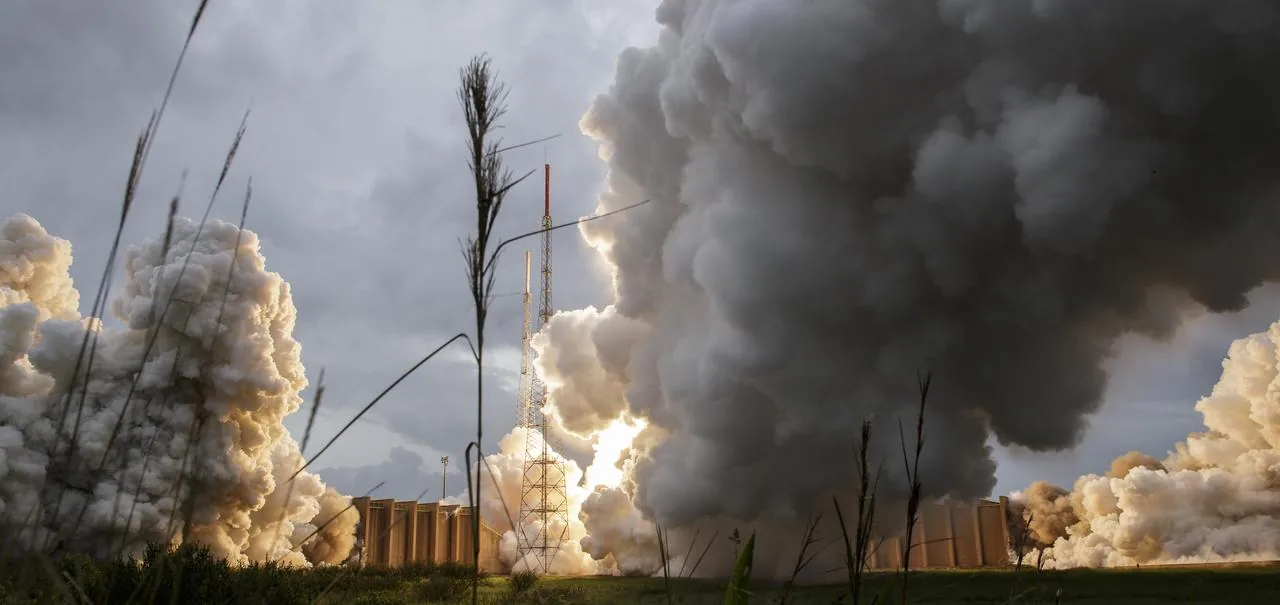
International · NASA / ESA / CSAMissionRobotic
2021
James Webb Space Telescope releases first science images
The largest space telescope ever launched begins delivering infrared views of the early universe.

Private · SpaceXCommercialFirst
2024
Starship Super Heavy booster caught by launch tower
First time an orbital-class booster returns to its launch site and is caught mid-air by mechanical arms.
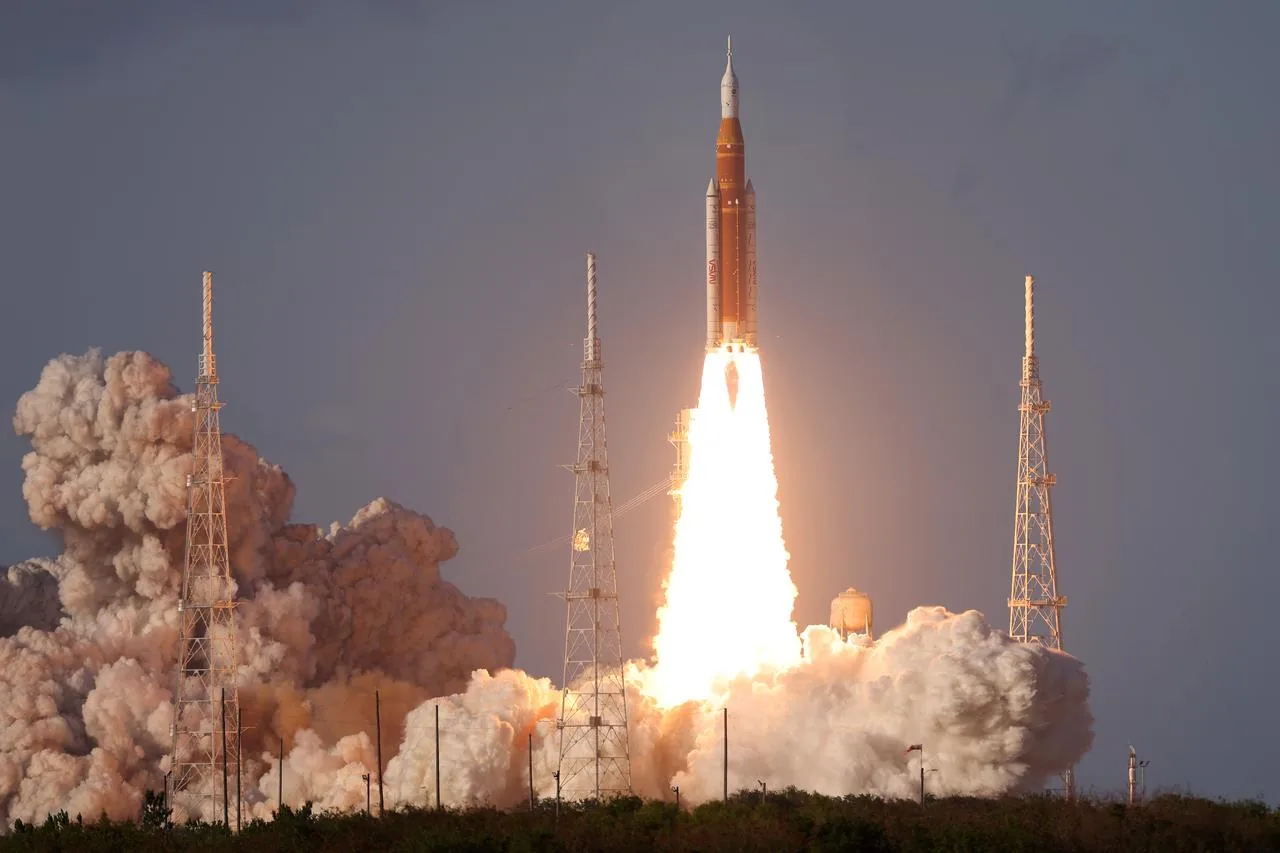
International · NASA / CSACrewed
2026
Artemis II — first crewed lunar flight since 1972
SLS Block 1 lifts Orion off Kennedy LC-39B carrying NASA's Reid Wiseman, Victor Glover and Christina Koch, plus CSA astronaut Jeremy Hansen, on a ~10-day free-return circumlunar mission. First humans beyond low Earth orbit in 53 years.
Frequently asked questions
What is the Space Race Timeline?
An interactive vertical timeline of the most-cited milestones in human spaceflight, from Sputnik 1 in 1957 to the latest crewed and robotic missions. Each entry includes the date, originating agency, and a concise summary sourced from agency archives (NASA, ESA, JAXA, ISRO, CNSA, Roscosmos).
Which nations and organisations are tracked?
USSR/Russia, USA, Europe (ESA member states), China, India, Japan, and private spaceflight companies. The timeline also recognises International collaborations like the ISS and Hubble. Filter chips at the top let you focus on any combination.
How are milestones selected?
Curated for historical significance — every entry is either a 'first' (first satellite, first crewed orbit, first soft landing), a major disaster, or a breakthrough that fundamentally changed what was thought possible. The roster favours breadth and memorability over exhaustive coverage.
Why is my favourite mission missing?
Many important missions are absent for space reasons — Apollo 13, Galileo, Cassini, Gaia, and others each deserve their own dedicated entry. The current roster of ~40 milestones is a starter set; expect it to grow.
Continue your mission
More tools to explore next