
USSR · OKB-1humanfirst
June 16, 1963
Vostok 6 — Valentina Tereshkova, first woman in space
On 16 June 1963, as her booster thundered away from Baikonur, a 26-year-old former textile worker shouted a line of Mayakovsky over the radio: hey sky, take off your hat, I'm on my way. Her call sign was Chaika, the seagull. Twenty-six months after Gagarin's single orbit, the Soviet Union had put a woman in space, and had chosen for the job not a test pilot but a factory girl from the Volga who had learned to fall out of aeroplanes for fun.
Her route to orbit ran through a parachute club in Yaroslavl. Vostok cosmonauts did not land inside their capsules; they ejected at around seven kilometres and descended under their own canopies, so when Soviet selectors quietly screened women in 1962, jump experience mattered more than flying hours. Tereshkova, with more than a hundred jumps, made the final five. Training was so secret that she told her family she was off to a skydiving competition. Her mother learned the truth from the radio, along with the rest of the world.
Chaika circled the planet 48 times in 70 hours and 50 minutes, more time in space than all six American astronauts who had flown to that point combined. Vostok 5, launched two days earlier with Valery Bykovsky aboard, passed within about five kilometres of her early in the flight. The mission also had a hidden flaw: Tereshkova noticed the automatic orientation system was set to raise her orbit rather than bring her down. Corrected settings were radioed up, and at Sergei Korolev's request she kept the error secret for some forty years.
On 19 June she ejected on cue and parachuted onto the steppe of the Altai region, bruised by the landing but safe, sharing her space rations with the villagers who reached her first. She was decorated, feted around the world, and never flew again. Nineteen years passed before another woman reached orbit, and more than six decades on, Tereshkova is still the only woman ever to have flown in space alone.
“Hey sky, take off your hat, I'm on my way!”
Mission Data
Launch
16 Jun 1963
Landing
19 Jun 1963
Orbits
48
Duration
70 hr 50 min
Call sign
Chaika (Seagull)
Age at launch
26
Key Facts
Her training was so secret she told her family she was leaving for a skydiving competition; her mother learned she was in orbit from the radio.
Parachuting was the qualification that mattered: Vostok cosmonauts ejected at about seven kilometres and landed under their own canopies, and Tereshkova had more than a hundred jumps.
Her 70 hours 50 minutes aloft exceeded the combined flight time of all six American astronauts who had flown before her.
Decades later she revealed the automatic orientation program had been set to raise her orbit instead of descending; corrected data was uplinked, and Korolev asked her to keep the error quiet.
She is still the only woman ever to fly a solo space mission; 19 years passed before the Soviets launched a second woman, Svetlana Savitskaya, in 1982.
Why It Mattered
Vostok 6 proved at a stroke that spaceflight was not a male preserve, two decades before the United States flew Sally Ride. The medical data from Tereshkova's three days aloft gave physicians their first evidence of how the female body handles weightlessness, and her flight became one of the most potent propaganda victories of the space race. Yet it also showed how fragile such firsts can be: the Soviet women's cosmonaut group was eventually disbanded, and no woman flew again for nineteen years. Her solo mission remains unrepeated, a benchmark for every woman who has flown since.
Mission Crew
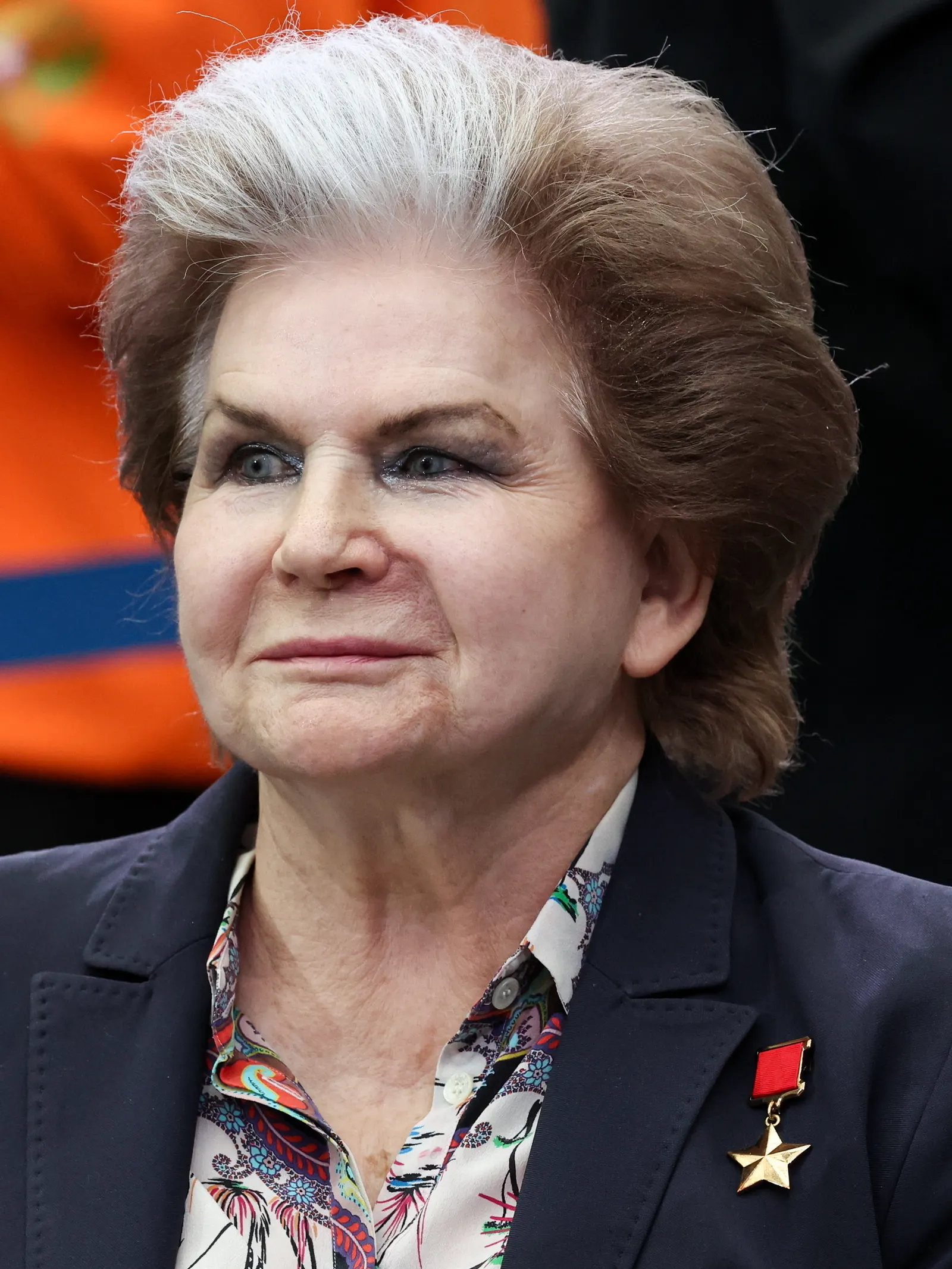
Valentina Tereshkova
RIA Novosti archive #612748 / Alexander Mokletsov, CC BY-SA 3.0
Official sourceContinue your journey
Astronaut
Valentina Tereshkova
Flew on this mission

Moment
Vostok 2 — Gherman Titov spends 25 hours in space
From the same era

Moment
Friendship 7 — John Glenn orbits Earth
From the same era
Moment
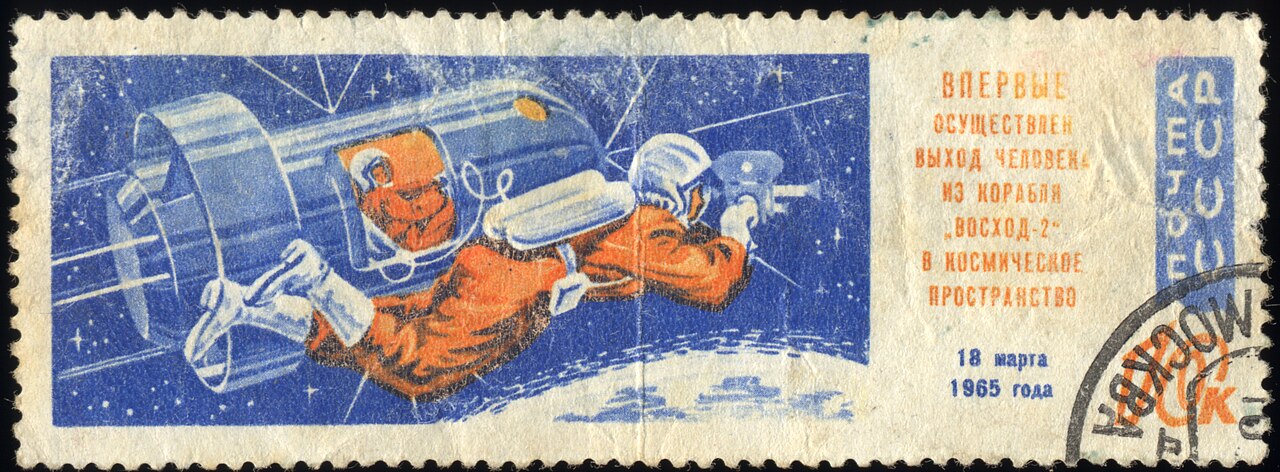
Voskhod 2 — Alexei Leonov performs the first spacewalk
From the same era

Moment
Ed White becomes the first American to spacewalk
From the same era