All Astronauts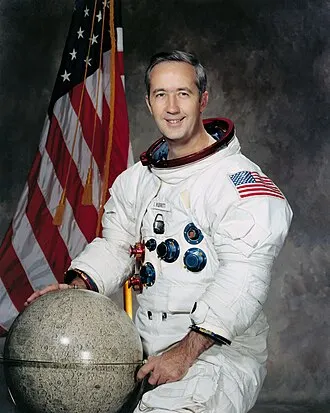 VETERANIn MemoriamNASA
VETERANIn MemoriamNASANASA·🇺🇸 United States·Born 1929
Jim McDivitt
Commanded Gemini 4, featuring the first American spacewalk, and Apollo 9, the first crewed test of the Lunar Module.
338h
Hours in Space
2
Missions
0
EVAs
—
EVA Time
Biography
Commanded Gemini 4, featuring the first American spacewalk, and Apollo 9, the first crewed test of the Lunar Module. Later managed the Apollo Spacecraft Program. He died in 2022.
Before NASAU.S. Air Force combat pilot who flew 145 missions in F-80s and F-86s during the Korean War, then graduated first in his aeronautical engineering class at the University of Michigan and trained as an experimental test pilot at Edwards AFB before joining NASA in 1962.
Life & career
James Alton McDivitt was born on June 10, 1929, in Chicago, and grew up as one of the aviators forged by the mid-century American military. He joined the U.S. Air Force in 1951 and flew 145 combat missions in F-80 and F-86 jets during the Korean War—his final sortie coming, by his own recollection, just hours after the armistice took effect. Only after wartime service did he pursue his engineering credentials, enrolling at the University of Michigan and graduating first in his aeronautical engineering class in 1959. That combination of combat experience and top-of-class academics led him to the Air Force's Experimental Test Pilot School at Edwards Air Force Base, where he tested cutting-edge aircraft. In September 1962, NASA selected him among its second class of astronauts—the 'New Nine'—the group that would fly the Gemini program and reach for the Moon.
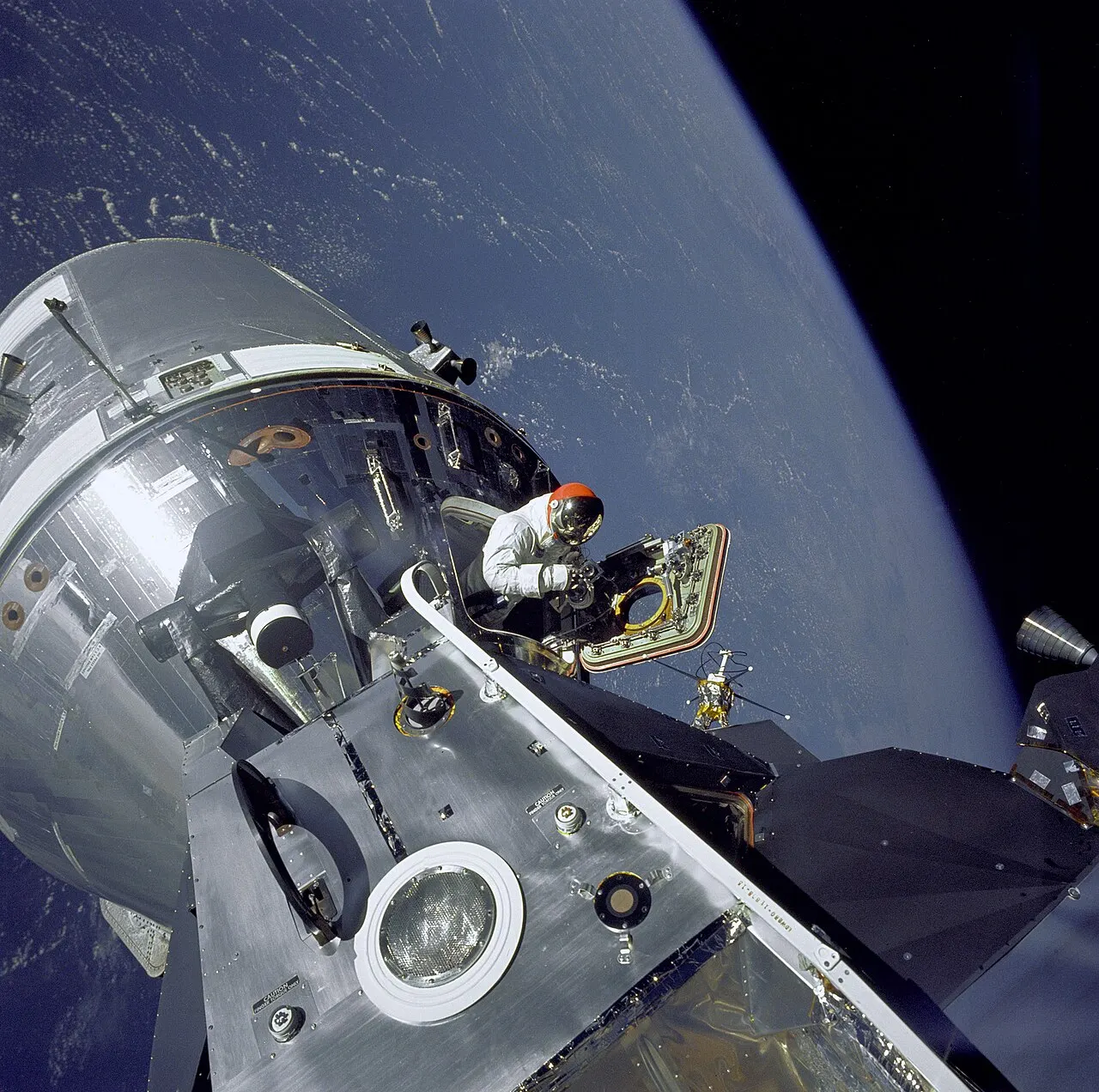
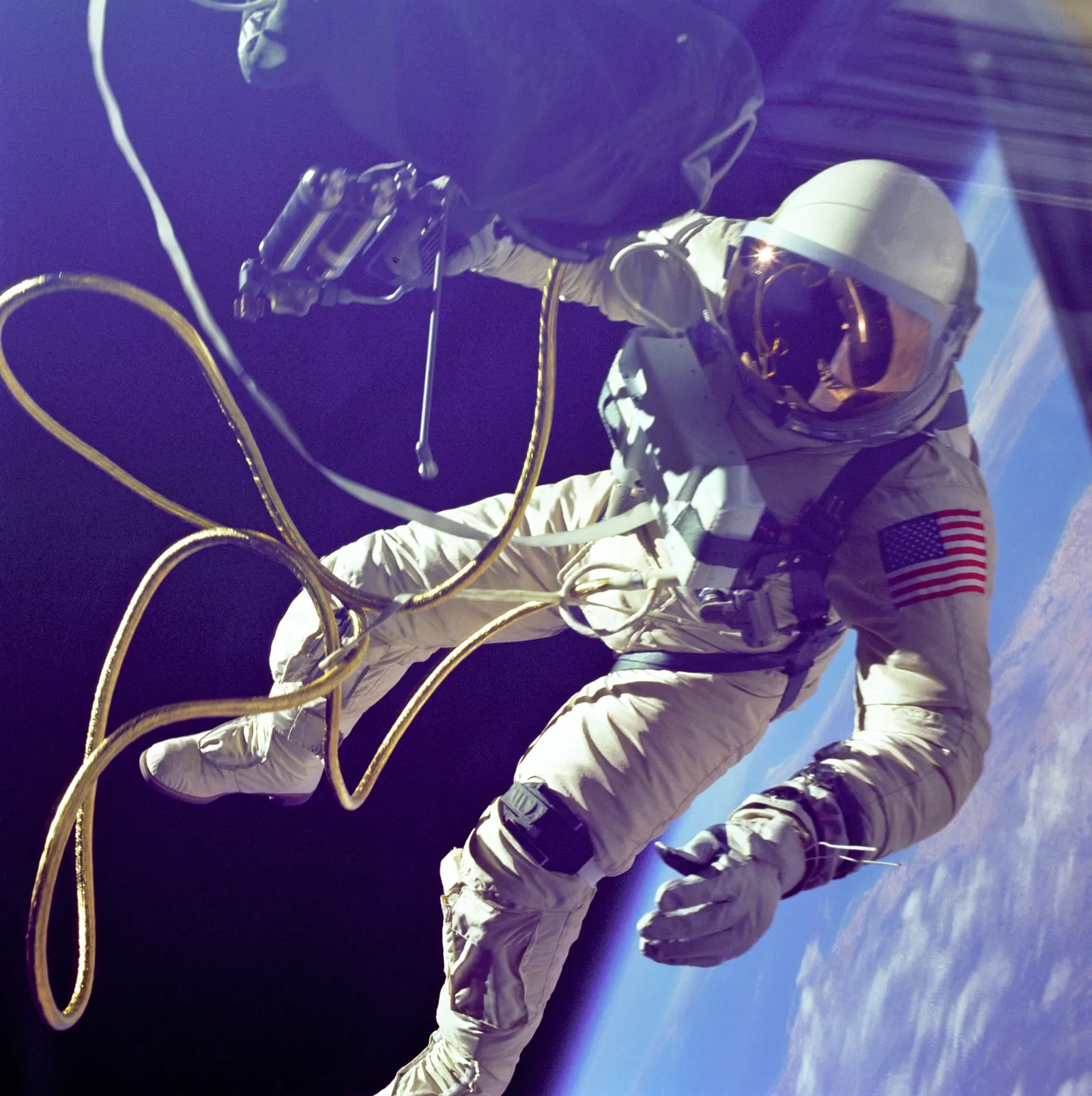
McDivitt commanded both of his two spaceflights, an unusual distinction, and each was a landmark. His first, Gemini 4, launched on June 3, 1965, and ran four days—roughly doubling the American endurance record at the time. The mission's defining moment belonged to his crewmate Ed White, who stepped outside the capsule for the first American spacewalk while McDivitt flew the spacecraft and photographed him. During the flight McDivitt also reported and photographed an unidentified object passing near the capsule, a sighting that was never officially explained. His second mission, Apollo 9, launched on March 3, 1969, and spent ten days in Earth orbit conducting the first crewed test of the Lunar Module. With command module pilot David Scott and lunar module pilot Rusty Schweickart, McDivitt flew the fragile lander—call sign 'Spider'—away from the command module 'Gumdrop' and back again, proving the rendezvous techniques essential to a Moon landing. Apollo 9 was the dress-rehearsal in Earth orbit that made the summer's Apollo 11 landing possible.
McDivitt logged more than fourteen days in space across his two flights before stepping into management, where his impact arguably grew larger. He became manager of Lunar Landing Operations and then, in August 1969, manager of the Apollo Spacecraft Program, overseeing Apollo missions 12 through 16—including the harrowing, successful recovery of Apollo 13. He retired from NASA and the Air Force, as a brigadier general, in 1972, and moved into executive roles in private industry. Widely respected as a steady, engineering-minded commander rather than a self-promoter, McDivitt remained a quietly influential figure in spaceflight history. He died in his sleep on October 13, 2022, in Tucson, Arizona, at the age of 93, one of the last surviving commanders of the Gemini and early Apollo era.
Mission Timeline
- Commander
Gemini spacecraft
Gemini 4
Launch: Jun 3, 1965Landing: Jun 7, 1965Duration: 4 days- Commanded the mission with Ed White's first American spacewalk
- Commander
Apollo CSM Gumdrop / LM Spider
Apollo 9
Launch: Mar 3, 1969Landing: Mar 13, 1969Duration: 10 days- First crewed flight of the Lunar Module, in Earth orbit
Beyond the Mission
Hobbies & Interests
huntingfishinggolftenniswater sports
Languages
English
Fun fact
McDivitt's last Korean War combat mission was flown two hours after the armistice was signed; years later, during Gemini 4, he photographed an unidentified cylindrical object passing his spacecraft — a sighting that remains officially unexplained.
More Astronauts
Other space travelers from NASA