Image: ISRO
Chandrayaan-4
Mission Profile
| Launch date | TBD ~2027 |
|---|---|
| Launch vehicle | LVM3 (×2) |
| Spacecraft | Five-module sample-return stack |
| Target | Moon |
| Type | Robotic |
| Cost | ₹2,104 crore (~$250M) |
| Duration | ~12 months end-to-end |
| Partners | ISRO (lead), URSC, VSSC, ISAC, JAXA (LUPEX-related collaboration) |
Prime Contractors
Companies that built, launched, or operate this mission. Tickers link to their investor profile.
- Indian Space Research Organisation
- Hindustan Aeronautics Limited
- Larsen & Toubro
Overview
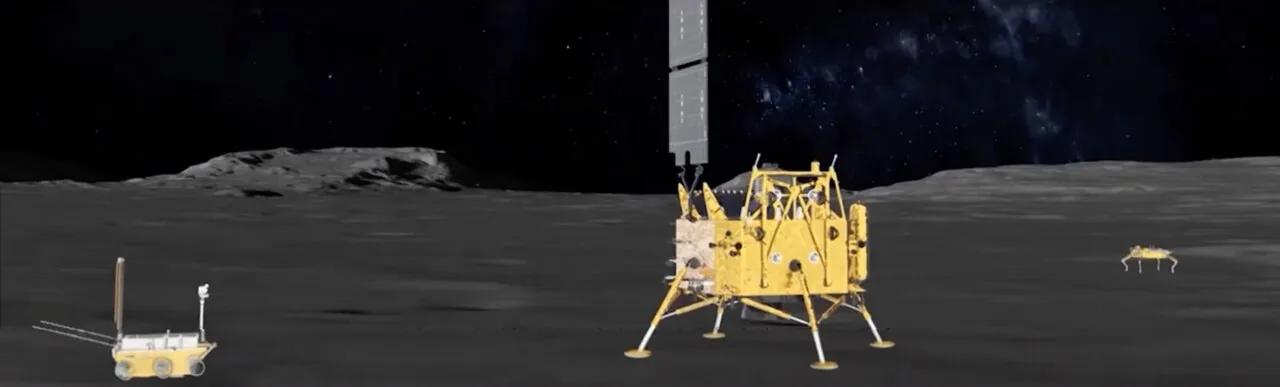
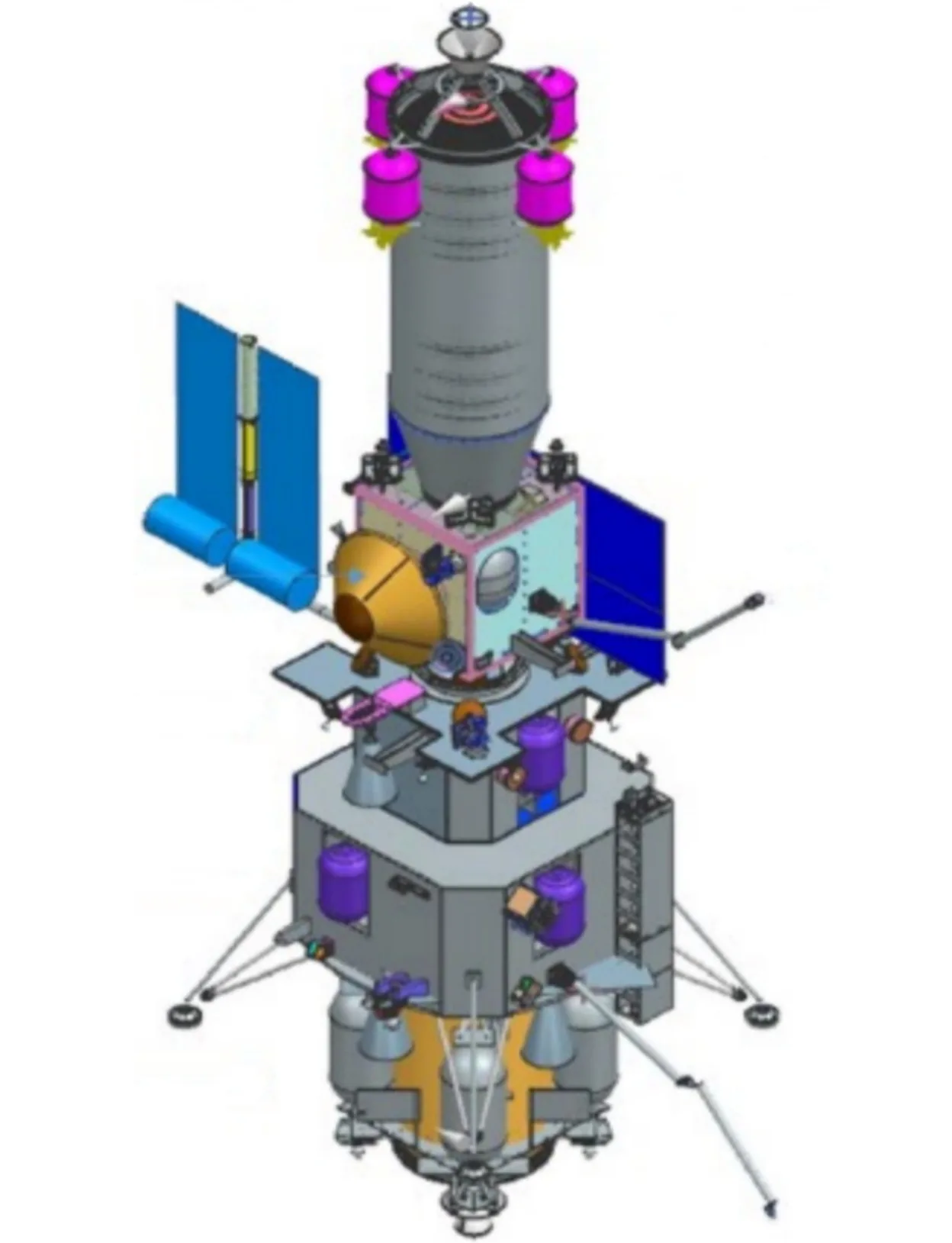
Chandrayaan-4 is India's planned first lunar sample-return mission, formally approved by the Union Cabinet in September 2024 with a budget of ₹2,104 crore (~$250M). The mission architecture, unprecedented for ISRO, calls for two LVM3 launches and an in-orbit assembly of five modules: Propulsion, Descender, Ascender, Transfer, and Re-entry. After Earth-orbit assembly, the Propulsion-Descender-Ascender stack travels to the Moon and lands; the Ascender collects roughly 3 kg of regolith samples and lifts off to dock with the Transfer module in lunar orbit. The Transfer module then returns to Earth, where the Re-entry module separates and lands the sample capsule on Indian soil. Chandrayaan-4 would make India only the fourth country to return lunar samples (after the USA, USSR, and China) and the first to attempt a sample return from a lunar polar region, with the landing target near where Chandrayaan-3 successfully touched down. The mission is also a critical capability demonstrator for India's planned crewed Moon program, since it requires mastering lunar ascent, lunar orbit rendezvous, and Earth re-entry — all prerequisites for the Bharatiya Antariksh Station and a future Indian crewed lunar landing.
Key Milestones
2024-09-18
Union Cabinet approves Chandrayaan-4 with ₹2,104 crore budget
TBD ~2026
Critical Design Review
TBD ~2027
Twin LVM3 launches and Earth-orbit assembly
TBD ~2027
Lunar landing, sample collection, ascent
TBD ~2028
Sample capsule return to Earth