Image: Bruce Irving (CC BY 2.0)
Soyuz T-6
Mission Profile
| Launch date | 1982-06-24 |
|---|---|
| Launch site | Baikonur Cosmodrome Site 1/5 (Gagarin's Start) |
| Launch vehicle | Soyuz-U |
| Spacecraft | Soyuz T-6 (Soyuz 7K-ST No. 9L) |
| Target | Low Earth Orbit |
| Type | Crewed |
| End date | 1982-07-02 |
| Duration | 7 days 21 hours 51 minutes |
| Partners | Soviet Space Program, CNES |
Overview
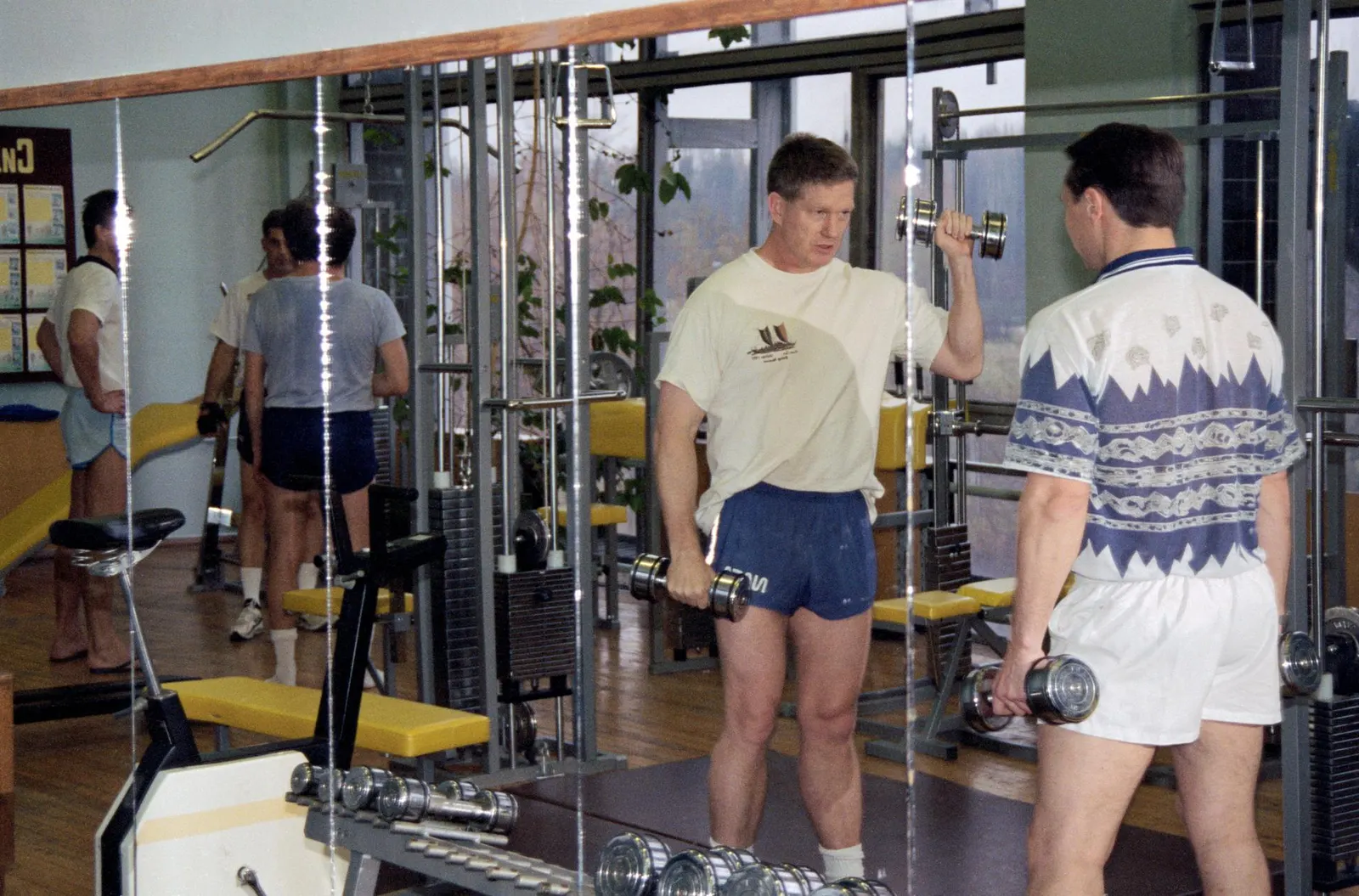
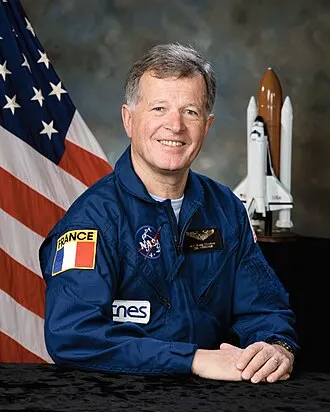
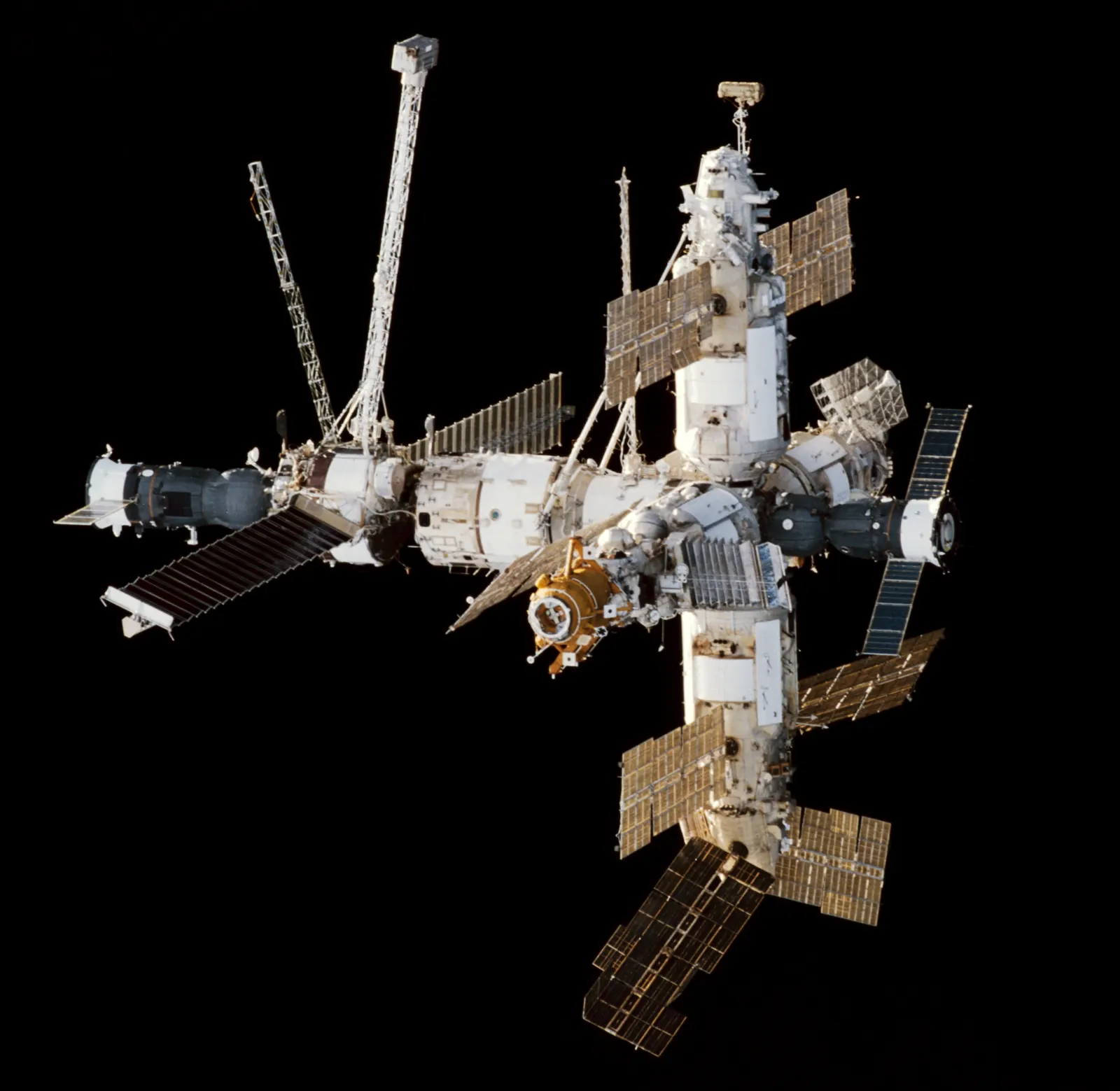
Soyuz T-6 carried Jean-Loup Chrétien into orbit as the first French citizen and the first Western European in space. Launched on 24 June 1982 under the Premier Vol Habité Soviet-French agreement, the test pilot flew with commander Vladimir Dzhanibekov and flight engineer Aleksandr Ivanchenkov. When the spacecraft's automatic docking system faltered on approach to Salyut 7, the veteran Dzhanibekov took manual control and linked up successfully, joining resident cosmonauts Anatoli Berezovoy and Valentin Lebedev. Over nearly seven days the crew ran a packed Franco-Soviet science programme, headlined by the French Echography cardiovascular experiment plus the Posture, Braslet and Cytos biomedical studies. Chrétien's flight, the first time a Western pilot flew with the Soviets at the height of the Cold War, opened a remarkable career that would later make him the first Westerner to walk in space.
Crew
Jean-Loup Chrétien
Cosmonaut Researcher
First French citizen and first Western European in space
Vladimir Dzhanibekov
Commander
Performed the manual docking after automatics failed
Aleksandr Ivanchenkov
Flight Engineer
Key Milestones
1982-06-24
Launch from Baikonur at 16:30 UTC with Dzhanibekov, Ivanchenkov and Chrétien
1982-06-25
Manual docking with Salyut 7 after the automatic system fails
1982-06-25
French Echography and biomedical experiments begin with the resident crew
1982-07-02
Landing ~65 km NE of Arkalyk after 7d 21h 51m
Key Achievements
First French citizen in space
First Western European in space
First Western-aligned pilot to fly with the Soviet space program