Image: CNSA / Wikimedia Commons
Tianwen-3
Mission Profile
| Launch date | TBD ~2028 |
|---|---|
| Launch vehicle | Long March 5 (×2) |
| Spacecraft | Lander + Mars Ascent Vehicle + Orbiter + Earth Return Module |
| Target | Mars |
| Type | Robotic |
| Duration | ~3 years end-to-end |
| Partners | CNSA, CAST, Chinese Academy of Sciences |
Prime Contractors
Companies that built, launched, or operate this mission. Tickers link to their investor profile.
- China Academy of Space Technology (CAST)
- China Academy of Launch Vehicle Technology (CALT)
- Shanghai Academy of Spaceflight Tech
Overview
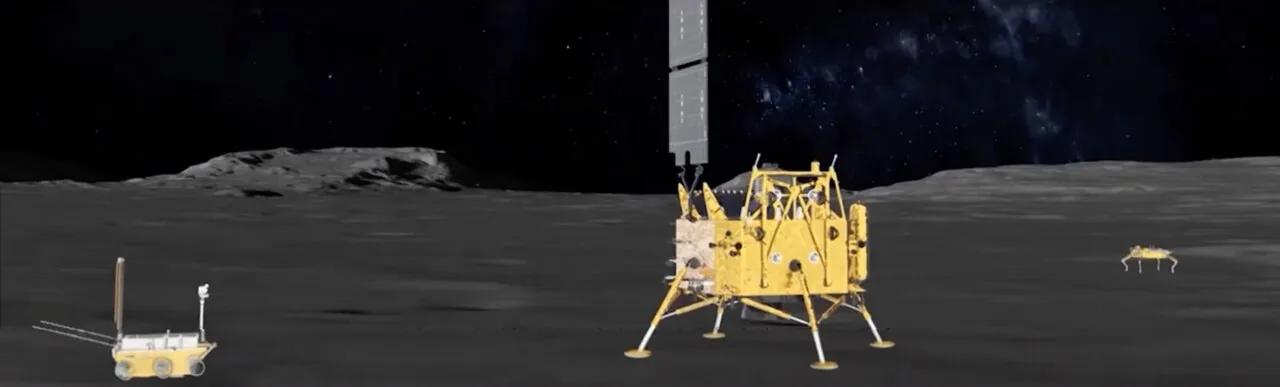
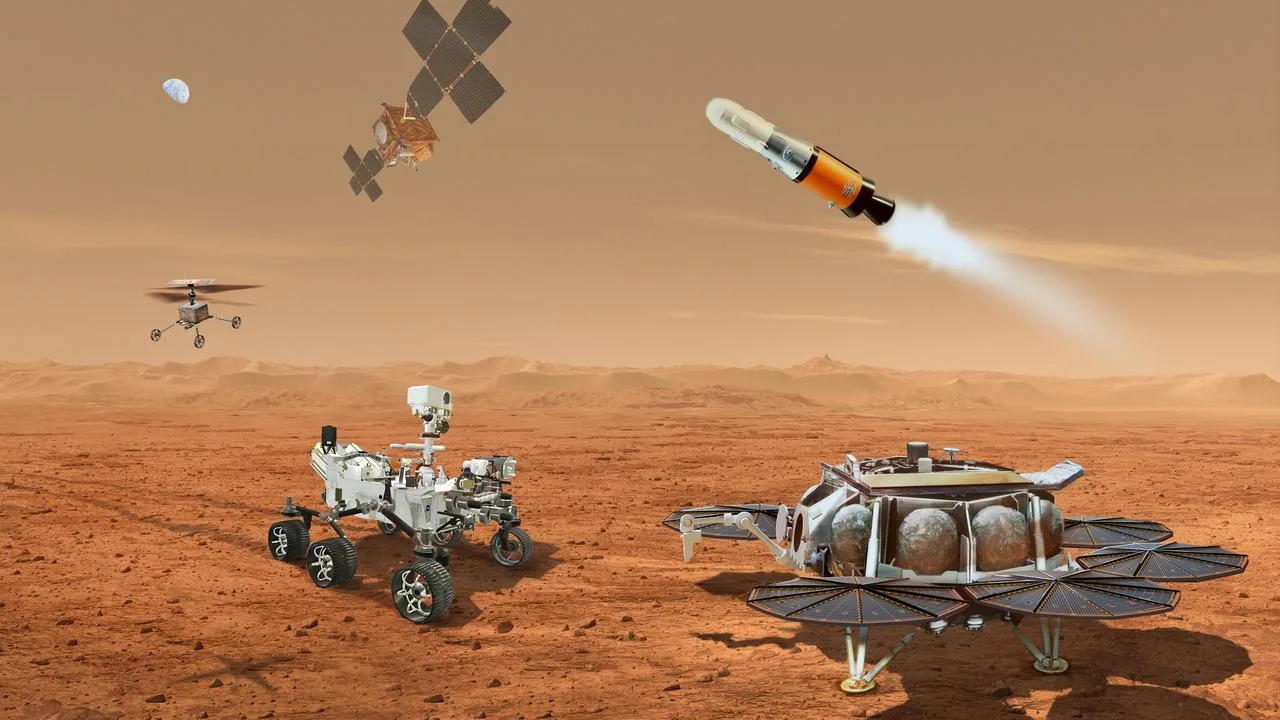
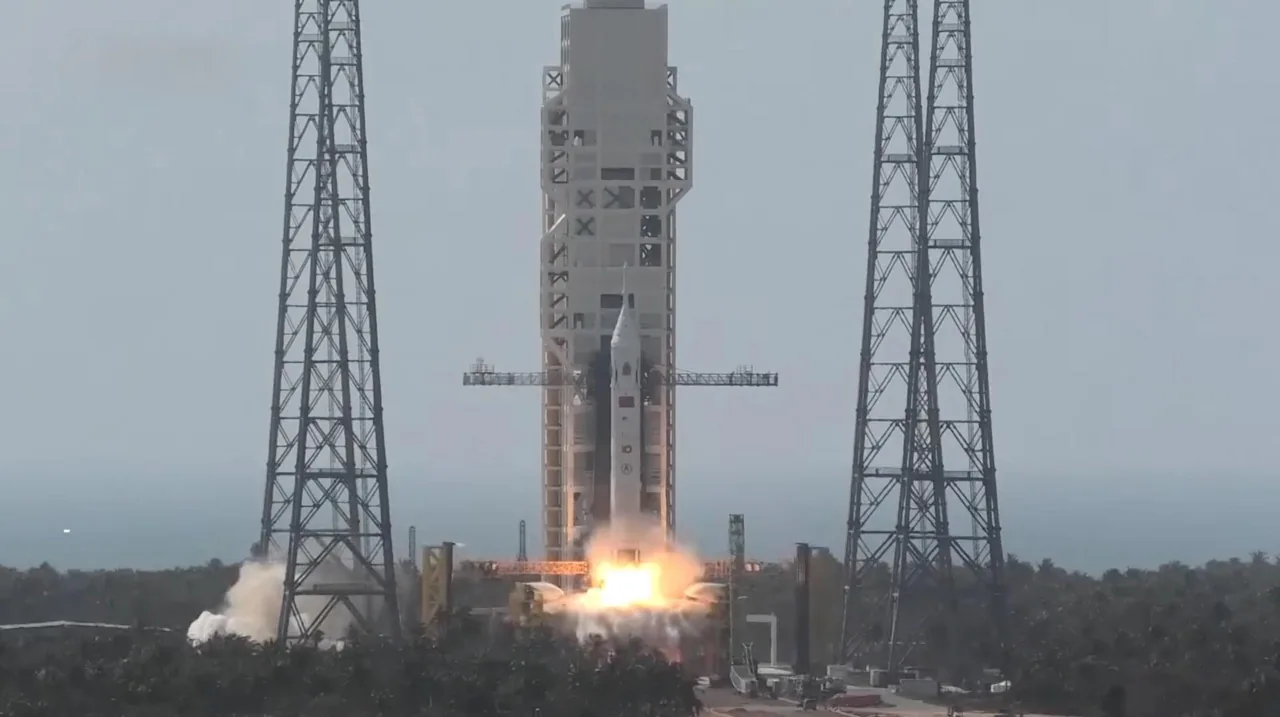
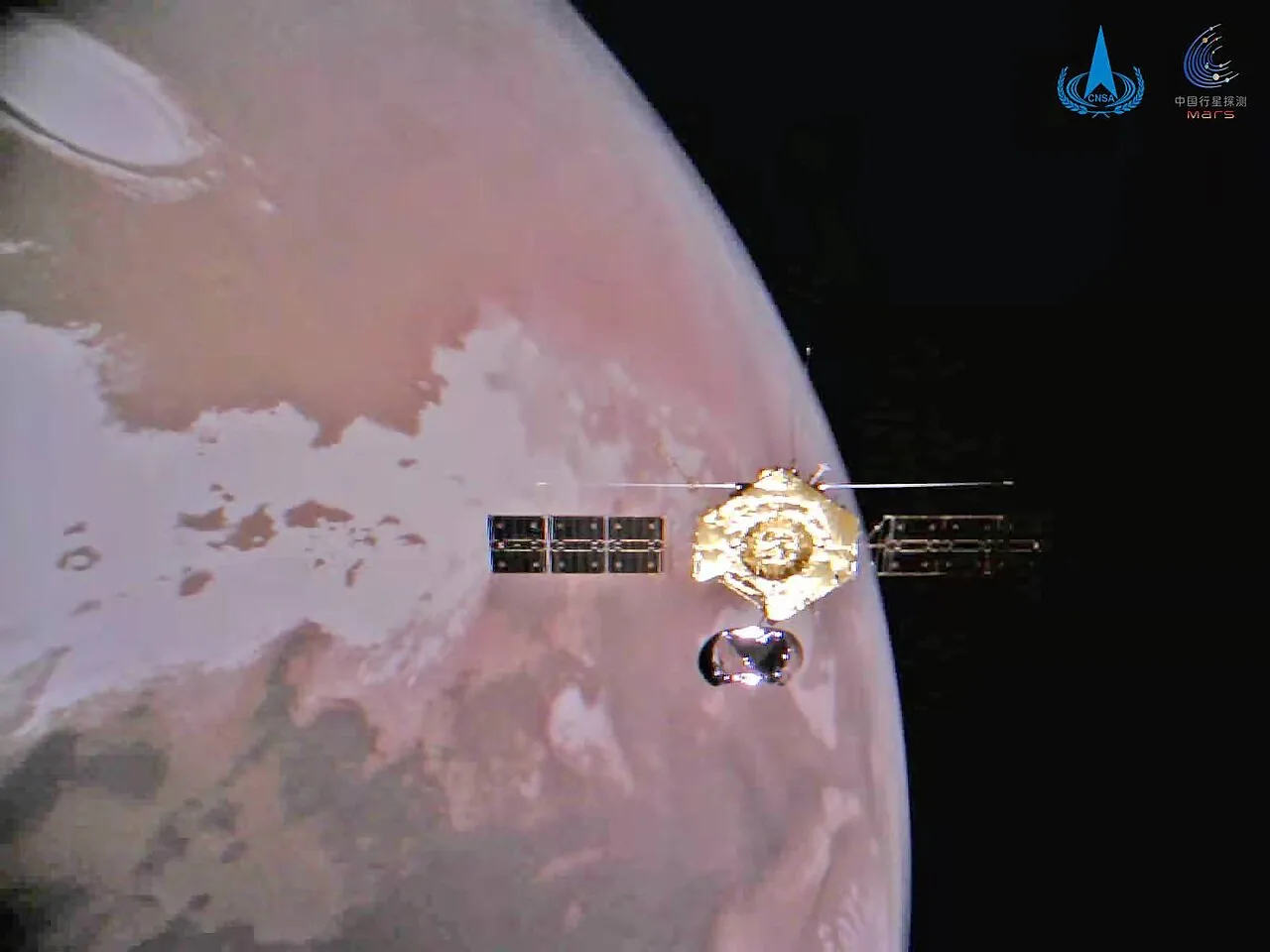
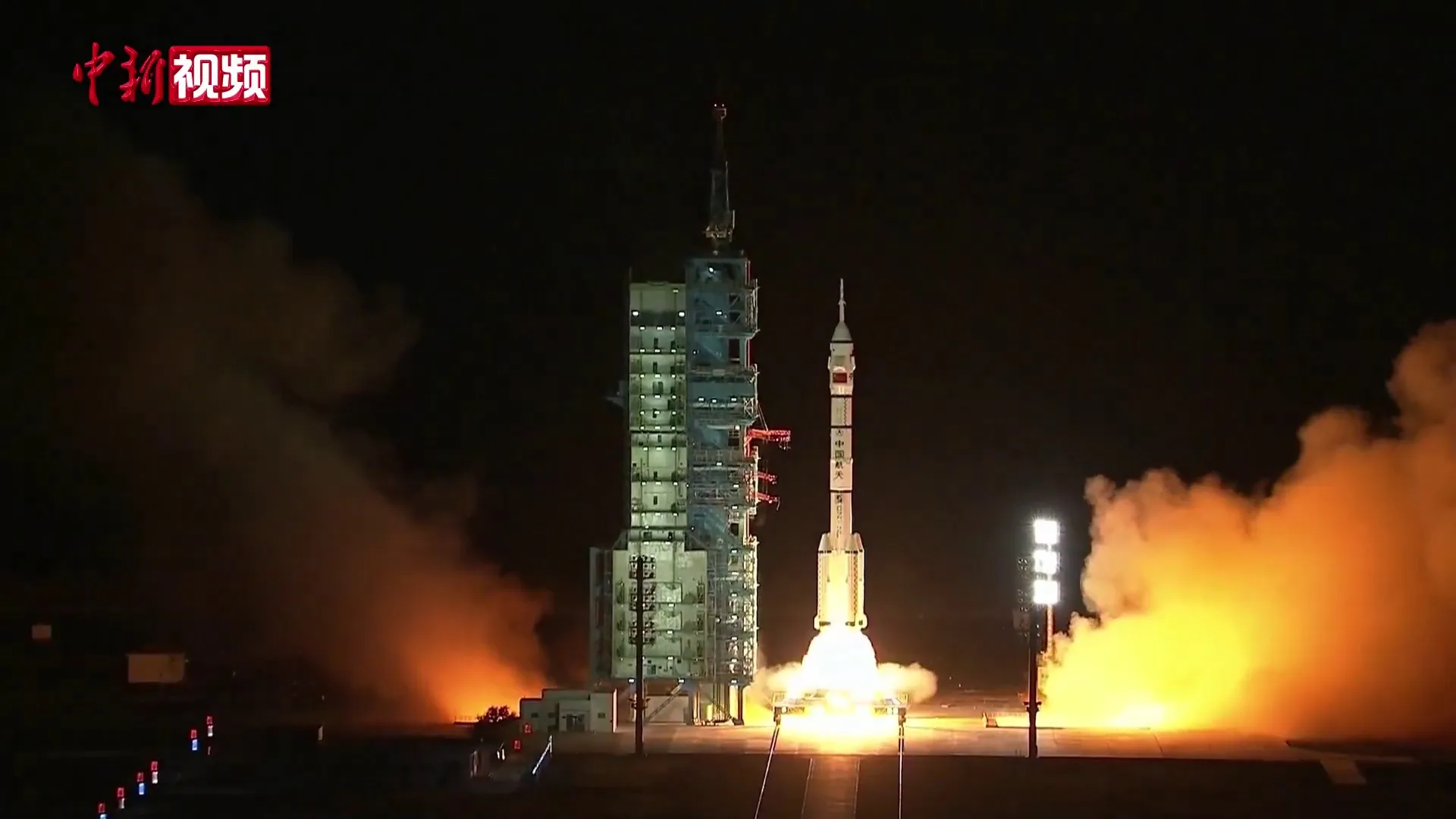
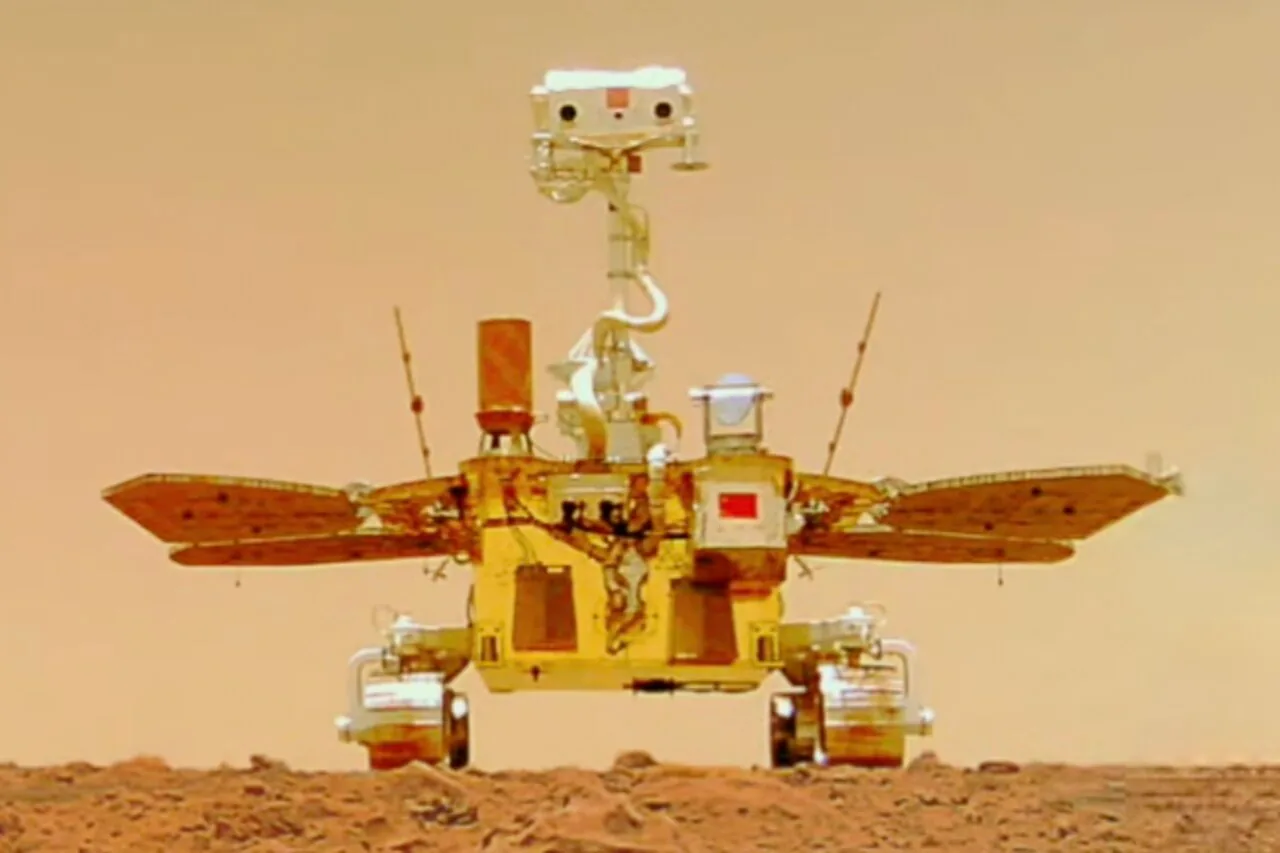
Tianwen-3 is China's planned Mars Sample Return mission and, if it launches on schedule, may become the first mission to return Martian samples to Earth — potentially before the joint NASA-ESA Mars Sample Return campaign. The architecture, publicly described by the China National Space Administration in April 2024, calls for two Long March 5 launches in 2028: one carrying a lander/ascent vehicle stack to the surface, and a second carrying an orbiter that will retrieve the sample canister from Mars orbit and return it to Earth. The lander would collect samples directly with a robotic arm and a small drill (rather than rendezvousing with a previously cached collection like NASA's MSR campaign), aiming for a return mass of roughly 500 g of Martian regolith and rock. Sample return to Earth is targeted for 2031. Final landing site selection is still under study, but Chinese planetary scientists have publicly favored Utopia Planitia (where Zhurong landed) and Chryse Planitia for their potential to preserve biosignatures. If successful, Tianwen-3 would be the most ambitious Chinese deep-space mission to date and would establish independent Chinese capability for outer-planet exploration.
Key Milestones
2022-04-24
CNSA publicly references Tianwen-3 in space white paper
2024-04-24
CNSA chief engineer Liu Jizhong outlines 2028 Tianwen-3 architecture
TBD ~2028
Targeted launches of lander and orbiter
TBD ~2030
Landing on Mars and sample collection
TBD ~2031
Sample return to Earth